
Can You Use a Phone While Gorilla Trekking?
October 18, 2026
Gorilla trekking in Uganda is one of the most extraordinary wildlife experiences in Africa. Deep in the ancient rainforests of Bwindi Impenetrable National Park and the bamboo-covered slopes of Mgahinga Gorilla National Park, visitors follow experienced guides through dense vegetation, steep hills, muddy trails and changing forest conditions in search of endangered mountain gorillas. The experience offers an opportunity to observe these remarkable primates in their natural habitat, learn about their behaviour and support conservation through responsible tourism.
However, one important question concerns many travellers planning their first gorilla safari: What happens if you don’t find the gorillas?
The possibility of not seeing mountain gorillas can create uncertainty, particularly because gorilla trekking permits are valuable and travellers may organise an entire Uganda holiday around this single activity. Visitors often want to know whether they will receive another opportunity to trek, whether their permit fee will be refunded, whether guides can continue searching, and what happens if the gorilla family moves deep into the forest.
At Exclusive Gorilla Journeys, we believe that understanding these possibilities before travelling helps visitors make informed decisions and enjoy a more rewarding safari. Although mountain gorillas are carefully monitored and experienced trackers work hard to locate them, they remain wild animals. Their movements cannot be controlled, and sightings are never something that nature can guarantee with absolute certainty.
The good news is that failing to find gorillas is generally uncommon on Uganda’s habituated gorilla treks, and the trekking system is designed around the experience and knowledge of professional guides and trackers. Nevertheless, travellers should understand the difference between a difficult trek, a delayed sighting and a genuinely unsuccessful search.
This guide explains what happens if you do not find the gorillas in Uganda, how guides respond when a family cannot be located, what your permit covers, whether refunds or replacement treks are available, and how to plan your safari to reduce the risk of disappointment.
Why You Might Not Find the Gorillas During a Trek
Mountain gorillas live in natural forests rather than enclosed wildlife facilities. Even though habituated families are accustomed to the presence of humans, their daily activities remain largely independent of tourism schedules. Several factors can influence how long a trek takes and how easily a family can be located.
The gorillas may have moved far from their previous location
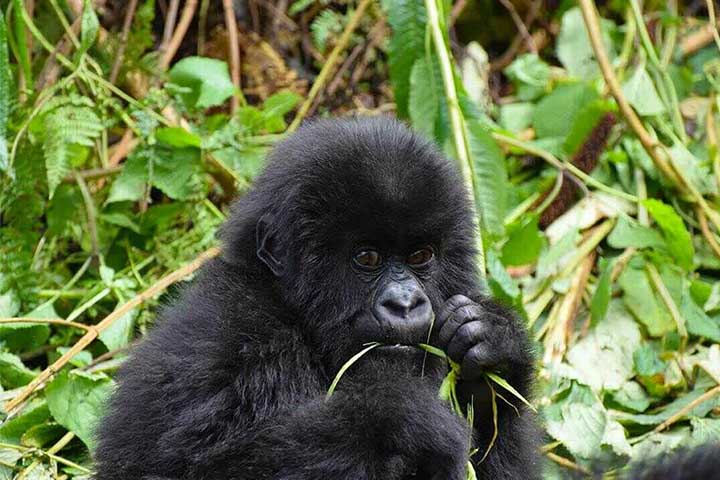
Mountain gorillas spend much of their day feeding, resting, socialising and moving through the forest. They feed on leaves, shoots, stems, fruits and other vegetation available in their habitat. As food availability changes, a family may move from one area to another.
Trackers usually begin their work early, using information about the gorillas’ previous movements and nesting locations to establish a starting point. However, the family may have travelled a considerable distance overnight. It may also move while the tracking team is following its trail.
Consequently, a location that seemed promising at the beginning of the morning may no longer be useful several hours later. The guide and trackers must interpret fresh signs and adjust their search accordingly.
Dense vegetation makes the search challenging
Bwindi Impenetrable National Park is characterised by thick vegetation, steep slopes, tangled undergrowth and areas of limited visibility. Even when a gorilla family is relatively close, locating it can require careful tracking.
A visitor may hear movement in the vegetation without seeing an animal. Gorillas can feed behind thick bushes or rest beneath forest cover, making them difficult to observe from a distance.
The forest environment is part of what makes gorilla trekking exciting, but it also explains why sightings cannot be guaranteed in advance. Finding the gorillas requires knowledge of their behaviour, careful observation and patience.
Weather conditions can affect tracking
Rain is common in Uganda’s montane forests. Wet conditions can make trails slippery, reduce visibility and wash away some of the signs that trackers use to follow animal movements.
Heavy rainfall may also affect the pace of the trek, particularly on steep or muddy terrain. Trackers remain responsible for interpreting the available evidence and guiding visitors safely through the forest.
Weather does not automatically mean that a trek will be unsuccessful. Gorilla trekking takes place throughout the year, but travellers should prepare for rain and understand that conditions can influence the duration and difficulty of the experience.
The family may be difficult to approach safely
Finding a gorilla family does not always mean reaching a suitable viewing position immediately. The animals may be feeding on steep ground, resting in dense vegetation or moving through terrain that is difficult to access.
Guides must balance the objective of finding the family with the responsibility to protect visitors and avoid disturbing the gorillas. They may adjust the approach or wait for a safe opportunity to observe the animals.
If the gorillas cannot be reached safely, the guide’s priority must remain the welfare of the group and the animals rather than forcing an encounter.
Is It Common Not to See Gorillas in Uganda?
For most visitors trekking to habituated mountain gorilla families in Bwindi or Mgahinga, the likelihood of seeing gorillas is very high. The tracking system benefits from daily monitoring, experienced ranger guides and trackers who gather information about the animals’ movements.
This preparation makes gorilla trekking different from a conventional wildlife safari, where visitors may drive through a large national park hoping to encounter animals that have not been located in advance.
Nevertheless, a high sighting rate is not the same as a guarantee. A family can move unexpectedly, tracking information can become less useful, and circumstances may occasionally prevent a successful encounter.
Travellers should therefore approach gorilla trekking with realistic expectations. The purpose of the tracking system is to maximise the chance of a responsible encounter, not to make wild animals behave according to a fixed timetable.
A trek that takes several hours before the gorillas are located should not be mistaken for an unsuccessful trek. Some visitors may reach a family relatively quickly, while others may walk for much longer before receiving the opportunity to observe the animals.
The distinction matters because a long trek is not the same as a failed trek. The outcome is determined by whether the gorillas are successfully located and whether the authorised viewing experience takes place, not simply by how many hours visitors spend walking.
What Do Guides and Trackers Do If They Cannot Find the Gorillas?
Professional tracking teams are an important part of the gorilla trekking experience. Their knowledge of the forest, understanding of gorilla behaviour and ability to interpret signs help visitors locate habituated families while minimising disturbance.
Trackers follow the family’s movements
Trackers typically enter the forest ahead of the visitor group or work in coordination with the ranger team to locate the gorillas. They look for evidence such as footprints, feeding signs, broken vegetation, dung and nesting sites.
These clues help establish the direction in which the family has moved. Trackers may also use established communication procedures to share information with the guides accompanying visitors.
If the first search area does not lead to the gorillas, the team may continue along the trail, investigate fresh signs or redirect the search based on new information.
The guide adjusts the route when necessary
A gorilla trek rarely follows a completely fixed walking route from beginning to end. The route depends on the family’s movements and the terrain between the starting point and the animals’ current location.
When the family moves, the guide may lead visitors along another trail or through a different section of the forest, provided the route is authorised and safe.
Visitors should follow instructions carefully, remain with the group and avoid attempting to locate the animals independently. The guide’s decisions help protect both people and gorillas.
The team considers safety and the remaining search options
If the search continues for an extended period, the guide and park authorities must assess the conditions, available information and the safety of continuing.
The aim is to make a reasonable effort to locate the gorillas without exposing visitors to unnecessary risk or causing excessive disturbance to wildlife.
If the family is eventually found, the guide will organise the encounter in accordance with park regulations. If the gorillas cannot be located after a full day of tracking, the matter becomes an exceptional case that should be handled through the park authorities’ established procedures.
What Happens If You Complete the Whole Trek Without Seeing Gorillas?
This is the most important distinction for travellers concerned about losing their gorilla trekking investment.
Uganda Wildlife Authority’s published July 2024 guidelines address the situation in which a visitor tracks for a whole day but fails to see gorillas or chimpanzees. Under those guidelines, the visitor may be offered the opportunity to reschedule the permit to the following day. If no rescheduling slot is available, or the visitor’s itinerary does not allow an additional day, the guidelines provide for a possible refund of 60% of the permit value after the relevant park authority confirms that the animals could not be accessed. Incidental costs, including taxes and bank charges already incurred, are deducted from the refund.
This is an important safeguard, but it should not be interpreted as an automatic refund or an unconditional promise of another trek. The decision follows the applicable Uganda Wildlife Authority procedure, including official confirmation of the unsuccessful tracking outcome.
The difference between a full-day unsuccessful trek and a visitor choosing to end the trek early is particularly important. If you decide to return before completing the tracking effort, you should not assume that you will qualify for the same consideration as a group that has completed a full day without seeing the animals.
For this reason, visitors should communicate with their guide if they are struggling with the terrain, feeling unwell or worried about the length of the trek. The team can assess the situation and explain the appropriate options without compromising safety.
Can You Trek Again the Following Day Without Buying Another Permit?
A second trekking opportunity may be possible if the first full-day search is unsuccessful. Under Uganda Wildlife Authority’s published guidelines, rescheduling to the following day may be authorised, subject to availability.
However, this arrangement depends on the circumstances of the unsuccessful trek and the park authority’s approval. It is not a general entitlement to trek twice using one permit simply because the visitor would prefer another chance.
The availability of a suitable slot is also important. Gorilla trekking permits are limited to control the number of visitors encountering each habituated family. If the following day’s permits are already allocated, the park may not be able to accommodate an additional trek.
Travellers with flexible itineraries are better positioned to take advantage of a rescheduling opportunity. Those who must leave the area immediately may have to pursue the applicable refund procedure instead.
At Exclusive Gorilla Journeys, we encourage travellers to discuss their departure dates and onward travel arrangements before the trek. Where practical, allowing an extra night near the park can make it easier to respond to an unexpected change, although it cannot guarantee that another trek will be available.
How Much Money Can You Get Back If You Don’t See the Gorillas?
The amount you may recover depends on the official permit policy, the circumstances of the unsuccessful trek and the decision made by the relevant authority.
For visitors trekking in Uganda, the July 2024 guidelines provide for a potential 60% refund of the permit value when a full day’s tracking fails to produce a sighting and rescheduling is unavailable or unsuitable because the visitor cannot remain another day. The refund requires confirmation by the Chief Warden or Warden in Charge that the gorillas could not be accessed, and incidental costs already incurred by the authority are deducted.
For example, if a permit were valued at US$800, a 60% refund would amount to US$480 before any applicable deductions. This is an illustration of the calculation, not a statement of the current permit price or a guarantee that a particular claim will be approved.
Visitors should also distinguish a failed gorilla trek from ordinary cancellations. A traveller who changes their mind, arrives late, misses the scheduled activity or cannot participate for personal reasons should not assume that the unsuccessful-tracking provision applies.
Because permit terms and tariffs can change, confirm the current conditions when booking. Your tour operator should explain what is covered, what evidence is required and how to contact the relevant park authority if the gorillas are not found.
How to Request a Refund After an Unsuccessful Gorilla Trek
If your group completes a full day of tracking without seeing the gorillas, the first step is to speak with your ranger guide and the responsible park officials before leaving the area.
The officials need to establish that the tracking effort was completed and that the gorillas could not be accessed. The applicable guidelines require confirmation by the relevant Chief Warden or Warden in Charge before the refund procedure can proceed.
Your safari operator can help you understand the required documentation and communicate with the appropriate authority. Keep your permit details, booking confirmation and payment records available so that the case can be identified accurately.
It is also sensible to request a clear explanation of the decision, including whether a second trek can be arranged or whether a refund application is the appropriate option. If a refund is approved, ask how it will be processed and whether deductions apply.
Do not rely on informal assurances that money will automatically be returned. The official procedure and the decision on your particular case determine the outcome.
Does the Refund Cover Your Entire Gorilla Safari?
No. A refund under the unsuccessful-tracking provision relates to the gorilla or chimpanzee permit and is subject to the applicable conditions. It should not be assumed to cover every expense associated with the safari.
Your overall gorilla trekking package may include accommodation, transport, meals, guiding services, airport transfers and other activities. These services have separate costs and cancellation conditions.
For instance, you might spend the night at a lodge near Bwindi, travel several hours to the park headquarters and pay for a vehicle and driver as part of a multi-day safari. If the gorillas are not found, those services may already have been provided even though the main wildlife encounter did not take place.
A permit refund does not automatically mean that your accommodation provider or transport company must refund its charges. Whether those costs can be recovered depends on your booking agreement and the provider’s terms.
Before confirming your trip, ask your operator to explain the distinction between the permit fee and the remaining package price. A transparent quotation should make it clear which costs are included and which services may be affected if an activity cannot proceed.
This information is especially valuable for international visitors who are travelling on fixed schedules and have limited time to remain in Uganda.
What If You Find the Gorillas but Cannot See Them Clearly?
Not every disappointing encounter qualifies as a failed trek.
Sometimes a gorilla family is located, but the viewing conditions are difficult. Thick foliage may obscure part of the group, individual animals may remain behind vegetation, or the family may move while visitors are observing it.
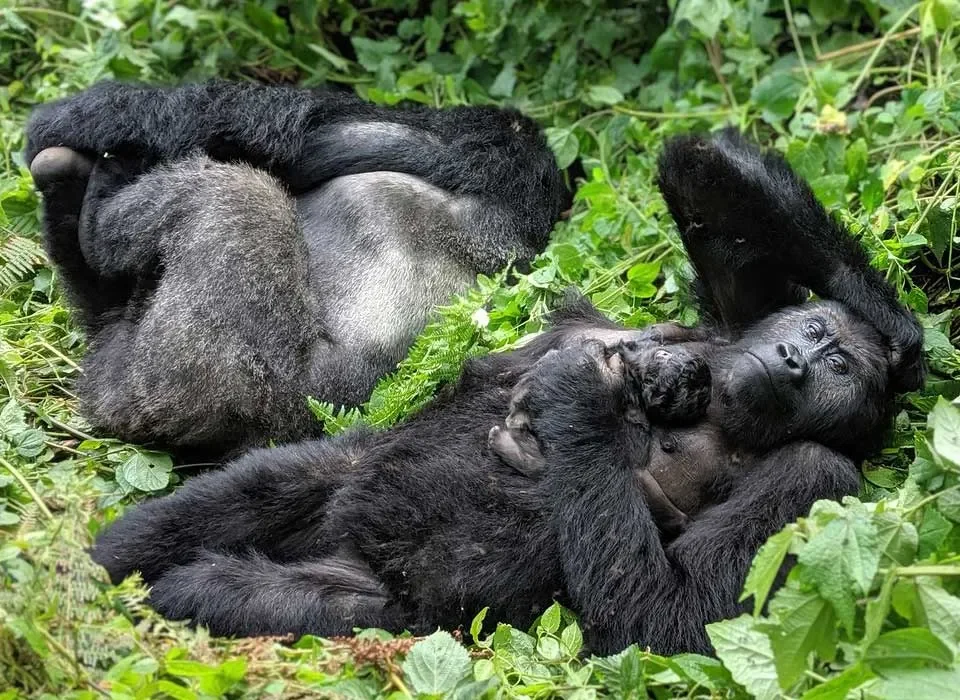
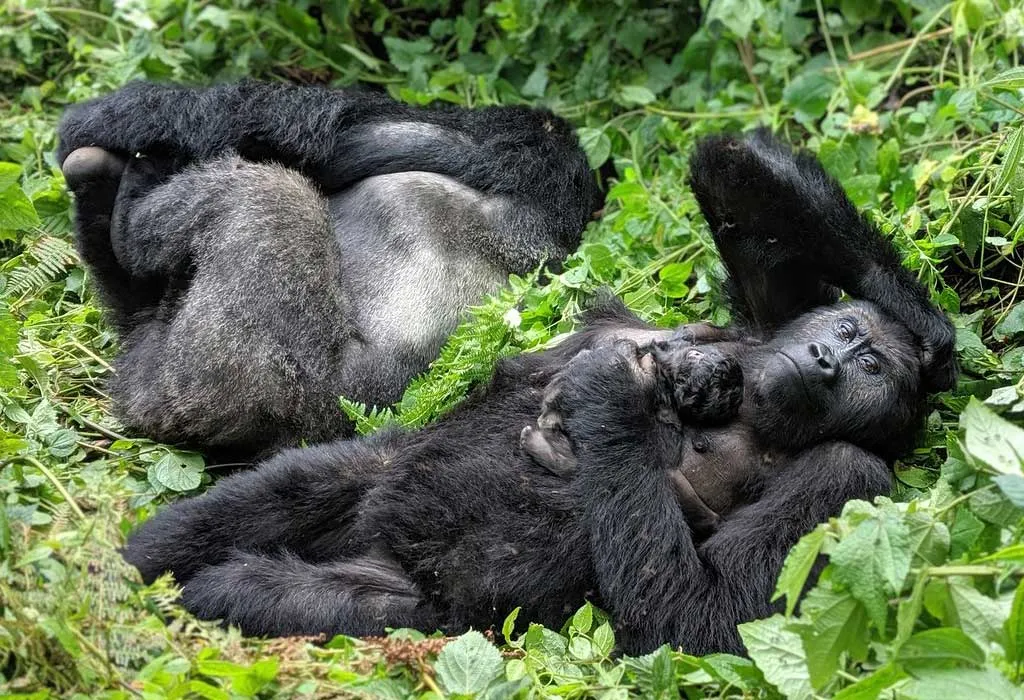
The animals are not trained to pose for photographs or remain in a particular position. A silverback may rest with his back turned, a mother may keep her infant close, or young gorillas may disappear behind plants while playing.
These situations can affect the quality of a visitor’s photographs, but they are part of observing wildlife in a natural environment.
The unsuccessful-tracking provision is concerned with completing the tracking effort without seeing the animals, subject to the official procedure. It should not be assumed to apply whenever the sighting is brief, partly obscured or less dramatic than expected.
Visitors should therefore approach the encounter with realistic expectations. A clear view of one gorilla can be meaningful, even if the entire family is not visible at once.
Can Bad Weather Cause a Gorilla Trek to Be Cancelled?
Rain alone does not necessarily cancel a gorilla trek. Bwindi and Mgahinga are rainforest environments where wet weather is a normal part of the experience.
However, extreme weather, unsafe trails or other exceptional circumstances can affect the park authorities’ decisions. Guides may change the route, delay movement or take other precautions to protect visitors and wildlife.
If the trek is stopped or altered for safety reasons, the outcome will depend on the circumstances and the applicable park rules. A weather-related interruption should not automatically be treated as a full-day unsuccessful search.
Travellers can prepare by carrying a waterproof jacket, wearing suitable hiking boots, bringing drinking water and using walking poles if needed. A porter can also help carry equipment and provide practical support on steep or slippery terrain.
The right preparation makes it easier to manage a long day in the forest. Nevertheless, no amount of preparation can guarantee that every trail will be accessible or that every trek will finish as planned.
Does Your Choice of Gorilla Trekking Sector Affect Your Chances?
Uganda offers gorilla trekking in four sectors of Bwindi Impenetrable National Park: Buhoma, Ruhija, Rushaga and Nkuringo. Mgahinga Gorilla National Park provides another option for visitors seeking mountain gorillas.
Each area has different terrain, access arrangements and trekking conditions. The location of the habituated family assigned to your permit is a major factor in determining where you begin your trek.
Choosing a sector should not be based on the assumption that one area guarantees a sighting while another carries a high risk of failure. All gorilla trekking takes place in a natural environment, and the animals’ movements can change from day to day.
Instead, consider your accommodation, road transfers, fitness, preferred trekking environment and the wider itinerary. Buhoma may suit travellers staying in the northern part of Bwindi, while Ruhija, Rushaga or Nkuringo may be more practical for those whose accommodation and travel plans are centred on other parts of the forest.
Mgahinga is an alternative for visitors who prefer its volcanic landscape and forest setting, but its suitability depends on permit availability and the current arrangements for the habituated gorilla family.
At Exclusive Gorilla Journeys, we recommend choosing a sector that works well with your overall safari rather than selecting one solely on the expectation of a guaranteed encounter.
How to Reduce the Risk of Missing Your Gorilla Trek
Although no traveller can eliminate the uncertainty associated with wildlife viewing, good planning can reduce avoidable problems and make it easier to respond if something unexpected happens.
Book through a reliable safari operator
A knowledgeable operator can help you secure a valid permit, arrange the appropriate accommodation and plan transfers to the correct trekking sector.
This matters because Bwindi’s sectors are spread across a large area. Staying in accommodation that is far from your permit’s designated starting point can result in an unnecessarily early departure or logistical difficulties.
Your operator should also explain the conditions governing unsuccessful tracking and help you understand the available options before you travel.
Arrive near the park before trekking day
Travelling to Bwindi or Mgahinga on the morning of the trek can create unnecessary pressure. Road journeys may take longer than expected because of weather, traffic or road conditions.
Arriving the previous day allows you to rest, prepare your equipment and reach the park headquarters on time for the briefing.
It also reduces the risk of missing the activity because of a delayed transfer. Missing a scheduled trek is a different situation from completing a full day of tracking without finding gorillas, so protecting your arrival schedule is important.
Consider keeping an extra day in your itinerary
If your budget and schedule permit, an additional night near the park offers flexibility. It may allow you to accommodate a rescheduled trek if the official conditions permit and a slot is available.
An extra day is not a guarantee of a second encounter, and it does not override permit requirements. However, it can prevent a tightly scheduled onward journey from limiting your options after an unexpected problem.
For visitors combining gorilla trekking with Queen Elizabeth National Park, Kibale Forest or a flight from southwestern Uganda, careful scheduling is particularly important.
Prepare physically for a potentially long trek
Some gorilla treks last only a few hours, while others require much longer walks through steep and muddy terrain. Your fitness, footwear and ability to manage the conditions can affect how comfortably you complete the activity.
Regular walking, hill training and moderate cardiovascular exercise can help you prepare. During the trek, maintain a comfortable pace, communicate with your guide and take appropriate breaks when needed.
If you have a medical concern that could affect your participation, discuss it with a qualified healthcare professional before travelling.
Understand the rules before you set out
The park briefing explains how visitors should behave around mountain gorillas and what to expect during the trek. Listen carefully, follow the ranger’s instructions and remain with the authorised group.
Do not attempt to leave the group to search for gorillas independently, even if you believe you have heard or seen movement nearby. Such behaviour can put you at risk and disturb wildlife.
A responsible trek prioritises conservation, safety and respect for the animals over the desire to obtain a photograph.
What Should You Do If You Are Disappointed After an Unsuccessful Trek?
It is understandable to feel disappointed if you have travelled thousands of kilometres, paid for a gorilla permit and spent an entire day walking through the forest without seeing the animals. For many travellers, gorilla trekking is the highlight of a long-awaited African safari.
If this happens, take time to discuss the experience with your guide and tour operator. Ask what the tracking team discovered, whether the gorillas were located at any point and what options are available under the applicable permit rules.
If another trek is authorised and available, consider whether your schedule allows you to remain in the area. If rescheduling is not possible, ask the responsible officials about the procedure for an unsuccessful-tracking refund.
You can also make the most of your time in southwestern Uganda by exploring other activities that fit your itinerary. Depending on your location and available time, these may include a guided forest walk, a community visit, birdwatching or a scenic drive through the surrounding highlands.
These activities do not replace the experience of seeing mountain gorillas, but they can help you appreciate the broader natural and cultural attractions of the region.
Most importantly, remember that a wildlife encounter is not a performance arranged for visitors. The animals’ freedom to move naturally is central to conservation, and responsible tourism must respect that reality.
What Else Can You See During a Gorilla Trek?
Even when gorillas remain difficult to locate, the forest offers an opportunity to learn about a remarkable ecosystem. Bwindi is recognised for its exceptional biodiversity, with numerous bird species, forest plants, butterflies and other wildlife inhabiting its varied terrain.
During a trek, visitors may encounter interesting vegetation, hear forest birds and observe evidence of animal activity. Guides can explain the ecological importance of the forest, the role of conservation and the relationship between protected habitats and local communities.
However, visitors should not expect alternative wildlife sightings to compensate for an unsuccessful gorilla encounter. The main purpose of a gorilla trekking permit is to participate in the authorised tracking activity, and other wildlife observations depend on what is naturally present along the route.
The wider lesson is that a gorilla safari offers more than a photograph. It provides an opportunity to understand the challenges of protecting endangered primates and the forests on which they depend.
Is Gorilla Trekking Still Worth It If There Is a Small Chance of Failure?
For most wildlife enthusiasts, gorilla trekking remains a highly rewarding experience despite the small possibility of an unsuccessful search.
The opportunity to observe mountain gorillas in their natural habitat is unusual and carefully regulated. Habituated families are monitored by trained personnel, and visitor numbers are restricted to reduce disturbance and protect the animals.
The possibility of not finding the gorillas should encourage preparation rather than discourage travel. Understanding the permit rules, selecting appropriate accommodation and allowing flexibility in your itinerary can help you approach the experience with confidence.
It is equally important to recognise that conservation cannot guarantee a particular outcome for every visitor. Responsible tourism supports the protection of wildlife even when nature does not deliver the experience a traveller hoped for.
When you book with Exclusive Gorilla Journeys, we encourage you to plan your safari around both the excitement of seeing mountain gorillas and the practical realities of tracking wild animals. Our aim is to help you make informed decisions about permits, accommodation, transport and the timing of your visit.
Frequently Asked Questions About Not Finding Gorillas in Uganda
What happens if gorillas are not found in Bwindi?
If you complete a full day of tracking without seeing the gorillas, Uganda Wildlife Authority’s published guidelines allow for possible rescheduling to the following day, subject to availability. If rescheduling is unavailable or your itinerary prevents an extra day, a 60% permit refund may be authorised after official confirmation, less applicable incidental costs.
Are gorilla sightings guaranteed in Uganda?
No. The likelihood of seeing habituated mountain gorillas is very high, but sightings cannot be guaranteed because the animals move freely through their natural habitat.
Will I get a full refund if I don’t see gorillas?
You should not expect a full refund. The published guidelines provide for a possible 60% refund in the specified full-day unsuccessful-tracking circumstances when rescheduling is unavailable or unsuitable, subject to official confirmation and applicable deductions.
Can I try again the next day?
A second trek may be authorised if your first full-day tracking effort is unsuccessful. The opportunity depends on permit availability, your itinerary and approval under the applicable procedures.
Should I book two gorilla trekking permits to be safe?
Booking two permits can provide separate trekking opportunities on different days, subject to availability and the applicable rules. It is not always necessary, however, because sightings are highly likely on a standard trek. Discuss your budget, schedule and priorities with your safari operator before deciding.
What happens if I leave the trek early?
Leaving early because you are tired, uncomfortable or unwilling to continue is not necessarily treated in the same way as completing a full day without seeing gorillas. Inform your guide if you are struggling, and do not assume that an unsuccessful-tracking refund will apply.
Does rain mean I will not see gorillas?
No. Gorilla trekking continues in wet conditions when it is safe and authorised to do so. Rain may affect the trails, visibility and trekking duration, but it does not automatically prevent a sighting.
Plan Your Gorilla Trekking Safari with Exclusive Gorilla Journeys
Gorilla trekking in Uganda is an extraordinary wildlife adventure, and the possibility of not finding the gorillas should be understood as part of travelling into a natural forest rather than as a reason to abandon your plans.
The chances of seeing habituated mountain gorillas are very high because experienced trackers and ranger guides work together to locate the families. Nevertheless, exceptional circumstances can occasionally result in a full day of tracking without a sighting.
Uganda Wildlife Authority has procedures for these rare situations, including the possibility of rescheduling and a partial permit refund when the specified conditions are met. Understanding these rules before booking can help you protect your investment and avoid unrealistic expectations.
Exclusive Gorilla Journeys can help you plan your Uganda gorilla trekking safari with suitable permits, accommodation near your chosen trekking sector, reliable transport and an itinerary that allows for practical flexibility.
Contact Exclusive Gorilla Journeys to plan your gorilla trekking experience in Bwindi Impenetrable National Park or Mgahinga Gorilla National Park. With thoughtful preparation and realistic expectations, you can travel with greater confidence and enjoy one of Africa’s most remarkable wildlife experiences.