
Gorilla Trekking for Seniors, What You Need to Know
October 17, 2026
How Fit Do You Need to Be for Gorilla Trekking?
October 18, 2026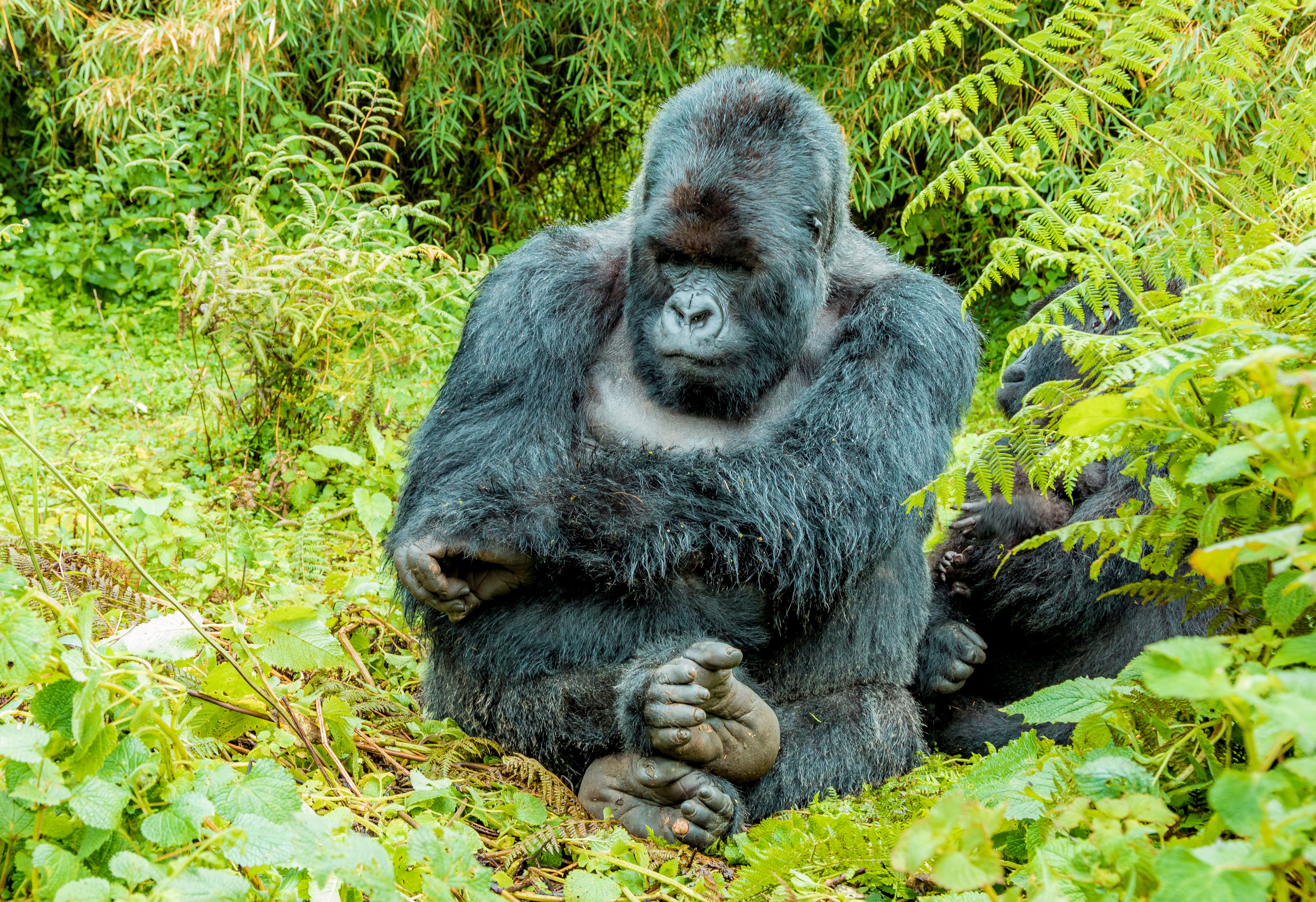
Gorilla trekking is one of the most memorable wildlife experiences in Africa, offering travelers the opportunity to encounter endangered mountain gorillas in their natural forest habitat. For first-time safari travelers, the experience combines adventure, wildlife conservation, scenic landscapes, and the excitement of exploring some of East Africa’s most remarkable protected areas.
At Exclusive Gorilla Journeys, we help travelers understand what to expect, choose the right destination, prepare for the trek, and organize a safari that suits their interests, fitness levels, travel schedules, and budgets. Whether you are planning your first African holiday, a honeymoon, a family adventure with eligible participants, or a dedicated wildlife expedition, gorilla trekking can become the highlight of your journey.
Unlike a conventional game drive, where visitors observe wildlife from a safari vehicle, gorilla trekking involves walking through forested terrain with trained guides and trackers to locate a habituated gorilla family. The journey can take you through dense vegetation, steep hills, muddy trails, and beautiful mountain scenery before you reach the gorillas.
Your first trek may feel unfamiliar, especially if you have never visited a tropical rainforest or participated in a guided wildlife expedition. However, with appropriate planning, the right equipment, a valid gorilla permit, and a knowledgeable safari operator, you can approach the experience with confidence.
This guide explains everything first-time safari travelers need to know about gorilla trekking in Uganda and Rwanda, including the best destinations, permit arrangements, costs, physical preparation, accommodation, travel logistics, trekking rules, and how to choose a safari package.
What Is Gorilla Trekking?
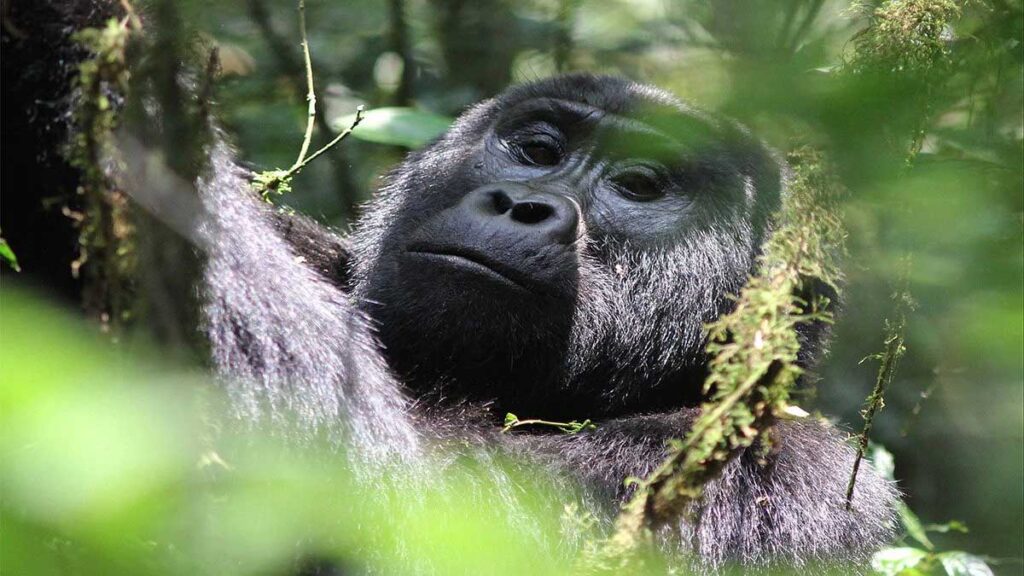
Gorilla trekking is a guided wildlife activity in which visitors walk through a protected forest to observe a habituated mountain gorilla family. Habituated gorillas have undergone a carefully managed process that allows them to tolerate the presence of authorized human observers while maintaining their natural behavior.
Mountain gorillas live in the forested mountain regions of East-Central Africa. Uganda and Rwanda are two of the most popular destinations for travelers who want to see them in the wild.
The experience is different from visiting a zoo or wildlife sanctuary because the gorillas move freely through their natural environment. Their location changes from day to day, depending on feeding patterns, resting places, movement, and other aspects of their behavior.
Before the trek begins, park staff explain the rules, allocate visitors to available gorilla groups, and provide guidance on what to expect. Experienced trackers enter the forest to locate the assigned group, while visitors follow their guides along routes determined by the gorillas’ movements and the terrain.
Once the gorillas are located, visitors are allowed a limited viewing period under the applicable park regulations. The standard visit is generally limited to one hour after the group is reached, although the full trekking experience may take considerably longer.
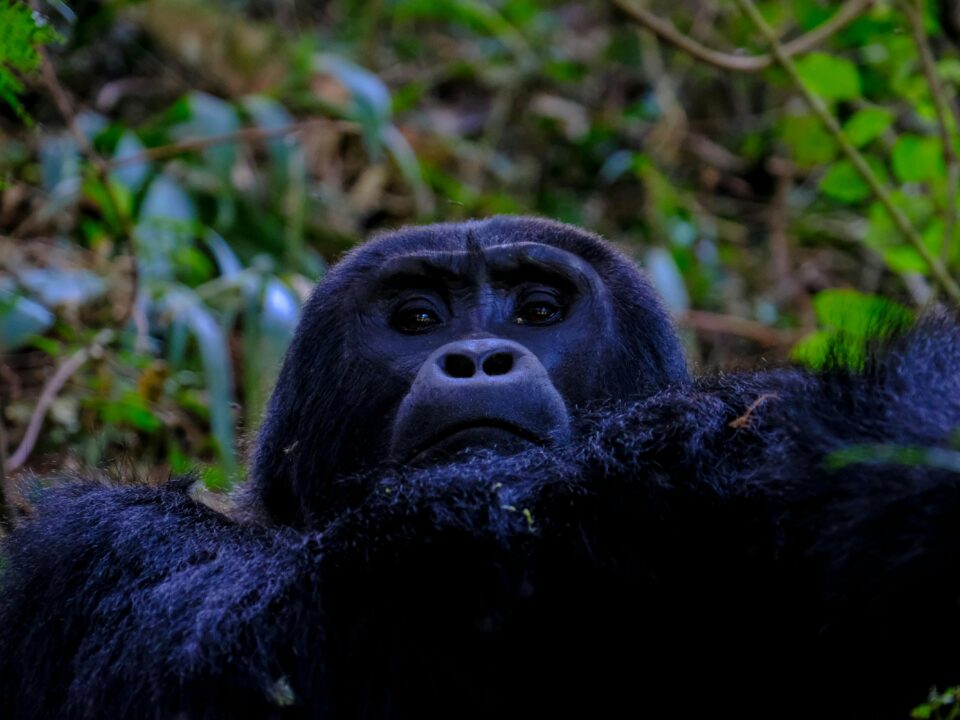
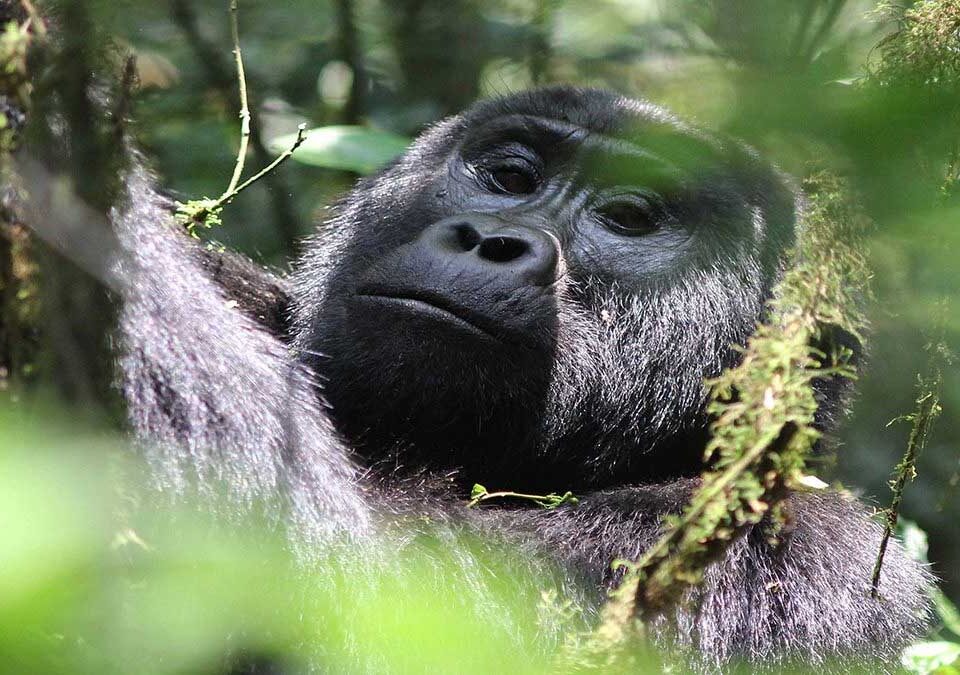
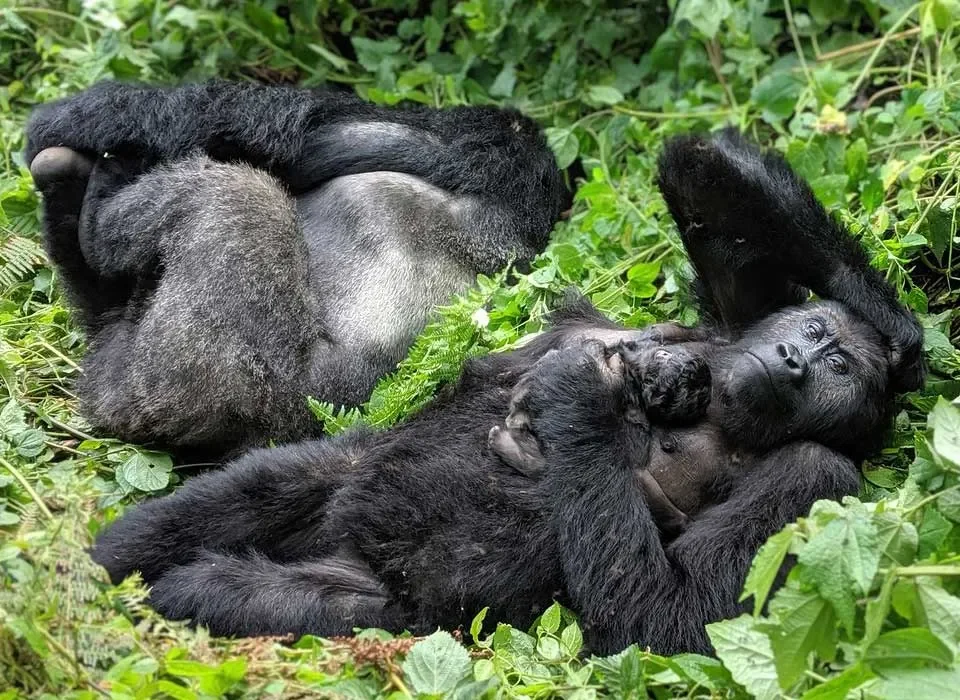
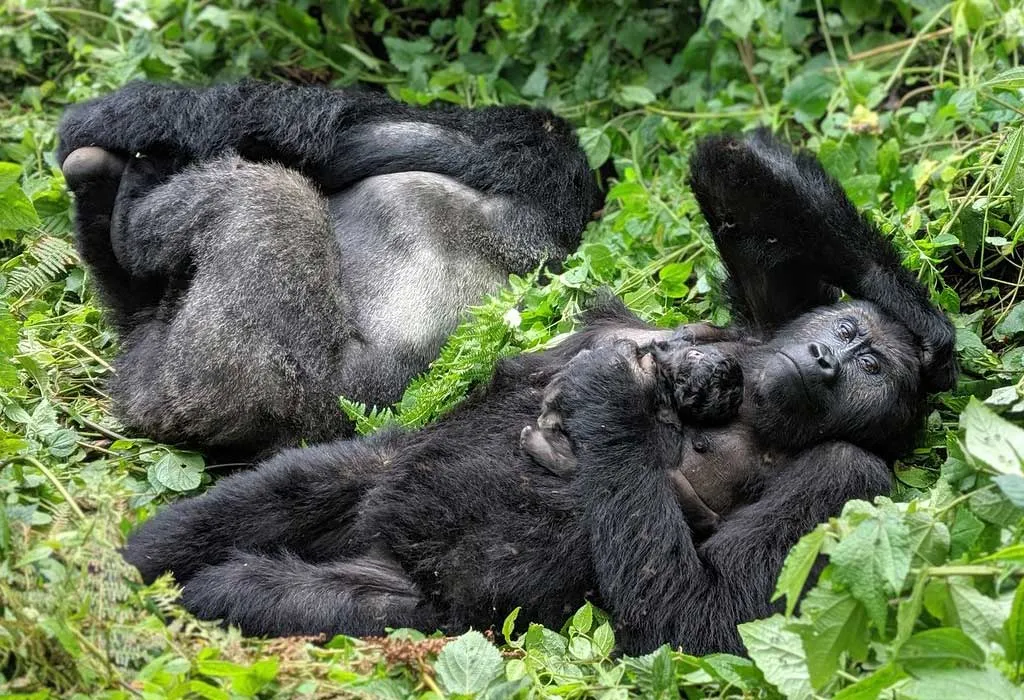
The encounter can be deeply moving. You might see a silverback resting among the vegetation, juveniles playing, mothers caring for their young, or members of the group feeding on leaves and stems. Every encounter is different, and sightings should never be treated as a staged wildlife performance.
For first-time safari travelers, gorilla trekking provides an introduction to responsible wildlife tourism and the importance of protecting endangered species.
Why Gorilla Trekking Is Ideal for First-Time Safari Travelers
One of the main reasons gorilla trekking appeals to first-time safari travelers is that it does not require previous safari experience. You do not need to know how to identify dozens of animal species, operate specialist photography equipment, or spend several days searching for wildlife across vast savannahs.
Your guides explain the process, help you navigate the forest, and provide information about gorilla behavior and conservation. You can concentrate on enjoying the experience rather than worrying about managing the expedition yourself.
Gorilla trekking also works well as part of a longer African safari. You can combine the forest experience with wildlife game drives, boat cruises, birdwatching, cultural visits, and scenic road journeys. In Uganda, for example, a gorilla trek can form part of a wider itinerary that includes savannah wildlife viewing and chimpanzee tracking.
The activity is also relatively structured. You have a designated meeting point, a scheduled briefing, a trained guiding team, and a defined viewing period. Although the physical challenge and duration vary, this structure makes the experience easier to plan than some independent wilderness adventures.
Most importantly, a gorilla encounter offers an intimate perspective on wildlife. Observing a mountain gorilla family at close range can help first-time visitors understand the complexity of animal social relationships and the importance of conserving natural habitats.
Where Can First-Time Travelers Go Gorilla Trekking?
Uganda and Rwanda are the two leading choices for most travelers planning a mountain gorilla trekking safari in East Africa. Both offer guided encounters with habituated mountain gorilla families, but they differ in geography, travel logistics, accommodation options, and overall safari possibilities.
Choosing the right destination depends on your budget, the amount of time available, your preferred travel style, and the other experiences you want to include.
Gorilla Trekking in Uganda
Uganda offers gorilla trekking in Bwindi Impenetrable National Park and Mgahinga Gorilla National Park.
Bwindi is particularly popular because of its extensive rainforest, varied terrain, and several trekking sectors. These sectors are Buhoma, Ruhija, Rushaga, and Nkuringo. Each provides access to designated gorilla groups, and the most suitable sector depends on permit availability, your itinerary, accommodation, and the advice of your safari operator.
Bwindi is a good option for first-time safari travelers who want to combine gorilla trekking with other wildlife experiences. Depending on the route and length of the trip, you can include destinations such as Queen Elizabeth National Park, Kickball National Park, or Lake Bunyonyi.
Queen Elizabeth National Park offers savannah game drives and boat trips along the Kazinga Channel, while Kickball is well known for chimpanzee tracking. Lake Bunyonyi provides a scenic setting for relaxation after trekking.
Mgahinga, part of the Virunga volcanic landscape, offers another setting for mountain gorilla encounters. The park also provides opportunities to explore the region’s volcanic scenery and track golden monkeys on a separate activity.
Uganda is especially attractive to travelers who want a varied safari rather than a single wildlife excursion. However, distances between destinations can be substantial, so a carefully planned route is important.
Gorilla Trekking in Rwanda
Rwanda’s main gorilla trekking destination is Volcanoes National Park, in the northwestern part of the country near Musanze.
The park protects a section of the Virunga Mountains, where mountain gorillas live among forested slopes and bamboo vegetation. The landscape is striking, with volcanic peaks, cultivated hillsides, and communities surrounding the protected area.
Rwanda is often a convenient choice for travelers who want a shorter gorilla-focused itinerary. The journey from Kigali to the Volcanoes National Park region is generally much shorter than the road transfer from Entebbe to Bwindi, although actual travel time depends on traffic, weather, road conditions, and the starting point.
Accommodation ranges from comfortable lodges to luxury safari properties. This makes Rwanda appealing to honeymooners, travelers with limited holiday time, and visitors seeking a high-comfort experience.
You can also combine gorilla trekking with Kigali city experiences, cultural activities, or a longer visit to other Rwandan destinations.
Uganda or Rwanda: Which Is Better for Your First Trek?
Neither country is universally better for every traveler. Rwanda may be more convenient for a short trip centered on gorilla trekking, while Uganda can be particularly appealing if you want to build a longer safari around gorillas, chimpanzees, and savannah wildlife.
The permit price is another consideration. Standard foreign non-resident permits have commonly been priced at US$800 in Uganda and US$1,500 in Rwanda, but rates, eligibility categories, promotions, and applicable seasons can change. Confirm the official rate for your travel date before making a payment.
At Exclusive Gorilla Journeys, we can help you compare the destinations according to the total cost of your trip, not just the permit price. A lower permit fee does not automatically mean a less expensive safari if the journey requires additional nights, long transfers, or more complex transport arrangements.
How Does Gorilla Trekking Work for First-Time Visitors?
Understanding the basic process helps remove uncertainty before your safari begins.
Arrival at the Park
Your trekking day usually starts early. You will travel to the designated park headquarters or visitor registration centre, where staff verify your permit and relevant identification.
Arriving on time is important because the park briefing and allocation process take place before groups enter the forest. Your safari itinerary should allow sufficient time for the morning transfer, particularly if your accommodation is outside the immediate trekking area.
The Morning Briefing
Park staff explain gorilla trekking procedures, visitor conduct, safety considerations, and the rules for approaching the gorillas. You may receive information about the gorilla family assigned to your group and the expected route, although the precise location and duration of the trek remain uncertain.
You will then be allocated to a group with a guide and supporting trackers. Standard trekking groups are limited in size, helping manage the impact of visitors on the gorillas and their habitat.
Walking Through the Forest
Once the trek begins, you follow your guide through the terrain. The path may include established trails, muddy sections, steep slopes, roots, undergrowth, and areas where there is no obvious path.
Trackers work ahead to locate the gorilla family. Your guide communicates with the tracking team and adjusts the route as necessary.
The walk is part of the experience, not simply a delay before seeing the animals. You may encounter forest birds, unusual plants, butterflies, and other signs of wildlife along the way.
Meeting the Mountain Gorillas
When the gorillas are located, your guide explains how to approach and observe them. You must remain with the group, follow instructions, maintain the required distance, and avoid movements or noises that could disturb the animals.
The standard viewing period is generally one hour, measured from the time the gorillas are reached, subject to the applicable park rules and any safety instructions.
You might watch the silverback resting, observe a mother caring for her infant, or see younger gorillas playing and climbing through the vegetation. The group may move during your visit, so your guide will direct you on how to follow safely.
Returning From the Trek
After the viewing period, your group leaves the gorillas and returns along a route determined by the terrain and guiding team. You may finish early or return later in the day, depending on the distance covered and the conditions encountered.
Your safari driver will usually be waiting at the agreed meeting point. Depending on your itinerary, the rest of the day may include lunch, relaxation at your lodge, a community visit, or a transfer to your next destination.
How Difficult Is Gorilla Trekking for a Beginner?
Gorilla trekking is achievable for many reasonably mobile travelers, but it should not be treated as an effortless walk. The difficulty varies considerably between treks and even between different gorilla groups within the same destination.
The forest environment is often humid, and the ground may be slippery after rain. You may encounter steep uphill sections, uneven footing, dense vegetation, and changes in elevation. Some treks take only a relatively short time to locate the gorillas, while others require several hours of walking in each direction.
A first-time safari traveler does not necessarily need to be an experienced hiker. However, you should be comfortable walking for sustained periods and managing uneven terrain.
Preparing Your Fitness
Begin preparing several weeks before departure if you are not accustomed to regular physical activity. Walking consistently, using stairs, and practicing on gentle hills can improve stamina and confidence.
If possible, take practice walks on uneven paths while wearing the footwear you intend to use on the trek. This helps you identify discomfort before arriving in Uganda or Rwanda.
Your preparation should reflect your current abilities. Travelers with mobility limitations, significant medical concerns, or uncertainty about whether they can manage the terrain should seek appropriate professional advice before booking.
Requesting Assistance
In some circumstances, porters can help carry your daypack and provide practical support on difficult sections. Hiring a porter also creates a direct source of income for people living around the protected area.
Travelers who need additional mobility assistance should discuss their needs with their tour operator and the relevant park authorities well before travel. Specialized carrying arrangements may be available in certain circumstances, but they require advance coordination and cannot be assumed to be suitable or available for every visitor.
At Exclusive Gorilla Journeys, we encourage first-time trekkers to discuss fitness concerns honestly so that the itinerary and preparation advice are appropriate for their circumstances.
What Should You Pack for Your First Gorilla Trek?
Packing the right equipment makes the trek more comfortable and helps protect you from the conditions of a tropical rainforest. You do not need expensive expedition equipment, but you should prioritize practical clothing, reliable footwear, and protection from rain and vegetation.
Choosing the Right Clothing
Wear long trousers and a long-sleeved shirt to help protect your skin from scratches, insects, and contact with vegetation. Choose comfortable, breathable clothing that allows you to move freely.
Neutral colors such as green, brown, and khaki are practical for forest activities. Avoid clothing that restricts movement or becomes uncomfortable when wet.
A lightweight waterproof jacket is essential because rain can occur even during periods that are generally considered dry. Conditions in mountain forests can change quickly, and a wet trek may feel cooler than expected.
Long socks that can be secured over your trouser cuffs can help reduce the chance of insects entering your clothing. Gloves with a good grip are also useful when moving through vegetation or holding branches for balance, although you should never pull or break plants unnecessarily.
Selecting Suitable Hiking Boots
Waterproof or water-resistant hiking boots with strong grip and good ankle support are often the best choice. The terrain may be muddy, slippery, steep, or covered with exposed roots, so ordinary trainers and open shoes are usually unsuitable.
Wear your boots before the safari rather than using a brand-new pair on trekking day. Make sure they fit properly and do not cause blisters during longer walks.
Gaiters can help keep mud, water, and vegetation out of your boots. They are particularly useful when trails are wet or overgrown.
Carrying Water and Personal Essentials
A small, comfortable daypack should hold your drinking water, a light snack if permitted, a rain jacket, personal medication, and any other essentials recommended by your operator.
A camera or smartphone can be useful for documenting the experience, but you should remain attentive to the guide’s instructions. Flash photography should not be used, and your guide may ask you to put devices away during certain situations.
Bring any medication you normally require, along with insect repellent and sunscreen for use where appropriate. A small personal first-aid kit can also be helpful.
Your tour operator should explain the latest park requirements before the trek so that you avoid carrying unnecessary equipment.
When Is the Best Time for Gorilla Trekking?
Gorilla trekking takes place throughout the year in Uganda and Rwanda, and there is no single month that guarantees the best encounter.
The main consideration is how seasonal weather may affect your travel arrangements, trail conditions, accommodation preferences, and the type of safari you want.
Dry Seasons
In Uganda, the periods around June to August and December to February are generally regarded as drier seasons in many trekking areas. Rwanda also has relatively dry periods around these months.
These seasons are popular because conditions may be more favorable for travel and some forest trails may be easier to manage. However, rain can still occur, and the terrain may remain muddy in shaded or high-altitude areas.
Because these months often attract many visitors, permits and preferred accommodation may need to be booked well in advance.
Rainy Seasons
The wetter periods in much of the region commonly occur around March to May and September to November, although local conditions vary.
Rain can make trekking trails more slippery and increase the physical challenge. On the other hand, forest vegetation may be especially lush, and travelers may find more flexibility in some accommodation or travel arrangements.
The gorillas remain in their natural habitat regardless of the season, and sightings are not guaranteed to be easier during any particular month.
For first-time visitors, the best travel date is often the one that balances suitable weather expectations, permit availability, budget, and the rest of the itinerary.
Gorilla Trekking Permits: What First-Time Travelers Must Know
A gorilla trekking permit is an essential requirement for visiting habituated mountain gorillas in Uganda or Rwanda. It authorizes participation in a specific regulated trekking experience on the confirmed date, subject to the relevant park rules.
Permits are limited because gorilla tourism must be managed to reduce disturbance to the animals and their habitat. You should therefore confirm availability before finalizing non-refundable flights or accommodation arrangements.
Uganda Gorilla Permits
Uganda offers standard gorilla trekking in Bwindi Impenetrable National Park and Mgahinga Gorilla National Park. The Uganda Wildlife Authority manages permits and sets the applicable rates.
Permit prices depend on the visitor category and current tariff. For example, the published July 2024–June 2026 tariff listed a standard permit at US$800 for foreign non-residents, with different rates for other categories. Because that tariff period has ended, travelers planning dates after June 2026 should verify the current official rate rather than relying on older quotations.
Rwanda Gorilla Permits
Rwanda’s gorilla trekking permits are managed through the Rwanda Development Board’s tourism reservation system. The standard foreign non-resident rate has been US$1,500 per person, while other categories may qualify for different rates or promotions, depending on eligibility and the applicable dates.
For example, the official booking portal lists a minimum trekking age of 15 and specifies the applicable visitor categories. Promotional rates may have seasonal exclusions, so you must check the conditions for your exact travel date.
Why You Should Book Early
Booking early gives you a better chance of securing the correct date and trekking sector. This is particularly important if you have fixed international flights, limited holiday time, or a preference for a particular lodge.
Your permit details must match the required identification documents. Incorrect personal details, invalid documentation, or purchasing a permit under the wrong visitor category can create problems at registration.
When arranging your safari through Exclusive Gorilla Journeys, provide accurate passport details and confirm the permit date before making further travel commitments. Ask for written confirmation of the permit arrangements and clarify which costs are included in your package.
How Much Does a Gorilla Trekking Safari Cost?
The cost of a gorilla trekking safari depends on the destination, permit category, number of travelers, accommodation standard, transport arrangements, trip length, and additional activities.
The permit is an important expense, but it is only one part of the overall safari budget.
Permit and Park Costs
Your budget should account for the applicable gorilla permit and any additional park or activity charges that are not already included in the quoted package.
Do not assume that the price advertised for a gorilla trekking permit covers your complete holiday. A permit generally does not cover international flights, accommodation, all meals, travel insurance, visas, personal expenses, or every transfer required for your itinerary.
Transport and Accommodation
Road transfers can be a substantial component of a Uganda gorilla safari because Bwindi is located far from major international arrival points. A private safari vehicle provides flexibility, while domestic flights to suitable airstrips may reduce road travel time at an additional cost.
In Rwanda, transfers between Kigali and the Volcanoes National Park region are generally more straightforward, but accommodation choices can significantly influence the total price.
Lodges may range from practical guesthouses to high-end properties offering spacious rooms, fine dining, and personalized services. The right choice depends on your priorities and the amount you want to spend.
Budgeting for the Complete Experience
A well-prepared quotation should explain the permit, accommodation, meals, transport, guide services, park fees, and any included activities. It should also identify exclusions, such as international airfare, visas, travel insurance, tips, drinks, or optional excursions.
The cheapest package is not necessarily the best value. A very low quotation may exclude essential services or involve long transfers that reduce the time available for rest and other experiences.
At Exclusive Gorilla Journeys, we recommend comparing complete itineraries on an equivalent basis. This helps you understand what you are paying for and reduces the risk of unexpected expenses during your trip.
How Many Days Do You Need for Your First Gorilla Safari?
The ideal length of your safari depends on your arrival point, destination, budget, and whether you want to include other wildlife activities.
A Short Gorilla Trekking Trip
A short itinerary may work for travelers with limited time, particularly when trekking in Rwanda and arriving through Kigali. However, you should still allow sufficient time for arrival, transfer to the park region, the trekking activity, and your onward journey.
Whenever possible, arriving in the destination country at least a day before your trek reduces the risk of missing the experience because of flight delays or unexpected transport problems.
A Three-to-Five-Day Gorilla Safari
A three-to-five-day trip can provide a more relaxed introduction to gorilla trekking. It may allow time for the main trek, a scenic transfer, a cultural activity, or an additional nature experience.
In Uganda, the appropriate duration depends heavily on whether you are flying or traveling by road and which trekking sector you choose.
A Longer Uganda Wildlife Safari
If you want to experience more of East Africa’s wildlife, consider a longer itinerary combining gorilla trekking with chimpanzee tracking and savannah game drives.
A week or more can provide a richer experience, although travel distances should be considered carefully. Including too many destinations in a short trip can result in long driving days and limited time to enjoy each park.
Exclusive Gorilla Journeys can help design an itinerary that prioritizes your main interests without making the trip unnecessarily rushed.
Gorilla Trekking Rules Every First-Time Visitor Should Understand
Gorilla trekking is governed by strict conservation and safety rules. These measures protect the gorillas, visitors, and the long-term future of mountain gorilla tourism.
Maintain the Required Distance
Follow the guide’s instructions regarding the distance you must maintain from the gorillas. The standard guidance has generally called for keeping at least seven metres away, although gorillas may occasionally approach visitors themselves. If this happens, remain calm and follow the guide’s instructions rather than moving closer or attempting to touch an animal.
Never chase a gorilla, surround it, block its movement, or attempt to attract its attention for a photograph.
Follow Instructions During the Encounter
Speak quietly, avoid sudden movements, and do not make loud noises. Flash photography is prohibited, and you should never use food to attract the gorillas.
If a gorilla moves closer, your guide will advise you how to respond. Do not run or attempt to approach the animal independently.
Protect the Gorillas From Human Diseases
Mountain gorillas are vulnerable to several human respiratory infections. If you feel ill before your trek, inform your tour operator and the park authorities. You may be prevented from participating if your condition presents a risk to the gorillas.
Avoid coughing or sneezing toward the animals, and follow all instructions about hygiene and visitor conduct.
Respect the Forest Environment
Do not leave litter, damage vegetation, or remove plants from the protected area. Follow the designated route and avoid touching the gorillas or other wildlife.
These rules are not merely formalities. Responsible behavior helps ensure that future generations of travelers can experience mountain gorillas in the wild.
Can Children and Older Travelers Go Gorilla Trekking?
Gorilla trekking has a minimum age requirement of 15 years in both Uganda and Rwanda. Families traveling with younger children should confirm the current regulations and consider alternative activities for those who cannot join the trek.
There is generally no fixed upper age limit. Older travelers can participate if they are able to manage the physical demands and satisfy the applicable requirements.
Age alone does not determine whether the trek is suitable. Mobility, stamina, balance, underlying health considerations, and the condition of the trails are more relevant to the individual’s ability to complete the walk.
If you are concerned about the difficulty, discuss your needs with your tour operator well in advance. This allows time to explore suitable accommodation, transport, porter arrangements, and other practical considerations.
Travelers who cannot comfortably manage steep or uneven terrain should not assume that a gorilla trek will be easy simply because it is guided.
What Is the Role of a Safari Guide?
A professional safari guide is especially valuable when you are visiting Africa for the first time. The guide coordinates your journey, explains the local environment, helps you understand the daily schedule, and provides practical information throughout the trip.
During gorilla trekking, the park’s guiding and tracking teams are responsible for locating the gorillas, managing the encounter, and ensuring visitors follow the rules. Your safari driver and tour operator coordinate the broader journey, including transfers and accommodation.
A knowledgeable guide can also help you appreciate details that might otherwise go unnoticed, from the forest’s vegetation to the significance of conservation and the communities living around the park.
When selecting a safari company, look for clear communication, a detailed itinerary, transparent pricing, and reliable arrangements for permits and transport.
Why Responsible Gorilla Tourism Matters
Mountain gorillas have faced serious threats from habitat loss, poaching, disease, and human activity. Conservation programs, protected areas, veterinary interventions, and carefully regulated tourism have helped support their recovery.
Gorilla trekking contributes to conservation by generating revenue for park management and supporting employment in surrounding communities. Guides, trackers, drivers, porters, lodge employees, and local service providers can all benefit from a well-managed tourism industry.
However, tourism must be conducted responsibly. Limiting visitor numbers, enforcing viewing rules, and preventing the spread of human diseases are essential parts of protecting the gorillas.
Travelers can support these efforts by respecting park regulations, choosing responsible operators, hiring local porters where appropriate, and treating nearby communities with consideration.
At Exclusive Gorilla Journeys, we believe that a successful safari should deliver a meaningful wildlife experience while respecting the animals and people who make it possible.
Common Mistakes First-Time Gorilla Trekkers Should Avoid
One common mistake is booking flights before confirming permit availability. Because trekking permits are limited, the correct sequence is to establish the available dates and build the itinerary around them.
Another mistake is underestimating travel distances. A map may make two destinations appear close, but mountainous roads, traffic, weather, and road conditions can increase transfer times considerably.
Inadequate footwear is another frequent problem. Lightweight trainers may feel comfortable in a city but can provide insufficient grip on muddy slopes. Well-fitted hiking boots are a more reliable choice.
Some travelers also expect the trek to last a fixed number of hours. In reality, the time needed to locate a gorilla family varies. Keeping the rest of your itinerary flexible helps prevent unnecessary stress.
Finally, avoid choosing a safari solely on the basis of price. Check what is included, verify the permit arrangements, understand the cancellation policy, and ensure that your accommodation and transport match your expectations.
How to Book Your First Gorilla Trekking Safari With Exclusive Gorilla Journeys
Planning a gorilla safari becomes easier when you follow a clear process. The first step is deciding whether Uganda or Rwanda better suits your travel goals. Consider the length of your holiday, your preferred accommodation standard, and whether you want to include other wildlife experiences.
The next step is selecting your travel dates and confirming permit availability. Your safari operator can help coordinate the permit with accommodation and transport, reducing the risk of conflicting arrangements.
Once the permit is confirmed, you can organize your flights, accommodation, transfers, travel insurance, and any additional activities. Check passport validity and visa requirements for your nationality and itinerary before departure.
Your final preparations should include reviewing the trek’s physical demands, choosing suitable clothing and footwear, and understanding the rules for interacting with mountain gorillas.
Exclusive Gorilla Journeys can help you plan a personalized itinerary, whether you want a short gorilla trekking experience in Rwanda, a multi-day Uganda gorilla safari, or a longer wildlife adventure that combines gorillas with chimpanzees and savannah animals.
When requesting a quotation, share your intended travel dates, number of travelers, preferred destination, approximate budget, and accommodation preferences. These details make it easier to recommend a realistic itinerary rather than a generic package that may not suit your needs.
Final Thoughts, Is Gorilla Trekking Worth It for First-Time Safari Travelers?
Gorilla trekking is an exceptional introduction to African wildlife travel. It combines physical adventure, close observation of endangered animals, spectacular forest landscapes, and a deeper understanding of conservation.
For first-time safari travelers, the experience may initially seem intimidating because of the terrain, permit requirements, and unfamiliar travel arrangements. With advance planning, suitable equipment, realistic expectations, and experienced guides, however, the process becomes much easier to navigate.
Uganda is an excellent option for travelers who want to combine gorilla encounters with a broader wildlife safari, while Rwanda can be particularly attractive for visitors seeking a shorter trip focused on mountain gorillas. The best choice depends on your budget, schedule, and interests.
Remember that the trek is a genuine wilderness experience. The weather may change, the terrain can be demanding, and the time required to find the gorillas is unpredictable. These elements are part of what makes the encounter special.
At Exclusive Gorilla Journeys, we help first-time safari travelers turn their interest in mountain gorillas into a carefully planned journey. From permit arrangements and accommodation to transport and practical preparation, the goal is to make your safari rewarding, comfortable, and responsibly organized.
If seeing mountain gorillas in their natural habitat is on your travel wish list, start planning early, choose the destination that suits you best, and prepare to experience one of Africa’s most remarkable wildlife encounters.