
What Clothes Should You Wear for Gorilla Trekking in Uganda?
October 12, 2026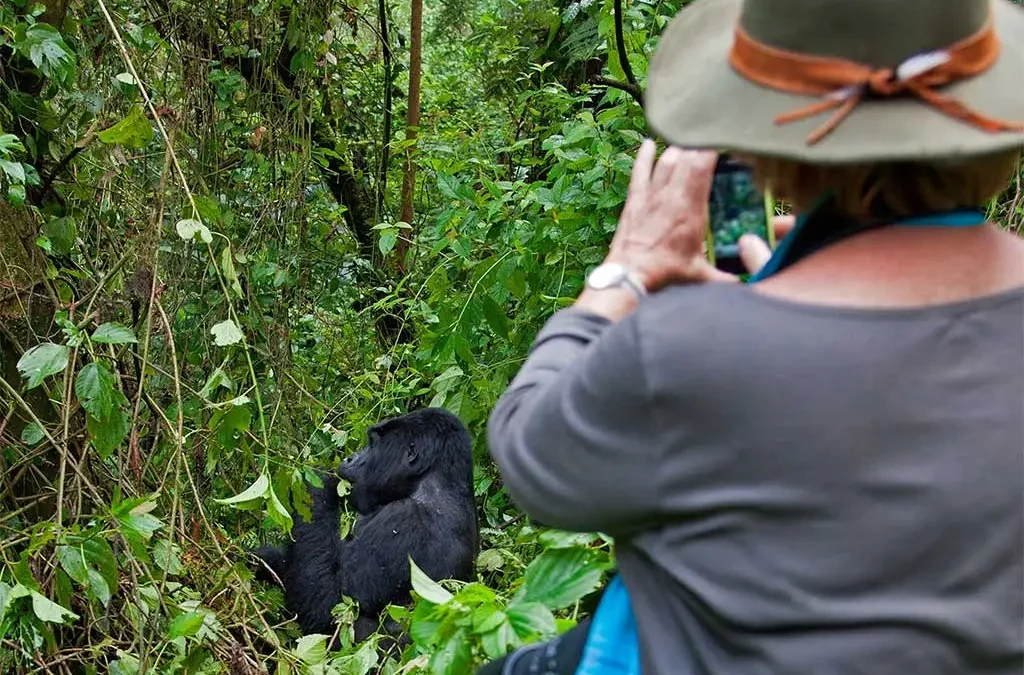
Gorilla trekking is one of the most remarkable wildlife experiences in Africa, offering visitors the opportunity to encounter endangered mountain gorillas in their natural habitat. For many older travellers, seeing a mountain gorilla family in the forests of Uganda or Rwanda is a lifelong dream. The experience brings together adventure, wildlife conservation, breathtaking scenery and a deeper appreciation of the natural world.
However, one important question often arises when planning this journey: Is gorilla trekking suitable for seniors?
The answer is yes, many senior travellers can enjoy gorilla trekking, provided they choose an appropriate itinerary, prepare adequately and understand the physical demands involved. Age alone does not determine whether someone can participate. General fitness, mobility, medical considerations, the condition of the forest trails and the amount of time spent hiking are much more important factors.
At Exclusive Gorilla Journeys, we understand that older travellers may have different needs from younger adventurers. Some seniors are comfortable walking for several hours over uneven terrain, while others prefer a gentler pace, additional assistance or a carefully arranged safari with minimal unnecessary travel. With suitable planning, the experience can be adapted to accommodate a wide range of abilities, although the difficulty of locating wild gorillas cannot be guaranteed in advance.
Uganda and Rwanda are two of the leading destinations for mountain gorilla trekking. Uganda offers encounters in Bwindi Impenetrable National Park and Mgahinga Gorilla National Park, while Rwanda’s principal destination is Volcanoes National Park. Each location offers a different combination of forest terrain, accommodation, accessibility and travel arrangements.
This guide explains everything seniors need to know before booking a gorilla trekking safari, including the physical requirements, destination choices, permits, medical preparation, accommodation, support services, costs and practical ways to make the experience more comfortable.
Can Senior Citizens Go Gorilla Trekking?
Yes. Senior citizens can participate in gorilla trekking if they meet the applicable park requirements and are physically capable of undertaking the activity. There is no universal age at which a person automatically becomes too old to trek. Nevertheless, visitors must follow the current rules of the relevant wildlife authority, and individual medical circumstances may influence whether trekking is advisable.
Mountain gorilla trekking is not a conventional sightseeing excursion. Visitors travel into forested mountain environments, where trails can be steep, muddy, slippery and obstructed by vegetation. Depending on where the gorilla family is located, the trek may involve a relatively short walk or several hours of demanding hiking.
A healthy traveller in their seventies may be more capable of completing the trek than a much younger person with limited mobility or poor cardiovascular fitness. For this reason, seniors should assess their individual abilities rather than making decisions based on age alone.
Before booking, consider how comfortably you can walk on uneven ground, climb moderate slopes, maintain your balance and remain active for an extended period. You should also consider whether you can manage humid conditions, occasional rain and the possibility of waiting outdoors while trackers locate the gorillas.
If you have heart disease, significant breathing difficulties, recent surgery, severe arthritis, balance problems or another condition that could make strenuous exercise risky, consult your healthcare professional before committing to a trek. A medical assessment can help determine whether the activity is appropriate and whether any precautions are necessary.
It is equally important to remember that gorilla trekking takes place in a protected natural environment. Guides and park authorities may be unable to modify every aspect of the terrain, and assistance cannot eliminate all physical risks. Honest communication about your abilities before the safari is therefore essential.
Understanding the Physical Demands of Gorilla Trekking
The main challenge for senior travellers is the terrain rather than the distance alone. Mountain gorillas inhabit high-altitude forests, where the landscape can include steep hillsides, thick undergrowth, exposed roots, slippery rocks and narrow paths.
Walking on Uneven Forest Trails
Bwindi Impenetrable National Park is known for its dense vegetation and rugged terrain. Some routes follow established paths, while others require visitors to move through natural forest with guidance from experienced trackers. In certain circumstances, the vegetation may need to be carefully cleared to allow the group to proceed.
Rwanda’s Volcanoes National Park also involves walking on mountain slopes, sometimes through muddy or uneven ground. The fact that some trekking routes begin at relatively accessible elevations does not mean that every trek is easy.
For seniors, uneven ground can be more challenging than a paved walking route because it places greater demands on balance, coordination and lower-body strength. Walking slowly, using suitable trekking poles where permitted and wearing supportive footwear can help, but these measures do not remove the need for adequate fitness.
Climbing and Descending Hills
The forest landscape can involve uphill climbs, downhill sections and changes in elevation. Uphill walking increases the demands on the heart and lungs, while descending can place considerable pressure on the knees, hips and ankles.
Older visitors with joint problems should pay particular attention to downhill walking. A person who can climb a short staircase comfortably may still struggle with a long, steep descent over slippery ground.
Preparation should therefore include controlled uphill walking and safe downhill practice, rather than concentrating exclusively on walking speed or distance.
Duration and Uncertainty
Gorilla trekking does not have a fixed duration. The time required depends largely on the gorilla family’s location, the route taken by the trackers, the terrain and weather conditions.
Some visitors reach a gorilla family after a relatively short walk. Others may spend several hours hiking before the encounter begins. The total time can also include the briefing, travel to the starting point, waiting, the gorilla viewing period and the return journey.
Seniors should plan for a potentially demanding morning or day rather than assuming that the trek will be completed within a particular number of hours. This flexibility is especially important for travellers who need regular rest breaks, medication at scheduled times or additional support when walking.
Altitude, Heat and Humidity
Although gorilla trekking does not generally involve the extreme elevations associated with high-altitude mountaineering, the forest environments can still feel physically demanding. Altitude, humidity, exertion and changes in weather may affect how visitors feel during the trek.
Seniors should maintain an appropriate pace, drink water regularly and communicate promptly if they feel dizzy, unusually breathless, weak or unwell. Pushing through concerning symptoms to reach the gorillas is never advisable.
A successful safari is not measured by how quickly a visitor completes the trek. It is measured by a safe, responsible and enjoyable wildlife experience.
Best Gorilla Trekking Destinations for Seniors
Uganda and Rwanda both offer outstanding mountain gorilla encounters, but the best destination depends on your physical abilities, travel preferences, budget and desired level of comfort.
Gorilla Trekking in Bwindi Impenetrable National Park, Uganda
Bwindi Impenetrable National Park is one of the world’s most important mountain gorilla conservation areas. Located in southwestern Uganda, it contains several habituated gorilla groups available for tourism under the applicable permit arrangements.
Bwindi is divided into four principal trekking sectors: Buhoma, Ruhija, Rushaga and Nkuringo. Each sector has different trail conditions, accommodation options and access routes. This makes choosing the correct sector especially important for senior visitors.
Buhoma, in the northern part of the park, is a popular base with a range of accommodation choices and established tourism services. Ruhija, in the eastern part, offers access to beautiful montane forest but can involve substantial elevation changes. Rushaga, in the south, provides access to several habituated gorilla families and a variety of lodges. Nkuringo, also in the southern part of Bwindi, is known for its dramatic landscapes and can involve demanding terrain.
No sector should automatically be described as easy for every senior traveller. Gorilla movements change daily, and a family that was accessible during one trek may be much farther away on another day. Even where a lodge is close to a park entrance, the actual trail may still be challenging.
At Exclusive Gorilla Journeys, we recommend selecting a trekking sector together with the accommodation and transport arrangements. This helps reduce unnecessary transfers and allows the itinerary to be designed around your mobility, comfort and travel schedule.
Gorilla Trekking in Mgahinga Gorilla National Park, Uganda
Mgahinga Gorilla National Park lies in Uganda’s southwestern corner and forms part of the wider Virunga volcanic landscape. It protects mountain gorillas alongside other important wildlife and offers impressive views of the surrounding mountains.
For seniors, Mgahinga may be attractive because it offers a quieter, scenic setting with a different atmosphere from the larger Bwindi forest. However, the park’s volcanic landscape can involve steep slopes, and the trek should not be assumed to be easier simply because the park is smaller.
The location of the gorilla family and the day’s conditions determine the actual difficulty. Travellers should discuss their mobility and fitness honestly with their safari planner before choosing this destination.
Gorilla Trekking in Volcanoes National Park, Rwanda
Volcanoes National Park, in northwestern Rwanda, is the country’s principal destination for mountain gorilla trekking. The park protects a section of the Virunga Mountains and is often considered by travellers seeking a gorilla safari with relatively short road transfers from Kigali.
The drive from Kigali to the Volcanoes National Park area is generally around two to three hours, depending on the starting point, traffic and destination. This can make Rwanda attractive to seniors who wish to minimise long road journeys or combine gorilla trekking with a shorter holiday.
However, convenient access from Kigali does not guarantee an easy trek. The forest trails can be steep and muddy, and the gorillas may be located some distance from the starting point.
Rwanda can be particularly suitable for a carefully arranged luxury safari because travellers can select comfortable lodges close to the park and reduce the number of destinations on their itinerary. The final decision should still be based on individual fitness, trail conditions and the level of support available.
Uganda or Rwanda: Which Is Better for Older Travellers?
Neither destination is universally best for seniors. Rwanda may be preferable for travellers prioritising a shorter transfer from an international airport, while Uganda may appeal to visitors who want to combine gorilla trekking with a broader wildlife safari.
Uganda offers opportunities to combine gorilla trekking with chimpanzee tracking, savannah game drives, boat trips and other wildlife experiences. Rwanda offers a more compact itinerary for travellers who want to focus on mountain gorillas and selected cultural or nature-based activities.
The overall journey matters as much as the trekking destination. A senior traveller may find a short itinerary with comfortable accommodation and private transport more enjoyable than a long safari involving frequent hotel changes and several consecutive days of strenuous activities.
The right choice is the destination that matches your physical ability, preferred pace, budget and expectations.
Choosing the Right Gorilla Trekking Sector in Bwindi
For seniors travelling to Uganda, sector selection is one of the most important decisions in the planning process. Bwindi’s four sectors are geographically distinct, and the best choice depends on more than the appearance of a lodge or the length of the drive.
Buhoma Sector
Buhoma is located in northern Bwindi and has long been an important base for gorilla tourism. Its accommodation range makes it possible to consider different levels of comfort and budget.
Senior travellers may appreciate staying close to the trekking headquarters, where possible, to avoid an unnecessarily early or lengthy transfer on the morning of the trek. However, the walking route to the gorillas can still be demanding.
When booking Buhoma, discuss the likely logistics with your tour operator and ask how transport, briefing arrangements and porter support can be coordinated.
Ruhija Sector
Ruhija lies in the eastern part of Bwindi and is surrounded by high-altitude forest scenery. It is an excellent choice for visitors who value quiet surroundings and birdlife as well as gorilla trekking.
The area can involve significant elevation changes, so seniors should pay particular attention to fitness and knee comfort. Those with limited endurance should discuss the practical challenges before confirming their booking.
Rushaga Sector
Rushaga, in southern Bwindi, is known for its range of habituated gorilla groups and accommodation choices. The sector may suit visitors who want to include additional gorilla-related activities in their Uganda itinerary, subject to current availability and applicable rules.
Its terrain varies, and a short drive to the briefing point does not necessarily indicate a short trek. Travellers should avoid choosing Rushaga solely because a lodge promises convenient access.
Nkuringo Sector
Nkuringo is situated in the southern part of Bwindi and is celebrated for its mountain scenery. Its landscape can be especially rewarding for active visitors who enjoy hiking.
For seniors with knee, hip or balance difficulties, the possibility of steep slopes deserves careful consideration. This does not mean every older visitor should rule out Nkuringo, but it does mean the sector should be selected after a realistic assessment of individual ability.
Can Seniors Request an Easier Gorilla Trek?
Travellers should explain their physical limitations when making a reservation and repeat this information during the pre-trek arrangements. Park staff and trackers may be able to allocate visitors to a group or route that is more appropriate for their abilities, depending on the gorilla families available and the operational situation.
However, an easier trek cannot be guaranteed. The gorillas are wild animals, and their movements cannot be controlled to accommodate a visitor’s preferred distance.
The most responsible approach is to communicate your needs early, remain flexible and understand that safety and wildlife conservation take priority over convenience.
Gorilla Trekking Permits for Senior Travellers
A gorilla trekking permit is the official authorisation required to visit a habituated mountain gorilla family. Seniors must obtain the appropriate permit before trekking in Uganda or Rwanda, and the permit should be secured before finalising an itinerary around a specific park sector.
The minimum trekking age in both countries is generally 15 years, and there is no standard upper age limit. Older visitors must still be capable of participating safely, with any necessary support arranged in advance.
Booking Your Permit in Uganda
In Uganda, gorilla permits are issued through the Uganda Wildlife Authority and may also be arranged through authorised tour operators. Permit availability is limited, so advance booking is strongly recommended, particularly during busy travel periods.
The permit is associated with a particular trekking destination and date. When planning for a senior traveller, it is important to coordinate the permit with the chosen sector, accommodation and transport. Changing the sector at short notice may not be possible if permits are unavailable.
Exclusive Gorilla Journeys can help coordinate permit arrangements with your preferred itinerary, subject to availability and the applicable booking conditions.
Booking Your Permit in Rwanda
In Rwanda, mountain gorilla trekking permits are managed through the Rwanda Development Board’s official booking arrangements and authorised tourism channels. Demand can be high, especially during peak safari periods.
Rwanda’s permit price is generally higher than Uganda’s standard foreign non-resident permit price, although applicable rates depend on visitor category, eligibility and current regulations. Special promotional arrangements, where available, may have restrictions.
Before paying, confirm the current permit price, payment terms, cancellation policy and whether your booking includes only the permit or additional services such as transport, accommodation and guiding.
Why Seniors Should Book Early
Booking early gives you more time to arrange suitable accommodation, discuss mobility requirements, secure private transport and organise any necessary assistance. It also reduces the risk of having to accept an unsuitable sector because the preferred permits have sold out.
Do not purchase a permit based solely on a promise that a short trek is guaranteed. Permit availability and the actual location of a gorilla family are different matters. The permit secures participation on the specified date, but it does not guarantee a particular hiking distance.
Can Seniors Hire Porters During Gorilla Trekking?
Yes. Hiring a porter is one of the most useful ways to make gorilla trekking more manageable for older travellers.
Porters commonly carry daypacks and other belongings, helping visitors avoid unnecessary strain. Depending on the terrain and the assistance offered, a porter may also provide a steadying hand on difficult sections. The precise level of physical support should be discussed with the porter and guide rather than assumed.
Why Porter Support Matters
Carrying a backpack while climbing slippery slopes can increase fatigue and affect balance. Having someone carry your belongings allows you to concentrate on walking, footing and breathing.
Porters are also familiar with the local environment and contribute to livelihoods around the national parks. Hiring local support helps distribute tourism income to communities that live near gorilla habitats.
For a senior traveller, the cost of porter assistance is often a worthwhile part of the safari budget. Rates vary by destination and service, so confirm the current price and whether gratuities are additional.
Can Porters Help Visitors Who Cannot Walk Long Distances?
In some circumstances, a carried chair or stretcher-style seat, commonly called a sedan chair, can help a visitor with limited mobility reach the gorillas. A team of porters carries the visitor through the forest and returns them to the starting point.
This arrangement can make a gorilla encounter possible for some people who cannot safely complete the hike on foot. However, it requires advance planning, sufficient porter availability and confirmation that the service can be arranged for the selected route.
The forest remains rugged even when a sedan chair is used. The journey can be bumpy, steep and physically demanding for the carrying team. Visitors must also be able to tolerate the seated position and the conditions involved.
A sedan chair is not the same as a wheelchair-accessible trail. Bwindi and Volcanoes National Park do not have conventional paved trekking routes suitable for ordinary wheelchair use. Seniors who need this service should discuss the full arrangement with Exclusive Gorilla Journeys before confirming their trip.
The cost of a sedan chair is additional to the gorilla permit and varies according to the destination, route and number of porters required. Obtain a current quotation rather than relying on a fixed price found in an older travel guide.
Preparing Physically for Gorilla Trekking
Good preparation can improve comfort, endurance and confidence during a gorilla safari. Seniors do not need to become professional hikers, but they should prepare for the type of movement involved in a forest trek.
Begin Training Several Weeks Before Departure
If your healthcare professional considers the activity appropriate, begin a gradual walking programme several weeks before travel. Start with distances and durations that feel manageable, then increase them progressively as your fitness improves.
Walking on gentle hills is useful because it introduces the body to elevation changes. Where safe, practise on uneven paths and include controlled uphill and downhill walking. If you use a walking aid, train with it so that you understand how it affects your balance and movement.
Avoid suddenly beginning strenuous exercise shortly before departure. The aim is to build sustainable endurance, not to exhaust yourself before the holiday starts.
Improve Balance and Leg Strength
Balance is particularly important on forest trails. Gentle balance exercises, sit-to-stand movements and appropriate leg-strengthening activities may help improve stability. Choose exercises suitable for your abilities and seek professional guidance if you have a history of falls.
Practise using handrails on stairs and taking small, controlled steps on slopes. On the trek, rushing to keep up with other visitors can increase the risk of slipping.
Understand Your Personal Limits
Your preparation should reflect your real capabilities. If you can comfortably walk for an hour on level ground, that does not automatically mean you can manage several hours on a steep, muddy hillside.
Discuss your usual walking distance, ability to climb stairs, joint limitations and need for rest breaks with your tour operator. This information helps the team recommend a more suitable itinerary and arrange appropriate assistance.
Most importantly, do not feel pressured to complete a trek simply because you have paid for a permit. Safety should always take priority.
Medical Advice and Health Considerations for Older Travellers
A gorilla safari can be an excellent holiday for seniors, but good health planning is essential. The combination of physical exertion, altitude, humid conditions and remote locations means that certain medical issues deserve special attention.
Consult Your Doctor Before Booking
Seek medical advice before committing to a trek if you have a heart or lung condition, uncontrolled blood pressure, significant mobility limitations, recent surgery or any other issue that could affect your ability to exercise safely.
Ask whether your current medication is appropriate for the journey and whether you need any additional precautions. If you have diabetes, discuss meal timing, blood glucose monitoring and medication management during an early-morning trek. Travellers who take medicines that increase urination or affect blood pressure may also need an individual hydration plan.
Do not change prescribed medication or stop taking it because you are travelling. Carry an adequate supply for the entire trip, together with a copy of your prescription and a record of relevant allergies.
Consider Altitude and Exertion
Bwindi, Mgahinga and Volcanoes National Park are located in mountainous environments. Walking uphill at elevation can feel harder than similar exercise at lower altitudes.
Older adults with cardiovascular or respiratory conditions should discuss these conditions with their healthcare professional. Arriving with enough time to rest, walking at a controlled pace and avoiding excessive exertion can help, but they do not eliminate medical risks.
If you experience chest pain, faintness, severe or unusual breathlessness, confusion or sudden weakness, stop and seek immediate assistance. Inform your guide promptly rather than attempting to continue.
Protect Yourself Against Infectious Diseases
Mountain gorillas are vulnerable to human respiratory infections. A cold or other contagious illness can pose a serious conservation risk, so visitors who are unwell must follow the park’s health rules and may be prevented from trekking.
This is particularly important for seniors who may be more vulnerable to complications from certain infections. If you develop a fever, cough or other potentially contagious symptoms before the trek, notify your safari operator and follow the park authority’s instructions.
Your guide may require you to cover your mouth and turn away from the gorillas when coughing or sneezing. Visitors must follow all applicable distancing and hygiene requirements.
Arrange Suitable Travel Insurance
Travel insurance is an important consideration for a senior safari. Confirm that your policy covers your age, pre-existing medical conditions where applicable, planned activities and emergency medical treatment.
Because gorilla trekking takes place in remote terrain, check whether the policy includes emergency evacuation and medical transport. Standard travel insurance may not cover every type of evacuation or medical situation, so read the terms carefully.
Keep emergency contact information accessible and tell your travelling companion or guide about any important medical needs.
What Should Seniors Wear for Gorilla Trekking?
The right clothing can make a considerable difference to comfort and safety. Forest conditions are unpredictable, and even on a warm day, rain and muddy trails are possible.
Wear Supportive Hiking Boots
Choose comfortable hiking boots with good traction, ankle support and a secure fit. Wear them before the safari so that you can identify pressure points or rubbing.
Avoid new footwear on the trekking day. Slippery soles, loose-fitting shoes and inadequate support can increase the risk of falls, particularly when descending.
Choose Comfortable, Protective Clothing
Long-sleeved shirts and long trousers help protect the skin from scratches, insects and stinging vegetation. Lightweight, breathable materials are useful, while a waterproof jacket helps protect against rain.
Gardening-style gloves or lightweight trekking gloves may help protect your hands when moving past vegetation, although you should avoid grabbing plants or branches unless your guide considers it safe.
A hat, sunscreen and insect repellent may also be useful, depending on the weather and your personal needs.
Bring a Walking Stick if Appropriate
A walking stick or trekking pole may provide additional stability for some visitors. However, it should be suitable for the terrain and used in a way that does not interfere with other trekkers.
If you depend on a walking aid, explain this when arranging the safari. The guide and porter team can help you understand what is practical on the planned route.
Pack Lightly
Keep your daypack small and carry only essential items. Water, personal medication, a light snack for the journey where permitted, rain protection and a camera are generally more practical than a heavy bag full of unnecessary belongings.
A porter can carry your bag, but you should retain immediate access to anything you may need urgently, including essential medication.
Choosing Senior-Friendly Accommodation
Accommodation is an important part of a comfortable gorilla trekking safari. After a demanding day in the forest, seniors benefit from a peaceful environment, comfortable beds, reliable meals and facilities that make moving around easier.
Stay Close to the Trekking Starting Point
Where possible, choose a lodge near the relevant park headquarters or the agreed trekking starting point. This can reduce early-morning transfers and allow you to get more rest before the trek.
However, lodge location should be assessed alongside the actual trekking arrangements. A property may be close to the park but still require a difficult walk within its grounds or have steep access paths.
Consider Accessibility and Comfort
When choosing accommodation, ask whether the property has ground-floor rooms, walk-in showers, handrails, comfortable seating and assistance with luggage. If stairs are difficult, confirm whether the restaurant and other facilities are accessible without climbing multiple flights.
Senior travellers may also appreciate a lodge with flexible meal times, attentive staff and a quiet setting. Private rooms and ensuite bathrooms can make recovery after the trek more comfortable.
Exclusive Gorilla Journeys can help identify accommodation options that match your preferences and mobility requirements, subject to availability.
Allow Time to Rest
Avoid scheduling a long road journey immediately after gorilla trekking if you are likely to be tired. A rest night near the park is often more comfortable than travelling several hours on winding roads straight after the experience.
For visitors with limited stamina, consider spending an extra night in the same lodge rather than changing accommodation frequently. A slower itinerary can make the overall holiday more enjoyable.
Transport Options for Senior Gorilla Safaris
The journey to the gorilla parks can be as tiring as the trek itself. Road travel in southwestern Uganda may involve winding mountain roads, uneven surfaces and several hours in a vehicle.
For seniors, private transport and a carefully planned route can reduce fatigue and provide greater flexibility.
Private Road Transfers
A private safari vehicle allows you to stop for comfort breaks, adjust departure times where practical and travel at a pace that suits your needs. It also avoids the inconvenience of coordinating several different transfers.
For a Uganda safari, your itinerary may include travel from Entebbe or Kampala to southwestern Uganda. The journey can be lengthy, so an overnight stop or additional rest day may be appropriate.
Domestic Flights
Depending on the itinerary and current flight schedules, domestic flights from the Entebbe area to airstrips serving the Bwindi region can significantly reduce road travel time. Transfers from the airstrip to the lodge are still necessary.
Flying is particularly worth considering for seniors who find long road journeys uncomfortable. However, flights have baggage limits and may involve small aircraft, so confirm luggage allowances, boarding arrangements and any mobility assistance in advance.
Flying into Kigali for a Uganda Gorilla Safari
Some visitors trek in southern Bwindi after arriving in Kigali, Rwanda, and crossing into Uganda by road. This route can be practical for certain itineraries, but it involves an international border crossing and depends on the location of the chosen trekking sector.
Check visa requirements, passport validity, border procedures and the transfer time before selecting this option.
The best transport arrangement is the one that minimises unnecessary fatigue while keeping the itinerary practical and within budget.
How Much Does Gorilla Trekking Cost for Seniors?
The cost of gorilla trekking depends on the destination, permit category, accommodation standard, transport arrangements and additional support required.
Senior travellers should budget for the permit, accommodation, meals, transfers, guiding arrangements, travel insurance and any porter or sedan chair services.
Gorilla Permit Costs
Uganda and Rwanda have different permit prices, and the applicable amount depends on the visitor’s nationality or residency category and the current tariff. Uganda’s standard foreign non-resident permit has historically been less expensive than Rwanda’s standard foreign non-resident permit, although all prices should be confirmed before booking.
There is not necessarily a special discounted permit for seniors. Do not assume that retirement age automatically qualifies you for a reduced rate.
Additional Support Costs
Porter services generally cost extra. A sedan chair, where available, requires a larger team and involves an additional charge that depends on the terrain and logistics.
Private transport, domestic flights, premium accommodation and extra nights also increase the overall cost. These services can nevertheless improve comfort and reduce the physical demands of the journey.
Planning a Realistic Budget
The most affordable itinerary is not always the best option for a senior traveller. Saving money on accommodation far from the park may create an unnecessarily early departure, while choosing a cheaper transport arrangement may involve a long and uncomfortable road journey.
Instead, compare the total cost of the safari with the comfort and support it provides. A well-planned itinerary may offer better value than a cheaper package that leaves little room for rest or flexibility.
Request a detailed quotation that clearly explains what is included and which services require additional payment.
What Happens on the Day of Gorilla Trekking?
Gorilla trekking generally begins early in the morning. Visitors report to the designated park headquarters, complete registration and attend a briefing about the day’s activity and conservation rules.
The park staff allocate visitors to gorilla families according to operational considerations, including availability and the circumstances of the trek. Seniors should explain their mobility needs during the arrangements and speak to the guide again before setting out.
The group then travels to the appropriate starting point, either on foot from the briefing location or by vehicle where the day’s arrangements require it.
During the hike, follow the guide’s instructions and take breaks when needed. If you feel unwell or experience unusual pain, dizziness or breathlessness, inform the guide immediately.
When the gorillas are located, visitors are generally permitted to spend a maximum of one hour observing them, subject to the guide’s instructions and the animals’ welfare. This is the highlight of the experience, but the walk back can still require considerable effort.
The return journey deserves just as much attention as the outward trek. Fatigue can affect balance and concentration, particularly on downhill sections. Walk carefully, use available support and avoid rushing.
At the end of the experience, you return to the designated meeting point and continue with your planned transport arrangements.
Gorilla Trekking Rules Seniors Must Follow
Age does not change the conservation rules that apply to gorilla trekking. Every visitor must respect the animals, follow the guide’s instructions and comply with the relevant park authority’s regulations.
Keep the required distance from the gorillas, avoid touching them and never attempt to attract their attention. Speak quietly, do not use flash photography and do not eat, drink or smoke in their immediate presence where prohibited.
Visitors who are ill or may have a contagious infection must follow the park’s health restrictions. If you need to cough or sneeze, turn away from the gorillas and cover your mouth and nose as instructed.
Do not leave rubbish in the forest, and never attempt to separate from the group. If a gorilla approaches, remain calm and follow the guide’s directions.
These rules are essential for both human safety and gorilla conservation. A responsible visit helps protect the endangered animals and the future of gorilla tourism.
Frequently Asked Questions About Gorilla Trekking for Seniors
Is 70 Too Old for Gorilla Trekking?
No. There is no standard upper age limit for gorilla trekking in Uganda or Rwanda. A 70-year-old may participate if they meet the applicable requirements and can manage the trek safely, either on foot with suitable assistance or through an appropriate carried-chair arrangement where available.
Can an 80-Year-Old Go Gorilla Trekking?
Yes, it may be possible. The important considerations are medical fitness, mobility, balance, stamina and the availability of suitable assistance. An older traveller should obtain medical advice and arrange support well in advance rather than assuming that a particular route will be manageable.
Can Seniors with Knee Problems Trek Gorillas?
Some seniors with knee problems can trek with suitable preparation, supportive footwear and assistance from porters. However, steep descents and slippery terrain can be particularly difficult for people with painful or unstable knees.
A healthcare professional should assess whether the activity is appropriate. Visitors who cannot safely walk on uneven ground should discuss alternative arrangements, including a sedan chair where available.
Is Gorilla Trekking Suitable for Someone Who Uses a Wheelchair?
Conventional wheelchair access is not available on the rugged forest trails. However, a sedan chair carried by a team of porters may provide an alternative for some visitors with limited mobility.
The feasibility depends on the route, the visitor’s needs, available equipment and the carrying team’s arrangements. Advance confirmation is essential.
Which Country Is Better for Seniors, Uganda or Rwanda?
Rwanda may be attractive for seniors who want to minimise road travel from an international airport. Uganda may be better for travellers planning a longer wildlife safari that combines gorilla trekking with other parks and activities.
Neither country guarantees an easier trek. The best choice depends on personal mobility, budget, accommodation preferences and the overall itinerary.
How Many Days Should Seniors Spend on a Gorilla Safari?
A short gorilla-focused itinerary may require only a few days, but seniors often benefit from additional time for rest and comfortable transfers. Arriving at the lodge the day before trekking and allowing time to recover afterwards can reduce fatigue.
For a broader Uganda safari, allow additional days for other destinations rather than trying to fit several demanding activities into a short holiday.
Can I Cancel If I Become Unwell Before Trekking?
Cancellation, rescheduling and refund arrangements depend on the permit conditions, booking terms and applicable park authority policies. Becoming unwell does not automatically guarantee a refund.
Check the terms before paying, purchase suitable travel insurance and notify your operator promptly if your health changes.
Book Your Senior Gorilla Trekking Safari with Exclusive Gorilla Journeys
Gorilla trekking can be an extraordinary experience for older travellers who want to discover Africa’s mountain gorillas without compromising their comfort or safety. With careful planning, the right accommodation, appropriate transport and suitable physical preparation, many seniors can enjoy this remarkable wildlife encounter.
At Exclusive Gorilla Journeys, we believe that a successful safari begins with understanding each traveller’s needs. We can help you compare Uganda and Rwanda, select a suitable trekking destination, arrange permits, organise accommodation and transport, and discuss porter assistance or a sedan chair where available.
We also encourage senior travellers to be honest about their physical abilities. This allows us to plan more responsibly and avoid making promises about trekking distance or difficulty that cannot be guaranteed.
Whether you are planning a special retirement holiday, celebrating an important birthday or finally fulfilling a lifelong dream, your gorilla safari should be designed around your interests, comfort and capabilities.
Contact Exclusive Gorilla Journeys to begin planning your gorilla trekking safari. Share your preferred travel dates, destination, accommodation expectations and any mobility requirements so that we can help you develop an itinerary suited to your needs.
Your age does not have to prevent you from exploring Africa. With realistic expectations and responsible preparation, a gorilla encounter may become one of the most memorable experiences of your travels.