How Long Does Gorilla Trekking in Uganda Take?
October 12, 2026
What to Expect Before, During and After Gorilla Trekking
October 12, 2026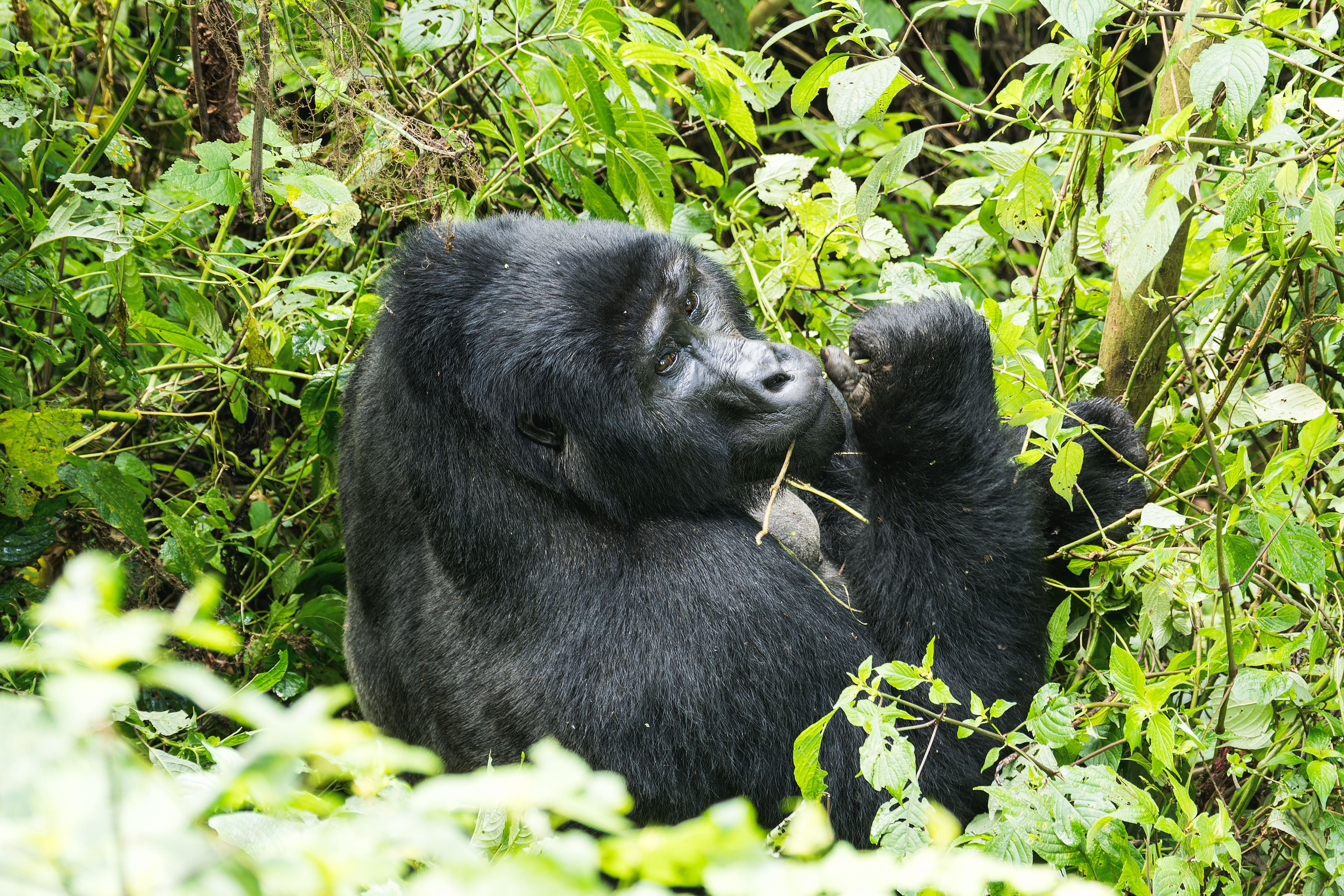
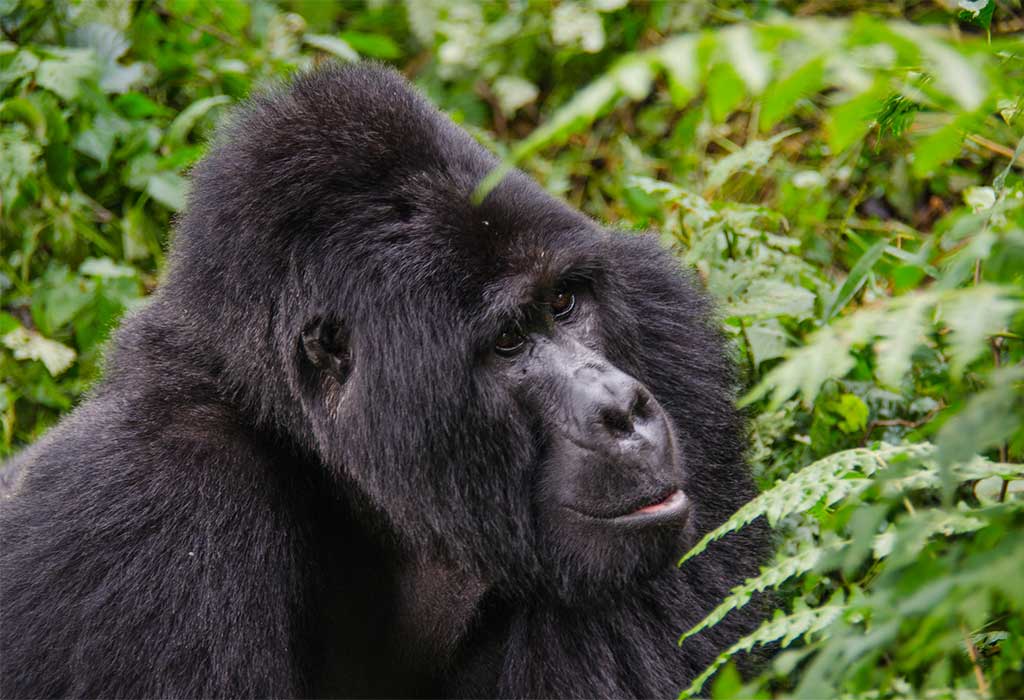
Gorilla trekking in Uganda is one of the most extraordinary wildlife experiences in Africa. It takes you deep into ancient tropical forests, where you follow experienced guides and trackers in search of endangered mountain gorillas living in their natural habitat. When you finally encounter a gorilla family, you have the opportunity to observe these remarkable primates as they feed, rest, groom one another, play, and interact within their social group.
For many travellers, the experience is the highlight of a Uganda safari. However, knowing what happens on the day of gorilla trekking in Uganda can make the adventure more comfortable, enjoyable, and rewarding. From waking up early at your lodge to attending the ranger briefing, hiking through the forest, meeting the gorillas, and returning to your accommodation, every stage contributes to the overall experience.
Gorilla trekking takes place in Bwindi Impenetrable National Park and Mgahinga Gorilla National Park, both located in southwestern Uganda. Bwindi is particularly popular because of its extensive rainforest, diverse wildlife, and several habituated mountain gorilla families. Mgahinga offers another opportunity to encounter mountain gorillas in a spectacular volcanic landscape.
At Exclusive Gorilla Journeys, we help travellers prepare for this unforgettable adventure by arranging gorilla permits, accommodation, transportation, experienced guides, and personalised safari itineraries. Whether you are visiting Uganda for the first time, travelling as a couple, or planning a private wildlife safari, understanding the trekking day helps you arrive prepared and make the most of your time in the forest.
Where Does Gorilla Trekking Take Place in Uganda?
Before exploring what happens on the trekking day, it is helpful to understand the two destinations where visitors can encounter mountain gorillas in Uganda.
Gorilla Trekking in Bwindi Impenetrable National Park
Bwindi Impenetrable National Park is a UNESCO World Heritage Site renowned for its ancient rainforest and exceptional biodiversity. It protects a significant proportion of the world’s remaining mountain gorillas and is Uganda’s principal destination for gorilla trekking.
Bwindi has four main trekking sectors: Buhoma, Ruhija, Rushaga, and Nkuringo. Each sector has its own gorilla families, accommodation options, trail conditions, and surrounding landscapes.
Buhoma is located in the northern part of the park and is a popular base for travellers seeking gorilla trekking combined with cultural experiences and forest walks. Ruhija, in the eastern section, offers a beautiful high-altitude forest environment. Rushaga, in southern Bwindi, provides access to several habituated gorilla families and is also the principal location for the gorilla habituation experience. Nkuringo, on the southwestern side, is known for dramatic scenery and potentially demanding hikes across steep terrain.
Your trekking sector is important because it determines where you report for the morning briefing and influences your accommodation arrangements. Staying near your assigned sector helps minimise early-morning driving and makes the day less stressful.
Gorilla Trekking in Mgahinga Gorilla National Park
Mgahinga Gorilla National Park is another excellent destination for gorilla trekking in Uganda. It lies within the Virunga volcanic mountain range, where forested slopes, bamboo vegetation, and dramatic volcanic peaks create a distinctive setting.
The park is particularly appealing to travellers who want to combine gorilla trekking with other outdoor activities, such as golden monkey tracking and volcano hiking.
The trekking experience follows the same essential principles as Bwindi. Visitors report to the appropriate park meeting point, attend a briefing, follow trained guides and rangers into the forest, and spend a strictly limited period observing the gorillas once they are found.
Both destinations offer memorable encounters, but the best choice depends on permit availability, your preferred scenery, the difficulty of the hike, your accommodation plans, and the wider itinerary of your Uganda safari.
What Time Does Gorilla Trekking Start in Uganda?
Gorilla trekking usually begins early in the morning. Visitors commonly leave their accommodation before sunrise or shortly afterwards, depending on the distance between the lodge and the assigned park headquarters.
For a standard gorilla trek, registration and briefing generally take place during the early morning, with groups often setting off into the forest at approximately 8:00 to 8:30 a.m. Exact reporting and departure times can vary, so your tour operator and the relevant park authorities should confirm the arrangements for your particular trek.
An early start is important because the activity involves several stages before you reach the gorillas. You need time to travel to the briefing point, verify your permit, receive instructions, and prepare for the hike.
The time you return to your lodge is less predictable. Some visitors find a gorilla family relatively close to the starting point, while others hike for several hours across steep slopes and dense vegetation. A standard trek may take approximately two to seven hours, although longer outings can occur depending on the terrain, weather, and movements of the gorillas.
For this reason, it is best to keep the remainder of your trekking day flexible. Avoid arranging important appointments or tightly timed activities immediately after the trek.
1. Waking Up Early and Preparing for the Adventure
Your gorilla trekking day often begins before dawn at your lodge. If you are staying in Bwindi or Mgahinga, the early morning atmosphere can be an experience in itself. Mist may hang over the surrounding hills, birds begin calling from the forest, and the cooler air provides a refreshing start to the day.
Most lodges arrange an early breakfast for guests participating in gorilla trekking. You may be served eggs, bread, fruit, porridge, tea, coffee, or other available breakfast options. Eating beforehand is important because you may spend several hours walking through the forest without access to a proper meal.
Dress in comfortable clothing suitable for hiking in a tropical rainforest. Long trousers and a long-sleeved shirt help protect your skin from scratches, insects, and stinging vegetation. Sturdy hiking boots with good grip are particularly useful because the ground may be muddy, slippery, or uneven.
Carry a waterproof jacket because rain can occur even when the morning begins with clear skies. A small backpack containing drinking water, snacks for the hike, and essential personal items will also be useful. Your guide can advise you on what to bring and when food and water should be consumed.
Before leaving the lodge, check that your camera or phone is charged, your footwear is comfortable, and you have the necessary identification and permit documentation.
Exclusive Gorilla Journeys recommends preparing your trekking equipment the previous evening. This simple step reduces the pressure of an early start and allows you to focus on the adventure ahead.
2. Travelling to the Gorilla Trekking Briefing Point
After breakfast, you travel to the relevant park headquarters or designated meeting point. Depending on your lodge’s location, the journey may take only a few minutes or require a longer drive along winding rural roads.
At the briefing point, you will meet other travellers preparing for the same activity. Some may be visiting Uganda specifically to see mountain gorillas, while others may be completing a longer itinerary that includes wildlife safaris, cultural encounters, birdwatching, or other national parks.
Park personnel check the relevant documents and organise visitors according to the day’s trekking arrangements. Your permit is essential because gorilla trekking is a controlled activity with a limited number of visitors permitted to visit each habituated family.
A standard gorilla trekking group is limited to eight visitors per gorilla family per day. This restriction helps manage the number of people exposed to the gorillas and supports responsible wildlife tourism.
Your group is accompanied by trained personnel who understand the forest environment and the behaviour of the gorillas. They are responsible for guiding visitors, maintaining appropriate conduct, and helping manage safety throughout the activity.
The meeting point is also where you can ask final questions about the hike, the likely terrain, and any specific considerations affecting your group.
3. Attending the Morning Gorilla Trekking Briefing
The ranger briefing is one of the most important stages of the day. Before entering the forest, visitors receive instructions about the trekking process, gorilla behaviour, conservation requirements, and safety procedures.
The briefing explains how to behave when you encounter a gorilla family and what to do if an animal moves closer than expected. Rangers may also provide information about the family you will visit, the expected walking conditions, and the latest information available about the group’s location.
You will learn why it is important to remain calm, keep your voice low, avoid sudden movements, and follow the ranger’s directions at all times.
Another major subject is disease prevention. Mountain gorillas are vulnerable to certain human respiratory infections, which means visitors must take precautions to reduce the risk of transmitting illnesses. Anyone who feels unwell, particularly with symptoms of a potentially infectious respiratory illness, should inform the park authorities before the trek. The appropriate officials can determine whether participation is safe and permitted.
You will also receive instructions about maintaining the required distance from the gorillas, taking photographs responsibly, and responding appropriately if a gorilla displays unexpected behaviour.
The briefing is not simply a formality. It prepares visitors to enter the forest responsibly and helps ensure that the encounter remains as safe and undisturbed as possible.
Children must meet the applicable minimum age requirement of 15 years for standard gorilla trekking in Uganda. Visitors with concerns about their fitness or mobility should discuss these before setting off, as the terrain can be challenging.
Once the briefing is complete and the arrangements have been finalised, your group prepares to enter the forest.
4. Meeting Your Ranger, Guide, and Tracking Team
After the briefing, you begin the trekking stage with the people responsible for guiding and supporting your group.
Rangers help manage the encounter and enforce the park’s rules. Experienced guides lead visitors along the route, interpret the forest environment, and explain what the group encounters along the way. Tracker teams play an especially important role in locating the gorilla families.
Trackers may leave early to establish the gorillas’ location by following signs such as feeding remains, footprints, nests, and broken vegetation. They use their knowledge of the animals and the forest to determine where a family has moved and communicate relevant information to the guiding team.
Mountain gorillas move through the forest in search of food and suitable resting areas. Their location can change considerably from one day to the next, so the distance travelled by visitors is not fixed.
This tracking system improves the chances of locating the assigned gorilla family, but it does not make the experience completely predictable. The forest is a living ecosystem, and every trek unfolds differently.
Your guide will also help you understand the natural environment around you. Along the trail, you may learn about native trees, birds, other primates, forest ecology, and the conservation work that protects the area.
At Exclusive Gorilla Journeys, we recognise that a knowledgeable guide contributes significantly to the quality of the experience. The trek is not merely a walk to find gorillas; it is an opportunity to understand the remarkable environment in which they live.
5. Beginning the Hike Through the Tropical Rainforest
Once your group is ready, the hike begins. This is the stage when the adventure becomes a physical experience rather than simply a planned wildlife excursion.
Bwindi’s terrain can include steep hillsides, narrow paths, tangled vegetation, exposed tree roots, muddy sections, and uneven ground. Some routes pass through relatively open forest, while others involve moving through thick undergrowth and climbing or descending challenging slopes.
The physical difficulty depends on the gorilla family’s location, the sector, recent weather, and the route selected by the guides. A short trek can still be demanding if it involves a steep climb, while a longer route may be manageable when the terrain is more gradual.
You should expect a measured walking pace rather than a race. Guides generally manage the group’s progress and allow appropriate opportunities to rest. Communicating honestly about fatigue, discomfort, or breathing difficulties is important because the team needs to understand how everyone is coping.
The forest itself adds another dimension to the experience. Bird calls echo through the canopy, leaves rustle overhead, and occasional sounds from monkeys or other wildlife may break the quiet. You may see interesting plants, insects, and signs of animals moving through the undergrowth.
The atmosphere changes as the group moves deeper into the forest. Conversations become quieter, the trail may become narrower, and anticipation gradually builds as the trackers report progress.
It is important to remember that gorilla trekking is an outdoor adventure, not a guaranteed short walk. Good fitness, suitable footwear, patience, and a positive attitude can make a substantial difference to your experience.
6. How Long Does It Take to Find the Gorillas?
One of the most common questions travellers ask is how long they will walk before seeing the gorillas.
There is no single answer because mountain gorillas move naturally through their habitat. Some families may be located relatively close to the starting point, while others may be farther away on steep or remote sections of the forest.
A trek may take less than an hour to reach a gorilla family, or it may require several hours of hiking. Weather conditions, the terrain, and the family’s movements can all influence the duration.
This uncertainty is part of the experience. Although trackers work to locate the gorillas before visitors enter the forest, the animals are not confined to a viewing enclosure or a fixed location. They are wild animals moving through a protected habitat.
Your guide will use available information from the tracking team to help navigate towards the family. Along the way, you may stop to rest, adjust your footing, drink water when appropriate, or learn about the forest.
If you are worried about your physical ability, communicate your concerns before the trek begins. Your tour operator can help you choose an appropriate trekking sector and accommodation arrangement, although no operator can guarantee the precise difficulty of the route or the time required to reach the gorillas.
When planning your Uganda safari, allow sufficient time for the activity rather than assuming you will be back at your lodge by a particular hour.
7. The Exciting Moment You First See the Mountain Gorillas
After following the trail, receiving updates from trackers, and navigating the forest, your group eventually reaches the gorilla family.
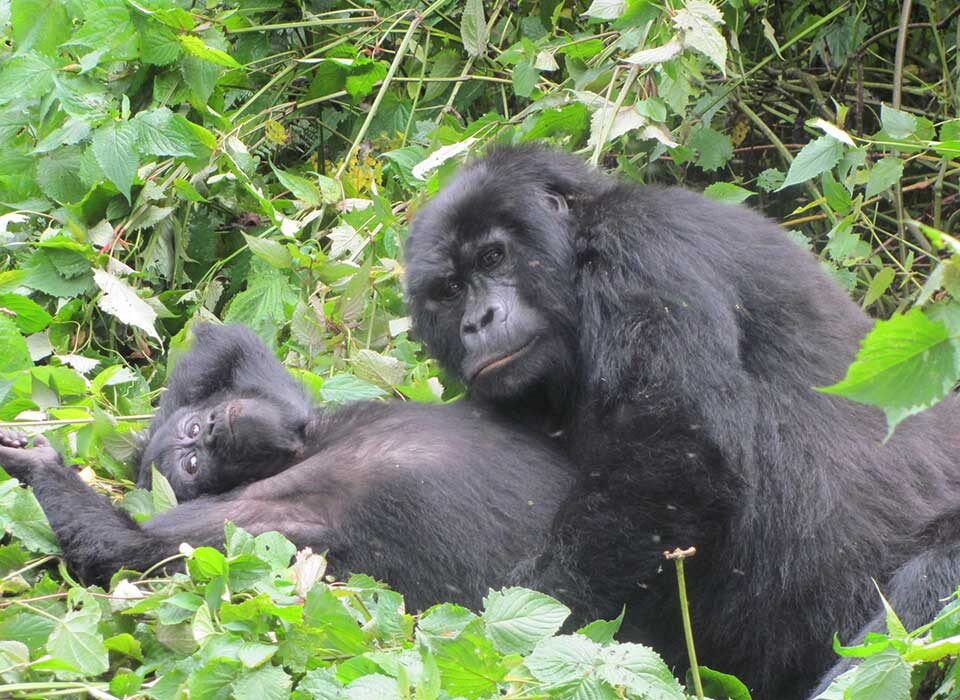
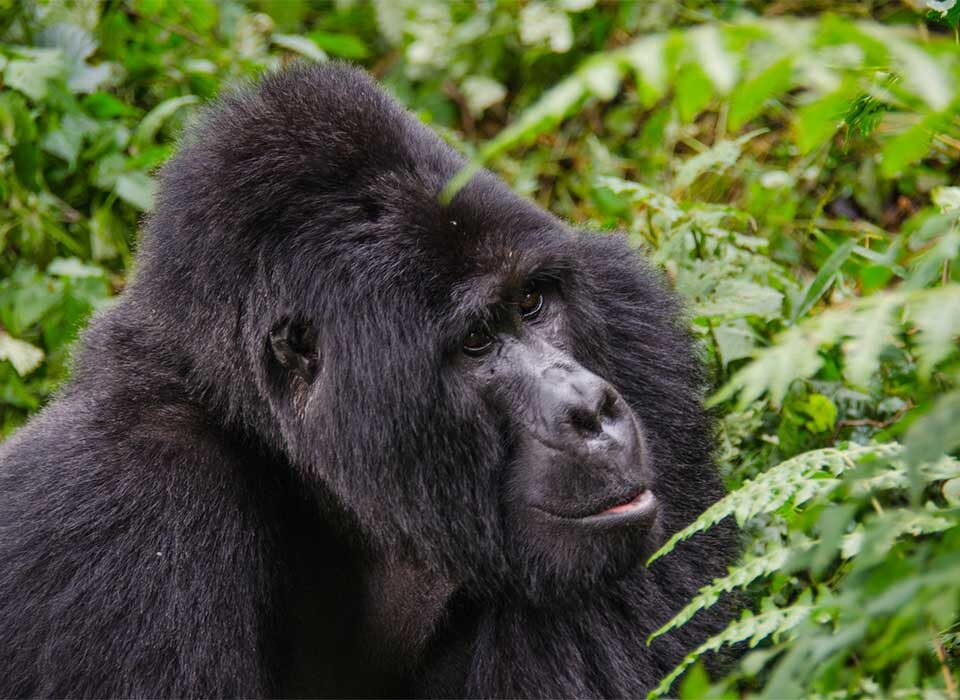
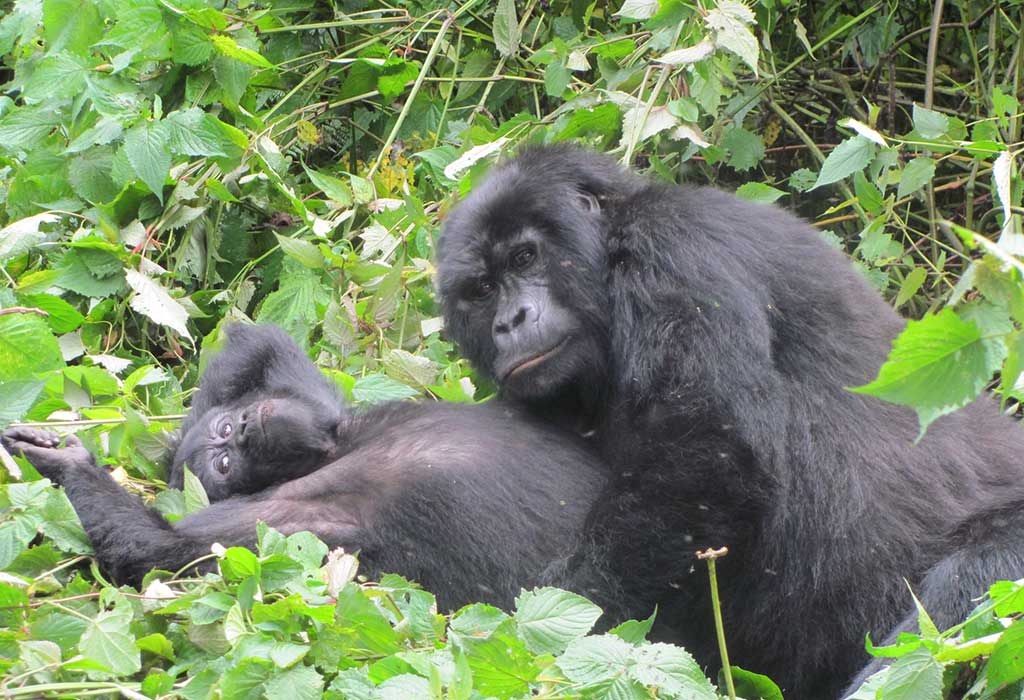
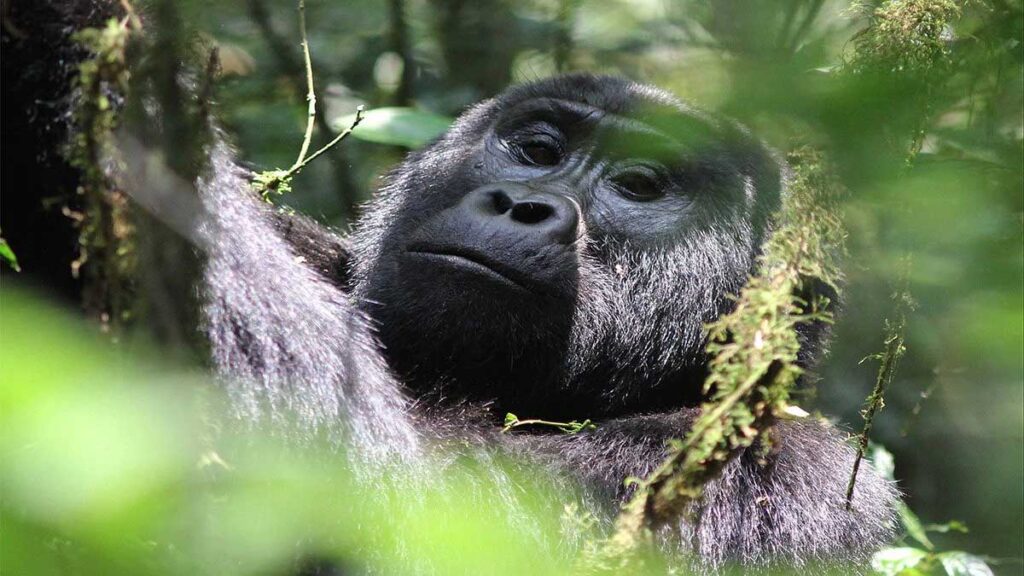
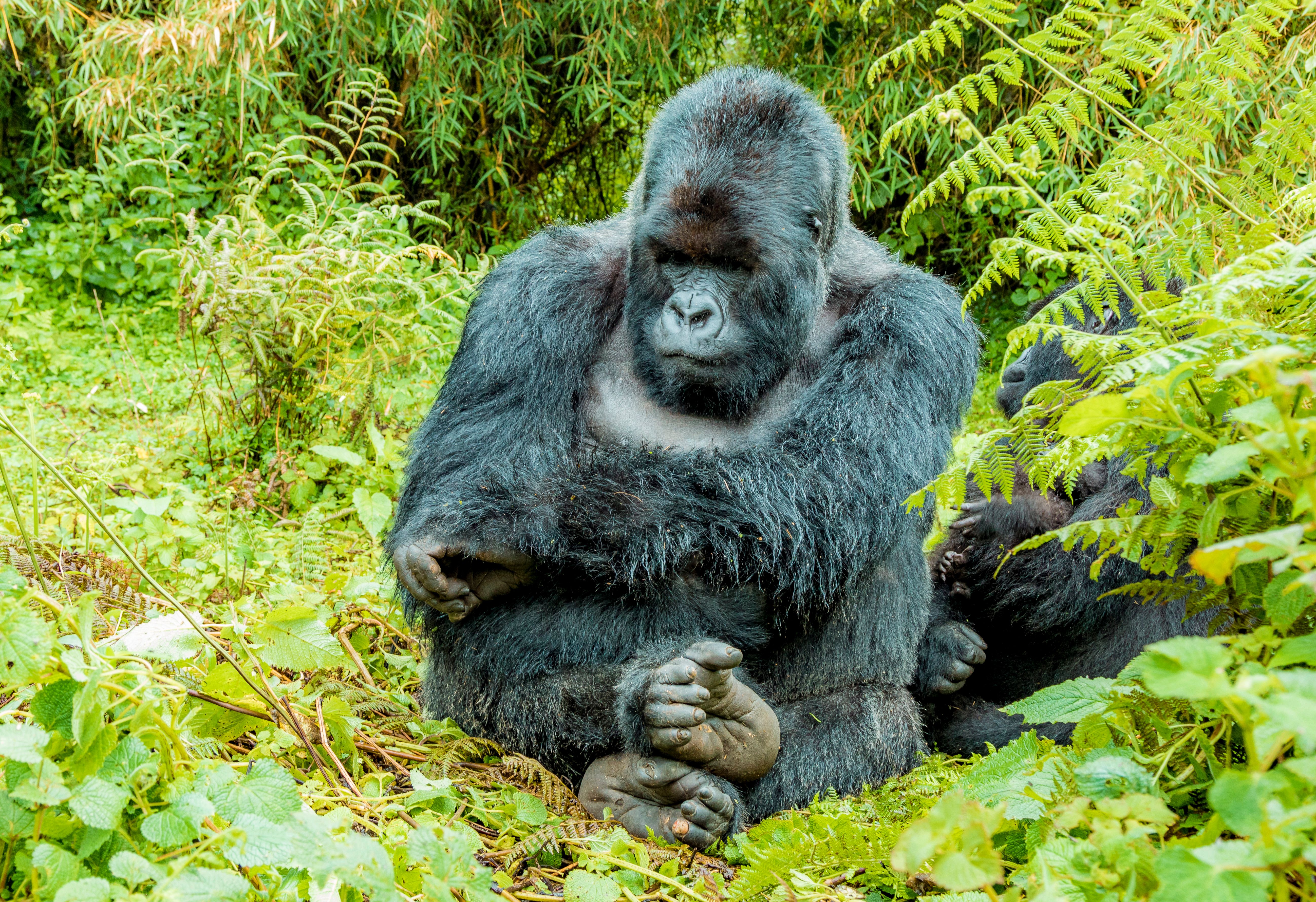
This is often the most anticipated moment of the entire safari. The first sighting may reveal a silverback resting among the vegetation, a mother caring for her infant, or younger gorillas playing while other family members feed nearby.
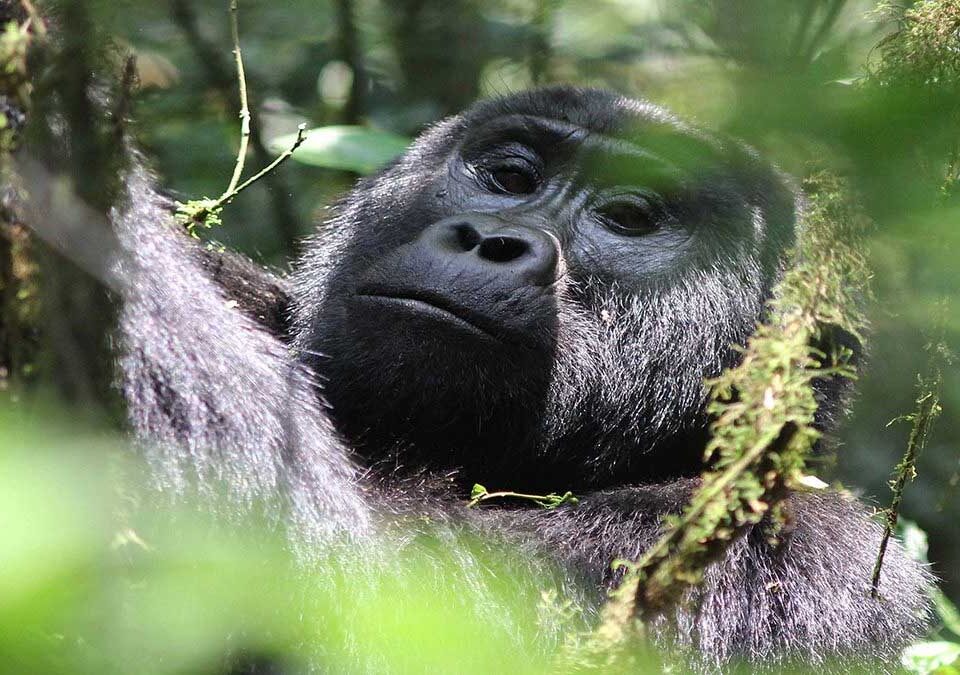
The encounter can feel remarkably intimate because you are observing animals that share many biological and behavioural characteristics with humans. Their expressions, social interactions, and movements offer fascinating insights into the lives of these endangered primates.
However, the experience should be approached with respect rather than the expectation of a staged wildlife performance. Gorillas may be active, resting, feeding, grooming, or moving through the vegetation. Their behaviour depends on their natural needs and circumstances.
Your ranger will determine where the group should stand and how the encounter should proceed. Visitors must follow instructions about distance, movement, noise, and photography. If a gorilla approaches, do not attempt to touch it or move closer to obtain a better photograph. Follow the ranger’s directions and remain calm.
The forest may be dim, and the vegetation can partly obscure the animals. You may need patience to observe individuals clearly. Rather than focusing exclusively on taking photographs, take time to appreciate the interactions and the broader experience of watching the family in its natural surroundings.
For many travellers, this is the moment that makes the early morning, the hike, and the journey to southwestern Uganda worthwhile.
8. Spending One Hour with the Gorilla Family
During a standard gorilla trek in Uganda, visitors are permitted a maximum of one hour with the habituated gorilla family. This restriction is a central part of responsible gorilla tourism.
The time limit helps regulate human contact and reduce disturbance to the animals. Even gorillas accustomed to the presence of carefully managed visitor groups remain wild animals that require protection from unnecessary stress and potential disease transmission.
During this hour, you may observe the silverback monitoring the group, adults feeding on vegetation, mothers caring for their young, or juveniles climbing, playing, and interacting with other family members.
You may also notice how the group moves through its environment, how individuals respond to one another, and how the gorillas use their hands and mouths to handle food.
The ranger helps manage the encounter, ensuring that visitors follow the rules and that the permitted viewing period is respected. The actual viewing position may change according to the gorillas’ movements and the conditions in the forest.
Photography is generally permitted when it does not interfere with the encounter or violate park instructions. Flash photography should be avoided, and visitors should not use drones or attempt to attract the animals’ attention. If you are using a camera, prepare your settings beforehand so you can spend more of the hour observing rather than adjusting equipment.
Eating, drinking, smoking, touching the gorillas, and approaching them independently are prohibited during the encounter. Visitors must follow the ranger’s instructions regarding the minimum distance to maintain, as well as any additional measures required by the situation.
The hour often passes quickly. Taking time to observe the gorillas without a camera can make the encounter even more meaningful. It is an opportunity to appreciate the importance of habitat protection and the conservation work that allows responsible tourism to support these remarkable animals.
When the permitted viewing period ends, the ranger signals the group to leave the gorillas and begin the return journey.
9. Following Gorilla Trekking Rules During the Encounter
Gorilla trekking regulations are designed to protect visitors, gorillas, and the wider forest environment. Following them is an essential part of the experience.
Visitors should remain quiet, avoid sudden movements, and never attempt to touch a gorilla, even if it appears relaxed or approaches the group. A gorilla’s behaviour can change quickly, and the ranger is best placed to determine how visitors should respond.
Maintain the distance directed by the ranger and avoid crowding the animals. If a gorilla moves towards you, do not approach it in return. Follow the instructions provided during the briefing, remain calm, and allow the ranger to manage the situation.
If you need to cough or sneeze, cover your mouth and turn away from the gorillas as instructed. Do not participate in the trek if you have an infectious illness that could put the animals at risk. These precautions matter because mountain gorillas are susceptible to some human diseases.
Visitors should also avoid littering, damaging vegetation unnecessarily, shouting, feeding wildlife, or leaving the designated route without permission.
Respecting these regulations contributes to the sustainability of gorilla tourism in Uganda. It helps maintain conditions in which gorilla families can continue living in their natural habitat while carefully managed tourism supports conservation and local livelihoods.
10. Returning Through the Forest After the Gorilla Encounter
Once the viewing period is complete, your guide leads the group away from the gorilla family and back towards the appropriate exit or meeting point.
The return hike may follow the same trail or take a different route depending on the terrain and the decisions of the guiding team. It can involve additional climbing or descending, so it is important not to assume that the hardest part of the day ends when you see the gorillas.
By this stage, you may feel tired, particularly if the trek involved steep slopes, muddy ground, or several hours of walking. Take care with your footing, follow the guide’s directions, and communicate if you need assistance.
Your attention may also shift from the anticipation of finding the gorillas to a deeper appreciation of the forest. The return journey provides an opportunity to notice details you overlooked on the way in, including birds, vegetation, and the landscape surrounding the trail.
If you hired a porter, their assistance may be particularly valuable during the descent or on slippery sections. Porters can help carry your bag and provide practical support on difficult terrain, although they cannot eliminate the physical demands of the hike.
The length of the return journey varies with the location of the gorilla family and the route taken. Consequently, the overall activity can occupy much of the morning and sometimes extend into the afternoon.
When the group reaches the designated endpoint, the ranger or guide can confirm the completion of the trekking activity and direct visitors to the next stage of their day.
11. Receiving Your Gorilla Trekking Certificate
At some trekking locations, visitors who complete the activity may receive a gorilla trekking certificate. The certificate serves as a memento of the experience and a reminder of the time spent observing mountain gorillas in their natural habitat.
Availability and arrangements can vary, so it is best to confirm this detail with your tour operator or the park staff rather than assume that every trek includes a certificate.
Although the certificate can be a pleasant keepsake, the most valuable part of the experience is the encounter itself. The photographs, memories, and understanding gained from seeing the gorillas often remain meaningful long after the safari ends.
For travellers visiting Uganda as part of a special occasion, such as a honeymoon, anniversary, or milestone trip, the trekking day can become one of the most memorable elements of the entire journey.
12. Returning to Your Lodge for Lunch and Relaxation
After the trek, you return to your lodge or meet your driver at the agreed location. Depending on the time, the lodge may have prepared lunch or a meal for guests returning from the forest.
You will probably appreciate the opportunity to remove your muddy boots, freshen up, rest your legs, and enjoy a relaxed meal after several hours outdoors.
Some travellers prefer to spend the remainder of the afternoon resting at the lodge, enjoying the views, or reflecting on their experience. Others may have time for a short activity arranged in advance, provided the trekking schedule and travel distances allow it.
Potential afternoon experiences include a guided community visit, a cultural activity, a nature walk, or birdwatching. The availability of these activities depends on the lodge location, local arrangements, weather, and the time you return.
If you are travelling to another destination on the same day, discuss the plan with your operator before departure. Long road transfers can be tiring after a strenuous hike, and the return time from the forest is not guaranteed.
At Exclusive Gorilla Journeys, we recommend allowing enough flexibility after trekking so you can enjoy the experience without feeling pressured to rush through the rest of the day.
13. How Difficult Is Gorilla Trekking in Uganda?
The difficulty of gorilla trekking varies considerably. Some visitors complete relatively short hikes, while others face several hours of demanding walking through steep, muddy, and densely vegetated terrain.
Bwindi’s landscape can be particularly challenging because of its ridges, valleys, and uneven forest floor. Nkuringo is often associated with demanding climbs and descents, although the actual difficulty of any trek depends on the family’s location and the day’s conditions. Routes in other sectors can also be physically demanding.
Mgahinga offers a different landscape shaped by volcanic slopes and forest vegetation, but trekking there still requires preparation and a willingness to walk outdoors over uneven ground.
You do not necessarily need to be an athlete to participate. However, a reasonable level of fitness is beneficial. Walking regularly before your trip, practising on hills where possible, and wearing comfortable hiking boots can help you prepare.
If you have concerns about mobility, balance, or endurance, discuss them with your tour operator in advance. Some support arrangements may be available, including hiring porters. Depending on current availability and park arrangements, additional assistance may be possible for visitors with mobility limitations, but it must be organised beforehand and cannot guarantee a particular route or outcome.
Honest preparation is more useful than assuming that all gorilla treks are easy. Choosing suitable accommodation near your assigned sector, allowing enough recovery time, and listening to your guides will help you approach the experience with confidence.
14. What Should You Pack for Gorilla Trekking Day?
The right equipment can make the difference between a comfortable outing and an unnecessarily difficult one. Because conditions in the rainforest can change quickly, preparation should account for rain, mud, insects, and varying temperatures.
Sturdy hiking boots with good traction are among the most important items. Long trousers and a long-sleeved shirt provide protection against vegetation, while gardening-style gloves can help when you need to hold vegetation or steady yourself on the trail, provided your guide permits their use.
A waterproof jacket is useful because rainfall can occur throughout the year. Gaiters may help keep mud and vegetation out of your boots, and a small backpack allows you to carry essential items without overloading yourself.
Bring sufficient drinking water for the hike and suitable snacks for breaks along the trail. Follow your guide’s instructions about when to eat and drink, especially near the gorillas. Do not consume food or beverages during the gorilla encounter.
A camera or phone can help you preserve memories, but ensure it is fully charged. A small waterproof cover is useful for protecting electronic equipment from rain. Sunscreen and insect repellent may also be useful before entering the forest.
Carry your required identification and permit documentation as advised. If you use prescription medication, speak to your healthcare professional about your travel and trekking needs, and carry your medication appropriately.
Your guide or tour operator can provide a more specific packing recommendation based on the time of year, trekking sector, and length of your itinerary.
15. Can You See Other Wildlife During Gorilla Trekking?
Although the principal objective is to see mountain gorillas, the forest offers much more than a single wildlife encounter.
Bwindi is recognised for its rich biodiversity, including many bird species, other primates, and a remarkable variety of plant life. During the trek, you may encounter birds calling from the canopy, monkeys moving through the trees, butterflies, and interesting forest vegetation.
The likelihood of seeing particular species varies according to location, weather, time of day, and the movements of wildlife. Other animals may remain hidden in dense vegetation, and a gorilla trek should not be treated as a guaranteed general wildlife-viewing excursion.
Mgahinga also offers an opportunity to experience the biodiversity of the Virunga landscape. Depending on your itinerary and separate activity arrangements, you may be able to combine gorilla trekking with golden monkey tracking or other outdoor experiences.
If wildlife photography, birdwatching, or broader biodiversity interests you, let your tour operator know before the safari. Additional time in the region may allow you to explore more of the natural environment without rushing the gorilla trekking experience.
16. What Happens If the Gorillas Are Difficult to Find?
Mountain gorillas are wild animals, and their movements cannot be controlled. Although experienced trackers work to locate the families and guide visitors towards them, some treks take considerably longer than others.
If a family has moved farther into the forest, the group may need to walk longer distances or navigate challenging terrain. Weather can also affect the route and the pace of the trek.
Your guide and the tracking team will make decisions based on the available information and conditions. Visitors should remain patient, follow instructions, and understand that the timing of the experience cannot be guaranteed.
Seeing mountain gorillas is the central purpose of a standard trek, but the precise route, duration, and conditions remain variable. A responsible tour operator will explain these uncertainties when helping you plan your trip.
Before booking, ask about permit arrangements, the assigned trekking sector, accommodation location, transport, and what assistance is available if you encounter difficulties during the hike.
Planning carefully helps you prepare for the experience without expecting the forest to operate according to a fixed timetable.
17. How to Plan Your Gorilla Trekking Day with Exclusive Gorilla Journeys
A successful gorilla trekking day begins well before you enter the forest. Your permit, accommodation, transport, and trekking sector need to work together so that you arrive at the briefing point on time and have the right support throughout the activity.
Exclusive Gorilla Journeys helps travellers organise gorilla trekking experiences in Uganda according to their interests, travel dates, budget, and preferred level of comfort.
Booking Your Gorilla Trekking Permit
A valid gorilla trekking permit is required to participate in the standard activity. Permit availability is limited because each habituated gorilla family can receive only a small number of visitors per day.
Booking well in advance is particularly important during busy travel periods, when demand for permits and accommodation can be high. Your travel dates, preferred park, and available permits should guide the itinerary rather than selecting accommodation first and assuming a permit will be available nearby.
Permit prices and booking procedures can change, so confirm the applicable rate and conditions for your travel date before making payment.
Choosing the Right Gorilla Trekking Sector
The sector should be selected with your overall itinerary in mind. If you prefer a particular lodge, have limited time, or want to combine gorilla trekking with other destinations, these preferences may influence the best starting point.
However, no sector can guarantee a short or easy hike. The location of the gorilla family on the day remains an important factor.
Our team can help you consider the different sectors, available accommodation, transfer distances, and activities that may fit your safari plans.
Arranging Accommodation and Transport
Staying close to your assigned trekking sector can make the morning more comfortable. It reduces the need for an early, lengthy transfer and gives you more time to prepare for the briefing.
Transport arrangements are also important when travelling to southwestern Uganda from Entebbe, Kampala, or another safari destination. Road journeys can be lengthy, so the itinerary should allow sufficient time for travel and rest before trekking.
Depending on your preferences and schedule, your safari can include private road transfers, carefully selected lodges, and additional destinations such as Queen Elizabeth National Park or Lake Bunyonyi.
Preparing for a Comfortable Experience
Before departure, you should understand what the trekking day involves, what to pack, how long the hike may take, and which regulations apply to visitors.
Exclusive Gorilla Journeys can help you prepare these details so that you arrive with realistic expectations and the appropriate arrangements in place.
Whether you want a short gorilla trekking safari or a longer wildlife adventure across Uganda, thoughtful planning makes it easier to enjoy the journey from the first morning to the final day.
Conclusion: Make Your Gorilla Trekking Day in Uganda Unforgettable
A gorilla trekking day in Uganda is a journey through several stages, beginning with an early breakfast and morning briefing and continuing with a guided hike through a protected rainforest. Along the way, you learn about conservation, discover the forest environment, and follow experienced trackers towards a habituated mountain gorilla family.
The highlight is the opportunity to spend up to one hour observing the gorillas in their natural habitat. Watching a silverback, a mother with her infant, or playful young gorillas can provide an unforgettable insight into the lives of these endangered primates.
The experience also requires preparation, patience, and respect for wildlife regulations. Trekking times vary, the terrain can be demanding, and the gorillas move naturally through the forest. Understanding these factors allows you to plan appropriately and appreciate the adventure for what it is.
With the right permit, suitable accommodation, reliable transportation, and experienced guidance, you can make your Uganda gorilla trekking experience more comfortable and rewarding.
Plan your gorilla trekking safari with Exclusive Gorilla Journeys. Contact our team to arrange your gorilla permits, accommodation, transportation, and a personalised Uganda safari designed around your travel dates and interests. Let us help you experience the extraordinary mountain gorillas of Bwindi Impenetrable National Park or Mgahinga Gorilla National Park.