
What Shoes Are Best for Gorilla Trekking in Uganda?
October 12, 2026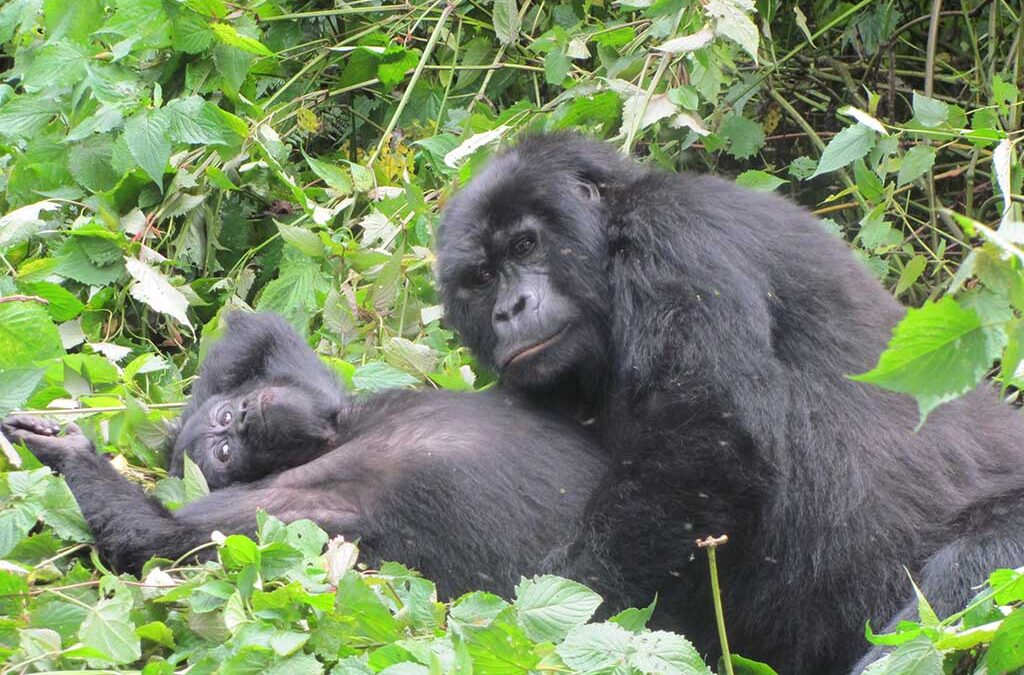
What Clothes Should You Wear for Gorilla Trekking in Uganda?
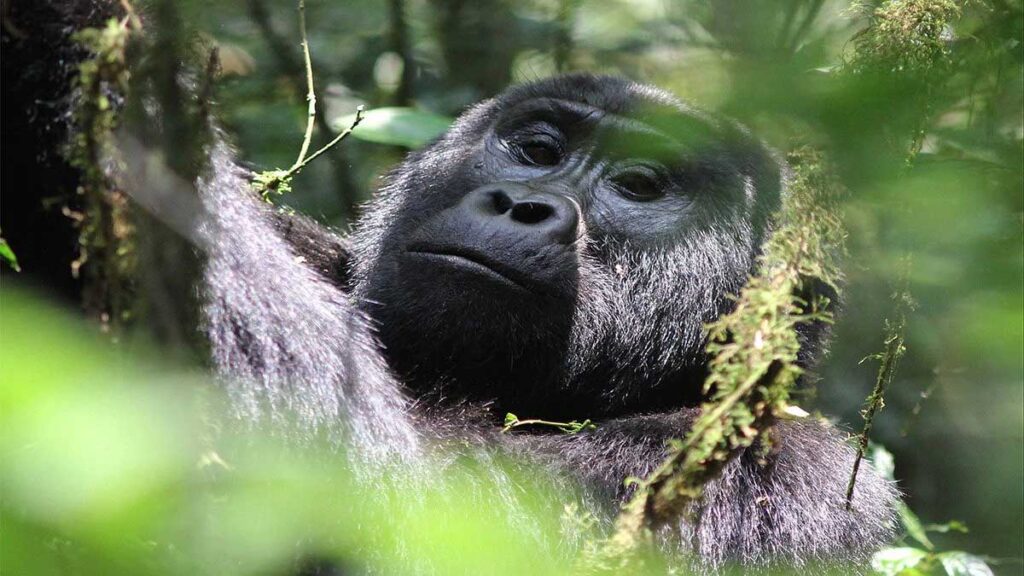
Gorilla trekking in Uganda is an extraordinary wildlife experience that takes you deep into the tropical rainforests of Bwindi Impenetrable National Park or Mgahinga Gorilla National Park in search of endangered mountain gorillas. Standing a few metres away from a gorilla family in its natural habitat is a remarkable privilege, but reaching these magnificent primates can involve hiking through steep slopes, muddy trails, dense vegetation and forests where rain can fall at any time.
Choosing the right clothes for gorilla trekking in Uganda is therefore essential. Your clothing needs to protect you from stinging nettles, thorny plants, biting insects, rain and changing temperatures while allowing you to walk comfortably for several hours. The best outfit is practical, breathable, durable and suitable for the conditions of a mountain rainforest.
At Exclusive Gorilla Journeys, we understand that preparing for a gorilla trekking safari involves more than securing a trekking permit and booking accommodation. Knowing what to wear helps you arrive prepared, move more comfortably through the forest and concentrate on the incredible wildlife encounter ahead.
This comprehensive guide explains what clothes to wear for gorilla trekking in Uganda, which colours and materials to choose, how to dress during the rainy and dry seasons, what footwear works best, and which clothing mistakes to avoid when preparing for your adventure.
Why Choosing the Right Clothes Matters for Gorilla Trekking in Uganda
Gorilla trekking is different from an ordinary nature walk or a game drive across the African savannah. The experience takes place in mountainous rainforest environments where the terrain and weather can change considerably over a single day.
In Bwindi Impenetrable National Park, trekkers may walk along narrow forest paths, climb steep hillsides, cross slippery ground and move through thick vegetation. Some sections are relatively manageable, while others demand considerable physical effort. Mgahinga Gorilla National Park also has mountainous terrain, with trails that may involve sustained climbing through forest and bamboo vegetation.
The duration and difficulty of a trek depend on the location of the assigned gorilla family, its movements, the terrain and the prevailing weather. You might spend a relatively short time walking before finding the gorillas, or you might hike for several hours.
Your clothes must consequently serve several purposes. They should protect your skin from vegetation, manage perspiration, provide warmth when temperatures fall, and help you remain comfortable if it rains. They should also allow you to bend, climb, step over fallen branches and maintain your balance without unnecessary restriction.
A carefully selected trekking outfit reduces discomfort and helps prevent minor problems such as scratches, insect bites, chafing and blisters. These details matter because you want to devote your attention to the forest and the gorillas rather than constantly adjusting uncomfortable clothing.
The most effective approach is to dress for a wet, potentially cool forest walk rather than assuming that Uganda’s generally warm tropical climate means you should wear lightweight holiday clothes.
1. Wear Long-Sleeved Shirts for Protection
A long-sleeved shirt is one of the most important clothing items for gorilla trekking in Uganda. Although the forest can be humid, exposing your arms to the surrounding vegetation is rarely a good idea.
The trails may pass through stinging nettles, thorny plants, tangled vines and branches that can scratch bare skin. Insects may also become a nuisance during the hike. A long-sleeved shirt provides a practical barrier against these hazards while protecting your arms from the sun on more open sections of the trail.
Choose a shirt made from lightweight, breathable and quick-drying fabric. Synthetic hiking materials are particularly useful because they generally manage moisture more effectively than heavy cotton. Lightweight merino wool is another option, although it may cost more than standard synthetic trekking clothing.
Your shirt should fit comfortably without being excessively tight or so loose that it catches on branches. Sleeves should cover your arms fully, and adjustable cuffs can help prevent insects and vegetation from reaching your wrists.
Neutral colours such as olive green, khaki, brown and muted grey are suitable choices for a forest environment. Plain shirts are practical because they are easy to combine with different trousers and outer layers.
Avoid thick shirts that trap heat, especially if you expect to hike for several hours. A breathable long-sleeved shirt allows perspiration to evaporate more readily and helps you remain comfortable during strenuous sections.
It is also sensible to carry a spare shirt in your luggage so that you can change after the trek. After walking through a humid forest, your clothing may be damp from sweat or rain, and putting on a dry shirt can make the return journey or drive to your lodge much more pleasant.
2. Choose Long, Lightweight Trekking Trousers
Long trousers are essential for gorilla trekking in Uganda because they protect your legs against sharp vegetation, stinging nettles, insects and muddy undergrowth.
Although shorts may feel comfortable in warm weather, they leave much of your legs exposed to scratches and irritating plants. Long trousers provide better coverage, particularly when guides lead the group through sections where vegetation grows close to the trail.
The best trekking trousers are lightweight, breathable, quick-drying and flexible. They should allow you to take long steps, bend your knees and climb uneven ground without pulling tightly around your waist or thighs.
Technical hiking trousers made from nylon or polyester blends are good options. Some designs include stretch panels that improve mobility, while others have zipped pockets for storing small essentials. Choose a design that feels comfortable when walking uphill and stepping over obstacles.
Avoid heavy denim jeans. Jeans absorb moisture, become uncomfortable when wet and take longer to dry than most technical hiking trousers. Their limited flexibility can also make steep climbs more tiring.
Cotton trousers are not automatically unsuitable, but they are generally less practical when prolonged rain, heavy perspiration and humid conditions are likely. Quick-drying materials offer a more reliable choice for Uganda’s mountain forests.
Your trousers should extend down to your ankles and fit comfortably over your hiking socks or gaiters. A straight or slightly tapered leg is usually preferable to excessively wide trousers that can snag on branches.
Before your safari, wear your chosen trousers on a long walk. Check whether the waistband rubs against your skin, whether the fabric restricts your knees and whether the pockets remain secure when climbing.
The goal is to choose trousers that provide protection without making you feel weighed down during the trek.
3. Wear Neutral-Coloured Clothes
Colour is another consideration when deciding what to wear for gorilla trekking in Uganda. Muted, natural colours are generally the most practical choices for forest trekking.
Olive green, khaki, brown, muted grey and similar earth tones are suitable because they are unobtrusive against the surrounding vegetation. They also tend to conceal mud and everyday trekking marks better than white or very light fabrics.
Bright colours are best avoided when preparing your trekking outfit. There is little advantage to wearing fluorescent yellow, bright orange or highly contrasting patterns in a natural forest environment. Plain, understated clothing is a sensible choice for a wildlife experience.
Neutral colours should not, however, be treated as a guarantee that gorillas will react in a particular way. Mountain gorillas visited during regulated treks are habituated to human presence, and appropriate behaviour, following ranger instructions and maintaining the required distance are more important than clothing colour alone.
It is also worth distinguishing between general trekking advice and official park rules. Choose conservative, practical clothing, and follow any specific instructions provided by your guides or park authorities.
Camouflage clothing is best avoided because it may be discouraged or restricted under local rules and can resemble military or ranger attire. Ordinary hiking clothes in olive, khaki or brown are a simpler option.
When choosing your outfit, consider practicality as well as appearance. A dark green or brown shirt paired with khaki trousers, for example, creates a versatile combination that works well for trekking and can be reused on other outdoor activities during your Uganda safari.
4. Carry a Waterproof Rain Jacket
A waterproof jacket is one of the most valuable items to wear or carry during gorilla trekking in Uganda. Rainforest weather can change quickly, and rain may occur even during periods commonly regarded as relatively dry.
Bwindi and Mgahinga receive rainfall throughout the year, although the likelihood and intensity of rain vary by season and location. A morning that begins with cool, cloudy weather may become wet while you are deep inside the forest.
Choose a lightweight waterproof jacket with a hood, secure fastenings and enough room to fit over your trekking shirt and fleece. A breathable design is preferable because you may generate considerable heat while climbing. Breathability helps reduce the uncomfortable build-up of perspiration beneath the jacket.
A water-resistant windbreaker is not necessarily sufficient for prolonged or heavy rain. Check that your outer layer is designed for genuine wet-weather protection and that its seams and closures are suitable for hiking.
Your jacket should also allow you to move freely. Test the hood, sleeves and front fastening before your trip, especially if you expect to wear a small backpack.
Some trekkers prefer a poncho because it covers more of the body and can be worn over a backpack. However, a loose poncho can snag on branches and become awkward when moving through dense vegetation. A well-fitted rain jacket is often easier to manage on narrow trails, although a poncho may still be useful when recommended by your guide.
If you are travelling during Uganda’s wetter periods, consider carrying lightweight waterproof trousers as well. They are particularly useful when rain is persistent or the trail is exceptionally wet.
Do not assume that the absence of rain when you leave your lodge means you can leave your waterproof clothing behind. Carry it even when the morning looks clear.
5. Pack a Warm Fleece or Lightweight Jacket
Uganda is located near the equator, but gorilla trekking takes place at relatively high elevations where mornings and evenings can feel cool. Forest shade, mist, rain and changes in elevation can make temperatures feel lower than visitors expect.
A lightweight fleece or insulating jacket is useful, particularly before the trek begins, during breaks and after the hike when you are no longer generating as much body heat.
The best approach is to wear several lightweight layers rather than relying on one thick garment. You can remove the fleece as your body warms during the climb and put it back on when you stop to rest.
A fleece jacket is a practical middle layer because it provides warmth without adding excessive weight. Choose one that fits comfortably beneath your waterproof jacket and does not restrict your shoulders when you use trekking poles.
A thin thermal top can also be useful for travellers who feel cold easily or are trekking in cooler areas. Ruhija, for example, is situated at a relatively high elevation within Bwindi, while Mgahinga’s mountainous setting can also produce cool conditions.
However, you do not need to dress as though you are climbing a snow-covered mountain. Gorilla trekking generally involves managing cool mornings, physical exertion, humidity and the possibility of rain rather than extreme cold.
For most visitors, a breathable long-sleeved shirt, a light fleece and a waterproof jacket provide a versatile combination. You can adjust these layers to the conditions without carrying excessive clothing.
6. Wear Waterproof Hiking Boots with Good Ankle Support
Although shirts and trousers are important, your footwear is arguably the most critical part of your gorilla trekking outfit. The wrong shoes can make an otherwise rewarding trek uncomfortable and increase the risk of slipping on uneven ground.
The trails in Bwindi and Mgahinga may include wet soil, exposed roots, steep inclines, slippery leaves and muddy passages. You need footwear that provides reliable traction, protects your feet and supports you as you move across uneven terrain.
Waterproof hiking boots with ankle support are a strong choice. Look for a durable sole with deep tread, a secure fastening system and a comfortable fit around the heel and toes.
Good tread helps you maintain traction on muddy ground, although no boot can eliminate the risk of slipping on wet slopes. Walk carefully, follow your ranger’s instructions and use a walking stick where appropriate.
Ankle-supporting boots can provide additional stability on uneven trails, especially when carrying a backpack. They should feel secure without pressing painfully against your ankles.
Waterproofing is useful because you may encounter rain, wet vegetation and muddy sections. Nevertheless, even waterproof boots can become damp during a long, wet trek, particularly if water enters from the top or the conditions exceed the footwear’s protection.
The fit is just as important as the material. Your toes should have enough room when walking downhill, and your heel should not slide excessively inside the boot. Wear the socks you intend to use during the trek when trying on footwear.
Most importantly, break in your hiking boots before travelling to Uganda. Wear them on several walks of increasing length so that you can identify rubbing, pressure points and discomfort before the actual trekking day.
Avoid brand-new boots, ordinary fashion shoes, open sandals and smooth-soled trainers for challenging forest trails. If you already own comfortable hiking boots with suitable grip, ankle support and weather protection, you may not need to purchase an expensive new pair.
Bring comfortable sandals or light shoes for wearing around your lodge after the trek. This gives your feet a chance to rest while your hiking boots dry.
7. Wear Comfortable Hiking Socks
Hiking socks help protect your feet from friction, regulate moisture and improve the fit of your boots. They may seem like a minor detail, but unsuitable socks can contribute to blisters and discomfort during a long walk.
Choose socks designed for hiking, preferably made from moisture-managing synthetic fibres or merino wool blends. These materials are generally more effective at managing perspiration than ordinary cotton socks.
Your socks should provide cushioning around the heel, toes and other areas that experience pressure inside your boots. Avoid socks with thick seams that rub against your skin.
The thickness should match your footwear. Very thick socks can make a boot too tight, while very thin socks may offer insufficient cushioning. Test the combination before your safari.
Wear long enough socks to cover the area where your trousers meet your boots. Some trekkers tuck their trouser cuffs into their socks to reduce the chance of insects or safari ants getting underneath their clothing.
Gaiters can provide an additional barrier around the lower legs and boot openings. They are especially helpful when the trails are muddy or the vegetation is dense.
Carry at least one spare pair of socks in a waterproof bag. If your feet become wet or you notice discomfort during the hike, having a dry pair available can improve comfort considerably, although changing may only be practical at a suitable stopping point.
After the trek, remove damp socks, dry your feet and change into comfortable footwear. This simple routine helps you recover more comfortably before continuing your safari.
8. Use Gardening Gloves to Protect Your Hands
Gardening gloves are a practical addition to your gorilla trekking clothing because they protect your hands when you need to steady yourself on vegetation or move through sections of dense undergrowth.
Some forest trails require you to hold branches for balance, push aside plants or place your hands against the ground while negotiating steep sections. Gloves provide a useful barrier against thorns, rough vegetation, dirt and minor scratches.
Choose lightweight, durable gloves with a comfortable fit and a textured palm. They should provide sufficient grip without making it difficult to use your hands.
Simple gardening gloves are often adequate. You generally do not need expensive specialist climbing gloves for an ordinary guided gorilla trek.
Avoid gloves that are excessively bulky, slippery or uncomfortable when wet. A good pair should allow you to grip a walking stick, adjust your backpack and handle your camera without unnecessary difficulty.
Gloves do not make it appropriate to grab plants indiscriminately or leave the designated trail. Follow your guide’s directions and avoid damaging vegetation.
For visitors who are sensitive to nettles or thorny plants, gloves can provide additional peace of mind. They are also useful for photographers who want to protect their hands while moving through the forest with camera equipment.
9. Consider Gaiters for Muddy Trails
Gaiters are protective coverings worn over the lower legs and the tops of hiking boots. They help prevent mud, water, small stones, leaves and other debris from entering your footwear.
They are particularly useful in Bwindi and Mgahinga when trails are muddy or vegetation is thick. By covering the gap between your trousers and boots, gaiters also make it harder for insects to reach your lower legs.
Choose gaiters that fit securely over your boots and trousers. They should be durable enough for outdoor use and simple to fasten and remove.
Gaiters are not compulsory for every trek, and their usefulness depends on trail conditions, your footwear and personal preference. If you do not own a pair, long socks and well-fitted trousers can provide a practical alternative, although they may offer less protection against mud and debris.
If you plan to purchase gaiters, try them with your hiking boots before departure. Make sure they do not interfere with walking, cause pressure points or become loose when climbing.
After the trek, clean your gaiters and boots before storing them. This helps prevent mud from spreading into your luggage or accommodation.
10. Choose a Suitable Hat and Protect Yourself from the Sun
Most gorilla trekking takes place beneath forest cover, but parts of the journey may cross open ground, exposed slopes or areas where sunlight reaches the trail.
A lightweight hat can protect your head and face from the sun during these sections. Choose one that fits securely and does not obstruct your vision when looking down at uneven ground.
A brimmed hiking hat is useful for general sun protection, while a lightweight cap may be more convenient for some trekkers. Your choice should be comfortable and easy to secure in windy conditions.
Sunglasses can also be helpful when you move through exposed areas, although they may be less necessary beneath a dense canopy.
Sun protection remains relevant even when the weather is cloudy. Apply sunscreen to exposed skin before setting out, following the product instructions, and reapply as needed.
Your hat should not replace the clothing needed for forest protection. Even on a sunny morning, long trousers and long sleeves remain practical because of the nettles, thorns and insects you may encounter along the trail.
11. What Should You Wear During the Rainy Season?
Uganda’s mountain forests receive rainfall throughout the year, but the traditional wetter periods commonly occur around March to May and October to November. Exact conditions vary, and rain is possible outside these months.
During wetter periods, the main challenge is managing moisture without overheating. A trek can involve heavy physical activity, humid air, muddy ground and sudden rainfall, so your clothing must balance protection with breathability.
Start with a lightweight, long-sleeved trekking shirt and quick-drying trousers. Wear waterproof hiking boots with good traction, and use gaiters if the trails are particularly muddy.
Carry a waterproof jacket with a hood and consider waterproof trousers when persistent rain is expected. Pack a spare shirt and socks inside a waterproof bag so that they remain dry even if your backpack gets wet.
A small backpack rain cover or waterproof liner helps protect extra clothing, food, documents and electronic equipment.
Avoid cotton garments that become saturated and remain wet for long periods. Wet clothing can become uncomfortable, cause chafing and leave you feeling cold when you stop moving.
You should also avoid wearing so many layers that you begin sweating excessively. A light insulating layer beneath a waterproof shell is generally easier to manage than several thick garments.
If rain begins during the trek, put on your waterproof jacket before your shirt becomes thoroughly soaked. Adjust your layers when the weather changes, and take care on muddy descents.
The rainy season does not necessarily mean you should postpone your gorilla trekking safari. With appropriate clothing, suitable footwear and realistic expectations, you can still enjoy an extraordinary forest experience.
12. What Should You Wear During the Dry Season?
The drier periods, often associated with June to September and December to February, can offer favourable trekking conditions. However, these months are not guaranteed to be rain-free, particularly in mountainous rainforest environments.
Your clothing should therefore remain suitable for rain even when you expect relatively dry weather.
A breathable long-sleeved shirt, lightweight trekking trousers, hiking boots and hiking socks form the foundation of your outfit. Carry a waterproof jacket and a light fleece for changing conditions.
On a warm or physically demanding trek, you may appreciate the breathability of lightweight technical clothing. Choose garments that dry quickly and allow air to circulate without leaving your skin exposed to vegetation.
Do not substitute shorts for long trousers simply because the weather forecast looks warm. The protection provided by full-length clothing remains valuable throughout the year.
The dry season is also a good time to check your boots, gloves and other equipment before travelling. Worn soles, loose fastenings and uncomfortable socks can create problems regardless of the weather.
A flexible clothing system allows you to respond to actual conditions rather than relying entirely on seasonal expectations.
13. What Underwear and Base Layers Are Best for Gorilla Trekking?
The clothing you wear closest to your skin affects comfort just as much as your outer layers. During gorilla trekking, you may sweat heavily while climbing, even when the forest feels cool.
Choose comfortable, breathable underwear made from moisture-wicking synthetic fabric or merino wool. These materials can help manage moisture and reduce the discomfort associated with prolonged activity.
Avoid underwear with seams or elastic bands that rub against your skin during long walks. If you are prone to chafing, choose a comfortable design that fits securely without restricting movement.
A lightweight base layer is useful when temperatures are cool, especially during early morning departures or in higher-altitude areas. However, a thick thermal layer may be unnecessary for trekkers who warm up quickly.
The best combination depends on the weather, your personal comfort and the intensity of the hike. Start with a breathable base, add insulation when necessary, and remove excess layers if you become too warm.
You should also pack a complete change of clothes for after the trek. Dry underwear, a clean shirt and comfortable trousers can make a significant difference after hours in a humid forest.
14. What Clothes Should You Avoid During Gorilla Trekking?
Choosing the right outfit also means knowing which clothes are unsuitable for the forest. Some garments may look attractive or feel comfortable during an ordinary holiday but perform poorly on steep, wet trails.
Shorts and sleeveless tops are generally unsuitable because they expose your skin to nettles, thorny plants and insects. Full coverage provides better protection, regardless of whether the weather feels warm.
Jeans are another poor choice for most gorilla treks. They tend to become heavy when wet, dry slowly and can restrict movement when climbing steep slopes. Lightweight trekking trousers are usually a better investment.
Open sandals, flip-flops and smooth-soled casual shoes are also unsuitable for muddy forest trails. They provide limited protection against sharp vegetation and offer inadequate security on slippery ground.
Avoid clothing that is excessively loose or has dangling straps that can catch on branches. Extremely tight clothing can be equally problematic if it restricts movement or becomes uncomfortable during a long climb.
Brightly coloured outfits are best left for other occasions. Muted colours are a practical choice for wildlife viewing, although appropriate behaviour and adherence to ranger instructions remain the primary considerations.
Heavy jackets can cause overheating during strenuous hiking, while inadequate rain protection can leave you soaked when conditions change. A lightweight layering system is more adaptable.
Finally, avoid wearing expensive or delicate clothes that you are unwilling to get dirty. Gorilla trekking is an outdoor adventure, and mud, moisture and contact with vegetation are normal parts of the experience.
15. Should You Wear Camouflage Clothing for Gorilla Trekking?
Camouflage clothing is not the best choice for your gorilla trekking safari. Ordinary outdoor clothing in muted green, khaki, brown or grey is more appropriate and easier to combine with other trekking essentials.
Camouflage garments may resemble military or ranger uniforms, and their use can be discouraged or restricted under local regulations. Requirements may vary, so it is sensible to follow the advice provided by your tour operator and park authorities.
You do not need camouflage to enjoy wildlife photography or to observe mountain gorillas. Comfortable clothing that protects you from the elements is far more important.
Choose plain, practical trekking garments and concentrate on preparing for the terrain, weather and physical demands of the forest.
16. How Should You Dress for Gorilla Trekking in Bwindi and Mgahinga?
Both Bwindi Impenetrable National Park and Mgahinga Gorilla National Park offer mountain gorilla trekking, but the terrain, elevation and specific route can differ.
In Bwindi, the assigned trekking sector and gorilla family’s location influence the conditions you encounter. Some routes may involve steep slopes, thick vegetation and muddy trails, while others may be less demanding on a particular day.
Your clothing should be suitable for prolonged walking, close contact with vegetation and potentially wet conditions. Lightweight long trousers, long sleeves, waterproof hiking boots and a rain jacket are sensible choices across the park’s trekking sectors.
Mgahinga is part of the Virunga volcanic landscape, and its mountainous terrain can involve substantial climbing. Conditions vary by route and elevation, making comfortable footwear and adjustable layers especially important.
In either destination, avoid assuming that the weather at your lodge accurately reflects conditions inside the forest. Rain, mist and temperature can differ between locations and elevations.
At Exclusive Gorilla Journeys, we encourage travellers to prepare for the specific destination and itinerary included in their safari. Your guide or safari coordinator can help you understand the anticipated conditions and determine whether additional protection, such as gaiters or waterproof trousers, would be useful.
Regardless of the park, the basic clothing principles remain the same: protect your skin, choose practical materials, wear suitable boots and carry waterproof outerwear.
17. What Should You Wear Under Your Clothes for Gorilla Trekking?
In addition to choosing the right outer garments, think about how you will manage moisture, insects and comfort throughout the day.
A breathable base layer and comfortable underwear are good starting points. Your clothing should fit securely without creating pressure points or rubbing against your skin.
For protection against insects, use an appropriate insect repellent according to its label instructions. Repellent complements protective clothing rather than replacing it.
Tuck your trousers into your socks or wear gaiters where appropriate to reduce gaps around your lower legs. Make sure your clothing remains comfortable and does not interfere with walking.
You should also consider your personal needs. Travellers who are sensitive to cold may prefer an extra lightweight layer, while those who sweat heavily may benefit from carrying a spare shirt.
The objective is to create an outfit that remains comfortable over several hours of activity, including periods when you are walking uphill, stopping to rest and standing quietly while observing the gorillas.
18. What to Wear During the Actual Gorilla Encounter
Once your guide locates the gorilla family, the trekking group follows the instructions of the guides and park staff. The encounter takes place under specific wildlife-viewing rules designed to protect both visitors and gorillas.
Your clothing should allow you to move carefully, remain comfortable and avoid unnecessary adjustments while observing the animals.
Keep your waterproof jacket accessible in case the weather changes. If you are already wearing it and the conditions become warmer, follow your guide’s instructions about where and when it is appropriate to adjust your clothing.
Avoid carrying unnecessary loose accessories that may catch on vegetation or distract you. Secure your backpack and keep your equipment organised before approaching the gorillas.
Your clothing does not replace the rules governing the encounter. Maintain the distance instructed by your guide, avoid touching the gorillas, remain calm and follow all directions.
Mountain gorillas are susceptible to human respiratory infections. If you are unwell, particularly with symptoms of a respiratory infection, contact your tour operator or the park authorities before proceeding. Follow the current health and viewing requirements, including any mask guidance provided by park staff.
Remember that the encounter is a privilege. Appropriate clothing helps you prepare physically, while responsible conduct helps protect the animals you have travelled to see.
19. How to Prepare Your Gorilla Trekking Clothes Before Travelling to Uganda
Preparing your clothes before departure can prevent avoidable discomfort on the day of your trek.
Start by trying on your complete outfit, including your shirt, trousers, socks, boots and rain jacket. Walk for an extended period in the combination to check whether anything rubs, slips or restricts movement.
Test your hiking boots on uneven ground if possible. Break them in gradually and confirm that the soles provide reliable grip. If your boots cause blisters during practice walks, address the problem before your safari.
Check that your waterproof jacket still protects against rain and that its fastenings work correctly. If you use gaiters, make sure they fit securely over your footwear.
Wash your trekking clothes before travelling if necessary, following the garment care instructions. Avoid introducing new clothing items on the day of the trek without testing their comfort beforehand.
Pack spare clothing in a waterproof bag. A clean shirt, underwear and socks will be useful after the hike, while a separate bag for muddy clothes helps keep the rest of your luggage clean.
If you are travelling on a multi-day Uganda safari, consider choosing versatile garments that can be reused for other outdoor activities. Neutral trekking trousers, breathable shirts and a waterproof jacket are useful for nature walks and other excursions as well.
You do not need to buy the most expensive outdoor clothing available. Prioritise comfort, durability, appropriate fit and protection from rain and vegetation.
20. A Practical Gorilla Trekking Outfit for First-Time Visitors
For first-time visitors, the simplest approach is to prepare one complete outfit that covers the main challenges of the forest.
Wear a lightweight, long-sleeved olive, khaki or brown trekking shirt with quick-drying trousers. Add comfortable hiking socks and waterproof boots with good tread and ankle support.
Carry a lightweight fleece and a waterproof jacket so that you can adapt to cool mornings and changing weather. Gardening gloves provide additional hand protection, while gaiters are useful when conditions are muddy.
A hat can protect you from the sun in exposed areas, and a small backpack can hold water, snacks, personal essentials and a spare layer. Keep your clothing practical and avoid carrying unnecessary items.
The exact outfit will depend on the season, route and your personal preferences. However, this combination provides a reliable starting point for most visitors planning to track mountain gorillas in Uganda.
Frequently Asked Questions About What to Wear for Gorilla Trekking in Uganda
Can I wear jeans for gorilla trekking in Uganda?
Jeans are generally not recommended because they become heavy when wet, dry slowly and may restrict movement on steep trails. Lightweight, quick-drying trekking trousers are a more practical option.
Can I wear shorts during gorilla trekking?
Long trousers are strongly recommended because they protect your legs from stinging nettles, thorny plants, insects and muddy vegetation. Shorts leave your skin exposed to these hazards.
What colour clothes are best for gorilla trekking?
Olive green, khaki, brown and muted grey are practical choices. Avoid excessively bright outfits and choose simple, comfortable garments suitable for a forest environment.
Do I need a rain jacket for gorilla trekking in Uganda?
Yes. A lightweight waterproof jacket with a hood is strongly recommended because rain can occur at any time, including during periods that are generally drier.
Are hiking boots necessary for gorilla trekking?
Waterproof hiking boots with good grip and suitable ankle support are highly recommended. They provide better protection and traction than ordinary trainers or open sandals on muddy, uneven trails.
Should I wear warm clothes for gorilla trekking?
Carry a lightweight fleece or another insulating layer, particularly for cool mornings and higher-altitude locations. You can remove it as your body warms during the hike.
Do I need gloves for gorilla trekking?
Gardening gloves are useful for protecting your hands from rough vegetation, thorns and scratches. They are particularly helpful on trails where you may need to steady yourself using vegetation.
Can I wear black clothes during gorilla trekking?
Black clothing is not universally prohibited, but muted earth tones are generally a practical choice. Prioritise comfortable garments that provide suitable protection and follow your guide’s advice about clothing and wildlife viewing.
What should I wear if it rains during the trek?
Wear your waterproof jacket and, if conditions warrant, waterproof trousers and gaiters. Quick-drying base layers and suitable hiking boots help you remain more comfortable when the ground and vegetation are wet.
Can I hire gorilla trekking clothes in Uganda?
Availability of clothing and footwear for hire varies between destinations, lodges and tour operators. Do not assume that suitable boots or rainwear will be available when you arrive. Bring your own well-fitting essentials and confirm the availability of any equipment you plan to hire in advance.
How many sets of clothes should I pack for gorilla trekking?
Bring at least one complete trekking outfit for the activity, together with spare socks and a clean set of clothes for after the trek. If you plan multiple trekking days, pack enough suitable clothing to change into dry garments between activities.
Is special clothing required for gorilla trekking in Uganda?
There is no need for a specialised gorilla costume or expensive branded clothing. Practical long-sleeved shirts, long trousers, sturdy hiking boots, a waterproof jacket and comfortable layers are the main priorities. Always follow the latest park instructions provided for your trek.
Plan Your Gorilla Trekking Safari with Exclusive Gorilla Journeys
Choosing suitable clothes is an important part of preparing for gorilla trekking in Uganda, but a successful safari also depends on thoughtful planning, appropriate permits, transport, accommodation and a well-organised itinerary.
At Exclusive Gorilla Journeys, we help travellers plan memorable encounters with Uganda’s mountain gorillas while making the preparation process easier. Whether you are visiting Bwindi Impenetrable National Park or Mgahinga Gorilla National Park, understanding the conditions of your destination helps you arrive prepared for the adventure.
We recommend packing lightweight, breathable clothing, long trousers, long-sleeved shirts, waterproof hiking boots, a reliable rain jacket and a warm layer. Test your clothing before departure, break in your boots and be prepared for changing weather.
Most importantly, approach gorilla trekking with realistic expectations. The forest is a natural environment, and the experience may involve mud, rain, steep climbs and several hours of walking. Suitable clothing will not remove every challenge, but it can make the journey more comfortable and enjoyable.
If you are planning a gorilla trekking safari in Uganda, contact Exclusive Gorilla Journeys to discuss your itinerary, trekking destination and preparation requirements. With the right guidance and practical preparation, you can focus on the extraordinary experience of observing mountain gorillas in their natural habitat.