Which Bwindi Gorilla Trekking Sector Is Best for First-Time Visitors?
October 12, 2026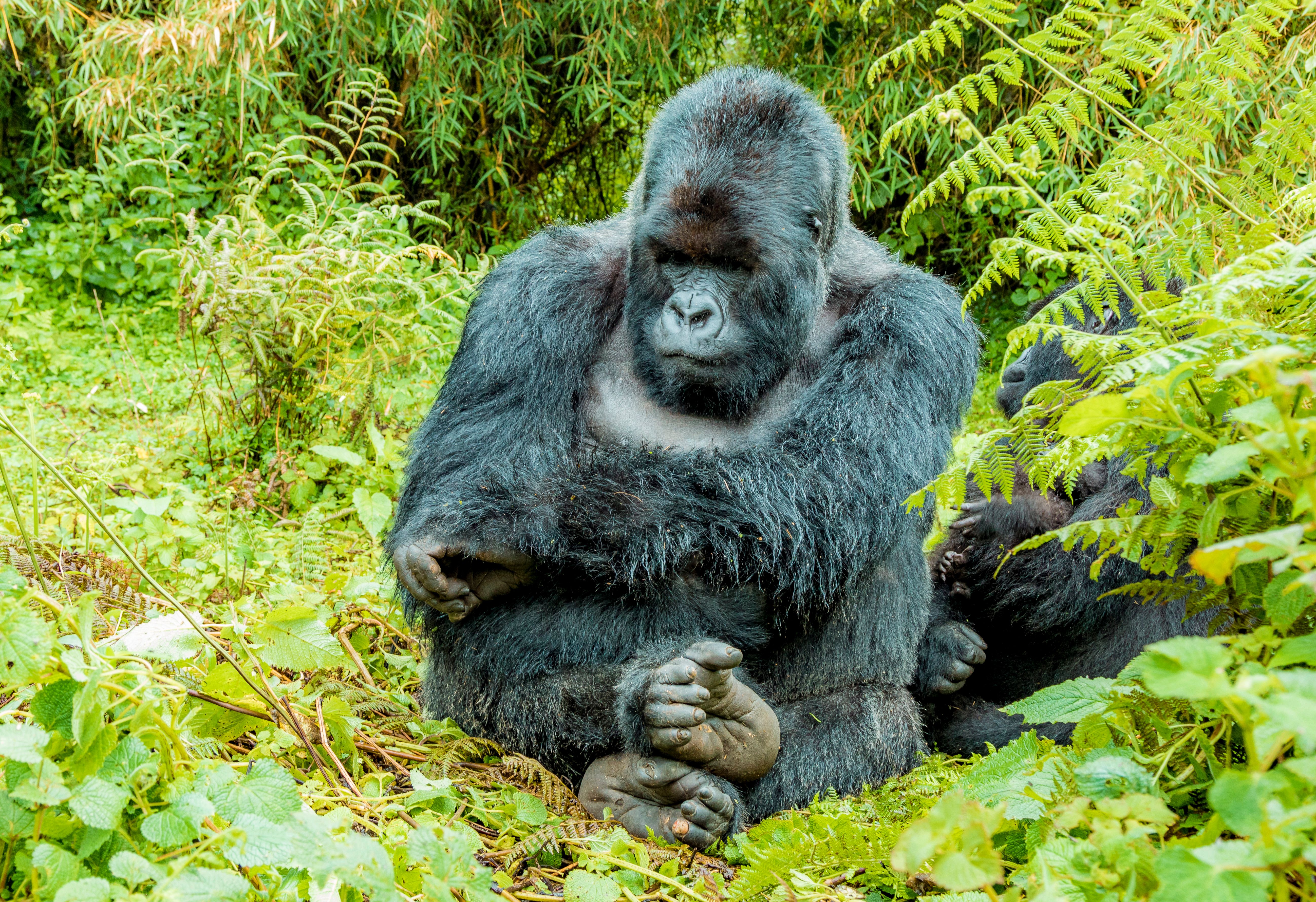
How Long Does Gorilla Trekking in Uganda Take?
October 12, 2026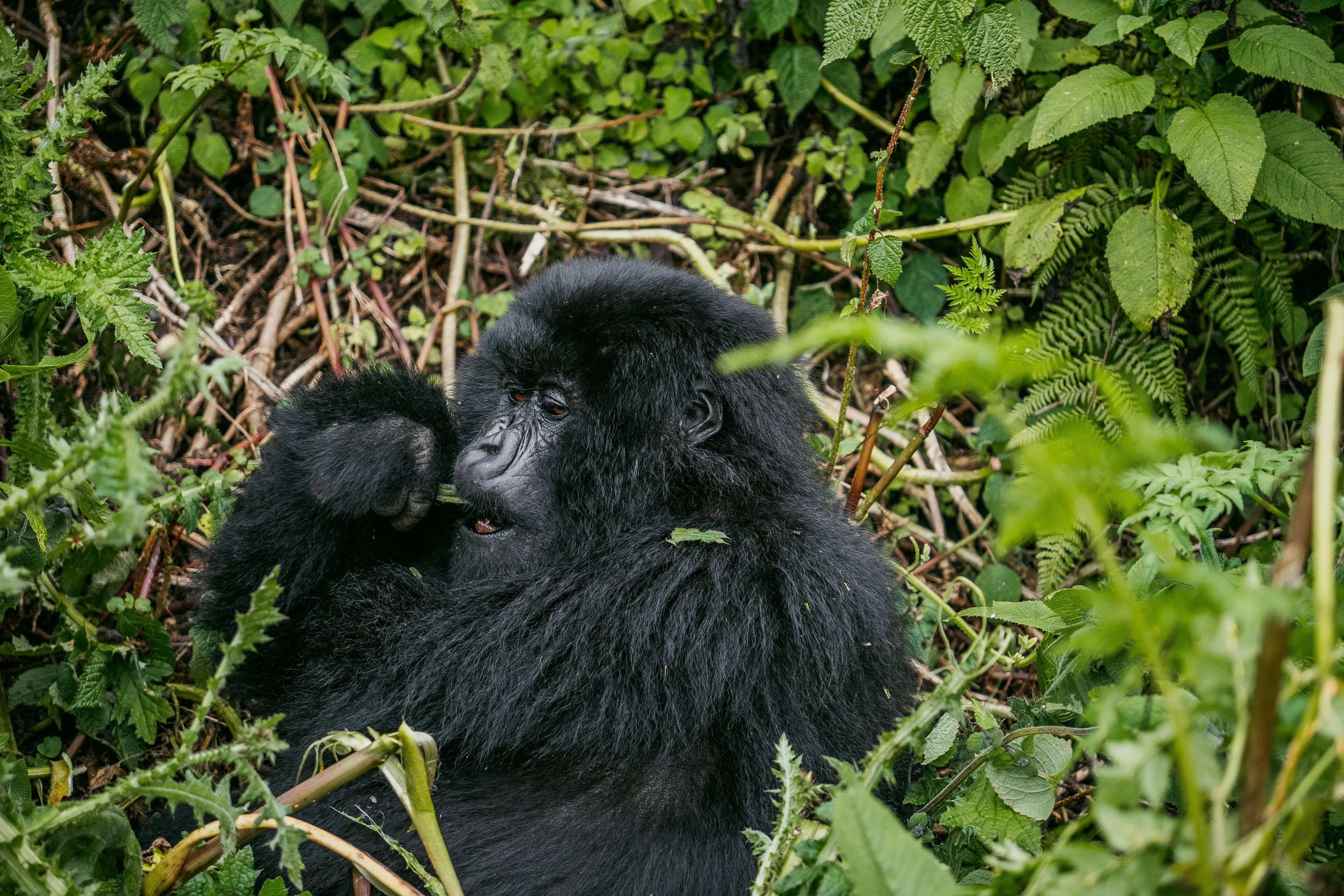
Gorilla trekking in Bwindi Impenetrable National Park is a rewarding wildlife experience, but it can be physically demanding. The difficulty depends on the location of the gorilla family, the steepness of the terrain, the condition of the forest trails, the weather, and your personal fitness level. Some visitors find their gorilla family after a relatively short walk, while others spend several hours climbing steep slopes, crossing muddy paths, and navigating dense vegetation.
Located in southwestern Uganda, Bwindi is one of Africa’s most important destinations for mountain gorilla trekking. Its ancient rainforest shelters a significant population of endangered mountain gorillas, making it an exceptional destination for travelers seeking close encounters with these remarkable primates in their natural habitat.
For first-time visitors, the most important thing to understand is that gorilla trekking in Bwindi is not a technical mountain climb, but it can be a strenuous hike through challenging rainforest terrain. You do not need to be an athlete to participate, but reasonable physical preparation, suitable hiking equipment, and a flexible itinerary can make the experience considerably more comfortable.
Whether you are planning a luxury Uganda safari, a budget gorilla trekking adventure, a family holiday, or a dedicated wildlife photography trip, understanding the difficulty of the trek will help you choose the right sector, prepare your body, and make informed travel arrangements.
1. Understanding the Difficulty of Gorilla Trekking in Bwindi
Gorilla trekking in Bwindi is generally considered a moderate to strenuous hiking activity. The Uganda Wildlife Authority indicates that a trek may last approximately two to seven hours, depending on the circumstances, with one hour allocated for observing a habituated gorilla family.
However, these figures should not be treated as a guaranteed schedule. Some treks finish earlier, while others take considerably longer because the gorillas have moved deeper into the forest or onto steeper slopes.
The experience is different from walking along a marked trail in a national park with open paths and relatively level ground. Bwindi is a dense tropical rainforest characterized by steep ridges, deep valleys, thick vegetation, exposed tree roots, and uneven ground.
The physical challenge comes from the combination of walking duration, elevation changes, slippery surfaces, humidity, and the need to maintain balance. Even a relatively short trek can feel demanding if it involves climbing a steep slope after rain.
Nevertheless, the activity is designed for ordinary visitors who can manage the hike with appropriate assistance. You do not have to be a professional hiker, mountaineer, or endurance athlete to enjoy gorilla trekking.
The key is to understand your own physical limitations, prepare adequately, and communicate your needs before the trek begins.
What Makes Gorilla Trekking in Bwindi Difficult?
Steep Hills and Uneven Terrain
The first major challenge is Bwindi’s mountainous landscape. The park lies within the Albertine Rift region, where ridges and valleys create a constantly changing landscape. Elevations range from approximately 1,160 metres to 2,607 metres above sea level.
Unlike a conventional walking trail, the route taken during gorilla trekking may involve repeated uphill and downhill sections. You might walk along a relatively gentle path before encountering a steep ascent that requires slower movement and careful foot placement.
Climbing uphill places additional demands on your legs, particularly your thighs, calves, and gluteal muscles. Descending can be equally challenging because you must control your body weight while preventing your feet from slipping on loose soil, roots, and wet leaves.
The difficulty varies according to the location of the assigned gorilla family. If the gorillas are feeding near a lower forest slope, the trek might be manageable for someone with average fitness. If they have moved higher into the mountains, the same visitor may face a considerably more demanding hike.
For this reason, it is not possible to guarantee an easy trek simply by choosing Bwindi as your destination.
Muddy and Slippery Trails
Rain is one of the most important factors affecting gorilla trekking difficulty in Bwindi. The park is a rainforest, and showers can occur even during the drier months.
When rain falls, the soil becomes slippery, particularly on steep slopes. Mud can make it difficult to maintain traction, while wet roots and leaves create additional hazards.
In some sections, there may be no clearly defined walking path. Rangers and guides may need to lead visitors through vegetation, over fallen branches, or across uneven forest ground to reach the gorillas.
This means that a trek that appears manageable on a map can be more challenging on the ground. Walking slowly, keeping your centre of gravity balanced, and following the ranger’s instructions are essential.
Proper hiking boots with good grip make a significant difference. Ordinary trainers, sandals, and smooth-soled shoes are unsuitable for the conditions.
During the wetter months, trekkers should expect their boots and trousers to become muddy. Accepting that the forest is a natural environment rather than a groomed hiking trail helps establish realistic expectations.
Dense Vegetation and Limited Visibility
Bwindi’s dense vegetation contributes to its name and character. The forest contains thick undergrowth, tangled vines, shrubs, ferns, and tree roots that can obstruct movement.
Depending on the route, a guide may need to identify a suitable passage through vegetation rather than follow a wide, unobstructed path.
This can make walking slower because you must pay attention to where you place your feet and how you move through the forest. Branches may brush against your body, and vegetation can make it difficult to see the ground immediately ahead.
Long trousers, gloves, and a long-sleeved shirt help protect your skin from scratches, insects, and irritating plants.
The vegetation also makes the experience exciting. Instead of following a predictable path, you are exploring a living rainforest with changing scenery, forest sounds, birds, and other signs of wildlife.
Humidity and Physical Exertion
Although Bwindi is not typically as hot as Uganda’s lower-lying savannah parks, its humid forest environment can make physical activity tiring.
Walking uphill while wearing hiking boots and carrying a backpack can increase perspiration and fluid loss. Humidity may also make it harder for sweat to evaporate, leaving you feeling warmer than the surrounding air suggests.
Your pace should therefore remain comfortable rather than competitive. Taking short breaks, drinking water regularly, and avoiding unnecessary exertion will help you conserve energy.
If you feel unusually breathless, dizzy, weak, or unwell, tell your guide and stop to rest. Do not push yourself to keep up with faster hikers.
The Unpredictable Location of the Gorillas
One of the most distinctive aspects of gorilla trekking is that the animals are not waiting at a fixed viewing point.
Mountain gorillas move through the forest in search of food, resting places, and suitable habitat. Their location can change from day to day, and the tracking team must follow their movements.
This makes the duration and difficulty of the trek uncertain. A family that is relatively close to the trailhead on one day may be much farther away on another.
Even experienced guides cannot guarantee exactly how long the search will take. A short trek is possible, but planning for a longer outing is more sensible.
Travelers who understand this uncertainty are better prepared to enjoy the adventure without feeling disappointed if the walk becomes more demanding than expected.
3. How Long Does Gorilla Trekking in Bwindi Take?
The time required to find a gorilla family varies according to its location, the terrain, weather conditions, and the progress of the tracking team.
A relatively short trek may take around one to two hours of walking before the gorillas are located. Other treks require several hours of movement through the forest. The overall activity can extend to seven hours or more in some circumstances, although this is not the experience every visitor should expect.
It is important to distinguish the time spent searching for the gorillas from the time spent observing them.
Once the habituated family is located, visitors generally have up to one hour to watch the gorillas, subject to the applicable conservation rules and instructions from the rangers.
The observation period is often the least physically demanding part of the experience. You may stand quietly, crouch, or adjust your position as the gorillas feed, groom one another, rest, or interact.
However, standing on an uneven forest slope can still require balance and leg strength. Some visitors also find that the return journey feels harder because they are tired after the initial hike.
For practical planning, allow most of the morning and potentially a substantial part of the day for the activity. Avoid scheduling a tight transfer, an important meeting, or another strenuous excursion immediately afterward.
4. How Difficult Is Gorilla Trekking in Each Bwindi Sector?
Bwindi has four main gorilla trekking sectors: Buhoma, Ruhija, Rushaga, and Nkuringo. Each offers a different combination of terrain, elevation, access, and accommodation options.
However, no sector is guaranteed to provide an easy trek. The actual difficulty depends heavily on the location of the gorilla family assigned to your group on the day of trekking.
Buhoma Sector: A Popular Choice for First-Time Visitors
Buhoma is located in the northern part of Bwindi and is one of the park’s established gorilla trekking areas.
Some visitors prefer Buhoma because it has a well-developed tourism infrastructure and a range of accommodation options. The surrounding landscape includes forested hills and valleys, so the trek can still involve substantial uphill and downhill walking.
Certain gorilla families may be found in areas that allow a comparatively manageable hike. However, other routes can be steep, long, or muddy.
Choosing Buhoma can be practical for travelers who value accessibility, lodge options, and a well-established safari environment. It should not be treated as a guarantee of an easy gorilla encounter.
When booking, discuss your fitness level with your tour operator and ask whether your permit and accommodation arrangements can be coordinated around your needs.
Ruhija Sector: Higher Elevation and Cooler Conditions
Ruhija lies in the eastern part of Bwindi and is known for its higher-altitude forest environment.
The cooler temperatures can be comfortable for hiking, especially for travelers who prefer walking in fresh mountain air rather than warmer conditions. Nevertheless, higher elevation does not automatically make a trek easier.
Steep slopes, uneven trails, wet vegetation, and changes in elevation can still create a significant physical challenge. Visitors who are not accustomed to higher elevations may also find sustained uphill walking more tiring.
Ruhija can be an attractive choice for travelers interested in combining gorilla trekking with birdwatching and other forest experiences.
If you are concerned about stamina, ask your operator about recent trekking conditions and the accommodation’s distance from the relevant briefing point.
Rushaga Sector: Multiple Trekking Opportunities
Rushaga is situated in the southern part of Bwindi and is known for its gorilla trekking experiences and habituation opportunities.
The area features rugged terrain and thick vegetation. Depending on the gorilla family’s location, a trek may involve prolonged walking, steep climbs, and slippery sections.
Rushaga can suit travelers who want to explore southern Bwindi and combine their visit with other destinations in southwestern Uganda.
Its suitability for a first-time visitor depends less on the sector’s name and more on the route, fitness level, and assistance available. Travelers who are moderately fit can complete demanding treks with proper preparation, while those with mobility limitations should communicate their requirements before booking.
Nkuringo Sector: A Particularly Hilly Environment
Nkuringo lies in the southern part of Bwindi and is associated with dramatic mountainous scenery.
The area’s steep hills can make trekking physically demanding, especially when a route involves sustained ascents and descents. Some itineraries also involve substantial travel to reach the trekking area, depending on the visitor’s starting point.
For travelers who enjoy hiking and are comfortable with challenging terrain, Nkuringo offers an adventurous setting. However, visitors who are concerned about knee problems, balance, or endurance should discuss alternatives with their tour operator before committing to this sector.
A well-planned trip should consider the entire experience, including road transfers, overnight accommodation, the trek itself, and recovery time afterward.
Which Sector Is Easiest for Gorilla Trekking?
There is no reliable universal ranking that makes one sector the easiest on every trekking day.
Buhoma may be a convenient starting point for some visitors, while a gorilla family in another sector may happen to be closer to its trailhead on a particular day. Similarly, a route that is manageable in dry conditions may become significantly more difficult after heavy rain.
If minimizing physical exertion is your main priority, explain this when arranging your safari. Ask about current trail conditions, the possibility of requesting a shorter trek, and the options available if you have a mobility concern.
Your operator can help you choose a practical base, but the final route depends on gorilla movements and the decisions of the tracking team.
5. Is Gorilla Trekking in Bwindi Suitable for Beginners?
Yes. Gorilla trekking in Bwindi is suitable for many first-time hikers, provided they can manage the physical demands of walking on uneven and sometimes steep terrain.
You do not need previous mountain climbing experience or advanced hiking skills. The trek is led by trained guides and park rangers who help visitors navigate the forest and follow the appropriate safety procedures.
However, being a beginner does not mean you should arrive without preparation. Someone who spends most of their time sitting at a desk may find the experience considerably more tiring than someone who regularly walks, climbs stairs, or exercises.
The most important consideration is whether you can walk for an extended period, maintain your balance, and cope with occasional steep climbs. You should also be prepared for changes in pace, short rest periods, and the possibility that the trek may last longer than anticipated.
If you are worried about your fitness, begin preparing several weeks before your trip. Regular walking, gradually increasing your distance, and practising on gentle hills can help you build confidence.
You should also inform your tour operator about any mobility limitations or physical concerns before booking. This allows the team to discuss suitable arrangements and realistic expectations.
6. How Fit Do You Need to Be for Gorilla Trekking?
You do not need to meet a particular athletic standard to participate in a gorilla trek. Nevertheless, a reasonable level of cardiovascular fitness, leg strength, and balance will make the experience more manageable.
A useful preparation routine is to practise walking for 45–90 minutes at a comfortable pace, gradually increasing the duration according to your current ability. Walking on gentle slopes or uneven ground can help you become accustomed to the demands of the forest.
Exercises such as step-ups, controlled squats, calf raises, and gentle hill walking can strengthen the muscles used during ascents and descents. Practising with the footwear you intend to wear on the trek can also help prevent discomfort and blisters.
If you have a sedentary lifestyle, begin slowly rather than suddenly attempting strenuous exercise. Anyone with a significant medical condition, a history of fainting, serious joint problems, or concerns about exercise tolerance should seek appropriate medical advice before travelling.
Preparation is not about becoming exceptionally fit. It is about improving your ability to walk comfortably, recover between exertion periods, and enjoy the encounter without unnecessary strain.
7. Can Older Travelers Go Gorilla Trekking in Bwindi?
Older travelers can enjoy gorilla trekking, but age alone does not determine whether the activity is suitable.
A healthy older adult who walks regularly may manage the trek better than a younger person with limited fitness. At the same time, conditions such as reduced balance, joint pain, cardiovascular limitations, and difficulty walking on steep ground can increase the challenge.
If you are travelling in your sixties, seventies, or beyond, assess your physical ability honestly rather than relying on age as the only measure.
Discuss your requirements with your safari operator before purchasing a permit. Ask about available assistance, porter services, and whether arrangements can be made to accommodate your mobility needs.
Do not assume that a short route can be guaranteed, even if you are assigned to a sector that you have been told is relatively accessible.
Travelers with substantial mobility limitations should investigate alternative wildlife experiences or specialized arrangements before committing to a trek. Any alternative must be confirmed with the relevant park authorities and tour operator.
8. Can You Hire a Porter to Make Gorilla Trekking Easier?
Hiring a porter is one of the most practical ways to make gorilla trekking more manageable.
A porter can carry your backpack and other personal belongings, reducing the weight you need to manage during the hike. Depending on the arrangement and your needs, a porter may also offer physical assistance on difficult sections of the trail.
This is particularly useful when navigating steep slopes, carrying drinking water, or managing camera equipment.
A porter does not eliminate the physical demands of the trek. You must still walk, climb, descend, and maintain your balance. Nevertheless, reducing the load you carry can help conserve energy and make the experience more comfortable.
Hiring local porters also provides an opportunity to support livelihoods in communities surrounding the national park. Their work contributes to the local tourism economy and can make a meaningful difference to households in the region.
When arranging your safari, ask whether porter services are available at your trekking sector, what they cost, and how payment is handled. If you need more substantial mobility assistance, explain this in advance rather than assuming that an ordinary porter service will meet every requirement.
9. What Should You Wear for Gorilla Trekking?
Your clothing and equipment can significantly influence how difficult the trek feels. Appropriate gear improves traction, protects your skin, and helps you remain comfortable when the weather changes.
Hiking Boots and Gaiters
Sturdy hiking boots with good grip are among the most important items to bring. Choose boots that support your ankles, fit comfortably, and have soles suitable for muddy and uneven ground.
Break them in before your safari rather than wearing brand-new boots for the first time on the trek.
Gaiters can help prevent mud, water, and debris from entering your boots. They are especially useful when moving through thick vegetation.
Long Trousers and Long-Sleeved Shirts
Wear long trousers and a long-sleeved shirt to protect yourself from scratches, insects, and vegetation.
Lightweight, quick-drying fabrics are useful because conditions can be humid and rain may occur unexpectedly. Neutral colours such as green, brown, or khaki are practical for a forest environment.
Avoid clothing that restricts your movement or becomes excessively uncomfortable when wet.
Rain Protection and Gloves
A lightweight waterproof jacket is essential, even during the drier months. A waterproof cover for your backpack can help protect your phone, camera, and other valuables.
Gardening-style or trekking gloves can protect your hands when using vegetation for balance or moving past branches. However, avoid gripping unstable branches or pulling on plants that may not support your weight.
Water and a Small Backpack
Carry sufficient drinking water for the expected duration of your trek, along with any personal necessities recommended by your guide.
A small, comfortable backpack is preferable to a heavy bag. Keep essential items accessible without carrying unnecessary equipment.
If you are bringing a camera, consider its weight and whether you can comfortably manage it throughout the hike. A lighter setup may be more practical than carrying several lenses and accessories.
10. Is Gorilla Trekking Easier During the Dry Season?
Generally, gorilla trekking can be more manageable when rainfall is lower because trails are often less slippery and muddy.
Bwindi’s relatively drier periods commonly occur from June to September and December to February, although local conditions vary and rain can occur throughout the year. The wetter periods generally include March to May and October to November.
During drier conditions, walking may be more comfortable because the ground can provide better traction. However, the steep terrain and dense vegetation remain, so a dry-season trek can still be strenuous.
During wetter months, muddy trails may require slower movement and greater care. Some slopes become especially challenging, and waterproof clothing becomes more important.
The rainy season also has advantages for travelers who prefer lush scenery and may have more flexibility in their travel dates. Gorilla trekking continues throughout the year, subject to park operations and prevailing conditions.
Rather than choosing your travel dates solely according to the weather, consider permit availability, accommodation costs, road conditions, your fitness, and the rest of your Uganda safari itinerary.
11. Is Gorilla Trekking Dangerous?
Gorilla trekking is a guided wildlife activity with established rules intended to protect visitors and gorillas. However, it takes place in a natural forest environment, so it is important to recognize that the activity involves some risk.
The most immediate physical concerns often involve slips, trips, falls, exhaustion, and minor injuries on uneven terrain. Appropriate footwear, careful movement, and following the guide’s instructions can help reduce these risks.
Gorillas are wild animals, even when they belong to habituated families accustomed to human observation. Visitors must remain calm, maintain the distance instructed by the rangers, avoid sudden movements, and never attempt to touch or feed them.
The forest is also home to other wildlife. Visitors should stay with their group and follow the instructions of the accompanying rangers rather than walking independently.
Disease prevention is another important consideration because mountain gorillas are vulnerable to human respiratory infections. Visitors who feel unwell, particularly with symptoms of a respiratory illness, should contact the relevant authorities or operator before the trek and follow the applicable health guidance.
A successful gorilla trekking experience depends on respecting the animals, following park regulations, and accepting that the guide’s instructions take priority over photography or viewing preferences.
12. How Can You Make Gorilla Trekking in Bwindi Easier?
The best way to reduce the difficulty is to plan your trip around your physical ability rather than assuming that every trek will be straightforward.
Begin with fitness preparation several weeks before departure. Regular walking and gentle hill training can improve endurance and make prolonged movement more comfortable.
Arrange your accommodation close to the correct trekking sector. Bwindi is a large park, and staying in the wrong area can create unnecessary early-morning driving and additional fatigue. Confirm the location of your permit’s briefing point before finalizing your lodge.
Hire a porter if you would benefit from assistance carrying your belongings. Carry only the equipment you need, wear suitable hiking boots, and take waterproof clothing even if the forecast looks favourable.
During the trek, walk at a sustainable pace. Do not feel pressured to keep up with the fastest members of the group. Communicate with your guide when you need a break, and take care on steep descents, where fatigue can make slips more likely.
Finally, allow time to recover afterward. A relaxed evening at your lodge is often more enjoyable than immediately undertaking another demanding activity.
13. How Much Does Gorilla Trekking Difficulty Affect the Cost of a Safari?
The difficulty of the trek does not directly determine the standard gorilla permit fee. However, the level of support and the overall itinerary can influence the total cost of your safari.
Your budget may include the gorilla trekking permit, accommodation, transportation, meals, a professional guide, and optional porter services.
Travelers who require a private vehicle, specialized assistance, or accommodation close to the briefing point may need a different package from visitors choosing a standard group safari.
The price of a permit can change, so confirm the applicable rate with the Uganda Wildlife Authority or a reputable tour operator when planning your trip.
Do not select a safari package solely because it is inexpensive. A well-planned itinerary with appropriate accommodation, reliable transport, and enough recovery time can make a meaningful difference to your overall experience.
For visitors with physical concerns, explain these requirements before requesting a quotation. This allows the operator to recommend practical arrangements rather than offering a package that does not match your needs.
14. Is Gorilla Trekking in Bwindi Worth the Physical Effort?
For many visitors, the answer is yes.
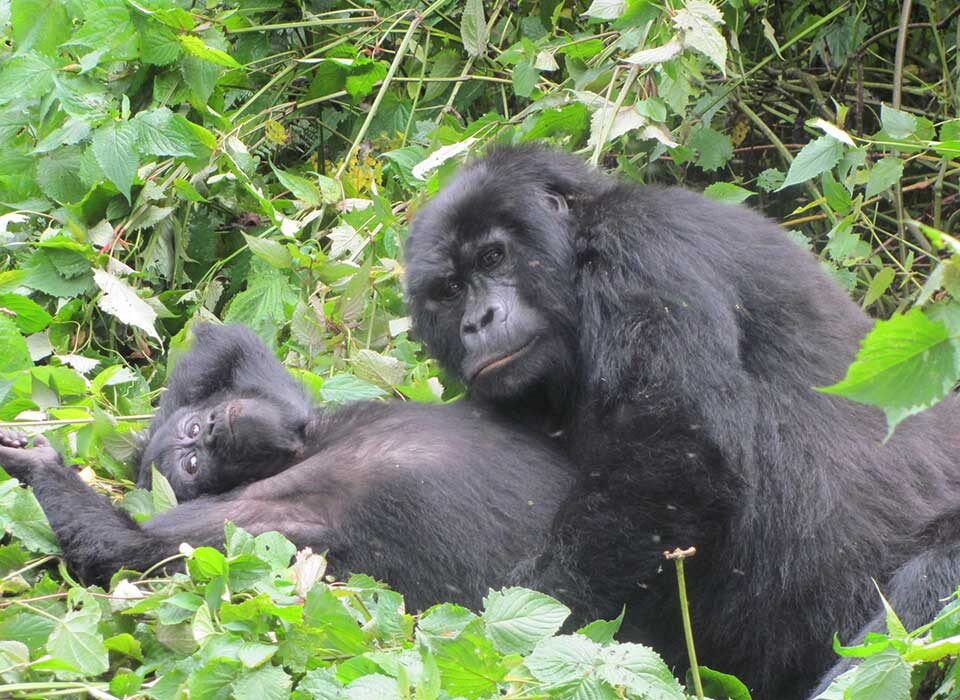
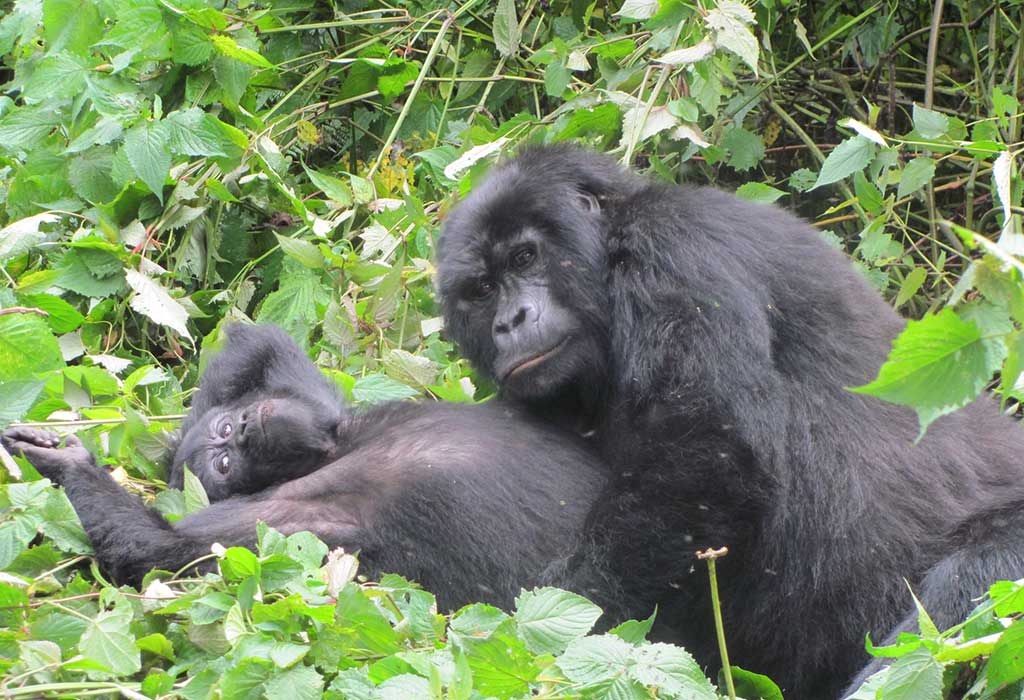
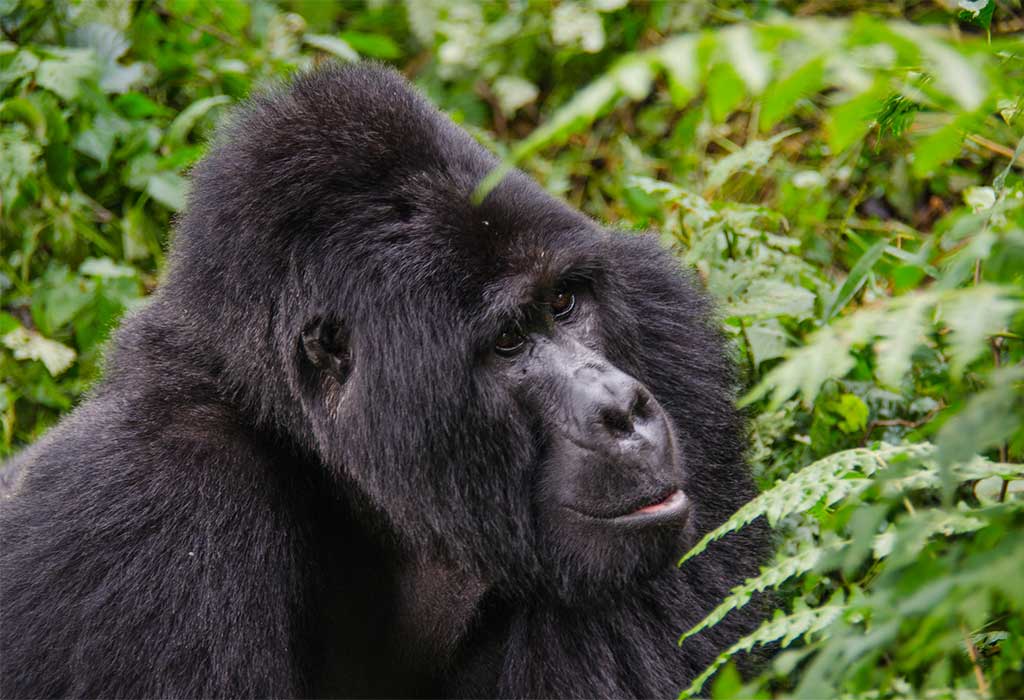
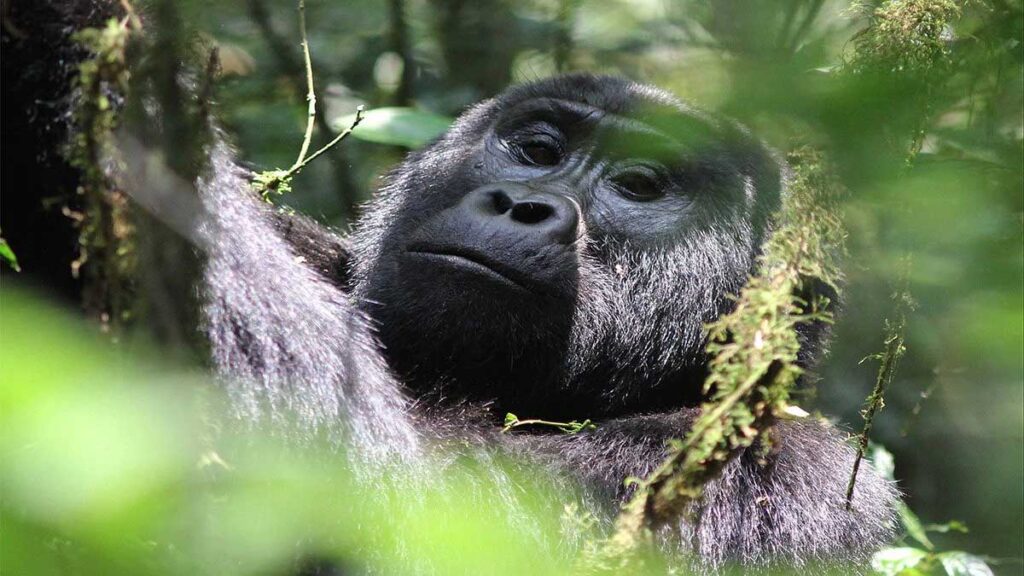
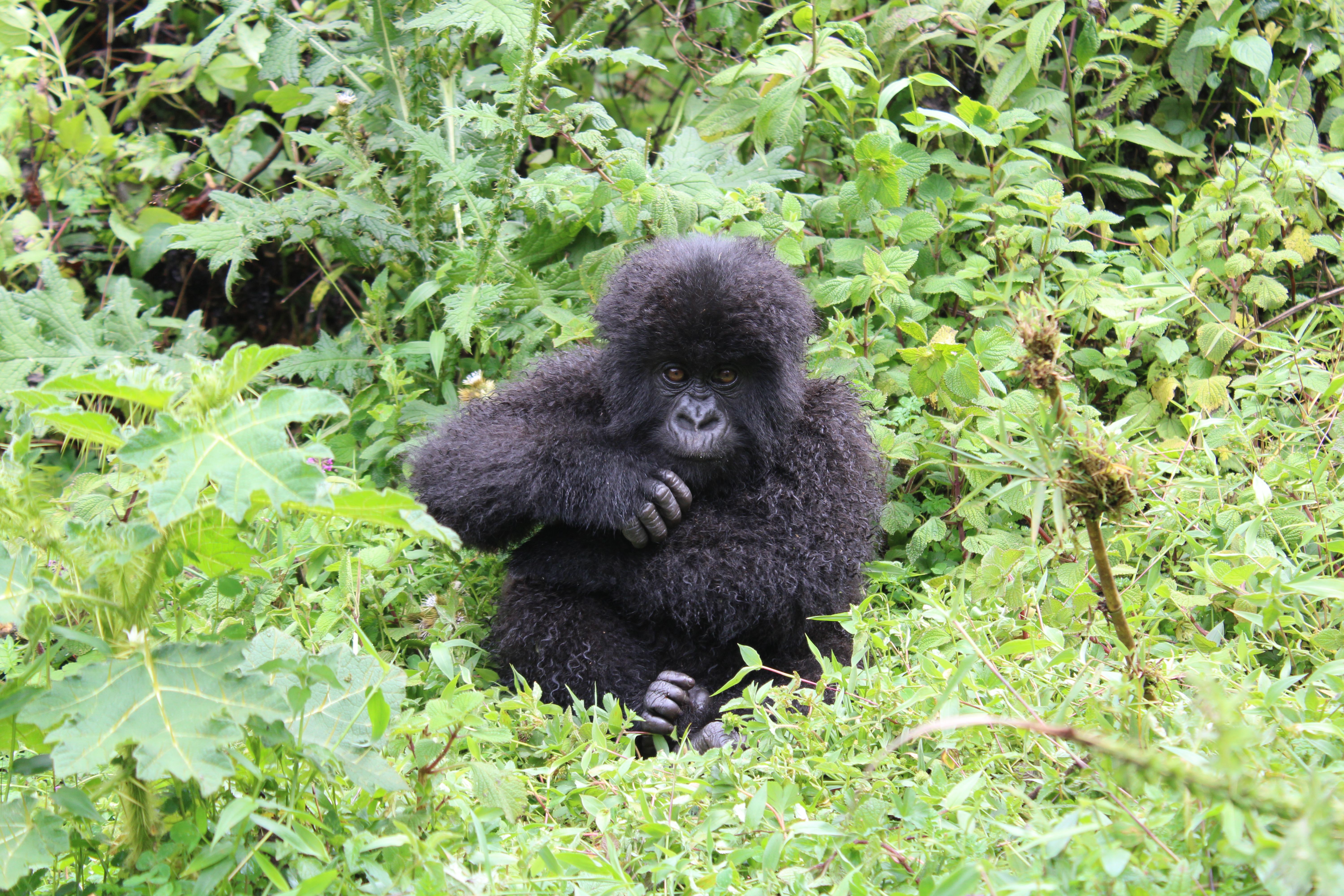
The opportunity to observe mountain gorillas in their natural habitat is a distinctive wildlife experience. Seeing a gorilla family feeding, grooming, resting, or interacting with its young can make the demanding walk feel worthwhile.
The experience also offers a closer appreciation of Bwindi’s rainforest ecosystem and the conservation efforts needed to protect endangered mountain gorillas.
Nevertheless, the value of the experience depends partly on having realistic expectations. Gorilla trekking is not a guaranteed short walk, and visitors should be prepared for changing conditions.
If you enjoy nature, wildlife, and outdoor adventures, the challenge may become one of the most memorable parts of your Uganda safari. If you have significant mobility limitations, a carefully planned alternative may be more appropriate.
The right decision is the one that balances your interest in seeing gorillas with your comfort, health, and physical capabilities.
15. How to Book a Gorilla Trekking Safari in Bwindi
Planning a successful gorilla trekking safari begins with securing a permit for the correct sector and travel date. Demand can be high during popular travel periods, so booking well in advance is advisable.
Choose your accommodation based on the location of the trekking sector rather than simply selecting a lodge anywhere in Bwindi. This reduces the risk of unnecessary transfers on the morning of your trek.
When contacting a tour operator, explain your preferred travel dates, budget, group size, accommodation expectations, and fitness level. Ask for a clear itinerary covering transportation, accommodation, permit arrangements, meals, and porter services.
If you are travelling with older family members or people who have limited hiking experience, make these requirements known from the beginning. Your operator can then help you assess whether the proposed itinerary is appropriate.
For visitors combining gorilla trekking with other destinations, allow sufficient time for travel between parks. Road journeys in southwestern Uganda can be long, and a relaxed schedule is usually more comfortable than an itinerary packed with activities.
A well-organized safari helps you focus on the wildlife experience rather than worrying about logistics.
Conclusion: How Difficult Is Gorilla Trekking in Bwindi?
Gorilla trekking in Bwindi is a moderately to highly demanding outdoor activity, depending on the route, weather, gorilla movements, and your personal fitness. The steep terrain, muddy trails, dense vegetation, and unpredictable trekking duration can make the experience challenging, but previous hiking experience is not essential for many visitors.
With appropriate preparation, good hiking boots, a porter where needed, and a well-planned safari itinerary, many first-time visitors can enjoy the experience successfully.
The most important decision is to be honest about your physical capabilities and communicate your needs before booking. No trekking sector can guarantee an easy route, but thoughtful planning can help you choose an experience that is better suited to your circumstances.
If seeing mountain gorillas in their natural habitat is one of your travel ambitions, do not let uncertainty about the difficulty discourage you automatically. Prepare appropriately, follow your guide’s instructions, and approach the trek with patience and realistic expectations.
Plan your Bwindi gorilla trekking safari carefully, and the physical challenge can become part of an unforgettable adventure in Uganda.