Waterfall Trails in Bwindi
November 25, 2026
Bwindi Gorilla Trekking and Queen Elizabeth Safari
November 25, 2026
Uganda is one of Africa’s most rewarding safari destinations, offering visitors an extraordinary combination of wildlife encounters, beautiful landscapes, cultural experiences and relaxing nature retreats. Among the country’s most memorable travel experiences is combining mountain gorilla trekking in Bwindi Impenetrable National Park with a relaxing safari at Lake Bunyonyi. These two destinations create an exceptional southwestern Uganda safari that brings together adventure, conservation, scenic beauty and relaxation.
A Bwindi Gorilla Trekking and Lake Bunyonyi Safari is an excellent choice for travellers who want more than a conventional wildlife safari. It provides an opportunity to enter one of Africa’s most important tropical rainforests in search of endangered mountain gorillas before escaping to the peaceful shores of one of Uganda’s most beautiful highland lakes. The experience is particularly suitable for honeymooners, couples, families with eligible children, photographers, nature enthusiasts and international travellers seeking an authentic African holiday.
Bwindi Impenetrable National Park is internationally recognised for protecting approximately half of the world’s remaining mountain gorilla population. Its thick tropical vegetation, steep mountain slopes and extraordinary biodiversity make it one of the most important conservation destinations in East Africa. Gorilla trekking allows visitors to walk through the forest accompanied by trained guides and trackers until they locate a habituated mountain gorilla family. Spending time observing these magnificent primates in their natural environment is an experience that many travellers consider the highlight of their Uganda safari.
Lake Bunyonyi provides a completely different atmosphere. Located in the beautiful Kigezi highlands near Kabale, the lake is surrounded by terraced hills, green countryside and numerous small islands. Its peaceful environment makes it an ideal destination for relaxing after the physical demands of gorilla trekking. Visitors can enjoy canoeing, boat excursions, birdwatching, island exploration, village walks and beautiful views across the water.
At Exclusive Gorilla Journeys, we recommend combining Bwindi gorilla trekking with Lake Bunyonyi because the two destinations complement each other naturally. The forest provides excitement and adventure, while the lake offers tranquillity and relaxation. Together, they create a balanced safari that showcases some of the most remarkable attractions in southwestern Uganda.
Understanding Bwindi Impenetrable National Park
Bwindi Impenetrable National Park is situated in southwestern Uganda, close to the borders of Rwanda and the Democratic Republic of Congo. The park covers approximately 331 square kilometres of mountainous tropical rainforest and is one of the most biologically diverse ecosystems in Africa.
The forest is famous for its population of endangered mountain gorillas, but its importance extends far beyond gorilla conservation. It protects numerous mammal species, forest elephants, primates, butterflies, amphibians and an impressive variety of birds. Its ancient vegetation, steep valleys and mist-covered mountains create a distinctive environment that makes every visit memorable.
The park’s rugged terrain contributes significantly to its attraction. Unlike open savannah national parks where wildlife can often be observed from a safari vehicle, Bwindi requires visitors to explore the forest on foot. The experience involves walking along narrow trails, navigating vegetation and climbing or descending forested slopes.
Bwindi is divided into four principal gorilla trekking sectors: Buhoma, Ruhija, Rushaga and Nkuringo. Each sector has its own habituated gorilla families, accommodation establishments and surrounding landscapes. The trekking experience can vary depending on the location of the assigned gorilla family, the weather and the terrain.
Buhoma is situated in the northern part of the park and is one of the most established gorilla trekking areas. It is particularly suitable for travellers combining gorilla trekking with other activities in northern Bwindi and the Ishasha sector of Queen Elizabeth National Park.
Ruhija lies in the eastern part of Bwindi at a relatively high elevation. It is known for its beautiful forest scenery, birdwatching opportunities and cooler mountain environment.
Rushaga is located in southern Bwindi and has several habituated gorilla families. It is a popular choice for travellers approaching from Lake Bunyonyi, Kabale or Kigali. It is also an important location for the gorilla habituation experience.
Nkuringo is another southern sector, situated in a mountainous area with spectacular views of the surrounding countryside. The terrain can be challenging, but the scenery makes it an attractive destination for adventurous travellers.
Choosing the right sector is important when planning a combined Bwindi and Lake Bunyonyi safari. The location of the gorilla permit should influence accommodation arrangements and the driving itinerary to avoid unnecessary journeys.
Mountain Gorilla Trekking in Bwindi
Gorilla trekking is the principal attraction of Bwindi Impenetrable National Park and one of the most extraordinary wildlife experiences available in Africa. It gives visitors an opportunity to encounter endangered mountain gorillas in their natural habitat rather than observing them in captivity.
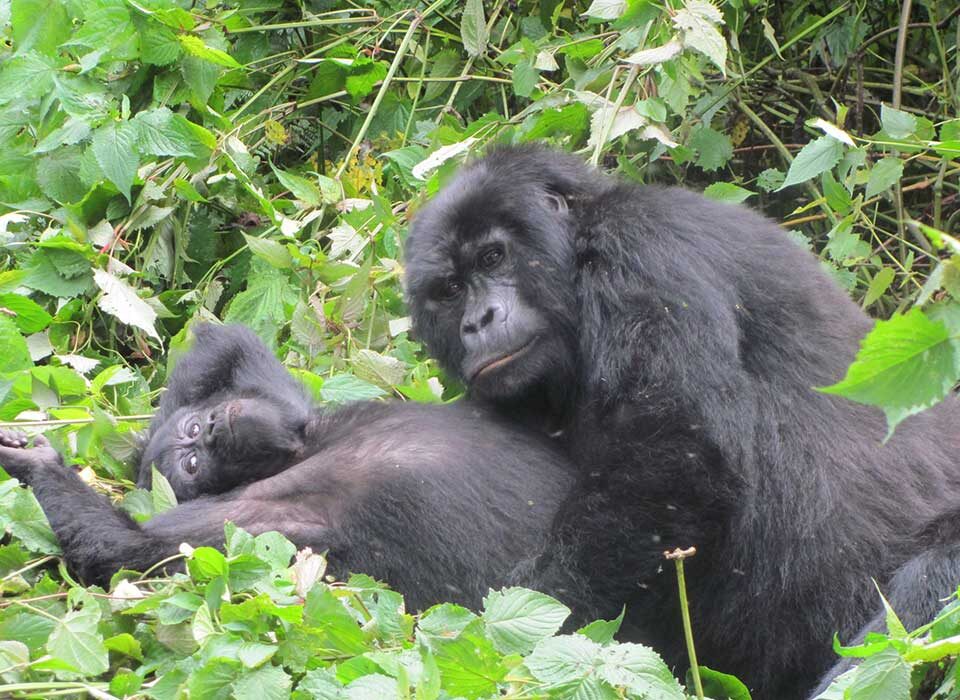
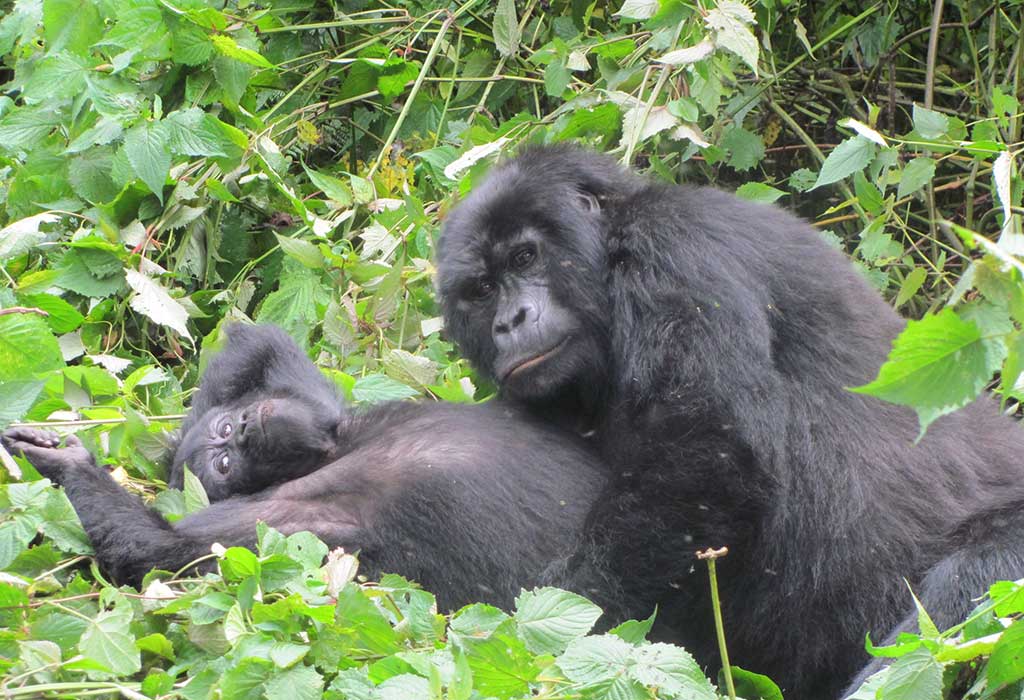
Mountain gorillas are among the world’s most fascinating primates. They live in family groups led by dominant adult males known as silverbacks. These groups also include adult females, juveniles and infants. Their social relationships, feeding behaviour, communication and family interactions make them particularly interesting to observe.
The trekking experience begins early in the morning at the designated park headquarters. Visitors register, present their gorilla trekking permits and attend a briefing conducted by Uganda Wildlife Authority personnel. During the briefing, guides explain the trekking procedures, conservation rules and safety precautions.
Visitors are subsequently allocated to trekking groups and assigned habituated gorilla families. The allocation process considers factors such as fitness, visitor requirements and the location of available gorilla families.
After the allocation, visitors are accompanied by experienced park guides and trackers into the forest. The trackers normally begin searching for the gorillas before the trekking groups enter the forest, helping establish their approximate location.
The duration of the trek depends on where the gorillas are located. Some groups may be found after relatively short walks, while others require several hours of hiking through steep and densely vegetated terrain. The overall experience can take between two and seven hours or sometimes longer, depending on the circumstances.
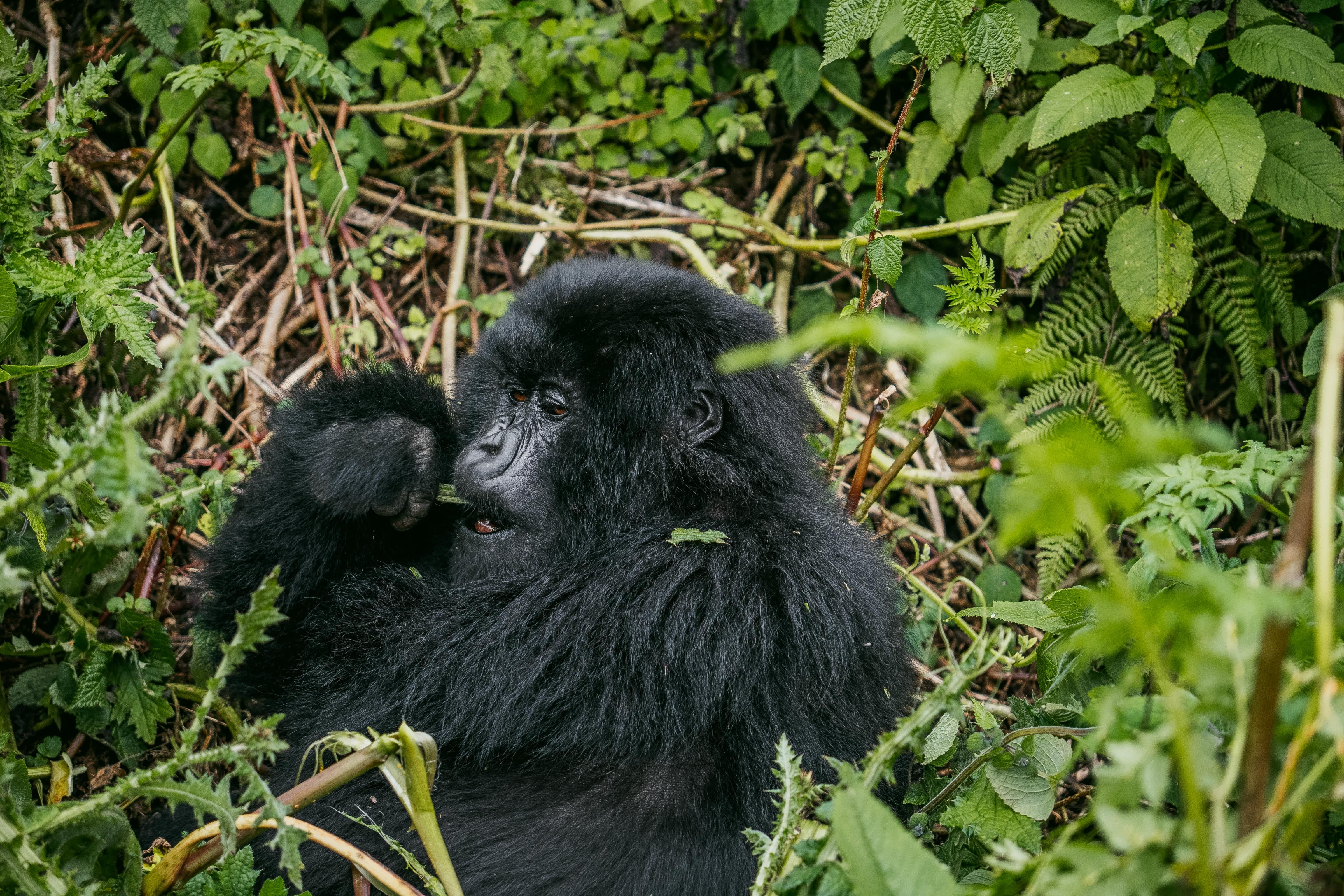
When the gorillas are located, visitors are allowed one hour to observe them. This is an unforgettable opportunity to watch the animals feeding, resting, grooming, playing and interacting with other members of their family.
Seeing a fully grown silverback sitting peacefully among the vegetation is particularly impressive. Its enormous physical presence, muscular body and calm movements provide a remarkable demonstration of the strength and intelligence of mountain gorillas.
Visitors may also encounter playful juveniles moving through the vegetation or young gorillas interacting with their mothers. These natural behaviours make the experience exceptionally rewarding.
Gorilla trekking is also a conservation activity. Revenue from permits contributes to wildlife protection, park management and the wider conservation framework supporting mountain gorilla survival.
Why Combine Bwindi Gorilla Trekking with Lake Bunyonyi?
Combining Bwindi with Lake Bunyonyi is an excellent way to experience two different aspects of southwestern Uganda within one safari.
Gorilla trekking is physically demanding and requires visitors to navigate challenging forest terrain. After several hours of hiking, many travellers appreciate spending time somewhere peaceful where they can relax, enjoy beautiful scenery and recover before continuing their journey.
Lake Bunyonyi offers precisely this kind of environment. Its calm waters, surrounding hills and picturesque islands create a refreshing contrast to Bwindi’s thick rainforest.
The geographical proximity of the two destinations also makes the combination practical. Depending on the Bwindi trekking sector, the journey to Lake Bunyonyi generally takes a few hours by road. Southern sectors such as Rushaga and Nkuringo are particularly convenient for combining with the lake, although the journey from Buhoma and Ruhija can also be arranged.
Another advantage is the variety of activities available. Bwindi provides gorilla trekking, birdwatching, forest walks and cultural encounters, while Lake Bunyonyi offers canoeing, boat trips, island visits, swimming opportunities in suitable locations and community experiences.
The combination also accommodates different travel interests. One traveller may be particularly interested in mountain gorillas, while another may prefer scenic landscapes, birdwatching or cultural experiences. A combined itinerary gives everyone an opportunity to enjoy something meaningful.
For international visitors travelling to Uganda for the first time, this safari provides a rewarding introduction to the country’s natural attractions. It also works well as an extension to longer itineraries that include Queen Elizabeth National Park, Lake Mburo National Park or Mgahinga Gorilla National Park.
Discovering Lake Bunyonyi
Lake Bunyonyi is one of Uganda’s most scenic natural attractions. It is situated in southwestern Uganda, approximately 7 to 8 kilometres west of Kabale town, depending on the lakeside destination.
The name Bunyonyi is commonly translated as the place of many little birds, reflecting the area’s rich birdlife. The lake is surrounded by steep terraced hills, small settlements, cultivated landscapes and numerous islands that create a distinctive highland environment.
Situated at approximately 1,960 metres above sea level, Lake Bunyonyi enjoys a relatively cool climate compared with many lowland destinations in Uganda. Mornings are often characterised by mist rising above the water, while afternoons offer beautiful views of the surrounding hills and islands.
The lake contains approximately 29 islands, each contributing to its remarkable scenery and local history. Some islands are inhabited, while others are associated with historical and cultural stories that visitors can learn about during guided boat excursions.
Lake Bunyonyi is also an attractive destination for travellers seeking a quiet retreat away from busy towns and crowded tourist centres. Its lakeside accommodation establishments offer opportunities to enjoy the natural surroundings, relax on verandas, take scenic walks and appreciate the peaceful atmosphere.
Unlike Bwindi, where the main attraction involves a guided forest expedition, Lake Bunyonyi encourages visitors to slow down and enjoy the surrounding environment at their own pace.
The lake is therefore an excellent addition to a gorilla trekking safari, particularly for visitors who want to balance adventure with relaxation.
Top Activities to Enjoy at Lake Bunyonyi
Canoeing and Traditional Dugout Canoe Experiences
Canoeing is among the most popular activities at Lake Bunyonyi. Visitors can explore the lake using traditional wooden dugout canoes, which have been used by local communities for generations.
A guided canoe excursion provides an opportunity to appreciate the lake from a different perspective. Travellers can paddle across calm waters, pass small islands and enjoy beautiful views of the surrounding hills.
The experience is particularly attractive in the early morning when the lake is often quiet and mist creates a beautiful atmosphere above the water.
Visitors who are unfamiliar with traditional canoes can arrange guided excursions with experienced local paddlers. Life jackets and appropriate safety arrangements should be discussed before departure.
Canoeing is an excellent activity for couples, photographers and nature enthusiasts who want to experience Lake Bunyonyi without undertaking strenuous physical activities.
Boat Trips and Island Exploration
Lake Bunyonyi’s numerous islands are among its most distinctive attractions. Boat trips allow visitors to explore different parts of the lake while learning about the islands’ history, local communities and natural surroundings.
One of the best-known islands is Akampene, commonly called Punishment Island. It is associated with a difficult chapter of local history in which unmarried girls who became pregnant were abandoned on the small island. Visitors can learn about the historical circumstances surrounding this practice through responsible interpretation by local guides.
Another historically significant location is Bwama Island. It became associated with a leprosy treatment centre established by missionary doctor Leonard Sharp during the early twentieth century. The island remains an important part of Lake Bunyonyi’s history.
Boat excursions may also include visits to inhabited islands, local settlements and scenic viewpoints. Visitors should respect private property and follow the guidance of their local boat operators when visiting community areas.
Island exploration is a wonderful way to understand the cultural and historical significance of Lake Bunyonyi while enjoying its natural beauty.
Birdwatching at Lake Bunyonyi
Lake Bunyonyi is particularly appealing to birdwatchers because of its diverse birdlife. Its reed beds, islands, cultivated hillsides and surrounding vegetation provide habitats for different bird species.
Visitors may encounter African kingfishers, weavers, herons, egrets, sunbirds and other birds depending on the season and location.
The African fish eagle is one of the most memorable birds to look for around the lake. Its distinctive calls and impressive flight make it an attractive subject for birdwatchers and photographers.
Guided birdwatching walks and boat excursions can improve the chances of identifying different species. Visitors interested in bird photography should consider carrying binoculars and suitable camera equipment.
Lake Bunyonyi is also an excellent extension for travellers interested in Uganda’s wider birdwatching opportunities, particularly those who have already explored the bird-rich forests of Bwindi.
Swimming at Lake Bunyonyi
Swimming is another activity available at selected locations around Lake Bunyonyi. Some accommodation establishments have designated swimming areas where guests can enjoy the water.
However, visitors should not assume that every part of the lake is suitable for swimming. Water depth, temperature, changing conditions and the absence of lifeguards in some areas make it important to follow local advice.
Guests should swim only in locations approved by their accommodation providers and use appropriate safety equipment where necessary.
The relatively cool highland environment can make swimming refreshing, especially during warmer afternoons.
Nature Walks and Community Visits
The hills surrounding Lake Bunyonyi provide beautiful opportunities for guided nature walks and community experiences.
Visitors can explore the terraced agricultural landscapes, observe rural lifestyles and enjoy panoramic views across the lake.
The surrounding communities are closely connected to the land through farming, fishing and other livelihood activities. Guided walks offer an opportunity to understand these relationships while learning about local traditions and everyday life.
Depending on the arrangement, visitors may explore village paths, interact with local residents, discover traditional farming practices and enjoy viewpoints overlooking the lake.
Community experiences should be organised respectfully, with appropriate local guidance and consideration for residents’ privacy.
Relaxation at Lakeside Lodges
Relaxation is an important part of the Lake Bunyonyi experience. After the excitement of gorilla trekking, spending time at a comfortable lakeside lodge allows visitors to recover while enjoying beautiful surroundings.
Many accommodation establishments are positioned along the lake’s shores or on islands. Their locations provide attractive views of the water, surrounding hills and changing landscapes.
Guests can enjoy breakfast overlooking the lake, read a book in peaceful surroundings, take photographs or simply appreciate the tranquillity of southwestern Uganda.
Evenings are particularly beautiful as the sun sets behind the surrounding hills. The cool highland atmosphere, peaceful environment and views across the water create an ideal setting for relaxation.
For honeymooners and couples, Lake Bunyonyi is an especially attractive destination because it offers privacy, scenic accommodation and opportunities for quiet experiences together.
How to Travel from Bwindi Impenetrable National Park to Lake Bunyonyi
Travelling from Bwindi to Lake Bunyonyi is relatively straightforward when the safari is properly organised. The journey takes visitors through the beautiful southwestern Uganda highlands, characterised by winding roads, terraced agricultural landscapes, rural settlements and impressive mountain scenery.
The actual driving distance and journey time depend on the gorilla trekking sector where visitors are staying.
Travellers departing from Rushaga generally have a convenient route towards Kabale and Lake Bunyonyi. The journey can take approximately two to three hours, depending on road conditions and the exact accommodation location.
From Nkuringo, the drive can take approximately two and a half to three hours or longer, depending on the chosen route and weather conditions.
Visitors travelling from Ruhija should generally allow approximately two and a half to three and a half hours. The journey involves winding mountain roads and beautiful highland scenery.
Buhoma is located farther north, meaning the journey to Lake Bunyonyi can take approximately three and a half to five hours. Travellers should allow additional time where necessary, particularly during rainy conditions.
These are planning estimates rather than guaranteed driving times. Road conditions, stops, traffic and the exact location of accommodation can influence the journey.
At Exclusive Gorilla Journeys, we recommend arranging private safari transportation for this journey. A professional driver-guide familiar with the region can help visitors navigate the roads comfortably while providing information about the surrounding countryside.
The journey can also include short stops for photography, refreshments and opportunities to appreciate the beautiful Kigezi highlands.
Best Time to Combine Bwindi Gorilla Trekking and Lake Bunyonyi Safari
Uganda is a year-round safari destination, meaning visitors can combine Bwindi gorilla trekking with Lake Bunyonyi at different times of the year. However, weather conditions can influence trekking difficulty, road accessibility and the overall experience.
June to August
June, July and August are generally among the most popular months for gorilla trekking in Uganda. These months usually experience relatively drier conditions, although rainfall can still occur in Bwindi’s tropical rainforest.
The forest trails are often easier to navigate during relatively dry periods, making trekking more comfortable for visitors.
Lake Bunyonyi is equally attractive during these months. Visitors can enjoy canoeing, boat excursions, village walks and scenic photography.
Because this is a popular travel period, gorilla permits and accommodation should be booked well in advance.
December to February
December, January and February are another favourable period for combining Bwindi and Lake Bunyonyi.
These months generally experience comparatively lower rainfall, creating good opportunities for outdoor activities.
Visitors can enjoy mountain gorilla trekking, explore the islands of Lake Bunyonyi and appreciate the surrounding countryside.
The festive season can attract considerable demand, especially around Christmas and New Year. Travellers planning to visit during this period should make their arrangements early.
March to May
March, April and May generally experience increased rainfall in southwestern Uganda.
The forest becomes particularly lush, and the surrounding landscapes appear beautifully green. However, muddy trails can make gorilla trekking more physically challenging.
Travellers should prepare for slippery paths, wet vegetation and possible changes to driving schedules.
April and May are also important months to consider when budgeting for a safari because Uganda Wildlife Authority introduced discounted low-season gorilla trekking permits for April, May and November 2026. These special rates have eligibility conditions and should be confirmed when booking.
Lake Bunyonyi remains attractive during the rainy months, although outdoor excursions may need to be adjusted according to the weather.
September to November
September, October and November can experience varying rainfall patterns. Some days may be relatively dry, while others receive substantial rainfall.
November is particularly important for visitors considering lower-season travel because discounted gorilla permit rates have been introduced for this month in 2026.
The surrounding hills of Lake Bunyonyi remain beautiful, and the cooler atmosphere can make the destination particularly appealing to visitors interested in relaxation and nature photography.
Ultimately, the best time depends on individual travel preferences, availability of gorilla permits and the type of safari experience desired.
Where to Stay During a Bwindi and Lake Bunyonyi Safari
Accommodation selection is an important part of planning this combined safari. Visitors should choose lodges according to their gorilla trekking sector, travel budget and preferred level of comfort.
Accommodation in Buhoma
Buhoma offers a variety of accommodation options ranging from luxury forest lodges to comfortable midrange establishments and budget guesthouses.
Staying within or near Buhoma is convenient for visitors whose gorilla trekking permits are issued for the northern sector.
Many lodges provide forest or mountain views, comfortable rooms, restaurant facilities and safari services.
Travellers should ideally spend the night before trekking close to the Buhoma briefing location to avoid a long early-morning transfer.
Accommodation in Ruhija
Ruhija has accommodation options that appeal to visitors interested in forest scenery, birdwatching and peaceful surroundings.
The area is particularly attractive to nature enthusiasts because of its high-altitude environment and proximity to important bird habitats.
Visitors planning gorilla trekking in Ruhija should choose accommodation that provides convenient access to the sector headquarters.
Accommodation in Rushaga
Rushaga has become an important accommodation centre for southern Bwindi gorilla trekking.
Its lodges range from luxury establishments to comfortable midrange properties and budget accommodation.
The sector is particularly convenient for travellers combining gorilla trekking with Lake Bunyonyi because of its relatively favourable geographical position.
Visitors should select accommodation according to the location of their allocated trekking sector rather than choosing a property solely because of its advertised price.
Accommodation in Nkuringo
Nkuringo is known for its mountainous scenery and beautiful views of the surrounding highlands.
Accommodation establishments in this area appeal to visitors looking for peaceful surroundings, impressive landscapes and a more secluded safari experience.
Because of the steep terrain and winding roads, staying close to the trekking headquarters is especially important.
Accommodation at Lake Bunyonyi
Lake Bunyonyi has several accommodation establishments located along its shores and on some of its islands.
Visitors can choose between luxury lodges, boutique properties, midrange hotels, cottages and budget accommodation.
Luxury accommodation is suitable for travellers looking for private rooms, scenic balconies, quality dining and additional services.
Midrange establishments offer comfortable accommodation at more moderate rates, while budget properties provide practical facilities for travellers who want to spend more of their budget on activities and transportation.
When selecting a Lake Bunyonyi lodge, travellers should consider its accessibility, views, restaurant facilities, boat transfer arrangements and proximity to planned activities.
Some island accommodation requires boat transportation, so arrival arrangements should be confirmed before travelling.
Sample 4-Day Bwindi Gorilla Trekking and Lake Bunyonyi Safari Itinerary
A four-day itinerary is an excellent option for visitors who want to enjoy gorilla trekking without rushing through Lake Bunyonyi. It provides sufficient time for the forest experience, relaxation and exploration of the lake.
Day 1: Arrival in Bwindi Impenetrable National Park
Your safari begins with a journey to Bwindi Impenetrable National Park from Entebbe, Kampala, Kigali or another location in Uganda.
Travellers arriving from Kampala or Entebbe can enjoy a scenic road journey through southwestern Uganda. Depending on the selected sector, the journey may take most of the day.
Visitors travelling from Kigali can approach southern Bwindi through the Katuna or Cyanika border crossings, depending on their route and trekking location. This can significantly reduce driving time compared with travelling from Kampala.
Upon arrival, check into your selected lodge and enjoy the surrounding forest environment.
Your safari guide will confirm the following day’s gorilla trekking arrangements and explain the departure schedule.
The evening should be reserved for relaxation, dinner and preparation for the trekking adventure.
Day 2: Gorilla Trekking in Bwindi and Transfer to Lake Bunyonyi
After an early breakfast, proceed to the designated gorilla trekking headquarters for registration and briefing.
You will meet the park guides, trackers and other visitors participating in the day’s activity.
Following the briefing, enter Bwindi’s forest in search of your assigned gorilla family.
The trekking experience may take several hours, depending on the location of the gorillas and the terrain. Once the family is located, you will spend one hour observing these extraordinary primates.
After completing the activity, return to the starting point and meet your safari driver.
Depending on the trekking sector and finishing time, you can proceed to Lake Bunyonyi on the same day. This arrangement is particularly practical for visitors trekking in Rushaga, although the exact feasibility depends on the conditions and schedule.
Upon arrival, check into your lakeside accommodation and enjoy the peaceful environment.
The evening provides an opportunity to relax, enjoy dinner and appreciate the beautiful views across Lake Bunyonyi.
Day 3: Lake Bunyonyi Boat Excursion and Island Exploration
After breakfast, enjoy a guided boat excursion across Lake Bunyonyi.
Explore selected islands, learn about their historical significance and appreciate the beautiful scenery.
Depending on the agreed itinerary, the excursion may include Akampene, Bwama Island and other locations.
You can also enjoy birdwatching, canoeing or a guided community walk through the surrounding hills.
The afternoon can be reserved for relaxation at your lodge, swimming in an approved area or enjoying the scenery from a lakeside terrace.
This day is particularly important because it allows visitors to appreciate Lake Bunyonyi without rushing through its attractions.
Day 4: Departure from Lake Bunyonyi
Enjoy breakfast while appreciating the beautiful lake surroundings.
Depending on your onward travel arrangements, depart for Kampala, Entebbe, Kigali or another safari destination.
Travellers returning to Kampala or Entebbe should allow sufficient time for the long road journey.
Those travelling to Kigali can proceed towards the Katuna border crossing, subject to the applicable immigration requirements.
The safari concludes with unforgettable memories of mountain gorillas, beautiful highland landscapes and the peaceful environment of Lake Bunyonyi.
Alternative 5-Day Bwindi and Lake Bunyonyi Safari
For visitors with more time, a five-day itinerary offers a more relaxed experience.
The additional day can be used to explore Bwindi beyond gorilla trekking or to enjoy more activities at Lake Bunyonyi.
After arriving in Bwindi on the first day, visitors can participate in gorilla trekking on the second day. The third day can be reserved for a cultural experience or guided forest walk, depending on the sector and available activities.
On the fourth day, transfer to Lake Bunyonyi and enjoy an afternoon of relaxation.
The fifth day can include canoeing, island exploration or a guided community walk before departure.
This extended itinerary is particularly suitable for travellers who want to experience both destinations without making the trip feel rushed.
Gorilla Trekking Permits and Booking Requirements
A gorilla trekking permit is essential for anyone intending to participate in mountain gorilla trekking in Bwindi Impenetrable National Park.
The permit grants access to the regulated gorilla trekking experience and supports the conservation system protecting mountain gorillas.
Permits are limited because visitor numbers are controlled to minimise disturbance to gorilla families and their natural habitat.
Travellers should secure permits before confirming their final safari arrangements, particularly when visiting during popular travel months.
Uganda’s standard gorilla trekking age requirement is 15 years. Visitors must also follow the park’s health and safety guidelines.
As of November 2026, Uganda’s published low-season arrangements include discounted gorilla trekking permits during April, May and November. The applicable rate depends on visitor classification and the relevant tariff conditions.
Uganda Wildlife Authority has also announced revised tariff rates taking effect on 1 January 2027. International visitors planning future travel should therefore check the tariff applicable to their actual trekking date rather than relying on older quotations.
At Exclusive Gorilla Journeys, we assist travellers with gorilla permit arrangements, accommodation selection, transport and safari planning.
The booking process begins by identifying the preferred trekking date and sector. Permit availability is then checked before the remaining arrangements are finalised.
Travellers should provide accurate passport information and ensure that the details used for permit reservations match their travel documents.
It is also important to understand that a gorilla permit is different from a complete safari package. Accommodation, transportation, meals, Lake Bunyonyi excursions and other services must be included separately unless specifically covered by the agreed package.
Rules and Guidelines for Gorilla Trekking in Bwindi
Gorilla trekking is a regulated conservation activity, and every visitor must follow the instructions provided by Uganda Wildlife Authority guides.
One important requirement is maintaining an appropriate distance from mountain gorillas. The recommended distance is generally 10 metres, although guides may adjust positioning according to the animals’ movements and the prevailing circumstances.
Visitors should avoid touching gorillas, even when an animal approaches them. Mountain gorillas are wild animals, and maintaining respectful boundaries is essential for their protection.
Eating, drinking and smoking are prohibited while visitors are observing the gorillas. Visitors should also avoid making unnecessary noise, sudden movements or actions that could disturb the animals.
Photography is permitted, but flash photography is prohibited. Visitors should keep their cameras ready before approaching the gorilla family to avoid unnecessary disturbance.
Anyone experiencing an infectious illness, particularly a respiratory infection, should not participate in gorilla trekking. Mountain gorillas are susceptible to human diseases, making health precautions extremely important.
Each habituated gorilla family receives a limited number of visitors per day, and the observation period is restricted to one hour.
Following these regulations helps protect the gorillas while ensuring that future generations can continue enjoying this remarkable wildlife experience.
What to Pack for a Bwindi and Lake Bunyonyi Safari
Packing appropriately is important because the two destinations involve different activities and environmental conditions.
For gorilla trekking, visitors should carry comfortable waterproof hiking boots with good ankle support and strong traction. The forest terrain can be steep, muddy and slippery, making appropriate footwear essential.
Long-sleeved shirts and long trousers help protect the skin from scratches, insects and vegetation. Neutral-coloured clothing is generally suitable for forest activities.
A lightweight waterproof jacket is particularly useful because Bwindi receives rainfall throughout the year. Even during relatively dry months, sudden showers are possible.
Gardening gloves or lightweight trekking gloves can help protect the hands when holding vegetation for support.
A small backpack is useful for carrying drinking water, snacks for consumption outside the gorilla observation period, personal medication and other essentials.
For Lake Bunyonyi, visitors should also pack comfortable casual clothing, sunglasses, sunscreen, a hat and swimwear if they intend to use approved swimming facilities.
Binoculars are useful for birdwatching, while a camera allows visitors to capture the beautiful landscapes and island scenery.
It is also advisable to carry some cash in Ugandan shillings for small purchases, community experiences and other expenses that may not be covered by the safari package.
Combining Bwindi and Lake Bunyonyi with Other Uganda Safari Destinations
A Bwindi Gorilla Trekking and Lake Bunyonyi Safari can be extended to include other destinations in Uganda, creating a more comprehensive wildlife holiday.
Queen Elizabeth National Park
Queen Elizabeth National Park is an excellent addition for travellers interested in combining primate encounters with traditional African wildlife safaris.
The park is famous for elephants, buffaloes, antelopes, hippos, crocodiles and numerous bird species.
Visitors can enjoy game drives in the Kasenyi plains, boat cruises along the Kazinga Channel and wildlife viewing in the Ishasha sector, which is particularly famous for its tree-climbing lions.
Combining Queen Elizabeth National Park with Bwindi and Lake Bunyonyi creates an itinerary featuring rainforest trekking, savannah wildlife and highland lake scenery.
Mgahinga Gorilla National Park
Mgahinga Gorilla National Park is another attractive destination in southwestern Uganda.
The park protects mountain gorillas, golden monkeys and several other wildlife species within the Virunga volcanic landscape.
Visitors can participate in golden monkey tracking, guided nature walks and mountain hiking activities.
Its proximity to Kisoro and the southern Bwindi region makes it a practical addition to selected Lake Bunyonyi itineraries.
Lake Mburo National Park
Lake Mburo National Park offers another excellent extension for travellers returning towards Kampala or Entebbe.
The park is known for zebras, impalas, buffaloes, elands and numerous other wildlife species.
Activities include game drives, boat cruises, guided nature walks and cycling experiences in designated areas.
A stop at Lake Mburo can add another dimension to a longer southwestern Uganda safari.
How Much Does a Bwindi Gorilla Trekking and Lake Bunyonyi Safari Cost?
The cost of a combined safari depends on several factors, including the gorilla trekking permit, accommodation category, transportation, number of travellers, travel season and additional activities.
The gorilla trekking permit is usually one of the most significant individual expenses.
Accommodation costs vary considerably between budget, midrange and luxury establishments in Bwindi and Lake Bunyonyi.
Transportation is another important consideration. Private four-wheel-drive safari vehicles are generally recommended because the roads leading to Bwindi can be steep, winding and affected by rainfall.
The length of the safari also influences the overall price. A four-day trip will generally cost less than a five-day or seven-day itinerary because of differences in accommodation, meals, transportation and additional activities.
Other expenses may include boat excursions, canoeing, community visits, drinks, travel insurance, international flights and personal purchases.
Travellers should request a detailed quotation showing exactly what is included and excluded. This makes it easier to compare safari packages and understand the actual cost of the experience.
At Exclusive Gorilla Journeys, we encourage visitors to select a safari according to their budget, preferred accommodation standard and travel expectations rather than choosing an itinerary based exclusively on price.
Is Bwindi Gorilla Trekking and Lake Bunyonyi Safari Suitable for Honeymooners?
Yes. This combination is particularly suitable for honeymooners looking for a memorable holiday in Uganda.
Gorilla trekking provides an extraordinary shared adventure, allowing couples to experience one of Africa’s most remarkable wildlife encounters.
After the trek, Lake Bunyonyi offers a peaceful environment where couples can relax and enjoy the natural surroundings.
The lake’s accommodation establishments provide beautiful settings for romantic stays, with opportunities for private dining, scenic boat excursions and quiet moments overlooking the water.
Couples can also enjoy guided canoe trips, sunset views and island exploration.
A honeymoon itinerary can include luxury accommodation in Bwindi followed by a comfortable lakeside retreat at Lake Bunyonyi.
The combination offers a wonderful balance between adventure, privacy and relaxation.
Is This Safari Suitable for Families?
A Bwindi and Lake Bunyonyi safari can also be arranged for families, provided that participants meet the requirements for the different activities.
Gorilla trekking has a minimum age requirement of 15 years. Consequently, younger children cannot participate in the gorilla trekking activity.
Lake Bunyonyi, however, offers several family-friendly experiences, including boat excursions, birdwatching, scenic walks and relaxation at selected accommodation establishments.
Families travelling with children can therefore combine gorilla trekking for eligible family members with alternative activities for younger children, subject to suitable arrangements and supervision.
Accommodation selection is particularly important for family travellers. Properties with suitable room arrangements, reliable meals and convenient access to activities can make the experience more comfortable.
Why Book Your Bwindi and Lake Bunyonyi Safari with Exclusive Gorilla Journeys?
Planning a successful gorilla trekking safari involves more than simply booking accommodation and arranging transportation. Visitors need to secure the appropriate gorilla permits, select the correct trekking sector, organise reliable transport and coordinate activities at different destinations.
Exclusive Gorilla Journeys specialises in creating memorable safari experiences in Uganda and the wider East African region.
Our approach focuses on helping visitors experience Uganda’s natural attractions through carefully organised itineraries that consider their interests, travel schedules and budgets.
We understand the importance of selecting accommodation close to the correct gorilla trekking sector. This helps reduce unnecessary driving and makes it easier for visitors to attend the morning briefing on time.
We also recognise that Lake Bunyonyi should be more than a brief overnight stop. The destination offers numerous attractions, and allowing sufficient time for boat excursions, island exploration and relaxation significantly improves the overall safari experience.
Our safari arrangements can include gorilla permit assistance, private transportation, professional driver-guides, accommodation reservations, meals and selected activities.
We can also customise the itinerary for honeymooners, solo travellers, families, photographers and small private groups.
Whether you prefer a budget-friendly adventure, a comfortable midrange safari or a luxury experience, Exclusive Gorilla Journeys can help organise a trip that matches your expectations.
Frequently Asked Questions About Bwindi Gorilla Trekking and Lake Bunyonyi Safari
How many days are needed for a Bwindi Gorilla Trekking and Lake Bunyonyi Safari?
Four days are generally sufficient to combine gorilla trekking with a meaningful Lake Bunyonyi experience. However, five days are recommended for visitors who want additional time for nature walks, cultural activities and relaxation.
Can I visit Lake Bunyonyi immediately after gorilla trekking?
Yes. Visitors can travel to Lake Bunyonyi after completing gorilla trekking, particularly when trekking in Rushaga. However, the feasibility depends on the finishing time, road conditions and accommodation location. Travellers should avoid arranging an overly demanding schedule after a strenuous trek.
Is Lake Bunyonyi close to Bwindi?
Lake Bunyonyi is relatively close to the southern and eastern parts of Bwindi. Driving times vary by sector, with the northern Buhoma area generally requiring a longer journey than Rushaga.
Can I combine Lake Bunyonyi with gorilla trekking from Kigali?
Yes. Travellers can enter southwestern Uganda from Rwanda through the appropriate border crossing and continue towards Bwindi. Lake Bunyonyi can be included before or after gorilla trekking, depending on the selected sector and travel arrangements.
Visitors must ensure they have the appropriate immigration documents and permission to enter Uganda.
What is the best Bwindi sector for combining with Lake Bunyonyi?
Rushaga is generally one of the most convenient choices because of its location in southern Bwindi. Nkuringo is another suitable option. However, the best sector also depends on gorilla permit availability, accommodation preferences and the wider safari itinerary.
Can I see gorillas and visit Lake Bunyonyi in three days?
Yes, a three-day itinerary can be arranged, particularly when starting from Kigali or already staying in southwestern Uganda. However, the schedule will be relatively tight. Four days are preferable for a more comfortable experience.
Is Lake Bunyonyi safe for tourists?
Lake Bunyonyi is an established tourism destination with accommodation facilities and organised activities. Visitors should use reputable boat operators, follow swimming guidance and observe ordinary travel safety precautions.
Can I swim in Lake Bunyonyi?
Swimming is possible in designated areas. However, visitors should consult their accommodation providers about suitable locations and water conditions. The lake can be cold and deep, so appropriate precautions are essential.
How many islands are found in Lake Bunyonyi?
Lake Bunyonyi is commonly described as having 29 islands. These include Akampene, popularly known as Punishment Island, and Bwama Island, which has an important historical connection with the area’s former leprosy treatment centre.
Is Lake Bunyonyi suitable for birdwatching?
Yes. The lake and its surrounding vegetation support numerous bird species, making it an attractive destination for birdwatchers. Visitors can explore different habitats through guided walks and boat excursions.
What is the minimum age for gorilla trekking in Uganda?
The minimum age is 15 years. This requirement applies to visitors participating in the regulated mountain gorilla trekking experience.
Do I need a gorilla permit before travelling to Bwindi?
Yes. A valid gorilla trekking permit is required. Because availability is limited, it is advisable to arrange the permit before finalising your travel dates and accommodation.
Conclusion: Experience the Best of Bwindi and Lake Bunyonyi with Exclusive Gorilla Journeys
A Bwindi Gorilla Trekking and Lake Bunyonyi Safari is one of the most rewarding ways to explore southwestern Uganda. It combines the excitement of encountering endangered mountain gorillas with the peaceful beauty of a spectacular highland lake.
Bwindi offers an unforgettable opportunity to observe mountain gorillas in their natural environment, discover an ancient rainforest and appreciate Uganda’s remarkable biodiversity. Lake Bunyonyi complements this experience through its beautiful islands, peaceful waters, birdlife, cultural attractions and welcoming lakeside accommodation.
The two destinations provide different but equally memorable experiences. Visitors can spend one day navigating the forest in search of mountain gorillas and another exploring islands, paddling across the lake or relaxing while enjoying the surrounding landscapes.
The combination is suitable for adventure travellers, couples, honeymooners, nature enthusiasts and anyone interested in experiencing Uganda beyond traditional wildlife game drives.
For the best experience, travellers should arrange their gorilla permits early, select accommodation according to their trekking sector and allow sufficient time to enjoy Lake Bunyonyi.
Whether you are planning a short Uganda getaway or a longer East African safari, Exclusive Gorilla Journeys can help you create a personalised Bwindi Gorilla Trekking and Lake Bunyonyi Safari that brings together adventure, comfort, conservation and unforgettable memories.
Contact Exclusive Gorilla Journeys to plan your Bwindi Gorilla Trekking and Lake Bunyonyi Safari and discover two of southwestern Uganda’s most remarkable destinations.