
Bird Watching in Bwindi Impenetrable Forest
November 25, 2026
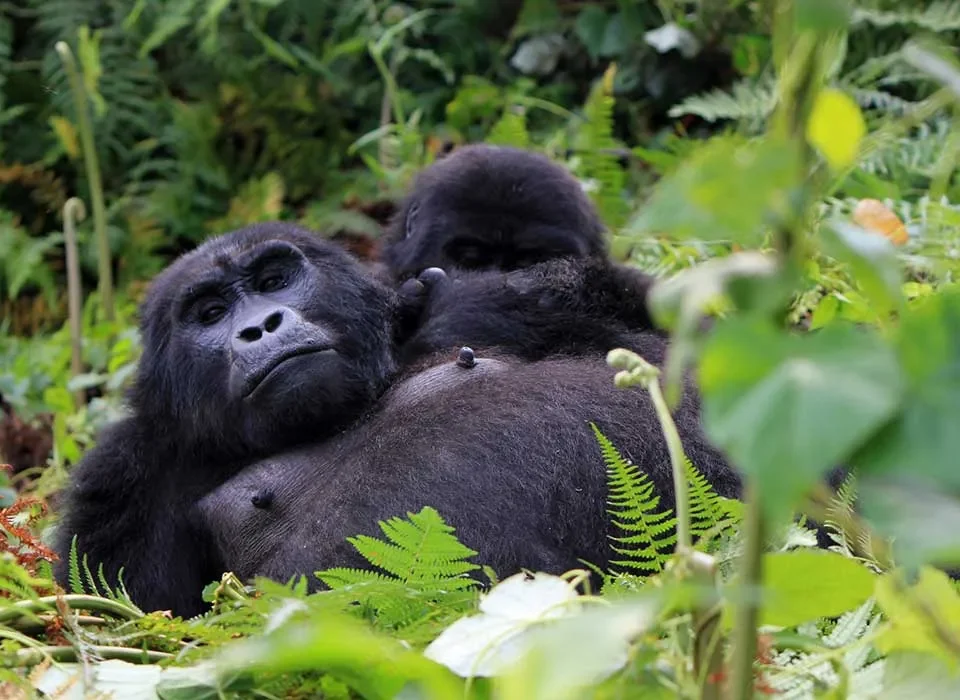
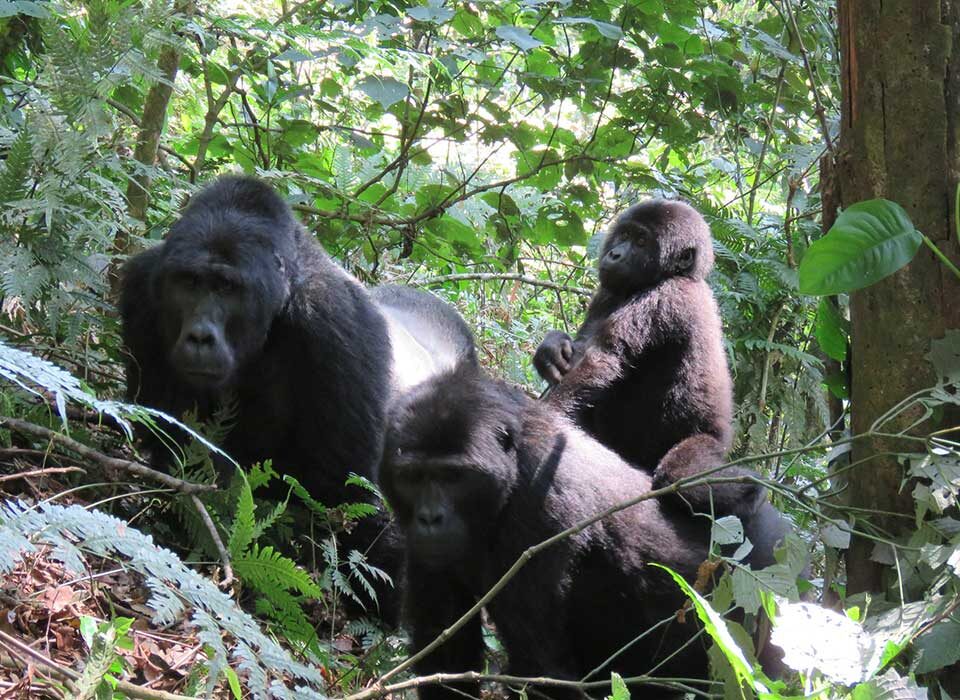
Bwindi Impenetrable Forest is one of Uganda’s most remarkable natural destinations, offering visitors an opportunity to explore an ancient tropical rainforest filled with extraordinary biodiversity, beautiful landscapes, fascinating wildlife and rich cultural heritage. Located in southwestern Uganda, Bwindi Impenetrable National Park is internationally recognised for protecting nearly half of the world’s remaining mountain gorillas. However, gorilla trekking is not the only reason to visit this exceptional wilderness. Nature walks in Bwindi Impenetrable Forest provide another rewarding way to discover the park, allowing visitors to appreciate its remarkable ecosystems at a slower pace while experiencing the sights and sounds of the rainforest.
A nature walk in Bwindi takes visitors beyond the usual wildlife safari experience. Instead of travelling through open savannah grasslands in a safari vehicle, visitors follow forest trails beneath towering trees, walk alongside flowing rivers, cross sections of dense vegetation and discover hidden waterfalls. The forest is alive with the calls of colourful birds, the movements of monkeys through the canopy, the fluttering of butterflies and the constant sounds of insects and flowing water.
These guided walks also introduce visitors to the remarkable plant diversity of Bwindi. The forest contains ancient trees, climbing plants, ferns, orchids, mosses and numerous other species that contribute to its unique ecological character. Experienced guides and park rangers help visitors understand how these different elements interact to support the forest’s wildlife and maintain its ecological balance.
Nature walks are particularly suitable for travellers who want to experience Bwindi beyond mountain gorilla trekking. They are also excellent for birdwatchers, photographers, nature enthusiasts, researchers, hikers and visitors interested in understanding Uganda’s tropical rainforest environment. Depending on the selected route, a nature walk can take less than an hour, several hours or almost an entire day.
At Exclusive Gorilla Journeys, we organise nature-based experiences that allow visitors to explore Bwindi according to their interests, available time and physical abilities. Whether you want a gentle forest excursion, a challenging hike through mountainous terrain, a birdwatching adventure or a cultural experience with communities surrounding the forest, Bwindi offers several opportunities to make your visit memorable.
Understanding the different trails, their locations, difficulty levels and attractions is important when planning your experience. This guide explains everything you need to know about nature walks in Bwindi Impenetrable Forest, including the best walking trails, wildlife encounters, cultural experiences, the best time to visit, preparation requirements and how to arrange your excursion.
Understanding Bwindi Impenetrable Forest
Bwindi Impenetrable National Park is situated in southwestern Uganda, within the districts of Kanungu, Rubanda, Kabale and Kisoro. The protected forest covers approximately 331 square kilometres and forms part of the Albertine Rift, an important biodiversity region within East Africa.
The park is characterised by steep hills, deep valleys, ridges, streams and thick vegetation. Its elevation varies considerably, creating different ecological conditions across the forest. Some areas contain lower-altitude rainforest vegetation, while higher sections feature montane forest and bamboo habitats.
Bwindi’s exceptional biodiversity makes it one of Africa’s most important conservation areas. The forest supports mountain gorillas, chimpanzees, L’Hoest’s monkeys, red-tailed monkeys, blue monkeys, black-and-white colobus monkeys and numerous other wildlife species. Forest elephants and several other elusive mammals also inhabit the protected area, although sightings are never guaranteed during nature walks.
Birdlife is another major attraction. Bwindi supports an impressive variety of forest birds, including several species associated with the Albertine Rift. Its different elevations and vegetation zones provide suitable habitats for numerous bird species, making the forest an outstanding destination for specialised birdwatching.
The forest is also important for local communities. People living around Bwindi depend on the surrounding landscape for agriculture, tourism-related employment and other livelihood activities. Community tourism experiences provide opportunities for visitors to understand local traditions while contributing to conservation and community development.
Unlike conventional walking destinations with clearly defined open trails, Bwindi is a dense rainforest. Some routes are relatively gentle, while others involve steep slopes, muddy sections, uneven ground and considerable changes in elevation. Choosing the right trail and walking with an authorised guide are therefore important parts of a successful visit.
Why Go for Nature Walks in Bwindi Impenetrable Forest?
Discover Bwindi Beyond Gorilla Trekking
Mountain gorilla trekking is the most famous activity in Bwindi, but it represents only one aspect of the park’s natural attractions. Nature walks provide an opportunity to appreciate the wider forest environment, including its vegetation, smaller wildlife species, birds, butterflies and impressive landscapes.
During a guided walk, visitors can spend time examining the details of the ecosystem rather than concentrating exclusively on locating a particular animal. Guides explain the characteristics of different tree species, identify animal footprints, interpret bird calls and describe the ecological relationships that sustain the rainforest.
This makes nature walks particularly rewarding for travellers who want a deeper understanding of Bwindi’s natural environment.
Experience an Ancient Tropical Rainforest
Walking through Bwindi is an opportunity to experience one of Africa’s most important remaining tropical mountain forests. The atmosphere is different from that of open savannah parks. Tall trees create a thick canopy, sunlight filters through the leaves, and the forest floor is covered with vegetation, fallen leaves and decomposing organic material.
The environment changes as visitors move between different elevations and sections of the forest. Some areas are dominated by large hardwood trees, while others contain bamboo, tangled vines, tree ferns and dense undergrowth.
The experience is especially rewarding during quieter moments when visitors can hear birds calling from different directions, water moving through nearby streams and branches shifting as animals move through the vegetation.
Enjoy Birdwatching Opportunities
Bwindi is one of Uganda’s leading birdwatching destinations. Its location within the Albertine Rift gives it exceptional importance for bird conservation, particularly because several bird species have restricted geographical ranges.
Nature walks provide excellent opportunities to search for forest birds. Depending on the trail and season, visitors may encounter African green broadbills, handsome francolins, Rwenzori turacos, African green pigeons, black bee-eaters, colourful sunbirds and numerous other species.
Some birds are difficult to see because they remain high in the canopy or move through dense vegetation. Having an experienced birding guide significantly improves the experience because guides understand bird calls, preferred habitats and the best places to look for particular species.
Explore Beautiful Waterfalls and Forest Rivers
Bwindi contains several streams and rivers that flow through its valleys and forested slopes. These waterways contribute to the park’s ecological richness and create beautiful settings for walking and relaxation.
The waterfall walks around Buhoma are particularly attractive because they combine forest exploration with opportunities to enjoy flowing water and scenic natural surroundings. Visitors follow established routes through thick vegetation before reaching waterfall viewpoints.
The sound of falling water, surrounding ferns and the cool atmosphere make these excursions among the most enjoyable nature-based activities in the park.
Learn About Local Culture and Conservation
Nature walks can also be combined with cultural experiences in communities surrounding Bwindi. These activities introduce visitors to the traditions, livelihoods and conservation efforts of the people living near the protected forest.
The Batwa cultural experience is particularly significant. The Batwa are Indigenous forest people whose history and traditional way of life are closely connected to the Bwindi landscape. A guided cultural visit offers an opportunity to learn about their forest knowledge, traditional practices, cultural heritage and experiences following their displacement from the protected forest.
When organised respectfully through established community initiatives, these experiences provide visitors with a deeper understanding of the relationship between people, tourism and conservation.
Best Nature Walk Trails in Bwindi Impenetrable Forest
Bwindi has several established walking routes spread across its four main gorilla trekking sectors: Buhoma, Ruhija, Rushaga and Nkuringo. Each sector offers a different combination of forest scenery, wildlife habitats, birdwatching opportunities and cultural attractions.
The choice of trail depends on where you are staying, how much time you have and the kind of experience you want. Some routes are suitable for visitors looking for relatively short excursions, while others are better suited to experienced hikers interested in longer forest adventures.
1. Munyaga River Trail in Buhoma
The Munyaga River Trail is one of the appealing options for visitors staying in Buhoma, the northern sector of Bwindi Impenetrable National Park. It provides an opportunity to explore the forest environment without committing to one of the longer hiking routes.
The trail follows the river and surrounding forest vegetation, introducing visitors to the smaller details of the Bwindi ecosystem. The area contains different plant species, colourful butterflies and habitats that attract forest birds and primates.
As you walk along the route, you may hear monkeys calling from the trees or spot birds moving through the vegetation. Your guide can explain the ecological importance of the river, identify interesting plants and help you recognise signs of wildlife activity.
The river environment also creates a refreshing atmosphere, particularly during warmer periods of the day. Visitors interested in photography can enjoy capturing the surrounding vegetation, flowing water and natural forest scenery.
The Munyaga River area is a good choice for travellers who have limited time in Buhoma or want to combine a nature excursion with other activities. It can also be incorporated into a broader forest exploration programme, depending on the authorised route and current arrangements.
2. Munyaga Waterfall Trail
The Munyaga Waterfall Trail is one of the most attractive nature experiences around Buhoma. It takes visitors through lush rainforest vegetation towards beautiful waterfalls surrounded by the characteristic greenery of Bwindi.
The walk introduces visitors to the forest’s diverse plant life, including ferns, orchids, mosses and other moisture-loving vegetation. The surrounding trees create a natural canopy, while the sound of flowing water becomes more noticeable as visitors approach the waterfall area.
One of the highlights of this excursion is the opportunity to appreciate the relationship between water and the rainforest ecosystem. Streams and waterfalls support different forms of life, maintain moisture within the forest and contribute to the survival of numerous plant and animal species.
Visitors can also enjoy observing butterflies and listening to forest birds along the route. Although large mammals are not guaranteed to appear, the surrounding habitat supports various forest wildlife species.
The waterfall excursion is particularly suitable for visitors who enjoy scenic walking experiences and want to discover a different side of Bwindi after gorilla trekking.
The trail should be arranged through the appropriate park or authorised guiding arrangements because the waterfall experience within the protected area is not the same as an independent walk along an ordinary community road. Current route conditions and access arrangements should be confirmed before travelling.
3. Rushura Hill Trail
The Rushura Hill Trail is an excellent choice for visitors interested in combining forest exploration with panoramic landscape views. Located in the Buhoma area, this route takes hikers towards Rushura Hill, which rises to approximately 1,915 metres above sea level.
The walk passes through sections of the forest before reaching areas where the vegetation opens up to reveal impressive views of the surrounding landscape.
One of the distinctive characteristics of this trail is its position within a forest ecosystem that extends across the Uganda-Democratic Republic of Congo border. The broader landscape provides opportunities to appreciate the geographical relationship between Bwindi and the neighbouring protected areas.
On clear days, visitors may enjoy views towards the Virunga Volcanoes, Lake Edward and the Rwenzori Mountains. Visibility depends on weather conditions, and mist or cloud cover can sometimes obscure the distant scenery.
The trail is also interesting for birdwatchers because the forest and surrounding vegetation provide habitats for numerous bird species. Monkeys and other wildlife may also be encountered along the route.
Rushura Hill is particularly rewarding for travellers who enjoy moderate hiking and scenic viewpoints. The changing elevation means visitors should be prepared for uphill sections and uneven forest paths.
4. Muzabajiro Loop Trail
The Muzabajiro Loop Trail is another attractive walking option in the Buhoma sector. The route follows a circuit around the hill, allowing visitors to experience different sections of the forest while enjoying views of the surrounding landscape.
The trail is approximately six kilometres long, although the actual walking experience depends on the selected route and current conditions.
The ascent towards higher ground offers opportunities to appreciate Bwindi’s varied vegetation and the ecological differences between forest slopes and lower valleys. As hikers move along the route, they may encounter different bird habitats, butterflies and signs of mammal activity.
The higher sections provide opportunities for beautiful views towards the Virunga landscape. On clear days, the surrounding hills and distant volcanic peaks create an impressive backdrop.
This trail is especially appealing to visitors who want a moderately challenging walk without undertaking a full-day forest crossing.
The Muzabajiro Loop can be included in a nature-focused itinerary for visitors spending additional time in Buhoma. It is also a useful activity for travellers who want to remain active without participating in another demanding gorilla trekking excursion.
5. Ivi River Trail
The Ivi River Trail is among the most interesting long-distance nature walks in Bwindi. It provides an opportunity to explore extensive sections of the forest while travelling between the northern Buhoma area and the southern Nkuringo landscape.
The route follows an old road through the forest and is approximately 14 kilometres long. Depending on the direction, walking speed, weather and trail conditions, the excursion can take much of the day.
One of the distinctive features of the Ivi River route is the opportunity to experience the changing character of Bwindi as you move through different sections of the forest. The trail passes through dense vegetation, forested valleys and areas with different wildlife habitats.
Visitors may encounter monkeys, butterflies and a variety of birds. Animal tracks and other signs of wildlife activity can also provide interesting information about the species living in the forest.
A particularly interesting location along the broader route is Mukempunu, a name associated with wild pigs. The area is part of the forest environment where visitors may learn about the mammals that inhabit Bwindi.
The Ivi River walk is particularly suitable for active travellers who enjoy longer hikes and want to explore the forest beyond the immediate surroundings of their lodge.
Because this is a long route, visitors should arrange transport, luggage handling and guide services in advance. The direction of travel also influences the hiking experience, so your tour operator should help select the most appropriate arrangement.
6. Kashasha River Trail
The Kashasha River Trail offers another opportunity to explore the forest between Buhoma and Nkuringo. It is particularly attractive to visitors interested in experiencing Bwindi on foot rather than travelling between the two sectors entirely by vehicle.
The route passes through forested slopes, river valleys and community landscapes before entering sections of the protected forest. It offers an immersive experience of Bwindi’s natural environment, including its vegetation, wildlife habitats and changing terrain.
The Kashasha route is generally considered more direct than the alternative Ivi River route. However, its steep sections and elevation changes can make it physically demanding, especially when travelling uphill.
During the walk, visitors may encounter birds, monkeys and other signs of forest wildlife. The guide can also explain the importance of the forest in protecting water sources and maintaining the ecological stability of the surrounding landscape.
One advantage of this experience is that it can form part of a multi-sector Uganda gorilla safari. Visitors staying in Nkuringo can arrange to walk towards Buhoma, or vice versa, provided the route and logistics are confirmed in advance.
This is not simply a short recreational walk. It requires suitable footwear, reasonable physical fitness and sufficient time. Visitors should also arrange luggage transportation and road transfers where necessary.
7. Habinyanja Trail
The Habinyanja Trail, also known as the Railegh Trail, is an interesting option for visitors seeking a longer forest walk in the Buhoma sector.
The route includes river crossings, forest slopes and a fairly steep ascent towards the Habigorogoro and Riyovi ridges. These sections provide opportunities to appreciate the mountainous character of Bwindi and the forest vegetation surrounding the Buhoma landscape.
One of the interesting features associated with this trail is African Corner, a rock formation whose shape resembles the African continent.
The route also provides access to the Habinyanja Swamp area, an important habitat for different bird species. Birdwatchers may look for species such as the African black duck, black bee-eaters and Pel’s fishing owl, although sightings depend on conditions and wildlife movement.
The combination of forest walking, birdwatching and landscape appreciation makes this trail attractive to nature enthusiasts.
Because the route includes steep sections, it is better suited to visitors who are comfortable walking over uneven ground for several hours. A guided excursion also makes it easier to understand the natural features encountered along the way.
8. Bamboo Trail in Ruhija
The Bamboo Trail is one of the distinctive nature walks available in the Ruhija sector of Bwindi. Unlike the lower forest sections around Buhoma, Ruhija contains higher-altitude habitats, including areas characterised by bamboo vegetation.
The trail leads towards the Rwamunyonyi area, which reaches approximately 2,607 metres above sea level. The higher elevation creates a different forest atmosphere, with cooler temperatures and distinctive vegetation.
Visitors can explore bamboo habitats, montane forest vegetation and surrounding highland scenery. The route also offers opportunities for birdwatching, particularly for visitors interested in species associated with the Albertine Rift.
The changing vegetation is one of the most interesting aspects of the walk. Bamboo habitats support a different ecological community from the lower rainforest, demonstrating how altitude influences plant distribution and wildlife habitats.
The trail can be physically demanding because of its length, elevation and terrain. Visitors should prepare for uphill sections and cooler weather.
For travellers staying in Ruhija, the Bamboo Trail is an excellent way to explore the high-altitude environment without focusing exclusively on gorilla trekking.
9. Guest House Trail in Ruhija
The Guest House Trail provides another opportunity to explore the forest around Ruhija. It begins near the Institute of Tropical Forest Conservation guest house and follows a circuit around a small hill.
This route is particularly interesting for visitors who want to experience the forest without necessarily undertaking a long-distance hike.
The surrounding vegetation provides suitable habitats for forest birds, insects and smaller wildlife species. The walk also introduces visitors to the forest boundary and the relationship between the protected ecosystem and surrounding landscapes.
Because Ruhija is situated at a relatively high elevation, the atmosphere can be cooler than in the lower sectors. Visitors should carry appropriate clothing and prepare for occasional rain.
The Guest House Trail can be considered by travellers with limited time who still want to enjoy a guided nature excursion during their stay in the Ruhija area.
10. Kajembehajambe Trail in Rushaga
The Rushaga sector, situated in the southern part of Bwindi, also offers opportunities for nature walks. One of the walking areas associated with this sector is the Kajembehajambe Trail.
This area provides access to forest environments that differ in character from the Buhoma and Ruhija sections. Visitors can explore dense vegetation, discover different plant species and enjoy birdwatching opportunities.
Rushaga is also an interesting base for travellers combining nature walks with gorilla trekking and community experiences.
The available walking options include forest trails and waterfall excursions. Some birdwatching routes require several hours, making them particularly suitable for visitors with a strong interest in birds and forest ecology.
The precise route, duration and accessibility should be confirmed with the park authorities before the excursion because trail conditions and operational arrangements can change.
11. Long Nature Walk from Rushaga to Nyabaremura
The long nature walk from Rushaga towards Nyabaremura is an interesting experience that combines forest exploration with cultural discovery.
Unlike a conventional nature walk focused entirely on wildlife and vegetation, this excursion can introduce visitors to the relationship between the forest and the communities whose histories are connected to the landscape.
The journey offers opportunities to explore the natural environment while learning about traditional knowledge, local livelihoods and the cultural heritage of the Batwa.
Visitors can gain a better understanding of how forest resources were traditionally used for food, shelter and other daily needs. The experience also provides an opportunity to appreciate the importance of cultural preservation and community participation in conservation tourism.
This excursion is particularly attractive to travellers who want their visit to Bwindi to include both natural and cultural experiences.
Because the walk involves a longer distance, visitors should be prepared for several hours of walking and arrange the activity through an authorised operator.
Wildlife You May See During Nature Walks in Bwindi
One of the attractions of nature walks in Bwindi is the possibility of encountering wildlife beyond mountain gorillas. The forest contains numerous mammals, birds, reptiles, amphibians and insects that contribute to its exceptional biodiversity.
Monkeys and Other Primates
Bwindi supports several primate species that visitors may encounter while walking through the forest.
Black-and-white colobus monkeys are among the most recognisable. They have distinctive black bodies and long white hair that creates a striking appearance when they move between branches.
L’Hoest’s monkeys are another interesting species found in the region. They are generally associated with forest habitats and are known for their distinctive appearance and terrestrial movements.
Red-tailed monkeys and blue monkeys may also be encountered in suitable habitats. These primates often move through the forest canopy, making their presence noticeable through branches shaking and characteristic vocalisations.
Although chimpanzees also inhabit Bwindi, sightings during ordinary nature walks are not guaranteed. Visitors interested specifically in chimpanzee tracking should consider a destination where a dedicated chimpanzee tracking programme is available.
Forest Elephants
African forest elephants inhabit the wider Bwindi ecosystem. They are generally difficult to observe because they move through dense vegetation and tend to avoid human activity.
Visitors may occasionally notice signs of elephant activity, such as footprints, broken vegetation and feeding traces.
Because elephants are large wild animals, visitors should never attempt to approach them or follow their tracks independently. Guides and rangers understand how to respond to wildlife encounters and maintain appropriate safety procedures.
Duikers and Other Forest Mammals
Forest duikers are small antelopes adapted to living in dense vegetation. They are generally shy and can disappear quickly when disturbed.
Other mammals include squirrels, rodents and various nocturnal species. Some are more likely to be detected through tracks and other signs than through direct sightings.
Birds, Butterflies and Insects
Birds and butterflies are among the most frequently appreciated wildlife attractions during forest walks.
Bwindi’s bird diversity makes it especially rewarding for birdwatchers, while its butterflies add colour to the forest environment.
Visitors can also discover interesting insects, including beetles, ants and other invertebrates that contribute to decomposition, pollination and the broader ecological balance of the forest.
Birdwatching During Nature Walks in Bwindi
Birdwatching is one of the most rewarding activities to combine with nature walks in Bwindi. The park is recognised as an important birding destination because it supports numerous species associated with the Albertine Rift.
The different elevations and forest habitats provide opportunities to encounter a wide range of birds. Some species are found in the lower rainforest, while others prefer montane forest and bamboo habitats.
The Ruhija sector is particularly attractive to specialist birdwatchers because of its high-altitude forest habitats and access to important birding areas. Buhoma also provides excellent birding opportunities, especially along forest-edge routes and the Ivi River Trail.
Among the notable species birdwatchers may search for are the African green broadbill, Grauer’s rush warbler, handsome francolin, Rwenzori turaco, regal sunbird and Shelley’s crimsonwing.
The Mubwindi Swamp area near Ruhija is particularly important for birdwatching. It is associated with several sought-after Albertine Rift species, making it a valuable destination for visitors interested in specialised birding excursions.
Birdwatching walks are best arranged with guides who have experience identifying species through both visual characteristics and calls. Binoculars are highly recommended, and visitors should allow sufficient time because some birds remain hidden in the dense canopy.
Early morning is often productive for bird activity, although the best time depends on the target species, weather and location.
Cultural Experiences to Combine with Nature Walks
Nature walks in Bwindi can be enriched by visiting communities surrounding the forest. These experiences provide a broader understanding of the cultural and historical importance of the landscape.
The Batwa Cultural Experience
The Batwa cultural experience is one of the most meaningful activities available to visitors in the Bwindi region.
The Batwa are Indigenous people whose traditional way of life was closely connected to the forests of southwestern Uganda. Historically, they relied on forest resources for food, medicine, shelter and other essential needs.
Following the establishment of protected areas and restrictions on traditional forest access, the Batwa experienced significant changes to their livelihoods and cultural practices.
A community-led Batwa experience offers visitors an opportunity to learn about this history and understand the importance of preserving cultural knowledge.
Depending on the programme, visitors may learn about traditional hunting methods, the use of medicinal plants, food preparation, music, dance and traditional storytelling.
The experience is most valuable when approached with respect for the community and an understanding that the Batwa are living communities with contemporary aspirations, not simply a representation of the past.
Participating in an organised cultural experience also helps support community livelihoods and cultural preservation initiatives.
Buhoma Community Walk
The Buhoma Community Walk is an excellent activity for visitors who want to understand everyday life around Bwindi.
The experience introduces visitors to local households, agricultural activities, traditional practices and small community enterprises.
Depending on the arrangement, the walk may include demonstrations of banana beer preparation, visits to traditional healers, craft-making activities and cultural performances.
Visitors can learn about the importance of agriculture in the local economy and understand how tourism has created additional opportunities for employment and business development.
The walk also provides an opportunity to interact with community members and appreciate the relationship between tourism and conservation.
Community Walks Around Rushaga
Rushaga also offers cultural walking experiences that complement nature exploration. These include the Nyabaremura Batwa experience and other community-based trails.
The walks provide opportunities to learn about local traditions, community history and the cultural significance of the surrounding landscape.
Visitors can combine these experiences with gorilla trekking or birdwatching, creating a more varied itinerary in the southern part of Bwindi.
Nature Walks in Bwindi’s Four Main Sectors
Bwindi is divided into four principal gorilla trekking sectors, and understanding their locations is important when choosing a nature walk. The sectors are separated by mountainous terrain and winding roads, meaning that moving between them can take several hours.
Nature Walks in Buhoma
Buhoma is located in the northern part of Bwindi and is one of the most established tourism areas in the park. It offers several walking opportunities, including the Munyaga River Trail, waterfall walks, Rushura Hill Trail, Muzabajiro Loop, Habinyanja Trail and Ivi River Trail.
The sector is particularly suitable for visitors interested in combining shorter forest excursions with community tourism and birdwatching. Its variety of trails makes it a good option for travellers who want to spend more than one day exploring the forest.
Buhoma also has a range of accommodation options, from comfortable lodges to luxury safari properties, making it convenient for different travel budgets.
Nature Walks in Ruhija
Ruhija is situated in the eastern part of Bwindi at a relatively high altitude. Its cooler climate, montane forest vegetation and bamboo habitats create a different experience from Buhoma.
The Bamboo Trail and Guest House Trail are among the walking options in this sector. Ruhija is also an excellent location for specialist birdwatching, particularly for visitors interested in Albertine Rift endemics.
The surrounding landscape offers impressive highland scenery, and the area is particularly attractive to travellers who enjoy quieter forest experiences.
Nature Walks in Rushaga
Rushaga is located in southern Bwindi and is particularly popular among gorilla trekking visitors. However, the sector also offers nature walks, birdwatching opportunities, waterfall excursions and community-based experiences.
Its walking activities can be combined with visits to Batwa communities and longer forest excursions.
Rushaga is an excellent choice for visitors who want to combine gorilla trekking with cultural tourism and exploration of the southern forest environment.
Nature Walks in Nkuringo
Nkuringo is situated in the southwestern part of Bwindi, overlooking beautiful mountainous scenery. It is known for its elevated location, impressive views and access to longer forest walks.
The Kashasha and Ivi River routes provide opportunities to connect the southern and northern parts of the forest on foot.
Visitors staying in Nkuringo can also arrange community walks, Batwa cultural experiences and excursions to nearby scenic attractions.
The steep terrain makes some walking experiences physically demanding, but the scenery and sense of adventure make the area particularly rewarding.
Best Time to Go for Nature Walks in Bwindi
Nature walks in Bwindi are available throughout the year. However, the weather, trail conditions, visibility and bird activity can influence the experience.
Bwindi has a tropical montane rainforest climate, meaning that rainfall can occur during any month. Temperatures are generally moderate because of the forest’s elevation, although conditions vary between the different sectors.
Nature Walks During the Dry Seasons
The periods from June to August and December to February are generally considered favourable for nature walks.
During these months, rainfall is often lower than during the main rainy periods, although occasional showers remain possible.
The relatively drier conditions can make forest trails easier to navigate. Visitors may also find it more convenient to combine walking excursions with gorilla trekking, community visits and other activities.
These periods are particularly suitable for travellers planning longer hikes such as the Ivi River and Kashasha routes.
However, dry-season conditions do not mean that the forest becomes completely dry. Bwindi is a rainforest, and muddy sections and wet vegetation should always be expected.
Nature Walks During the Rainy Seasons
The main rainy periods generally occur around March to May and September to November.
During these months, rainfall can make trails muddy, slippery and more challenging. Visitors undertaking longer excursions should be prepared for difficult walking conditions.
Nevertheless, the rainy seasons have their own attractions. The forest becomes particularly lush, vegetation is fresh and flowing streams and waterfalls can be especially impressive.
The rainy months can also provide interesting opportunities for nature photographers and visitors interested in observing the forest during periods of active plant growth.
Birdwatchers may also enjoy the changing forest environment, although weather conditions can affect visibility and access to certain routes.
Choosing the Best Month for Your Visit
For travellers whose main interest is comfortable walking, June, July, August, December and January are generally good months to consider.
Visitors who enjoy lush vegetation and do not mind occasional rain can consider March, April, May, September, October and November.
Rather than selecting a month based entirely on rainfall, it is important to consider the particular trail, your physical ability and the other activities included in your itinerary.
At Exclusive Gorilla Journeys, we help travellers select appropriate travel dates and walking experiences according to their interests and the prevailing conditions.
How Difficult Are Nature Walks in Bwindi?
The difficulty of nature walks in Bwindi varies considerably. Some excursions involve relatively short distances on manageable paths, while others require several hours of hiking through steep and uneven rainforest terrain.
The park’s mountainous landscape is one of the main factors influencing walking difficulty. Visitors should not assume that a short distance automatically means an easy walk because some trails contain steep climbs, muddy slopes and challenging descents.
Easy Nature Walks
Shorter excursions around Buhoma and Ruhija can be suitable for visitors who prefer a relaxed introduction to the forest.
These walks allow participants to explore the vegetation, observe birds and enjoy the natural surroundings without undertaking an extensive hike.
However, even relatively easy routes may contain uneven surfaces, tree roots and slippery sections.
Moderate Nature Walks
Routes such as the Muzabajiro Loop and some waterfall excursions may involve moderate physical effort.
Visitors should expect periods of uphill and downhill walking, occasional muddy sections and changes in terrain.
A reasonable level of fitness makes these excursions more comfortable.
Challenging Nature Walks
Long-distance routes such as the Ivi River Trail, Kashasha Trail and Bamboo Trail require greater physical preparation.
These excursions can involve several hours of continuous walking, steep slopes and considerable elevation changes.
Visitors planning these routes should have experience with hiking or be comfortable undertaking prolonged physical activity.
Can Older Travellers Participate?
Yes. Older travellers can enjoy nature walks in Bwindi, provided they choose routes that match their physical abilities.
A short guided walk may be more suitable than a demanding full-day hike. It is also possible to discuss walking pace, rest breaks and alternative routes when arranging the excursion.
Travellers should communicate any mobility limitations or relevant physical concerns to their tour operator before the activity.
What to Pack for Nature Walks in Bwindi
Preparing properly for a nature walk makes the experience safer and more comfortable. Bwindi’s rainforest conditions require clothing and equipment that can withstand moisture, mud, insects and uneven terrain.
Comfortable Hiking Boots
Good hiking boots are among the most important items to bring. Choose footwear with strong grip, ankle support and a comfortable fit.
Waterproof boots are particularly useful because the forest can remain wet even during relatively dry periods.
Avoid smooth-soled shoes because they provide limited traction on muddy slopes.
Long-Sleeved Shirts and Trousers
Wear lightweight, breathable clothing that covers your arms and legs. Long sleeves and trousers help protect against scratches, insects and contact with irritating vegetation.
Neutral colours such as green, brown and khaki are practical choices for forest activities.
Waterproof Jacket
Rainfall can occur unexpectedly in Bwindi, so a lightweight waterproof jacket is essential.
A jacket that can be packed easily into a day backpack is particularly convenient.
Walking Stick
A walking stick can provide additional stability when navigating steep and slippery sections.
This is particularly useful for older visitors and travellers undertaking longer hikes.
Drinking Water and Snacks
Carry sufficient drinking water to remain hydrated during the walk.
For longer excursions, bring suitable snacks or a packed meal, depending on the duration and arrangements made with your guide.
Insect Repellent and Personal Items
Insect repellent can help reduce exposure to biting insects. Sunscreen may also be useful, particularly in more open areas.
A small waterproof bag can protect your phone, camera and other personal belongings from rain.
Binoculars and Cameras
Birdwatchers should carry binoculars to improve their chances of identifying birds in the canopy.
Cameras are useful for photographing vegetation, waterfalls, landscapes and wildlife from appropriate distances. Always follow your guide’s instructions when photographing animals.
Rules and Guidelines for Nature Walks in Bwindi
Nature walks take place in a protected conservation area, so visitors are expected to follow park regulations and respect the natural environment.
Always Walk With an Authorised Guide
Visitors exploring trails inside the protected forest should follow the authorised guiding arrangements. A ranger or approved guide provides information about the forest and helps maintain visitor safety.
Guides understand the terrain, recognise wildlife signs and know how to respond to unexpected encounters.
Do Not Disturb Wildlife
Animals should be observed from a safe and respectful distance. Visitors should never attempt to touch, feed, chase or corner wildlife.
If an animal appears on the trail, follow the guide’s instructions and allow it space to move away.
Avoid Littering
Bwindi’s ecosystem is vulnerable to pollution. All visitors should carry their waste out of the forest and dispose of it appropriately.
Plastic bottles, food wrappers and other rubbish should never be abandoned along walking routes.
Remain on Designated Trails
Leaving established trails can damage vegetation, disturb wildlife and expose visitors to unnecessary risks.
Always remain with your group and follow the guide’s instructions.
Respect Plants and Natural Features
Do not cut vegetation, collect flowers, remove plants or damage trees. Every component of the forest contributes to the ecological balance of the protected area.
Visitors should also avoid disturbing nests, insects and other small organisms.
Respect Local Communities
When participating in cultural walks, ask permission before photographing individuals and respect community traditions.
Visitors should also support organised community experiences rather than attempting to access private homes or cultural sites without permission.
How Much Do Nature Walks in Bwindi Cost?
The cost of nature walks in Bwindi depends on the trail, visitor category, activity duration and whether additional services are included.
It is important to distinguish between ordinary guided nature walks, longer specialised routes, cultural experiences and activities that have separate entrance charges.
The Uganda Wildlife Authority publishes conservation tariffs covering different activities in Bwindi. These tariffs distinguish between foreign non-residents, foreign residents, visitors from the rest of Africa and East African citizens.
For example, the published tariff schedule includes separate charges for birdwatching and nature walks, long guided walks, bamboo walks, Munyaga Waterfalls and the Batwa Forest Experience.
The total cost of your excursion may therefore include the applicable activity fee, park entrance charges where required, guide services and transport to the trailhead.
Factors That Influence Nature Walk Costs
The first factor is the type of walking experience. A standard guided nature walk generally has a different charge from a long-distance forest crossing.
The second factor is your nationality and residency category. Visitors are charged according to the applicable conservation tariff category.
The third factor is the duration and logistical requirements of the excursion. Longer walks may require additional transport arrangements, meals and luggage handling.
The fourth factor is whether you are booking an individual activity or incorporating it into a broader safari package.
Should You Book Nature Walks in Advance?
Advance booking is recommended, particularly if you are travelling during the busy gorilla trekking seasons or want a specialised birdwatching or long-distance walking experience.
Booking early gives your tour operator time to confirm the appropriate trail, arrange guiding services and organise transport.
Some shorter experiences may be arranged locally, depending on availability, but visitors should not assume that every trail can be accessed without prior arrangements.
Because conservation tariffs can change, request an updated cost breakdown before confirming your trip.
How to Get to Bwindi for Nature Walks
Bwindi is located in southwestern Uganda and can be accessed by road or domestic air transport.
The best route depends on your arrival airport, accommodation location and the particular sector where you intend to undertake nature walks.
Travelling to Bwindi From Kampala
Travelling from Kampala to Bwindi by road is a popular option for visitors undertaking Uganda safaris.
The journey generally takes between eight and ten hours, depending on the destination sector, road conditions, traffic and stops along the way.
Visitors travelling to Buhoma, Ruhija, Rushaga or Nkuringo should plan their route according to their accommodation and activity arrangements.
A private 4×4 safari vehicle is recommended because some access roads are steep, winding and rough, particularly during rainy periods.
Travelling to Bwindi From Kigali
International visitors can also access Bwindi through Kigali in Rwanda.
The route generally involves crossing into Uganda through the Cyanika or Katuna border, depending on the chosen destination sector.
Travelling from Kigali can be particularly convenient for visitors planning to combine Rwanda gorilla trekking with a visit to Bwindi.
The journey duration varies according to the border crossing, road conditions and the particular sector being visited.
Flying to Bwindi
Domestic flights provide an alternative for travellers who want to reduce long-distance road travel.
Scheduled and chartered services may connect Entebbe or other Ugandan aviation hubs with airstrips serving the Bwindi region, including Kihihi and Kisoro.
The most appropriate airstrip depends on whether you are staying in Buhoma, Ruhija, Rushaga or Nkuringo.
Road transfers from the airstrip to your lodge are normally required.
Where to Stay for Nature Walks in Bwindi
Choosing suitable accommodation is important when planning nature walks because the forest’s different sectors are separated by considerable distances.
Staying near your preferred trail reduces unnecessary driving and gives you more time to enjoy the forest.
Accommodation in Buhoma
Buhoma offers a variety of accommodation options for visitors interested in nature walks, gorilla trekking and community experiences.
Its location provides convenient access to several established forest trails, including the Munyaga River, waterfall and Rushura Hill walking areas.
The sector is particularly suitable for visitors who want to combine nature walks with birdwatching and cultural excursions.
Accommodation in Ruhija
Ruhija is a good choice for travellers interested in high-altitude forest environments and specialist birdwatching.
Staying in this sector makes it easier to arrange excursions along the Bamboo Trail, Guest House Trail and routes towards Mubwindi Swamp.
The accommodation options include comfortable safari lodges and smaller properties offering views of the surrounding highlands.
Accommodation in Rushaga
Rushaga provides a convenient base for visitors interested in southern Bwindi’s forest experiences.
It is particularly suitable for combining nature walks with gorilla trekking and community activities.
Several accommodation properties are located within reasonable driving distance of the sector’s trekking and nature activity points.
Accommodation in Nkuringo
Nkuringo offers an attractive setting for travellers who enjoy mountainous landscapes and longer hiking experiences.
It is a suitable base for visitors planning the Kashasha and Ivi River routes, as well as community and Batwa cultural excursions.
The elevated location also provides impressive views of the surrounding countryside.
Combining Nature Walks With Other Activities in Bwindi
One of the best ways to enjoy Bwindi is to combine nature walks with other activities rather than concentrating on a single experience.
Gorilla Trekking and Nature Walks
Combining gorilla trekking with nature walks is an excellent way to explore Bwindi.
Gorilla trekking focuses on locating a habituated mountain gorilla family, while nature walks introduce visitors to the broader forest ecosystem.
The two activities offer different experiences and complement each other well.
Visitors can undertake gorilla trekking on one day and arrange a shorter forest walk or birdwatching excursion on another day.
This approach allows travellers to appreciate Bwindi beyond its most famous wildlife attraction.
Birdwatching and Nature Walks
Birdwatching is a natural addition to a forest walking programme.
Visitors can arrange specialised birding excursions with experienced guides who understand the different habitats and bird species found in Bwindi.
The combination is particularly rewarding in Ruhija and Buhoma, where several forest trails provide access to important bird habitats.
Batwa Cultural Experiences
A Batwa cultural experience adds an important human dimension to a nature-based safari.
It provides an opportunity to learn about traditional forest knowledge and the history of the communities associated with Bwindi.
Lake Bunyonyi Excursions
Visitors can also extend their safari to Lake Bunyonyi, one of Uganda’s most beautiful highland lakes.
The lake is located in southwestern Uganda and is surrounded by rolling hills, terraced agricultural landscapes and numerous islands.
Activities include canoeing, boat excursions, birdwatching and relaxation along the lakeshore.
It is an excellent destination for visitors who want a peaceful experience after several days of forest exploration.
Queen Elizabeth National Park Safari
Travellers with additional time can combine Bwindi with Queen Elizabeth National Park.
The park offers a contrasting landscape of savannah, wetlands, lakes and woodland habitats.
Visitors can enjoy game drives, boat cruises along the Kazinga Channel and wildlife viewing opportunities.
Combining the two destinations creates a varied Uganda safari that includes both rainforest and savannah ecosystems.
Recommended Duration for Nature Walks in Bwindi
The amount of time required depends on the walking route and the experiences you want to include.
A short forest excursion may take approximately one to two hours, while some waterfall and hill walks require several hours. Longer forest crossings, such as the Ivi River and Kashasha routes, can take much of the day.
For visitors who want to enjoy several activities, spending at least two or three nights around Bwindi is recommended.
A three-day itinerary, for example, can include gorilla trekking, a guided nature walk and a cultural experience. Visitors interested in birdwatching may benefit from additional days, particularly if they want to explore both Buhoma and Ruhija.
Allowing sufficient time also makes your safari more comfortable because you will not need to rush between activities.
Suggested Bwindi Nature Walk and Gorilla Safari Itinerary
At Exclusive Gorilla Journeys, we can organise tailor-made itineraries that combine nature walks with other activities in southwestern Uganda.
The following is an example of how visitors can organise their experience.
Day 1: Arrival in Bwindi Impenetrable National Park
Arrive in Bwindi from Kampala, Kigali or a domestic airstrip, depending on your travel arrangements.
After checking into your lodge, spend the afternoon relaxing and enjoying the surrounding forest environment.
If time permits, you can arrange a short community walk or a gentle nature excursion, depending on your arrival time and available guiding services.
Day 2: Gorilla Trekking in Bwindi
After an early breakfast, transfer to the designated gorilla trekking briefing point.
Meet the park rangers and receive instructions before entering the forest to search for a habituated mountain gorilla family.
The trekking duration varies according to the location of the gorillas and the terrain.
After the experience, return to your lodge for relaxation.
Day 3: Guided Nature Walk and Cultural Experience
After breakfast, participate in a guided nature walk along a suitable trail in your sector.
Visitors staying in Buhoma can consider the waterfall trail, Rushura Hill or another available forest route.
Those staying in Ruhija can explore the bamboo forest environment or arrange a birdwatching excursion.
In the afternoon, consider a Batwa cultural experience or a community walk before returning to your lodge.
Day 4: Departure
After breakfast, begin your journey to the next destination or return to Kampala, Entebbe or Kigali.
This itinerary can be adjusted according to your travel schedule, preferred activities and accommodation arrangements.
Why Book Your Bwindi Nature Walk With Exclusive Gorilla Journeys?
Exploring Bwindi requires more than simply identifying a walking trail. Visitors need suitable transport, appropriate accommodation, reliable activity arrangements and knowledgeable guides who understand the forest environment.
At Exclusive Gorilla Journeys, we organise Uganda nature experiences designed around individual interests, travel schedules and budgets.
Our approach focuses on helping visitors discover the natural and cultural attractions of Bwindi while supporting responsible tourism and conservation.
Tailor-Made Nature Walking Experiences
We help visitors select walking routes according to their preferred activities, fitness levels and available time.
Whether you want a short forest walk, a challenging hike, a waterfall excursion or a specialised birdwatching experience, we can help arrange an appropriate programme.
Gorilla Trekking and Safari Combinations
If you are visiting Bwindi primarily for mountain gorilla trekking, we can incorporate nature walks into your itinerary to make your stay more rewarding.
We also organise wider Uganda safari combinations involving Queen Elizabeth National Park, Lake Bunyonyi, Kibale Forest and other destinations.
Accommodation and Transport Arrangements
We assist with selecting accommodation in Buhoma, Ruhija, Rushaga and Nkuringo according to your preferred walking routes and gorilla trekking sector.
We also arrange suitable safari vehicles and transfers to ensure that you reach your destination comfortably.
Local Experiences and Responsible Tourism
We encourage visitors to explore community-based experiences that support local livelihoods and cultural preservation.
Our itineraries aim to provide meaningful encounters while respecting the people, wildlife and natural environment of southwestern Uganda.
Frequently Asked Questions About Nature Walks in Bwindi Impenetrable Forest
1. Can I Visit Bwindi Without Going Gorilla Trekking?
Yes. You can visit Bwindi specifically for nature walks, birdwatching, cultural experiences and forest exploration without purchasing a gorilla trekking permit.
However, activities inside the protected area must be arranged according to the applicable park regulations and entrance requirements.
2. How Long Do Nature Walks in Bwindi Take?
The duration depends on the selected route. Short walks may take approximately one to two hours, while other excursions take four to seven hours or longer.
Long-distance forest crossings can occupy most of the day.
3. Are Nature Walks in Bwindi Guided?
Yes. Visitors undertaking walks inside the protected national park should follow authorised guiding arrangements.
Guides help visitors understand the forest, identify wildlife and navigate the trails safely.
4. Can I See Gorillas During a Nature Walk?
Mountain gorillas inhabit Bwindi, but ordinary nature walks are not designed to locate or track them.
Gorilla sightings during these walks are not guaranteed. Visitors who want a dedicated mountain gorilla encounter should book an official gorilla trekking experience.
5. Which Is the Best Sector for Nature Walks in Bwindi?
Buhoma is particularly attractive because it offers several established walking routes, including waterfall, hill and forest trails.
Ruhija is excellent for high-altitude forest exploration and birdwatching, while Rushaga and Nkuringo offer opportunities for longer walks and cultural experiences.
The best sector depends on your interests and accommodation arrangements.
6. Are Nature Walks in Bwindi Suitable for Beginners?
Yes. Some trails are suitable for beginners and visitors who prefer shorter excursions.
However, the difficulty varies between routes. Beginners should choose manageable walks and inform their tour operator about their hiking experience.
7. Can Children Participate in Nature Walks?
Children can participate in certain approved nature activities, depending on their age, the selected trail and the applicable park regulations.
Visitors travelling with children should confirm age requirements and suitable walking options before booking.
8. What Animals Can I See During Nature Walks?
Possible wildlife encounters include black-and-white colobus monkeys, red-tailed monkeys, L’Hoest’s monkeys, blue monkeys, forest duikers, butterflies and numerous bird species.
Forest elephants and other elusive mammals also inhabit Bwindi, but sightings are unpredictable.
9. Is Bwindi Good for Birdwatching?
Yes. Bwindi is one of Uganda’s outstanding birdwatching destinations, particularly for visitors interested in Albertine Rift endemics.
Ruhija and Buhoma offer excellent opportunities to explore different forest habitats and search for specialised bird species.
10. What Is the Best Time for Nature Walks in Bwindi?
June to August and December to February are generally favourable because rainfall is often lower.
However, nature walks are available throughout the year, and the rainy seasons offer beautiful green vegetation and impressive waterfall scenery.
11. Do I Need a Permit for Nature Walks in Bwindi?
Nature walks inside the national park are subject to applicable Uganda Wildlife Authority entrance and activity charges.
The requirements and prices depend on the selected activity and visitor category. Confirm the current tariff before travelling.
12. Can I Combine Nature Walks With Gorilla Trekking?
Yes. Combining the two activities is highly recommended for visitors who want a more complete Bwindi experience.
You can undertake gorilla trekking on one day and explore the forest through a guided nature walk on another day.
13. Are Nature Walks in Bwindi Available Every Day?
Nature walks can generally be arranged throughout the year, subject to park operations, weather conditions, trail accessibility and guide availability.
Longer and specialised excursions should be arranged in advance.
14. Do I Need to Be Physically Fit for Nature Walks?
A basic level of fitness is sufficient for some shorter excursions, but longer routes require greater endurance.
Visitors should select walks according to their abilities and prepare for muddy paths, steep slopes and uneven terrain.
Book Nature Walks in Bwindi With Exclusive Gorilla Journeys
Nature walks in Bwindi Impenetrable Forest offer an unforgettable opportunity to discover one of Africa’s most extraordinary rainforest ecosystems. From the beautiful waterfalls and forest rivers of Buhoma to the bamboo-covered highlands of Ruhija, every walking experience introduces visitors to a different aspect of the park’s natural beauty.
Whether you are interested in birdwatching, photography, hiking, wildlife observation or cultural encounters, Bwindi provides opportunities to create a rewarding nature-based holiday.
Although mountain gorillas remain the park’s most famous attraction, exploring its forest trails reveals a much wider world of biodiversity, fascinating landscapes and cultural heritage.
At Exclusive Gorilla Journeys, we help visitors organise memorable nature walks and tailor-made Uganda safaris that combine forest exploration, gorilla trekking, birdwatching and community experiences.
Contact Exclusive Gorilla Journeys to plan your Bwindi nature walk, select the most suitable trail and arrange accommodation, transport and guided activities for your Uganda adventure.