
Best Lodges Near Bwindi for Gorilla Trekking, 2026 Guide
May 15, 2026
Gorilla Trekking Tips, What to Pack and Expect in Uganda
May 15, 2026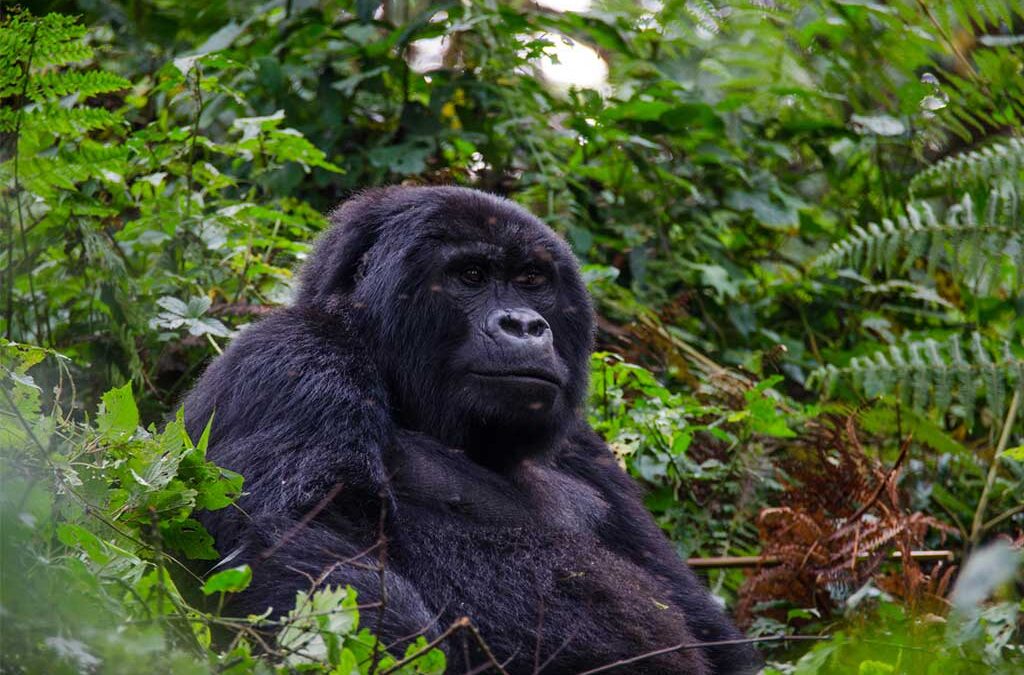
Gorilla trekking in Uganda is one of Africa’s most powerful wildlife experiences. Standing face-to-face with a mountain gorilla in its natural habitat is something few places on Earth can offer. But timing matters more than most travelers realize. Choosing the right season can shape everything from trekking difficulty to photography quality and overall comfort.
If you’re planning a safari in 2026, this guide breaks down the gorilla trekking Uganda season in detail, helping you decide the best time based on weather, crowd levels, cost, and overall experience.
Understanding Gorilla Trekking in Uganda
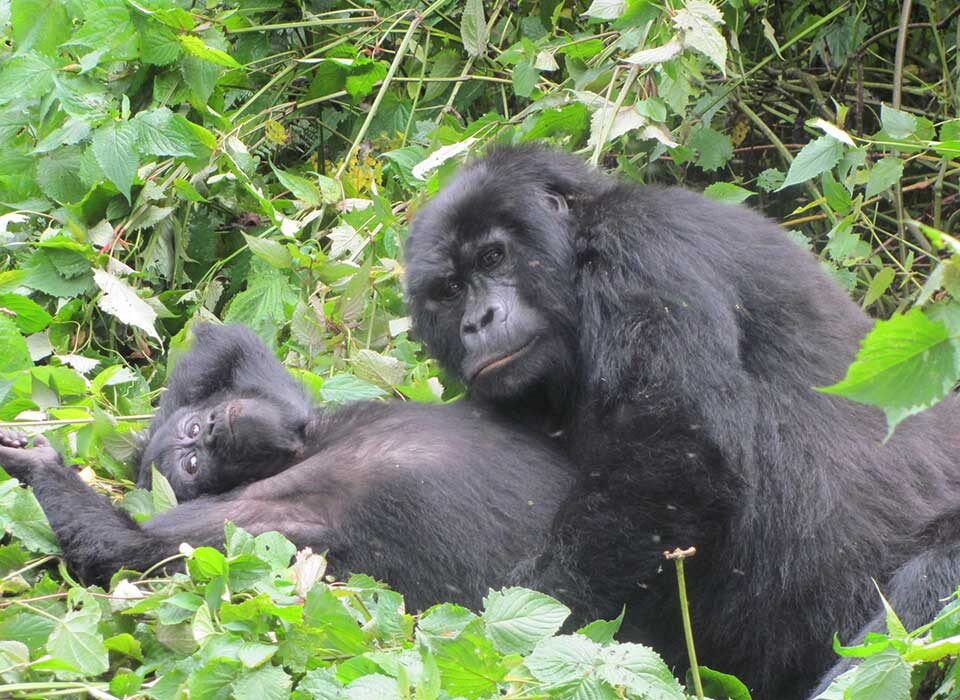
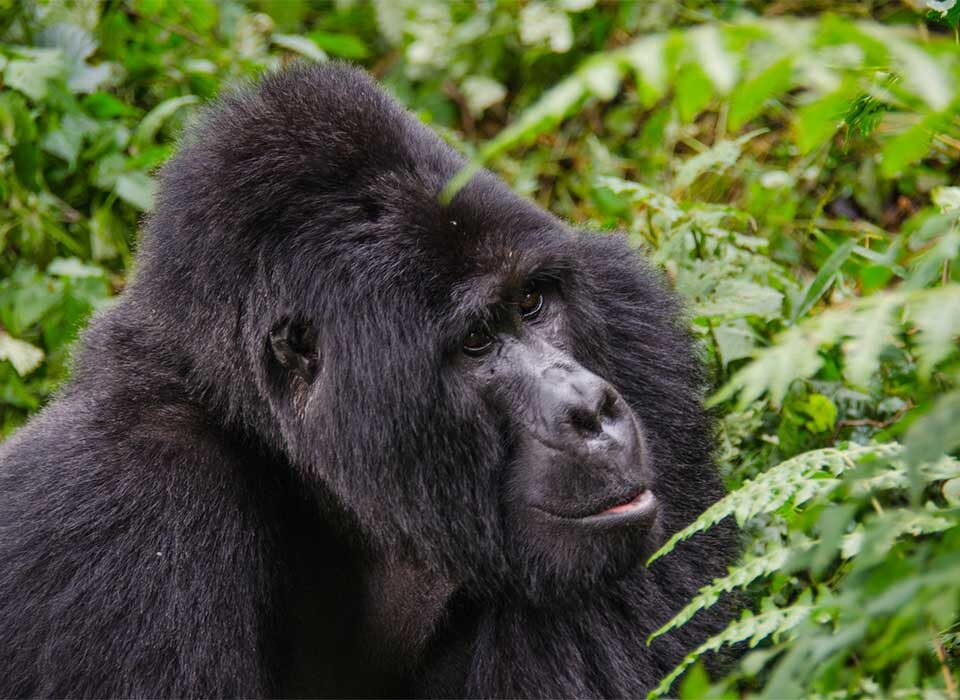
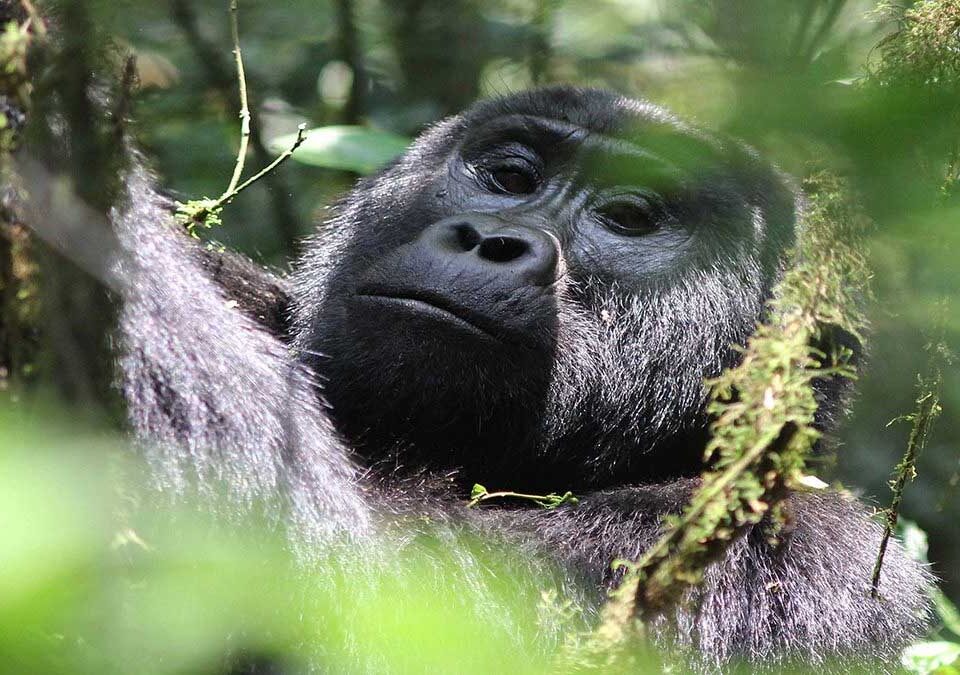
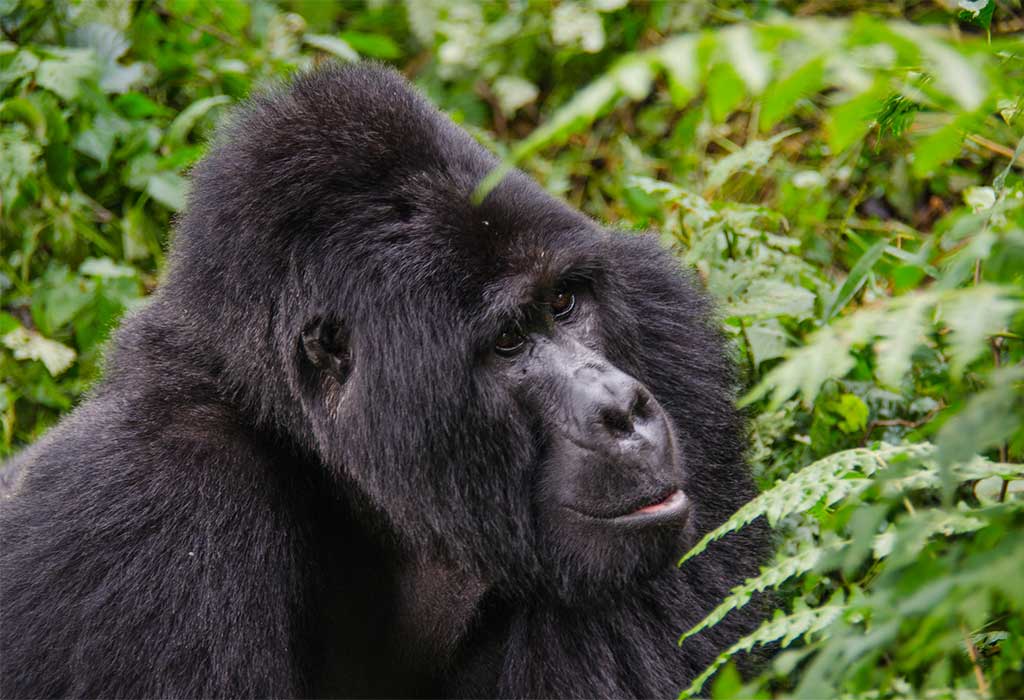
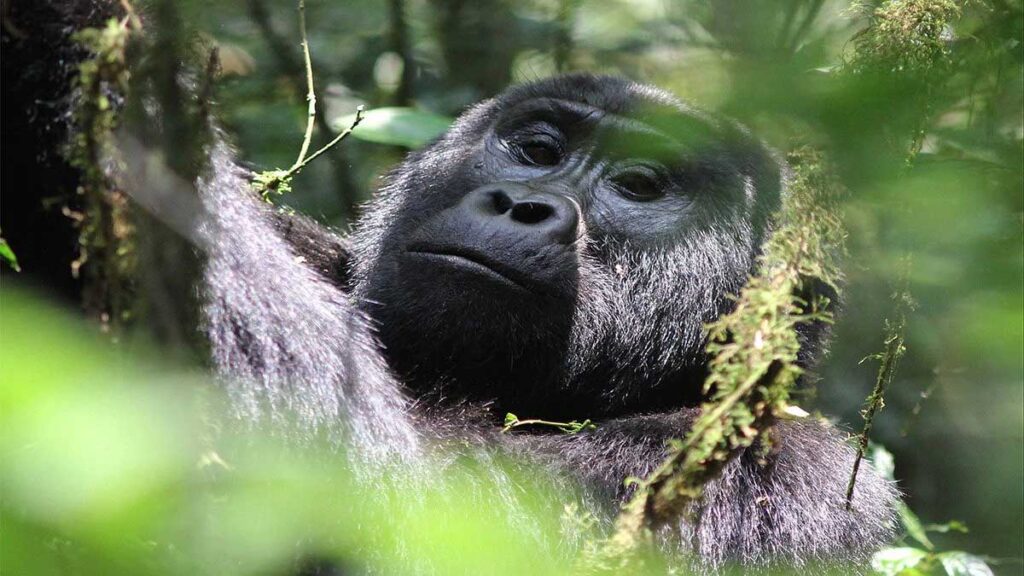
Uganda is home to more than half of the world’s remaining mountain gorillas, primarily found in two parks: Bwindi Impenetrable National Park and Mgahinga Gorilla National Park. These forests sit at high altitudes and have a tropical climate, which means rain is possible throughout the year.
Unlike traditional safaris where animals move freely across plains, gorilla trekking involves hiking through dense rainforest terrain. Weather conditions directly affect trail difficulty, visibility, and the overall trekking experience. That’s why understanding the seasons is essential.
Uganda’s Gorilla Trekking Seasons Explained
Uganda has two main seasons that influence gorilla trekking:
Dry Season (Best Time for Gorilla Trekking)
- June to September
- December to February
These months are widely considered the best time to go gorilla trekking in Uganda.
During this period, rainfall is minimal, making forest trails drier and easier to navigate. The vegetation is also less dense, improving visibility when observing gorillas. This is especially beneficial for photography and first-time trekkers.
The dry season also offers more predictable trekking conditions. Hikes are still physically demanding, but the reduced mud and slipperiness make a noticeable difference.
Because of these advantages, this is peak tourism season. Gorilla permits sell out quickly, and accommodation prices tend to rise. Planning early is essential.
Wet Season (Low Season with Unique Advantages)
- March to May
- October to November
The rainy season brings heavier and more frequent rainfall. Trails become muddy, slippery, and more challenging, especially in steep sections of the forest.
At first glance, this might seem like a disadvantage. But the wet season offers some surprising benefits.
The forest becomes lush and vibrant, creating stunning scenery. For photographers, the deep greens and mist-covered landscapes can produce dramatic images. Gorillas also tend to stay closer to lower slopes where food is abundant, which can sometimes mean shorter trekking times.
Fewer tourists visit during this period, resulting in a more intimate experience. You’ll encounter fewer groups and may even find discounted accommodation rates.
Month-by-Month Breakdown for 2026
To help you plan more precisely, here’s how each period compares:
January – February
These are among the best months for trekking. The weather is relatively dry, and conditions are ideal for hiking. This is a great time for travelers seeking a balance between good weather and slightly fewer crowds than mid-year.
March – May
This is the long rainy season. Expect heavy rainfall and challenging trekking conditions. However, it’s also the quietest time, making it attractive for budget travelers and those seeking solitude.
June – September
Peak season for gorilla trekking. The weather is dry, trails are manageable, and wildlife viewing is excellent. This is the most popular time, so booking permits and lodges well in advance is crucial.
October – November
Short rainy season. Conditions are mixed, with intermittent rain. It’s a good compromise between fewer crowds and decent trekking conditions.
December
Another excellent month. The rains ease, and the festive season attracts many travelers. It’s a popular time, so early planning is recommended.
Best Time Based on Travel Priorities
Choosing the best time depends on what matters most to you.
For the Easiest Trekking Experience
The dry months of June to September and December to February offer the most comfortable hiking conditions. Trails are firmer, and the risk of slipping is lower.
For Photography
Both seasons have their strengths. Dry months offer better lighting and clearer views, while the wet season provides dramatic, lush backdrops with misty forests.
For Budget Travelers
The rainy seasons are ideal. Accommodation prices are often lower, and availability is better. While permits typically remain fixed in price, you can save significantly on the overall trip.
For Fewer Crowds
March to May and October to November provide a quieter experience. You’ll enjoy more personal time in the forest with fewer trekking groups.
Gorilla Permits and Seasonal Demand
Regardless of the season, a gorilla trekking permit is mandatory. In Uganda, permits are issued by the Uganda Wildlife Authority.
Permits are limited and highly regulated to protect the gorillas. During peak months, they can sell out months in advance. If you’re planning to travel in June, July, August, or December, booking at least 3–6 months ahead is advisable.
During the low season, permits are easier to secure, offering more flexibility for last-minute travel plans.
Weather Considerations in Gorilla Habitats
The forests of Bwindi Impenetrable National Park and Mgahinga Gorilla National Park have a unique microclimate. Even during the dry season, short rain showers can occur.
Temperatures are generally moderate due to altitude, typically ranging between 11°C and 23°C. Early mornings can be chilly, especially before the trek begins.
Packing appropriately is essential regardless of the season. Waterproof gear, sturdy hiking boots, and layered clothing are always recommended.
Bwindi vs Mgahinga: Does Season Affect Choice?
While both parks offer incredible experiences, seasonality can influence your choice.
Bwindi Impenetrable National Park is larger and has multiple trekking sectors, making it more flexible year-round. Even during peak seasons, you can find availability across different regions.
Mgahinga Gorilla National Park is smaller and hosts fewer gorilla families. It offers a more exclusive feel but requires more precise planning, especially during peak months.
In the rainy season, Mgahinga’s terrain can be slightly easier to navigate compared to Bwindi’s dense and steep forest, depending on the route.
Pros and Cons of Each Gorilla Trekking Season
Dry Season Advantages
The trails are easier to hike, and the experience feels more comfortable overall. Visibility is better, making it easier to spot and photograph gorillas. Travel logistics are also smoother with fewer weather-related disruptions.
Dry Season Disadvantages
Higher demand means higher costs and limited availability. Popular lodges fill up quickly, and trekking groups can feel more crowded.
Wet Season Advantages
The forest is at its most beautiful, with rich greenery and dramatic landscapes. Fewer tourists mean a more peaceful and personal experience. Costs for accommodation may be lower.
Wet Season Disadvantages
Trekking can be physically challenging due to mud and slippery conditions. Rain can also affect visibility and comfort during the hike.
So, What Is the Best Time to Go Gorilla Trekking in Uganda?
If you’re looking for the most comfortable and predictable experience, the dry season (June to September and December to February) is the best time to visit.
However, if you value fewer crowds, lush scenery, and potential savings, the wet season (March to May and October to November) can be equally rewarding.
There is no truly “bad” time for gorilla trekking in Uganda. The experience remains extraordinary year-round. The key is aligning your travel goals with the season that best suits your preferences.
Final Thoughts
Planning your gorilla trekking safari in 2026 comes down to understanding the balance between weather, crowds, and personal priorities. Uganda offers one of the most authentic and accessible gorilla trekking experiences in the world, whether you visit in peak season or during quieter months.
By choosing the right gorilla trekking Uganda season, you not only improve your chances of a smooth trek but also enhance the depth of your overall safari experience.
If you plan carefully, book early, and prepare for the terrain, you’ll be rewarded with a once-in-a-lifetime encounter that few travelers ever forget.