
Best Time to Go Gorilla Trekking in Uganda
May 15, 2026
How to Get to Bwindi National Park from Kampala
May 15, 2026
Gorilla trekking in Uganda is not just a wildlife activity, it’s a deeply immersive experience that places you in the heart of Africa’s most ancient rainforests. If you’re planning this adventure, preparation is everything. From the terrain you’ll hike to the gear you carry, knowing what to expect can make the difference between a challenging trip and a truly unforgettable one.
This guide covers essential gorilla trekking tips Uganda travelers need, including what to pack, how to prepare, and what the experience is really like in the of Bwindi Impenetrable National Park and Mgahinga Gorilla National Park.
What to Expect During Gorilla Trekking in Uganda
Before diving into packing lists, it’s important to understand what the trek involves.
Gorilla trekking begins early in the morning with a briefing from park rangers. You’ll be assigned to a specific gorilla family and guided through dense forest terrain that can range from relatively easy paths to steep, muddy slopes.
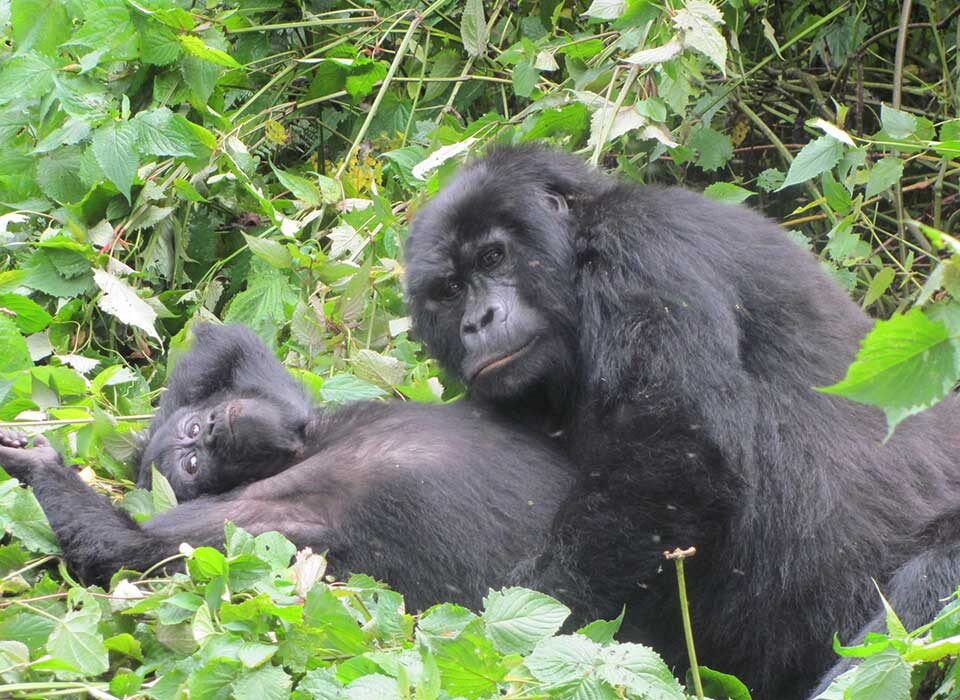
Treks can last anywhere from one hour to several hours depending on the gorillas’ location. Once found, you’ll spend one magical hour observing them in their natural habitat.
The experience is physically demanding, unpredictable, and incredibly rewarding. Being prepared for all conditions is key.
Essential Gorilla Trekking Tips Uganda Travelers Should Know
Preparation goes beyond packing, it’s also about mindset and awareness.
You should be ready for changing weather conditions at any time. Even during the dry season, rain can fall unexpectedly in the rainforest. Physical fitness is also important. While you don’t need to be an athlete, a reasonable level of endurance will make the trek more enjoyable.
Hiring a porter is highly recommended. Not only do they help carry your bag, but they also assist you on difficult terrain. It’s a small cost that significantly improves your experience while supporting local communities.
Listening to your guide is critical. They ensure your safety and help you follow proper etiquette when interacting with gorillas.
What to Pack for Gorilla Trekking in Uganda
Packing the right gear is one of the most important gorilla trekking tips Uganda visitors should follow. The forest environment is humid, muddy, and dense, so your equipment needs to match the conditions.
Clothing for the Rainforest
Long-sleeved shirts and long trousers are essential. They protect you from insect bites, thorny vegetation, and stinging nettles. Lightweight, breathable fabrics work best since trekking can get physically intense.
A waterproof jacket is non-negotiable. Rain can start suddenly, and staying dry will keep you comfortable throughout the trek.
Neutral-colored clothing is recommended. Bright colors can disturb wildlife, while dark blues and blacks may attract insects like tsetse flies.
Footwear That Can Handle Tough Terrain
A sturdy pair of waterproof hiking boots is crucial. The trails can be muddy and slippery, especially in Bwindi Impenetrable National Park where the terrain is particularly dense and steep.
Good ankle support is important to prevent injuries, and your boots should be well broken-in before the trek to avoid blisters.
Gaiters can also be helpful to keep mud and insects out of your boots.
Accessories You Shouldn’t Overlook
A good pair of gardening gloves or trekking gloves can protect your hands when grabbing onto branches or pushing through thick vegetation.
A wide-brim hat and sunglasses can help during open sections of the trek, although most of the time you’ll be under forest cover.
Insect repellent is essential. Choose one that is effective but not overly scented, as strong smells can disturb the gorillas.
Backpack Essentials
A small, comfortable backpack is ideal for carrying your essentials. You should include bottled water to stay hydrated and some energy snacks to keep your strength up during the trek.
A packed lunch is usually provided if your trek is expected to be long.
Don’t forget a waterproof cover for your bag to protect your belongings during rain.
Camera Gear and Photography Tips
Capturing the moment is important, but it requires preparation.
A camera with good low-light performance is ideal since the forest canopy can limit sunlight. Avoid using flash photography, as it is not allowed and can disturb the gorillas.
A zoom lens is helpful for capturing detailed shots while maintaining the required distance.
If you plan to use your phone, ensure it is protected with a waterproof case.
Gorilla Trekking Rules and Etiquette
Respecting the gorillas and their environment is a core part of the experience.
The Uganda Wildlife Authority enforces strict guidelines to protect both visitors and gorillas. You must maintain a safe distance, usually about seven meters, although gorillas may sometimes come closer on their own.
If a gorilla approaches you, remain calm and avoid sudden movements. Direct eye contact should be minimized, as it can be perceived as a challenge.
You are not allowed to trek if you are sick, as gorillas are highly susceptible to human diseases.
Physical and Mental Preparation
Gorilla trekking is as much a mental challenge as it is physical.
The hike can be tiring, especially in humid conditions and uneven terrain. Taking time to prepare with light cardio exercises such as walking or hiking beforehand can help.
Mentally, it’s important to embrace the unpredictability. Some treks are short and easy, while others can take hours. The reward, however, is always worth the effort.
The Role of Guides and Porters
Your guides are experienced professionals who know the forest intimately. They communicate with trackers who locate the gorillas early in the morning, ensuring your chances of finding them are very high.
Porters, often local community members, provide invaluable assistance. They help carry your gear and offer support during steep or slippery sections. Hiring a porter is also a meaningful way to contribute to the local economy.
Health and Safety Tips
Carrying basic first aid supplies is always a good idea. Items like plasters, pain relief tablets, and antiseptic wipes can be useful.
Staying hydrated is essential, especially during long treks. Drink water regularly, even if you don’t feel thirsty.
Travel insurance that covers trekking activities is strongly recommended.
Common Mistakes to Avoid
Many first-time trekkers underestimate the difficulty of the terrain. Wearing inappropriate footwear or light clothing can quickly turn the experience uncomfortable.
Overpacking is another mistake. Keep your bag light and carry only what you truly need.
Ignoring instructions from guides can not only compromise your safety but also affect the overall experience for your group.
Final Thoughts
Gorilla trekking in Uganda is one of the most extraordinary wildlife encounters in the world. Proper preparation ensures that you can fully immerse yourself in the experience without unnecessary discomfort.
By following these essential gorilla trekking tips Uganda travelers rely on, packing the right gear, and understanding what to expect, you set yourself up for a smooth and rewarding adventure.
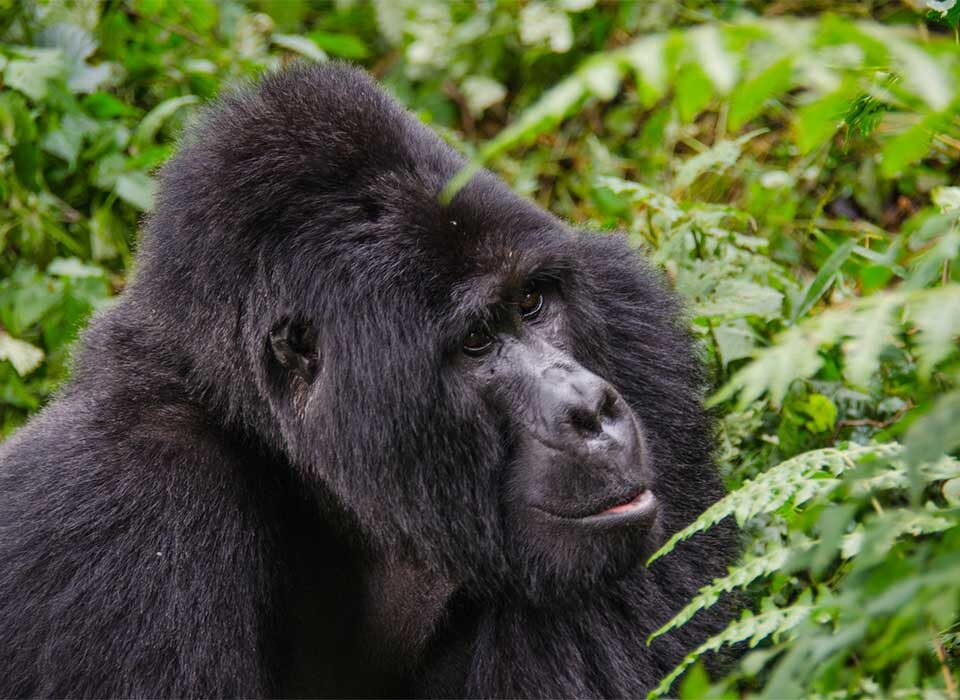
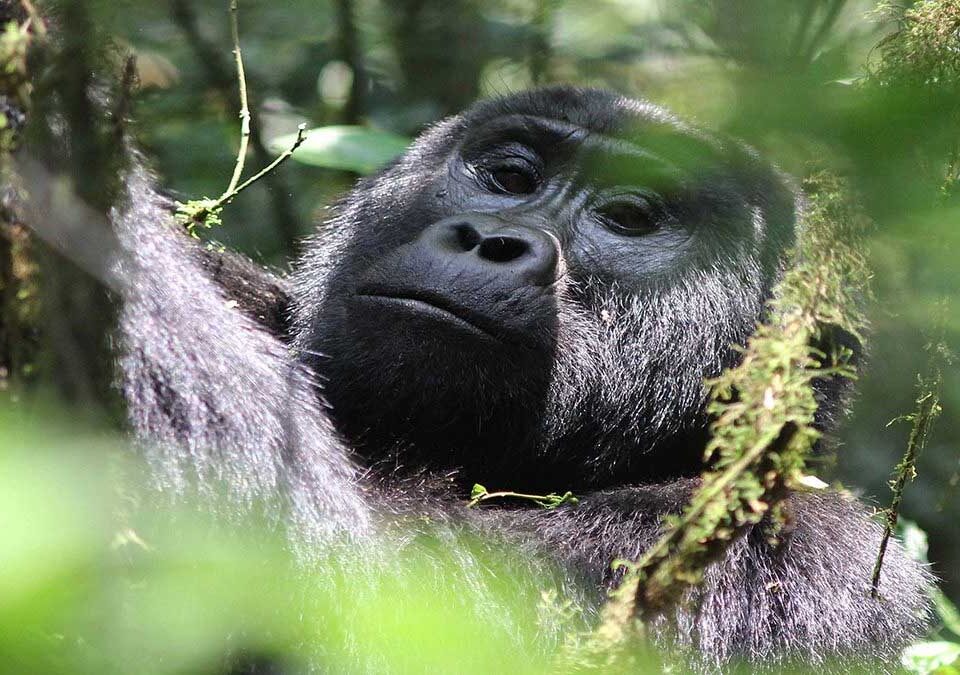
Whether you’re trekking through the dense forests of Bwindi Impenetrable National Park or the scenic slopes of Mgahinga Gorilla National Park, one thing is certain, the moment you lock eyes with a mountain gorilla will stay with you for a lifetime.