

Nature Walks in Bwindi Impenetrable Forest
November 25, 2026
Bwindi Gorilla Trekking and Lake Bunyonyi Safari
November 25, 2026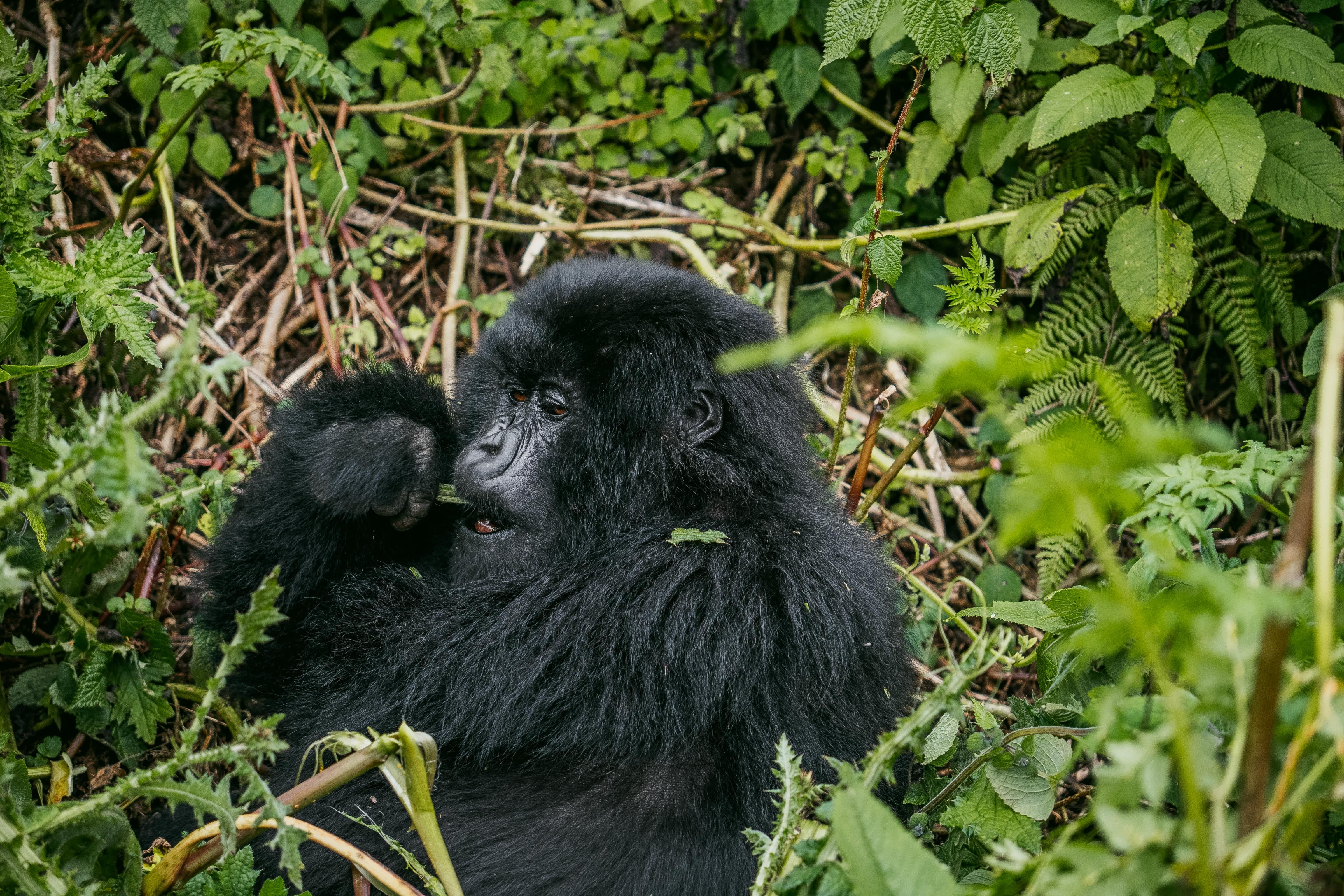
Bwindi Impenetrable National Park is one of Uganda’s most remarkable natural destinations, attracting visitors from around the world because of its endangered mountain gorillas, ancient rainforest, exceptional biodiversity and beautiful mountainous landscapes. Located in southwestern Uganda, this UNESCO World Heritage Site offers much more than gorilla trekking. Its dense vegetation, flowing rivers, forest streams, waterfalls and scenic walking routes create opportunities for visitors to experience the natural environment in several different ways.
Among the experiences worth including in a Bwindi safari are waterfall trails. These walks allow visitors to explore sections of the rainforest where streams descend through valleys, water flows over rocks and lush vegetation creates a peaceful natural environment. They are particularly appealing to travellers who enjoy hiking, birdwatching, photography, nature exploration and discovering attractions beyond the famous mountain gorillas.
The waterfall trails in Bwindi provide an opportunity to understand the forest from a different perspective. While gorilla trekking focuses on finding and observing a particular wildlife species, waterfall hiking offers a broader experience of the rainforest ecosystem. Visitors can appreciate the vegetation, listen to the sounds of flowing water, identify birds, observe butterflies and learn about the ecological importance of the forest.
The Buhoma sector in northern Bwindi is particularly important for visitors interested in waterfall hiking because it offers an established waterfall excursion featuring three waterfalls. Other nature-walking opportunities can be explored in different parts of the park, including the southern sector around Rushaga, where visitors can enquire about local waterfall excursions.
At Exclusive Gorilla Journeys, we encourage travellers to explore Bwindi beyond gorilla trekking. Including a waterfall walk in your safari provides a wonderful opportunity to appreciate the park’s natural beauty while supporting responsible tourism and conservation.
Understanding the Waterfall Trails in Bwindi Impenetrable National Park
Bwindi is a mountainous tropical rainforest with a landscape characterised by steep valleys, ridges, thick vegetation, rivers and numerous streams. Its high rainfall, elevation changes and dense forest cover create favourable conditions for the formation of waterfalls and cascading watercourses.
The park’s terrain is particularly interesting because water moves from higher forested slopes into lower valleys, creating streams and small waterfalls along the way. These waterways are important components of the rainforest ecosystem, supporting vegetation, insects, amphibians, birds and other wildlife.
Waterfall hiking in Bwindi is not necessarily about visiting large, powerful waterfalls like those found in some other parts of Uganda. Instead, the experience focuses on discovering natural cascades within an ancient rainforest. The surrounding trees, ferns, mosses, orchids and flowing water form an attractive environment for nature enthusiasts.
The best-known waterfall excursion is in Buhoma, where visitors can explore three waterfalls along a guided forest trail. The experience is particularly suitable for travellers who want to spend time exploring the rainforest without undertaking another gorilla trekking expedition.
The southern part of Bwindi also offers opportunities for waterfall exploration, including excursions associated with Bayenda waterfalls around Rushaga. Because access arrangements and the status of less-established routes can vary, visitors should confirm the exact trail and guiding arrangements before including them in their itineraries.
It is important to distinguish between established waterfall excursions and other forest walks. Some trails focus on birdwatching, viewpoints, rivers or longer forest crossings rather than visiting a particular waterfall. Nevertheless, these routes provide excellent opportunities to discover Bwindi’s natural waterways and scenic landscapes.
The Buhoma Waterfall Trail: The Main Waterfall Hiking Experience in Bwindi
The Buhoma Waterfall Trail is one of the most attractive nature walks in Bwindi Impenetrable National Park. It is particularly suitable for visitors who want to discover the forest’s natural beauty without committing to a full-day hiking expedition.
The trail passes through a beautiful section of tropical montane rainforest, where visitors encounter towering trees, thick undergrowth, tree ferns, epiphytic ferns, orchids and colourful butterflies. Its main attraction is a series of three waterfalls associated with the Munyaga River and the surrounding forest waterways.
The walk follows the forest environment around Bizenga Creek towards the Munyaga River. This combination of streams, vegetation and cascading water makes the excursion especially rewarding for nature enthusiasts. Guided Nature Walks Bwindi Forest+2
Starting the Buhoma Waterfall Hike
The excursion begins in the Buhoma area, where visitors make arrangements for the guided forest walk. Before entering the forest, the guide explains the route, expected walking conditions and important conservation requirements.
Buhoma is a convenient starting point because it is one of Bwindi’s main tourism centres. The area has accommodation facilities, restaurants, local tourism services and access to several established nature trails.
Once the walk begins, visitors gradually leave the more developed surroundings and enter the dense rainforest. The transition is remarkable because the vegetation becomes thicker, the forest canopy creates a shaded environment and the sounds of civilisation are replaced by birdsong, insects and flowing water.
The route provides opportunities to observe different forest plants and learn how they survive in an environment characterised by high humidity and frequent rainfall.
Discovering the First Waterfall
The first waterfall introduces visitors to the beauty of Bwindi’s natural waterways. Water moves over rocky surfaces and creates a refreshing atmosphere within the surrounding vegetation.
The area is particularly attractive because of the contrast between flowing water, dark rocks, green foliage and the dense rainforest canopy.
Visitors can take time to appreciate the surroundings while their guide explains the importance of the watercourse to the forest ecosystem.
The waterfall environment also provides opportunities for photography, although visitors should protect their equipment from moisture and avoid standing on slippery rocks.
Exploring the Second Waterfall
As the walk continues, visitors discover another cascade along the forest waterway. The surrounding vegetation provides a natural setting where mosses, ferns and other moisture-loving plants thrive.
This section of the trail demonstrates how different habitats develop around flowing water. The increased moisture supports plant growth and provides suitable conditions for insects and other small organisms.
Visitors interested in botany can learn about the different plant species found around the stream banks.
Reaching the Third Waterfall
The third waterfall completes the main waterfall experience. It is particularly rewarding because visitors have already spent time exploring the forest and understanding the relationship between its vegetation and waterways.
The three waterfalls together create a memorable natural attraction within the Buhoma forest.
The Munyaga waterfall system has been described as a three-level cascade with a reported total drop of approximately 33 metres. The actual appearance and strength of the water depend on seasonal rainfall and local conditions. Visit Bwindi+1
Visitors should remember that the waterfall excursion is primarily a nature walk. It is not designed as a swimming or recreational water activity.
Munyaga Waterfalls and the Importance of the River Ecosystem
The Munyaga waterfalls are among the most interesting natural features associated with the Buhoma area. Their appeal extends beyond the visual beauty of cascading water because they are connected to an ecosystem that supports many forms of forest life.
The Munyaga River and its associated streams provide water for the surrounding environment. Watercourses are essential to maintaining the moisture conditions that support the rainforest’s diverse vegetation.
The riverine environment also provides habitats for organisms that depend on water and damp conditions.
The Connection Between Munyaga River and Bizenga Creek
The waterfall walk is associated with Bizenga Creek, which leads towards the Munyaga River. This connection makes the route particularly interesting for visitors who want to understand the natural drainage system of the forest.
As water moves through the landscape, it collects from different sections of the forest and flows towards lower ground. Along the way, it supports vegetation and contributes to the ecological processes that sustain the surrounding environment.
The presence of water is particularly important during dry periods, when rivers and streams provide essential resources for wildlife.
Why the Waterfalls Matter to Wildlife
Forest waterways provide drinking water and influence the distribution of vegetation and wildlife.
Animals may visit watercourses to drink, while different plants grow along the banks because of the availability of moisture.
The riverine forest also provides shelter and feeding opportunities for birds, insects and smaller animals.
Bwindi’s forest streams should therefore be viewed as important ecological features rather than simply scenic attractions.
The Waterfalls and Forest Conservation
Protecting the Munyaga waterfalls requires protecting the surrounding forest.
Deforestation, pollution, uncontrolled tourism and damage to riverbanks can affect the quality of water and the habitats that depend on it.
Responsible hiking helps ensure that visitors can continue enjoying the waterfalls without damaging the environment.
Bayenda Waterfalls: Exploring the Southern Side of Bwindi
Visitors exploring the southern part of Bwindi can enquire about the Bayenda waterfalls, an attraction associated with the Rushaga sector.
Rushaga is particularly popular for mountain gorilla trekking, but its surrounding landscape also offers opportunities to explore forest scenery, local communities and other natural attractions.
The Bayenda waterfalls are less widely known than the Buhoma waterfall experience. Their appeal lies in the opportunity to explore another part of Bwindi and appreciate the scenery of the southern rainforest.
The waterfalls are described as being surrounded by large trees and rocks, creating an attractive natural setting. Visit Bwindi+1
What Makes Bayenda Waterfalls Interesting?
The southern part of Bwindi has a distinctive mountainous landscape, with forested hills, deep valleys and thick vegetation.
Exploring the Bayenda waterfalls provides an opportunity to experience this environment away from the main gorilla trekking activities.
Visitors can enjoy the sounds of flowing water, observe the surrounding vegetation and appreciate the natural beauty of the forest.
The walk may also provide opportunities to encounter birds, butterflies and forest primates.
However, wildlife sightings are never guaranteed, and visitors should not expect the same type of wildlife encounter as a gorilla trek.
Planning a Bayenda Waterfall Excursion
Because the Bayenda excursion is less established in publicly available visitor information than the Buhoma waterfall trail, advance confirmation is important.
Visitors should ask their safari operator about the precise starting point, current access arrangements, walking distance, duration and whether a separate guiding or activity fee applies.
This is especially important for travellers who are staying in Buhoma or Nkuringo, as travelling to Rushaga simply for a waterfall walk may require additional transport arrangements.
At Exclusive Gorilla Journeys, we recommend confirming the actual excursion before including it in a safari programme.
Other Nature Trails to Explore Alongside Waterfall Hiking
Bwindi has several nature trails that allow visitors to explore its rainforest, rivers, hills and wildlife habitats. Although these routes do not all lead to waterfalls, they provide excellent complementary experiences.
Munyaga River Nature Trail
The Munyaga River Trail is an attractive option for visitors who prefer a shorter and more relaxed forest excursion.
The trail explores the valley below Buhoma and provides opportunities to observe birds and primates around the forest edge.
It is particularly suitable for visitors who have limited time or want to experience the rainforest without undertaking a longer hike.
The route also provides an opportunity to appreciate the riverine vegetation and the importance of watercourses to the surrounding forest.
Travellers can discuss combining this walk with a waterfall excursion, depending on the available routes and the time allocated to the activities.
River Ivi Trail
The River Ivi Trail is an excellent choice for visitors interested in a longer forest adventure.
The route follows an old road through Bwindi, connecting the Buhoma area with the southern part of the forest near Nkuringo.
It provides an opportunity to experience the scale of the rainforest and observe the different vegetation types found along the route.
The hike is considerably more demanding than a short waterfall walk because of its distance, terrain and elevation changes.
Visitors interested in completing this trail should prepare adequately and arrange the excursion with an experienced guide.
Rushura Hill Trail
The Rushura Hill Trail offers a different experience from waterfall hiking because its main attraction is the scenery from elevated sections of the forest.
The route climbs towards Rushura Hill, where visitors can enjoy impressive views of the surrounding landscape.
On clear days, the scenery can include parts of the western Rift Valley, Lake Edward, the Rwenzori Mountains and the Virunga volcanic region.
It is a particularly attractive option for travellers interested in landscape photography and understanding Bwindi’s geographical setting.
Muzabajiro Loop Trail
The Muzabajiro Loop Trail is another interesting route in Buhoma.
It provides opportunities to walk through the forest, observe birds and appreciate the mountainous scenery.
The route is especially appealing to visitors who enjoy hiking and want to experience a combination of forest exploration and panoramic views.
These nature trails are recognised as complementary walking experiences in the Buhoma area. Bwindi Impenetrable National Park+2
Kajembehajambe Trail in Rushaga
Rushaga also offers nature-walking opportunities, including the Kajembehajambe Trail area.
Visitors interested in exploring southern Bwindi can enquire about the available walking routes and waterfall excursion arrangements at the relevant starting point.
This is a useful consideration for travellers staying in Rushaga who want to include additional outdoor activities without transferring to another sector.
The availability and precise arrangements should be confirmed before travel. Guided Nature Walks Bwindi Forest+1
Bamboo Trail in Ruhija
Ruhija is another interesting sector for nature enthusiasts, particularly those interested in birdwatching and montane forest habitats.
The Bamboo Trail explores higher-altitude sections of Bwindi where bamboo vegetation becomes an important feature of the landscape.
Although this is not a waterfall excursion, it offers an opportunity to appreciate the diversity of Bwindi’s vegetation and the changes that occur with elevation.
The trail is relatively demanding and is best suited to visitors who are comfortable with longer hikes.
Wildlife to Look Out for During Waterfall Hiking
Bwindi is internationally important because of its exceptional biodiversity. A waterfall excursion provides opportunities to appreciate some of this diversity, particularly among birds, monkeys, butterflies and forest plants.
Wildlife sightings depend on weather, season, animal movements and the time spent observing the forest.
Black-and-White Colobus Monkeys
Black-and-white colobus monkeys are among the most recognisable primates in Bwindi.
Their striking black-and-white coats and long tails make them fascinating to observe as they move through the forest canopy.
Visitors may hear branches moving overhead or see groups feeding among the trees.
L’Hoest’s Monkeys
L’Hoest’s monkeys are another interesting species found in Bwindi.
They are particularly recognisable by their dark coats and white throat area.
Unlike some other monkeys, they frequently spend time on the forest floor, although they also climb trees.
Their movements can be relatively quiet, so visitors should pay attention to their guide’s observations.
Red-Tailed Monkeys
Red-tailed monkeys are smaller primates that may be encountered in suitable forest habitats.
They are active animals and often move through the trees in search of food.
Their distinctive facial features and reddish tail markings make them interesting subjects for wildlife observation.
Forest Birds
Birdwatching is one of the most rewarding activities to combine with waterfall hiking.
Bwindi supports an exceptional diversity of birdlife, including species associated with the Albertine Rift.
The dense vegetation can make some birds difficult to observe, but their calls often reveal their presence.
Visitors with an interest in birdwatching should consider arranging a specialist guide and carrying binoculars.
Butterflies and Other Insects
The humid rainforest environment supports numerous butterflies and insects.
Butterflies are particularly noticeable in areas where sunlight reaches the forest floor or where damp ground provides suitable feeding conditions.
Visitors can also observe insects around flowering plants, tree trunks and decomposing vegetation.
These smaller organisms are important to the rainforest because they contribute to pollination, decomposition and food chains.
Best Time to Visit Bwindi for Waterfall Hiking
Bwindi can be visited throughout the year, but the experience of exploring its waterfalls changes with the seasons.
The park receives rainfall during much of the year because of its tropical montane rainforest climate. Consequently, even months considered relatively dry can experience occasional showers.
June to September
June to September is generally one of the most favourable periods for hiking in Bwindi.
Rainfall is often lower, making forest paths easier to navigate. Visitors can enjoy walking through the rainforest with a reduced likelihood of encountering prolonged heavy rainfall.
This period is particularly suitable for travellers combining waterfall hiking with gorilla trekking, birdwatching and other outdoor activities.
December to February
December, January and February provide another favourable period for exploring the forest.
The relatively drier conditions can make walking more comfortable, although visitors should still expect occasional showers and muddy sections.
These months are suitable for travellers planning holiday safaris in Uganda.
March to May
March to May is generally a wetter period in southwestern Uganda.
Waterfalls may have stronger flows, and the forest becomes particularly lush. However, heavy rainfall can make trails slippery and increase the difficulty of hiking.
Visitors travelling during this period should wear waterproof clothing and appropriate hiking boots.
October to November
October and November also experience increased rainfall in many parts of southwestern Uganda.
The forest is particularly green, and flowing streams create beautiful scenery. However, visitors should remain flexible because heavy rain may affect hiking conditions.
For travellers whose main interest is seeing waterfalls with stronger water flows, wetter months can be attractive, provided the trails remain accessible.
How Difficult Is Waterfall Hiking in Bwindi?
Waterfall hiking in Bwindi is generally suitable for visitors with a reasonable level of physical fitness.
However, the difficulty varies depending on the selected trail, weather and individual walking ability.
The Buhoma waterfall excursion is a forest hike rather than a simple roadside sightseeing activity. Visitors should expect uneven ground, exposed tree roots, muddy sections and potentially slippery rocks.
Physical Fitness and Preparation
You do not need to be an experienced mountaineer to enjoy the waterfall trail.
However, it is helpful to have experience walking on uneven ground and to be comfortable spending several hours outdoors.
Visitors should prepare by undertaking regular walks before travelling to Uganda.
Walking on gentle hills, climbing stairs and practising longer outdoor walks can improve stamina.
Is Waterfall Hiking Suitable for Older Travellers?
Older travellers can enjoy waterfall hiking if they have suitable mobility and are comfortable with the route’s physical requirements.
The important consideration is the individual’s ability rather than age alone.
Visitors who have mobility challenges should discuss their requirements before booking. A shorter forest walk may be more suitable than a longer excursion involving steep slopes.
Can Beginners Participate?
Yes. Visitors without previous hiking experience can participate in suitable guided waterfall walks.
The most important considerations are choosing an appropriate route, wearing suitable footwear and maintaining a comfortable walking pace.
A guide can help visitors navigate the terrain and identify sections requiring additional care.
What to Wear for Waterfall Hiking in Bwindi
Choosing the right clothing makes a significant difference to comfort and safety during a forest excursion.
Bwindi’s rainforest environment is humid, and the weather can change unexpectedly.
Long-sleeved shirts and long hiking trousers are recommended because they protect the skin from scratches, insects and contact with vegetation.
Lightweight, quick-drying clothing is generally more comfortable than heavy cotton garments.
Sturdy hiking boots with waterproof protection and good traction are particularly important. The forest floor can become slippery after rainfall, while exposed roots and rocks require secure footing.
Long socks help protect the ankles, and gaiters can be useful during particularly muddy conditions.
A lightweight waterproof jacket should also be included because rain can occur at any time.
What to Pack for a Waterfall Hike
Visitors should carry a small daypack containing drinking water, personal medication, a waterproof jacket and a few essential personal items.
A camera can help capture the natural scenery, but it should be protected against moisture.
Binoculars are useful for visitors interested in observing forest birds and monkeys.
A walking stick may provide additional stability on uneven sections, especially for visitors who are less confident on slippery terrain.
Insect repellent is also advisable.
It is important to avoid carrying unnecessary luggage because a lighter backpack makes walking easier.
How to Get to Bwindi for Waterfall Hiking
Bwindi Impenetrable National Park is located in southwestern Uganda, and visitors can access it by road or domestic air travel.
The best route depends on the waterfall trail and accommodation location.
Travelling from Kampala or Entebbe
Travelling from Kampala or Entebbe to Bwindi by road is a popular option for visitors undertaking Uganda safaris.
The journey generally takes approximately eight to ten hours, depending on the destination sector, traffic and road conditions.
Travellers heading to Buhoma can use the northern access routes through southwestern Uganda.
Those visiting Rushaga or Nkuringo continue towards the southern part of the forest.
A private safari vehicle is recommended because some roads around Bwindi are steep, winding and challenging, particularly during rainy weather.
Travelling from Kigali, Rwanda
Visitors arriving in Kigali can also access Bwindi by road.
Depending on the border crossing and destination sector, the journey may take approximately four to six hours or longer.
This route is particularly convenient for travellers planning combined Rwanda and Uganda gorilla safaris.
Visitors should ensure they have the necessary travel documents and confirm border-crossing arrangements before departure.
Flying to Bwindi
Domestic flights provide an alternative for visitors who want to reduce the time spent travelling by road.
Kihihi Airstrip is useful for accessing Buhoma, while Kisoro Airstrip is convenient for travellers visiting Rushaga and Nkuringo.
Road transfers are required from the airstrips to the respective lodges and trailheads.
Flight availability, schedules and baggage allowances should be confirmed before booking.
Where to Stay for Waterfall Hiking in Bwindi
Choosing suitable accommodation is an important part of planning a waterfall hiking excursion.
Visitors interested in the main three-waterfall experience should prioritise accommodation in Buhoma.
Travellers interested in the southern part of Bwindi can consider accommodation around Rushaga.
Buhoma Accommodation
Buhoma has several accommodation facilities ranging from budget options to luxury lodges.
Buhoma Lodge is a comfortable option for travellers seeking accommodation surrounded by beautiful forest scenery.
Mahogany Springs Lodge provides an attractive setting for visitors looking for a relaxing safari experience.
Gorilla Forest Lodge is another luxury option for travellers interested in exclusive accommodation and gorilla trekking.
Buhoma Community Rest Camp is worth considering for visitors looking for more affordable accommodation.
Staying in Buhoma makes it easier to organise the established waterfall excursion and other nature walks in the northern sector.
Rushaga Accommodation
Travellers interested in southern Bwindi can consider Gorilla Valley Lodge, Rushaga Gorilla Camp and Four Gorillas Lodge.
These facilities provide convenient bases for gorilla trekking and exploring the surrounding landscape.
Visitors planning a Bayenda waterfall excursion should confirm the location of the trail and transport requirements when booking their accommodation.
Combining Waterfall Hiking with Other Uganda Safari Activities
One of the advantages of visiting Bwindi is that waterfall hiking can be combined with several other experiences in southwestern Uganda.
A well-designed itinerary allows visitors to experience the country’s wildlife, landscapes and cultural heritage without concentrating on only one activity.
Mountain Gorilla Trekking
Gorilla trekking is the most famous activity in Bwindi.
Visitors enter the forest with experienced guides and trackers to locate a habituated mountain gorilla family.
The encounter provides an opportunity to observe the gorillas in their natural habitat while learning about their behaviour and conservation.
Combining gorilla trekking with waterfall hiking creates a more varied forest experience.
Birdwatching
Bwindi is an excellent destination for birdwatching because of its exceptional diversity of forest species.
Visitors can arrange guided birding walks around Buhoma, Ruhija and other parts of the park.
A specialist birding guide can help identify species by their calls, appearance and behaviour.
Batwa Cultural Experiences
The Batwa are among the indigenous communities historically associated with the forests of southwestern Uganda.
Cultural experiences provide opportunities to learn about their traditional forest knowledge, cultural practices and history.
These experiences should be arranged through responsible community initiatives that respect local people and support their livelihoods.
Lake Bunyonyi
Lake Bunyonyi is another attractive destination to include in a Bwindi safari.
The lake is famous for its beautiful scenery, rolling hills and numerous islands.
After several days of hiking and gorilla trekking, visitors can spend time relaxing along the lake, enjoying canoeing and exploring the surrounding communities.
Queen Elizabeth National Park
Queen Elizabeth National Park provides an opportunity to combine forest hiking with a traditional wildlife safari.
Visitors can enjoy game drives, boat cruises along the Kazinga Channel and opportunities to see elephants, buffaloes, antelopes and other wildlife.
The park is particularly suitable for travellers who want to experience different ecosystems during their Uganda holiday.
Responsible Tourism During Waterfall Hiking
Bwindi is a sensitive conservation area, and visitors have an important responsibility to protect its natural environment.
Waterfall hiking should be conducted in a way that minimises disturbance to wildlife and damage to vegetation.
Follow the Designated Trails
Visitors should remain on designated walking routes and follow the instructions of their guides.
Walking through undisturbed vegetation can damage plants and disturb wildlife habitats.
Avoid Polluting Streams and Waterfalls
Water sources are essential to the surrounding ecosystem.
Visitors should never dispose of rubbish, chemicals or food waste in streams and rivers.
Swimming or washing with detergents should not be undertaken unless explicitly permitted by park authorities.
Respect Wildlife
Animals should be observed without attempting to feed, touch or chase them.
Visitors should also avoid making unnecessary noise, particularly when observing primates and birds.
Support Local Communities
Responsible tourism can create economic opportunities for communities around Bwindi.
Visitors can support local livelihoods by using authorised guides, purchasing locally produced crafts and participating in genuine community tourism activities.
At Exclusive Gorilla Journeys, we believe that responsible tourism should contribute to wildlife conservation while creating meaningful benefits for communities living around protected areas.
Frequently Asked Questions About Waterfall Trails in Bwindi
Does Bwindi Impenetrable National Park Have Waterfalls?
Yes. Bwindi has several natural waterfalls and cascading streams. The most established waterfall excursion is in the Buhoma sector, where visitors can explore three waterfalls along a guided forest trail.
Where Are the Three Waterfalls Located?
The best-known three-waterfall experience is associated with the Munyaga River in the Buhoma area of northern Bwindi. The route follows the forest waterways around Bizenga Creek.
How Long Does the Waterfall Trail Take?
The Buhoma waterfall excursion generally takes approximately three hours, depending on walking speed, weather conditions and time spent exploring the forest.
Is Waterfall Hiking Available in Rushaga?
Yes, visitors can enquire about waterfall excursions in the Rushaga area, including Bayenda waterfalls. However, they should confirm current access and guiding arrangements before travelling.
Can I Visit the Waterfalls Without Gorilla Trekking?
Yes. Waterfall hiking is a separate nature-based activity. You do not need to purchase a gorilla trekking permit simply to participate in a waterfall walk, although applicable park and activity fees still need to be confirmed.
Is Waterfall Hiking Difficult?
The established Buhoma waterfall walk is generally a moderate hiking experience. Visitors should expect uneven terrain, muddy sections and slippery rocks.
What Is the Best Time to Visit the Waterfalls?
June to September and December to February are generally favourable for easier hiking conditions. The wetter months can offer stronger waterfall flows but may make trails more challenging.
Can I Combine Waterfall Hiking and Gorilla Trekking?
Yes. These activities can be combined in one safari. Many visitors prefer to dedicate one day to gorilla trekking and another to waterfall hiking.
Are There Birds Along the Waterfall Trails?
Yes. Bwindi is an important birdwatching destination, and visitors may encounter different forest birds during their walks. Specialist guides can help identify species.
Are There Monkeys Along the Waterfall Trails?
Visitors may encounter black-and-white colobus monkeys, L’Hoest’s monkeys and other forest primates. Sightings depend on animal movements and environmental conditions.
Can I Swim in the Waterfalls?
Visitors should not assume that swimming is permitted. Water conditions, slippery rocks and conservation considerations may make entering the water unsafe or inappropriate.
Is Waterfall Hiking Suitable for Children?
Some guided nature walks may be suitable for children, depending on their ages, physical abilities and applicable park regulations. Families should confirm the requirements before booking.
Do I Need a Professional Guide?
Visitors should arrange waterfall excursions through the authorised park-guiding system and follow the applicable UWA requirements. A knowledgeable guide improves safety and helps explain the forest’s biodiversity.
Which Bwindi Sector Is Best for Waterfall Hiking?
Buhoma is the most straightforward choice for visitors interested in the established three-waterfall trail. Rushaga is another area worth considering for travellers interested in exploring the southern forest and arranging local waterfall excursions.
Plan Your Waterfall Hiking Experience with Exclusive Gorilla Journeys
Waterfall trails in Bwindi provide a wonderful opportunity to discover a side of Uganda that many travellers overlook. Beyond the famous mountain gorillas, this ancient rainforest contains beautiful waterfalls, flowing streams, towering trees, colourful butterflies, rare birds and fascinating plant life.
The three waterfalls around the Munyaga River in Buhoma offer one of the most rewarding forest-walking experiences in the park. Visitors interested in exploring the southern region can also enquire about the Bayenda waterfalls around Rushaga.
Whether you are planning a short nature walk or a longer hiking adventure, Bwindi offers opportunities to appreciate the beauty and ecological importance of its rainforest.
At Exclusive Gorilla Journeys, we help travellers organise personalised Uganda safaris that combine waterfall hiking with gorilla trekking, birdwatching, cultural experiences and visits to other outstanding destinations.
We can assist with selecting the appropriate Bwindi sector, arranging accommodation, organising transport and planning guided nature excursions according to your travel interests and schedule.
If you are planning a Uganda safari, consider including waterfall hiking in your Bwindi itinerary. Contact Exclusive Gorilla Journeys to organise your experience and discover the hidden natural beauty of Bwindi Impenetrable National Park.


