
How to Prepare Physically for Gorilla Trekking in Uganda.
October 18, 2026
How Gorilla Families Are Assigned in Uganda
October 18, 2026
Gorilla trekking is one of the most remarkable wildlife experiences in Uganda and Rwanda. Coming face to face with a mountain gorilla in its natural habitat offers an unforgettable opportunity to observe these endangered primates as they feed, groom one another, care for their young and interact within their family groups. For many travellers, planning this experience raises an important question: Can you choose which gorilla family you trek?
The answer depends on the destination and the gorilla permit allocation process. In Uganda, visitors can sometimes request a preferred gorilla family or express a preference for a particular trekking experience, but the final assignment is managed by the Uganda Wildlife Authority. In Rwanda, visitors can also communicate their preferences, particularly regarding trekking difficulty, but they generally cannot guarantee a specific gorilla family in advance.
At Exclusive Gorilla Journeys, we help travellers understand these arrangements before booking their gorilla trekking safari. Choosing the right destination, trekking sector, accommodation location and level of physical challenge can make a substantial difference to your overall experience.
Understanding how gorilla family allocation works will help you plan realistically, communicate your preferences effectively and prepare for an encounter that meets your expectations.
Understanding Gorilla Families and Gorilla Trekking
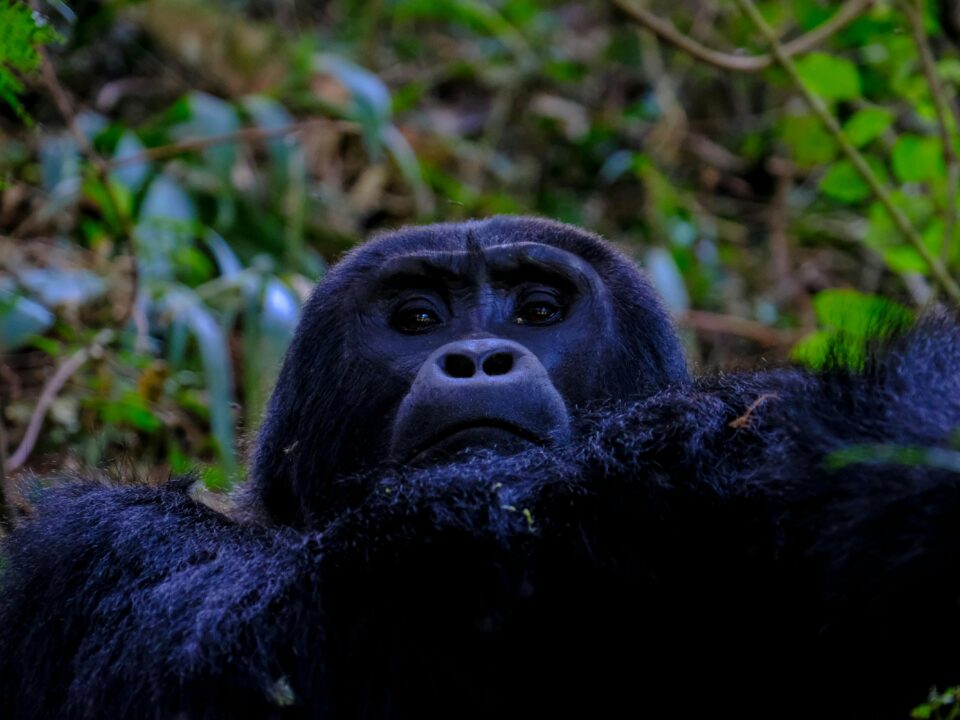
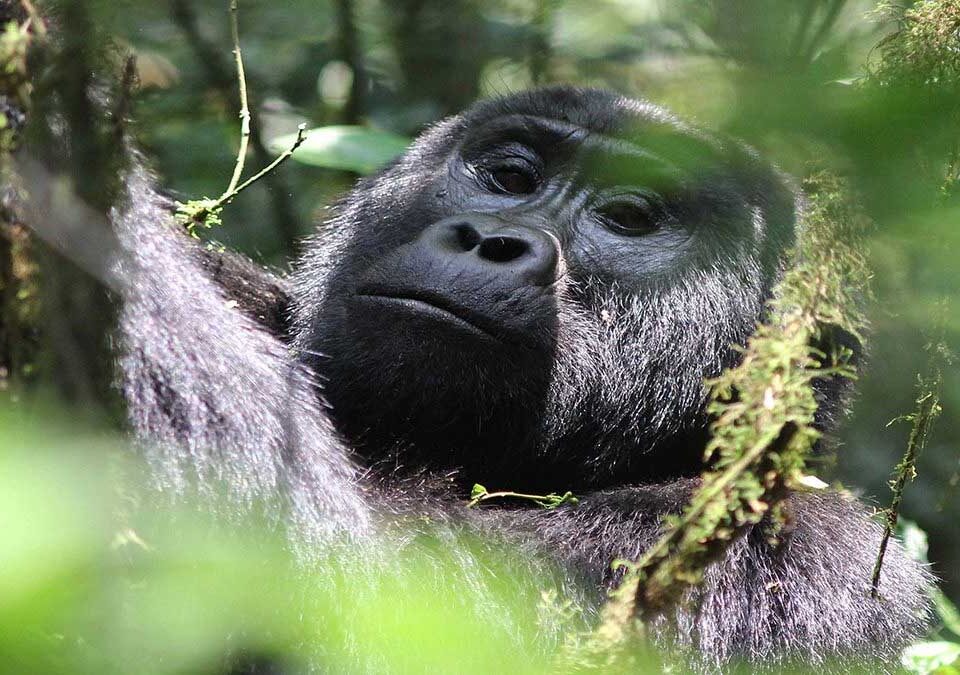
Mountain gorillas live in social groups commonly called families. These groups usually consist of a dominant silverback, several adult females, younger males, juveniles and infants, although their composition varies. The silverback typically plays an important role in protecting the group, maintaining social relationships and guiding its movements.
Gorilla trekking takes place in protected habitats where certain gorilla families have become accustomed to the controlled presence of people. This process, known as habituation, allows trained rangers, trackers, researchers and authorised visitors to observe the gorillas without the animals reacting as they would to unfamiliar human presence.
In Uganda, mountain gorilla trekking takes place in Bwindi Impenetrable National Park and Mgahinga Gorilla National Park. Bwindi is divided into four principal trekking sectors: Buhoma, Ruhija, Rushaga and Nkuringo. Mgahinga offers a different setting within the Virunga volcanic landscape.
In Rwanda, gorilla trekking takes place in Volcanoes National Park, where habituated families occupy the forested and volcanic slopes of the Virunga Mountains.
Each family has its own social structure, movement patterns and territory. Some groups may be found relatively close to a trailhead on a particular day, while others may require a longer walk through steep, muddy or densely vegetated terrain.
This is why selecting a gorilla family is not simply a matter of choosing the group that appears most attractive in a description. The location of the family, its movements, conservation considerations and the park’s allocation procedures all influence the experience.
Can You Choose Which Gorilla Family You Trek in Uganda?
In Uganda, you may be able to request a particular gorilla family, but you should not assume that your preference will be guaranteed.
The Uganda Wildlife Authority manages gorilla trekking permits and the allocation of visitors to habituated families. The specific arrangements can depend on the sector and date you book, the permits available, the families open for tourism and the operational decisions made by the park authorities.
For this reason, it is important to distinguish between expressing a preference and securing a confirmed assignment. A request made through a tour operator may sometimes be accommodated when the appropriate allocation is available, but the final decision rests with the responsible authorities.
For example, you might prefer a family that is generally associated with a shorter trek because you are travelling with an older relative. Alternatively, you might hope to visit a particular family because you have read about its social history or want to observe a large group of gorillas.
These are reasonable preferences to communicate during the planning process. However, the most useful request is often based on the kind of experience you want rather than the name of a particular family.
If your main concern is physical difficulty, tell your safari planner that you would prefer a manageable walk. If you have a particular interest in a family that you have read about, mention that preference early so your operator can explain what may be possible for your selected date and sector.
Does Your Uganda Gorilla Permit Determine the Family?
Your permit booking is linked to a specific trekking date and sector, and the allocation arrangements for the family can vary according to the booking and park procedures. You should therefore confirm the precise details of your permit with your tour operator rather than assume that every booking works in exactly the same way.
The sector matters because the four Bwindi sectors operate in different parts of the forest. A booking for Buhoma does not simply allow you to choose any family in Rushaga or Nkuringo on the morning of your trek. Each sector has its own logistics and allocation arrangements.
Mgahinga is also separate from Bwindi. If you want to trek in Mgahinga, you need to organise a permit and itinerary appropriate to that destination.
This makes destination selection an important part of planning. Even when you cannot guarantee a particular family, you can make informed choices about where your trek begins, how strenuous your day may be and where you stay the night before the experience.
Can You Choose Which Gorilla Family You Trek in Rwanda?
In Rwanda, you generally cannot reserve a specific gorilla family as part of your advance booking. You book your gorilla trekking permit for the appropriate date, and the park’s team allocates visitors to available families according to the arrangements in place for that day.
The morning briefing at the park headquarters in Kinigi is an important part of this process. Rangers organise trekking groups and provide instructions before visitors head into Volcanoes National Park. Preferences relating to fitness and trekking difficulty may be communicated, but the allocation remains subject to the park’s decisions and the gorillas’ movements.
Suppose you are hoping for a relatively short trek. You can explain your preference to your tour operator before your safari and communicate it again during the briefing. The park team can consider the circumstances when allocating visitors, but no particular family or walking duration should be treated as guaranteed.
The same principle applies if you are interested in a family with a notable social history or a larger group. You can explain what interests you, but the park must balance visitor requests with the practicalities of locating the gorillas and managing responsible tourism.
Rwanda’s concentrated trekking system offers a straightforward starting point for planning because all standard mountain gorilla trekking takes place in Volcanoes National Park. However, the specific family you visit is still determined by the allocation process rather than by your choice alone.
Why Gorilla Family Allocation Is Not Entirely Up to Visitors
There are several important reasons why conservation authorities manage gorilla family assignments instead of allowing every traveller to select a group freely.
Gorilla Families Move Through the Forest
Mountain gorillas do not remain in one fixed location. They move to find food, rest, maintain social relationships and respond to changing conditions in their habitat. Their movements can take them across different elevations and through thick vegetation.
Trackers work to establish the gorillas’ locations and provide information that helps guide the day’s trekking activities. Even with this preparation, the exact route and time needed to reach a family can change.
A family that was relatively close to a trailhead on one day may move farther into the forest by the next morning. Another family that previously required a demanding climb may be easier to reach on a different day.
Consequently, a family that is commonly associated with an easier trek is not necessarily the easiest family to find on your particular trekking date.
Visitor Numbers Must Be Controlled
Gorilla tourism operates under strict limits designed to protect the animals and their habitat. Standard trekking visits are organised in small groups, with the commonly applied limit being eight visitors per habituated family per day. Exact arrangements should be confirmed with the relevant park authority.
Allowing unlimited visitors to select the same family would undermine these controls and could increase pressure on the animals. Allocation helps distribute visitors appropriately while supporting conservation objectives.
Visitor Safety Is a Priority
The forests in which mountain gorillas live can be steep, slippery and physically demanding. Some routes involve substantial elevation changes, thick undergrowth and uneven ground.
Rangers need to consider the conditions of the trail, the location of the gorillas and the capabilities of the visitors taking part. Matching trekkers to an appropriate outing is therefore more important than satisfying every preference for a named family.
Gorilla Welfare Comes First
Gorilla trekking is a wildlife encounter, not a staged performance. The animals must be allowed to behave naturally, and their welfare takes precedence over a visitor’s preferred itinerary.
A responsible allocation system helps maintain appropriate visitor numbers, minimise disturbance and support the long-term conservation of mountain gorillas.
At Exclusive Gorilla Journeys, we encourage travellers to approach family allocation with realistic expectations. The objective is to experience mountain gorillas responsibly, not to insist that wildlife follows a predetermined schedule.
Can You Request an Easier Gorilla Family?
Yes, you can communicate that you would prefer a less strenuous trek, and this is often more useful than requesting a family by name. However, an easier trek cannot be guaranteed because gorillas move freely through the forest and conditions change daily.
This consideration is particularly important for first-time trekkers, older travellers and visitors who are not accustomed to hiking at altitude. Gorilla trekking does not require you to be an experienced mountaineer, but you should be prepared for a walk that can involve steep slopes, slippery trails and several hours of movement.
Choosing a Trek Based on Physical Fitness
If you have limited hiking experience, explain your fitness level to your safari operator before the permit is booked. Your operator can help you select a suitable destination and trekking sector, discuss available options with the relevant authorities and advise you on how to prepare.
In Bwindi, the terrain and trekking conditions differ between Buhoma, Ruhija, Rushaga and Nkuringo. Some routes involve challenging climbs, while other outings may be less strenuous depending on the family’s location. Nkuringo, for example, is known for its mountainous terrain, while Buhoma can offer a range of trekking experiences depending on where the gorillas are found.
Ruhija sits at relatively high elevation, so the altitude may make walking more demanding for some visitors even when the distance is manageable. Rushaga also has varied terrain and offers access to several habituated families.
None of these sectors guarantees a short walk. The most suitable option depends on your fitness, the route, the weather and the location of the gorillas on the day.
Choosing a Trek for Older Travellers
Age alone does not determine whether someone can enjoy gorilla trekking. Many older visitors take part successfully when they prepare appropriately and select an itinerary that suits their abilities.
If you are arranging a trek for an older traveller, communicate any relevant mobility limitations to your operator well in advance. Ask about the available trekking arrangements, porter services and any assistance options offered by the park. A porter can carry a backpack and provide practical help on difficult sections of the trail, although this does not eliminate the physical demands of the hike.
You should also discuss accommodation location. Staying near your designated trekking sector reduces unnecessary travel on the morning of the trek and makes it easier to arrive rested and on time.
Where available, specialised assistance arrangements should be confirmed directly with the operator and park authorities before travel. Do not assume that every form of assistance can be arranged at short notice.
Does the Gorilla Trekking Sector Affect Which Family You Visit?
Yes. In Uganda, selecting the appropriate sector is one of the most important decisions you can make when planning a gorilla trekking safari.
The sector determines the general area in which your trek is organised, your reporting point and the accommodation locations that are most convenient. It also influences which habituated families may be available within the sector’s arrangements.
However, the sector is not a guarantee of a particular family or a specific walking distance.
Buhoma Sector
Buhoma is located in the northern part of Bwindi Impenetrable National Park. It is a popular base for gorilla trekking and offers a range of accommodation options, from comfortable mid-range lodges to luxury properties.
Travellers often choose Buhoma because of its established tourism infrastructure and the opportunity to combine gorilla trekking with other activities around the forest and neighbouring communities.
If you want to trek a particular family associated with Buhoma, communicate your preference before confirming your arrangements. The family available to you will depend on the park’s allocation procedures and the circumstances on your trekking date.
Ruhija Sector
Ruhija lies in the eastern part of Bwindi and offers a different setting from the northern sector. The area is known for cool conditions, forested hills and high elevations.
Visitors considering Ruhija should be comfortable with the possibility of walking at altitude. Even a route that appears short on a map can feel demanding when combined with steep terrain and humid conditions.
If your priority is a specific gorilla family, ask your operator to explain which options can realistically be considered for your chosen date. Avoid choosing Ruhija solely on the assumption that one family will always be easier to reach than another.
Rushaga Sector
Rushaga is situated in southern Bwindi and is known for having access to multiple habituated gorilla families. This makes it an attractive option for travellers interested in understanding the range of gorilla trekking experiences available in Uganda.
Rushaga is also associated with the Gorilla Habituation Experience, a separate activity that allows a limited number of visitors to spend an extended period observing gorillas that are still undergoing habituation. It is not the same as standard gorilla trekking, and it requires a different permit and advance planning.
If you want more time observing gorillas rather than simply hoping to see a particular family, discuss whether the habituation experience suits your interests, budget and travel dates.
Nkuringo Sector
Nkuringo lies in the southern part of Bwindi and is known for its dramatic mountain scenery and demanding terrain. The sector can appeal to visitors who enjoy active outdoor experiences and are comfortable with substantial walking.
The possibility of a strenuous trek should be considered when choosing accommodation and arranging transport. Staying close to the sector is particularly helpful when an early start is required.
If you have limited hiking experience or mobility concerns, explain these clearly before booking. Your operator can discuss whether another sector may be more appropriate.
What About Mgahinga Gorilla National Park?
Mgahinga Gorilla National Park is another option for gorilla trekking in Uganda. It forms part of the Virunga conservation landscape and offers a different experience from Bwindi’s extensive forest environment.
The park’s habituated gorilla family is commonly known as the Nyakagezi family. However, you should still confirm current permit availability and the park’s arrangements for your intended dates rather than assume a family visit is automatically available.
Mgahinga may suit travellers who want to combine gorilla trekking with other activities in the Virunga region, including golden monkey tracking and mountain scenery.
The choice between Bwindi and Mgahinga should therefore consider more than family preference. Travel logistics, accommodation, trekking conditions, availability and the wider itinerary all matter.
Which Gorilla Family Is Best to Trek?
There is no universally best gorilla family. The right choice depends on your interests, physical fitness and the type of encounter you hope to have.
Some travellers are fascinated by dominant silverbacks and social behaviour. Others want to observe mothers with infants, watch juveniles playing or learn about the history of a particular group. Some simply want a well-organised trek that matches their physical abilities.
The most important point is that you cannot guarantee a particular behaviour or sighting. Gorilla families are wild animals, and their activities change throughout the day.
If You Want to See a Large Gorilla Family
A large family may provide opportunities to observe several gorillas interacting within the same social group. You might see adults resting, young gorillas playing, mothers caring for infants and a silverback monitoring the group.
However, a larger group does not necessarily mean a better encounter. The gorillas may be spread across dense vegetation, and it may not be possible to see every member clearly during the allotted observation period.
Instead of focusing exclusively on family size, consider whether you would enjoy observing a variety of social interactions and whether the potential trek suits your abilities.
If You Want to See a Silverback
The dominant silverback is often one of the most memorable animals visitors encounter. His size, physical presence and interactions with other gorillas can make him a major focus of the experience.
Nevertheless, every gorilla family has its own social dynamics. A silverback may be resting, feeding or partly obscured by vegetation when you arrive. His behaviour cannot be arranged for visitors.
If observing a silverback is a priority, tell your operator about your interest. They can explain what is known about the available trekking options, while making it clear that a particular sighting cannot be promised.
If You Are Interested in Mothers and Infant Gorillas
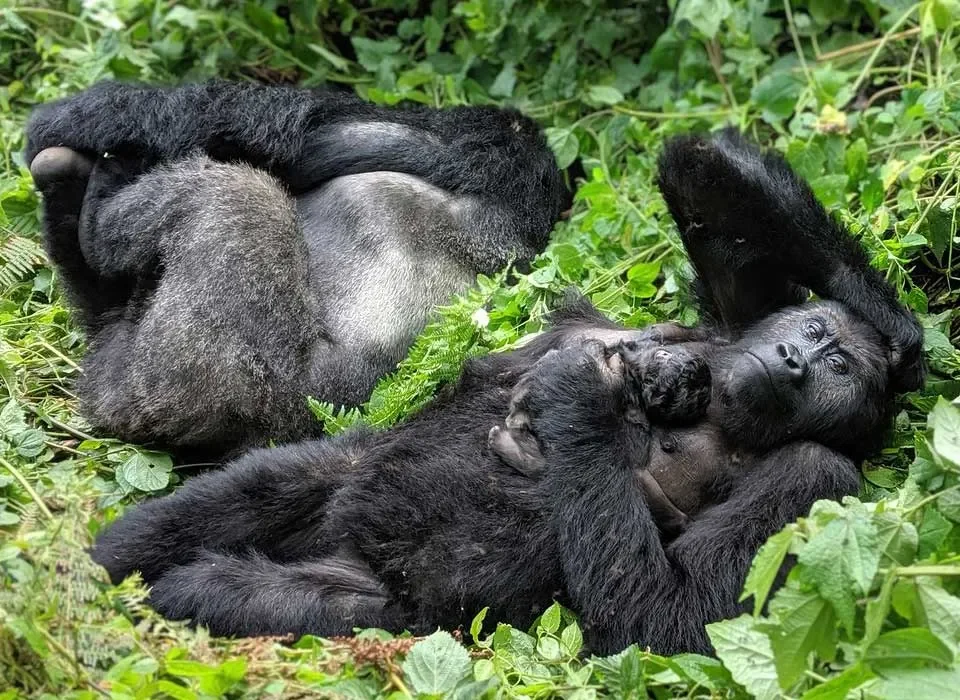
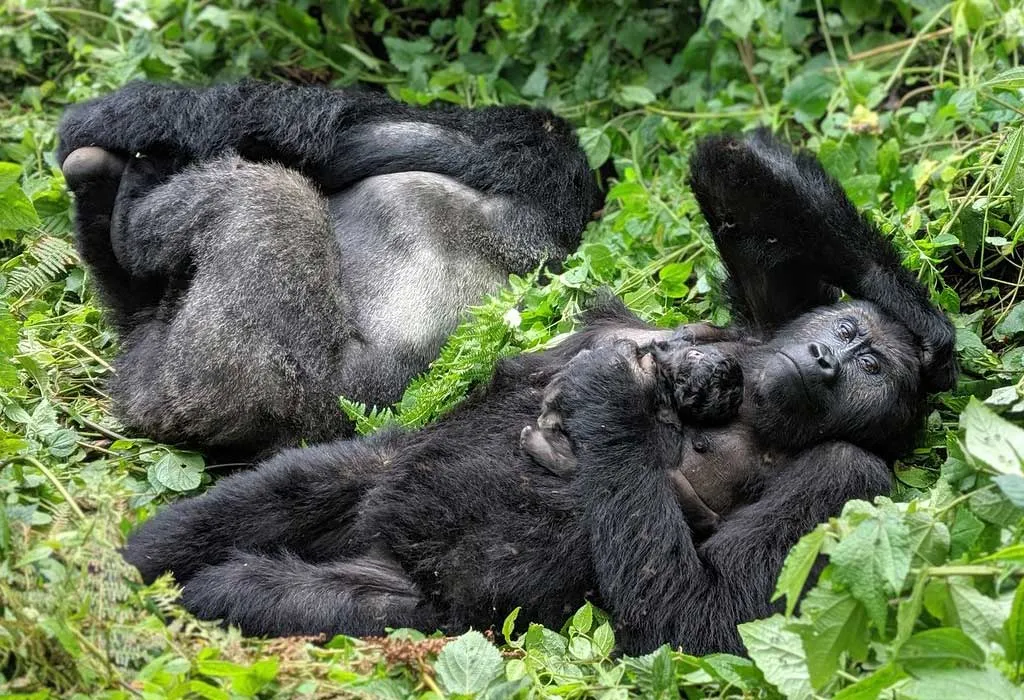
Observing a mother caring for her infant can be an especially moving part of gorilla trekking. Young gorillas may cling to their mothers, rest against them or begin exploring their surroundings under adult supervision.
However, the presence of a particular infant cannot be guaranteed. Births, group movements and changes in family composition mean that descriptions of gorilla families can become outdated.
The best approach is to focus on the natural behaviour you may witness rather than expecting a particular family member to appear.
If You Want to Learn About Gorilla Conservation
Both Uganda and Rwanda offer opportunities to learn about mountain gorilla conservation, habitat protection and responsible tourism.
Your ranger guide can explain gorilla behaviour, the importance of family relationships and the conservation measures that help protect these endangered primates. Your wider itinerary may also include community visits or other activities that deepen your understanding of the relationship between tourism and conservation.
If conservation history is your main interest, tell your safari planner. They can help you identify relevant activities and experiences without making promises about a specific gorilla family.
How to Improve Your Chances of Trekking Your Preferred Gorilla Family
Although no tour operator can guarantee that you will visit a specific family unless the park authority has explicitly confirmed the arrangement, careful planning can help you communicate your preferences and make informed decisions.
Book Your Gorilla Permit Early
The first step is to organise your gorilla trekking permit well before your intended travel date. Popular travel periods can have high demand, and waiting until the last minute may limit your choice of dates, sectors or available trekking arrangements.
In Uganda, foreign non-resident visitors generally arrange permits through a tour operator licensed by the Uganda Tourism Board, while other eligible categories may have additional booking options through the Uganda Wildlife Authority. Always confirm the applicable process and payment requirements before making a payment.
When booking through Exclusive Gorilla Journeys, explain your preferred trekking date, destination and any specific family or trekking requirements. This gives us an opportunity to advise you on realistic options before the rest of your safari is finalised.
Communicate Your Preferences Before the Trek
Do not wait until you arrive at the park to mention that you would prefer an easier walk or have an interest in a particular gorilla family.
Discuss your priorities during the initial planning stage. If you are interested in a specific family, ask whether a request can be submitted and what level of confirmation is possible. If your priority is physical comfort, explain your fitness and mobility requirements so that these can be considered during planning.
Your operator should distinguish between a preference that can be communicated and an allocation that the park has actually confirmed.
Choose Accommodation Near Your Trekking Sector
Your accommodation location can influence the convenience of your gorilla trekking day. Because briefings take place early in the morning, staying near the relevant sector can reduce driving time and allow you to begin the day with less stress.
For example, a traveller trekking in Buhoma should generally look for accommodation convenient to Buhoma rather than automatically choosing a lodge in another part of Bwindi. The same principle applies to Ruhija, Rushaga and Nkuringo.
If your itinerary includes several destinations, your operator can help organise overnight stays around your trekking permit and planned activities.
Prepare for Different Trekking Conditions
Even if you have requested a relatively easy trek, you should prepare for a physically demanding walk. Wear sturdy hiking boots with good grip, carry drinking water and dress in comfortable layers suitable for a cool, humid forest environment.
Regular walking, hill training and stair climbing before your trip can help improve your stamina. A walking stick and porter may also be useful, depending on your needs and the arrangements available.
Being prepared allows you to enjoy the encounter more comfortably, even if the family is farther away than expected.
Remain Flexible on the Day
Flexibility is essential because wildlife does not follow a fixed itinerary. Rangers make decisions based on the available information, the gorillas’ movements and the practical requirements of the day’s treks.
A different family from the one you initially wanted may offer an equally rewarding encounter. Rather than viewing the allocation as a disappointment, approach it as an opportunity to observe a different social group and learn more about mountain gorillas.
Can You Change Your Gorilla Family on the Morning of the Trek?
You should not assume that you can change families simply because you prefer another group.
In Uganda, family allocation depends on the permit arrangements and the decisions of the Uganda Wildlife Authority. In Rwanda, allocation is managed by the park authorities. Neither process gives visitors an unrestricted right to change families after arriving at the briefing.
If you have a genuine concern, such as a physical limitation that makes a proposed trek unsuitable, communicate it respectfully to the ranger team before departure. They can explain whether any alternative arrangements are possible.
A preference for a different family, however, does not automatically justify reassignment. Availability, visitor numbers, conservation requirements and the location of the gorillas all influence what can be arranged.
For this reason, it is better to discuss your needs before booking than to depend on making changes at the last moment.
Does Choosing a Gorilla Family Affect the Permit Price?
Generally, the permit price is determined by the destination, permit category and applicable visitor eligibility rather than the popularity of an individual gorilla family.
In Uganda, standard gorilla trekking and the Gorilla Habituation Experience are separate products with different permit requirements. The habituation experience offers a longer observation period and is subject to its own availability and conditions.
In Rwanda, mountain gorilla trekking permits are also organised according to the country’s applicable permit categories and regulations.
Because prices and booking conditions can change, you should confirm the current rates when arranging your safari. Your budget should also account for accommodation, transport, meals, porter services and any additional activities.
Do not pay an unofficial premium to someone who claims to guarantee a desirable family without verifiable authorisation from the relevant park authority.
What Should You Ask Your Tour Operator Before Booking?
Before confirming your gorilla trekking safari, ask which park and sector are most appropriate for your interests, how the family allocation process works for your chosen destination and whether your preferred family can be requested.
You should also clarify whether your permit is confirmed, which reporting point you must reach, how long the transfer will take and whether your accommodation is conveniently located.
If you have physical limitations, ask about trekking difficulty, porter availability and any additional assistance that may be arranged. If your interest is conservation or gorilla behaviour, discuss whether a standard trek or the Gorilla Habituation Experience is more appropriate.
These conversations help you understand what you are paying for and avoid unrealistic expectations.
At Exclusive Gorilla Journeys, our approach is to match your safari arrangements to your interests, available permits and practical needs. We can help you understand the options, communicate your preferences and plan the logistics while respecting the final authority of the park management.
Is the Gorilla Habituation Experience Better If You Want a Specific Family?
The Gorilla Habituation Experience is worth considering if your main objective is to spend more time observing gorillas and learning about their gradual adjustment to human presence.
In Uganda, this experience is associated with the Rushaga sector of Bwindi Impenetrable National Park. Unlike standard trekking, which typically allows one hour with a habituated family once it is located, the habituation experience allows a longer period with a semi-habituated group under the applicable rules. It requires a separate permit and should be booked in advance.
However, choosing the habituation experience does not mean you can select any gorilla family you want. The activity follows its own allocation arrangements, and the particular group available depends on the park’s operations.
It may be a suitable option for wildlife enthusiasts, photographers and travellers who want to learn more about the habituation process. The longer outing can also require greater patience and physical endurance.
If your priority is simply to see mountain gorillas, a standard trek may be sufficient. If you want a more extended experience and are interested in the conservation work behind habituation, discuss the alternative with your safari planner.
Frequently Asked Questions About Choosing a Gorilla Family
Can I book a specific gorilla family in Uganda?
You can communicate a preference and, in some circumstances, a request may be accommodated. However, you should not assume that the family is guaranteed until the relevant authority has confirmed the allocation. Permit availability, sector arrangements and conservation requirements affect the outcome.
Can I choose a gorilla family in Rwanda?
You generally cannot reserve a specific family in advance. You can communicate preferences, particularly about trekking difficulty, but the park authorities manage the final allocation according to the conditions and arrangements on the day.
Which gorilla family is easiest to trek?
There is no family that is guaranteed to be the easiest on every date. The distance and difficulty depend on where the gorillas have moved, the terrain and the weather. Tell your tour operator if you prefer a less strenuous trek so that suitable options can be discussed.
Can I choose a family with baby gorillas?
You can express an interest in observing mothers and infants, but no particular sighting can be guaranteed. Family composition changes naturally, and the gorillas decide how they behave during your visit.
Can I request a particular silverback?
You can explain your interest in a particular silverback or family to your tour operator. Whether that preference can be accommodated depends on the allocation arrangements. Neither the presence of a particular gorilla nor its behaviour should be guaranteed.
Can I visit two gorilla families on the same day?
A standard gorilla trekking permit generally covers one visit to one habituated family, with the prescribed observation period. Visiting another family would require separate authorisation and an arrangement permitted by the relevant authorities. Do not assume that a second visit can be added to your itinerary on the day.
Should I choose Bwindi or Rwanda if I want more control over my trek?
Neither destination gives you unrestricted control over which gorilla family you visit. Uganda offers several trekking sectors and two national parks, giving you more options when selecting the general location of your trek. Rwanda concentrates mountain gorilla trekking in Volcanoes National Park.
The best destination depends on your travel plans, budget, preferred landscape, accommodation and trekking requirements rather than an expectation that you can freely select a family.
How far in advance should I arrange my gorilla trekking safari?
Booking several months ahead is a sensible approach, particularly if you plan to travel during a busy season or have fixed travel dates. Early planning gives you more opportunity to secure a suitable permit date, choose accommodation and organise transport. Exact availability depends on the destination and your intended dates.
Plan Your Gorilla Trekking Safari with Exclusive Gorilla Journeys
Choosing which gorilla family to trek is an understandable part of planning a mountain gorilla safari. You may have a particular silverback in mind, hope to see infant gorillas, prefer a larger family or simply want a manageable walk through the forest.
The important thing to understand is that you can express your preferences, but you cannot assume that you will have the final say over your gorilla family allocation. Uganda and Rwanda manage these arrangements to protect gorillas, control visitor numbers and respond to the animals’ movements.
The most effective strategy is to choose the right destination and trekking sector, book your permit early, communicate your interests clearly and prepare for the physical demands of the forest.
Exclusive Gorilla Journeys can help you plan these details, from selecting between Bwindi, Mgahinga and Volcanoes National Park to arranging permits, accommodation and transport. We can also advise you on the differences between standard gorilla trekking and the Gorilla Habituation Experience in Uganda.
Your safari should be built around a realistic understanding of what can be arranged, with enough flexibility to appreciate the experience that nature provides. When you stand in the forest and watch a mountain gorilla family interacting naturally, the encounter can be extraordinary regardless of whether it is the family you initially hoped to see.
Contact Exclusive Gorilla Journeys to begin planning your Uganda or Rwanda gorilla trekking safari, discuss your preferred trekking experience and find the arrangements that best suit your interests, fitness and travel dates.