
How Fit Do You Need to Be for Gorilla Trekking?
October 18, 2026
Can You Choose Which Gorilla Family You Trek?
October 18, 2026
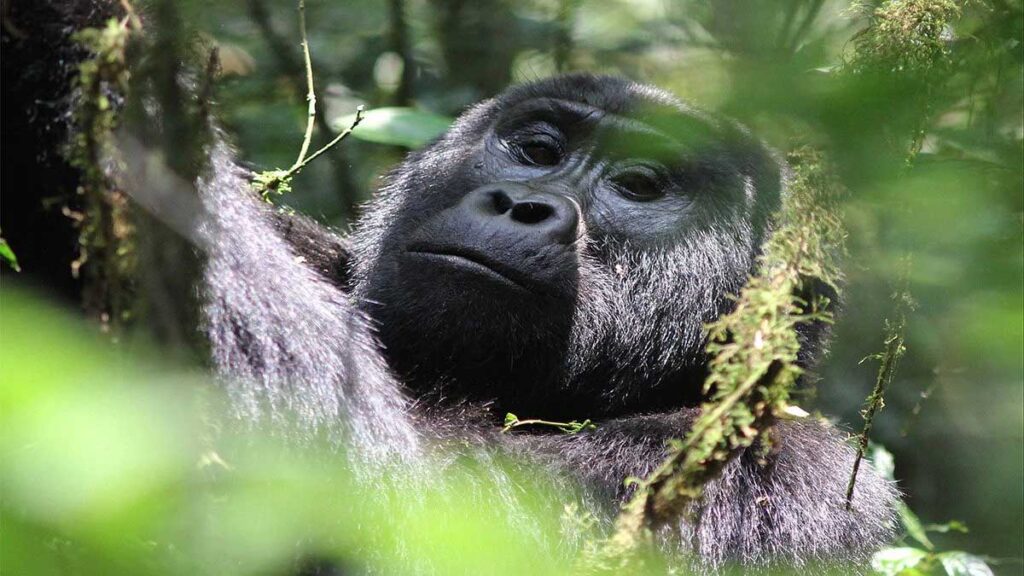
Gorilla trekking in Uganda is one of the most rewarding wildlife experiences in Africa. It takes visitors into the lush tropical forests of Bwindi Impenetrable National Park and Mgahinga Gorilla National Park, where endangered mountain gorillas live in their natural habitat. Encountering a gorilla family at close range is an unforgettable experience, but reaching these remarkable animals can require considerable physical effort.
Preparing physically for gorilla trekking in Uganda is an important part of planning a successful safari. The trek may involve walking for several hours through dense vegetation, climbing steep slopes, crossing uneven ground and navigating muddy trails. Depending on the location of the assigned gorilla family, visitors may also encounter slippery roots, narrow paths, thick undergrowth and changes in elevation.
The good news is that you do not need to be an athlete, a professional hiker or exceptionally fit to enjoy gorilla trekking. With the right preparation, most healthy travellers can improve their endurance, build confidence on uneven terrain and manage the physical demands of the forest more comfortably.
At Exclusive Gorilla Journeys, we believe that proper preparation helps visitors enjoy their gorilla trekking experience with greater confidence and peace of mind. Training before your safari allows you to focus more on the incredible wildlife encounter rather than worrying about tired legs, breathlessness or the challenges of the trail.
This guide explains how to prepare physically for gorilla trekking in Uganda, including the best exercises, recommended training schedules, stamina-building techniques, strength exercises, preparation for steep terrain and practical ways to protect your body during the trek. It also explains how to prepare if you are a beginner, an older traveller or someone who has limited time to exercise before travelling.
Understanding the Physical Demands of Gorilla Trekking in Uganda
Before starting a training programme, it is helpful to understand what gorilla trekking involves. The physical demands vary considerably because mountain gorillas move freely through the forest rather than remaining in one fixed location.
Rangers and trackers locate the habituated gorilla families and guide visitors towards them. The distance covered depends on where the gorillas are found on the day of the trek, the terrain between the starting point and their location, and the movements of the animals.
Some treks are relatively short and manageable, while others involve several hours of challenging hiking. There is no reliable way to guarantee the exact duration, distance or difficulty in advance.
Walking on Steep and Uneven Terrain
Bwindi Impenetrable National Park is characterised by steep hills, deep valleys and dense montane forest. Some routes involve continuous climbing, while others alternate between uphill and downhill sections. Mgahinga Gorilla National Park also presents mountainous terrain, with slopes influenced by the volcanic landscape of the Virunga Mountains.
Walking uphill requires sustained effort from the heart, lungs and leg muscles. Descending places additional demands on the thighs, knees and ankles, particularly when the ground is slippery or uneven.
Physical preparation should therefore include more than ordinary walking on flat roads. Training on hills, stairs and varied surfaces helps your body become accustomed to the movements required during the trek.
Walking Through Dense Forest Vegetation
Gorilla trekking is not the same as walking along a well-maintained city pavement. Forest vegetation may restrict visibility and movement, and some sections require careful foot placement to navigate roots, rocks, mud and natural obstacles.
You may need to take shorter steps, raise your feet over vegetation or adjust your balance when passing through narrow spaces. These movements engage the muscles around your hips, ankles and core.
Regular walking, balance exercises and strength training can help you develop the coordination needed to move more confidently through the forest.
Managing the Effects of Humidity and Rain
Uganda’s tropical forests can be humid, and rain may occur even when the day begins with clear skies. Warm, damp conditions can make physical activity feel more demanding, especially if you are not accustomed to exercising in them.
Sweating increases fluid loss, while wet clothing and muddy footwear may add to discomfort. Building your endurance gradually and practising hydration habits before your safari can help you manage these conditions.
The aim is not to train yourself to tolerate dangerous levels of heat or dehydration. Instead, prepare for sustained movement while learning to recognise when your body needs water, rest or a slower pace.
Spending Several Hours on Your Feet
Even when the walking pace is moderate, a gorilla trek can require prolonged physical activity. You may spend much of the morning walking, standing, waiting and adjusting your position as the group moves through the forest.
Your feet, calves, thighs, hips and lower back all contribute to maintaining comfort during this time. Improving general endurance and getting accustomed to your hiking footwear can reduce the likelihood of fatigue becoming the main focus of your experience.
How Fit Do You Need to Be for Gorilla Trekking?
You generally need a reasonable level of everyday fitness rather than exceptional athletic ability. Being able to walk for an extended period, climb stairs without excessive difficulty and recover after moderate exertion provides a useful starting point.
However, ordinary fitness does not automatically guarantee that a particular gorilla trek will feel easy. Someone who regularly cycles or goes to the gym may still find steep, muddy forest trails challenging if they rarely hike.
Similarly, a person who walks regularly, takes stairs and has some experience with uneven outdoor terrain may be well prepared without following an intensive gym programme.
The most useful approach is to build the specific abilities that gorilla trekking requires. These include cardiovascular endurance, leg strength, balance, joint stability and the ability to remain active for several hours.
Your preparation should also reflect your individual circumstances. A traveller who leads a sedentary lifestyle may need more time to build endurance than someone who already hikes regularly. A person with a history of knee problems may need a different training approach from someone without joint concerns.
If you have a chronic medical condition, significant mobility limitations, unexplained breathlessness or concerns about exercising safely, consult a qualified healthcare professional before beginning a demanding programme.
Start Your Physical Preparation Early
The amount of time you have before your gorilla trekking safari influences how you should train. Starting early gives your muscles, joints and cardiovascular system time to adapt to progressively longer walks and more challenging terrain.
For most travellers, beginning a structured programme six to twelve weeks before the trek is a sensible goal. If you are currently inactive or have difficulty walking uphill, starting three or four months in advance may be more appropriate.
Preparing Three Months Before Your Trek
Three months gives you time to establish a strong fitness foundation without rushing. Begin with manageable walks and gradually increase the duration as your stamina improves. If you are comfortable walking for 20 minutes, for example, work towards 30 minutes before progressing to longer sessions.
Include gentle hills or stairs when you feel ready. Add simple strength exercises to improve your ability to climb and descend, and practise balancing on one leg while holding a stable support if necessary.
During the first month, consistency matters more than intensity. Your objective is to establish a routine that you can maintain without excessive soreness or exhaustion.
During the second month, gradually introduce longer walks, more challenging inclines and outdoor routes with varied surfaces. During the third month, focus on sustaining activity for longer periods and becoming comfortable in the hiking footwear you intend to use in Uganda.
Preparing Six to Eight Weeks Before Your Trek
Six to eight weeks is sufficient for many travellers to make meaningful improvements, particularly if they already walk occasionally.
Aim to exercise regularly throughout the week, combining brisk walking with strength and balance training. Start with a duration that matches your present fitness and increase it gradually rather than attempting a long hike immediately.
At least once a week, try to complete a longer outdoor walk. Choose a route with some elevation if possible, and practise maintaining a steady pace over an extended period.
As your fitness improves, include stairs, hills or gentle hiking trails. These activities help you develop the leg strength and cardiovascular endurance needed for Bwindi’s forest slopes.
Preparing Two to Four Weeks Before Your Trek
If your safari is approaching, concentrate on improving your existing fitness without taking unnecessary risks. Regular walking remains valuable, and a few sessions on hills or stairs can help you become more comfortable with climbing.
However, avoid suddenly increasing your exercise volume to compensate for limited preparation time. Intense workouts that cause muscle strains, joint pain or exhaustion may leave you less prepared for the trek rather than more prepared.
Use this period to practise with your hiking boots, test your daypack, improve your hydration routine and identify any discomfort that needs attention.
During the final few days, reduce the intensity and volume of your exercise. Arriving rested and healthy is more useful than arriving with tired legs from a last-minute training challenge.
Build Cardiovascular Endurance Through Regular Walking
Cardiovascular endurance is one of the most important physical abilities for gorilla trekking in Uganda. It helps your heart and lungs support your muscles during sustained activity, particularly when walking uphill.
You do not need to start running long distances to develop this ability. Brisk walking, hiking, cycling and swimming can all contribute to cardiovascular fitness.
Begin With Brisk Walking
Walking is one of the most practical ways to prepare because it closely resembles the main activity you will undertake during your gorilla trek.
Start with manageable sessions on relatively level ground. As your endurance improves, increase the duration before making the route significantly more difficult.
A useful goal is to become comfortable walking continuously for 45 to 60 minutes at a moderate pace. If you already exercise regularly, you may be able to progress towards longer walks of 90 minutes or more.
These are training targets rather than minimum entry requirements. Your programme should reflect your current fitness, and you should increase the duration only when you can complete the existing workload comfortably.
Use the Talk Test to Control Your Pace
You should not have to exercise at maximum intensity to improve your endurance. Moderate exercise is often the best starting point for someone preparing for a multi-hour trek.
The talk test is a simple way to assess intensity. During moderate exercise, you should generally be able to speak in complete sentences, although you may breathe more heavily than you would at rest.
If you cannot say more than a few words without stopping to catch your breath, slow down. Walking at a sustainable pace for a longer period is more useful for gorilla trekking preparation than repeatedly exhausting yourself.
This is particularly important when practising on hills. Shorten your stride, maintain a comfortable rhythm and allow your breathing to settle before increasing the effort.
Include Cycling or Swimming
Walking should remain a central part of your preparation, but other aerobic activities can help build fitness while reducing repetitive impact on your joints.
Cycling develops cardiovascular endurance and strengthens the muscles used in leg movement. Swimming provides a full-body aerobic workout without the same weight-bearing demands as walking.
These activities are useful if you are returning to exercise after a period of inactivity or need alternatives because of joint sensitivity. However, they cannot fully replace practising on your feet, especially when your goal is to become comfortable on uneven forest trails.
Train on Hills and Stairs
One of the most effective ways to prepare physically for gorilla trekking is to practise climbing and descending. The forest terrain around Bwindi and Mgahinga can place considerable demands on the legs, even when the overall walking distance is not especially long.
Practise Walking Uphill
Uphill walking strengthens the quadriceps, gluteal muscles and calves while challenging your cardiovascular system.
Find a gentle hill and walk up at a pace that allows you to maintain control of your breathing. Begin with a few uphill sections, then gradually increase the number of repetitions or the length of the climb.
Avoid racing to the top. Gorilla trekking is not a competition, and the ability to maintain a steady pace is more useful than short bursts of speed.
If you live in an area without accessible hills, a staircase or treadmill with an incline can provide a practical alternative. Start conservatively and use a handrail when necessary.
Practise Descending Safely
Downhill walking is an important part of preparation because it requires controlled movements and places additional demands on the muscles around your knees and hips.
When descending, your quadriceps work to control the lowering of your body. If these muscles are unprepared, your thighs may become sore and your knees may feel uncomfortable during a long walk.
Practise descending gentle slopes with short, controlled steps. Avoid running downhill or taking unnecessarily long strides.
If you have knee pain, a history of falls or problems with balance, seek professional advice before introducing demanding downhill training. Walking poles may provide additional stability, but they do not eliminate the need to manage your pace and footing carefully.
Use Stairs When Outdoor Hills Are Unavailable
Stair climbing is a convenient exercise for travellers preparing in cities. It develops leg strength and endurance while allowing you to control the intensity of the workout.
Begin with one or two flights at a comfortable pace, depending on your fitness. Increase the duration gradually as your body adapts.
During descent, hold the handrail if needed and step carefully. If stairs cause knee pain or dizziness, stop and choose a more suitable activity.
The goal is to build functional strength, not to complete the greatest possible number of steps.
Strength Exercises for Gorilla Trekking
Cardiovascular endurance helps you keep moving, but strength allows you to move more efficiently over uneven ground. A simple strength programme can improve your ability to climb, control descents and maintain stability while carrying a small backpack.
Two strength sessions a week can be a useful starting point for many healthy adults. Allow adequate recovery between sessions, and begin with bodyweight exercises before introducing additional resistance.
Squats for Stronger Thighs and Hips
Squats strengthen the quadriceps, gluteal muscles and other muscles involved in standing, climbing and lowering your body.
Stand with your feet approximately shoulder-width apart. Bend your knees and hips as though you are sitting on a chair, keeping your movements controlled. Return to standing without rushing.
Start with a shallow squat if a deep movement feels uncomfortable. Use a chair for support if necessary.
As your strength improves, gradually increase the number of repetitions or the depth of the movement, provided you can maintain good technique without pain.
Step-Ups for Climbing Strength
Step-ups closely resemble the movement required to climb stairs, hills and natural forest obstacles.
Using a low, stable step, place one foot on the surface and raise your body in a controlled manner. Step down carefully, then repeat with the other leg.
Begin with a low platform and a small number of repetitions. Increase the height only when you can maintain balance and control.
Avoid using unstable furniture or makeshift platforms. Safety matters more than the height of the step.
Lunges for Leg Control
Lunges strengthen the thighs and hips while challenging balance. They can help prepare your legs for the changing positions required on uneven terrain.
Take a comfortable step forward, bend your knees slightly and lower your body only as far as you can control. Return to the starting position and repeat on the other side.
If a full lunge feels uncomfortable, use a supported split squat or another exercise recommended by a qualified trainer.
Do not push through knee or hip pain. The objective is to improve strength while keeping your joints healthy.
Calf Raises for Ankle and Lower-Leg Endurance
Your calf muscles work repeatedly during uphill walking, while stepping over roots and adjusting your footing.
To perform calf raises, stand near a wall or stable support. Rise slowly onto the balls of your feet, pause briefly, then lower your heels with control.
Begin with a manageable number of repetitions and increase gradually as your endurance improves.
Strong calves alone will not prevent ankle injuries, but strengthening the lower legs contributes to the overall conditioning needed for sustained walking.
Core Exercises for Stability
Your core muscles help stabilise your torso when you lean forward on a climb, step over obstacles or carry a daypack.
Exercises such as modified planks, bird-dogs and controlled standing balance movements can improve trunk stability.
For a bird-dog exercise, begin on your hands and knees. Slowly extend one arm and the opposite leg while keeping your torso steady. Return to the starting position and repeat on the other side.
Start with a few controlled repetitions rather than holding difficult positions for long periods. Consistent, pain-free practice is more useful than forcing your body into advanced exercises.
Improve Balance and Flexibility
Balance is especially important when walking through a forest where the ground may be covered with roots, leaves, stones and mud. You may need to adjust your foot placement frequently, even when moving at a slow pace.
Practise standing on one leg near a wall or sturdy chair. Begin with short periods and use support whenever necessary. As your balance improves, you can gradually increase the duration.
Gentle mobility exercises for your ankles, hips and calves can also help you move comfortably. Include controlled ankle circles, calf stretches and gentle hip movements in your warm-up or cool-down routine.
Stretching should feel comfortable rather than painful. It is not necessary to force your joints into extreme positions to prepare for gorilla trekking.
If you have a history of falls or significant balance problems, consider working with a physiotherapist or qualified exercise professional to choose appropriate exercises.
A Practical Weekly Training Plan for Gorilla Trekking
A structured weekly routine makes preparation easier because you know what to practise and how to progress. The following example is suitable as a starting framework for a generally healthy adult who can already walk comfortably. If you are new to exercise, begin with shorter sessions and build up gradually.
The schedule below is a training example, not a medical prescription. Adjust the duration and intensity to your abilities.
| Day | Training activity | Suggested duration |
|---|---|---|
| Monday | Brisk walking on level ground | 30–45 minutes |
| Tuesday | Squats, step-ups, calf raises and core exercises | 20–30 minutes |
| Wednesday | Walking on hills or climbing stairs | 25–40 minutes |
| Thursday | Rest or gentle mobility exercises | 10–20 minutes |
| Friday | Brisk walking or cycling | 30–45 minutes |
| Saturday | Longer outdoor walk on varied terrain | 60–90 minutes initially |
| Sunday | Rest and recovery | As needed |
As your endurance improves, extend your Saturday walk towards two or three hours if you have enough preparation time and can do so comfortably. You can also gradually increase the difficulty of your midweek hill sessions.
The longer walks should remain manageable. You do not need to reproduce the hardest possible gorilla trek during training, and there is no benefit in completing an exhausting hike that leaves you unable to exercise for several days.
If you cannot comfortably complete a session, reduce its duration or difficulty. Consistent training over several weeks is more valuable than following a demanding schedule that exceeds your current ability.
How to Progress Without Overtraining
Your body needs time to adapt to a new workload. Increase one aspect of training at a time, such as walking duration, hill difficulty or the number of strength repetitions.
Pay attention to how you feel during the session and the following day. Mild muscle tiredness can occur when beginning a new routine, but persistent joint pain, significant swelling or unusual breathlessness should not be ignored.
Take an additional recovery day when needed. If symptoms are severe, unusual or persistent, stop training and seek appropriate medical advice.
Practise With Your Gorilla Trekking Boots
Your fitness preparation should include the footwear you plan to wear in Uganda. Even strong, fit hikers can experience discomfort if their boots rub, their soles lack grip or their footwear has not been broken in.
Choose sturdy hiking boots with good traction, a secure fit and sufficient support for uneven, potentially muddy terrain. Waterproof or water-resistant footwear can be helpful, although no boot guarantees completely dry feet in every forest condition.
Wear your boots during regular walks well before departure. Start with short sessions, then use them for progressively longer walks as long as they remain comfortable.
This helps you identify pressure points, heel movement, rubbing and other problems before trek day. It also allows you to test the socks you intend to wear.
Avoid wearing brand-new boots for the first time during your gorilla trek. Blisters and foot pain can make a long forest hike much more difficult.
If you use orthotic insoles or normally wear particular hiking socks, test them together with your boots during training. Small adjustments made before travelling can prevent significant discomfort later.
Build Endurance With a Backpack
Gorilla trekking generally does not require you to carry heavy camping equipment, but you may need a small daypack for water, snacks, rain protection and personal essentials.
Practising with a light backpack helps you become familiar with its fit and weight. Begin with only a few essentials and carry the pack during some of your longer training walks.
Make sure the straps are adjusted correctly and that the pack does not swing excessively as you move. Keep the load as light as practical, especially if you have back or shoulder discomfort.
You do not need to train with a very heavy pack. Excess weight can increase fatigue and put unnecessary strain on your joints.
At Exclusive Gorilla Journeys, we encourage travellers to consider hiring a local porter for their gorilla trek. A porter can carry your daypack and may offer a helping hand on difficult sections of the route. This service can reduce the physical burden of carrying equipment while supporting local livelihoods.
However, a porter does not remove the need for basic fitness. You will still need to walk through the forest, manage uneven ground and remain comfortable with the duration of the trek.
Prepare for Uganda’s Elevation and Climate
Both Bwindi and Mgahinga are mountainous destinations in southwestern Uganda. The elevation can make physical activity feel more demanding for travellers arriving from lower-altitude locations, particularly during strenuous uphill walking.
The degree of effect varies from person to person. Spending time at altitude before your trek may help you adjust to the destination, but a short stay does not guarantee that you will have no symptoms.
Do not assume that physical fitness protects you from altitude-related illness. If your itinerary includes substantially higher elevations, especially sleeping above approximately 2,500 metres, review appropriate altitude precautions with a healthcare professional.
Avoid Exhausting Yourself in the Heat
You may be tempted to practise in hot weather to prepare for Uganda’s tropical conditions. However, deliberately exercising in excessive heat is unnecessary and can be dangerous.
Choose comfortable conditions for most training sessions, drink fluids regularly and increase exercise intensity gradually. If you exercise outdoors in warm weather, take breaks and pay attention to signs of overheating.
Dizziness, nausea, headache, unusual weakness or feeling faint are reasons to stop, move to a cooler place and assess your condition. Severe symptoms, confusion or collapse require urgent medical assistance.
The purpose of physical preparation is to improve your ability to complete the trek safely, not to prove that you can tolerate extreme conditions.
Practise Drinking Water During Exercise
Hydration is an important part of endurance training. Begin your trek well hydrated and carry enough drinking water for the planned activity.
During training, practise taking regular drinks rather than waiting until you feel extremely thirsty. Your fluid requirements depend on your body size, the weather, exercise intensity and how much you sweat.
Avoid forcing yourself to drink excessive amounts of water. For longer activities in hot conditions, food and electrolytes may also be relevant, particularly when sweating heavily.
For your gorilla trek, follow your guide’s instructions about carrying and accessing water. Your tour operator can help you prepare suitable provisions based on the expected itinerary.
Eat Well While Preparing for Gorilla Trekking
Training is more effective when your body receives adequate nutrition. You do not need an expensive diet or specialised supplements to prepare for a gorilla trek. Regular, balanced meals can provide the energy needed for exercise and recovery.
Include carbohydrate-rich foods such as rice, potatoes, sweet potatoes, oats, bread, bananas and other fruits. Carbohydrates help fuel walking and other endurance activities.
Protein-rich foods, including beans, peas, eggs, fish, dairy products and lean meat, help support muscle repair and recovery. Vegetables, fruit and other varied foods provide additional nutrients important for general health.
Eat enough to support your activity level rather than combining a demanding training programme with severe calorie restriction. Losing weight is not a requirement for gorilla trekking, and crash dieting may leave you tired and undernourished.
Eat Before Longer Training Walks
For a longer walk, have a familiar meal or snack that provides energy without causing digestive discomfort. Depending on the timing, this might be porridge, bread, fruit or another food you tolerate well.
If you plan to walk for several hours, practise carrying a small snack and eating it when needed. This helps you understand which foods are convenient and comfortable during exercise.
On the day of your gorilla trek, eat breakfast before setting out, following your operator’s schedule and any relevant medical dietary instructions. Carry suitable snacks if permitted and recommended for your trek.
Do not experiment with unfamiliar supplements, restrictive diets or unusually large meals immediately before the activity.
Prepare Mentally for a Long Trek
Physical fitness is important, but mental preparation also influences how comfortably you manage the experience.
Gorilla trekking requires patience because the duration is uncertain. The forest may be quiet in some places and physically demanding in others. You might feel energetic at the beginning but tired later, particularly if the trail involves prolonged climbing.
Practising longer walks teaches you how your body responds to sustained activity. You learn when to slow down, how to regulate your breathing and how to continue at a manageable pace rather than exhausting yourself early.
Develop a Steady Walking Rhythm
During training, avoid starting every walk too quickly. Begin gently, allow your body to warm up and increase your pace only when you feel comfortable.
On uphill sections, take short steps and pause when necessary. On descents, focus on balance and controlled movement rather than speed.
During the actual gorilla trek, follow the lead of the ranger guide and communicate if you need a short break. Your aim is to move safely and steadily, not to keep pace with the fastest person in the group.
Accept That the Trek May Take Longer Than Expected
Even a well-trained traveller may encounter a demanding route if the gorilla family is far from the starting point. Preparation should therefore focus on improving your ability to manage uncertainty rather than expecting a particular walking time.
Avoid judging your readiness solely by how quickly you can complete a familiar trail. The terrain, humidity, elevation and vegetation in Uganda may differ considerably from the environments where you usually exercise.
A flexible mindset helps you approach the day with realistic expectations. You can prepare thoroughly while recognising that no training programme can predict exactly how challenging your assigned trek will be.
Physical Preparation for First-Time Gorilla Trekkers
If this is your first gorilla trekking safari, you may be unsure whether your current fitness level is sufficient. The best way to assess your readiness is to look at what you can comfortably do now and how that compares with the demands of sustained hiking.
If you can walk for 30 minutes without difficulty, you have a useful starting point. Begin extending your walks and introduce gentle hills as your endurance improves.
If you become tired after a short walk or struggle with stairs, start earlier and progress more slowly. You may benefit from guidance from a healthcare professional or qualified fitness trainer, particularly if inactivity is related to a medical condition.
Avoid comparing yourself with experienced hikers. Your goal is to prepare your own body, not to achieve another person’s fitness level.
What If You Have Never Hiked Before?
You can begin preparing even if you have never gone hiking. Start with walks on familiar, level routes, then gradually introduce longer distances and gentle slopes.
Once you can comfortably walk for an extended period, practise on natural paths or park trails where the ground is slightly uneven. Choose safe routes and avoid difficult terrain until you have developed better balance and confidence.
Pay attention to how your feet, knees and hips respond. If you experience persistent pain, reduce the workload and seek professional advice when necessary.
The most important principle is to make gradual progress. There is no need to attempt a strenuous mountain hike simply because your gorilla trekking date is approaching.
Preparing for Gorilla Trekking as a Senior Traveller
Age alone does not determine whether someone can enjoy gorilla trekking. Older travellers have different levels of endurance, strength, mobility and medical fitness, so preparation should be based on individual ability rather than age alone.
If you are a senior traveller, begin your training early and place particular emphasis on comfortable walking, leg strength, balance and controlled movement on slopes.
Choose exercises that match your current abilities. Supported sit-to-stands, gentle step-ups, walking and simple balance exercises may be useful starting points. A physiotherapist or qualified exercise professional can help adapt the programme if you have arthritis, previous injuries or mobility limitations.
If you have heart or lung disease, uncontrolled blood pressure, significant joint problems or other health concerns, obtain medical advice before undertaking strenuous training or a demanding forest trek.
Discuss your physical needs with Exclusive Gorilla Journeys before booking. We can help you understand the expected trekking conditions, consider the available arrangements and plan an itinerary that takes your abilities into account.
Where available and appropriate, a porter or a mobility-assistance arrangement may help travellers who need additional support. Such arrangements should be discussed well in advance because availability, suitability and operating conditions can vary. Assistance should not be treated as a guarantee that every route will be accessible.
Can You Prepare for Gorilla Trekking in One Week?
One week is a short period in which to develop new physical fitness. Although you can use that time to improve familiarity with your footwear, establish sensible hydration habits and complete a few comfortable walks, it is not enough to reliably build substantial endurance or strength from a low starting point.
If your trek is only a week away, avoid suddenly starting an intensive exercise programme. Excessive training can cause muscle soreness, blisters or injuries that interfere with your safari.
Instead, take comfortable walks that match your current ability, practise using your hiking boots and get enough sleep. Avoid strenuous workouts in the final few days, particularly if they are unfamiliar to you.
If you are uncertain whether your fitness is adequate, discuss the situation with your healthcare professional and tour operator before travelling. It is better to make an informed decision than to assume that determination alone will overcome every physical limitation.
What to Do on the Morning of Your Gorilla Trek
Your physical preparation should continue into the morning of the trek, when small decisions can influence your comfort throughout the day.
Begin with a suitable breakfast and allow enough time to reach the designated briefing point. Follow your operator’s instructions about departure times, permits and the equipment you need.
Wear your broken-in hiking boots, comfortable trekking clothes and appropriate socks. Bring a waterproof layer because forest weather can change unexpectedly.
Carry drinking water and suitable snacks, along with any personal medication you normally need. Keep your daypack manageable rather than filling it with unnecessary items.
During the briefing, listen carefully to the ranger’s instructions. Tell the ranger or your guide about relevant physical limitations, recent injuries or concerns that could affect your ability to walk safely.
Once the trek begins, start at a comfortable pace. Take short steps on steep sections, use a walking stick if appropriate and pause when needed. Do not wait until you are completely exhausted before communicating that you need a break.
If you develop severe breathlessness, chest pain, dizziness or other concerning symptoms, stop and inform your guide immediately. Serious symptoms require prompt medical assessment rather than an attempt to push through the trek.
Remember that the objective is not to complete the journey as quickly as possible. It is to reach the gorillas safely and enjoy the encounter while following the ranger’s guidance and wildlife-protection rules.
The Role of Your Gorilla Trekking Sector in Physical Preparation
Uganda offers mountain gorilla trekking in Bwindi Impenetrable National Park and Mgahinga Gorilla National Park. Your training should prepare you for varied terrain, but understanding the location of your trek can help you plan more appropriately.
Bwindi has four main trekking sectors: Buhoma, Ruhija, Rushaga and Nkuringo. Each offers access to habituated gorilla families, but the difficulty of an individual trek depends on the family’s location, the terrain and the day’s conditions.
A trek in one sector is not guaranteed to be easier than a trek in another on every given day. Some routes may involve steep climbs and descents, while others may be more manageable. The actual walking requirements can change as gorillas move through their habitat.
Mgahinga’s volcanic landscape also calls for preparation for uphill and downhill walking. The presence of bamboo forest or more open vegetation in certain areas does not mean that the trek will necessarily be easy.
When arranging your safari with Exclusive Gorilla Journeys, explain your current fitness level, hiking experience and any mobility concerns. We can help you understand the available trekking options and discuss practical considerations when planning your accommodation and transport.
If your group includes people with different levels of fitness, discuss this before finalising your arrangements. Everyone should understand that the exact duration and difficulty of the trek cannot be guaranteed in advance.
Common Physical Preparation Mistakes to Avoid
One common mistake is relying entirely on gym workouts without practising outdoor walking. Strength exercises and cycling are useful, but they do not fully reproduce the balance and foot placement needed on uneven forest terrain.
Another mistake is leaving training until the final few days. Last-minute intensive workouts are unlikely to provide substantial fitness gains and may cause injuries or excessive fatigue.
Some travellers also focus only on uphill climbing while neglecting descents. Both directions require preparation, and descending safely is particularly important when the ground is wet or unstable.
Wearing untested footwear is another avoidable problem. Boots that seem comfortable in a shop may cause rubbing during a long walk, so test them before travelling.
Finally, do not assume that hiring a porter or using a walking stick means you can ignore fitness preparation. These forms of assistance can make the trek more manageable, but they do not eliminate the physical demands of walking through the forest.
The best approach combines gradual training, appropriate equipment, realistic expectations and open communication with your safari operator.
Why Physical Preparation Improves Your Gorilla Trekking Experience
Preparing physically for gorilla trekking is about more than reaching the destination. It also helps you enjoy the experience with less unnecessary discomfort.
When you have built your stamina, walking becomes more manageable and you may feel more confident navigating uneven ground. Stronger legs can help you control your movements on slopes, while improved balance can support safer foot placement.
Preparation can also reduce the anxiety that comes from not knowing whether you will manage a demanding hike. Instead of worrying throughout the journey about becoming exhausted, you can focus more fully on the forest environment, the sounds of wildlife and the anticipation of seeing mountain gorillas.
Nevertheless, good fitness does not guarantee a comfortable trek in every circumstance. Weather, trail conditions, altitude, illness and the location of the gorillas all influence the experience.
That is why preparation should be combined with responsible guiding, appropriate equipment and a willingness to adjust your pace when necessary.
Plan Your Uganda Gorilla Trekking Safari With Exclusive Gorilla Journeys
Gorilla trekking is an extraordinary wildlife experience, and preparing your body in advance is one of the most useful steps you can take before travelling to Uganda.
Whether you are a first-time safari traveller, an occasional walker or an experienced hiker, a sensible preparation programme can help you approach the trek with greater confidence. Start early where possible, build cardiovascular endurance through walking, strengthen your legs, practise on hills and uneven surfaces, and become comfortable with your trekking footwear.
If you have limited time to prepare, focus on safe, manageable activity rather than trying to transform your fitness overnight. Travellers with medical conditions or significant mobility limitations should seek professional advice and discuss their requirements before booking.
At Exclusive Gorilla Journeys, we help travellers plan memorable gorilla trekking experiences in Uganda, taking into consideration their interests, itinerary and practical travel needs. Our team can help you understand the trekking experience, plan your journey to Bwindi or Mgahinga and prepare for the requirements of the day.
Contact Exclusive Gorilla Journeys to discuss your gorilla trekking safari, the available trekking options and how to prepare for your encounter with Uganda’s magnificent mountain gorillas.
With realistic expectations, consistent training and the right support, you can approach your gorilla trekking adventure better prepared to appreciate one of Africa’s most remarkable wildlife encounters.