What Happens on the Day of Gorilla Trekking in Uganda?
October 12, 2026
Gorilla Trekking Rules in Uganda, What Every Visitor Should Know
October 12, 2026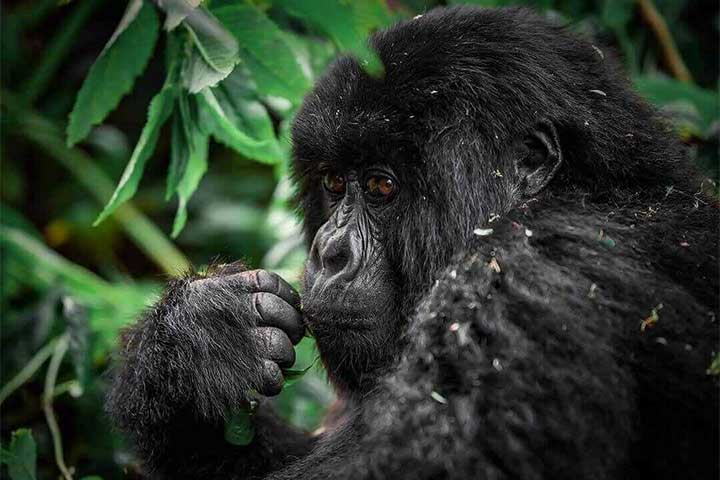
Gorilla trekking is one of the most extraordinary wildlife experiences in Africa, offering travellers an opportunity to encounter endangered mountain gorillas in their natural forest habitat. Deep in the mist-covered forests of Uganda and the volcanic mountains of Rwanda, these remarkable primates live in close-knit families, feeding, grooming, playing and caring for their young in an environment that has remained largely wild.
For many travellers, seeing mountain gorillas in the wild is a lifelong dream. However, planning a successful gorilla trekking safari involves more than securing a permit and travelling to a national park. Understanding what happens before, during and after the trek helps you prepare physically, choose suitable accommodation, pack the right equipment and appreciate the conservation principles that make this experience possible.
At Exclusive Gorilla Journeys, we help travellers plan meaningful gorilla trekking safaris that combine careful preparation, expert local guidance and unforgettable encounters with mountain gorillas. Whether you are visiting Uganda’s Bwindi Impenetrable National Park, Mgahinga Gorilla National Park or Rwanda’s Volcanoes National Park, knowing what to expect at every stage of the journey allows you to travel with greater confidence.
This comprehensive guide explains the entire gorilla trekking experience, from booking your permit and preparing for the forest to meeting a gorilla family and reflecting on your adventure afterwards.
Understanding the Gorilla Trekking Experience
Gorilla trekking is a guided wildlife activity in which visitors hike through a protected forest to locate a habituated mountain gorilla family. Habituation is the gradual process through which gorillas become accustomed to the presence of researchers, trackers and carefully controlled groups of visitors without losing their natural behaviour.
The experience takes place in mountainous terrain, dense vegetation and changing weather conditions. Unlike visiting a zoo or wildlife sanctuary, you do not know exactly where the gorillas will be when you begin your walk. They move through the forest to feed, rest and interact with other members of their family, so trackers work to locate them before and during the visitor trek.
Uganda offers gorilla trekking in Bwindi Impenetrable National Park and Mgahinga Gorilla National Park. Bwindi is particularly well known for its four trekking sectors: Buhoma, Ruhija, Rushaga and Nkuringo. Rwanda’s gorilla trekking experience takes place in Volcanoes National Park, part of the Virunga mountain landscape.
The trekking experience varies according to the gorilla family’s location, the terrain, the weather and the distance you need to walk. Uganda’s wildlife authority indicates that a trek can take approximately two to seven hours, although individual experiences vary. Visitors are generally permitted one hour with the habituated gorilla family once it has been located.
The journey is therefore both an adventure and a conservation experience. It requires patience, respect for wildlife and a willingness to adapt to the conditions of a natural forest.
What to Expect Before Gorilla Trekking
1. Booking Your Gorilla Trekking Permit
The first major step in planning your gorilla trekking safari is obtaining a valid permit. A gorilla trekking permit authorises you to participate in the guided activity on a specific date and under the applicable national park regulations.
Permits are limited because mountain gorillas are vulnerable to disturbance and disease transmission. Each habituated gorilla family is allocated a restricted number of visitors, helping control the number of people entering its habitat. In Uganda, permits are managed through the Uganda Wildlife Authority’s arrangements, while Rwanda’s gorilla tourism is administered through the Rwanda Development Board.
Because permits are limited, it is advisable to arrange your trek well in advance, especially if you intend to travel during popular holiday periods or have fixed international flight dates. Waiting until you arrive in Uganda or Rwanda can make it difficult to secure your preferred date or trekking location.
When booking through Exclusive Gorilla Journeys, your itinerary should be organised around permit availability, accommodation, transport and the time required to reach the relevant park headquarters. These details are particularly important in Uganda, where the journey between different trekking sectors can involve several hours on the road.
A permit is not the same as an all-inclusive safari package. Depending on your arrangement, accommodation, meals, road transfers, porter services and additional activities may need to be budgeted for separately.
2. Choosing Between Uganda and Rwanda
Before your trip, you will need to decide where you want to see mountain gorillas. Both Uganda and Rwanda provide memorable experiences, but the best destination depends on your budget, travel schedule, preferred accommodation and wider safari interests.
Uganda is an excellent choice for travellers who want to combine gorilla trekking with other wildlife experiences. A longer safari can include chimpanzee tracking, game drives, boat cruises, birdwatching and visits to cultural communities. Bwindi’s four sectors also provide different starting points and accommodation options, making it possible to plan an itinerary around your broader travel route.
Mgahinga Gorilla National Park offers another option for travellers interested in gorilla trekking amid the Virunga volcanoes. Its mountain scenery creates a distinctive setting for the adventure, and the park can be combined with other activities in southwestern Uganda.
Rwanda’s Volcanoes National Park is often attractive to travellers seeking a shorter gorilla-focused itinerary. Its location in the northwestern part of the country allows many visitors to travel from Kigali and spend a relatively short period reaching the park region, depending on road conditions and their accommodation arrangements.
The important consideration is not simply which country is better, but which destination fits your travel plans. Exclusive Gorilla Journeys can help you compare the options and arrange a safari that reflects your expectations.
3. Understanding the Cost of Gorilla Trekking
Gorilla trekking is a premium wildlife experience, and the total cost involves more than the permit alone. Before departure, establish a realistic budget that accounts for accommodation, transport, meals, guide services, travel insurance and optional activities.
The permit fee depends on the destination and the visitor category applicable under the current tariff. Travellers should confirm the latest rates and eligibility requirements before making payment because conservation fees and booking conditions can change.
Transport can represent a substantial part of a Uganda gorilla safari budget. Bwindi’s remote location means that road transfers, vehicle type, fuel and the number of nights spent near the park can influence the final price. A private safari vehicle offers flexibility, while a carefully planned itinerary can reduce unnecessary driving and overnight stops.
Accommodation ranges from comfortable guesthouses and mid-range safari lodges to luxury properties with forest views and personalised service. Staying close to your assigned trekking sector is particularly useful because the trek begins early in the morning.
It is also sensible to set aside money for a porter. Porters can carry your backpack, assist with balance on difficult sections and provide support on steep or slippery trails. Hiring a porter also creates a direct source of income for someone from the local community.
4. Preparing Physically for the Trek
You do not need to be a professional mountaineer to go gorilla trekking, but you should be prepared for several hours of walking through uneven terrain. The forest may contain steep slopes, muddy paths, tangled roots, thick vegetation and sections where the trail is not clearly defined.
The level of difficulty varies considerably. Some visitors find their assigned gorilla family after a relatively short walk, while others face a demanding hike that takes much of the morning or afternoon.
Preparing several weeks before departure can make the experience more comfortable. Regular walking, gentle hill climbing, stair climbing and moderate cardiovascular exercise help improve endurance. If you have limited hiking experience, begin with shorter walks and gradually increase the distance.
You should also practise walking in the shoes you intend to wear on the trek. New boots can cause blisters, particularly during prolonged walks in humid conditions.
If you have a medical condition that could affect your ability to hike at altitude or undertake strenuous physical activity, seek appropriate medical advice before travelling. Tell your safari operator about mobility concerns in advance so that practical arrangements can be explored.
Physical preparation is not about being the fastest person in your group. It is about having enough stamina to walk safely, take breaks when needed and enjoy the encounter without unnecessary exhaustion.
5. Packing the Right Clothing and Equipment
What you wear and carry can significantly influence your comfort in the forest. Mountain gorilla habitats are often cool, damp and humid, and rainfall can occur even during periods generally considered drier.
Long-sleeved shirts and long trousers help protect your skin from scratches, insects and stinging vegetation. Choose comfortable clothing suitable for walking, and avoid relying on a single light layer because temperatures can change throughout the day.
Sturdy hiking boots with good grip are essential. The trails can become slippery after rain, so footwear with reliable traction helps you maintain stability. Thick hiking socks reduce friction, while gardening-style gloves or lightweight trekking gloves can protect your hands when moving past vegetation or holding onto branches where appropriate.
A waterproof jacket and a rain-resistant cover for your backpack are useful even when the morning begins in sunshine. A small daypack can hold drinking water, snacks for the journey where permitted, personal medication, a camera and other essentials.
Bring sufficient water and any personal medication you may require. A walking stick can be helpful on steep ground, and your guide or porter may be able to advise on the most suitable equipment for the conditions.
Photography equipment should be chosen with practicality in mind. A camera or phone that you can access quickly is often more useful than carrying several heavy lenses through the forest. Flash photography should not be used when photographing the gorillas.
Before travelling, confirm your operator’s packing recommendations and any additional requirements issued by the park authorities.
6. Choosing Accommodation Near the National Park
Where you stay before gorilla trekking can affect the convenience and enjoyment of your safari. Because briefings usually take place early in the morning, staying near the correct park entrance or trekking sector reduces the pressure of an early road transfer.
In Bwindi, accommodation should be selected according to whether your permit is for Buhoma, Ruhija, Rushaga or Nkuringo. These sectors are geographically distinct, and travelling from a lodge near one sector to a briefing point in another may require significant additional time.
Your accommodation preference will also depend on your budget and the type of safari you want. Budget properties provide a practical base for the trek, mid-range lodges offer a balance of comfort and cost, while luxury lodges may include more extensive dining, relaxation and personalised services.
In Rwanda, many visitors stay around Musanze or closer to the Volcanoes National Park headquarters, depending on their itinerary.
A well-planned itinerary normally includes an overnight stay near the park before trekking day. This reduces the risk of delays and gives you time to rest after travelling. It also means you can begin the day without worrying about a long transfer from a distant destination.
7. Arriving and Settling In Before Trekking Day
The day before your trek is an opportunity to relax, organise your equipment and familiarise yourself with the surrounding area. If you are arriving after a long international flight or several hours of driving, adequate rest is particularly important.
Check that your permit details, passport and other necessary travel documents are accessible. Prepare your clothing and daypack in advance, charge your camera and phone, and confirm the time your driver or guide will collect you.
Use the evening to have a suitable meal and get enough sleep. Avoid planning strenuous activities immediately before the trek, especially if you are not accustomed to hiking.
You may also have time to enjoy the local landscape, visit a nearby community attraction or learn about the conservation work taking place around the park. These experiences can provide valuable context for understanding the relationship between gorilla tourism and the communities living near protected forests.
One important consideration is your health. Mountain gorillas are vulnerable to human respiratory infections. If you develop a cold, flu-like symptoms or another potentially contagious illness before trekking, inform your safari operator and the park authorities. Participation may be restricted to protect the animals, and the applicable permit and refund conditions should be checked rather than assumed.
What to Expect During Gorilla Trekking
8. An Early Morning Start at the Park Headquarters
Gorilla trekking day usually begins early, often around sunrise. After breakfast, your driver-guide will take you to the designated park headquarters or briefing point associated with your permit.
At the headquarters, park staff check permits and visitor details before organising trekkers into groups. You will receive information about the day’s arrangements, the gorilla family you will visit and the rules that must be followed in the forest.
The briefing is an essential part of the experience rather than a formality. Rangers explain how to behave around mountain gorillas, how to protect their habitat and what to do if a gorilla approaches unexpectedly. You may also receive guidance on photography, walking safely through vegetation and maintaining an appropriate distance from wildlife.
Trekking groups are kept small to minimise disturbance to the gorillas. Under the standard arrangements used for mountain gorilla visits, a group generally consists of no more than eight visitors assigned to a habituated family.
You may be assigned to a group according to the day’s operational arrangements, the gorilla family’s location and, where possible, the physical abilities of participants. However, a particular trekking duration or difficulty level cannot be guaranteed.
This is the right time to ask questions about the route, porter arrangements and any concerns you have about the hike. Once you enter the forest, you should follow the instructions of your guide and the accompanying rangers throughout the experience.
9. Meeting Your Ranger, Guide and Porters
Your ranger and guide play important roles in making the trek safe, informative and respectful of wildlife. Rangers help enforce park regulations, protect visitors and wildlife, and support the management of the trekking experience. Guides explain the forest environment, communicate with trackers and help the group understand what is happening along the trail.
Trackers may already be searching for the gorilla family before your group begins walking. Because the gorillas move through the forest, trackers use their knowledge of the animals’ movements and recent observations to help establish their likely location.
Their work improves the chances of finding the assigned family, but the forest remains a natural environment. The exact location, route and time required to reach the gorillas can change.
You may also hire a porter to carry your backpack and assist you on difficult sections. Porters are particularly valuable when the ground is muddy or steep, or when you need help maintaining your balance.
Beyond practical support, hiring a porter contributes to local livelihoods. Gorilla tourism creates employment opportunities for people living near the parks, and these economic benefits can strengthen the relationship between conservation and surrounding communities.
At Exclusive Gorilla Journeys, we encourage travellers to recognise the work of local guides, trackers, rangers and porters as an important part of the overall experience.
10. Walking Through the Tropical Rainforest
Once the briefing is complete and your group is ready, the trek begins. Depending on the assigned gorilla family and the park’s arrangements, you may walk directly into the forest from the starting point or travel a short distance to a trailhead.
The first part of the trek introduces you to the environment in which mountain gorillas live. You may pass through cultivated land near the forest boundary before entering thicker vegetation, or begin in woodland and gradually move into denser forest.
The terrain can change quickly. A well-defined path may give way to narrow trails, muddy slopes, tangled roots and thick undergrowth. In some places, the guide may need to navigate through vegetation to reach the route identified by the trackers.
Your walking pace will depend on the conditions and the needs of the group. Rangers and guides normally allow opportunities to rest, drink water and adjust clothing when necessary.
Do not feel pressured to walk faster than you can comfortably manage. Tell your guide if you are tired, need a short break or are finding a particular section difficult. Maintaining a steady pace is safer than attempting to rush over slippery ground.
The forest itself is an important part of the adventure. Listen for bird calls, notice the different plant species and observe how the vegetation changes with altitude. You may encounter other wildlife, insects and signs of animal activity, although sightings of other species are not guaranteed.
The length of the walk is unpredictable. Some groups locate their gorilla family relatively quickly, while others spend several hours moving through difficult terrain. This uncertainty is one reason why suitable footwear, adequate water, physical preparation and a flexible itinerary are essential.
11. Understanding the Forest and Its Wildlife
Gorilla trekking offers more than an opportunity to see a particular animal. It provides a closer understanding of the forest ecosystem that supports mountain gorillas and numerous other species.
Bwindi Impenetrable National Park is renowned for its rich biodiversity, including forest birds, butterflies, small mammals and a wide variety of plants. Mgahinga Gorilla National Park combines montane forest with bamboo zones and dramatic volcanic scenery. Volcanoes National Park in Rwanda is characterised by high-altitude forest landscapes and the slopes of the Virunga volcanoes.
As you walk, your guide may explain how vegetation provides food and shelter for gorillas, how the forest captures and stores water, and why protecting natural habitats matters for the wider ecosystem.
You may also learn about gorilla behaviour from signs encountered along the trail. Feeding sites, broken vegetation, nests and fresh dung can help trackers understand where the animals have been moving. Such signs are interpreted by experienced personnel rather than used as an invitation for visitors to leave the designated route.
The forest environment also helps explain why conservation requires careful management. Human activity, habitat pressures and disease risks can affect wildlife populations. Responsible tourism provides a way for visitors to experience these environments while supporting protected-area management and local employment.
Taking time to appreciate the forest makes the trek meaningful even before the gorillas appear.
12. The Excitement of Finding the Gorilla Family
For many visitors, the most memorable moment begins when the guide receives confirmation that the gorilla family is nearby. The atmosphere often changes as the group prepares for the encounter.
Your guide may ask you to lower your voices, secure unnecessary equipment and follow specific instructions before approaching the animals. This is also the time to prepare your camera without rushing or distracting the group.
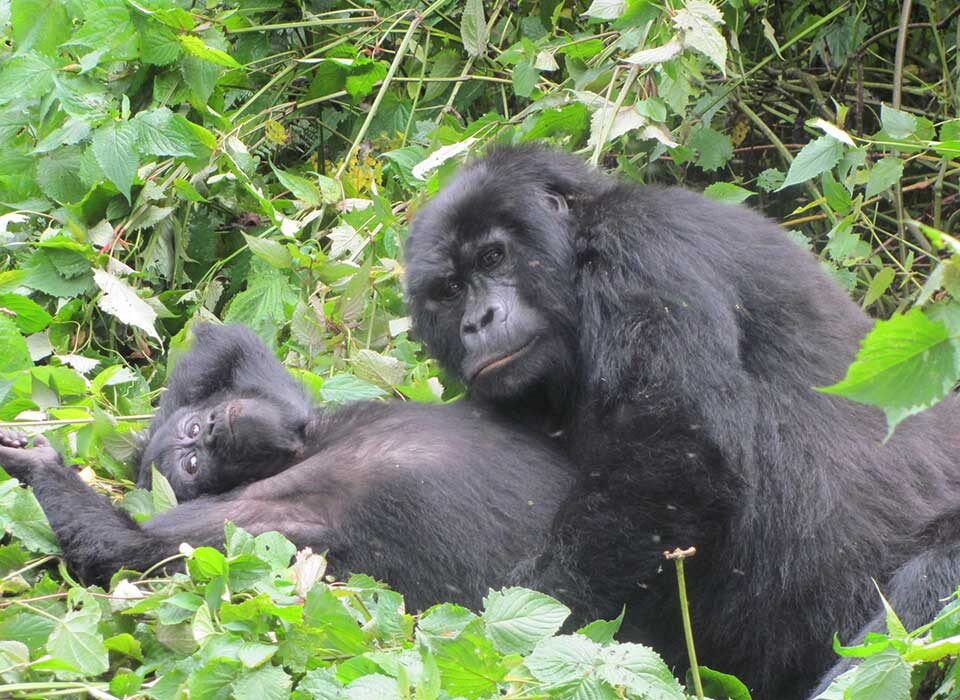
You might first see movement among the leaves, a gorilla feeding quietly or a juvenile playing close to another family member. The animals may be resting, grooming, feeding, moving through the vegetation or interacting with one another.
There is no single sequence that defines a gorilla encounter. The experience depends on the family’s natural behaviour at that particular moment.
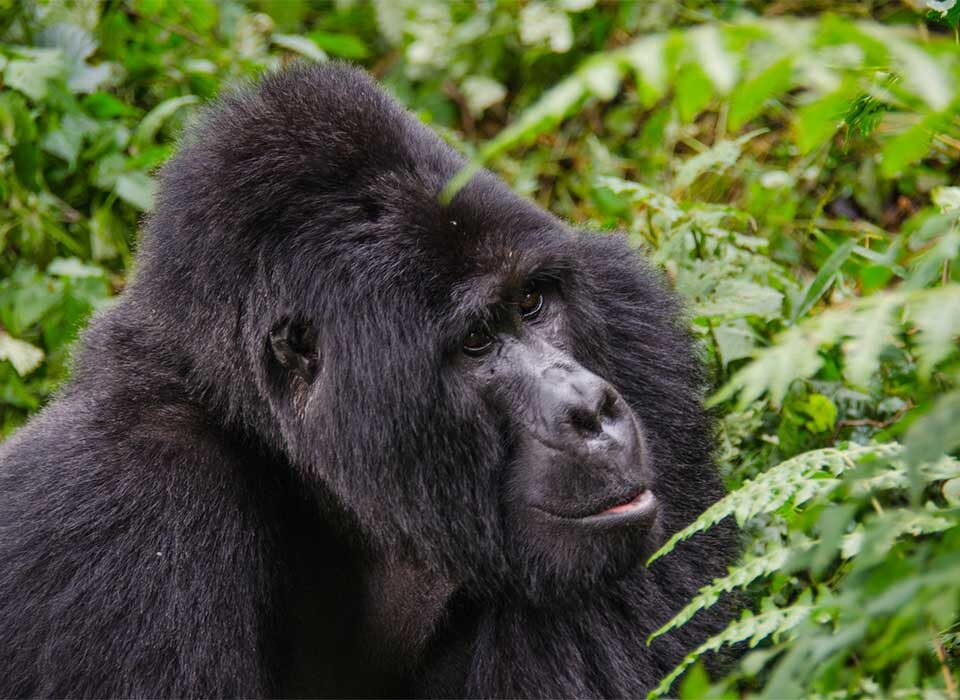
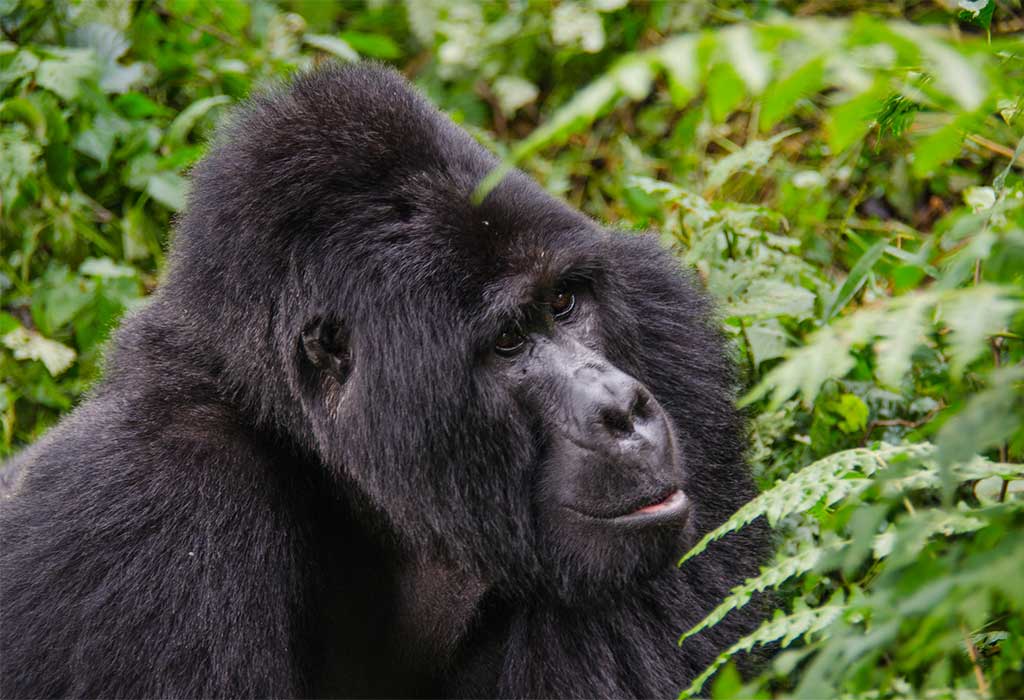
You may see a dominant silverback, recognisable by the silver-coloured hair across his back as he matures. You might observe mothers caring for infants, juveniles playing or adult females feeding together. The silverback often provides a focal point for visitors, but the other members of the family can be equally fascinating.
The animals are wild, and their behaviour should never be treated as a performance. They may remain in one area, move gradually through the forest or change their position while your group observes them.
Your responsibility is to remain calm, respect the instructions of the guide and allow the gorillas to behave naturally.
13. Spending One Hour with Mountain Gorillas
Once your group reaches the assigned gorilla family, the official viewing period generally lasts up to one hour. This limit helps reduce disturbance and the amount of human exposure experienced by the gorillas.
Although sixty minutes may seem short after a long hike, it can provide an extraordinary opportunity to observe the animals closely in their natural habitat.
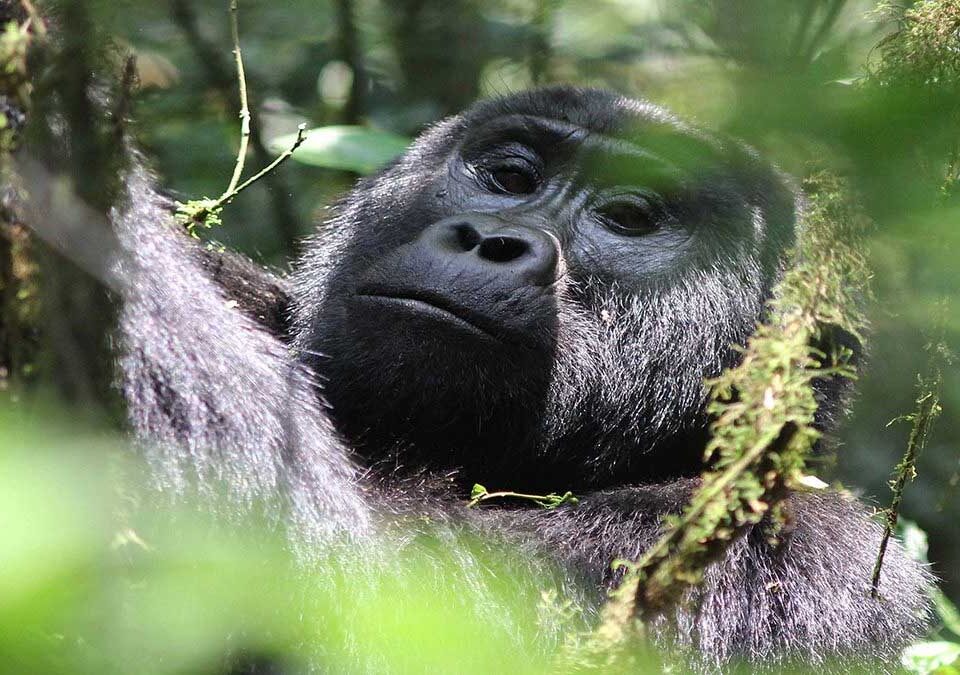
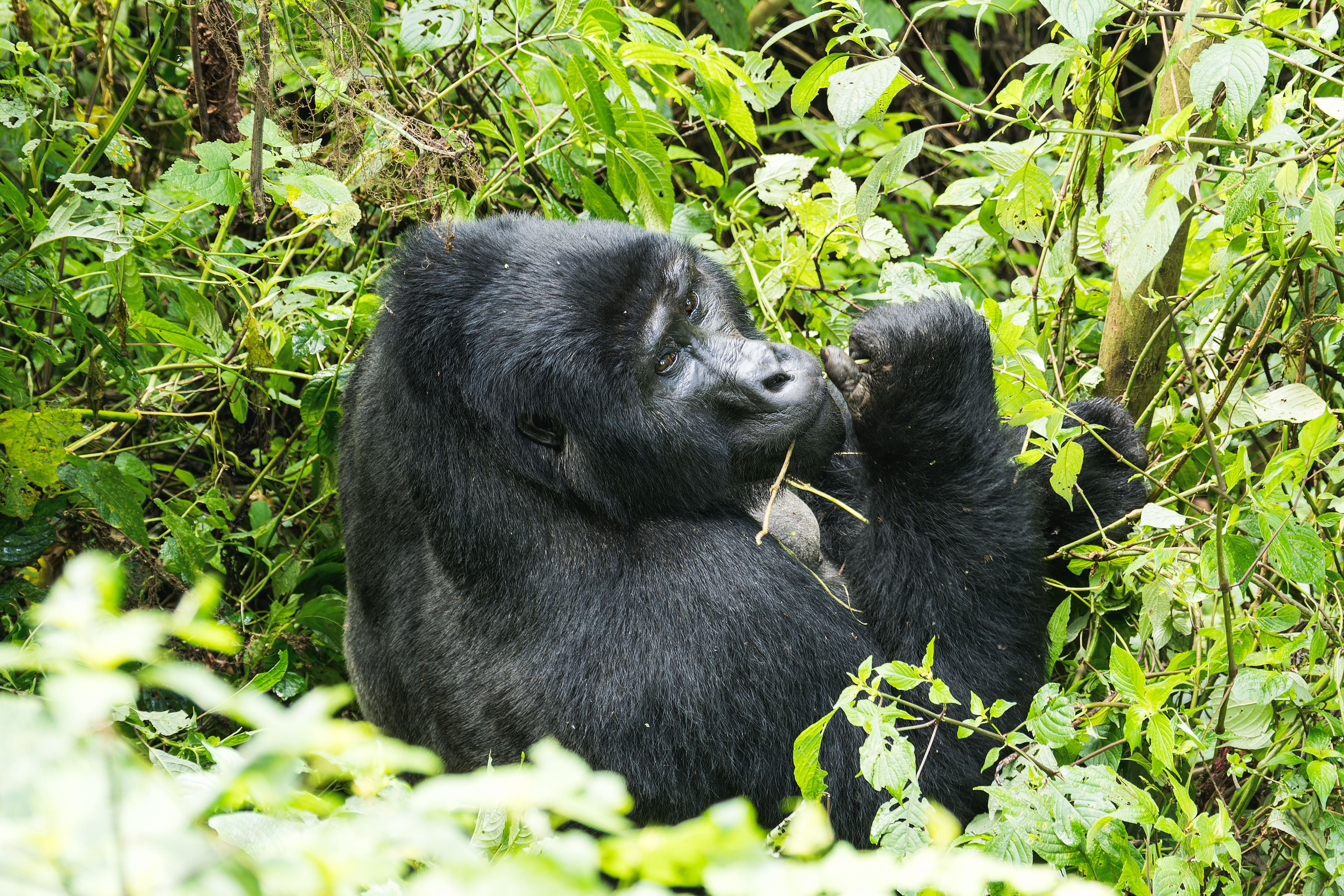
During this time, you may watch a silverback resting or moving through the vegetation, a mother tending to her young, or younger gorillas playing and exploring. You may also hear vocalisations, see feeding behaviour or observe members of the group interacting peacefully.
The most rewarding approach is to pay attention to the details rather than trying to photograph every moment. Notice the gorillas’ expressions, their movements and the way family members respond to one another.
Keep your movements slow and avoid loud conversations. Follow the guide’s directions regarding distance, positioning and photography. Flash photography should not be used, and you must never attempt to touch, feed or attract a gorilla.
Park rules generally require visitors to maintain a prescribed distance from the animals, commonly around seven metres under the published guidance used in Rwanda. The precise applicable instructions should be confirmed during your briefing, and if a gorilla approaches you, do not attempt to move towards it or force it away. Follow your ranger’s directions.
You should also avoid eating, drinking or smoking near the gorillas and must not leave rubbish in the forest. If you need to cough or sneeze, turn away from the animals and cover your mouth and nose.
If a gorilla appears close, remains nearby or changes direction, let the guide manage the situation. Do not make sudden movements, scream, reach towards the animal or attempt to get a closer photograph.
The viewing period may end earlier if the gorillas become unsettled or the guide determines that the encounter should be shortened. Their welfare always takes priority over photographs or the length of the visit.
14. Photographing Gorillas Responsibly
Photographs allow you to preserve memories of your gorilla trekking safari, but taking good pictures requires patience and respect for wildlife.
Before entering the forest, make sure your camera or phone is fully charged and that you know how to operate it without spending excessive time looking at the controls. If you are using a camera with a zoom lens, practise adjusting the settings before the trek.
Natural forest lighting can be challenging because the canopy creates shadows while sunlight may enter through small openings. You may need to adjust your camera settings, but avoid moving closer to the gorillas just to improve your composition.
Do not use flash. Sudden bright light can disturb wildlife, and photography must never take precedence over the rules provided by the park staff.
It is also important to put the camera away occasionally. Some of the most powerful moments happen when you observe directly rather than through a screen. Watching a mother care for her infant or seeing a young gorilla explore its surroundings can create memories that do not depend on a photograph.
Never attempt to take a selfie by approaching a gorilla or positioning yourself dangerously close. Follow your guide’s instructions about where to stand and how to move.
Responsible photography ensures that your memories are created without unnecessary disturbance to the animals.
15. What Happens If the Gorilla Trek Is Difficult?
One of the most common concerns among first-time visitors is whether they will manage the physical demands of gorilla trekking. The honest answer is that the experience varies, and some treks are more challenging than others.
A relatively short trek may involve manageable slopes and established paths. A more demanding trek can involve steep climbs, wet vegetation, muddy ground and extended periods of walking.
If you struggle during the trek, inform your guide rather than continuing silently. The team can advise you on pacing, resting and navigating difficult sections. A porter may be able to provide practical assistance, although you should not assume that a porter can eliminate every physical challenge.
Travellers with mobility limitations should discuss their needs before booking. Depending on the destination and available arrangements, additional assistance may be possible, but it must be confirmed in advance.
If you are concerned about fitness, prioritise preparation and communicate honestly with your tour operator. Selecting accommodation near the correct trailhead and avoiding an exhausting journey immediately before trekking can also make the day easier.
Gorilla trekking should be approached with respect for your own physical limits as well as those of the wildlife. A successful safari is not measured by how quickly you walk, but by completing the experience safely and appreciating the encounter.
16. What Happens If the Gorillas Are Not Found Quickly?
Gorilla families move through the forest in search of food, rest and suitable places to sleep. As a result, the distance between the trailhead and the animals can change from one day to another.
Trackers help locate the gorillas by using their knowledge of the families’ movements and recent signs. Even so, visitors should prepare for a trek that takes longer than expected.
You may need to walk through several different sections of forest before reaching the animals. The guide may also change the route in response to information received from trackers.
This is why a gorilla trekking day should not be scheduled too tightly around other major activities. Allow sufficient time for the hike, the viewing period and the return journey.
A flexible itinerary reduces stress and helps you enjoy the experience regardless of the time required to locate the gorillas. Exclusive Gorilla Journeys can help organise your transport and accommodation so that the trekking day is not rushed.
Remember that gorilla trekking is a wildlife experience, not a timed attraction. The forest determines the pace, and patience is part of the adventure.
What to Expect After Gorilla Trekking
17. Returning from the Forest
After the allocated viewing period ends, your guide will lead the group away from the gorillas and back towards the designated return route. The return journey may follow the same path or a different route, depending on the terrain and the day’s arrangements.
You may feel tired after several hours of walking, especially if the trail was steep or muddy. Take your time, drink water when appropriate and follow the guide’s instructions on slippery sections.
The walk back can feel different from the journey into the forest. Knowing that you have seen the gorillas often brings a sense of satisfaction, and you may find yourself reflecting on the encounter while taking in the surrounding scenery.
Even after leaving the gorilla family, remember that you remain in a protected wildlife habitat. Continue to follow park regulations, avoid disturbing other animals and take all your belongings and rubbish with you.
When you return to the starting point, you may have an opportunity to thank the rangers, guides and porters who supported the trek. Their local knowledge and practical assistance contribute significantly to the experience.
18. Receiving Your Gorilla Trekking Certificate
Depending on the park’s arrangements, you may receive a gorilla trekking certificate after completing the activity. The certificate can serve as a keepsake of your adventure and a reminder of the conservation experience you participated in.
The availability and format of certificates can vary, so it is best to confirm the arrangements with your safari operator or park staff.
For many travellers, however, the most meaningful souvenir is the memory of seeing mountain gorillas in their natural habitat. A photograph of a silverback, a story about a curious juvenile or the recollection of walking through the misty forest can remain memorable long after the safari ends.
You may also want to record your experience in a travel journal, organise your photographs or share your memories with friends and family.
19. Resting and Recovering After the Trek
Once you return from the forest, give yourself time to recover. Even travellers who exercise regularly may feel tired after navigating steep slopes, humid conditions and uneven ground.
Returning to your lodge for a shower, a meal and some rest is often the most comfortable way to end the day. Change out of wet clothing and allow your hiking boots and other equipment to dry.
If you have minor muscle soreness, gentle movement and adequate rest may help you feel more comfortable. Avoid scheduling an unnecessarily strenuous activity immediately after a demanding trek.
This is particularly important if your itinerary includes a long road transfer to another national park. Your driver-guide should allow sufficient time for rest and safe travel.
A well-planned safari balances adventure with recovery. Staying an additional night near the forest can make the overall experience more enjoyable, especially for visitors who want to continue exploring Uganda or Rwanda.
20. Exploring Local Communities and Cultural Experiences
Gorilla trekking can also introduce you to the communities living around the national parks. Many residents have longstanding relationships with the forest and contribute to conservation through employment, tourism services and community initiatives.
Depending on your location and interests, you may be able to visit a community tourism project, experience traditional music and dance, learn about local crafts or discover aspects of daily life in southwestern Uganda.
Cultural experiences provide a broader perspective on the destination. They help travellers appreciate that national parks exist within wider social and economic landscapes, where communities need opportunities to earn a living while protecting natural resources.
When arranging a community visit, choose activities that respect local customs and provide meaningful benefits to participants. Ask permission before photographing people, follow your guide’s advice and approach cultural traditions with an open mind.
At Exclusive Gorilla Journeys, a gorilla trekking safari can be planned to include appropriate cultural experiences alongside wildlife encounters, creating a more complete understanding of the region.
21. Understanding How Gorilla Tourism Supports Conservation
The benefits of gorilla trekking extend beyond the individual visitor. Carefully managed tourism generates revenue for protected-area management and creates employment opportunities for guides, rangers, trackers, porters, drivers and hospitality workers.
Local businesses may benefit through accommodation, food supplies, transport, crafts and other visitor services. These economic opportunities can help demonstrate the value of maintaining healthy forests and protecting endangered wildlife.
However, responsible gorilla tourism also depends on limiting disturbance and reducing health risks. Mountain gorillas are susceptible to human respiratory infections, which makes strict visitor regulations particularly important.
Small trekking groups, restricted viewing periods, health precautions and rules governing visitor behaviour are all intended to reduce the potential impact of tourism on the animals.
Your responsibility does not end when the trek is over. Choosing responsible operators, respecting local communities, avoiding wildlife exploitation and following conservation guidance all contribute to a more sustainable travel experience.
Gorilla trekking is most rewarding when visitors understand that they are entering a protected habitat rather than simply purchasing an opportunity to take photographs.
Essential Tips for a Successful Gorilla Trekking Safari
Book Early and Plan Around Your Permit
Secure your permit before finalising the details of a fixed-date itinerary. Once the trekking date is confirmed, arrange suitable accommodation, transport and any additional safari activities around it.
Stay Near Your Assigned Trekking Sector
In Uganda, confirm the location of your permit before booking accommodation. Staying near the appropriate sector can reduce early morning travel and make the trekking day more manageable.
Prepare for Changing Weather
Carry waterproof clothing and wear footwear with good traction. Forest conditions can change quickly, and a sunny morning does not guarantee a dry trail.
Listen to Your Guide
Your ranger and guide are responsible for directing the group and helping protect both visitors and wildlife. Follow their instructions throughout the trek, particularly during the gorilla encounter.
Be Honest About Your Fitness
Inform your operator of any mobility concerns before travelling. Prepare through regular walking and ask about porter assistance if you expect to need additional support.
Avoid Trekking When You Are Sick
Do not conceal cold or flu symptoms. Because human diseases can threaten mountain gorillas, disclose potentially contagious illness and follow the park’s health requirements.
Leave the Forest as You Found It
Do not litter, remove plants, feed wildlife or interfere with animal behaviour. Responsible visitors help preserve the environment for future generations.
Frequently Asked Questions About Gorilla Trekking
How long does gorilla trekking take?
The full experience can take several hours, depending on the gorilla family’s location and the difficulty of the terrain. In Uganda, treks commonly last approximately two to seven hours, although some can be shorter or longer. Once the gorillas are located, the standard viewing period is generally up to one hour.
Is gorilla trekking difficult for beginners?
Gorilla trekking is possible for many travellers without previous hiking experience, but it can be physically demanding. Steep slopes, mud, dense vegetation and unpredictable walking times mean that preparation is important. Regular walking, suitable boots and porter assistance can make the experience more manageable.
What should I wear for gorilla trekking?
Wear long trousers, a long-sleeved shirt, sturdy hiking boots and comfortable socks. Carry a waterproof jacket and consider gloves to protect your hands from rough vegetation. Dress for changing weather and choose clothing that allows you to walk comfortably.
Can I touch a mountain gorilla?
No. Visitors must not touch, feed or deliberately approach mountain gorillas. They are wild animals, and maintaining the required distance helps reduce disturbance and the risk of disease transmission.
What happens if it rains during gorilla trekking?
Trekking generally takes place in varying weather conditions, and rain does not automatically mean the activity will be cancelled. Waterproof clothing, a rain-resistant backpack cover and suitable footwear help you cope with wet conditions. Follow instructions from your guide if the weather affects trail safety.
What is the minimum age for gorilla trekking?
The standard minimum age for mountain gorilla trekking in Uganda and Rwanda is 15 years. Confirm the applicable requirements when booking, particularly if travelling with children.
Is gorilla trekking worth the cost?
For travellers interested in wildlife, conservation and distinctive African experiences, gorilla trekking can be exceptionally rewarding. The overall value depends on your interests and budget, but the opportunity to observe endangered mountain gorillas in their natural habitat is unusual and cannot be replicated by a conventional wildlife viewing experience.
Should I book a gorilla trekking safari with a tour operator?
A reputable tour operator can coordinate permit arrangements, accommodation, road transfers and other safari activities. This is particularly useful in Uganda, where travel distances between parks and trekking sectors can make itinerary planning complicated. Choose an operator that communicates clearly about costs, inclusions and booking conditions.
Plan Your Gorilla Trekking Safari with Exclusive Gorilla Journeys
Gorilla trekking is an experience that begins long before you enter the forest and continues long after you leave it. From securing your permit and preparing your hiking equipment to observing a mountain gorilla family and learning about conservation, every stage contributes to a memorable African adventure.
Understanding what to expect before, during and after gorilla trekking allows you to make informed decisions, prepare for the physical demands and approach the encounter with respect for wildlife.
Uganda offers exceptional opportunities to combine mountain gorilla encounters with chimpanzee tracking, savannah wildlife safaris, cultural experiences and scenic journeys. Rwanda provides another outstanding destination for travellers seeking an encounter with mountain gorillas in the Virunga Mountains.
At Exclusive Gorilla Journeys, we help travellers plan gorilla trekking safaris around their preferred destination, travel dates, accommodation standards and wider interests. Whether you are planning your first visit to Africa, a private wildlife adventure or a longer East African safari, we can help you organise the essential details for a well-coordinated journey.
Ready to experience mountain gorillas in the wild? Contact Exclusive Gorilla Journeys to discuss your travel dates, check permit arrangements and plan a gorilla trekking safari tailored to your expectations.