
Essential Guide to Bwindi Gorilla Trekking Sectors
October 12, 2026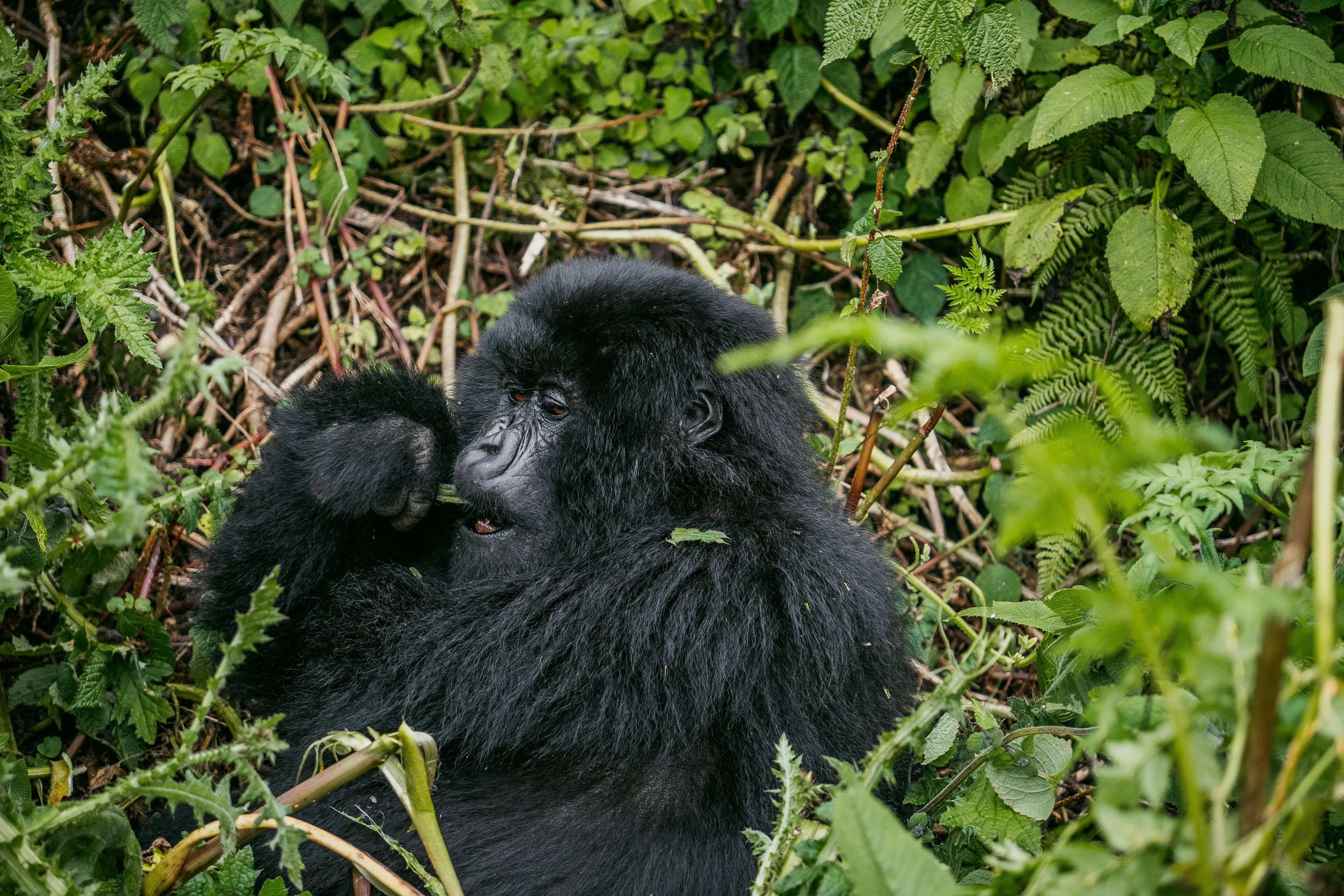
How Difficult Is Gorilla Trekking in Bwindi?
October 12, 2026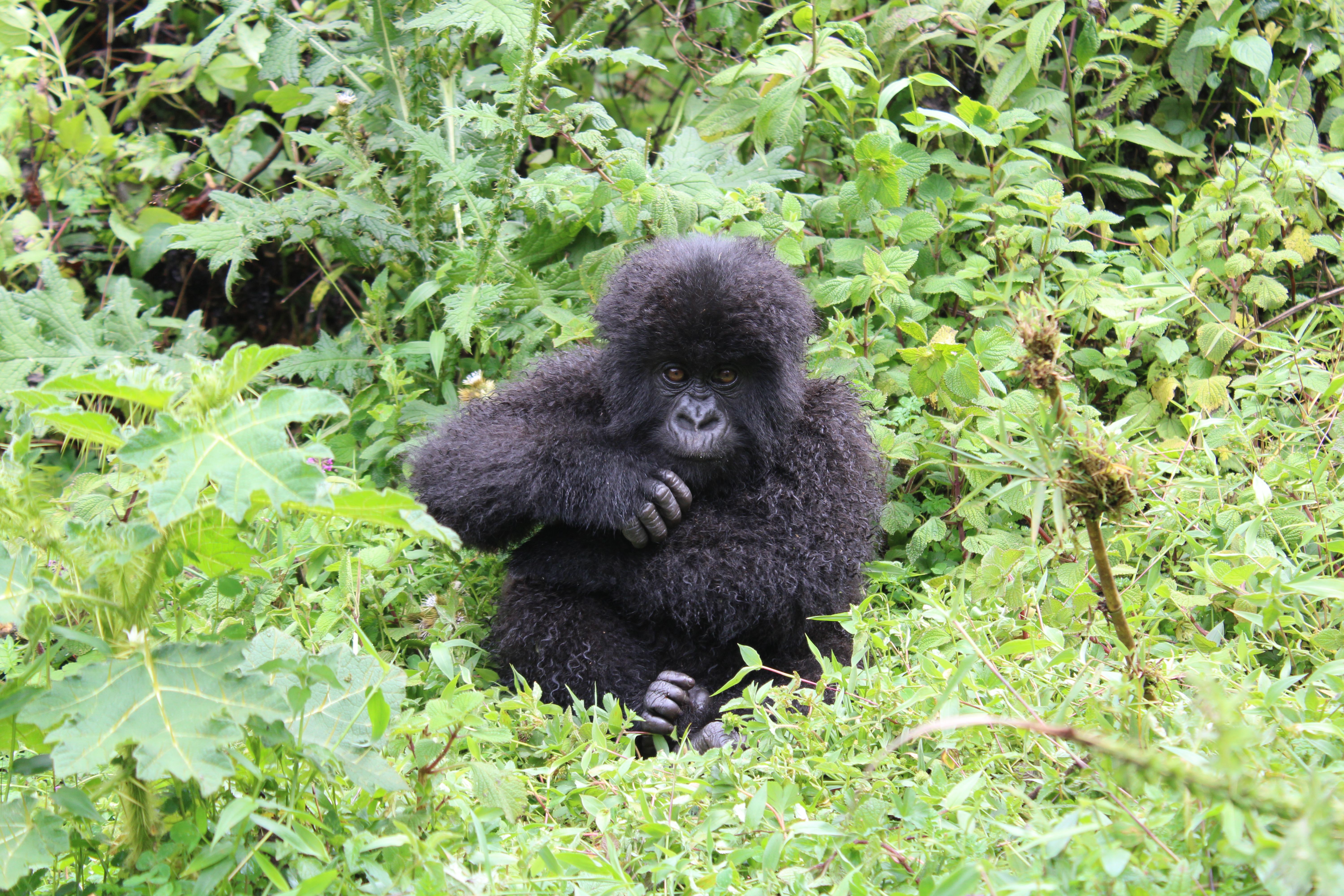
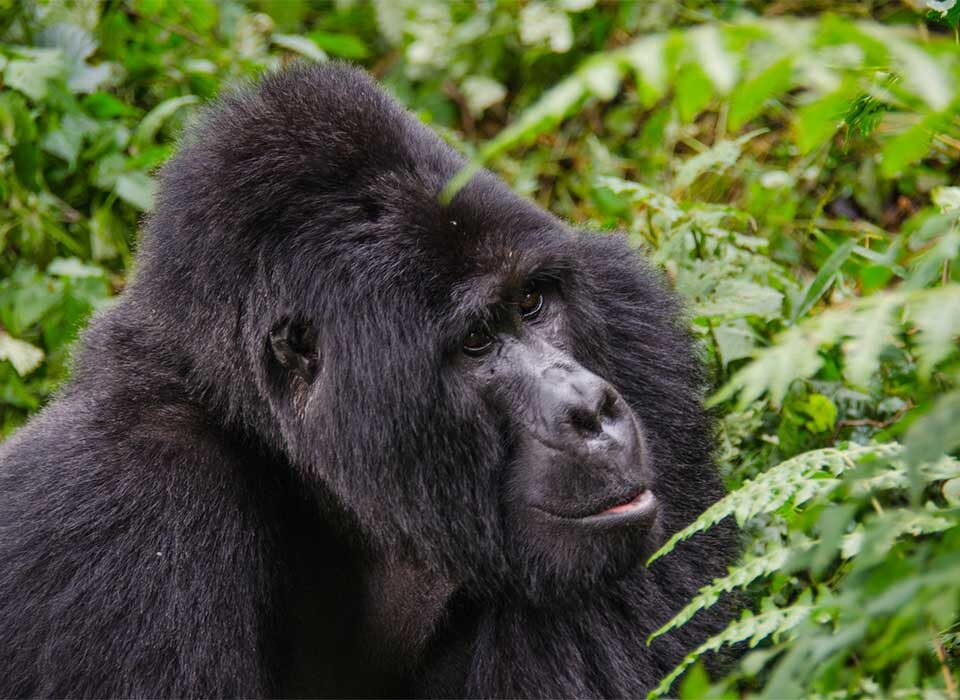
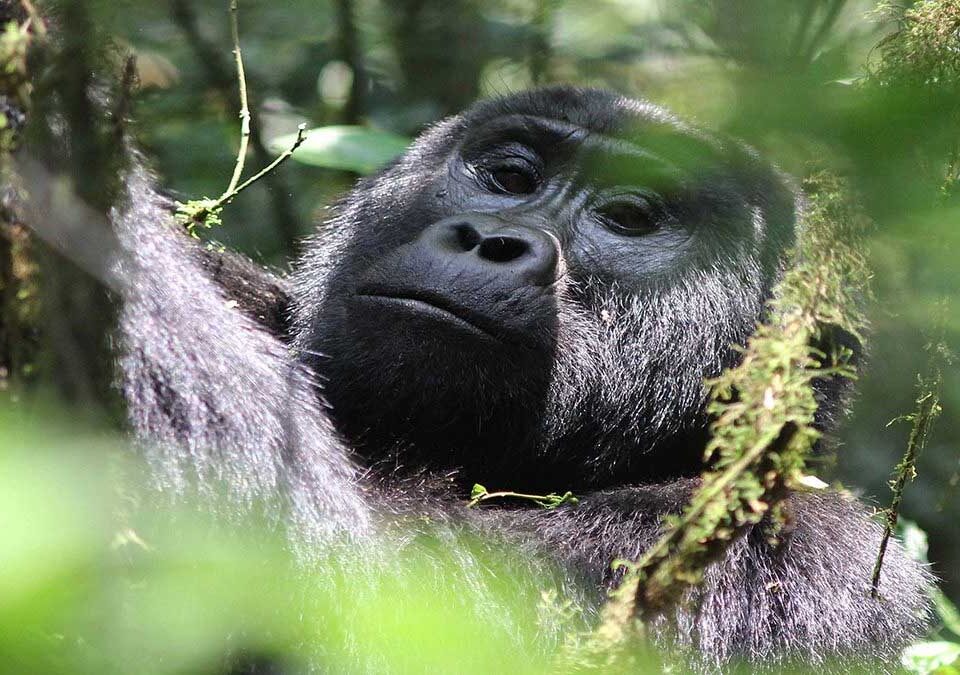
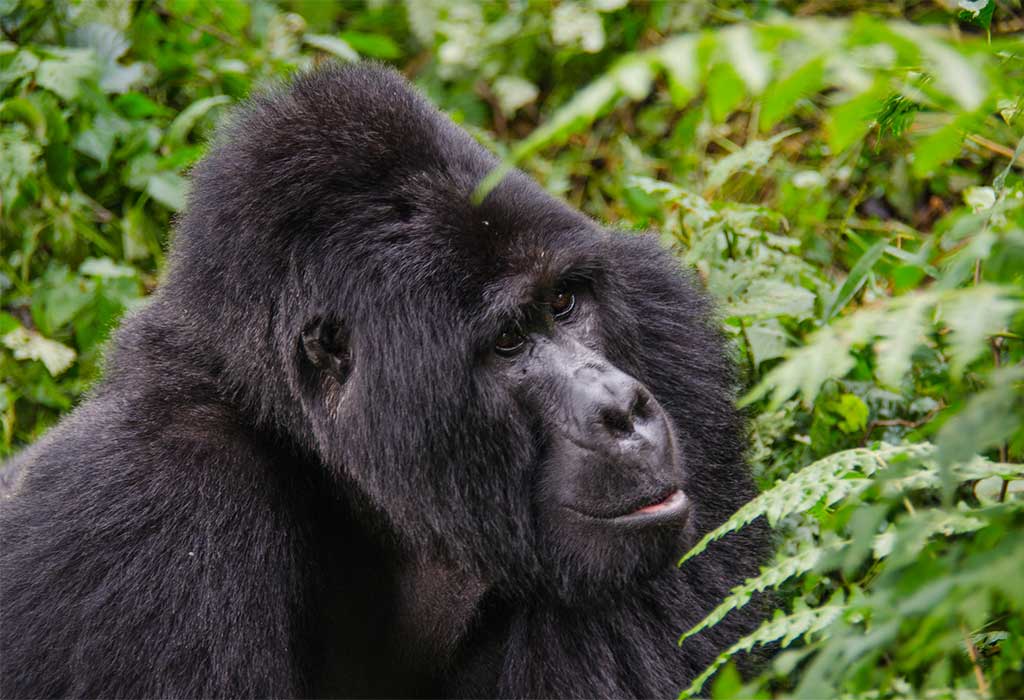
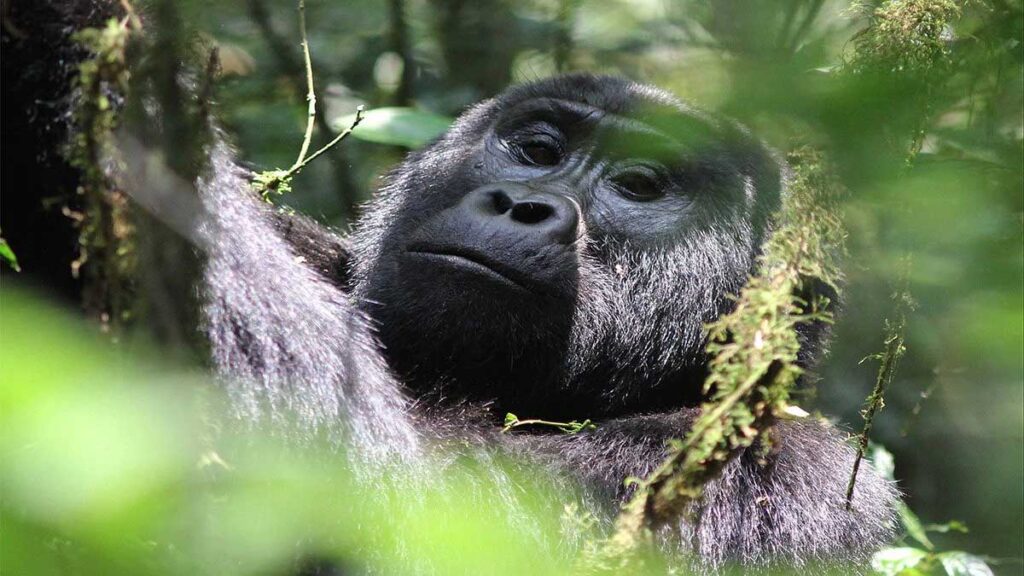
Bwindi Impenetrable National Park is one of Africa’s most extraordinary destinations for wildlife enthusiasts, offering the opportunity to encounter endangered mountain gorillas in their natural rainforest habitat. Located in southwestern Uganda, this UNESCO World Heritage Site is home to several habituated gorilla families distributed across four main trekking sectors: Buhoma, Ruhija, Rushaga and Nkuringo.
For first-time visitors planning a gorilla trekking safari in Uganda, choosing the right sector is an important part of the experience. Each sector offers a different combination of accessibility, accommodation, terrain, scenery, gorilla trekking opportunities and travel logistics. While all four sectors provide opportunities to see mountain gorillas, the best choice depends on your fitness level, budget, travel itinerary, accommodation preferences and expectations for your first encounter with these remarkable primates.
For most first-time visitors, Buhoma is an excellent all-round choice because of its established tourism infrastructure, range of accommodation and relatively convenient access from some popular safari routes. However, Rushaga can be a particularly practical option for travelers approaching Bwindi from Lake Bunyonyi or planning to combine gorilla trekking with other southwestern Uganda attractions. Ruhija is attractive to visitors seeking a quieter forest experience, while Nkuringo appeals to travelers who value dramatic scenery and a more adventurous trekking environment.
Understanding the differences between these sectors will help you choose the most suitable location, secure the right gorilla trekking permit and plan a safari that matches your expectations.
Understanding the Four Bwindi Gorilla Trekking Sectors
1. Buhoma: Best All-Round Choice for First-Time Visitors
Northern Bwindi · Established tourism infrastructure
Buhoma is a strong option for visitors who want a well-established trekking base, a good selection of lodges and access to community activities. It is especially appealing to travelers combining gorilla trekking with a wider Uganda safari.
2. Ruhija: Best for a Quieter Forest Experience
Eastern Bwindi · Highland forest and birdwatching
Ruhija offers cool highland scenery, rich birdlife and an appealing atmosphere for nature lovers. Its elevation and mountainous terrain can make trekking demanding, so first-time visitors should consider their fitness and comfort at altitude.
3. Rushaga: Best for Gorilla Trekking Options
Southern Bwindi · Multiple habituated families
Rushaga is particularly attractive to travelers who want access to several habituated gorilla families or are interested in the longer Gorilla Habituation Experience. It can also fit well into itineraries that include Lake Bunyonyi, Kisoro and Mgahinga.
4. Nkuringo: Best for Scenic and Adventurous Trekkers
Southwestern Bwindi · Mountain views and steep trails
Nkuringo is ideal for active travelers who appreciate dramatic highland scenery and do not mind a physically demanding hike. Its steep terrain makes it less suitable as a default choice for visitors who specifically want to minimise climbing.
These sectors are distinct trekking areas around the same forest, not interchangeable gates. Each has its own access point and gorilla families. The permit must correspond to the sector where your trek is booked.
1. Buhoma Sector: Why It Is a Top Recommendation for Beginners
Buhoma lies in the northern part of Bwindi Impenetrable National Park and is the park’s original gorilla tourism hub. It has developed a well-established network of accommodation, guides, transport services and community tourism activities, making it a practical base for people visiting the forest for the first time.
Accessibility and travel convenience
For many travelers arriving from Entebbe or Kampala, Buhoma can fit naturally into a safari itinerary that passes through western Uganda. Visitors may combine their gorilla trek with Queen Elizabeth National Park, including the Ishasha area, famous for its tree-climbing lions.
The road journey remains substantial, and the final approach can involve winding or unpaved roads. However, Buhoma’s position makes it a useful choice for visitors approaching from the northern side of the forest or connecting their trek with a safari in Queen Elizabeth National Park. A suitable four-wheel-drive vehicle is recommended for many of Bwindi’s access routes.
First-time visitors should arrive at their lodge at least one day before trekking. This provides time to recover from the drive, settle into the surroundings and prepare for the early-morning briefing without unnecessary pressure.
Accommodation choices for different budgets
One of Buhoma’s biggest advantages is its established accommodation network. Visitors can find options ranging from relatively simple guesthouses and community-run facilities to comfortable safari lodges and high-end forest retreats.
This variety is useful for couples, families with eligible children, solo travelers and groups with different spending preferences. It also allows travelers to choose how much of their budget to allocate to accommodation, transport, meals and additional safari experiences.
When comparing lodges, look beyond the advertised room rate. Check the actual driving distance to the Buhoma trekking briefing point, whether meals are included, whether the property provides transfers and whether it can arrange an early breakfast or packed lunch.
A lodge that appears less expensive may require a longer early-morning transfer. Conversely, accommodation close to the briefing point can make the trekking day considerably easier to manage.
What is the trekking experience like in Buhoma?
Buhoma offers an authentic Bwindi rainforest experience, with thick vegetation, steep sections, exposed roots, damp soil and forest trails that can become slippery after rain. Although it is frequently recommended to beginners, this does not mean that every trek from Buhoma is easy.
The distance and difficulty depend primarily on where the assigned gorilla family has moved and the route required to reach it. Some visitors may reach the gorillas relatively quickly, while others may spend several hours walking uphill and downhill.
This uncertainty is an important part of gorilla trekking. The animals move freely through the forest, and guides work with trackers to locate the family rather than taking visitors to a fixed viewing enclosure.
For a first-time visitor, Buhoma’s strongest advantage is therefore the overall convenience of the destination, not a guarantee of a short or gentle trek.
Additional experiences around Buhoma
Visitors can complement their gorilla trek with guided forest walks, birdwatching, cultural experiences and community visits, depending on availability and the activities arranged locally.
These experiences provide a broader understanding of the landscape and the people who live around the protected forest. Travellers who spend two or three nights in the area have more flexibility to enjoy these activities without rushing between destinations.
Verdict: Choose Buhoma if you are visiting Bwindi for the first time and value an established tourism base, a broad range of accommodation and the flexibility to combine gorilla trekking with other Ugandan safari destinations.
2. Ruhija Sector: Is It Suitable for First-Time Gorilla Trekkers?
Ruhija occupies the eastern part of Bwindi and is known for its highland environment, cool temperatures, mist-covered forest and excellent birdwatching opportunities. It is a compelling choice for visitors who want their gorilla safari to include more than a single wildlife encounter.
The highland setting and forest atmosphere
The landscape around Ruhija has a distinct character. Its elevated terrain supports montane forest habitats, and the cooler conditions can feel noticeably different from the warmer lowlands elsewhere in Uganda.
For photographers and nature enthusiasts, mist drifting through the trees, changing forest light and the variety of vegetation can make the journey itself a memorable part of the safari.
Ruhija is also particularly attractive to birdwatchers because Bwindi supports a remarkable range of forest birds, including species associated with the Albertine Rift. Visitors who have an interest in birds may find that an additional day in this sector is just as rewarding as the gorilla trek itself.
Trekking difficulty and altitude
Ruhija’s high elevation is an important consideration when planning a first trek. Visitors may find the combination of steep trails, humid forest conditions and reduced comfort during physical exertion challenging, particularly if they are not accustomed to hiking.
However, altitude alone does not determine the difficulty of a particular trek. The gorilla family’s location, the route chosen by guides, the weather and the visitor’s physical condition all influence the experience.
If you choose Ruhija, prepare by walking regularly before your trip, practising on uneven ground where possible and allowing time to acclimatise to the highland environment. Tell your guide about any limitations that could affect your ability to manage steep trails.
Accommodation and itinerary planning
Ruhija has accommodation suited to different travel styles, although the range and distribution of options may be more limited than in the most established tourism hubs. Confirm your accommodation’s location carefully because the surrounding road network can make journeys between sectors slower than the map suggests.
This sector may suit travelers planning a broader circuit through Kabale and the surrounding highlands. It can also appeal to those who prefer to concentrate on forest wildlife and birdwatching rather than add several busy tourist destinations to the same trip.
Is Ruhija the best sector for beginners?
Ruhija can be an excellent choice for a first-time visitor who enjoys hiking and wants a quieter highland setting. It is less compelling as a default recommendation for someone whose main priority is the easiest possible logistics.
The best strategy is to choose Ruhija because its scenery, wildlife and location match your interests, not simply because you expect fewer visitors or shorter walks.
Verdict: Choose Ruhija if you enjoy mountain environments, birdwatching and a forest-focused safari, and are comfortable with potentially demanding terrain.
3. Rushaga Sector: A Strong Alternative for First-Time Visitors
Rushaga lies in southern Bwindi and is an important centre for mountain gorilla tourism. It is particularly appealing to travelers who want flexibility when selecting a trekking date or who are interested in the Gorilla Habituation Experience.
More gorilla family options
Rushaga is known for its relatively large selection of habituated gorilla families. This gives it an important role in accommodating gorilla trekking visitors, although the number of families, permit availability and operational arrangements can change over time.
A greater selection of families does not guarantee that you will have a shorter trek, see more gorillas or enjoy a better encounter. The location of your assigned family on the day remains one of the main factors determining the length and difficulty of the hike.
The practical benefit is that Rushaga can offer useful flexibility when planning a safari around available permits. If your preferred date is not available in another sector, checking Rushaga may be worthwhile before changing your travel dates.
The Gorilla Habituation Experience
One of Rushaga’s most distinctive attractions is the Gorilla Habituation Experience, which allows visitors to accompany authorised researchers and habituation teams as they work with a gorilla group that is still becoming accustomed to human presence.
Unlike standard gorilla trekking, which permits a limited observation period with an already habituated family, the habituation experience provides a longer opportunity in the forest. It is intended for travelers who want a more extended and educational wildlife experience.
The activity involves a different time commitment, additional planning and a separate permit arrangement. Availability must be confirmed before booking, and visitors should not assume that a standard gorilla trekking permit can be used for the habituation experience.
For someone visiting Bwindi for the first time, standard trekking is usually the simpler introduction. The habituation experience is worth considering if you have a strong interest in primate behaviour and conservation and are prepared for a longer day in challenging forest conditions.
Getting to Rushaga
Rushaga is well positioned for some southern Uganda itineraries, including trips that include Kisoro, Lake Bunyonyi and Mgahinga Gorilla National Park.
Travellers arriving through Kigali in Rwanda may also consider southern Bwindi, depending on their international flights, border arrangements and overall itinerary. The most suitable route should be determined by the actual accommodation location and trekking briefing point rather than by comparing straight-line distances.
A cross-border itinerary requires appropriate travel documents and enough time to complete immigration procedures. Road conditions and transfer times should be checked when arranging the trip.
Accommodation and nearby attractions
Rushaga has accommodation ranging from budget-friendly properties to more comfortable safari lodges. When booking, confirm the location of the lodge in relation to the assigned trekking headquarters, because properties advertised as being in the Rushaga area may still require a transfer.
A stay of two nights can work well for a standard gorilla trek, while longer stays allow time to explore the surrounding highlands or connect with other destinations in southwestern Uganda.
Lake Bunyonyi is a popular addition for travelers seeking a relaxed lakeside stay after the physical effort of gorilla trekking. Depending on the route, Kisoro and Mgahinga can also form part of a wider itinerary.
Is Rushaga easier than Buhoma?
Not necessarily. Rushaga may be convenient for a particular itinerary or provide more flexibility around permit dates, but its trails can also be steep and physically demanding. There is no dependable rule that a trek from Rushaga will be shorter than one from Buhoma.
For a first-time visitor, the decision should be based on a combination of permit availability, accommodation, transport and personal interests.
Verdict: Choose Rushaga if you want a strong alternative to Buhoma, need flexibility when arranging a permit, or are interested in the Gorilla Habituation Experience.
4. Nkuringo Sector: Best for Scenic Beauty and Adventure
Nkuringo lies in southwestern Bwindi, in an elevated landscape characterised by ridges, deep valleys and sweeping views across the surrounding highlands. It is especially appealing to travelers who enjoy walking, dramatic scenery and destinations that feel adventurous.
Dramatic views and mountain scenery
The elevated setting around Nkuringo gives visitors a distinctive perspective on the forest and surrounding countryside. On clear days, the broader Virunga landscape may be visible from suitable viewpoints.
For photographers, couples and travelers who appreciate scenic accommodation, the landscape is an important part of Nkuringo’s appeal. The area can also be a rewarding place to spend additional time enjoying the highlands rather than moving immediately to another destination after the trek.
Challenging terrain
Nkuringo is often associated with demanding trekking conditions. Routes can involve steep descents into the forest and strenuous climbs on the return journey, although the exact difficulty depends on the gorilla family’s location and the route taken that day.
First-time trekkers should not automatically rule it out. People with good mobility and a reasonable level of fitness can enjoy the experience, especially when properly prepared. Nevertheless, travelers who have limited hiking experience or want to minimise steep climbs should discuss their needs with their safari operator before choosing this sector.
Walking poles, supportive hiking boots, layered clothing, drinking water and a measured pace can all help make the trek more manageable.
Visitors should also be realistic about the difference between enjoying a scenic lodge and completing a forest hike. Even a comfortable accommodation base cannot remove the physical demands of the terrain.
Accommodation and access
Accommodation around Nkuringo includes lodges that take advantage of the elevated setting and views. Compared with Buhoma, the selection may be more limited, making advance booking particularly important during busy travel periods.
The approach involves winding roads through southwestern Uganda, and a suitable four-wheel-drive vehicle is advisable. If you are travelling from Kisoro, confirm the transfer time with your operator and arrange to arrive before the trekking day.
Nkuringo can fit into a southern circuit that includes Rushaga or Mgahinga, but these areas are not directly connected by a road through the forest. Transfers must go around the park using the external road network, which can take considerably longer than the map suggests.
Is Nkuringo right for a first-time visitor?
Yes, if you are reasonably fit, enjoy adventure and value scenery as much as convenience. It is less suitable if your priority is the simplest logistics or the lowest physical demands.
Verdict: Choose Nkuringo for an adventurous gorilla safari with striking scenery, provided you are prepared for potentially steep terrain.
Which Bwindi Sector Is Easiest for First-Time Visitors?
There is no official ranking of Bwindi’s four sectors by difficulty. A trek’s physical demands depend on the gorilla family’s location, trail conditions, elevation changes, weather and the visitor’s fitness.
For most beginners, the more useful question is which sector offers the best overall combination of accessibility, accommodation, transport and personal comfort.
Buhoma is often the most straightforward starting point for travelers who value established tourism services. Rushaga is a strong alternative when permit availability or a southern Uganda itinerary makes it more convenient. Ruhija suits active nature enthusiasts, while Nkuringo is worth considering for visitors who specifically want a more adventurous mountain environment.
If you have limited hiking experience, tell your tour operator before confirming your sector. Ask about the expected terrain, whether the lodge is close to the trekking headquarters and what assistance may be available. Depending on the circumstances, porters can help carry bags and provide physical support on the trail.
It is also important to understand that a sector’s reputation does not guarantee the difficulty of your individual trek. A relatively easy route can become more demanding after rain, and a family that has moved deeper into the forest can require a longer hike than anticipated.
Comparing Buhoma, Ruhija, Rushaga and Nkuringo
The following comparison highlights the main considerations when selecting a sector for your first gorilla trekking safari.
| Factor | Buhoma | Ruhija | Rushaga | Nkuringo |
|---|---|---|---|---|
| Main attraction | Established tourism base | Highland forest and birds | Multiple trekking options | Dramatic scenery |
| Best suited to | General first-time visitors | Nature and bird lovers | Flexible safari planning | Active hikers |
| Terrain | Variable forest trails | Highland, potentially demanding | Variable, often steep | Often steep and strenuous |
| Accommodation | Broad selection | More limited selection | Several accommodation options | More limited selection |
| Special interest | Community experiences | Birdwatching | Gorilla habituation experience | Scenic mountain setting |
| Planning priority | Convenient lodge location | Altitude and road access | Permit and route coordination | Fitness and steep climbs |
All four sectors offer opportunities to encounter mountain gorillas. The differences are mainly logistical and experiential rather than differences in the species you are visiting. Conditions, accommodation availability and gorilla family assignments can change, so confirm details before making a final booking.
How to Choose the Best Sector for Your Safari Itinerary
Your sector choice should be part of your overall Uganda travel plan. Selecting a gorilla permit first and considering transport afterwards can create unnecessary driving, extra accommodation costs and an exhausting schedule.
If you are combining gorilla trekking with Queen Elizabeth National Park
Buhoma can be a practical choice for an itinerary that includes Queen Elizabeth National Park, especially if your safari passes through Ishasha. This route allows you to combine forest trekking with savannah wildlife viewing without making the journey back to Kampala immediately after your gorilla encounter.
You could spend several nights on safari before travelling to Bwindi, stay near the trekking headquarters and then continue to another destination or return to Entebbe.
If you want to visit Lake Bunyonyi
Consider Ruhija or a southern Bwindi sector, depending on your route and permit availability. Lake Bunyonyi is a popular place to relax after trekking, with scenic views, boat excursions and opportunities to enjoy the surrounding highlands.
The best sector will depend on the exact location of your accommodation and whether you want to visit the lake before or after your gorilla trek.
If you are travelling from Kigali
Travellers entering Uganda through Rwanda may find the southern sectors convenient for certain itineraries. Rushaga and Nkuringo can fit into a route that includes Kisoro and other attractions in southwestern Uganda.
However, crossing the border does not automatically make one sector the best choice. Confirm road conditions, the time required for border procedures, the location of your lodge and the scheduled trekking briefing before finalising your arrangements.
If you are flying from Entebbe
Domestic flights can reduce the time spent travelling by road, depending on the available flight schedule and the sector you choose. Kihihi and Kisoro are useful air access points for different parts of the Bwindi region.
Your safari operator should confirm which airstrip serves your chosen lodge, how long the transfer takes and whether the flight arrives early enough for your planned overnight stay. Flight availability and luggage restrictions should also be checked before payment.
If you have only one night near Bwindi
A one-night stay is generally not ideal for a first-time visitor. Long transfers, flight delays, changing road conditions and the early-morning trekking briefing can make the schedule stressful.
Two nights near the correct sector provide a more sensible arrangement: arrive the day before trekking, complete the activity and leave the following day. Additional nights are worthwhile if you want birdwatching, cultural experiences or time to recover after the hike.
When Is the Best Time to Visit Bwindi for Gorilla Trekking?
Bwindi can be visited throughout the year, and mountain gorillas do not migrate away from the park during particular seasons. However, rainfall and trail conditions influence the comfort and difficulty of trekking.
The relatively drier periods, commonly from June to August and December to February, are popular with visitors because forest trails may be less muddy and travel conditions can be more manageable. These periods can also be busy, so early permit reservations are advisable.
The wetter months, particularly March to May and October to November, can bring muddy paths, slippery slopes and heavier rainfall. Walking may be more demanding, but the forest is lush and the experience remains rewarding for appropriately prepared travelers.
These are general seasonal patterns, not guarantees of weather on a particular day. Bwindi is a rainforest, and rain can occur even during traditionally drier months.
For a first-time visitor, the best time is the period that matches your travel schedule, available permit dates and comfort with hiking in wet conditions. Choosing a sector solely because of the season is less important than confirming your permit, planning your transport and arriving well prepared.
How Much Does Gorilla Trekking in Bwindi Cost?
The total cost of a gorilla trekking safari depends on your permit category, accommodation, transport, number of nights, meals and additional activities.
Under Uganda Wildlife Authority’s published 2026–2028 tariff, the standard gorilla tracking permit is listed at US$800 for foreign non-residents, US$700 for foreign residents, US$500 for Rest of Africa visitors and UGX 300,000 for East African Community citizens. These rates should be checked against the applicable official tariff and your eligibility before booking.
The standard permit covers the authorised gorilla tracking activity and associated inclusions specified in the tariff. It does not mean that your entire safari is paid for.
Accommodation can account for a substantial share of the total budget. Luxury lodges typically cost considerably more than budget guesthouses, while private vehicle hire and transfers may be significant expenses, especially for solo travelers or couples.
Other potential costs include meals not included in your lodge package, porter services, tips, travel insurance, domestic flights, visas where applicable and optional community activities.
The sector itself is not necessarily the deciding factor in the permit price. Instead, the biggest cost differences often arise from your accommodation standard, transport arrangements and overall itinerary.
For an accurate quotation, request an itemised package showing the gorilla permit, accommodation, meals, transfers and any extra activities separately. This makes it easier to compare safari offers without overlooking costs.
How to Book the Right Gorilla Trekking Permit
Choosing the sector is one of the first decisions to make because the permit must correspond to the intended trekking location.
Start by identifying your preferred travel date, the number of travelers and the type of accommodation you want. Check permit availability before making non-refundable accommodation or transport arrangements.
Foreign non-residents should use a tour operator licensed by the Uganda Tourism Board when purchasing permits through an operator. Eligible foreign residents and East African Community citizens may also purchase their permits directly through the authorised Uganda Wildlife Authority channels. Confirm the current booking procedures and obtain official booking confirmation before making payments.
If your preferred sector is unavailable, ask about alternative dates or another sector that works with your itinerary. Do not book accommodation in Buhoma and assume you can simply trek from Rushaga, or vice versa. The sectors have separate trekking access points, and transferring between them may require several hours by road.
Once your permit is confirmed, arrange accommodation close to the assigned trekking headquarters and coordinate your transport. Your final schedule should leave enough time to arrive the previous day and attend the morning briefing.
What to Expect on Your First Gorilla Trekking Day
Knowing what happens during the trek can help you decide which sector suits your expectations and prepare for the experience.
The morning briefing
Gorilla trekking generally begins early in the morning at the designated sector headquarters. Park staff explain the trekking procedures, safety requirements and rules for observing the gorillas. Visitors are then assigned to a gorilla family and accompanied by trained guides.
You cannot guarantee a specific gorilla family simply by choosing a sector. The assignment depends on the arrangements made by the park authorities for that day’s trekking.
Walking through the forest
Once the trek begins, guides and trackers help locate the assigned gorilla family. The walk may involve muddy paths, thick vegetation, steep slopes and uneven ground. Depending on where the gorillas are located, the trek can last several hours.
The distance is not always predictable, so it is important to approach the activity with patience and flexibility.
Wear sturdy hiking boots, long trousers, a long-sleeved shirt and a lightweight waterproof jacket. Carry drinking water, a small backpack and any personal essentials recommended by your operator. Gardening gloves can be useful when moving through vegetation, and walking poles may help on steep sections.
Hiring a porter is also worth considering. Porters can carry your backpack and, where appropriate, provide assistance on challenging trails. This service can support local livelihoods while making your hike more manageable.
Spending time with the mountain gorillas
Once the group locates the gorillas, standard trekking visitors are generally allowed up to one hour observing them, subject to the applicable park rules and guidance from the rangers.
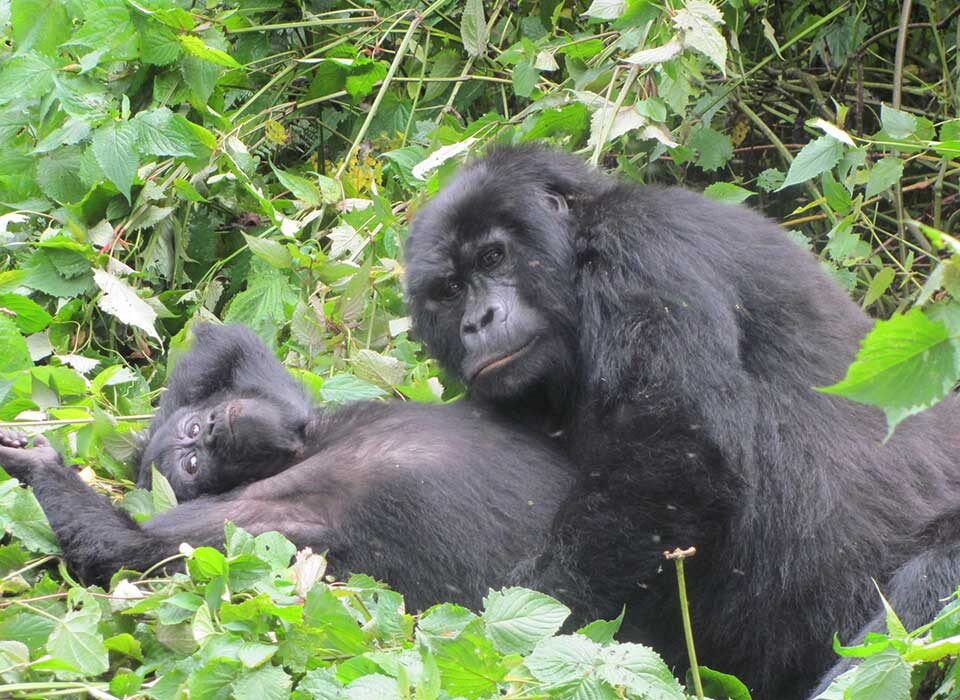
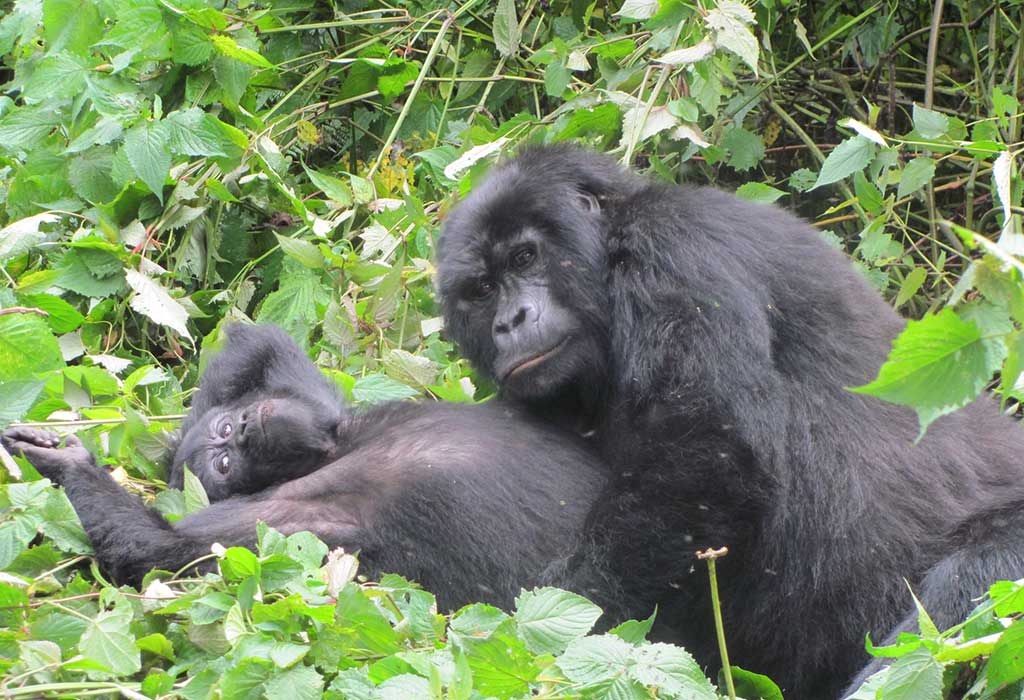
You may observe gorillas feeding, grooming, resting, moving through vegetation or interacting with other family members. The experience is remarkable because you are watching wild animals in their natural environment rather than observing them in a zoo.
Visitors must follow the guide’s instructions, maintain the required distance, avoid sudden movements and keep noise to a minimum. Do not touch or feed the gorillas, and never attempt to approach them independently.
The encounter is both a wildlife experience and a conservation activity. Permit revenue helps support the management of protected areas and the conservation systems that make responsible gorilla tourism possible.
How to Prepare for Gorilla Trekking as a Beginner
Your preparation matters more than choosing a sector based on reputation alone. Even a visitor trekking from Buhoma should be prepared for several hours of walking through challenging terrain.
Begin regular walking or hiking several weeks before your safari. Build your stamina gradually and practise on uneven surfaces if possible. You do not need to be an elite athlete, but reasonable fitness and confidence on slopes can make a significant difference.
Choose hiking boots that you have already worn and tested. New footwear can cause blisters, particularly during long walks. Pack rain protection, drinking water, snacks if permitted by your operator, a camera and spare batteries.
Bwindi’s forest environment can be cool and wet, so clothing that can be layered is useful. Avoid carrying unnecessary equipment, especially if you prefer to walk without a porter.
Most importantly, communicate honestly about your fitness, mobility and any concerns before the trekking day. Your guide can explain the likely conditions and available support, but no sector can guarantee an easy route.
Frequently Asked Questions About Bwindi Gorilla Trekking Sectors
Which Bwindi sector is best for first-time visitors?
Buhoma is an excellent all-round choice for first-time visitors because of its established tourism infrastructure, broad accommodation selection and convenient connections with some popular Uganda safari routes. Rushaga is a strong alternative when its permit availability or southern location better suits your itinerary.
Which sector has the easiest gorilla trek?
There is no permanently easiest sector. Trekking difficulty depends on the gorilla family’s location, terrain, weather and the visitor’s fitness. Buhoma is often a sensible starting point for visitors prioritising general convenience, but a trek there can still be strenuous.
Which sector has the most gorilla families?
Rushaga is widely known for having a relatively large number of habituated gorilla families. Family numbers and operational arrangements can change, so confirm current information when reserving your permit.
Can I trek in one sector and sleep in another?
Yes, it is possible to stay in a different sector from the one where you trek, but this is generally less convenient. You must reach the correct trekking headquarters for the morning briefing, and road transfers between sectors can be lengthy. For a first-time visit, staying near your assigned sector is usually the better option.
Can I choose my gorilla family?
You can choose your preferred trekking sector when arranging your permit, subject to availability, but you should not assume you can select a specific gorilla family. Assignments are made according to the park’s arrangements on the trekking day.
Is Rushaga better than Buhoma?
Neither is universally better. Buhoma is a strong choice for established tourism services and a wide range of accommodation, while Rushaga is attractive for its trekking options, habituation experience and suitability for some southern Uganda itineraries. Your travel route and permit availability should guide the decision.
How many days should I spend in Bwindi?
For a first-time visitor, two nights near the selected sector are a practical starting point. This allows you to arrive before the trek and leave the following day without rushing. Three nights or more provide additional time for community activities, birdwatching and relaxation.
Is gorilla trekking suitable for people who are not very fit?
It may be possible, depending on the person’s mobility, fitness and the trek’s conditions, but gorilla trekking can be physically demanding in every sector. Discuss your needs with your operator before booking, and ask about available assistance. Do not assume a particular sector will guarantee a short walk.
Final Verdict, Which Bwindi Sector Should You Choose?
For most first-time visitors, Buhoma is the best all-round recommendation, particularly if you want an established tourism base, several accommodation options and a convenient starting point for a broader Uganda safari.
However, the best sector for your own trip depends on what matters most to you.
Choose Buhoma for overall convenience and established services. Choose Ruhija for highland forest scenery and birdwatching. Choose Rushaga for a wide range of trekking options and the Gorilla Habituation Experience. Choose Nkuringo if you are fit, enjoy adventurous hikes and want dramatic mountain scenery.
Before making your final decision, confirm your gorilla permit, check the location of your lodge, coordinate your transport and allow enough time to arrive before the trek. These practical decisions can make a greater difference to your experience than trying to identify a universally superior sector.
Bwindi’s greatest attraction is the opportunity to observe endangered mountain gorillas in their natural habitat. Whichever sector you choose, careful preparation and responsible wildlife viewing will help make your first gorilla trekking safari in Uganda a memorable experience.