
Gorilla Trekking Uganda Tips
July 4, 2026
White Rhinos Return to Kidepo Valley National Park After 43 Years
September 15, 2026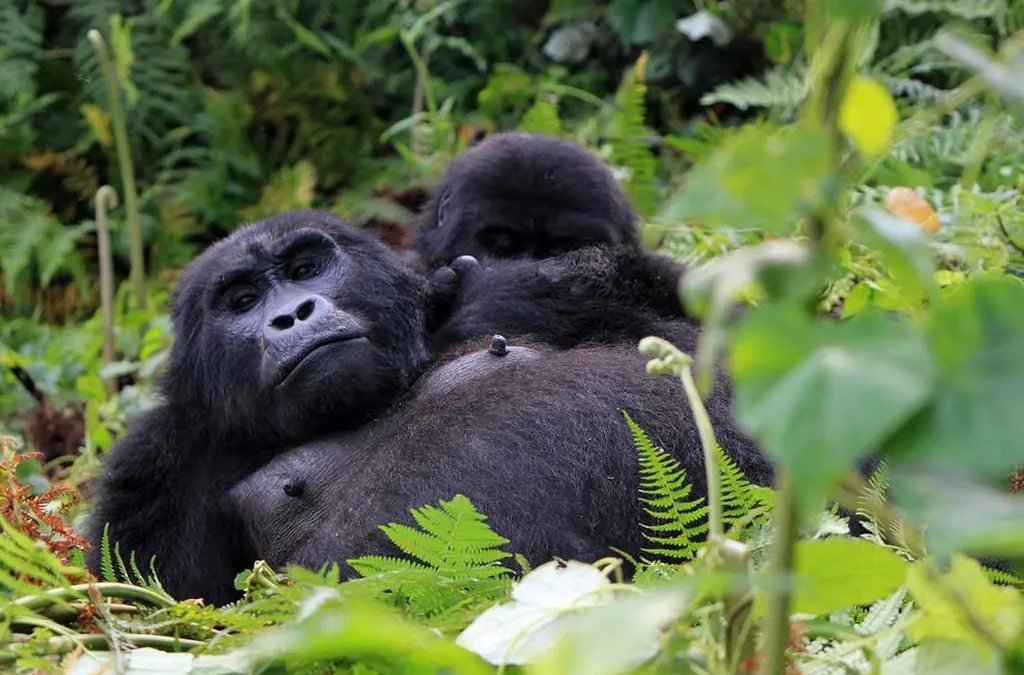
One of the first questions travelers ask when planning a gorilla safari is simple: how much does gorilla trekking in Uganda actually cost?
The answer is not as straightforward as many travel websites make it seem. While most articles focus solely on the gorilla permit fee, the reality is that a complete gorilla trekking experience involves several additional expenses, including transportation, accommodation, meals, porter services, and optional activities.
Many travelers see the advertised permit price and assume that is the total cost of the experience. Others encounter package prices ranging from $1,100 to more than $5,000 and wonder where the difference comes from.
This gorilla trekking Uganda cost deep dive breaks down every expense involved in a Uganda gorilla safari so you can understand exactly where your money goes, avoid hidden costs, and build a realistic budget for your adventure.
Whether you’re planning a budget trip, a mid-range safari, or a luxury gorilla experience, this guide will provide a transparent cost analysis.
The Short Answer: How Much Does Gorilla Trekking in Uganda Cost?
For most international visitors in 2026, a complete gorilla trekking trip typically falls into the following ranges:
| Safari Type | Estimated Total Cost |
| Budget Safari | $1,100 – $1,500 |
| Mid-Range Safari | $1,600 – $2,500 |
| Luxury Safari | $3,000 – $6,000+ |
These estimates include permits, accommodation, transport, meals, and guiding services. The largest single expense is the gorilla permit itself.
The Biggest Cost: Uganda Gorilla Trekking Permits
The gorilla permit is mandatory for anyone wishing to track mountain gorillas in Uganda.
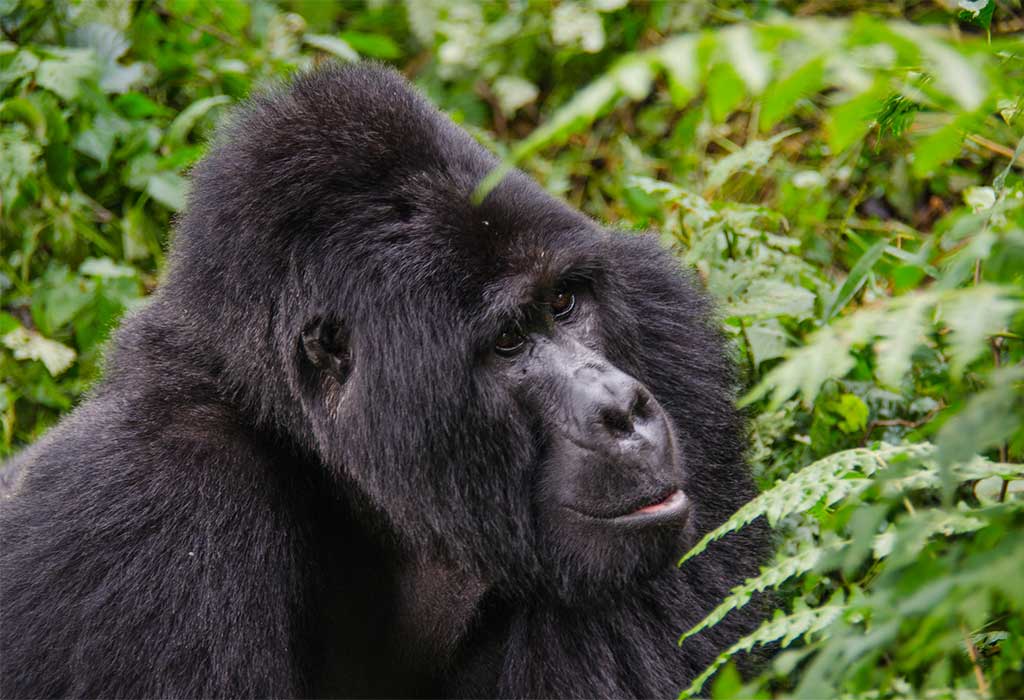
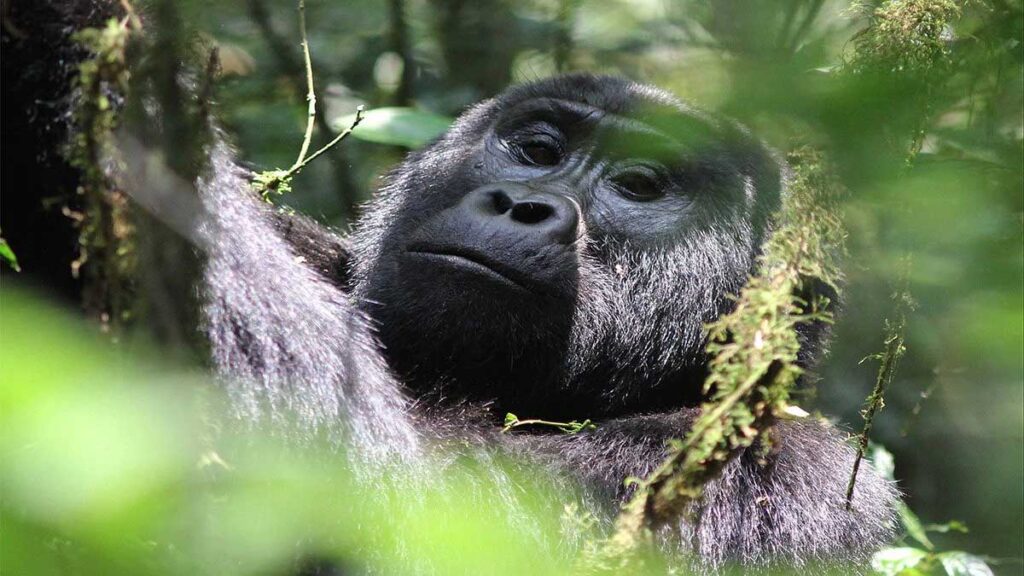
Issued by the Uganda Wildlife Authority (UWA), the permit grants access to either Bwindi Impenetrable National Park or Mgahinga Gorilla National Park and allows visitors to spend one hour with a habituated gorilla family.
Uganda Gorilla Permit Prices 2026
Foreign Non-Residents
USD 800 per person
Foreign Residents
USD 700 per person
Rest of Africa Visitors
USD 500 per person
East African Citizens
UGX 300,000 per person
The permit includes:
- Park entry on the trekking day
- Professional ranger guides
- Gorilla trackers
- Conservation fees
- Community support contributions
- One hour with mountain gorillas
The permit does not include transport, accommodation, meals, porter fees, tips, or travel insurance.
Why Are Gorilla Permits So Expensive?
Many first-time travelers experience sticker shock when they hear about the permit cost.
However, gorilla tourism is one of the world’s most successful conservation models.
Permit revenue helps fund:
Gorilla Conservation
The mountain gorilla population has recovered significantly over the past several decades due in part to tourism-funded conservation efforts.
Anti-Poaching Patrols
Park rangers conduct daily patrols to protect gorillas and their habitat.
Veterinary Services
Specialized veterinary teams monitor gorilla health and intervene when necessary.
Community Development
A portion of permit revenue supports schools, healthcare facilities, and community projects around gorilla habitats.
Without tourism revenue, conservation efforts would be significantly more challenging.
Transportation Costs: The Most Overlooked Expense
After permits, transportation often becomes the second-largest expense.
Bwindi Impenetrable National Park is located in southwestern Uganda, approximately 500 kilometers from Kampala.
Travelers typically choose between road transport and domestic flights.
Option 1: Road Transport
Road travel remains the most affordable choice.
Shared Safari Vehicle
Budget travelers often join group departures and share transportation costs.
Expected cost:
$100–$300 per person depending on group size.
Private Safari Vehicle
Private transport offers greater flexibility but costs more.
Expected cost:
$300–$800+ per vehicle.
The advantage is the ability to stop at attractions such as:
- The Equator
- Lake Mburo area
- Scenic viewpoints
- Local markets
Option 2: Domestic Flights
For travelers with limited time, domestic flights reduce travel time significantly.
Flights operate between Entebbe and airstrips near Bwindi and Mgahinga.
Expected cost:
$250–$500 each way.
Although expensive, flights eliminate long road transfers and maximize safari time.
Accommodation Costs Explained
Accommodation pricing varies dramatically depending on your preferred comfort level.
Budget Accommodation
Budget lodges provide:
- Basic rooms
- Shared or private bathrooms
- Local meals
- Hot showers
Typical rates:
$30–$80 per person per night.
Budget accommodation works well for backpackers and independent travelers.
Mid-Range Accommodation
Mid-range lodges generally include:
- Private cottages
- Better dining
- Comfortable beds
- Scenic forest views
Typical rates:
$100–$250 per person per night.
This category offers the best balance between comfort and affordability.
Luxury Accommodation
Luxury safari lodges feature:
- Spacious suites
- Fine dining
- Personalized services
- Premium locations
Typical rates:
$300–$1,000+ per night.
Many luxury properties overlook gorilla habitats and provide exceptional experiences.
Accommodation often becomes the largest differentiator between budget and luxury gorilla safaris.
Food and Beverage Costs
Most safari packages include meals.
However, independent travelers should budget separately.
Typical meal costs:
Budget Restaurants
$5–$15 per meal
Lodge Restaurants
$15–$40 per meal
Luxury Dining
$40–$100+ per meal
Most visitors spend between $15 and $50 daily on food if meals are not included.
Porter Fees: Small Cost, Big Benefit
One of the best investments during a gorilla trek is hiring a porter.
Many travelers mistakenly assume porters are only necessary for elderly visitors.
In reality, Bwindi’s terrain can be steep, muddy, and physically demanding.
Porters assist by:
- Carrying bags
- Providing support on slopes
- Helping navigate difficult sections
Typical porter fee:
Around $20.
Most visitors consider this money well spent while directly supporting local communities.
Tipping Costs
Although not mandatory, tipping is customary.
Typical guidelines include:
Ranger Guides
$10–$20 per person
Porters
$5–$10
Lodge Staff
$5–$20 depending on service levels
Budget approximately $30–$60 for gratuities during your trip.
Travel Insurance Costs
Travel insurance is often overlooked but highly recommended.
A comprehensive policy should cover:
- Medical emergencies
- Trip cancellations
- Flight disruptions
- Evacuations
- Lost luggage
Typical cost:
$50–$250 depending on age, destination, and coverage levels.
Hidden Gorilla Trekking Costs Many Travelers Miss
Some expenses rarely appear in advertised package prices.
Visa Fees
Most international travelers require a visa.
Uganda’s East Africa Tourist Visa can be a cost-effective option if visiting neighboring countries.
Airport Transfers
Budget for transportation between Entebbe Airport and your hotel.
Souvenirs
Craft markets around Bwindi offer:
- Handmade baskets
- Jewelry
- Wood carvings
- Local artwork
Many visitors spend $20–$200 on souvenirs.
Snacks and Drinks
Extra drinks and personal purchases can add up quickly over multiple days.
Gorilla Habituation Experience: Is It Worth the Extra Cost?
For travelers wanting a deeper encounter, Uganda offers the Gorilla Habituation Experience.
Instead of one hour with the gorillas, participants spend up to four hours with a semi-habituated gorilla family.
Current permit cost:
USD 1,500.
Although significantly more expensive, many photographers and wildlife enthusiasts consider it worthwhile because of the extended viewing time.
Budget vs Mid-Range vs Luxury: Real Examples
Budget Gorilla Safari
Typical cost:
$1,100–$1,500
Includes:
- Shared transportation
- Budget lodge
- Standard permit
- Basic meals
Best for backpackers and cost-conscious travelers.
Mid-Range Gorilla Safari
Typical cost:
$1,600–$2,500
Includes:
- Comfortable accommodation
- Professional guiding
- Private or semi-private transport
- Better dining
Best for couples and families.
Luxury Gorilla Safari
Typical cost:
$3,000–$6,000+
Includes:
- Luxury lodges
- Charter flights
- Premium services
- Exclusive experiences
Best for travelers prioritizing comfort and convenience.
Uganda vs Rwanda: Cost Comparison
One reason Uganda remains Africa’s most popular gorilla trekking destination is value.
Uganda
Permit cost:
USD 800
Rwanda
Permit cost:
Approximately USD 1,500
The actual gorilla experience is remarkably similar in both countries.
As a result, many travelers choose Uganda because the entire safari often costs less than Rwanda’s permit alone.
How to Reduce Gorilla Trekking Costs
If you’re looking for savings, consider the following strategies.
Travel During Low Season
New low-season permit discounts can reduce costs significantly during April, May, and November.
Join Group Safaris
Sharing transportation and guiding expenses lowers overall costs.
Book Early
Popular trekking sectors sell out months in advance.
Choose Budget Lodges
Accommodation upgrades often contribute more to trip costs than any other factor besides permits.
Travel by Road
Road transportation can save hundreds of dollars compared to domestic flights.
Is Gorilla Trekking in Uganda Worth the Cost?
Almost every traveler asks this question before booking.
The answer becomes clear after spending time with mountain gorillas in the wild.
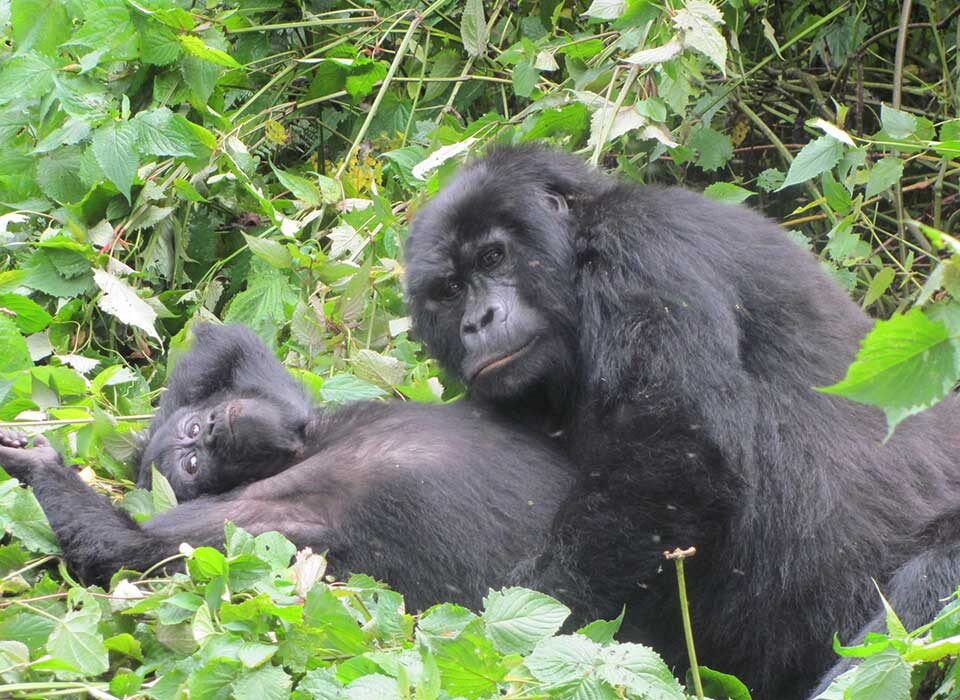
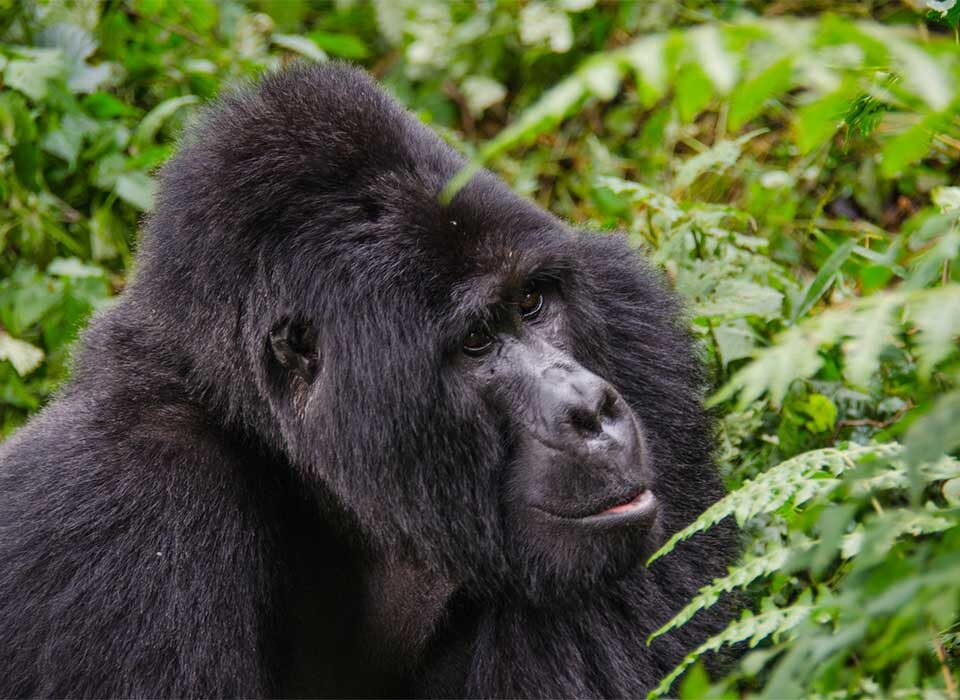
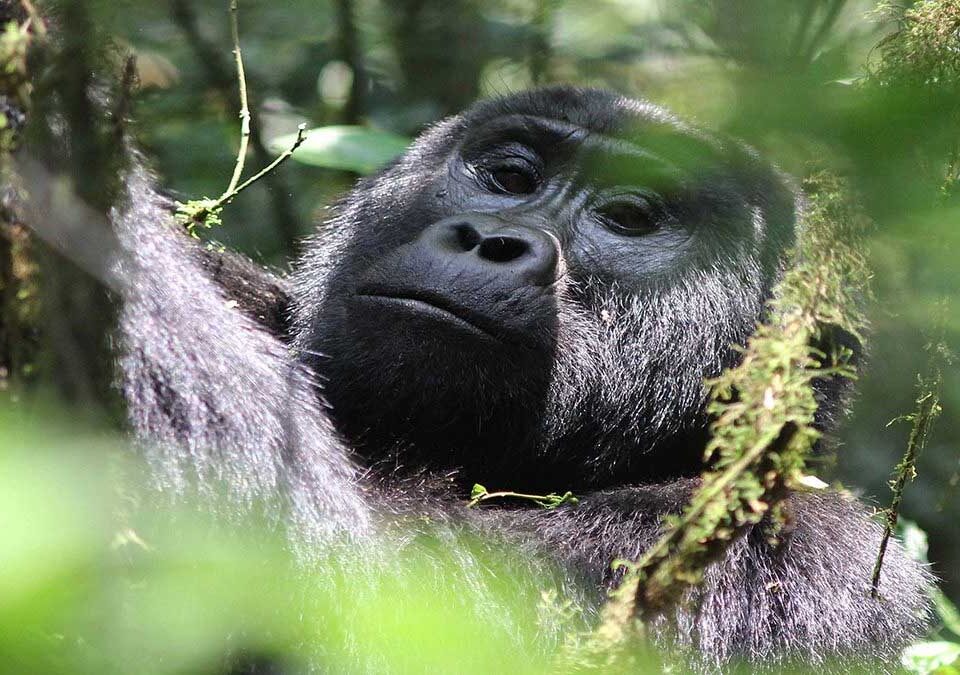
Unlike traditional wildlife safaris where animals may be viewed from a distance, gorilla trekking offers a deeply personal wildlife encounter. Visitors often find themselves just a few meters away from gorilla families, observing behaviors remarkably similar to our own.
Many travelers describe it as the most powerful wildlife experience of their lives. Community discussions and traveler reviews consistently rank gorilla trekking among Africa’s most unforgettable adventures.
Final Verdict
The true cost of gorilla trekking in Uganda extends far beyond the permit fee. While the mandatory permit costs USD 800 for most international visitors, a realistic trip budget should account for transportation, accommodation, porter services, meals, tips, insurance, and optional activities.
For budget travelers, a complete safari can often be achieved for around $1,100–$1,500. Mid-range travelers typically spend between $1,600 and $2,500, while luxury experiences can exceed $6,000.
When viewed purely as a financial expense, gorilla trekking may seem costly. However, when considered as a once-in-a-lifetime conservation experience that directly supports endangered mountain gorillas and local communities, many travelers find the value impossible to measure.
For anyone considering a Uganda gorilla safari, understanding the full cost breakdown is the first step toward planning an unforgettable adventure without unexpected surprises.