
How Much Does Gorilla Trekking Cost in Uganda?
July 4, 2026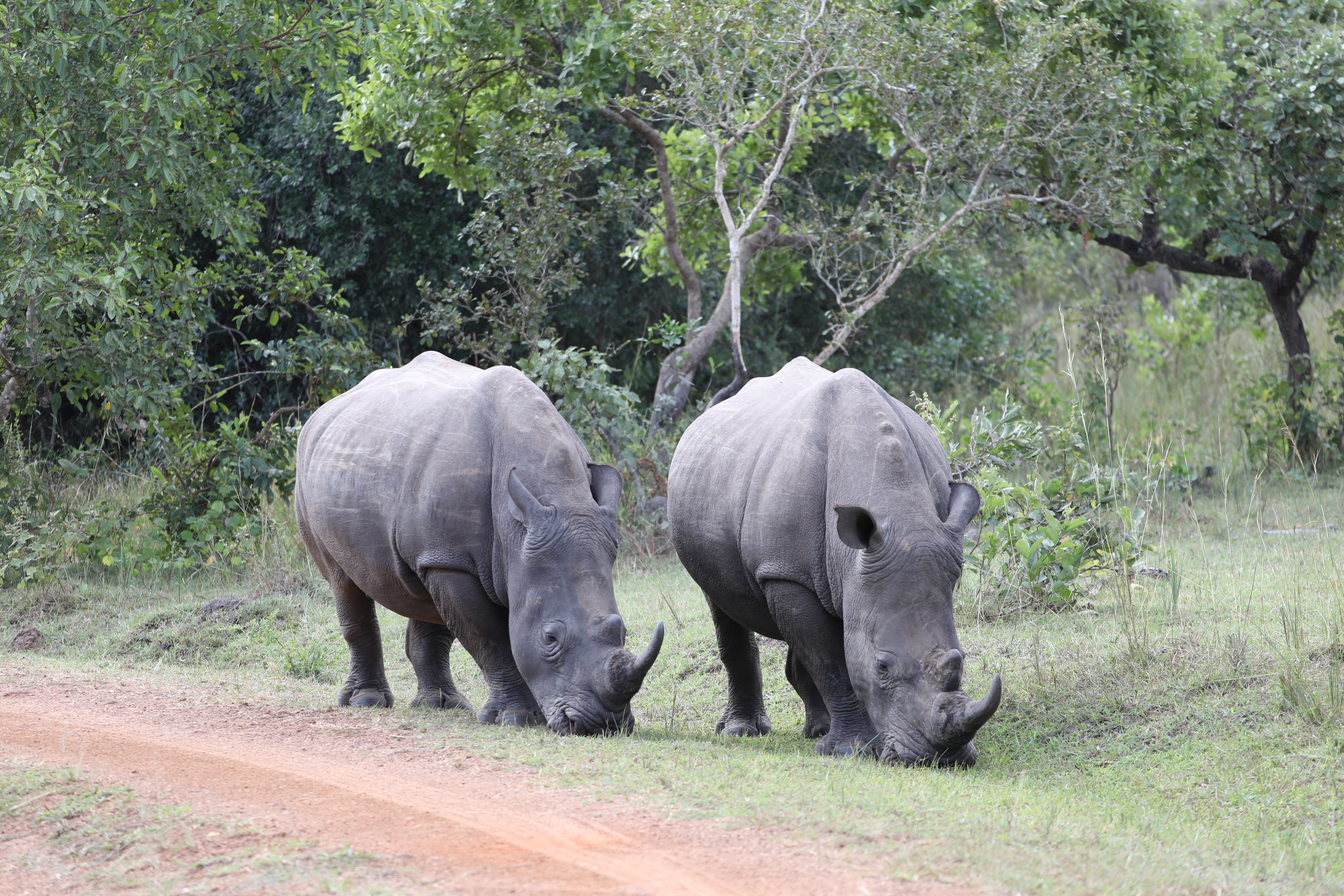
Four White Rhinos Return to Ajai Wildlife Reserve in Historic Conservation Move
September 15, 2026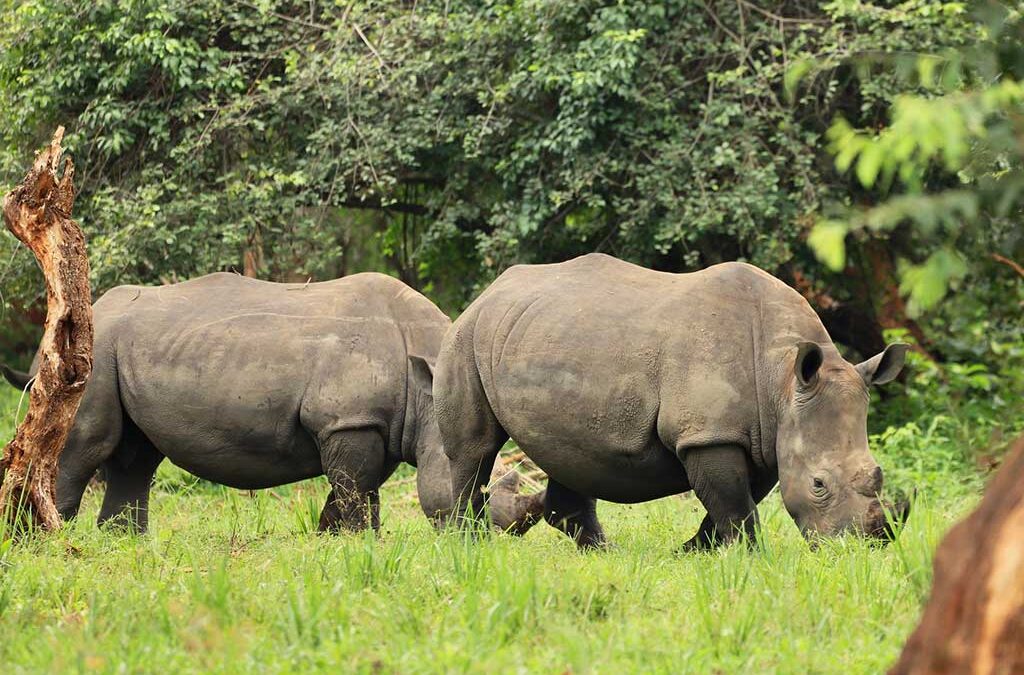
Uganda’s Kidepo Valley National Park has welcomed the return of southern white rhinos, marking a historic milestone in the country’s wildlife conservation efforts and opening a new chapter for tourism in northeastern Uganda.
On March 17, 2026, the Uganda Wildlife Authority (UWA) began the reintroduction of southern white rhinos to Kidepo Valley National Park, more than four decades after rhinos disappeared from the area. The first two rhinos were translocated from Ziwa Rhino Sanctuary in Nakasongola District, beginning a planned conservation programme to restore the species to its historical range.
The initial phase is expected to involve the relocation of eight rhinos, creating renewed hope for the recovery of one of Africa’s most iconic wildlife species in Uganda.
A Historic Return to Kidepo Valley National Park
The return of rhinos to Kidepo is significant because the species once formed part of the park’s natural heritage. However, years of poaching and insecurity led to their disappearance from the landscape. The last rhino was reportedly sighted in the Kidepo area in 1983.
The 2026 reintroduction represents the first major step toward restoring rhinos to a park renowned for its remote wilderness, dramatic landscapes, and exceptional wildlife diversity.
According to the Uganda Wildlife Authority, the translocation is aligned with Uganda’s National Rhino Conservation Strategy, which seeks to rebuild rhino populations and restore wildlife to suitable parts of their historical range.
Where Did the Rhinos Come From?
The rhinos were moved from Ziwa Rhino Sanctuary, a conservation facility in central Uganda that has played a vital role in restoring the country’s rhino population.
Ziwa Rhino Sanctuary began breeding southern white rhinos in Uganda during the 2000s. Its conservation programme has helped establish a population that can support carefully planned reintroduction efforts in other protected areas.
The animals transferred to Kidepo are southern white rhinos (Ceratotherium simum simum), a subspecies known for its large size, broad mouths, and grazing habits.
The translocation also builds on Uganda’s wider efforts to restore rhinos to protected areas. Earlier in 2026, four southern white rhinos were moved from Ziwa Rhino Sanctuary to Ajai Wildlife Reserve as part of the national conservation programme.
Why Are Rhinos Being Reintroduced to Kidepo?
The reintroduction has several important conservation objectives:
1. Restoring a Lost Species
Reintroducing rhinos to Kidepo helps restore a species that historically occupied the region. Returning native or historically associated wildlife to suitable habitats is an important part of ecosystem restoration.
2. Strengthening Uganda’s Rhino Conservation Programme
The initiative expands rhino conservation beyond Ziwa Rhino Sanctuary and supports the long-term goal of establishing viable rhino populations in protected areas.
3. Supporting Biodiversity Conservation
Rhinos are large herbivores that influence vegetation and contribute to the ecological balance of savannah ecosystems. Their presence can form part of a broader effort to restore wildlife diversity in Kidepo.
4. Creating New Opportunities for Wildlife Tourism
Kidepo Valley National Park is already one of Uganda’s most distinctive safari destinations. The return of rhinos adds to its conservation appeal and could strengthen its position as a destination for visitors interested in rare and iconic African wildlife.
What Makes Kidepo Valley National Park Special?
Located in northeastern Uganda, Kidepo Valley National Park is famous for its rugged mountains, expansive savannah plains, seasonal rivers, and remote wilderness atmosphere.
The park is home to a remarkable range of wildlife, including:
- Lions
- Leopards
- Elephants
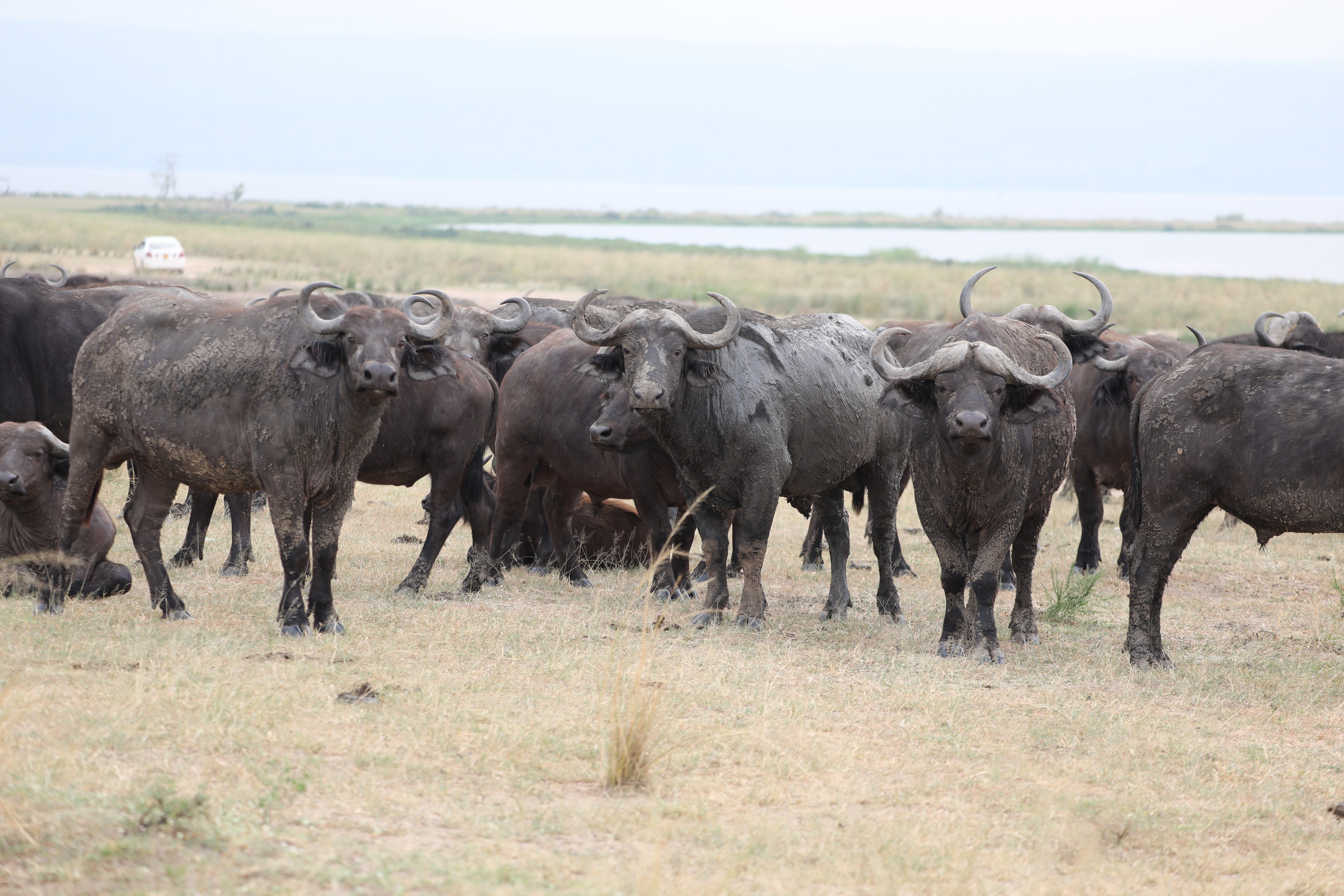
- Buffaloes
- Giraffes
- Zebras
- Uganda kobs
- Jackson’s hartebeests
- Elands
- Hyenas
- Ostriches
- Numerous bird species
Kidepo is particularly valued for its scenic beauty and the opportunity to experience wildlife in a less crowded environment than some of East Africa’s more heavily visited safari destinations.
With the reintroduction of rhinos, the park gains another important conservation story—one that connects Uganda’s wildlife heritage with its future.
How Were the Rhinos Translocated?
Moving rhinos over long distances requires extensive planning, veterinary supervision, security, and specialised transport equipment.
The animals were transported from Ziwa Rhino Sanctuary to Kidepo Valley National Park under the supervision of wildlife and veterinary teams. The operation was designed to prioritise animal welfare and ensure that the rhinos could be safely introduced into their new environment.
Reports indicate that the initial two rhinos began their journey from Ziwa on March 17, 2026. Two additional rhinos subsequently arrived on March 19, bringing the number reported to have reached Kidepo to four. The broader programme is expected to involve eight rhinos in the initial phase.
What Does the Rhino Return Mean for Uganda’s Big Five Safaris?
The return of rhinos could further enhance Uganda’s reputation as a destination for Big Five wildlife safaris.
Uganda already offers opportunities to see lions, leopards, elephants, and buffaloes in destinations such as Kidepo Valley National Park, Queen Elizabeth National Park, and Murchison Falls National Park. The reintroduction of rhinos creates the possibility of expanding the Big Five experience in Kidepo as the animals become established and are eventually managed for appropriate wildlife viewing.
However, visitors should understand that rhino reintroduction is primarily a conservation initiative. Sightings are not guaranteed, and the animals’ welfare and protection remain more important than tourism access.
Conservation Challenges and the Road Ahead
Although the return of rhinos is a major achievement, establishing a sustainable population will require long-term commitment.
Key priorities include:
- Protecting rhinos from poaching.
- Maintaining effective wildlife security.
- Monitoring their health, movements, and adaptation.
- Ensuring suitable habitat and food availability.
- Supporting veterinary care and scientific research.
- Working with conservation partners and surrounding communities.
- Expanding the population gradually through responsible breeding and translocation.
Rhino conservation is especially important because the species continues to face threats from illegal wildlife trafficking and demand for rhino horn. Strong protection systems and consistent investment will be essential to the success of the Kidepo reintroduction programme.
A New Reason to Visit Kidepo Valley National Park
For travellers planning a Uganda safari, the return of white rhinos adds another compelling reason to explore Kidepo Valley National Park.
Visitors can already experience the park’s dramatic landscapes, diverse wildlife, cultural encounters, and remote safari atmosphere. As the rhino conservation programme develops, Kidepo may become even more important for travellers interested in wildlife restoration and conservation-led tourism.
A visit to Kidepo is not only an opportunity to see Uganda’s wilderness—it is also a chance to support the broader conservation economy that helps protect the country’s natural heritage.
Conclusion
The return of southern white rhinos to Kidepo Valley National Park is one of Uganda’s most important recent wildlife conservation milestones. After approximately 43 years without rhinos in the area, the 2026 translocation marks the beginning of a carefully planned effort to restore the species to northeastern Uganda.
With continued protection, scientific monitoring, and support from conservation partners, the programme could contribute significantly to Uganda’s wildlife recovery and strengthen Kidepo’s reputation as one of Africa’s outstanding wilderness destinations.
The rhinos’ return is more than a wildlife story, it is a symbol of conservation progress and a hopeful new chapter for Uganda’s natural heritage.