
Gorilla Habituation Experience in Uganda, What to Know Before You Go
June 1, 2026
A Complete Gorilla Trekking Uganda Cost Breakdown
June 1, 2026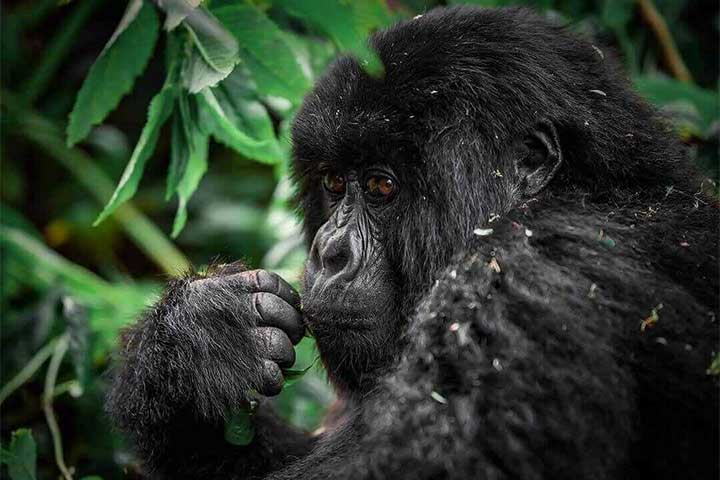
Uganda is one of Africa’s most family-friendly safari destinations, offering unforgettable wildlife encounters, breathtaking landscapes, rich cultural experiences, and some of the world’s most remarkable primate adventures. Among its biggest attractions is mountain gorilla trekking, an experience that draws thousands of visitors to the rainforests of southwestern Uganda every year. For families planning an African adventure, one of the most common questions is whether children can participate in gorilla trekking and what rules apply.
Understanding the age requirements, trekking regulations, safety guidelines, and alternative activities for younger travelers is essential when planning a family safari. While mountain gorilla encounters can be life-changing experiences, conservation regulations have been carefully designed to protect both visitors and the endangered gorillas themselves.
This comprehensive gorilla trekking Uganda family guide explains everything parents need to know before traveling with children, including minimum age requirements, family-friendly safari options, safety considerations, alternative activities for younger kids, accommodation recommendations, and practical tips for creating an unforgettable family gorilla safari.
Can Children Go Gorilla Trekking in Uganda?
The simple answer is yes, but only if they meet the minimum age requirement.
Uganda allows children aged 15 years and above to participate in gorilla trekking. This regulation applies to all visitors regardless of nationality and is strictly enforced by the Uganda Wildlife Authority.
Children younger than 15 years are not permitted to trek mountain gorillas under normal circumstances.
This age restriction sometimes surprises families planning their safari, especially those traveling with younger children. However, the rule exists for several important reasons that relate to conservation, safety, and visitor experience.
Understanding these reasons helps families appreciate why the regulations are necessary.
Why Is the Minimum Gorilla Trekking Age 15 Years?
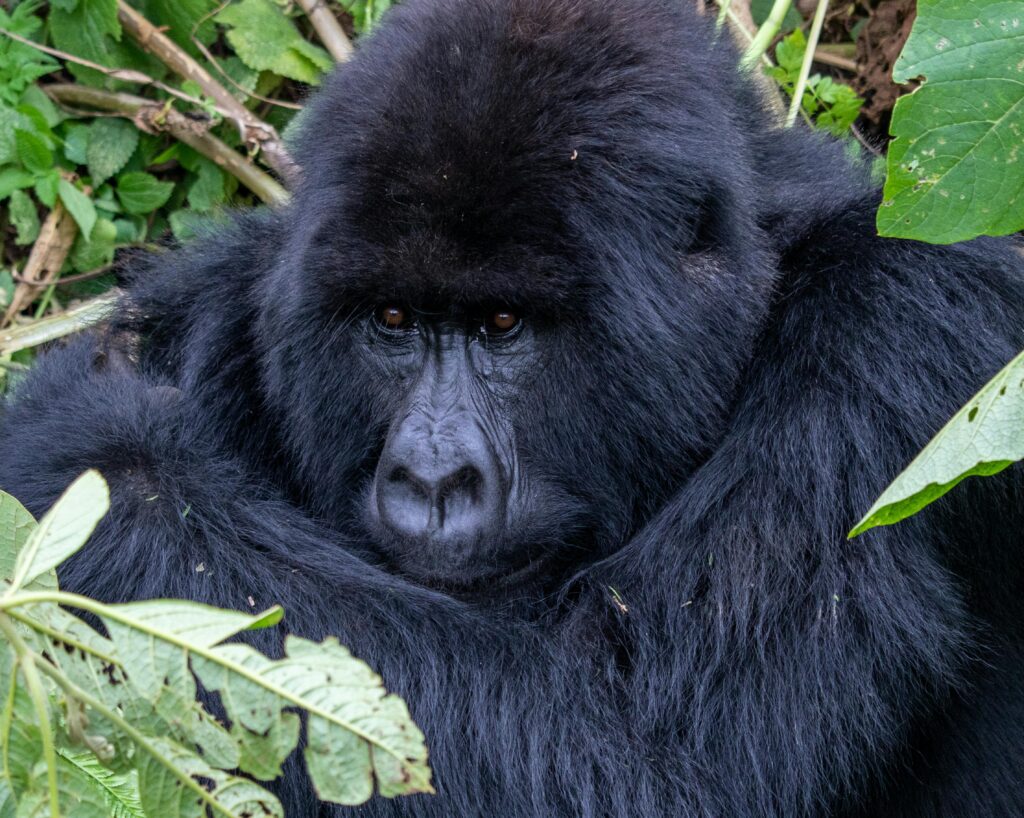
Mountain gorillas share approximately 98 percent of their DNA with humans, making them highly susceptible to many human diseases.
Children are generally more likely to carry contagious illnesses such as colds, flu, and respiratory infections, even when symptoms appear mild. Since gorillas have limited immunity to human diseases, protecting them from exposure is a major conservation priority.
The age limit also addresses behavioral concerns.
Gorilla encounters require visitors to remain calm, quiet, and disciplined in close proximity to wild animals. Young children may become frightened, excited, or unpredictable during encounters, potentially creating stressful situations for both the gorillas and trekking groups.
Physical demands are another important factor.
Gorilla trekking often involves hiking through steep terrain, dense vegetation, muddy trails, and high-altitude forests for several hours. The activity can be challenging even for adults in good physical condition.
By setting the minimum age at 15, authorities help ensure participants possess the maturity, physical capability, and emotional readiness necessary for a safe and enjoyable experience.
What Happens If a Child Is Close to 15 Years Old?
Many parents ask whether exceptions can be made for children who are almost 15.
In some cases, the Uganda Wildlife Authority may consider applications for children approaching their fifteenth birthday, particularly if they demonstrate sufficient physical fitness and maturity. However, such exceptions are not guaranteed and are evaluated individually.
Families should never assume an exception will be granted.
It is always advisable to discuss specific circumstances with a reputable tour operator well in advance of booking gorilla permits.
For most travelers, planning around the official age requirement remains the safest approach.
Is Gorilla Trekking Safe for Teenagers?
For teenagers who meet the minimum age requirement, gorilla trekking is generally considered very safe.
Uganda’s gorilla tourism industry is highly regulated and professionally managed. Every trekking group is accompanied by experienced rangers, guides, and trackers who monitor both visitor safety and gorilla behavior.
Before each trek, participants receive detailed briefings covering safety procedures, wildlife etiquette, and conservation guidelines.
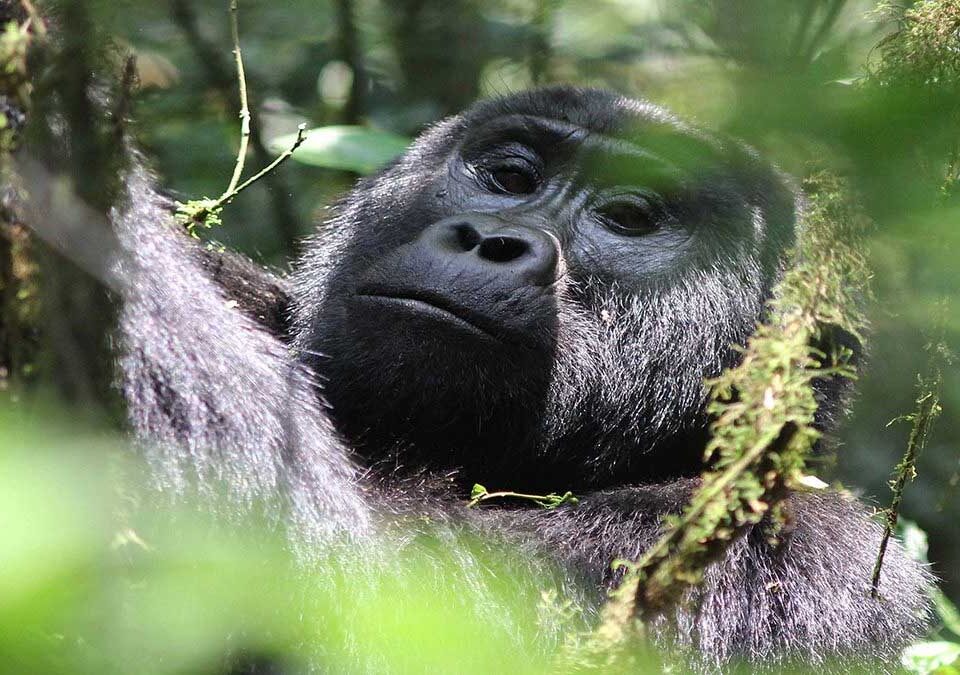
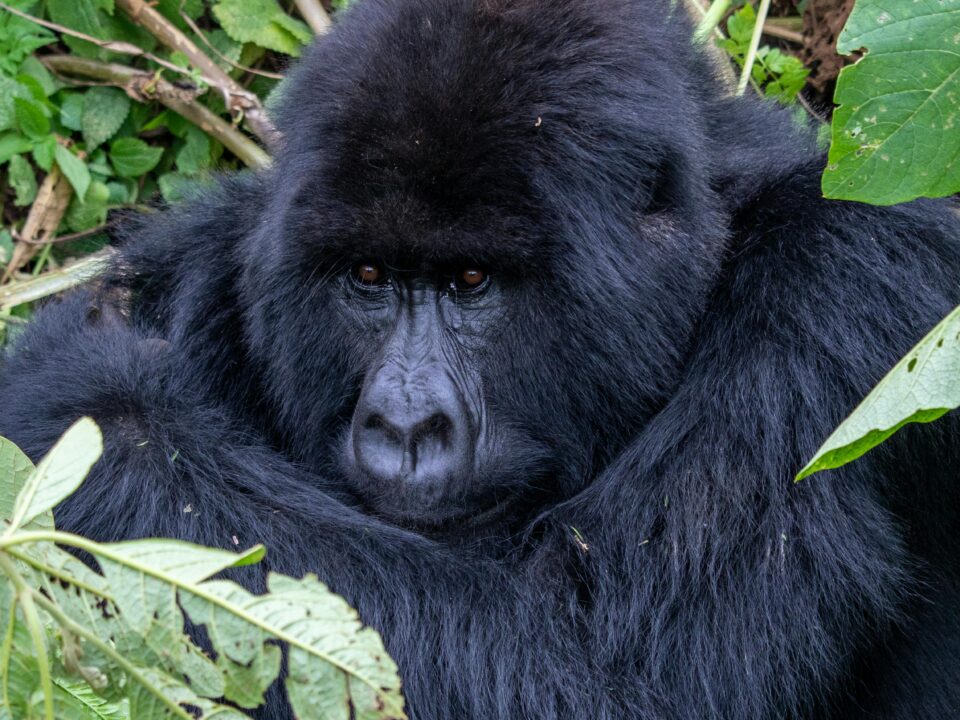
Mountain gorillas are naturally peaceful animals, and habituated families have become accustomed to human observers. Although they remain wild animals, aggressive incidents involving tourists are extremely rare when proper guidelines are followed.
Teenagers who enjoy nature, wildlife, hiking, photography, and outdoor adventures often find gorilla trekking to be one of the most memorable experiences of their lives.
Gorilla Trekking Rules Families Must Know
Every participant, regardless of age, must follow strict rules designed to protect both gorillas and visitors.
One of the most important regulations involves maintaining a safe distance from the gorillas. Visitors are generally required to remain at least seven meters away whenever possible.
This distance helps reduce disease transmission while minimizing stress on the animals.
Visitors must also avoid making sudden movements, loud noises, or direct challenges toward gorillas.
Flash photography is prohibited because sudden flashes may disturb the animals.
Anyone experiencing symptoms of illness, especially respiratory infections, may be prevented from participating in the trek.
Food and drink are not allowed near the gorillas, and visitors should avoid touching the animals under all circumstances.
These regulations ensure that gorilla tourism remains sustainable and beneficial for conservation efforts.
Choosing the Right Gorilla Trekking Sector for Families
Uganda offers gorilla trekking in multiple sectors of Bwindi Impenetrable National Park as well as Mgahinga Gorilla National Park.
Families traveling with teenagers often benefit from selecting trekking sectors carefully.
Buhoma Sector
Buhoma is often considered one of the most accessible sectors for families.
The area offers a variety of accommodation options, relatively good infrastructure, and several gorilla families with varying trekking difficulty levels.
Many first-time visitors choose Buhoma because it provides a balanced gorilla trekking experience.
Rushaga Sector
Rushaga is popular for its large number of habituated gorilla families and excellent family-friendly lodges.
Because there are multiple gorilla groups available, guides can often allocate families to routes that match their fitness levels.
Ruhija Sector
Ruhija offers stunning scenery and excellent birdwatching opportunities.
Teenagers interested in wildlife photography and nature often appreciate the quieter atmosphere found in this sector.
Mgahinga Gorilla National Park
Mgahinga provides a more intimate trekking experience and spectacular volcanic scenery.
Families seeking fewer crowds often find Mgahinga particularly appealing.
What If You Have Younger Children?
Many families travel to Uganda with children younger than 15 years.
Although these children cannot participate in gorilla trekking, Uganda offers numerous alternative activities that allow the entire family to enjoy a rewarding safari.
Nature Walks
Several parks and lodges offer guided nature walks suitable for younger children.
These walks provide opportunities to learn about local plants, birds, insects, and ecosystems.
Community and Cultural Experiences
Families can visit local villages, schools, craft markets, and cultural centers.
Children often enjoy interacting with local communities and learning about traditional Ugandan lifestyles.
Boat Safaris
Uganda’s boat safaris are ideal for families.
Cruises along the Kazinga Channel in Queen Elizabeth National Park or the Nile River in Murchison Falls National Park provide excellent wildlife viewing without strenuous hiking.
Wildlife Game Drives
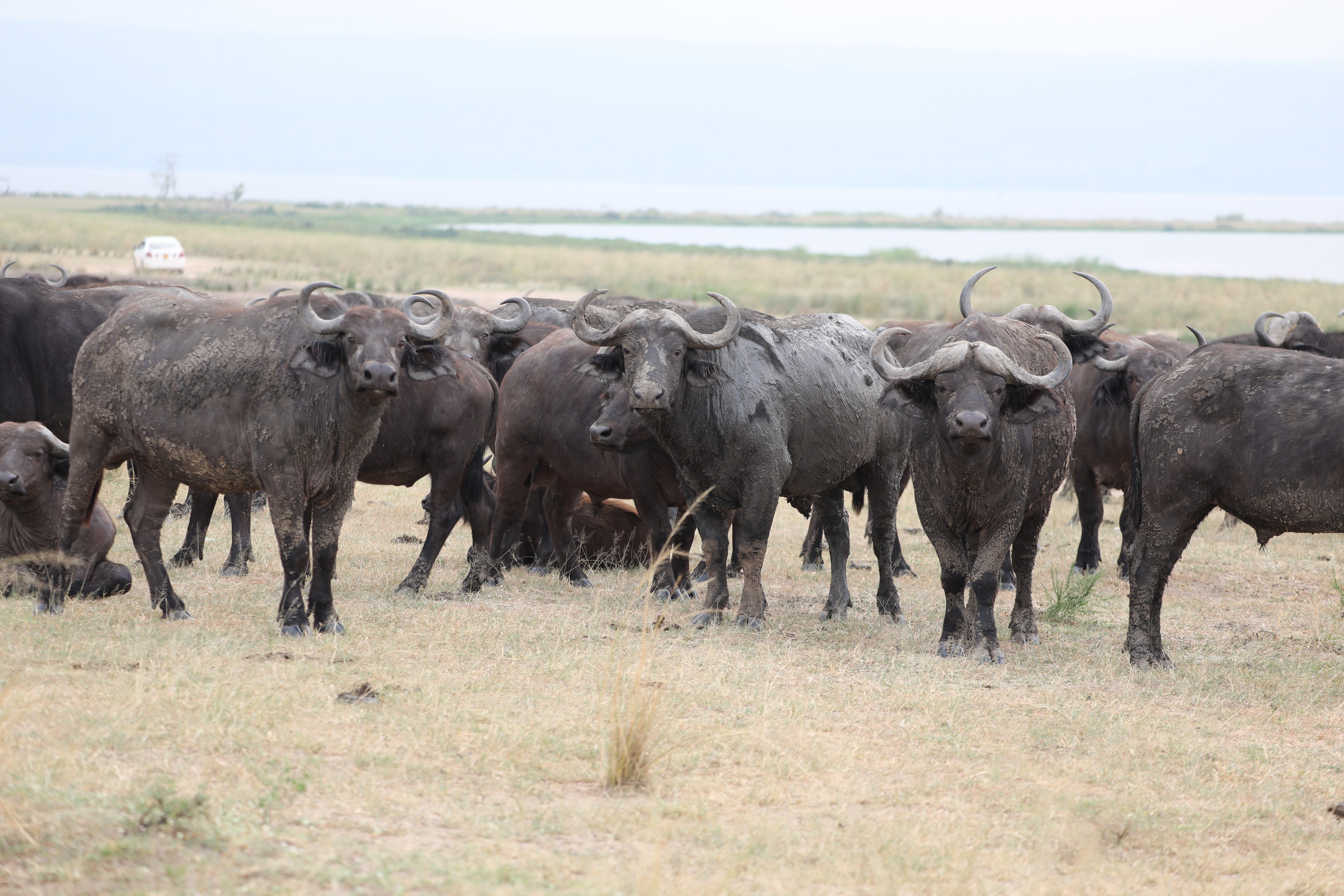
Traditional safari game drives allow younger children to see elephants, giraffes, zebras, buffaloes, antelopes, and numerous bird species from the comfort of a vehicle.
Batwa Cultural Experiences
Near Bwindi and Mgahinga, families can learn about the Batwa people, one of the region’s indigenous communities.
These educational experiences often include storytelling, traditional dances, and demonstrations of forest survival skills.
Family-Friendly Gorilla Safari Itineraries
A successful family safari often balances gorilla trekking with activities suitable for all age groups.
Families with Teenagers
Families whose children are 15 years and older can fully participate in gorilla trekking together.
Popular itineraries combine:
Bwindi gorilla trekking
Queen Elizabeth National Park safaris
Chimpanzee tracking
Boat cruises
Cultural visits
These itineraries provide diverse experiences while keeping travel distances manageable.
Families with Younger Children
Families with children below the gorilla trekking age limit often split activities.
While eligible family members participate in gorilla trekking, younger children can enjoy supervised activities arranged through lodges or guides.
Many lodges offer family-oriented experiences specifically designed for children.
Accommodation for Families
Choosing the right accommodation is one of the most important aspects of planning a family gorilla safari.
Fortunately, Uganda offers a wide range of family-friendly lodges near gorilla trekking destinations.
Budget Family Lodges
Budget accommodations often provide family rooms, simple amenities, and easy access to trekking headquarters.
These properties are ideal for families seeking affordable safari experiences.
Mid-Range Family Lodges
Mid-range lodges offer comfortable family cottages, quality dining, and organized activities suitable for children.
Many families find this category provides the best balance between comfort and value.
Luxury Gorilla Safari Lodges
Luxury lodges provide spacious family suites, private guides, personalized services, and exceptional dining experiences.
Some luxury properties offer children’s programs, educational activities, and family-oriented safari experiences.
How to Prepare Teenagers for Gorilla Trekking
Preparing teenagers for gorilla trekking enhances both safety and enjoyment.
Parents should discuss what to expect during the trek, including hiking conditions, weather variations, and behavioral guidelines around gorillas.
Encouraging regular physical activity before travel can improve trekking comfort.
Teenagers should understand that wildlife encounters are unpredictable and that patience is often required.
Many families find that involving teenagers in trip planning increases excitement and engagement.
Learning about mountain gorillas before arrival can also make the experience more meaningful.
Packing for a Family Gorilla Safari
Packing appropriately contributes significantly to a successful family adventure.
Essential items include sturdy hiking boots, lightweight waterproof jackets, long trousers, insect repellent, sunscreen, reusable water bottles, cameras, binoculars, and personal medications.
Families traveling with younger children should also consider entertainment for long drives, snacks, and comfort items.
Weather in Uganda can vary considerably depending on location and altitude, making layered clothing particularly useful.
Best Time for a Family Gorilla Safari
Uganda welcomes visitors throughout the year.
However, many families prefer traveling during the dry seasons, which typically occur between June and September and from December to February.
These months often provide easier trekking conditions and more predictable weather.
Families traveling during school holidays should book permits and accommodations well in advance because demand tends to be higher.
The rainy seasons offer fewer crowds and lush scenery, making them attractive alternatives for some travelers.
Conservation Lessons for Children
One of the greatest benefits of a family gorilla safari is its educational value.
Children and teenagers gain firsthand exposure to wildlife conservation, biodiversity, environmental stewardship, and sustainable tourism.
Witnessing conservation efforts in action often creates lasting impressions that extend far beyond the safari itself.
Many parents view gorilla safaris as valuable opportunities to teach children about global conservation challenges and the importance of protecting endangered species.
The experience frequently inspires a deeper appreciation for nature and wildlife.
Why Uganda Is an Excellent Family Safari Destination
Uganda offers a unique combination of adventure, education, wildlife, and cultural experiences that appeal to families of all ages.
Few destinations allow travelers to combine mountain gorillas, chimpanzees, elephants, lions, giraffes, boat safaris, cultural encounters, and scenic landscapes within a single itinerary.
The country’s friendly people, diverse attractions, and growing tourism infrastructure make it increasingly popular among family travelers.
Whether families are traveling with teenagers eager to trek gorillas or younger children interested in wildlife and culture, Uganda offers experiences that create lifelong memories.
Conclusion
Planning a family gorilla safari requires understanding the age requirements, safety guidelines, and conservation regulations that govern mountain gorilla tourism. While children under 15 years cannot normally participate in gorilla trekking, Uganda offers numerous alternative activities that ensure every family member enjoys an enriching safari experience.
For teenagers who meet the minimum age requirement, gorilla trekking can be one of the most extraordinary wildlife encounters available anywhere in the world. Combined with traditional safaris, cultural experiences, chimpanzee tracking, and family-friendly accommodations, a Uganda gorilla safari creates unforgettable opportunities for adventure, learning, and connection with nature.
This gorilla trekking Uganda family guide demonstrates that with proper planning, Uganda remains one of Africa’s most rewarding destinations for families seeking meaningful wildlife experiences and lifelong memories.