
Gorilla Trekking Uganda with Kids, Age Limits, Rules and Family Travel Guide
June 1, 2026
Uganda vs Rwanda Gorilla Trekking
June 1, 2026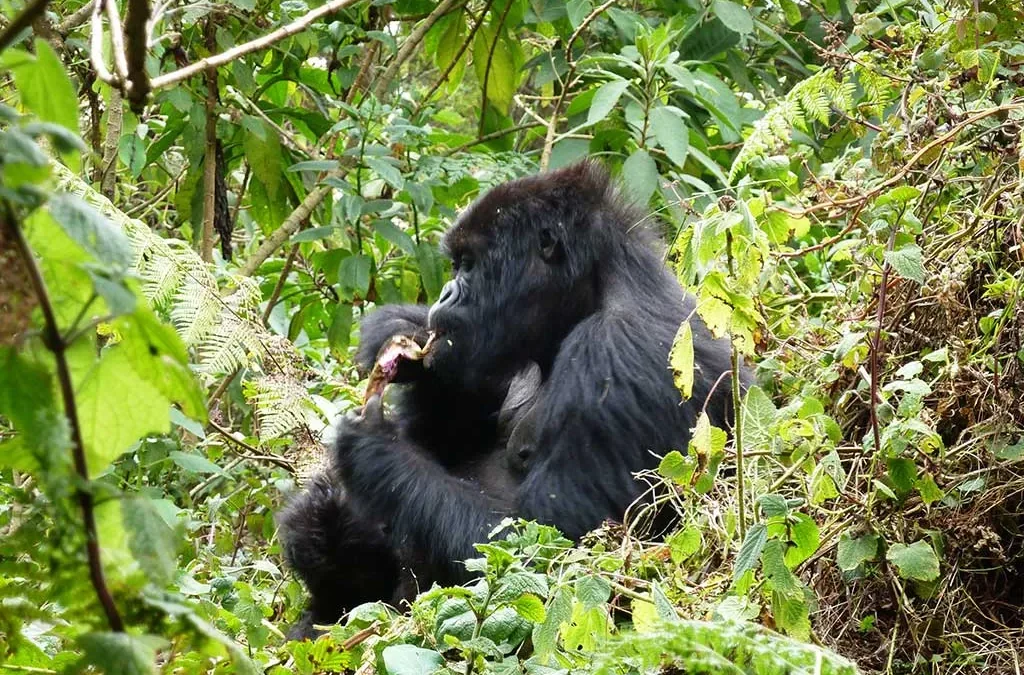
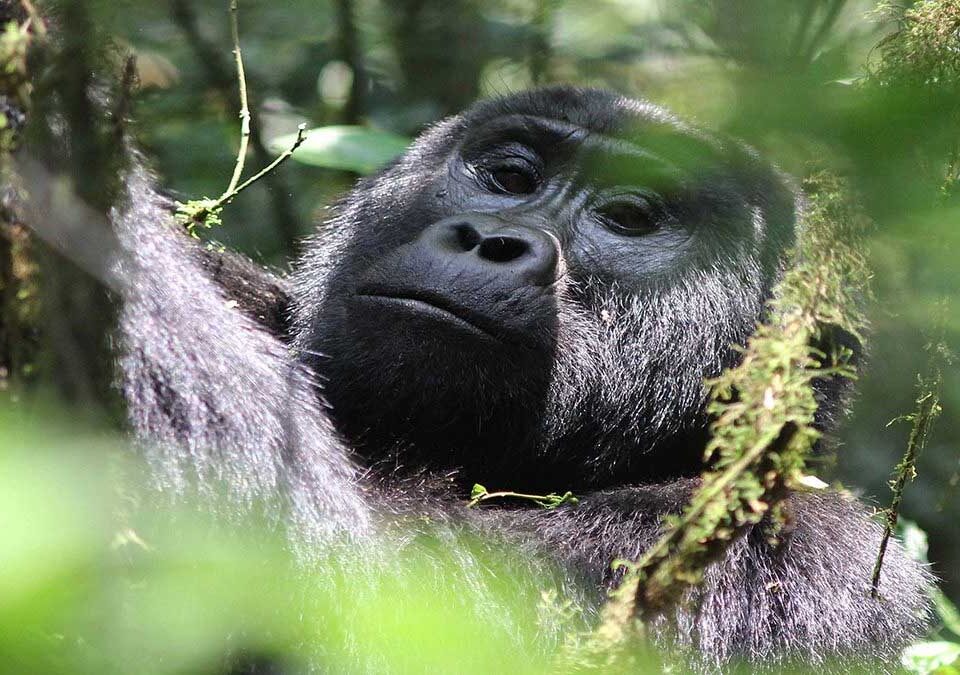
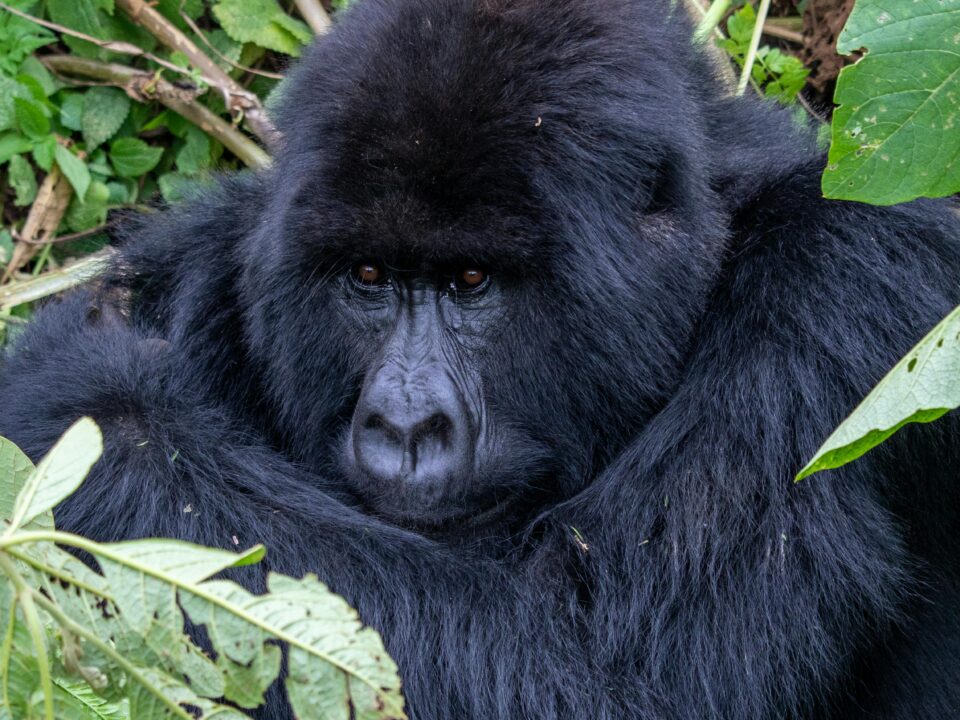
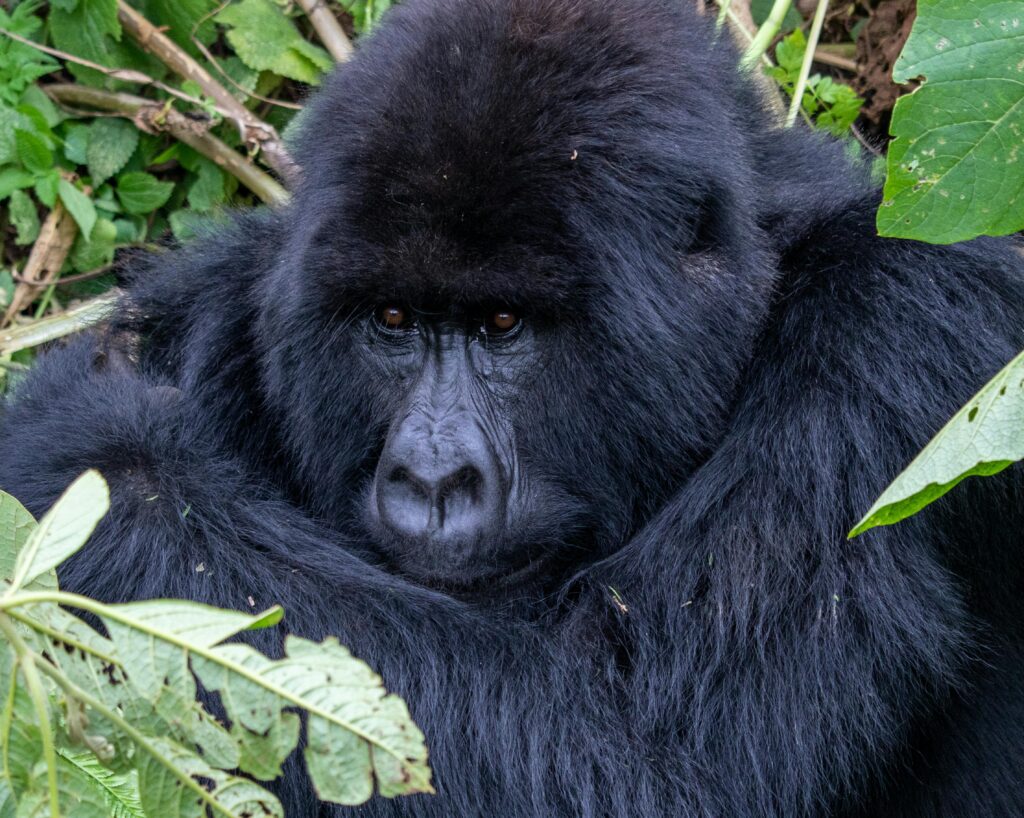
Gorilla trekking in Uganda is widely regarded as one of the most extraordinary wildlife experiences on Earth. Standing just a few meters away from a family of endangered mountain gorillas in their natural rainforest habitat is a privilege that few travelers ever forget. Every year, thousands of visitors travel to Bwindi Impenetrable National Park and Mgahinga Gorilla National Park to experience this once-in-a-lifetime adventure.
When planning a gorilla safari, most travelers focus primarily on the gorilla permit cost. While the permit is indeed one of the largest expenses, it is far from the only cost associated with a gorilla trekking trip. Many first-time visitors are surprised to discover that several additional expenses can significantly impact their overall budget.
Understanding these hidden costs before booking your safari can help you avoid unexpected expenses, plan more accurately, and ensure a smoother travel experience. Whether you are organizing a budget adventure, a mid-range safari, or a luxury gorilla tour, knowing the complete financial picture is essential.
This comprehensive gorilla trekking Uganda cost breakdown explores the often-overlooked expenses associated with gorilla trekking, helping travelers prepare realistic budgets and make informed decisions.
Why Travelers Underestimate Gorilla Trekking Costs
When researching gorilla trekking, many websites and advertisements emphasize permit prices and package rates. While these figures provide a useful starting point, they do not always include every expense travelers will encounter before, during, and after their trek.
The remote location of Uganda’s gorilla parks means transportation, accommodation, meals, and logistical arrangements all contribute to the total trip cost.
In addition, personal preferences, travel style, seasonality, and optional services can significantly affect overall spending.
A traveler who focuses only on the permit price may discover that their final safari cost is substantially higher than expected.
Understanding the hidden costs in advance allows for better financial planning and a more enjoyable experience.
The Gorilla Permit Is Only the Beginning
The gorilla permit is the most visible cost of any Uganda gorilla safari.
The permit grants access to a habituated gorilla family, park entry, ranger guidance, and one hour of observation with the gorillas.
Because permit prices receive the most attention, many visitors assume this fee covers most of the experience.
In reality, the permit represents just one component of the total safari budget.
Transportation, accommodation, meals, porter fees, and various travel-related expenses often add significantly to the final cost.
The true cost of gorilla trekking extends far beyond the permit itself.
Transportation Costs to Bwindi and Mgahinga
One of the most commonly overlooked expenses involves transportation to the trekking destinations.
Both Bwindi Impenetrable National Park and Mgahinga Gorilla National Park are located in southwestern Uganda, far from Entebbe International Airport.
Road Transfers
Travelers choosing road transportation often underestimate fuel costs, driver fees, vehicle hire charges, and travel time.
The drive from Entebbe or Kampala to Bwindi can take eight to ten hours depending on road conditions and the specific trekking sector.
Private vehicle hire offers flexibility but increases overall costs.
Even group tours that advertise affordable prices must account for transportation expenses within their package rates.
Domestic Flights
Many visitors choose domestic flights to reduce travel time.
While flying offers convenience and comfort, domestic flights add a significant expense to the safari budget.
Return flights to airstrips near Bwindi often cost several hundred dollars per person.
Travelers frequently focus on permit costs while forgetting to include domestic flight expenses in their initial calculations.
Airport Transfers
Even after arriving in Uganda, transportation costs continue.
Airport transfers between Entebbe International Airport, hotels, domestic terminals, and safari departure points can accumulate quickly.
Luxury lodges may include transfers within package prices, but independent travelers often pay separately.
Depending on the distance and service level, airport transfers can become a noticeable addition to the overall safari budget.
Accommodation Costs Beyond Basic Estimates
Accommodation is another major component of any gorilla trekking Uganda cost breakdown.
Many travelers calculate lodging expenses based on room rates alone without considering additional charges.
Meals and Drinks
Not all lodges operate on fully inclusive plans.
While some luxury properties include meals and beverages, others charge separately for lunch, dinner, alcoholic drinks, and specialty beverages.
Over several days, these expenses can add up considerably.
Single Supplement Charges
Solo travelers frequently encounter single supplement fees.
Many lodges base pricing on double occupancy, meaning solo guests often pay significantly more than expected.
Peak Season Pricing
Accommodation costs fluctuate throughout the year.
During the peak gorilla trekking seasons, room rates often increase substantially due to high demand.
Travelers booking during these periods may pay considerably more than those visiting during quieter months.
Porter Fees: A Small Cost with Big Benefits
One of the most valuable services available during gorilla trekking is hiring a porter.
Porters assist visitors by carrying backpacks, providing support on steep trails, and helping navigate difficult terrain.
Although hiring a porter is optional, many trekkers quickly discover its benefits.
The fee may seem like an additional expense at first, but it often enhances comfort and safety significantly.
Porter services also support local communities by providing employment opportunities near the national parks.
Many experienced travelers consider this one of the most worthwhile investments of the entire safari.
Tips and Gratuities
Tipping is another frequently overlooked expense.
Throughout a gorilla safari, visitors interact with guides, drivers, rangers, lodge staff, porters, and local community members.
While tipping is not mandatory, it is widely practiced and appreciated.
Many travelers underestimate how quickly gratuities accumulate over the course of a multi-day safari.
Planning a separate tipping budget helps avoid financial surprises.
Travel Insurance
Travel insurance is one of the most commonly forgotten costs when planning a gorilla trekking adventure.
Comprehensive travel insurance can provide protection against:
Trip cancellations
Medical emergencies
Flight delays
Lost luggage
Unexpected travel disruptions
Because gorilla permits are often non-refundable or subject to strict cancellation policies, travel insurance can offer valuable financial protection.
The cost of insurance varies depending on age, destination, coverage levels, and trip duration.
Although it adds to the overall budget, many travelers view it as an essential expense rather than an optional extra.
Visa Fees and Entry Requirements
International travelers must also consider visa-related expenses.
Uganda requires many visitors to obtain a tourist visa before arrival or upon entry.
Some travelers combine Uganda with neighboring countries such as Rwanda and Kenya, making regional visa options attractive.
Visa fees may appear relatively minor compared to safari costs, but they remain an important part of the overall budget.
Travelers should research current entry requirements well before departure.
Vaccinations and Health Preparations
Preparing for a gorilla trekking safari often involves medical expenses that are rarely included in advertised safari prices.
Depending on the traveler’s country of residence and health recommendations at the time of travel, expenses may include:
Vaccinations
Malaria prevention medication
Travel health consultations
Prescription medications
First-aid supplies
These costs vary significantly but should be considered when estimating total trip expenses.
Health preparation is particularly important for travelers visiting remote safari regions.
Hiking Gear and Clothing
Many first-time gorilla trekkers discover they need additional equipment before departure.
Essential trekking gear often includes:
Waterproof hiking boots
Rain jackets
Long-sleeved clothing
Hiking socks
Gloves
Daypacks
Insect repellent
Reusable water bottles
Travelers who do not already own suitable equipment may spend a significant amount preparing for the trek.
While these purchases are not directly related to permit fees, they remain part of the true gorilla trekking budget.
Photography Expenses
Gorilla trekking is a dream experience for wildlife photographers.
However, photography-related costs are often overlooked.
Many travelers invest in:
Camera upgrades
Additional lenses
Extra batteries
Memory cards
Protective gear
Waterproof equipment bags
Professional photographers may spend considerably more preparing for the unique conditions found in Bwindi’s rainforest.
Even casual photographers often purchase accessories specifically for the trip.
Extra Accommodation Before and After the Safari
Many travelers arrive in Uganda one day before their safari begins and spend an additional night after returning from the gorilla parks.
These extra hotel nights are frequently omitted from initial budget estimates.
Staying near Entebbe allows travelers to recover from international flights and reduces the risk of missing domestic connections.
Although these additional nights improve travel comfort, they also increase overall expenses.
Currency Exchange and Banking Fees
International travelers sometimes overlook the financial impact of currency exchange.
Bank withdrawal fees, foreign transaction charges, exchange rate differences, and ATM service fees can gradually increase travel costs.
While each transaction may appear small, the cumulative effect can become significant during a multi-day safari.
Planning ahead and understanding available payment options can help minimize these expenses.
Souvenirs and Community Purchases
Many visitors choose to purchase souvenirs during their gorilla safari.
Popular purchases include:
Handmade crafts
Traditional artwork
Jewelry
Textiles
Local coffee
Cultural souvenirs
Community tourism projects often encourage visitors to support local artisans and businesses.
While these purchases are optional, they frequently become part of the overall safari budget.
Many travelers intentionally allocate funds for community support and souvenir shopping.
Optional Activities Near Gorilla Parks
A gorilla trek often serves as the centerpiece of a larger Uganda safari.
Many visitors add extra activities that increase overall costs.
Popular additions include:
Chimpanzee tracking
Nature walks
Batwa cultural experiences
Birdwatching tours
Lake Bunyonyi excursions
Boat safaris
Wildlife game drives
These activities enhance the overall experience but should be considered when calculating the complete safari budget.
Luxury Upgrades and Comfort Costs
Luxury travelers frequently encounter optional upgrades that significantly affect total spending.
These may include:
Private guides
Exclusive vehicle use
Helicopter transfers
Luxury lodge upgrades
Private photography tours
Premium dining experiences
Spa treatments
Although not essential, these upgrades can transform a standard gorilla safari into a highly personalized luxury experience.
Understanding the availability and cost of such upgrades helps travelers align expectations with their budget.
The Cost of Last-Minute Planning
One of the biggest hidden expenses in gorilla trekking often results from delayed booking.
As permit availability decreases, travelers may be forced to select more expensive accommodations, transportation options, or alternative travel dates.
Last-minute bookings frequently reduce flexibility and increase costs across multiple aspects of the safari.
Planning early remains one of the most effective ways to control expenses while securing preferred permits and accommodations.
Budget vs Mid-Range vs Luxury Gorilla Safari Costs
The hidden costs associated with gorilla trekking vary significantly depending on travel style.
Budget travelers often prioritize affordability and may accept longer drives, simpler accommodations, and fewer extras.
Mid-range travelers generally seek a balance between comfort and value.
Luxury travelers prioritize convenience, exclusivity, and premium services.
Regardless of travel style, understanding potential hidden expenses ensures more accurate budgeting and fewer surprises.
How to Reduce Gorilla Trekking Costs
Careful planning can help minimize expenses without compromising the overall experience.
Booking permits early, traveling during shoulder seasons, comparing accommodation options, sharing transportation costs, and working with reputable tour operators often provide substantial savings.
Travelers should also request detailed quotations that clearly specify what is included and excluded.
Transparency helps avoid misunderstandings and unexpected charges later in the planning process.
Why Gorilla Trekking Remains Worth the Investment
Despite the various hidden costs, gorilla trekking remains one of the most extraordinary wildlife experiences available anywhere in the world.
The opportunity to stand face-to-face with a mountain gorilla family in its natural habitat is difficult to compare with any other safari activity.
The revenue generated through tourism directly supports conservation efforts, protects endangered gorillas, and benefits local communities.
Many travelers consider the experience priceless regardless of the associated expenses.
Understanding the complete cost structure simply allows visitors to prepare more effectively and enjoy their adventure without financial stress.
Conclusion
When planning a gorilla safari, focusing solely on permit prices provides only part of the financial picture. A true gorilla trekking Uganda cost breakdown includes transportation, accommodation, porter services, gratuities, travel insurance, visas, health preparations, trekking equipment, optional activities, and numerous smaller expenses that can accumulate throughout the journey.
By understanding these hidden costs before booking, travelers can create realistic budgets, avoid unexpected surprises, and make informed decisions about their safari experience. Whether choosing a budget adventure or a luxury gorilla safari, proper planning ensures that the focus remains where it belongs—on the unforgettable experience of encountering Uganda’s magnificent mountain gorillas in the wild.
For those prepared with accurate expectations and a comprehensive budget, gorilla trekking remains one of Africa’s most rewarding and transformative wildlife adventures.