
Uganda Gorilla Trekking Permit Price Changes in 2026
July 4, 2026
Gorilla Trekking Uganda Tips
July 4, 2026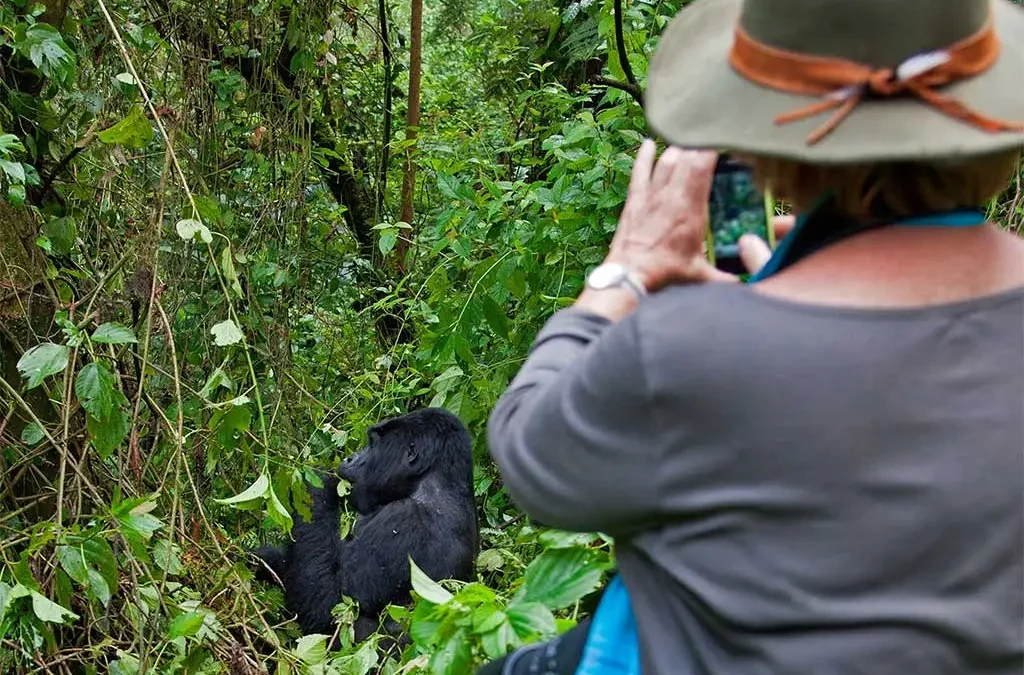
Few wildlife photography experiences compare to the thrill of photographing mountain gorillas in their natural habitat. Deep within the mist-covered forests of Bwindi Impenetrable National Park and Mgahinga Gorilla National Park, photographers have the rare opportunity to capture intimate moments between some of the world’s most endangered primates.
From a silverback’s intense gaze to playful young gorillas tumbling through the vegetation, every encounter presents unique photographic opportunities. However, photographing gorillas is not as simple as pointing a camera and pressing the shutter button. The dense rainforest environment, constantly changing light conditions, moving subjects, and strict conservation rules can make gorilla photography both challenging and rewarding.
This Gorilla Trekking Photography Guide will teach you how to capture incredible gorilla trekking Uganda photos, including camera settings, recommended equipment, composition techniques, photography etiquette, and expert tips that will help you return home with unforgettable images.
Why Uganda Is One of the World’s Best Wildlife Photography Destinations
Uganda has become a dream destination for wildlife photographers.
The country’s mountain gorilla population represents more than half of the world’s remaining mountain gorillas, making it one of the few places where close encounters are possible.
What makes gorilla photography especially unique is the emotional connection many photographers experience. Unlike photographing distant wildlife on open savannahs, gorillas often sit just a few meters away, allowing photographers to capture expressions, interactions, and behaviors in remarkable detail.
Beyond gorillas, Uganda also offers opportunities to photograph:
- Chimpanzees
- Golden monkeys
- Tree-climbing lions
- Elephants
- Birds
- Scenic landscapes
For many visitors, however, the highlight remains capturing extraordinary gorilla trekking Uganda photos.
Understanding Gorilla Photography Conditions
Before packing your camera gear, it is important to understand the conditions you’ll encounter.
Mountain gorillas live in dense rainforest environments characterized by:
- Thick vegetation
- Limited sunlight
- High humidity
- Frequent rainfall
- Uneven terrain
These conditions create some of the biggest challenges for wildlife photographers.
Unlike open safari environments where bright sunlight is common, gorilla trekking often requires shooting under low-light forest canopies.
Photographers must therefore prioritize equipment and settings that perform well in difficult lighting conditions.
Best Camera Equipment for Gorilla Trekking Uganda Photos
Choosing the right equipment can dramatically improve your photography results.
DSLR or Mirrorless Camera
A DSLR or mirrorless camera with good low-light performance is highly recommended.
Advantages include:
- Better image quality
- Faster autofocus
- Improved performance at high ISO settings
- Greater lens flexibility
While smartphones continue to improve, dedicated cameras generally produce superior results in forest environments.
Recommended Lenses
Lens choice is one of the most important decisions for gorilla photography.
70-200mm Lens
Many professional photographers consider this the ideal gorilla trekking lens.
Benefits include:
- Excellent portrait capabilities
- Sharp image quality
- Flexible zoom range
- Comfortable working distance
A 70-200mm lens allows photographers to capture both close-up facial expressions and wider environmental shots.
24-70mm Lens
A versatile option for photographers wanting:
- Wider compositions
- Group interactions
- Forest scenery
- Gorilla habitat images
This lens performs particularly well when gorillas approach unexpectedly.
Prime Lenses
Fast prime lenses such as:
- 50mm f/1.8
- 85mm f/1.8
- 135mm f/2
perform exceptionally well in low-light rainforest conditions.
Their wide apertures allow more light into the camera, reducing the need for extremely high ISO settings.
Essential Camera Settings for Gorilla Photography
The rainforest environment requires specific camera settings.
Use a Fast Shutter Speed
Gorillas may appear relaxed, but they can move unexpectedly.
A shutter speed of at least:
- 1/250 second
- 1/500 second for active subjects
helps prevent motion blur.
Increase ISO When Necessary
Forest conditions often require higher ISO settings.
Modern cameras handle:
- ISO 1600
- ISO 3200
- ISO 6400
remarkably well.
Do not be afraid to increase ISO if it helps maintain a faster shutter speed.
A slightly noisy image is usually preferable to a blurry one.
Shoot in Aperture Priority Mode
Aperture Priority allows photographers to:
- Control depth of field
- Adapt quickly to changing light
Many photographers prefer apertures between:
- f/2.8
- f/4
- f/5.6
depending on available light and desired background blur.
Photograph in RAW Format
RAW files provide maximum flexibility during editing.
Benefits include:
- Better highlight recovery
- Improved shadow detail
- Enhanced color correction
- Greater exposure adjustment options
For once-in-a-lifetime wildlife encounters, RAW format is highly recommended.
Why Flash Photography Is Prohibited
One of the most important photography rules during gorilla trekking is the prohibition of flash photography.
Flash can:
- Disturb gorillas
- Trigger stress responses
- Disrupt natural behavior
All photographers must disable flash before approaching the gorilla family.
Fortunately, modern cameras can produce excellent images without flash, even in challenging rainforest environments.
Composition Tips for Stunning Gorilla Photos
Technical settings are only part of successful wildlife photography.
Strong composition transforms ordinary images into memorable photographs.
Focus on the Eyes
The eyes are often the most powerful element in wildlife photography.
Sharp, well-focused eyes create:
- Emotional impact
- Viewer engagement
- Strong storytelling
Whenever possible, prioritize eye contact and facial expressions.
Capture Behavior, Not Just Portraits
While close-up portraits are important, behavior often tells a richer story.
Look for moments such as:
- Grooming
- Feeding
- Playing
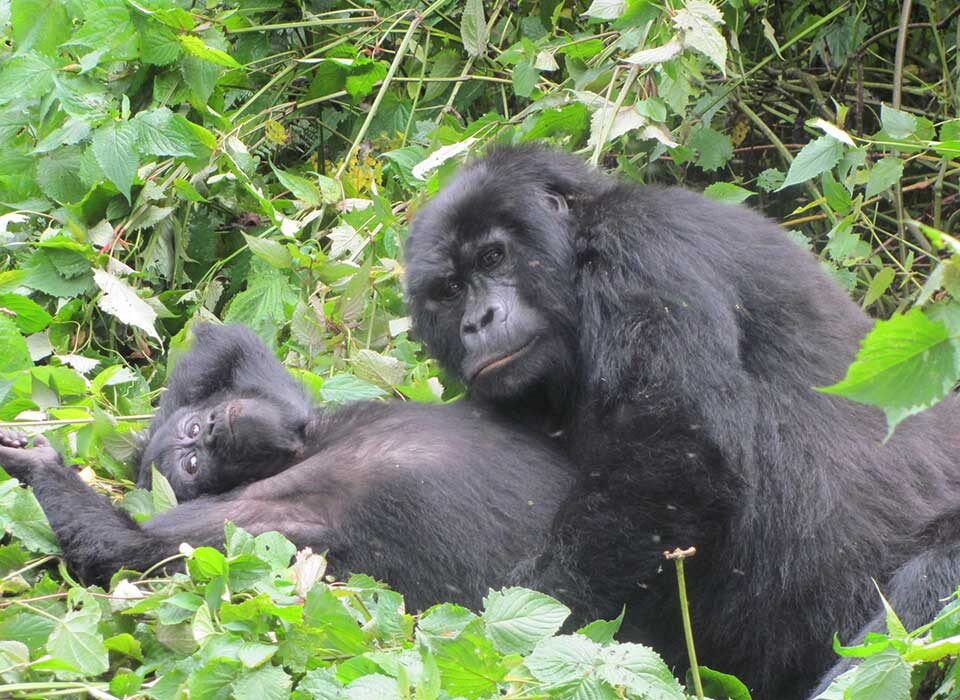
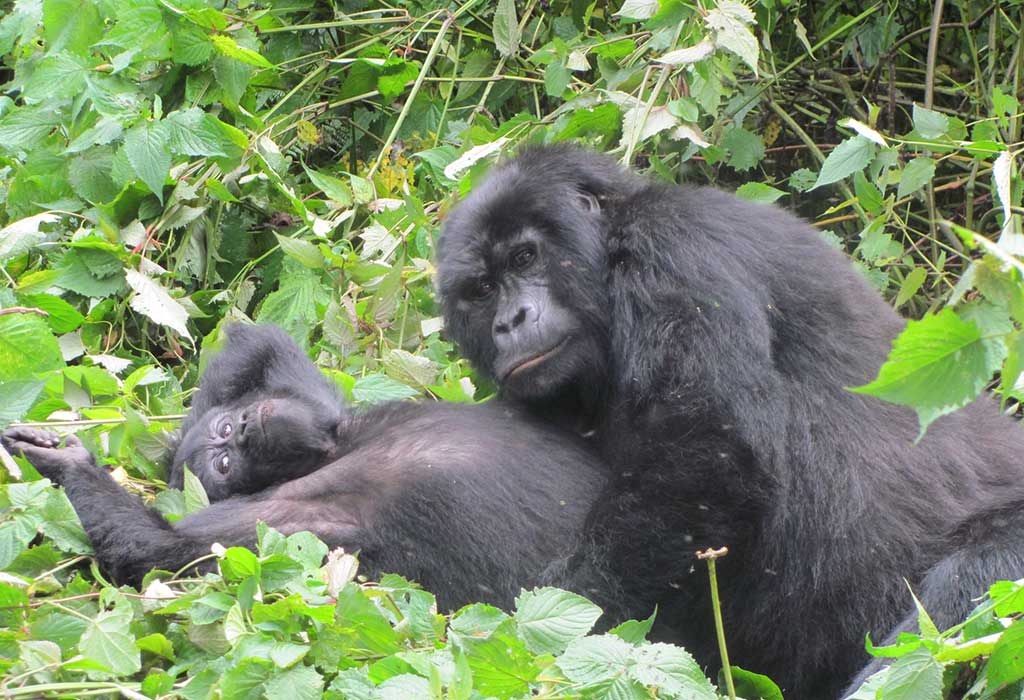
- Mother-infant interactions
- Silverback leadership displays
Behavioral photography adds context and emotion to your images.
Include Environmental Context
Not every photograph should be tightly cropped.
Wide-angle images showing:
- Dense rainforest
- Misty vegetation
- Gorilla habitats
help tell the complete story of the trekking experience.
These images are particularly valuable for travel blogs and safari marketing content.
Use Natural Framing
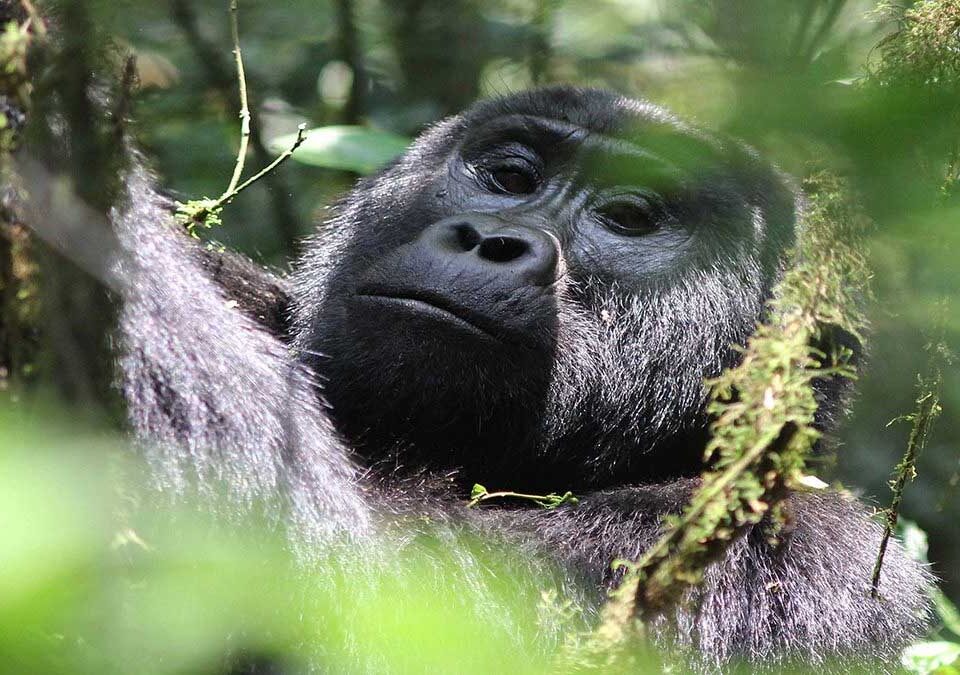
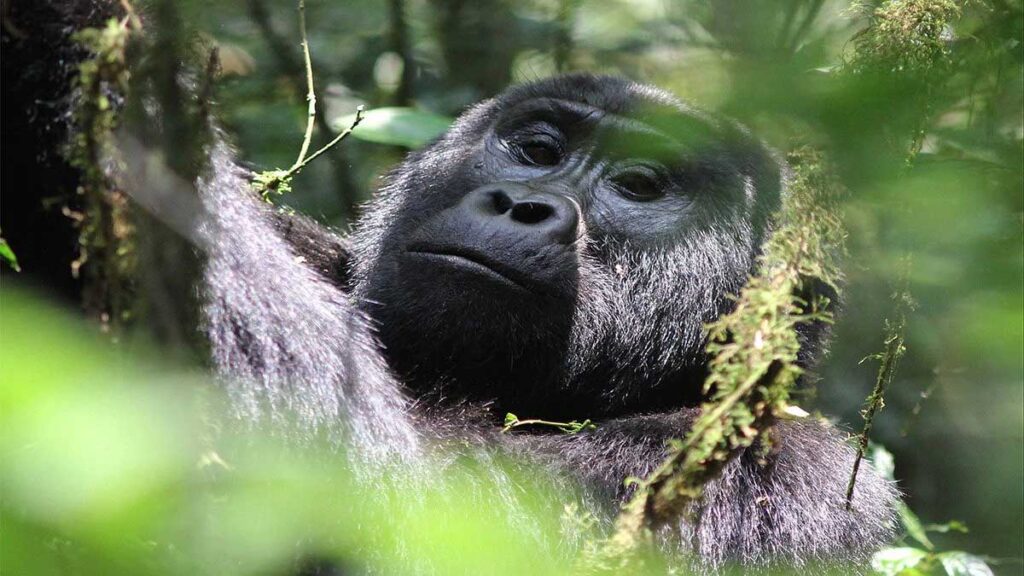
Rainforest vegetation can create beautiful natural frames.
Leaves, vines, and branches often add depth and visual interest when used creatively.
Rather than avoiding vegetation entirely, learn to incorporate it into your compositions.
Best Gorilla Photography Subjects to Look For
Certain moments consistently produce compelling images.
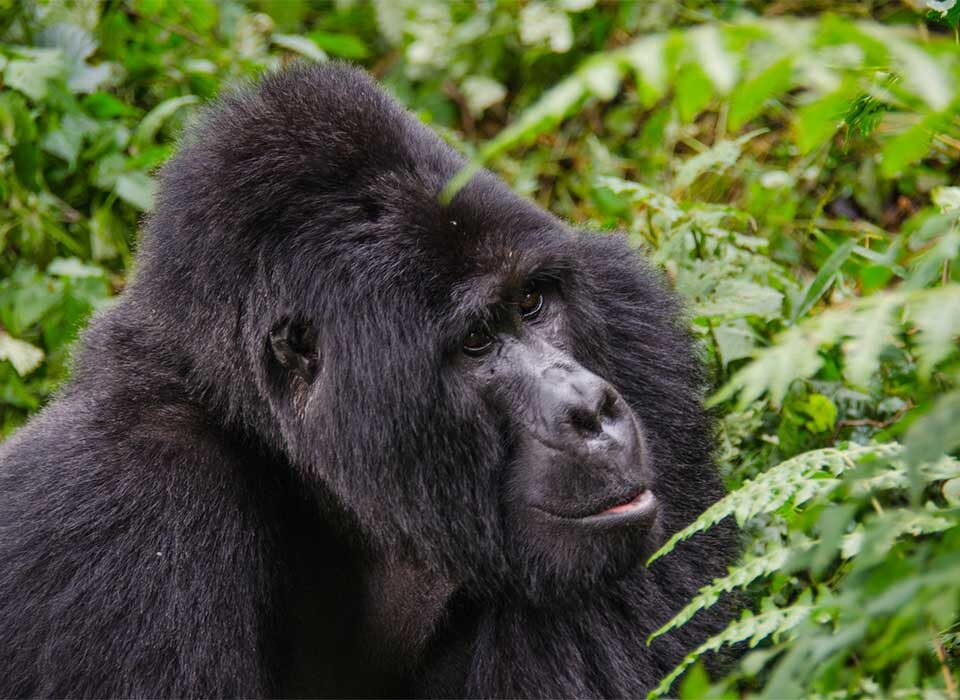
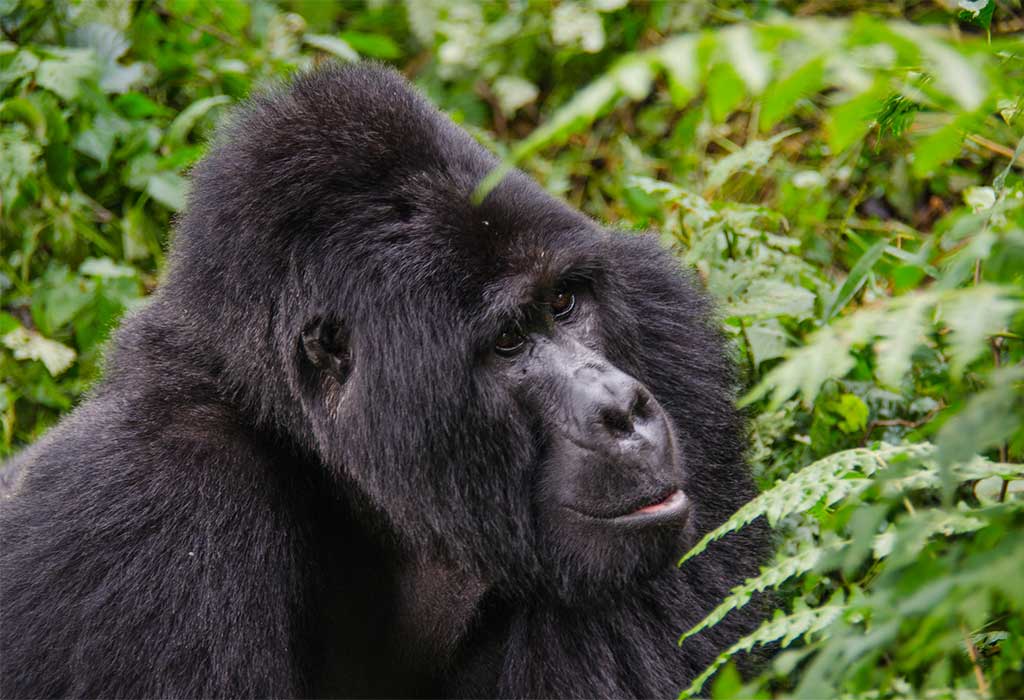
Silverback Portraits
The dominant silverback is usually the most photogenic member of the family.
Look for:
- Intense expressions
- Powerful posture
- Eye contact
- Character-filled facial details
Silverbacks often become the centerpiece of a gorilla photography collection.
Mothers and Infants
These interactions create some of the most emotional wildlife photographs.
Photograph:
- Nursing moments
- Grooming behavior
- Playful interactions
- Protective gestures
Such images resonate strongly with viewers because of their human-like qualities.
Juvenile Gorillas
Young gorillas are curious, playful, and highly active.
They often provide opportunities for:
- Action photography
- Humorous moments
- Dynamic compositions
Many photographers return with their favorite images featuring juveniles.
Protecting Your Camera Gear in the Rainforest
Uganda’s mountain forests can be wet and unpredictable.
Protect your equipment by bringing:
Rain Covers
A simple rain cover can save expensive camera equipment from sudden downpours.
Waterproof Backpack
Choose a quality backpack designed for outdoor photography.
Waterproof protection is especially important during long treks.
Microfiber Cloths
Rain, humidity, and condensation can affect lenses.
Carry multiple microfiber cloths to keep optics clean.
Extra Batteries
Cold mornings and extensive shooting can drain batteries faster than expected.
Always carry spares.
Smartphone Photography During Gorilla Trekking
Modern smartphones can produce surprisingly good results.
To improve smartphone gorilla photos:
- Tap to focus on the eyes
- Use portrait mode carefully
- Avoid excessive digital zoom
- Keep hands steady
- Shoot multiple frames
While dedicated cameras remain superior, many travelers successfully capture memorable images using smartphones alone.
Editing Gorilla Trekking Uganda Photos
Post-processing can significantly enhance rainforest images.
Common adjustments include:
Exposure Correction
Forest lighting often produces underexposed images.
Careful exposure adjustments reveal additional detail.
Noise Reduction
Higher ISO settings may introduce noise.
Moderate noise reduction can improve image quality while preserving detail.
Contrast Enhancement
Rainforest conditions sometimes create flat images.
Adding contrast helps subjects stand out from the background.
Color Correction
Green vegetation often dominates rainforest photos.
Subtle color balancing helps create more natural-looking images.
Gorilla Photography Ethics and Conservation
Great wildlife photography goes beyond technical excellence.
Ethical photography helps protect the animals and habitats we photograph.
Always:
- Follow ranger instructions
- Maintain proper distance
- Avoid disrupting behavior
- Respect conservation guidelines
- Prioritize animal welfare over photographs
The best gorilla photographs are created when wildlife remains relaxed and undisturbed.
Common Photography Mistakes to Avoid
Many first-time photographers make similar mistakes.
Avoid:
Bringing Excessive Gear
Heavy equipment becomes exhausting during long treks.
Pack only what you genuinely need.
Using Slow Shutter Speeds
Low-light conditions tempt photographers to use slower shutter speeds.
This often results in blurred images.
Ignoring the Environment
Some photographers focus exclusively on close-up portraits.
Remember to photograph the rainforest and overall trekking experience.
Spending Too Much Time Looking Through the Viewfinder
While photography is important, remember to enjoy the experience.
Many visitors find their most memorable moments occur when they briefly put the camera down and simply observe.
Frequently Asked Questions
Can I bring professional camera equipment?
Yes. Professional cameras and lenses are permitted during gorilla trekking.
Can I use a drone?
No. Drone use is generally prohibited in gorilla trekking areas.
Is flash photography allowed?
No. Flash photography is strictly prohibited.
What is the best lens for gorilla trekking?
Many photographers recommend a 70-200mm lens due to its flexibility and excellent image quality.
Can I take good gorilla photos with a smartphone?
Yes. Modern smartphones can capture impressive images, especially in good lighting conditions.
Conclusion
Capturing unforgettable gorilla trekking Uganda photos requires preparation, patience, and respect for both the environment and the animals. The combination of challenging rainforest conditions and extraordinary wildlife encounters creates a unique photography experience unlike any other.
By choosing the right equipment, mastering low-light camera settings, focusing on storytelling compositions, and following ethical wildlife photography practices, you can return home with images that truly reflect the magic of meeting mountain gorillas in the wild.
Whether you’re a professional wildlife photographer or a first-time safari traveler, gorilla trekking in Uganda offers some of the most rewarding photographic opportunities on the planet. With the right approach, your photographs will not only preserve memories but also help share the story of mountain gorilla conservation with the world.