
What Happens If You Don’t Find the Gorillas?
October 18, 2026
Best Time to Visit Bwindi Impenetrable National Park
November 4, 2026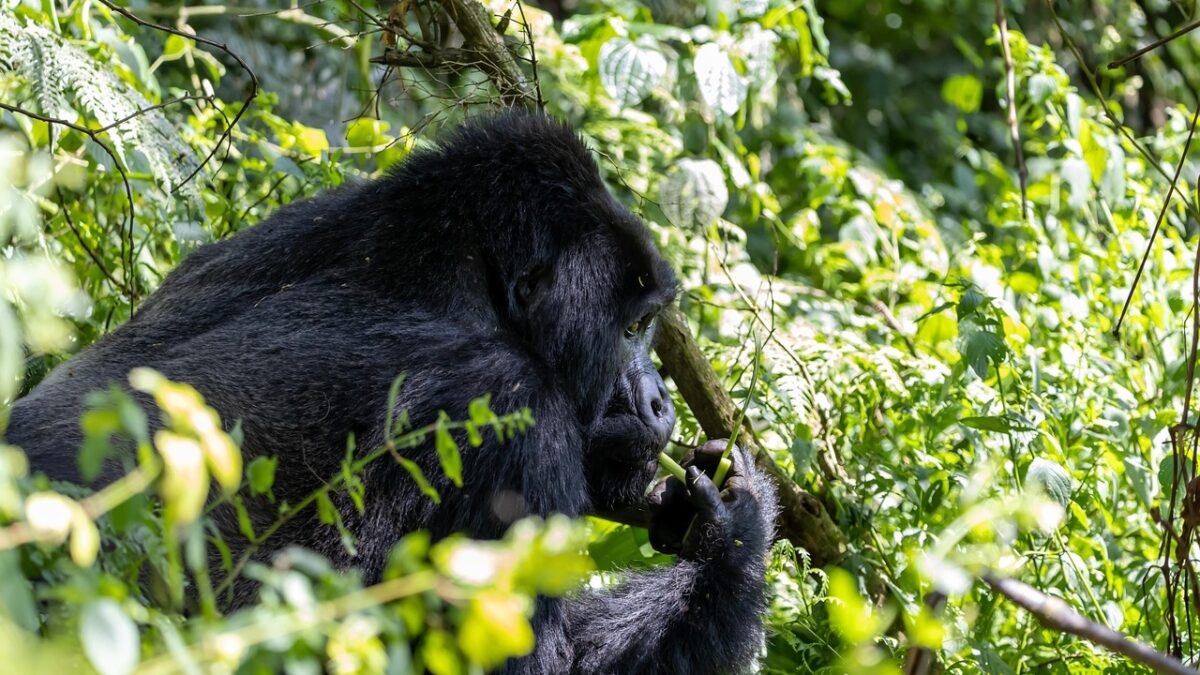
Bwindi Impenetrable National Park is one of Africa’s most remarkable wildlife destinations and a must-visit destination for travellers seeking an authentic gorilla trekking experience in Uganda. Located in southwestern Uganda, this ancient tropical rainforest is internationally recognised for its exceptional biodiversity, spectacular natural scenery and critically important population of endangered mountain gorillas. For visitors planning a Uganda safari, Bwindi offers an opportunity to explore one of the continent’s most biologically diverse forests while experiencing a close encounter with mountain gorillas in their natural habitat.
Covering approximately 331 square kilometres, Bwindi is characterised by steep forested hills, deep valleys, mist-covered ridges, dense vegetation and numerous natural watercourses. Its rugged landscape creates an extraordinary wilderness environment that supports a wide variety of wildlife, including mountain gorillas, chimpanzees, forest elephants, several monkey species, forest antelopes, reptiles, amphibians and an impressive diversity of birds and butterflies.
The park is particularly famous for mountain gorilla trekking, an unforgettable wildlife experience that attracts visitors from across the world. Unlike traditional wildlife safaris where animals are observed from a vehicle, gorilla trekking involves walking through the rainforest with experienced guides and trackers to locate a habituated gorilla family. Once the gorillas are found, visitors are allowed a carefully regulated period to observe their behaviour, interactions and daily activities.
However, Bwindi is much more than a gorilla trekking destination. It is a complete nature and cultural tourism destination offering birdwatching, guided forest walks, community visits, Batwa cultural experiences, nature photography and opportunities to explore the surrounding highland landscapes.
At Exclusive Gorilla Journeys, we consider Bwindi one of the most rewarding destinations for travellers interested in responsible wildlife tourism, conservation and authentic African experiences. Whether you are planning a short gorilla trekking excursion, a longer Uganda safari or a combined Uganda and Rwanda holiday, understanding the park’s different sectors, accommodation options, access routes, activities and travel requirements will help you organise a successful journey.
This complete travel guide explains everything you need to know before visiting Bwindi Impenetrable National Park, including its location, attractions, gorilla trekking experiences, best time to visit, accommodation, transportation, costs, cultural activities and practical travel advice.
Where Is Bwindi Impenetrable National Park Located?
Bwindi Impenetrable National Park is situated in southwestern Uganda, close to the borders of the Democratic Republic of Congo and Rwanda. It lies along the eastern edge of the Albertine Rift Valley, an area renowned for its exceptional ecological diversity and spectacular mountainous landscapes.
The park extends across parts of the districts of Kanungu, Rubanda, Kabale and Kisoro. Its location within the highlands of southwestern Uganda gives it a distinctive landscape of steep hills, narrow valleys, forested ridges and elevated plateaus.
Bwindi is approximately 450–530 kilometres from Kampala, depending on the route and the particular trekking sector being visited. The journey from Entebbe International Airport is also a considerable road trip, making advance transport arrangements particularly important.
The park borders agricultural communities whose livelihoods are closely connected to the surrounding forest ecosystem. Small settlements, cultivated hillsides, banana plantations, tea gardens and traditional homesteads create a fascinating contrast with the dense rainforest.
Its position also makes Bwindi an excellent addition to a wider Uganda safari. Visitors can combine their gorilla trekking experience with wildlife viewing in Queen Elizabeth National Park, chimpanzee tracking in Kibale Forest National Park, relaxation at Lake Bunyonyi and cultural experiences in southwestern Uganda.
Travellers arriving through Rwanda can also access Bwindi by road from Kigali, crossing into Uganda through the Katuna or Cyanika border posts. This option is particularly useful for visitors who want to reduce the amount of time spent travelling from Entebbe to southwestern Uganda. However, international border requirements, vehicle arrangements and the location of the chosen trekking sector must be considered when planning this route.
History and Conservation Significance of Bwindi Impenetrable National Park
Bwindi is among Africa’s most important forest conservation areas. Its conservation history reflects the importance of protecting ancient tropical forests, endangered wildlife and the natural habitats that support ecological processes across the Albertine Rift.
The forest was initially protected through forest reserve arrangements before being gazetted as Bwindi Impenetrable National Park in 1991. Its international conservation importance was further recognised in 1994 when it was designated a UNESCO World Heritage Site.
The park covers approximately 32,092 hectares, equivalent to about 321 square kilometres. Its extraordinary ecological value comes from the survival of ancient forest ecosystems containing species that have disappeared from many other parts of the region.
Bwindi is particularly important because it protects one of the world’s largest remaining populations of mountain gorillas. The forest provides essential feeding grounds, nesting areas and safe habitats for these endangered primates.
Conservation efforts involve habitat protection, scientific research, veterinary interventions, ranger patrols, wildlife monitoring and collaboration with surrounding communities. These activities help minimise threats such as illegal hunting, habitat disturbance, disease transmission and encroachment.
Gorilla tourism plays an important role in supporting these conservation initiatives. Revenue generated through permits and related tourism services contributes to wildlife management, park operations and community development programmes.
The relationship between conservation and tourism is particularly important in Bwindi because the park is surrounded by densely populated rural communities. Responsible tourism creates economic opportunities while demonstrating the value of maintaining a healthy forest ecosystem.
For visitors, exploring Bwindi is therefore more than a wildlife holiday. It is an opportunity to experience a globally important conservation landscape and contribute to the protection of one of Africa’s most remarkable natural environments.
Biodiversity and Natural Attractions of Bwindi Forest
Bwindi’s biodiversity is one of its greatest attractions. The park contains a complex mixture of lowland and montane rainforest habitats, creating suitable environmental conditions for numerous plant and animal species.
Its vegetation consists of towering indigenous trees, thick undergrowth, climbing plants, bamboo patches, ferns, mosses, orchids and other tropical forest species. The dense vegetation contributes to the forest’s distinctive appearance and explains why visitors often describe it as an impenetrable wilderness.
More than 160 tree species and over 100 fern species have been recorded in the forest. These plants play important ecological roles by maintaining soil stability, regulating water systems, providing food for wildlife and supporting the forest’s overall biodiversity.
Mountain Gorillas
The mountain gorilla is Bwindi’s most celebrated wildlife attraction.
Mountain gorillas are among the most endangered great apes in the world. Bwindi protects a substantial proportion of the remaining global population, making it one of the most important destinations for gorilla conservation and tourism.
These impressive primates live in social groups consisting of adult females, infants, juveniles and dominant silverbacks. A silverback is a mature male gorilla characterised by the distinctive silver-coloured hair across its back.
Gorilla families spend much of their day feeding, resting, moving through the forest and interacting with other group members. Their diet consists mainly of leaves, shoots, stems, fruits and other available vegetation.
During gorilla trekking, visitors have the opportunity to observe these natural behaviours from a regulated distance. Watching a mother care for her infant, juveniles playing among the vegetation or a silverback supervising its family creates an unforgettable wildlife experience.
Bwindi is home to numerous habituated gorilla families distributed across its four trekking sectors. These families have undergone a carefully managed habituation process that enables them to tolerate the presence of authorised human visitors.
Chimpanzees and Other Primates
Although mountain gorillas receive most of the attention, Bwindi also supports several other primate species.
Chimpanzees inhabit parts of the forest, although they are not the main attraction of the park’s organised tourist trekking experiences. Their presence contributes to the ecological importance of Bwindi as a habitat for great apes.
Other primates include L’Hoest’s monkeys, blue monkeys, red-tailed monkeys, black-and-white colobus monkeys and various other forest-dwelling species.
These animals can sometimes be observed during guided nature walks, birdwatching excursions and gorilla trekking activities.
Forest Elephants and Other Mammals
Bwindi also provides habitat for forest elephants, forest antelopes, duikers, bush pigs, squirrels and several other mammals.
Forest elephants are generally elusive because of the dense vegetation and the relatively limited visibility inside the rainforest. Their movements through the forest contribute to seed dispersal and other ecological processes.
Visitors should not expect the same wildlife viewing conditions experienced in open savannah parks such as Queen Elizabeth National Park or Murchison Falls National Park. Bwindi is a dense forest environment where wildlife sightings depend on vegetation, animal movements and the nature of the activity being undertaken.
Birds of Bwindi Impenetrable National Park
Bwindi is an outstanding destination for birdwatching, particularly for visitors interested in Albertine Rift endemic species.
More than 347 bird species have been recorded in the park, including several species with restricted geographical distributions.
Its varied elevations and forest habitats provide excellent conditions for forest specialists, canopy birds, ground-dwelling species and birds associated with montane vegetation.
Some notable species include the African green broadbill, Grauer’s rush warbler, Shelley’s crimson-wing, Chapin’s flycatcher, handsome francolin and African emerald cuckoo.
The Ruhija sector is especially attractive to serious birdwatchers because of its high-altitude forest habitats and access to important birding areas.
Birdwatching excursions are best undertaken with experienced local guides who understand bird calls, feeding patterns and the locations of important species.
Butterflies, Reptiles and Amphibians
The forest also supports an impressive variety of butterflies, reptiles and amphibians.
Butterflies contribute to pollination and form part of the forest’s complex food web. Their colours and patterns add to the visual appeal of the forest, particularly along sunlit sections of trails and near streams.
Reptiles and amphibians occupy different ecological niches, including moist forest floors, vegetation, streams and other suitable habitats.
The presence of these organisms demonstrates the importance of conserving Bwindi as an interconnected ecosystem rather than focusing exclusively on its famous mountain gorillas.
The Four Gorilla Trekking Sectors of Bwindi Impenetrable National Park
Bwindi is divided into four principal gorilla trekking sectors: Buhoma, Ruhija, Rushaga and Nkuringo. Each sector has its own character, access routes, accommodation facilities and trekking conditions.
Choosing the correct sector is one of the most important decisions when organising a gorilla trekking safari because your permit is associated with a particular trekking location.
The sector you select should influence your accommodation, transportation arrangements and overall safari itinerary.
Buhoma Sector
Buhoma is located in the northwestern part of Bwindi and is the oldest and one of the most established gorilla trekking sectors.
It became particularly important in the development of gorilla tourism following the habituation of the Mubare gorilla family in the early 1990s.
The sector is popular because of its established tourism infrastructure, attractive accommodation facilities and access to several forest activities.
Buhoma is suitable for travellers seeking a combination of gorilla trekking, birdwatching, guided forest walks and community experiences. Its relatively lower elevation compared with some other sectors can also be appealing to visitors who prefer to avoid the highest-altitude trekking environments.
The surrounding landscape features forested hills, cultivated valleys, local communities and beautiful views of the surrounding countryside.
Buhoma is also a convenient location for visitors travelling from Queen Elizabeth National Park through the Ishasha region.
Ruhija Sector
Ruhija is situated in the eastern part of Bwindi and is known for its elevated terrain, cooler temperatures and outstanding birdwatching opportunities.
It is one of the most attractive sectors for visitors interested in combining gorilla trekking with specialised forest birding.
The landscape features steep slopes, montane vegetation, bamboo areas and impressive views across the surrounding highlands.
Ruhija is home to several habituated gorilla families and offers a rewarding trekking experience for travellers who appreciate less developed forest surroundings.
However, its elevation and rugged terrain can make certain trekking routes physically demanding. Visitors should prepare for steep ascents, uneven forest trails and cooler early mornings.
The sector is particularly suitable for birdwatchers and travellers seeking a quieter highland forest experience.
Rushaga Sector
Rushaga is located in the southern part of Bwindi and is widely recognised for its numerous habituated gorilla families.
Its relatively high number of trekking groups provides visitors with a variety of permit opportunities, although availability depends on the date and visitor category.
Rushaga is also particularly important because it offers access to the gorilla habituation experience, a specialised activity in which visitors spend an extended period with a gorilla group undergoing habituation.
The surrounding landscape consists of forested hills, agricultural settlements and impressive highland scenery.
Rushaga is a suitable choice for travellers arriving through Kisoro or those combining Bwindi with Lake Mutanda, Mgahinga Gorilla National Park and other attractions in southwestern Uganda.
Its accommodation options range from budget establishments to comfortable lodges and luxury safari properties.
Nkuringo Sector
Nkuringo is located in the southwestern part of Bwindi and is particularly famous for its dramatic landscapes and panoramic views.
The sector occupies a mountainous environment overlooking parts of the Albertine Rift and surrounding highlands.
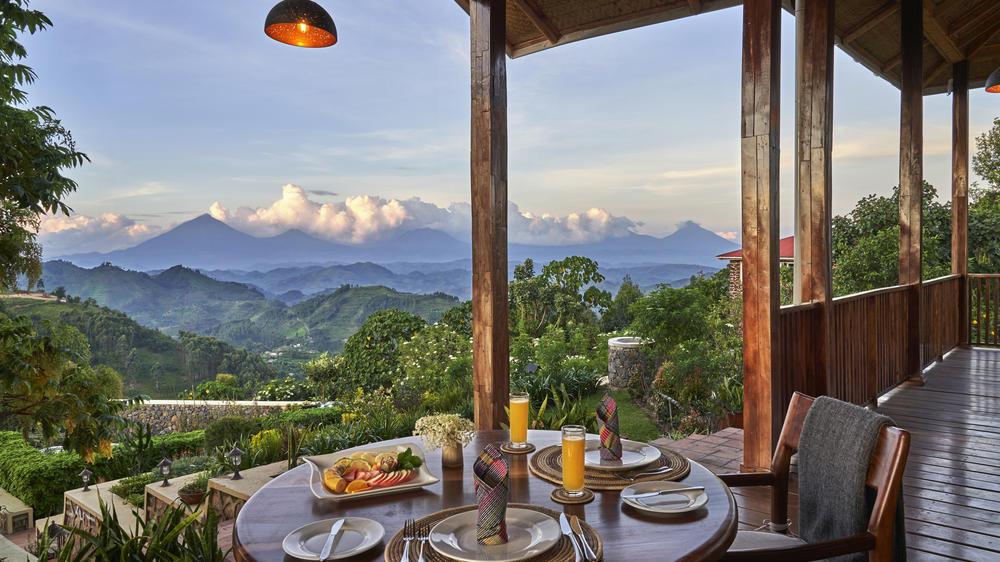
It offers some of the most scenic accommodation settings around Bwindi, with several properties positioned to enjoy impressive views of forested valleys and distant volcanic landscapes.
Nkuringo is often associated with challenging gorilla trekking because of its steep terrain and significant elevation changes. However, the actual difficulty depends on the location of the assigned gorilla family and the route selected by the trackers.
Visitors who choose Nkuringo should consider their physical fitness and ensure that their accommodation is located close to the appropriate trekking starting point.
The sector is also an excellent choice for travellers interested in nature walks, community tourism and scenic photography.
Gorilla Trekking in Bwindi Impenetrable National Park
Gorilla trekking is the principal tourist activity in Bwindi and one of the most extraordinary wildlife encounters available in Africa.
The experience involves entering the protected rainforest with trained Uganda Wildlife Authority guides, trackers and rangers to locate one of the habituated mountain gorilla families.
Unlike conventional game drives, gorilla trekking takes place on foot. Visitors follow forest trails, climb slopes, cross streams and sometimes move through thick vegetation as trackers communicate with one another to establish the location of the gorillas.
The duration of a trek is not fixed. Some visitors locate their assigned gorilla family after a relatively short walk, while others spend several hours navigating difficult terrain.
A typical trek may last between two and seven hours, although longer or shorter experiences are possible depending on the gorillas’ movements.
How Gorilla Trekking Works
The experience begins early in the morning at the designated park headquarters for the sector indicated on your permit.
Visitors register, present their permits and attend a briefing conducted by park staff. During the briefing, guides explain the trekking procedure, conservation requirements, safety precautions and expected behaviour around mountain gorillas.
Participants are then allocated to available gorilla families and assigned guides and trackers.
The trekking team enters the forest to follow the trackers’ information and locate the gorilla family. The route may involve steep slopes, muddy paths, thick vegetation and uneven ground.
Once the gorillas are located, visitors are given up to one hour to observe them under the supervision of their guides.
This period provides an opportunity to appreciate their social structure, feeding habits, communication and family interactions.
After the encounter, the group returns to the park headquarters, where visitors complete the activity and receive further guidance if required.
Gorilla Trekking Permit Requirements
A valid gorilla trekking permit is compulsory for anyone intending to participate in the activity.
Permits are issued through the Uganda Wildlife Authority, and arrangements can also be made through authorised tour operators.
The minimum age for gorilla trekking in Uganda is 15 years. Visitors must present the appropriate identification documents and comply with the permit conditions.
Permit availability is limited because gorilla tourism is carefully controlled to protect the animals and their habitat.
Only eight visitors are permitted to visit a habituated gorilla family during a standard trekking session. This restriction helps minimise disturbance and reduces the potential transmission of human diseases to gorillas.
A standard permit provides access to the regulated trekking experience and one hour with the gorillas after they have been located.
How Much Does Gorilla Trekking Cost in Bwindi?
The gorilla permit is one of the most significant expenses when planning a Bwindi safari.
Uganda’s published standard foreign non-resident permit rate has been USD 800 per person, with lower rates applying to eligible visitor categories. Uganda has also introduced discounted low-season gorilla permits for April, May and November, subject to the applicable conditions.
Because conservation tariffs and effective dates can change, visitors travelling in late 2026 or 2027 should obtain written confirmation of the applicable rate before making payment.
The overall cost of a gorilla trekking safari is higher than the permit price alone. Travellers should also budget for accommodation, meals, transport, airport transfers, guide services, porter assistance, travel insurance and other safari activities.
At Exclusive Gorilla Journeys, we help visitors coordinate these arrangements into a practical itinerary that reflects their travel dates, accommodation preferences and budget.
Gorilla Habituation Experience
For travellers seeking a longer encounter with mountain gorillas, Bwindi offers a gorilla habituation experience in the Rushaga area.
Unlike standard gorilla trekking, this activity involves spending an extended period with a gorilla group that is still undergoing the habituation process.
Visitors accompany researchers, trackers and experienced guides as they observe the gorillas and learn about the work involved in helping the animals become accustomed to the controlled presence of humans.
The habituation experience is particularly appealing to wildlife enthusiasts, conservation-minded travellers, photographers and visitors who want a deeper understanding of gorilla behaviour.
The experience allows up to four hours with the gorillas, subject to the applicable programme rules and conditions.
It is important to understand that habituation is not simply a longer version of standard trekking. It is a distinct conservation-based experience with different objectives and permit arrangements.
Is Gorilla Trekking Difficult?
Gorilla trekking in Bwindi can be physically demanding because the forest is located in a mountainous landscape.
The difficulty depends on the trekking sector, the gorilla family’s location, weather conditions and the amount of climbing required.
Some routes involve relatively manageable walking, while others require considerable physical effort through steep and muddy terrain.
Visitors do not need to be professional hikers or athletes to enjoy gorilla trekking. However, reasonable physical fitness, suitable footwear and preparation are important.
Travellers who are concerned about the difficulty should discuss their requirements with their tour operator before the trek. Where possible, arrangements can be made to consider mobility needs and suitable trekking options, although the final allocation and route remain subject to park management and gorilla movements.
Hiring a porter is also highly recommended. Porters help carry backpacks, provide assistance on difficult sections and create an additional source of income for local community members.
Other Activities to Enjoy in Bwindi Impenetrable National Park
Although gorilla trekking is the main reason many visitors travel to Bwindi, the park and its neighbouring communities offer several additional experiences. These activities allow travellers to appreciate the forest’s ecological importance, discover local traditions and enjoy the natural beauty of southwestern Uganda.
Guided Nature Walks
Guided nature walks provide an excellent opportunity to explore Bwindi beyond the gorilla trekking experience.
Visitors can follow established forest trails accompanied by knowledgeable guides who explain the forest’s vegetation, wildlife, ecological processes and conservation importance.
One of the popular experiences is the waterfall trail in the Buhoma sector. This walk takes visitors through beautiful sections of tropical rainforest, where they can encounter towering trees, ferns, butterflies, streams and different bird species.
The experience is particularly rewarding for nature enthusiasts who want to understand how the forest functions as a natural ecosystem.
Other forest walks provide opportunities to explore different elevations, observe smaller wildlife species and enjoy the peaceful atmosphere of the rainforest.
Birdwatching in Bwindi
Bwindi is one of Uganda’s leading birdwatching destinations, especially for visitors interested in species associated with the Albertine Rift.
Birding excursions can be arranged in different sectors, although Ruhija is particularly attractive because of its highland forest habitats.
Experienced bird guides help visitors identify birds through their calls, colours, flight patterns and feeding behaviour.
Birdwatchers may encounter species such as the African green broadbill, handsome francolin, Ruwenzori batis, mountain masked apalis and other forest specialists.
Birding is suitable for both experienced birdwatchers and beginners. Visitors who want to maximise their sightings should consider spending additional time in the forest rather than limiting their itinerary to a single gorilla trekking day.
Batwa Cultural Experience
The Batwa cultural experience is one of the most meaningful activities available around Bwindi.
The Batwa are Indigenous forest people whose traditional way of life was closely connected to the forest before the establishment of the national park and the restrictions associated with its conservation.
For generations, the forest provided food, shelter, medicinal plants and other resources essential to their livelihoods.
The cultural experience introduces visitors to aspects of traditional Batwa knowledge and heritage through guided community activities.
Depending on the programme, visitors may learn about traditional hunting techniques, medicinal plants, forest survival skills, storytelling, music and dance.
The experience also provides an opportunity to understand the social and economic changes experienced by Batwa communities following their relocation from the protected forest.
Participating in a properly organised cultural visit helps support community livelihoods and promotes greater understanding of the relationship between conservation and Indigenous heritage.
Visitors should approach the experience respectfully, recognise the dignity of the participating communities and support initiatives that ensure local people benefit directly from tourism.
Buhoma Community Walk
The Buhoma community walk introduces visitors to everyday life in the villages surrounding the national park.
The experience is generally organised with local guides who take travellers through nearby settlements and explain different aspects of rural livelihoods.
Visitors may learn about traditional farming practices, banana cultivation, local food preparation, household activities and small-scale businesses.
Some community walks include visits to traditional healers, craft-making initiatives and local brewing demonstrations.
The activity provides a useful contrast to the wildlife experience because it demonstrates how people living around Bwindi interact with their environment and benefit from tourism.
It is particularly suitable for travellers who want a deeper understanding of Uganda beyond its national parks.
Mountain Biking and Community Cycling
Cycling offers another way to explore the communities and scenic landscapes surrounding Bwindi.
Some tourism initiatives provide guided mountain biking experiences along rural roads and designated routes outside the protected forest.
The rides may pass through cultivated hillsides, traditional settlements, tea plantations and viewpoints overlooking the surrounding countryside.
Cycling is a good activity for adventurous visitors who want to experience the region at a slower pace while interacting with local communities.
Routes and difficulty levels should be discussed in advance because the surrounding terrain is mountainous and can include challenging climbs.
Photography and Nature Observation
Bwindi offers excellent opportunities for nature photography, although the dense forest environment requires patience and an understanding of wildlife photography conditions.
Mountain gorillas are the main photographic attraction, but visitors can also photograph forest landscapes, butterflies, birds, streams and vegetation.
The changing light, mist and thick canopy create an atmosphere that makes the forest particularly attractive to photographers.
Visitors should always follow wildlife photography rules and the instructions of their guides. Flash photography should not be used around mountain gorillas, and visitors must maintain the prescribed distance.
Best Time to Visit Bwindi Impenetrable National Park
Bwindi can be visited throughout the year because gorilla trekking operates in both rainy and relatively dry seasons.
However, weather conditions influence trail accessibility, trekking difficulty, road conditions and accommodation demand.
The park experiences two main relatively dry periods and two rainy periods.
Visiting Bwindi During the Dry Season
The main dry season generally occurs between June and September, while another relatively dry period occurs between December and February.
These months are popular because forest trails are often less muddy and trekking conditions can be more manageable.
June, July and August are particularly attractive for visitors planning gorilla trekking during the main holiday travel season.
The relatively dry conditions also make it easier to move around the surrounding communities and enjoy additional outdoor activities.
However, dry season does not mean that Bwindi is completely free from rainfall. The park is a tropical rainforest, and showers can occur even during the months generally regarded as favourable for travel.
Visitors should book their gorilla permits and preferred accommodation well in advance, particularly when travelling during major international holiday periods.
Visiting Bwindi During the Rainy Season
The main rainy periods generally occur between March and May and between October and November.
During these months, the forest receives more frequent rainfall, and trekking trails can become muddy and slippery.
Certain access roads may also become more challenging, making a reliable four-wheel-drive vehicle particularly important.
Despite these conditions, the rainy season offers several advantages.
The vegetation becomes exceptionally green, streams and waterfalls are replenished, and the forest takes on a particularly beautiful appearance.
Visitor numbers may also be lower during some rainy-season periods, creating opportunities for travellers who prefer a quieter safari.
Birdwatching can be rewarding during this period, especially for visitors interested in forest bird activity and migratory species.
The important consideration is preparation. Travellers should carry waterproof clothing, suitable hiking boots and protective covers for their belongings.
Which Month Is Best for Gorilla Trekking?
The best month depends on your priorities.
Visitors who prioritise relatively manageable trekking conditions may prefer June, July, August, December, January or February.
Those interested in lower travel costs, greener scenery and potentially quieter lodges may consider the rainy months.
Gorillas remain in Bwindi throughout the year, so visiting during the rainy season does not mean that the animals disappear or that gorilla trekking stops.
At Exclusive Gorilla Journeys, we help travellers select suitable travel dates based on permit availability, accommodation preferences, weather expectations and their overall safari objectives.
How to Get to Bwindi Impenetrable National Park
Bwindi is accessible by road and domestic flights. The best transportation option depends on your arrival airport, chosen trekking sector, travel budget and the amount of time available.
One important consideration is that the park is not a single compact destination with one central entrance. The four trekking sectors are geographically separated, and travelling between them can take several hours.
Your transport arrangements should therefore be organised around the specific sector where your gorilla permit is booked.
Travelling to Bwindi by Road from Kampala or Entebbe
Most international visitors arrive in Uganda through Entebbe International Airport before travelling to Bwindi by road.
The journey from Kampala or Entebbe generally requires a full day, depending on traffic, the selected route, road conditions and the final destination.
A common route passes through Masaka, Mbarara, Ntungamo and Rukungiri before continuing towards the northern side of Bwindi.
Another route passes through Kabale and Kanungu to reach Buhoma.
Visitors travelling to the southern sectors may continue through Kabale and Kisoro towards Rushaga or Nkuringo.
The road journey provides an opportunity to experience Uganda’s countryside, including rolling hills, rural settlements, agricultural landscapes and spectacular highland scenery.
A four-wheel-drive safari vehicle is strongly recommended, especially for the final sections of the journey where roads may be steep, winding and unpaved.
It is advisable to avoid unnecessary night driving because some rural roads have limited lighting and can be difficult to navigate after dark.
Travelling to Bwindi from Queen Elizabeth National Park
Visitors combining gorilla trekking with a wildlife safari in Queen Elizabeth National Park can travel to Bwindi by road.
The route through the Ishasha sector is particularly popular because it provides an opportunity to explore the region famous for its tree-climbing lions.
The journey from Queen Elizabeth National Park to Buhoma can take approximately two to four hours, depending on the starting point, road conditions and stops along the way.
This combination is highly recommended for travellers who want to experience both traditional savannah wildlife viewing and mountain gorilla trekking.
Travelling to Bwindi from Kigali, Rwanda
Kigali provides an alternative international gateway for visitors planning to trek mountain gorillas in southwestern Uganda.
Travelling from Kigali can be convenient for visitors whose itineraries focus mainly on Bwindi and Mgahinga rather than Uganda’s more distant national parks.
The most appropriate border crossing depends on the trekking sector.
Visitors travelling towards southern Bwindi can consider the Cyanika border route through Kisoro, while those travelling towards other parts of southwestern Uganda may use the Katuna border.
The journey requires valid travel documents and compliance with Uganda’s immigration requirements.
Travellers should also confirm that their safari vehicle and driver are authorised and appropriately arranged for cross-border travel.
Flying to Bwindi
Domestic flights offer a convenient alternative for travellers who want to reduce the time spent travelling by road.
Scheduled and charter flights can connect Entebbe or Kajjansi with airstrips serving the Bwindi region.
The two important arrival points are Kihihi and Kisoro.
Kihihi is particularly useful for visitors trekking in Buhoma, while Kisoro is generally more convenient for Rushaga and Nkuringo.
Ruhija can be accessed through either side, depending on flight availability and the transfer arrangements.
After landing, visitors require a road transfer to their accommodation and the relevant trekking headquarters.
Flight schedules, baggage allowances and operating arrangements should be confirmed before booking because small aircraft services operate under different conditions from conventional international flights.
The most important planning principle is to select your gorilla trekking sector before finalising flights and accommodation. Visit Bwindi+2
Accommodation in Bwindi Impenetrable National Park
Bwindi offers accommodation ranging from affordable guesthouses and camps to comfortable midrange lodges and luxury safari properties.
The accommodation facilities are distributed around the four trekking sectors, allowing visitors to choose a property close to their designated gorilla trekking headquarters.
Selecting the right accommodation is particularly important because gorilla trekking begins early in the morning. Staying near the appropriate sector reduces unnecessary transfers and makes the experience more convenient.
Budget Accommodation
Budget accommodation is suitable for backpackers, independent travellers and visitors who want to manage their safari expenses carefully.
These properties generally offer simple rooms, essential facilities and convenient access to local communities.
Some budget establishments provide private bathrooms, restaurant services and basic Wi-Fi, although the facilities vary.
Travellers should assess the distance between the property and the trekking headquarters before making a reservation.
A lower room price may not represent good value if it requires lengthy transfers to the starting point of the trek.
Midrange Accommodation
Midrange lodges provide a balance between comfort, location and affordability.
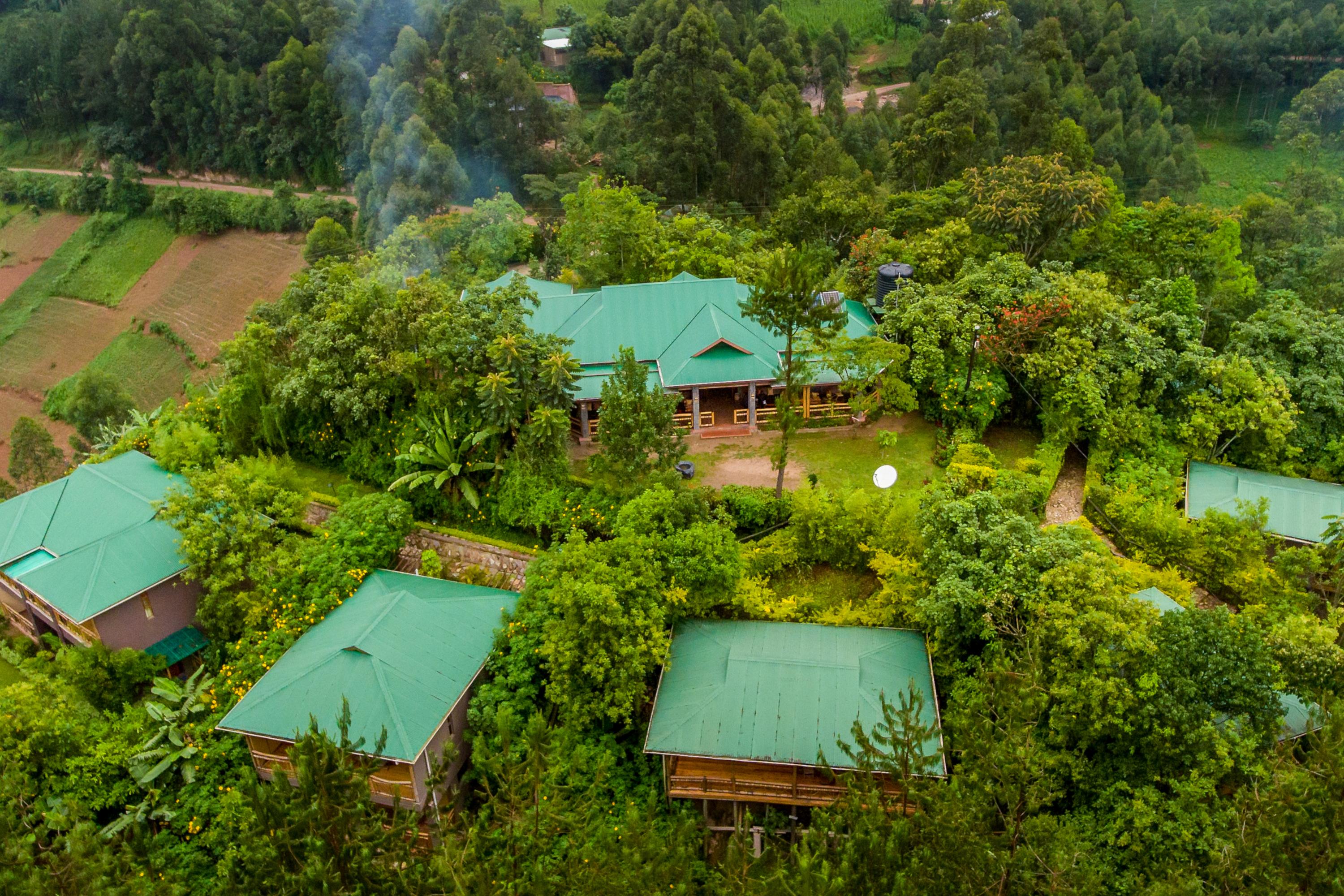
They often feature private rooms or cottages, comfortable beds, restaurants, outdoor relaxation areas and scenic surroundings.
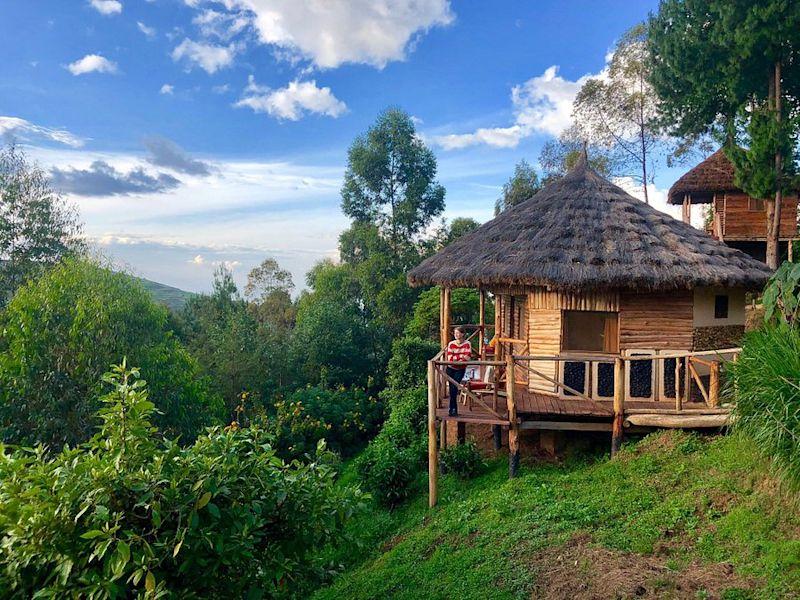
Many are located along forest edges or on hillsides overlooking the surrounding countryside.
This category is suitable for couples, families with eligible older children, small groups and travellers seeking a comfortable safari experience without the expense of high-end luxury accommodation.
Luxury Accommodation
Luxury lodges provide a more exclusive experience for travellers seeking premium comfort and personalised services.
Depending on the property, facilities may include spacious private cottages, fine dining, personalised hospitality, beautiful views, outdoor relaxation areas and carefully designed interiors.
Some luxury properties are positioned in particularly scenic locations overlooking the forest or surrounding valleys.
Luxury accommodation is especially attractive for honeymooners, private safari clients and visitors celebrating special occasions.
Where Should You Stay in Bwindi?
Your accommodation should match your trekking sector.
Visitors trekking in Buhoma should prioritise lodges within the Buhoma area. Those assigned to Ruhija should choose properties around the eastern sector.
Travellers trekking in Rushaga should consider accommodation near Rushaga headquarters, while Nkuringo visitors should stay in the Nkuringo area.
This sector-based approach prevents avoidable travel complications and ensures that visitors are appropriately positioned for their trekking experience.
Exclusive Gorilla Journeys can help arrange accommodation according to your permit location, budget and preferred level of comfort.
What to Pack for a Bwindi Safari
Packing appropriately is essential for enjoying Bwindi because the forest environment is humid, mountainous and frequently wet.
Even during relatively dry months, rainfall can occur unexpectedly. Visitors should therefore prepare for changing weather conditions and potentially challenging hiking terrain.
Suitable Gorilla Trekking Clothing
Long-sleeved shirts and long trousers are recommended for gorilla trekking. They help protect the skin from scratches, insects and contact with thick vegetation.
Neutral-coloured clothing in shades of green, brown and khaki is suitable for forest activities. Bright colours are not necessary, and comfortable clothing that allows easy movement is more important than fashionable safari outfits.
A lightweight waterproof jacket is essential because rain can occur at any time.
Higher-altitude sectors such as Ruhija and Nkuringo can become particularly cool during early mornings and evenings, making warm layers useful.
Hiking Boots and Gaiters
Strong, comfortable hiking boots with good ankle support and reliable grip are important.
The forest trails can include slippery slopes, exposed roots, rocks and muddy sections. Proper footwear improves stability and reduces the likelihood of injuries.
Gaiters are also useful because they protect the lower legs from mud, water, insects and vegetation.
Visitors should wear their trekking boots before travelling to Bwindi to ensure that they fit comfortably.
Other Essential Safari Items
A small waterproof backpack is useful for carrying drinking water, snacks for before the trek, personal medication and other essential belongings.
A reusable water bottle helps visitors remain hydrated during physically demanding walks.
Gardening gloves or lightweight trekking gloves can provide additional protection when holding vegetation for support, although visitors must avoid damaging plants or grabbing vegetation without checking for insects.
Insect repellent, sunscreen, sunglasses and a wide-brimmed hat are also useful.
A camera or mobile phone can be carried for photography, subject to park rules. Extra batteries and waterproof protection are recommended because the humid forest environment can affect electronic equipment.
Rules and Regulations for Visiting Bwindi Impenetrable National Park
Bwindi is a protected conservation area, and all visitors must follow the regulations established to safeguard wildlife and maintain the integrity of the forest.
These rules are particularly important during gorilla trekking because mountain gorillas are vulnerable to certain human diseases.
Maintain the Required Distance from Gorillas
Visitors must maintain the distance prescribed by park authorities when observing mountain gorillas.
The standard guidance is to maintain approximately 10 metres between visitors and gorillas, although guides may provide additional instructions depending on the circumstances.
Visitors should never attempt to touch, feed or approach the animals.
Even when a gorilla moves closer, travellers should remain calm and follow their guide’s instructions.
Do Not Trek When Sick
Visitors experiencing symptoms of contagious illnesses, particularly respiratory infections, should not participate in gorilla trekking.
Mountain gorillas are closely related to humans and can be vulnerable to diseases transmitted by people.
Anyone experiencing a cold, flu-like symptoms or another infectious illness should inform their tour operator and park management before the activity.
Respect Photography Restrictions
Photography is permitted under the applicable rules, but visitors must not use flash photography around gorillas.
They should avoid sudden movements, loud noises and behaviour that could disturb the animals.
Photography should never take priority over following the instructions of guides and trackers.
Avoid Feeding and Touching Wildlife
Feeding wild animals is prohibited because it can change their natural behaviour and create unhealthy dependence on humans.
Visitors must also avoid touching gorillas or other wildlife.
Food, drinks and other personal belongings should be managed according to the instructions provided during the briefing.
Avoid Littering
All rubbish must be carried out of the forest.
Plastic packaging, food wrappers and other waste can damage the environment and threaten wildlife.
Visitors should leave the forest in the same natural condition in which they found it.
Follow the Instructions of Guides and Rangers
Park guides and rangers are responsible for visitor safety and wildlife protection.
They understand gorilla behaviour, forest conditions and the appropriate procedures for different situations.
Visitors must remain with their assigned group and follow all instructions throughout the trek.
How Many Days Should You Spend in Bwindi?
The ideal duration depends on the activities you want to enjoy and whether Bwindi is part of a wider Uganda safari.
For travellers interested primarily in gorilla trekking, two or three nights around the park provide a practical starting point.
Arriving the day before trekking allows visitors to settle into their accommodation, attend to any final arrangements and prepare for the early morning briefing.
The trekking day is usually physically demanding, so an additional night afterwards allows time to rest before travelling to the next destination.
Two Nights in Bwindi
A two-night itinerary is suitable for travellers with limited time who want to complete one gorilla trekking experience.
The first day is dedicated to travelling to the appropriate sector and checking into the lodge.
The second day involves gorilla trekking, followed by relaxation at the lodge.
Departure takes place on the third day.
This arrangement works particularly well for visitors flying into the region or combining Bwindi with nearby destinations.
Three Nights in Bwindi
A three-night itinerary offers a more relaxed experience.
Visitors have enough time for gorilla trekking and can also participate in an additional activity such as birdwatching, a guided forest walk or a cultural experience.
The extra time is useful for travellers who do not want their entire visit to revolve around a single activity.
Four or More Nights in Bwindi
A longer stay is ideal for nature enthusiasts, photographers, birdwatchers and travellers interested in exploring the surrounding communities.
It also provides flexibility for visitors combining different forest experiences or planning a gorilla habituation experience.
At Exclusive Gorilla Journeys, we recommend choosing the duration according to your interests rather than rushing through the destination simply to complete a gorilla trek.
Combining Bwindi with Other Uganda Safari Destinations
One of the greatest advantages of visiting Bwindi is its location within a region containing several other important tourism attractions.
Combining different destinations creates a more diverse safari and allows travellers to experience Uganda’s wildlife, landscapes and cultures beyond mountain gorillas.
Bwindi and Queen Elizabeth National Park
Exploring Uganda’s National Parks: Wildlife, Wonders, and Wilderness
Queen Elizabeth National Park is one of Uganda’s most popular savannah wildlife destinations.
The park is famous for elephants, buffaloes, lions, leopards, antelopes, hippos and a wide variety of birds.
Visitors can enjoy game drives in the Kasenyi plains, boat cruises along the Kazinga Channel and wildlife viewing in the Ishasha sector.
Combining Queen Elizabeth National Park with Bwindi creates an excellent safari experience because it brings together traditional African game viewing and mountain gorilla trekking.
Travellers can spend two or three nights exploring Queen Elizabeth National Park before proceeding to Bwindi for their gorilla encounter.
Bwindi and Kibale Forest National Park
Kibale Forest National Park | https://www.grandafricaexperiences.com
Kibale Forest National Park is one of Africa’s best-known destinations for chimpanzee tracking.
The forest supports a significant chimpanzee population and several other primate species.
Visitors can participate in guided chimpanzee tracking and, where available, specialised chimpanzee habituation experiences.
A combined Kibale and Bwindi safari is especially attractive to primate enthusiasts because it offers opportunities to encounter both chimpanzees and mountain gorillas in their natural environments.
Bwindi and Lake Bunyonyi
Best Tourist Places to Visit in Uganda 2026, Top Safari, Gorilla & Lake Spots | NjovuTimes_Safaris
Lake Bunyonyi is one of the most beautiful highland lakes in Uganda.
Located in southwestern Uganda, the lake is surrounded by rolling hills, terraced agricultural landscapes and numerous small islands.
It is an excellent destination for relaxation after the physical demands of gorilla trekking.
Visitors can enjoy canoeing, boat excursions, community walks and peaceful lakeside accommodation.
A visit to Lake Bunyonyi can be particularly rewarding for couples, honeymooners and travellers who want to experience the natural beauty of southwestern Uganda.
Bwindi and Mgahinga Gorilla National Park
Mgahinga Gorilla National Park is another important mountain gorilla destination in southwestern Uganda.
It forms part of the greater Virunga conservation landscape and protects mountain gorillas, golden monkeys and several other wildlife species.
Visitors can participate in gorilla trekking, golden monkey tracking, volcano hiking and cultural activities.
Combining Bwindi and Mgahinga is particularly suitable for travellers interested in exploring different mountain forest environments and additional primate experiences.
However, visitors should understand that gorilla permits for the two parks are separate, and the trekking locations must be planned carefully.
Is Bwindi Impenetrable National Park Safe for Tourists?
Bwindi is an established international tourism destination, and organised visits are conducted with the involvement of park authorities, guides and other tourism professionals.
Gorilla trekking takes place under the supervision of trained personnel who understand wildlife behaviour and the challenges of navigating the forest.
Nevertheless, visitors should recognise that Bwindi is a genuine wilderness environment rather than a controlled wildlife enclosure.
The terrain can be steep, the vegetation dense and the weather unpredictable. Physical preparation, suitable equipment and compliance with safety instructions are therefore essential.
Travellers should also use reputable accommodation providers and professionally organised transport services.
For visitors travelling from outside Uganda, it is advisable to obtain comprehensive travel insurance that covers medical emergencies, evacuation and the activities included in their safari.
Before travelling, check the latest immigration, health and travel requirements applicable to your nationality.
Responsible Tourism and Community Conservation Around Bwindi
Responsible tourism is essential to the long-term protection of Bwindi Impenetrable National Park.
The forest is an important natural resource for Uganda and a source of livelihoods for many people living in neighbouring communities.
Tourism creates employment for guides, trackers, drivers, porters, lodge employees, craftspeople and community service providers.
Gorilla trekking permits also contribute to conservation and the management of protected areas.
However, successful conservation requires more than tourism revenue. It depends on community participation, environmental education, sustainable livelihoods and responsible natural resource management.
Visitors can contribute by choosing accommodation and tourism services that support local employment and community development.
Hiring a porter during gorilla trekking is one practical way to support local livelihoods. Purchasing locally made crafts and participating in community experiences also helps distribute tourism benefits.
Travellers should respect local customs, seek permission before photographing individuals and support cultural experiences that are organised with the participation and consent of the communities involved.
At Exclusive Gorilla Journeys, we believe that a successful safari should benefit both visitors and the people whose communities are part of the destination.
What Makes Bwindi Different from Other Gorilla Trekking Destinations?
Uganda is one of the three countries where mountain gorilla trekking is possible, alongside Rwanda and the Democratic Republic of Congo.
However, Bwindi offers a distinctive experience because of its ancient rainforest environment, four trekking sectors and opportunities to combine gorilla trekking with other wildlife and cultural activities.
Compared with Rwanda’s Volcanoes National Park, Bwindi has a more extensive and varied forest environment, with different trekking locations and a wide selection of accommodation facilities.
The four sectors also provide visitors with different geographical settings and access routes.
Another major advantage is the availability of the gorilla habituation experience in Rushaga, which offers an extended opportunity to learn about gorilla conservation.
Bwindi is particularly suitable for travellers who want to spend several days exploring a rainforest destination rather than limiting their safari to a single gorilla trekking activity.
The surrounding region also provides excellent opportunities to combine primate tourism with savannah wildlife viewing, scenic lakes, mountain landscapes and cultural experiences.
Planning Your Bwindi Impenetrable National Park Safari with Exclusive Gorilla Journeys
Organising a successful Bwindi safari requires careful coordination because gorilla permits, accommodation, transportation and trekking locations must work together.
At Exclusive Gorilla Journeys, we specialise in helping visitors organise memorable gorilla trekking experiences in Uganda and Rwanda.
Our safari planning approach focuses on matching each visitor’s travel interests, available time and budget with appropriate destinations and experiences.
We assist with gorilla permit arrangements, accommodation reservations, safari transportation, airport transfers and the development of practical itineraries.
Whether you want a short gorilla trekking excursion or an extended East African safari, we can help you plan a journey that includes the most suitable destinations.
Booking Your Gorilla Trekking Permit
The first step is identifying your preferred travel dates and the number of people participating in the trek.
Permit availability should be checked before finalising accommodation and other major arrangements.
Travellers should provide the correct passport information and visitor category details during the booking process.
Once the appropriate permits are confirmed, accommodation and transport can be organised around the designated trekking sector.
Booking early is particularly important for visitors planning to travel during June, July, August, December and other popular holiday periods.
Choosing the Right Safari Package
The ideal Bwindi safari package depends on the type of experience you want.
Travellers with limited time may prefer a short gorilla trekking safari, while those interested in a wider Uganda holiday can combine Bwindi with Queen Elizabeth National Park, Kibale Forest, Lake Bunyonyi and other attractions.
Couples and honeymooners may prefer luxury accommodation and private transportation, while budget-conscious travellers can choose simpler accommodation and shared arrangements where available.
Families must consider the minimum gorilla trekking age requirement and the physical demands of the experience.
Our team can help you select a safari arrangement that provides the right balance between comfort, wildlife experiences and overall travel costs.
Why Book with Exclusive Gorilla Journeys?
Choosing a knowledgeable safari operator can make a significant difference to your travel experience.
Bwindi’s four sectors, challenging terrain and permit requirements mean that proper planning is essential.
Exclusive Gorilla Journeys helps visitors coordinate the different elements of their safari so that they can concentrate on enjoying their experience.
We understand the importance of selecting accommodation near the correct trekking sector, arranging reliable transfers and providing realistic expectations about gorilla trekking conditions.
Our objective is to make your visit convenient, rewarding and memorable while supporting responsible tourism and conservation.
If you are considering a gorilla trekking holiday in Uganda, Bwindi is an exceptional destination worth including in your travel plans.
Frequently Asked Questions About Bwindi Impenetrable National Park
Where Is Bwindi Impenetrable National Park Located?
Bwindi Impenetrable National Park is located in southwestern Uganda, near the borders of Rwanda and the Democratic Republic of Congo. It lies along the eastern edge of the Albertine Rift Valley.
What Is Bwindi Impenetrable National Park Famous For?
Bwindi is famous for mountain gorilla trekking and its exceptional biodiversity. It protects a substantial proportion of the world’s remaining mountain gorillas and supports numerous bird, mammal, butterfly and plant species.
How Many Gorilla Trekking Sectors Are in Bwindi?
There are four main gorilla trekking sectors: Buhoma, Ruhija, Rushaga and Nkuringo. Each has its own trekking headquarters, accommodation options and habituated gorilla families.
How Much Does a Gorilla Trekking Permit Cost in Bwindi?
The published standard foreign non-resident rate has been USD 800 per person, with discounted low-season rates available for eligible dates and visitor categories. Visitors should confirm the applicable tariff with Uganda Wildlife Authority or their tour operator before booking, particularly for travel in late 2026 and 2027.
How Long Does Gorilla Trekking Take?
Gorilla trekking can take approximately two to seven hours, although the actual duration depends on the location of the gorilla family, terrain and weather conditions. Visitors receive up to one hour with the gorillas during standard trekking.
What Is the Minimum Age for Gorilla Trekking?
The minimum age for gorilla trekking in Uganda is 15 years. Children below this age cannot participate in the standard gorilla trekking activity.
Can You Visit Bwindi Throughout the Year?
Yes. Bwindi is open for tourism throughout the year, and gorilla trekking takes place in both relatively dry and rainy seasons. Visitors should prepare for rain regardless of their travel dates.
Which Bwindi Sector Is Best for Gorilla Trekking?
There is no universally best sector. Buhoma is well established and offers convenient access to different forest activities. Ruhija is attractive for birdwatching, Rushaga provides access to numerous habituated gorilla groups and the habituation experience, while Nkuringo is particularly scenic. The best choice depends on permit availability, accommodation preferences and physical requirements.
How Many Days Do You Need in Bwindi?
Two to three nights are generally suitable for a standard gorilla trekking safari. Travellers interested in birdwatching, forest walks, cultural experiences and relaxation should consider staying longer.
Can You Combine Bwindi with Other National Parks?
Yes. Bwindi can be combined with Queen Elizabeth National Park, Kibale Forest National Park, Mgahinga Gorilla National Park and other destinations in southwestern Uganda. Lake Bunyonyi is also an excellent addition to a gorilla trekking itinerary.
Is Bwindi Suitable for First-Time Safari Travellers?
Yes. Bwindi is an excellent destination for first-time safari travellers interested in wildlife, nature and conservation. With appropriate preparation and professional safari arrangements, visitors can enjoy a rewarding experience even without previous trekking or safari experience.
Conclusion: Plan Your Unforgettable Journey to Bwindi with Exclusive Gorilla Journeys
Bwindi Impenetrable National Park is one of Uganda’s most extraordinary natural treasures and a destination that deserves a place on every serious wildlife enthusiast’s travel list.
Its ancient rainforest, endangered mountain gorillas, diverse birdlife, fascinating cultural heritage and spectacular highland scenery create a unique safari experience that cannot easily be replicated elsewhere.
From the excitement of tracking a habituated gorilla family to exploring forest waterfalls, discovering traditional Batwa heritage and relaxing around the beautiful lakes of southwestern Uganda, Bwindi offers experiences for different types of travellers.
The secret to enjoying the destination is proper planning. Selecting the appropriate trekking sector, securing your gorilla permit, choosing convenient accommodation and arranging reliable transportation will help make your safari successful.
Whether you are planning a private gorilla trekking holiday, a luxury Uganda safari, a family adventure or a combined Uganda and Rwanda primate tour, Exclusive Gorilla Journeys is ready to help you organise an unforgettable experience.
Contact Exclusive Gorilla Journeys today to start planning your Bwindi Impenetrable National Park safari and experience the magic of meeting mountain gorillas in their natural habitat.