
Bwindi Impenetrable National Park, Complete Travel Guide
November 4, 2026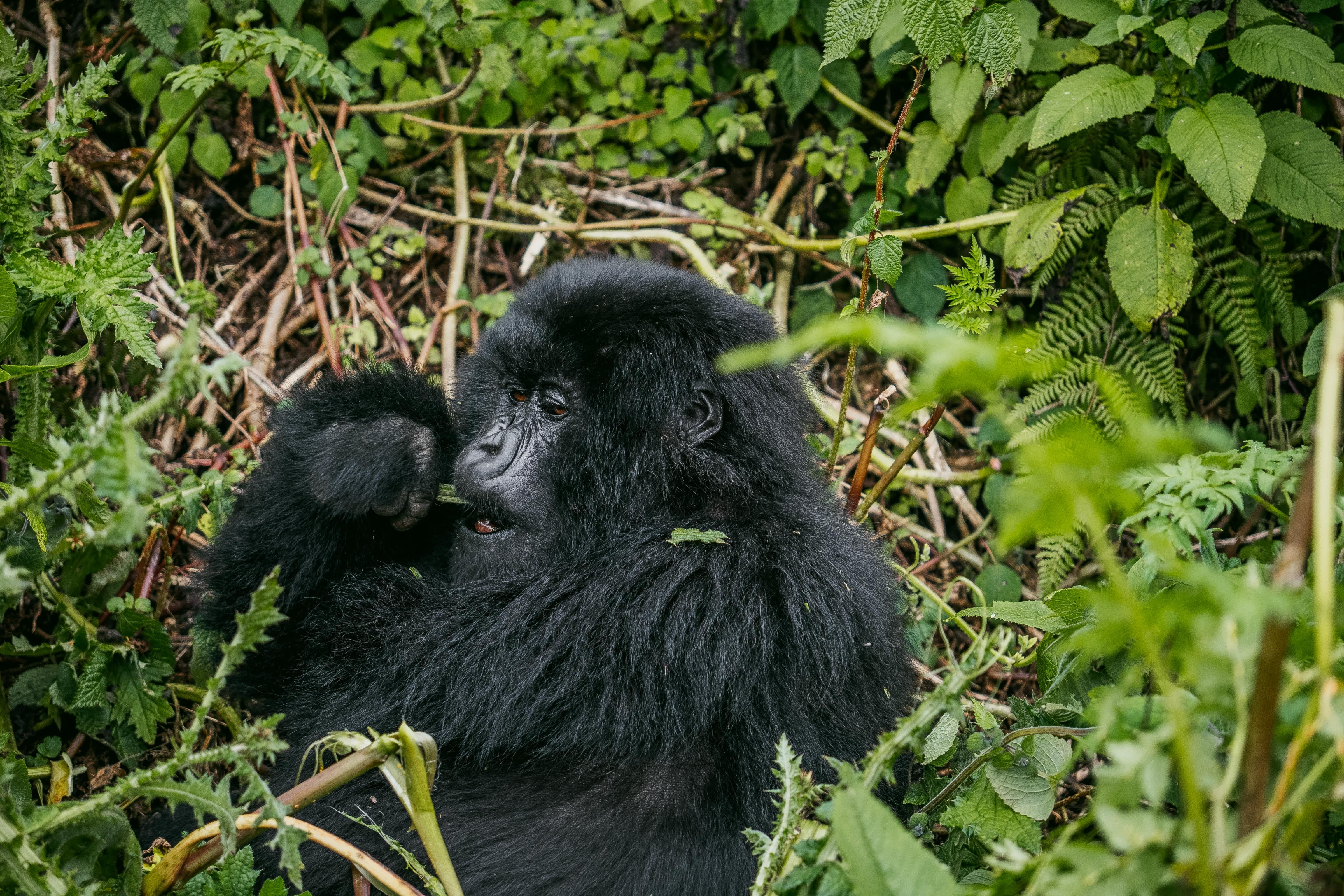
How to Get to Bwindi from Kampala
November 4, 2026
Bwindi Impenetrable National Park is one of Africa’s most remarkable wildlife destinations and among the best places in the world to experience mountain gorilla trekking. Located in southwestern Uganda, this ancient tropical rainforest is home to nearly half of the world’s remaining mountain gorillas. Its exceptional biodiversity, beautiful forest landscapes, rich birdlife and unforgettable primate encounters make it a leading destination for travellers seeking authentic African wildlife experiences.
Choosing the best time to visit Bwindi Impenetrable National Park is an important part of planning a successful Uganda safari. Although mountain gorilla trekking is available throughout the year, weather conditions, rainfall patterns, forest accessibility, trekking difficulty and visitor preferences can influence the overall experience. Some months offer relatively drier trails and more comfortable hiking conditions, while others bring heavier rainfall, lush vegetation and fewer visitors.
Unlike traditional savannah safari destinations, where wildlife viewing can change significantly between wet and dry seasons, Bwindi offers mountain gorilla trekking throughout the year. The gorillas do not migrate away from the park during particular seasons, and visitors have opportunities to encounter habituated gorilla families regardless of the month they travel.
However, understanding the seasonal differences can help you choose the most suitable travel dates, organise accommodation, secure gorilla permits and plan other activities around the forest.
At Exclusive Gorilla Journeys, we help travellers understand the different seasons in Bwindi and organise gorilla trekking experiences that match their travel schedules, interests and budgets. Whether you are planning a luxury gorilla safari, a private Uganda wildlife holiday, a family adventure or a budget-friendly trekking experience, choosing the right travel period can make your journey more comfortable and rewarding.
The best time to visit ultimately depends on what you value most. Travellers prioritising easier hiking conditions generally prefer the relatively dry months, while those seeking quieter travel periods and potentially lower accommodation costs may consider the wetter seasons.
Understanding the Climate of Bwindi Impenetrable National Park
Bwindi Impenetrable National Park lies in the southwestern corner of Uganda, along the border with the Democratic Republic of Congo. It is situated within the Albertine Rift region and forms part of an ancient montane rainforest ecosystem. The park’s location close to the equator, combined with its mountainous terrain and varying elevations, creates a climate that differs from the warmer conditions experienced in many other Ugandan national parks.
Bwindi has a tropical rainforest climate characterised by relatively moderate temperatures, high humidity and rainfall throughout the year. Its elevation varies considerably, creating differences in weather conditions between the valleys, forest slopes and higher ridges. Some parts of the forest may experience sunshine while other sections are covered in mist or receive rainfall.
The park generally experiences two relatively dry seasons and two rainy seasons. The longer dry period normally occurs between June and September, while the shorter dry period falls between December and February. The main rainy season generally runs from March to May, followed by another period of increased rainfall around October and November.
These seasonal patterns are useful when planning a gorilla trekking safari, although they should not be treated as rigid weather guarantees. Bwindi is a natural rainforest, and rainfall can occur even during the months traditionally considered dry.
The weather also varies between the four main gorilla trekking sectors: Buhoma, Ruhija, Rushaga and Nkuringo. Their different elevations and geographical positions influence local temperatures, rainfall and trail conditions. Consequently, travellers staying in one sector may experience slightly different weather from visitors trekking in another.
Understanding these differences helps visitors prepare appropriately rather than relying entirely on general weather forecasts for Uganda. Tourism Uganda+2
The Best Months to Visit Bwindi Impenetrable National Park
The best months to visit Bwindi for most travellers are June, July, August, September, December, January and February. These months generally receive less rainfall than the main rainy periods, making them favourable for hiking through the forest.
During the relatively dry months, trekking trails are usually firmer, forest paths are less muddy and visitors can move through the steep terrain with greater comfort. Although the forest remains humid, the reduced rainfall can make the physical experience more manageable.
The dry seasons are particularly suitable for visitors who are travelling to Uganda primarily for mountain gorilla trekking. They are also favourable for combining Bwindi with other destinations, including Queen Elizabeth National Park, Kibale Forest National Park and Lake Bunyonyi.
However, not every dry-season month offers identical conditions. June and September can provide an excellent balance between trekking conditions and travel demand, while July and August are particularly popular with international tourists. December, January and February are also excellent choices, especially for travellers planning holidays around Christmas, New Year or the beginning of the year.
Travellers who prefer quieter experiences may find the rainy seasons attractive. March, April, May, October and November can offer a different atmosphere, with greener vegetation, fewer visitors and potentially more favourable accommodation rates.
The decision should therefore consider more than rainfall alone. Your preferred trekking conditions, available holiday dates, budget, accommodation preferences and other safari activities all contribute to determining the most suitable travel period.
Visiting Bwindi During the Long Dry Season: June to September
The period from June to September is generally considered the main dry-season travel window in Bwindi Impenetrable National Park. It attracts many international visitors because it coincides with summer holidays in several European and North American countries.
During these months, rainfall is generally lower, and forest trails tend to become firmer compared with the main rainy season. This makes walking through the dense vegetation and mountainous terrain more comfortable for many visitors.
The dry season does not mean that the forest becomes completely dry. Bwindi receives substantial rainfall throughout the year, and its rainforest environment retains considerable moisture. Visitors should therefore expect occasional showers, wet vegetation and damp forest conditions even when travelling in July or August.
June: An Excellent Month for Gorilla Trekking
June is one of the most attractive months for visiting Bwindi. It marks the beginning of the main dry-season period and generally provides favourable conditions for mountain gorilla trekking.
The reduction in rainfall makes forest trails relatively easier to navigate. Visitors can enjoy walking through the forest without experiencing the consistently wet and muddy conditions associated with the main rainy season.
June is particularly suitable for travellers who want to experience gorilla trekking while also exploring other Ugandan wildlife destinations. A safari can combine a gorilla trekking experience in Bwindi with wildlife viewing in Queen Elizabeth National Park, chimpanzee tracking in Kibale Forest and relaxation around Lake Bunyonyi.
The month is also suitable for visitors who want to explore Bwindi’s cultural attractions. Communities surrounding the forest offer opportunities to learn about traditional lifestyles, local history, agricultural practices and conservation initiatives.
Although June generally provides favourable trekking conditions, visitors should book gorilla permits in advance. Demand begins increasing during this period, and the most convenient trekking dates and accommodation options can become limited.
For travellers seeking a combination of favourable weather and a rewarding Uganda safari, June is an excellent choice.
July: One of the Most Popular Months to Visit Bwindi
July is among the busiest months for gorilla trekking in Bwindi Impenetrable National Park. The relatively dry weather, international summer holidays and favourable conditions for outdoor activities attract visitors from different parts of the world.
Forest trails are generally less muddy, making it easier to hike through the park’s steep slopes and thick vegetation. The reduced rainfall can also make the journey to and from the trekking starting points more convenient.
July is particularly suitable for travellers planning longer Uganda safaris. Visitors can comfortably combine gorilla trekking with wildlife viewing in Queen Elizabeth National Park, chimpanzee tracking in Kibale Forest, boat cruises along the Kazinga Channel and visits to other attractions in southwestern Uganda.
However, July is a high-demand travel month. Gorilla permits can become difficult to secure, especially for visitors who want to trek in a particular sector or stay at specific lodges.
Accommodation prices may also be higher because of increased demand. Luxury lodges, boutique properties and popular mid-range accommodation facilities can fill up well before the travel dates.
Travellers planning a July safari should therefore organise their gorilla permits, accommodation and transport several months in advance.
August: Excellent Conditions for a Uganda Gorilla Safari
August continues the favourable dry-season conditions experienced in July. It is another excellent month for visiting Bwindi, particularly for travellers who prioritise relatively dry trails and comfortable hiking conditions.
The forest remains green because of its tropical rainforest environment, but rainfall is generally lower than during the main wet months. Visitors can enjoy the spectacular scenery while navigating trails that are often less slippery.
August is also an attractive month for families, couples and groups of friends planning holidays in Uganda. The relatively favourable weather makes it easier to combine different safari activities without depending heavily on weather-sensitive travel arrangements.
For photographers, August can offer useful opportunities to capture mountain gorillas and the surrounding forest. However, the thick vegetation, changing light conditions and forest canopy mean that photography is never entirely dependent on the season.
The main disadvantage of travelling in August is the high demand for gorilla permits and accommodation. Visitors should avoid waiting until the last minute to make reservations, particularly when travelling as a group.
September: A Good Balance Between Weather and Visitor Numbers
September is another excellent month to visit Bwindi Impenetrable National Park. It generally marks the later part of the main dry-season period, although rainfall patterns can vary.
One of the main advantages of September is that it may offer a balance between favourable trekking conditions and slightly reduced travel demand compared with the busiest weeks of July and August.
The forest is still relatively accessible, and many trekking trails remain suitable for hiking. Visitors can also enjoy a comfortable safari experience when combining Bwindi with other destinations in southwestern Uganda.
September is particularly appealing to travellers with flexible schedules who want to avoid the busiest holiday periods without moving entirely into the rainy season.
It is also an attractive month for birdwatching and nature exploration. Bwindi is home to numerous forest bird species, including several Albertine Rift endemics. The combination of different forest habitats and varied elevations makes the park an important destination for bird enthusiasts.
Travellers should nevertheless remain prepared for occasional rainfall, particularly towards the end of the month.
Visiting Bwindi During the Short Dry Season: December to February
The second relatively dry period generally occurs between December and February. This is another highly recommended time to visit Bwindi Impenetrable National Park.
Although shorter than the main dry season, this period offers favourable conditions for gorilla trekking, wildlife exploration and other outdoor activities.
December, January and February are particularly attractive for travellers planning holidays during the festive season or at the beginning of a new year. The weather is generally suitable for hiking, and the forest continues to provide excellent opportunities for wildlife encounters.
December: A Great Month for Festive Season Gorilla Trekking
December is an excellent month for visiting Bwindi, particularly for travellers planning a Christmas or New Year holiday in Uganda.
The short dry season generally begins around this period, and rainfall often decreases compared with October and November. Forest trails can become more manageable, making gorilla trekking a rewarding activity.
December is also an attractive month for combining gorilla trekking with other safari experiences. Travellers can explore Uganda’s savannah parks, enjoy boat cruises, visit local communities and experience the country’s cultural attractions.
However, the festive season is a popular travel period. International visitors, families and holidaymakers increase demand for gorilla permits and accommodation, particularly around Christmas and New Year.
Anyone planning to travel in December should secure their gorilla permits and accommodation early enough to avoid disappointment.
January: One of the Best Months for Gorilla Trekking
January is widely regarded as one of the best months to visit Bwindi Impenetrable National Park.
It falls within the short dry season, when rainfall is generally lower and hiking trails are often firmer. The relatively favourable weather makes it a suitable month for travellers who want to enjoy the forest without dealing with prolonged periods of heavy rainfall.
January is also an excellent month for visitors who want to combine gorilla trekking with a broader Uganda safari. The relatively favourable conditions make it possible to organise itineraries covering several national parks and attractions.
Visitors can begin their journey with wildlife viewing in Queen Elizabeth National Park, continue to Bwindi for mountain gorilla trekking and finish their safari with relaxation at Lake Bunyonyi.
The month is also attractive for couples planning honeymoon safaris and travellers celebrating special occasions.
Although January can be busy, demand may ease after the Christmas and New Year holiday period. Booking in advance remains important, especially when travellers have fixed dates.
February: Another Excellent Month to Visit Bwindi
February is generally one of the favourable months for gorilla trekking in Bwindi. It falls towards the end of the short dry season, providing opportunities to enjoy relatively firm trails and comfortable hiking conditions.
The weather is often warm during the day, although temperatures can become cooler in the early mornings and evenings, especially at higher elevations.
February is particularly suitable for travellers who prefer outdoor activities and want to explore Uganda before the main rainy season becomes established.
Visitors can enjoy mountain gorilla trekking, birdwatching, nature walks and community experiences. It is also a suitable period for combining Bwindi with other destinations, depending on the length of the safari.
Travellers planning February trips should consider the transition towards the rainy season, which may begin around March. Weather conditions can change, and occasional rainfall should always be expected.
For visitors who want a relatively dry trekking experience without travelling during the busiest parts of the main summer holiday season, February is an excellent option.Bwindi Impenetrable National Park+3
Visiting Bwindi During the Rainy Season
The rainy season is another opportunity to explore Bwindi Impenetrable National Park. Although many travellers prefer the dry months, the wetter periods offer several advantages for visitors who are comfortable hiking in challenging forest conditions.
The rainy season generally occurs between March and May and again around October and November. These periods bring increased rainfall, higher humidity and muddy forest trails.
Rainfall can make trekking more demanding because the park contains steep slopes, uneven ground, thick vegetation and narrow forest paths. Visitors may need to walk carefully through muddy sections and slippery terrain.
However, gorilla trekking continues throughout the year. The mountain gorillas remain within their natural forest habitat, and habituated gorilla families can still be visited during the rainy season.
The wetter months also create a beautiful environment for nature enthusiasts. The forest becomes exceptionally green, streams receive more water and vegetation flourishes.
For travellers who are not restricted to particular holiday dates, the rainy season can offer an opportunity to experience Bwindi under different conditions.
March: The Beginning of the Long Rainy Season
March generally marks the beginning of the long rainy season in Bwindi. Rainfall increases, and forest trails gradually become wetter.
Although the month may still provide some relatively favourable trekking days, visitors should prepare for changing weather conditions.
The forest becomes greener, and the increased moisture supports the growth of different plant species. Birdwatchers and nature enthusiasts can enjoy the vibrant rainforest environment.
March can also be attractive to travellers seeking a quieter safari experience. Visitor numbers may be lower than during the main dry-season months, depending on the travel dates.
Gorilla trekking remains available, but visitors should be prepared for muddy trails and occasional heavy showers.
Travellers planning a March safari should bring appropriate rain protection, sturdy hiking boots and comfortable clothing suitable for humid conditions.
April: A Wet Month with a Beautiful Rainforest Environment
April is generally one of the wettest months in Bwindi Impenetrable National Park. Heavy rainfall can occur frequently, making some trekking routes slippery and more physically demanding.
Visitors travelling in April should be prepared for challenging hiking conditions. The forest floor may become muddy, slopes can be slippery and thick vegetation can make walking through certain sections more difficult.
Nevertheless, April offers a unique opportunity to experience Bwindi when its rainforest environment is particularly vibrant.
The vegetation is lush, the forest is filled with fresh growth, and the surrounding landscape has a beautiful green appearance. For travellers who appreciate natural environments, this can be an especially memorable time to visit.
April may also be attractive to visitors seeking a quieter travel experience. Some accommodation providers offer more favourable rates during lower-demand periods, although prices depend on individual properties and booking arrangements.
It is important to understand that the rainy season does not automatically make gorilla trekking unsuccessful. The gorillas remain in the forest, and the park’s habituated families continue to be available for authorised visits.
However, travellers should have reasonable physical preparation and appropriate trekking equipment.
May: A Transition Towards the Dry Season
May generally continues the long rainy season, although rainfall patterns can begin changing towards the end of the month.
The forest remains lush, and trekking conditions can still be challenging, especially after prolonged rainfall.
One of the advantages of visiting in May is the opportunity to experience Bwindi with relatively fewer tourists than during the peak dry season.
Visitors who are flexible with travel dates may also find accommodation options that offer more favourable rates. This can make May worth considering for travellers working with a carefully managed safari budget.
Gorilla trekking remains a rewarding activity, and the surrounding communities continue offering cultural experiences and nature-based activities.
Towards the end of May, weather conditions may gradually become more favourable as the long dry-season period approaches.
For visitors planning a May safari, it is advisable to allow flexibility in the itinerary and avoid organising overly tight connections between different destinations.
October: The Beginning of the Short Rainy Season
October generally marks the beginning of the second rainy period in Bwindi.
Rainfall may increase as the month progresses, and forest trails can become increasingly muddy. However, weather conditions can vary, and some days may still provide relatively favourable hiking opportunities.
October is a suitable month for travellers seeking a quieter gorilla trekking experience. The reduced demand compared with the busiest dry-season months can create more flexibility when arranging accommodation and safari schedules.
The surrounding forest is also attractive during this period because the vegetation remains lush and vibrant.
Visitors interested in birdwatching can enjoy Bwindi’s rich birdlife, while nature enthusiasts can appreciate the changing rainforest environment.
Travellers should bring reliable rain gear and allow enough time for road transfers, particularly when travelling between remote accommodation facilities and the park’s trekking sectors.
November: A Quiet Month for Nature Enthusiasts
November generally falls within the short rainy season. Rainfall can be frequent, and visitors should expect wet trails and occasional challenging hiking conditions.
Despite these conditions, November remains a valid month for gorilla trekking.
One of the advantages of visiting during this period is the possibility of enjoying a less crowded safari experience. The forest can feel particularly peaceful, and travellers may have greater flexibility when selecting accommodation, subject to permit availability.
November is also a rewarding period for visitors interested in the natural environment. The forest remains green, and the combination of mist, rainfall and thick vegetation creates the characteristic atmosphere of a tropical rainforest.
However, travellers should not assume that every November day will be rainy. Bwindi’s weather is variable, and relatively dry periods can occur between showers.
A well-organised November safari should include suitable accommodation, reliable transport, experienced guides and adequate time for the trekking experience.Tourism Uganda+3
Best Time to Visit Bwindi for Mountain Gorilla Trekking
Mountain gorilla trekking is the main reason many international visitors travel to Bwindi Impenetrable National Park. The park protects a significant proportion of the world’s remaining mountain gorillas and provides opportunities to observe habituated gorilla families in their natural habitat.
Gorilla trekking is conducted throughout the year, meaning visitors do not have to wait for a particular season to experience these endangered primates.
Nevertheless, the season can influence the physical conditions of the trek. The dry months are generally preferred because trails are less muddy and walking through the forest can be easier. During the rainy season, the terrain can become slippery, particularly on steep slopes and narrow paths.
It is important to understand that the duration and difficulty of gorilla trekking are not determined by weather alone. The location of the gorilla family, its daily movements, the starting point and the terrain all influence how long visitors spend walking.
Some gorilla families may be located relatively close to the trekking starting point, while others may require several hours of hiking through thick vegetation.
The gorillas are wild animals, and their movements cannot be controlled to suit visitors’ preferred trekking conditions. Even during the dry season, a trek can be physically demanding.
Does the Dry Season Increase Your Chances of Seeing Gorillas?
The dry season does not necessarily increase the likelihood of finding mountain gorillas. Habituated gorilla families are monitored by experienced trackers, and their movements are followed to help guide visitors towards them.
Gorilla sightings are possible throughout the year, including during periods of heavy rainfall.
The main difference between the seasons concerns the conditions experienced while searching for the gorillas rather than whether the animals are present.
During the rainy season, the forest can become slippery, and walking may require more physical effort. During the dry season, trails are generally firmer, making movement through the forest more comfortable.
The actual encounter with a gorilla family remains subject to wildlife regulations and the animals’ natural behaviour.
Which Season Is Best for First-Time Gorilla Trekkers?
For first-time visitors, the relatively dry months are generally the most suitable because they offer more favourable hiking conditions.
June, July, August, September, December, January and February are particularly good options.
However, first-time trekkers should not assume that dry-season trekking is easy. Bwindi is a mountainous rainforest with steep slopes, uneven terrain and thick vegetation. Some treks can involve considerable physical effort regardless of the month.
Visitors who are concerned about their physical fitness should consider preparing through regular walking, hiking and cardiovascular exercise before travelling.
Hiring a local porter is also highly recommended. Porters help carry daypacks, provide assistance on difficult sections and support community livelihoods.
At Exclusive Gorilla Journeys, we encourage visitors to communicate their physical abilities and trekking preferences before the safari. This allows us to provide appropriate guidance when arranging the gorilla trekking experience.
Best Time to Visit Bwindi for Budget Travellers
Travellers working with limited budgets may consider visiting Bwindi during the rainy seasons, particularly March, April, May, October and November.
These periods generally attract fewer visitors than the main dry-season months. As a result, some accommodation facilities may offer more competitive rates, particularly where low-season pricing applies.
Choosing a quieter travel period can help visitors manage the overall cost of their Uganda safari without missing the opportunity to see mountain gorillas.
However, it is important to distinguish between accommodation savings and gorilla permit costs. Gorilla permits are issued under Uganda Wildlife Authority regulations, and their prices are determined by the applicable permit category and official tariff rather than simply by the weather on the trekking date.
Travellers should always confirm the current permit price before making financial arrangements. They should also establish whether accommodation, transport, meals and other safari services are included in their tour quotation.
Budget travellers can reduce their overall safari expenses by choosing comfortable budget accommodation, sharing safari transport where practical and combining several destinations within one well-organised itinerary.
The rainy season can therefore be an attractive option for visitors who prioritise affordability and are comfortable with more demanding trekking conditions.
Best Time to Visit Bwindi for Luxury Gorilla Safaris
Luxury travellers can visit Bwindi throughout the year, although the dry seasons are particularly popular for high-end gorilla trekking holidays.
June to September and December to February generally offer favourable conditions for combining gorilla trekking with premium accommodation and other wildlife experiences.
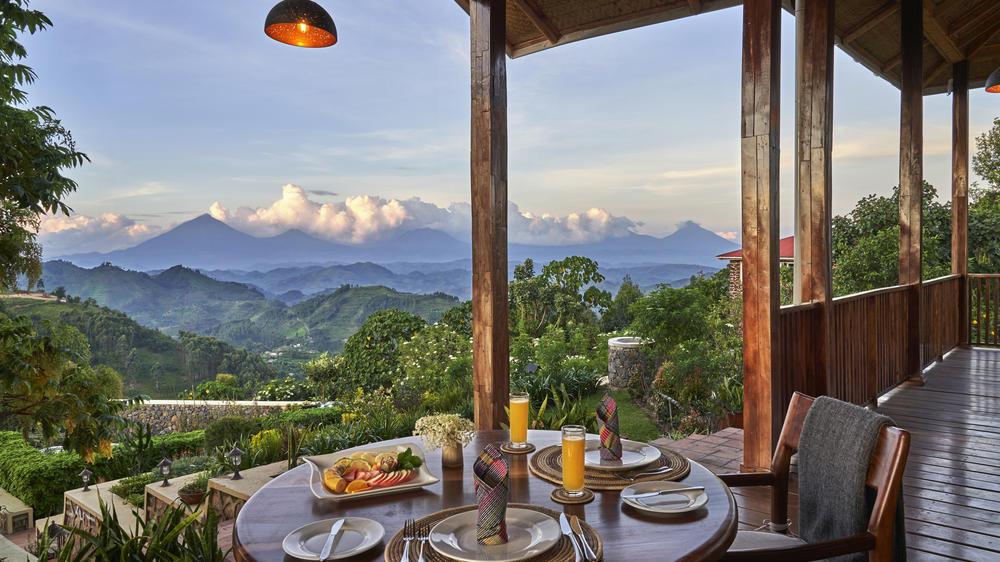
Bwindi has several luxury lodges situated near its gorilla trekking sectors. These properties provide comfortable rooms, personalised hospitality, quality dining and scenic views of the surrounding forest.
For visitors seeking a luxury experience, the choice of trekking sector is just as important as the travel month.
Staying close to the assigned gorilla trekking starting point helps reduce unnecessary road transfers on the morning of the trek. This is particularly important because visitors are expected to attend the morning briefing before entering the forest.
A luxury gorilla safari can also include private ground transportation, domestic flights where available and additional experiences in other Ugandan destinations.
Travellers who prefer a quieter atmosphere may consider the shoulder periods around the beginning or end of the main dry seasons. Availability and accommodation rates should be checked for the exact dates.
Exclusive Gorilla Journeys can organise personalised gorilla trekking holidays with accommodation and transport arrangements that match different luxury travel preferences.
Best Time to Visit Bwindi for Birdwatching
Bwindi Impenetrable National Park is an exceptional destination for birdwatching. Its diverse habitats support numerous bird species, including several species endemic to the Albertine Rift region.
Birdwatching is possible throughout the year, but different seasons provide different experiences.
The wetter months can be particularly rewarding for visitors interested in experiencing the forest when vegetation is fresh and abundant. Increased bird activity in certain habitats and the presence of migratory species during relevant periods can make this season attractive to dedicated bird enthusiasts.
The relatively dry months can also provide comfortable conditions for walking along forest trails and exploring different birdwatching locations.
Birdwatchers should consider spending more than one day in Bwindi if their primary objective is to identify a wide variety of species. The park has different forest habitats and elevations, and exploring these environments with an experienced birding guide can improve the experience.
The Ruhija sector is particularly well known among birdwatchers because of its high-altitude forest environment and access to important Albertine Rift bird habitats.
Visitors should also understand that birdwatching conditions depend on factors beyond rainfall, including time of day, habitat, bird behaviour and the experience of the guide.
Best Time to Visit Bwindi for Photography
Bwindi offers excellent photography opportunities throughout the year. The best time depends on the type of photographs visitors want to capture and their ability to work with changing forest light.
The relatively dry months can provide more convenient trekking conditions and fewer interruptions from heavy rainfall. These conditions may make it easier to protect camera equipment and move between locations.
The rainy months, on the other hand, create a beautiful rainforest atmosphere. Mist-covered hills, fresh vegetation, wet leaves and dramatic forest scenery provide opportunities for distinctive nature photography.
Mountain gorilla photography requires patience and an understanding of the forest environment. The dense vegetation can make lighting conditions challenging, even during the dry season.
Visitors should carry suitable camera equipment and protective covers, particularly when travelling during the wetter months.
Gorilla photography is subject to strict wildlife regulations. Visitors must follow the instructions of their guides and maintain the required distance from the gorillas. Flash photography is not permitted, and photographers should avoid movements or behaviour that disturb the animals.
The best photographic experience comes from respecting the gorillas and allowing them to behave naturally.
Best Time to Visit Bwindi for Families and Older Travellers
Bwindi can be visited by families and older travellers, but the trekking experience requires careful planning.
The dry months are generally preferable for visitors who want relatively comfortable walking conditions. June to September and December to February are good periods to consider.
However, travelling during the dry season does not remove the physical demands of gorilla trekking. Some trails are steep and difficult, and the duration of the trek depends on where the assigned gorilla family is located.
Families travelling with older adults should discuss the trekking arrangements before booking. The park authorities and safari operator can provide guidance on available options and the physical requirements of the experience.
Porter services are useful for visitors who may need additional assistance on the trails.
Travellers with mobility limitations should communicate their requirements early. Depending on availability and applicable arrangements, specialised support may be possible, including the use of a sedan chair carried by trained porters.
It is also important to consider accommodation accessibility, road transfers, the distance between the lodge and trekking briefing point, and the availability of suitable meals.
A well-planned itinerary should allow enough time for rest before and after the gorilla trekking activity.
Does the Best Time to Visit Depend on the Bwindi Gorilla Trekking Sector?
Bwindi is divided into four main gorilla trekking sectors: Buhoma, Ruhija, Rushaga and Nkuringo.
All four sectors offer mountain gorilla trekking opportunities, but their geographical positions, elevations and surrounding landscapes differ.
These differences can influence local weather and trekking conditions.
Visiting Buhoma Sector
Buhoma is located in the northern part of Bwindi and is one of the park’s most established gorilla trekking areas.
It is a popular choice for visitors who want to combine gorilla trekking with other activities in the northern part of the park.
The relatively dry months are generally favourable for trekking in Buhoma because forest trails become less muddy.
Visitors can also explore community tourism experiences, guided nature walks and other attractions around the sector.
Buhoma is particularly convenient for travellers approaching Bwindi from the Queen Elizabeth National Park direction, depending on their itinerary.
Visiting Ruhija Sector
Ruhija is situated in the eastern part of Bwindi at a relatively high elevation.
Its cooler temperatures and mountainous environment create a different atmosphere from some of the lower-lying sections of the park.
The dry months are generally suitable for visitors planning gorilla trekking in Ruhija, although the weather can remain unpredictable.
Ruhija is also an excellent choice for birdwatching because of its rich forest habitats and important Albertine Rift bird species.
Visitors should bring warm clothing, especially for early mornings and evenings.
Visiting Rushaga Sector
Rushaga is located in the southern part of Bwindi and is one of the important gorilla trekking sectors.
It is popular among visitors because of its habituated gorilla families and access to different trekking experiences.
Both dry seasons are suitable for gorilla trekking in Rushaga. During the rainy months, visitors should prepare for slippery trails and potentially demanding hiking conditions.
Rushaga is also a convenient sector for travellers combining Bwindi with Lake Bunyonyi, Mgahinga Gorilla National Park and other southwestern Uganda attractions.
Visiting Nkuringo Sector
Nkuringo is located in the southern part of Bwindi and is known for its mountainous terrain and spectacular scenery.
The sector can offer physically demanding gorilla trekking experiences because of its steep slopes and varied forest terrain.
The relatively dry months are generally preferable for visitors who want more manageable hiking conditions.
Nevertheless, Nkuringo remains a rewarding destination during the rainy season for visitors who are physically prepared and comfortable hiking in wet conditions.
Its scenic landscapes also make it attractive for travellers seeking a combination of gorilla trekking, nature exploration and community experiences.
The most important consideration when selecting a sector is not simply the weather. Visitors should also consider gorilla permit availability, accommodation location, accessibility and the overall safari itinerary.
At Exclusive Gorilla Journeys, we help travellers select suitable trekking sectors based on their preferred dates, accommodation requirements and travel arrangements.
What to Pack When Visiting Bwindi During Different Seasons
Packing appropriately is essential for a comfortable gorilla trekking experience. Bwindi’s tropical rainforest climate means visitors should prepare for both sunshine and rainfall regardless of their travel dates.
During the dry season, lightweight clothing, comfortable hiking trousers and moisture-wicking shirts are useful. However, visitors should still carry waterproof clothing because unexpected showers can occur.
During the rainy season, waterproof equipment becomes even more important. A good rain jacket, waterproof trousers and a rain cover for your backpack can help protect you during the trek.
Footwear is particularly important. Visitors should bring sturdy waterproof hiking boots with good ankle support and reliable grip. The forest trails can be uneven, muddy and slippery, making ordinary walking shoes unsuitable for many trekking conditions.
Long-sleeved shirts and long trousers are recommended to protect the skin from vegetation, insects and scratches. Gardening gloves can also be useful when holding onto vegetation for balance, although visitors should avoid grabbing plants without checking for thorns.
Other useful items include a reusable water bottle, drinking water, energy-giving snacks, insect repellent, sunscreen, a hat and a small personal first-aid kit.
Visitors travelling during the cooler months or staying in higher-altitude areas should also bring warm clothing for evenings and early mornings.
The most important packing principle is to prepare for changing weather rather than assuming that the forecast will remain accurate throughout the safari.
How Far in Advance Should You Book a Bwindi Gorilla Trekking Safari?
The best time to visit Bwindi is only one part of planning a successful gorilla safari. Securing a gorilla permit and arranging accommodation are equally important.
Uganda has a limited number of daily gorilla trekking places because visits to habituated gorilla families are carefully regulated for conservation purposes.
Demand is particularly high during June, July, August, September, December and January. Travellers planning to visit during these months should make arrangements several months in advance.
Booking early is also advisable during the rainy season. Although demand may be lower, the number of permits available for each date and trekking sector remains limited.
The booking process should begin with selecting your preferred travel dates and identifying the most suitable gorilla trekking sector. Once the dates and sector are established, permit availability can be checked and the relevant arrangements made.
Visitors should avoid booking accommodation far from their assigned trekking sector without considering the morning transfer. Gorilla trekking briefings take place at designated starting points, and arriving on time is essential.
A professional safari operator can coordinate permits, accommodation, transport and other activities to create a convenient itinerary.
Exclusive Gorilla Journeys assists travellers with gorilla permit arrangements and personalised safari planning. We recommend securing your permit before making non-refundable travel arrangements, particularly during the busiest months.
Can You Visit Bwindi During the Rainy Season and Still See Gorillas?
Yes. Visiting Bwindi during the rainy season is entirely possible, and mountain gorilla trekking continues throughout the year.
Rainfall does not mean that the gorillas disappear or that trekking activities automatically stop. Habituated gorilla families remain within the forest, and experienced trackers help locate them.
The main challenge is the physical condition of the trekking trails. Heavy rainfall can make some sections muddy and slippery, increasing the effort required to reach the gorillas.
Visitors should also understand that gorilla trekking is a wildlife activity rather than a guaranteed walking route. The animals move naturally through the forest, and their location changes from day to day.
Some treks are relatively short, while others involve several hours of hiking. This applies during both the dry and rainy seasons.
Travellers visiting during the wet months should therefore have suitable footwear, waterproof clothing and reasonable physical preparation.
The advantage is that they can enjoy the rainforest during a quieter period, potentially benefit from lower accommodation rates and experience Bwindi’s lush natural environment.
Combining Bwindi with Other Uganda Safari Destinations
One of the advantages of visiting Bwindi is the opportunity to combine mountain gorilla trekking with other remarkable destinations in Uganda.
The best travel period for a combined safari depends on the activities included in the itinerary.
Bwindi and Queen Elizabeth National Park
Queen Elizabeth National Park is one of Uganda’s most popular wildlife destinations. It offers opportunities to see elephants, buffaloes, lions, antelopes, hippos and numerous bird species.
The dry months are generally favourable for wildlife viewing, particularly around water sources where animals may gather.
A safari combining Queen Elizabeth National Park and Bwindi is particularly attractive between June and September and during December to February.
Visitors can enjoy traditional savannah wildlife experiences before travelling to the rainforest for mountain gorilla trekking.
Bwindi and Kibale Forest National Park
Kibale Forest National Park is famous for chimpanzee tracking and its exceptional primate diversity.
Combining Kibale with Bwindi creates an exciting primate safari, allowing visitors to encounter chimpanzees and mountain gorillas during one holiday.
The dry seasons are generally convenient for organising these activities, although chimpanzee tracking and gorilla trekking remain available throughout the year under the relevant regulations.
Bwindi and Lake Bunyonyi
Lake Bunyonyi is a beautiful destination for relaxation after gorilla trekking.
Located in southwestern Uganda, the lake is surrounded by rolling hills and numerous small islands. Visitors can enjoy canoeing, boat excursions, birdwatching and peaceful accommodation overlooking the water.
Lake Bunyonyi can be visited throughout the year, making it a suitable addition to both dry-season and rainy-season gorilla safaris.
Bwindi and Mgahinga Gorilla National Park
Mgahinga Gorilla National Park offers another opportunity to experience mountain gorillas in Uganda. It is also home to golden monkeys and provides opportunities for volcano hiking.
Travellers can combine Bwindi and Mgahinga when planning a longer primate and adventure safari in southwestern Uganda.
The dry months are generally preferable for hiking activities, although weather conditions in the mountainous region can change quickly.
Combining these destinations allows visitors to experience different landscapes and wildlife habitats within the same region.
Frequently Asked Questions About the Best Time to Visit Bwindi Impenetrable National Park
What is the absolute best month to visit Bwindi Impenetrable National Park?
June and September are excellent months for visiting Bwindi because they generally offer favourable trekking conditions. January and February are also particularly good choices.
However, there is no single month that is best for every traveller. The ideal period depends on your budget, travel schedule, preferred weather and other safari activities.
Is December a good month for gorilla trekking in Bwindi?
Yes. December falls within the shorter dry-season period and generally offers favourable conditions for gorilla trekking.
It is particularly suitable for travellers planning Christmas and New Year holidays in Uganda. However, visitors should book permits and accommodation early because festive-season demand can be high.
Which months receive the most rainfall in Bwindi?
April is generally among the wettest months, while March and May also experience substantial rainfall. October and November form another rainy period.
However, rainfall varies between years and different parts of the forest.
Is gorilla trekking possible in Bwindi throughout the year?
Yes. Gorilla trekking is available throughout the year, subject to permit availability and operational conditions.
The mountain gorillas remain in the forest during both dry and rainy seasons. The main difference is the condition of the trekking trails and the overall weather experience.
Is the rainy season cheaper for visiting Bwindi?
The rainy season can be more affordable because some accommodation providers offer lower rates during periods of reduced tourist demand.
However, gorilla permit prices are governed by the applicable official tariffs and do not automatically become cheaper simply because it is raining.
Travellers should request a complete safari quotation to understand the total cost of their trip.
Is July or August better for visiting Bwindi?
Both months are excellent for gorilla trekking because they fall within the main dry-season period.
July and August are also among the busiest months, so permit availability and accommodation should be secured early.
The better month depends on your preferred travel dates and the availability of your chosen trekking sector.
Can I visit Bwindi in April?
Yes. April is a valid month for visiting Bwindi and undertaking gorilla trekking.
However, it is generally a wet month, and trails can become slippery and physically demanding. Visitors should prepare appropriately and allow flexibility in their travel arrangements.
Does it rain every day in Bwindi?
No. Although Bwindi is a tropical rainforest with substantial rainfall, it does not necessarily rain throughout every day.
Some days are sunny, others experience brief showers, and prolonged rainfall can also occur. Weather conditions are unpredictable, so visitors should carry rain protection throughout the year.
How many days should I spend in Bwindi?
Most visitors allocate at least two nights in the Bwindi area for a standard gorilla trekking experience. This allows time to arrive, rest, participate in the trek and continue to the next destination.
Travellers interested in birdwatching, community visits, nature walks or gorilla habituation experiences may benefit from spending additional nights.
Should I book my gorilla permit before choosing accommodation?
It is advisable to establish gorilla permit availability and the assigned trekking sector before confirming accommodation.
This helps ensure that your lodge is conveniently located for the morning briefing and reduces unnecessary transfers.
Plan Your Bwindi Gorilla Safari with Exclusive Gorilla Journeys
Bwindi Impenetrable National Park is a remarkable destination that rewards visitors throughout the year. Whether you travel during the relatively dry months or choose the greener rainy season, the opportunity to encounter endangered mountain gorillas in their natural habitat makes the journey special.
For travellers prioritising comfortable hiking conditions, June to September and December to February are generally the best periods. These months offer relatively lower rainfall, firmer forest trails and favourable conditions for combining gorilla trekking with other Ugandan safari activities.
For visitors seeking quieter travel periods and potentially more affordable accommodation, March to May and October to November are worth considering. Although the trails can be muddy and more challenging, gorilla trekking remains possible, and the rainforest is particularly beautiful.
The most important step is choosing travel dates that match your interests, budget and physical abilities while allowing sufficient time to secure gorilla permits and suitable accommodation.
At Exclusive Gorilla Journeys, we specialise in organising memorable gorilla trekking experiences and wildlife safaris in Uganda and Rwanda. We understand the importance of choosing the right trekking sector, securing permits, arranging comfortable accommodation and coordinating reliable transportation.
Whether you want a short gorilla trekking holiday, a luxury Uganda safari, a budget-friendly adventure or a longer wildlife and primate expedition, we can help you plan an experience that meets your expectations.
Our team can arrange gorilla permits, accommodation, professional safari guides, ground transportation and additional activities to make your journey convenient from arrival to departure.
If you are planning to visit Bwindi, contact Exclusive Gorilla Journeys to discuss your preferred travel dates and receive a personalised gorilla safari itinerary.
Your mountain gorilla adventure begins with choosing the right time and making the right arrangements. Let Exclusive Gorilla Journeys help you experience the unforgettable beauty of Bwindi Impenetrable National Park.