
How to Book Gorilla Permits in Uganda (Step-by-Step 2026 Guide)
April 1, 2026
Gorilla Trekking Uganda, Budget vs Luxury Packages
April 9, 2026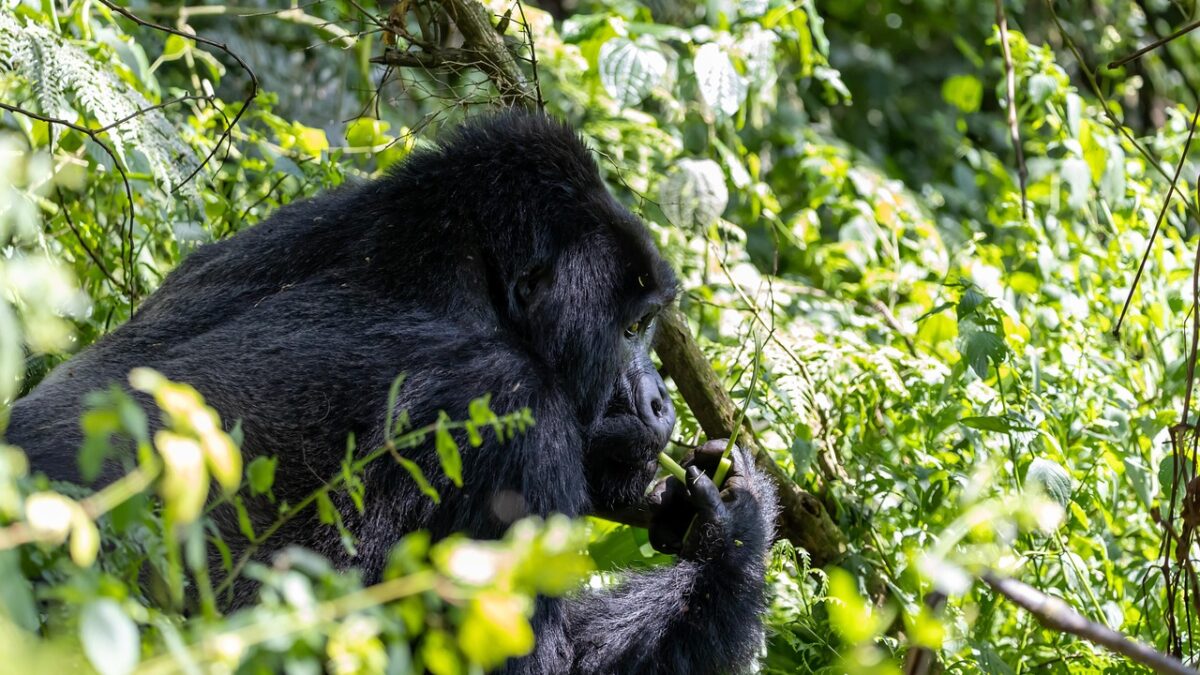
Gorilla trekking in Uganda is one of the most extraordinary wildlife experiences on Earth. Deep within lush tropical forests, travelers come face-to-face with endangered mountain gorillas in their natural habitat. Uganda offers two distinct destinations for this once-in-a-lifetime adventure: Bwindi Impenetrable National Park and Mgahinga Gorilla National Park. If you’re planning your safari, you’ve likely come across the debate: Bwindi gorilla trekking vs Mgahinga gorilla trekking—which is better?
This detailed guide explores everything you need to know about both destinations, helping you make the best decision based on your travel goals, budget, fitness level, and overall safari experience.
Understanding Gorilla Trekking in Uganda
Before comparing the two parks, it’s important to understand what gorilla trekking involves. Gorilla trekking is a guided activity where visitors hike through dense forests to locate a habituated family of mountain gorillas. Once found, you are allowed to spend one hour observing them.
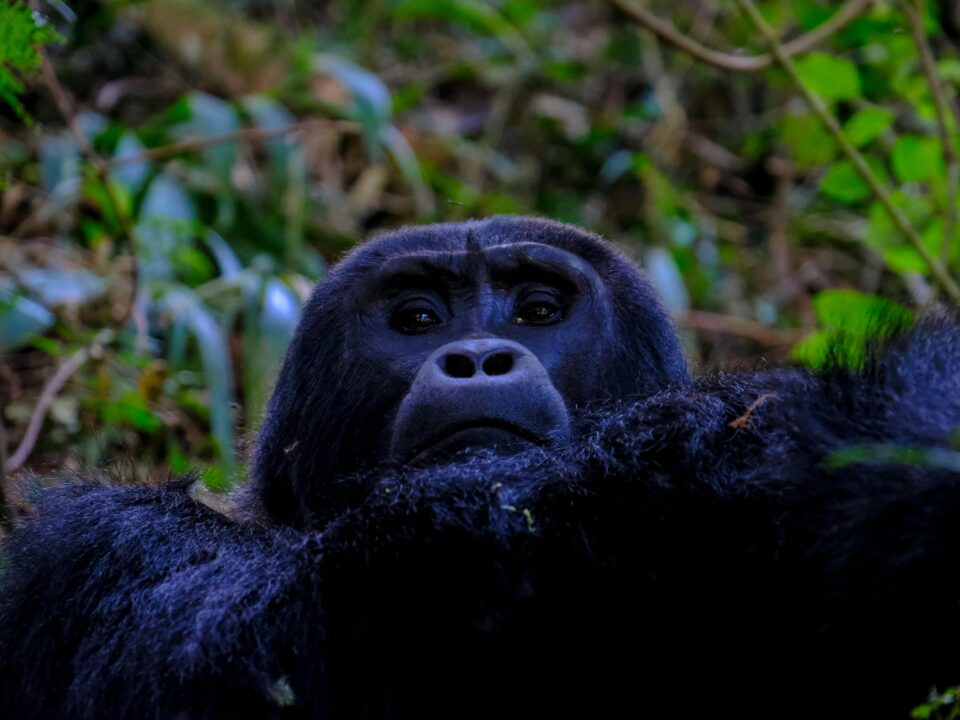
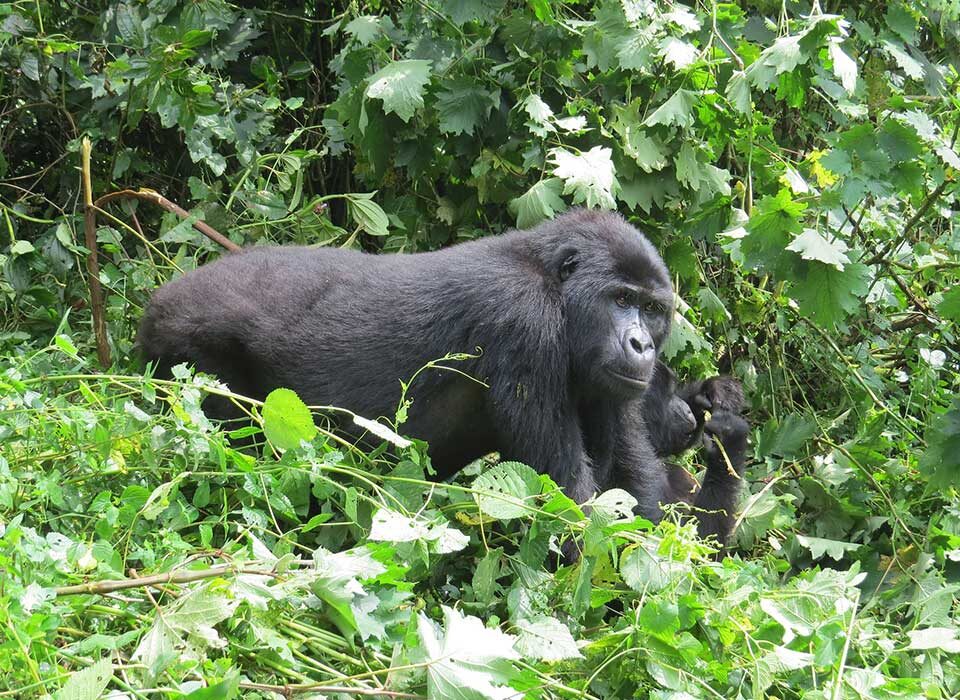
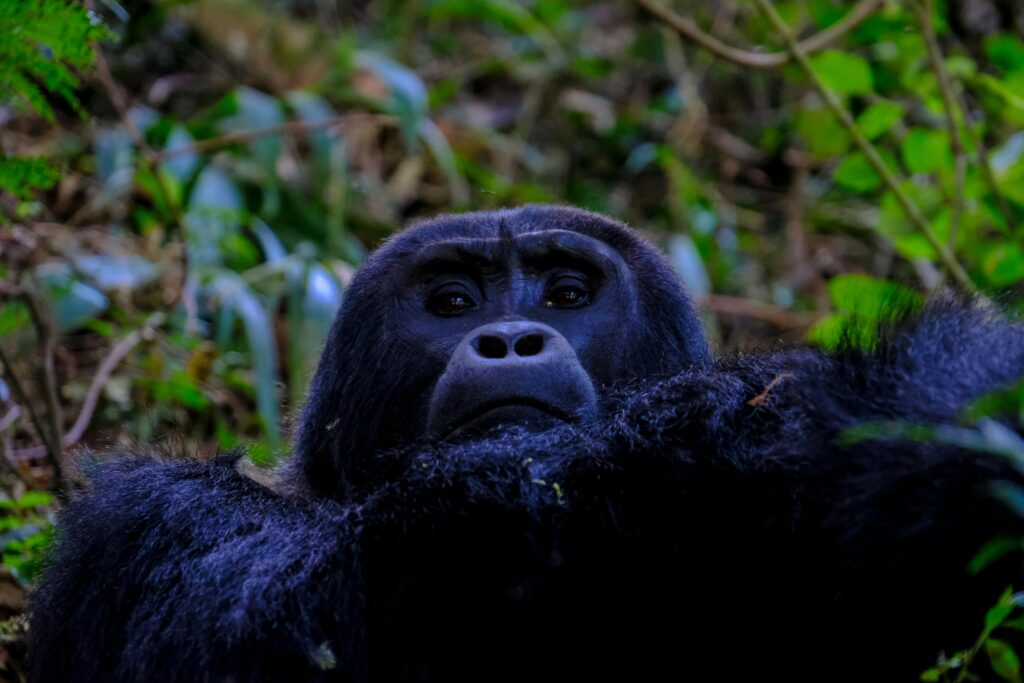
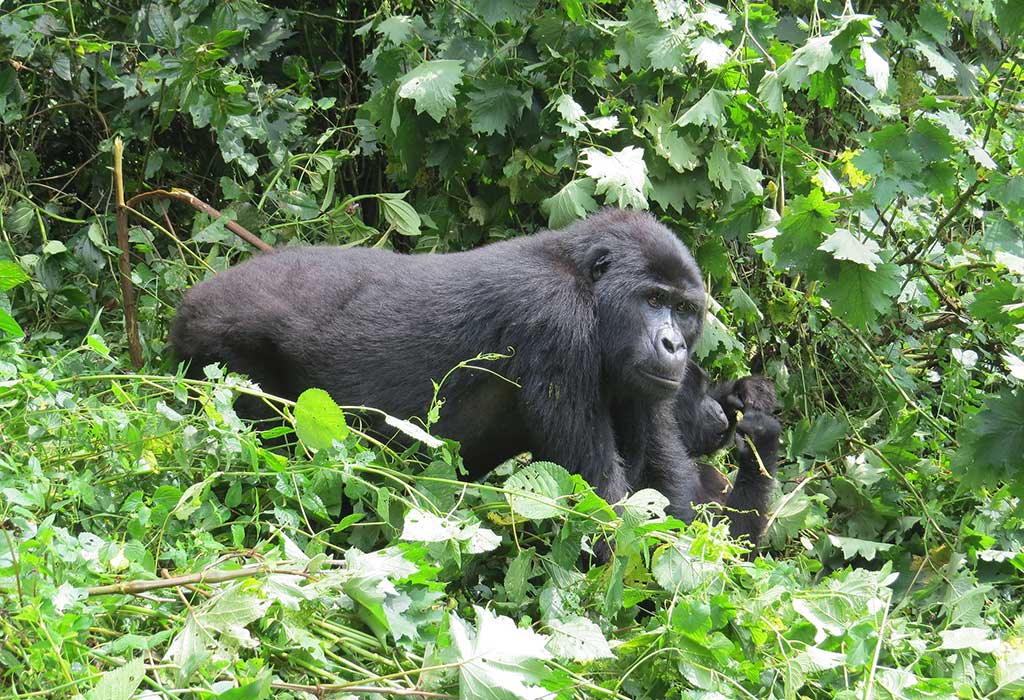
Uganda is home to more than half of the world’s remaining mountain gorillas, making it a top destination for this experience. Both Bwindi gorilla trekking and Mgahinga gorilla trekking offer intimate, guided encounters, but the environments, accessibility, and overall experience differ significantly.
Overview of Bwindi Gorilla Trekking
Bwindi Impenetrable National Park is Uganda’s most popular gorilla trekking destination. Located in southwestern Uganda, this UNESCO World Heritage Site is famous for its dense jungle, incredible biodiversity, and large population of mountain gorillas.
Bwindi is home to over 20 habituated gorilla families, spread across four main trekking regions: Buhoma, Ruhija, Rushaga, and Nkuringo. This makes Bwindi gorilla trekking the most accessible and flexible option for travelers.
The forest itself is ancient and incredibly thick, often described as “impenetrable.” Trekking here can be challenging due to steep terrain, muddy trails, and thick vegetation, but the reward is unmatched. Along the way, you may also encounter other wildlife such as monkeys, forest elephants, and a variety of bird species.
Bwindi offers a wide range of accommodation options, from budget lodges to luxury eco-resorts, making it suitable for all types of travelers.
Overview of Mgahinga Gorilla Trekking
Mgahinga Gorilla National Park is Uganda’s smallest national park, located near the borders of Rwanda and the Democratic Republic of Congo. It forms part of the larger Virunga Conservation Area, which includes famous parks like Volcanoes National Park in Rwanda.
Unlike Bwindi, Mgahinga has only one habituated gorilla family—the Nyakagezi group. This makes Mgahinga gorilla trekking a more exclusive and less crowded experience.
The landscape here is dramatically different from Bwindi. Mgahinga is characterized by volcanic mountains, bamboo forests, and open scenery. The terrain is generally less dense, offering clearer views and easier photography opportunities.
Mgahinga is also culturally rich, as it is home to the Batwa people, one of the oldest indigenous communities in the region. Visitors can combine gorilla trekking with cultural experiences and volcano hikes.
Gorilla Population and Trekking Experience
One of the biggest differences between Bwindi gorilla trekking and Mgahinga gorilla trekking lies in the number of gorilla families available for trekking.
Bwindi has a significantly larger gorilla population with many habituated families. This means permits are more readily available, and you have a higher chance of securing a trekking slot, even during peak seasons. The variety of families also allows for a more diverse trekking experience.
In contrast, Mgahinga has only one habituated gorilla group. While this creates a more intimate and exclusive experience, it also means limited availability. If permits are sold out or the group moves across borders, trekking may not always be possible.
However, Mgahinga’s Nyakagezi group is known for being relatively stable and easier to track compared to some of Bwindi’s more mobile families.
Difficulty Level and Terrain
When comparing Bwindi gorilla trekking vs Mgahinga gorilla trekking, terrain plays a major role in shaping your experience.
Bwindi’s terrain is rugged, steep, and densely forested. The thick vegetation can make trekking physically demanding, especially during the rainy season when trails become slippery. Treks can last anywhere from one hour to several hours depending on the location of the gorillas.
Mgahinga, on the other hand, features more open terrain with bamboo forests and volcanic slopes. While still physically demanding, many trekkers find Mgahinga slightly easier due to better visibility and less dense vegetation.
That said, both experiences require a reasonable level of fitness, and porters are available to assist in both parks.
Scenery and Photography
Scenery is another key factor when choosing between Bwindi gorilla trekking and Mgahinga gorilla trekking.
Bwindi offers a classic jungle experience. Its thick canopy, misty atmosphere, and rich biodiversity create a dramatic and immersive setting. However, the dense vegetation can sometimes make photography challenging, especially when trying to capture clear shots of gorillas.
Mgahinga provides more open landscapes with stunning views of volcanic peaks. The lighter vegetation allows for better lighting and clearer photography opportunities. If capturing high-quality photos is a priority, Mgahinga gorilla trekking may have an edge.
Accessibility and Travel Logistics
Bwindi and Mgahinga are both located in southwestern Uganda, but Bwindi is more accessible due to its multiple entry points and better-developed infrastructure.
Bwindi can be reached by road from Kampala or Entebbe (approximately 8–10 hours) or by domestic flights to nearby airstrips like Kihihi or Kisoro. Each trekking sector has its own access routes and accommodations.
Mgahinga is located near Kisoro town and is slightly more remote. While it is also accessible by road or air, travel logistics can be a bit more limited compared to Bwindi.
For travelers looking for convenience and flexibility, Bwindi gorilla trekking is often the preferred choice.
Cost and Gorilla Permits
The cost of gorilla trekking in Uganda is standardized across both parks. Gorilla permits are issued by the Uganda Wildlife Authority and currently cost $800 per person for foreign non-residents.
This means there is no price difference between Bwindi gorilla trekking and Mgahinga gorilla trekking in terms of permits.
However, overall trip costs may vary depending on accommodation and transport. Bwindi’s wider range of lodging options makes it easier to find budget-friendly packages, while Mgahinga tends to cater more to mid-range and luxury travelers.
Crowds and Exclusivity
If you prefer a quieter, less crowded experience, Mgahinga gorilla trekking is the clear winner. With only one gorilla group and fewer visitors, the park offers a more peaceful and intimate atmosphere.
Bwindi, while still well-managed, can feel busier due to its popularity and multiple trekking groups. However, the park is large enough that trekkers are spread out across different sectors, minimizing overcrowding.
Additional Activities and Experiences
Beyond gorilla trekking, both parks offer unique additional experiences.
Bwindi is known for its birdwatching, nature walks, and community visits. Its rich biodiversity makes it a paradise for nature lovers.
Mgahinga stands out for its volcano hiking opportunities, including climbs on Mount Sabinyo, Mount Gahinga, and Mount Muhabura. The park also offers the Batwa cultural experience, providing insight into the traditional forest lifestyle of indigenous communities.
If you’re looking to combine gorilla trekking with adventure and cultural exploration, Mgahinga gorilla trekking offers a more diverse range of activities.
Accommodation Options
Accommodation is an important factor when choosing between Bwindi gorilla trekking and Mgahinga gorilla trekking.
Bwindi has a well-developed tourism infrastructure with a wide range of lodges, from budget camps to luxury lodges like Sanctuary Gorilla Forest Camp and Buhoma Lodge. This variety makes it suitable for all budgets.
Mgahinga has fewer accommodation options, but they are generally high quality. Lodges like Mount Gahinga Lodge offer luxury stays with stunning views of the volcanoes.
Travelers seeking more choices and flexibility often prefer Bwindi, while those looking for exclusivity may lean toward Mgahinga.
Best Time for Gorilla Trekking
Both Bwindi and Mgahinga can be visited year-round, but the best time for gorilla trekking is during the dry seasons, from June to September and December to February.
During these months, trails are less muddy and trekking conditions are more favorable. However, this is also peak season, so permits should be booked well in advance.
In the rainy seasons, trekking becomes more challenging, but the forests are lush and fewer tourists visit, offering a quieter experience.
Bwindi Gorilla Trekking vs Mgahinga Gorilla Trekking, Final Verdict
Choosing between Bwindi gorilla trekking and Mgahinga gorilla trekking ultimately depends on your preferences and travel priorities.
Bwindi is ideal for travelers who want flexibility, a higher chance of securing permits, diverse trekking options, and a wide range of accommodations. Its large gorilla population and multiple trekking sectors make it the most popular choice.
Mgahinga is perfect for those seeking exclusivity, stunning volcanic scenery, better photography opportunities, and a quieter experience. Its smaller size and single gorilla family create a more intimate adventure.
There is no definitive “better” option—only the one that best suits your travel style.
Conclusion
Both Bwindi gorilla trekking and Mgahinga gorilla trekking offer unforgettable encounters with mountain gorillas in their natural habitat. Whether you choose the dense jungles of Bwindi or the scenic volcanic landscapes of Mgahinga, you are guaranteed a life-changing experience.
If you’re planning your Uganda safari, consider what matters most to you—accessibility, exclusivity, scenery, or variety—and choose accordingly. Either way, trekking to see mountain gorillas is a rare privilege that few get to experience, and Uganda remains one of the best places in the world to do it.