
Gorilla Trekking in Rushaga, Complete Guide
November 25, 2026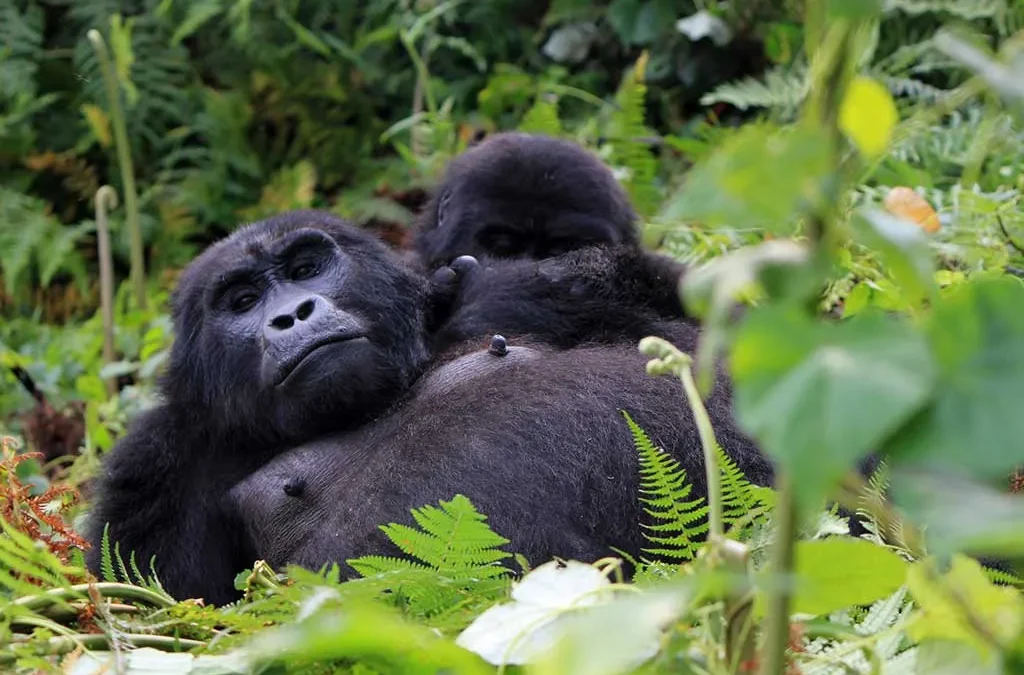
Gorilla trekking in Nkuringo is one of the most rewarding wildlife experiences in Uganda, offering visitors an opportunity to encounter endangered mountain gorillas in their natural habitat while exploring the spectacular landscapes of Bwindi Impenetrable National Park. Located in the southwestern part of Bwindi, Nkuringo is particularly famous for its dramatic mountain scenery, beautiful forest-covered valleys, challenging hiking trails and breathtaking views of the Virunga Volcanoes.
For travellers planning a Uganda gorilla safari, Nkuringo offers a distinctive experience that combines wildlife encounters with adventure, cultural experiences and beautiful natural surroundings. Unlike destinations where wildlife viewing takes place from a vehicle, gorilla trekking requires visitors to walk through dense tropical rainforest, follow experienced trackers and navigate steep mountain slopes in search of a habituated gorilla family.
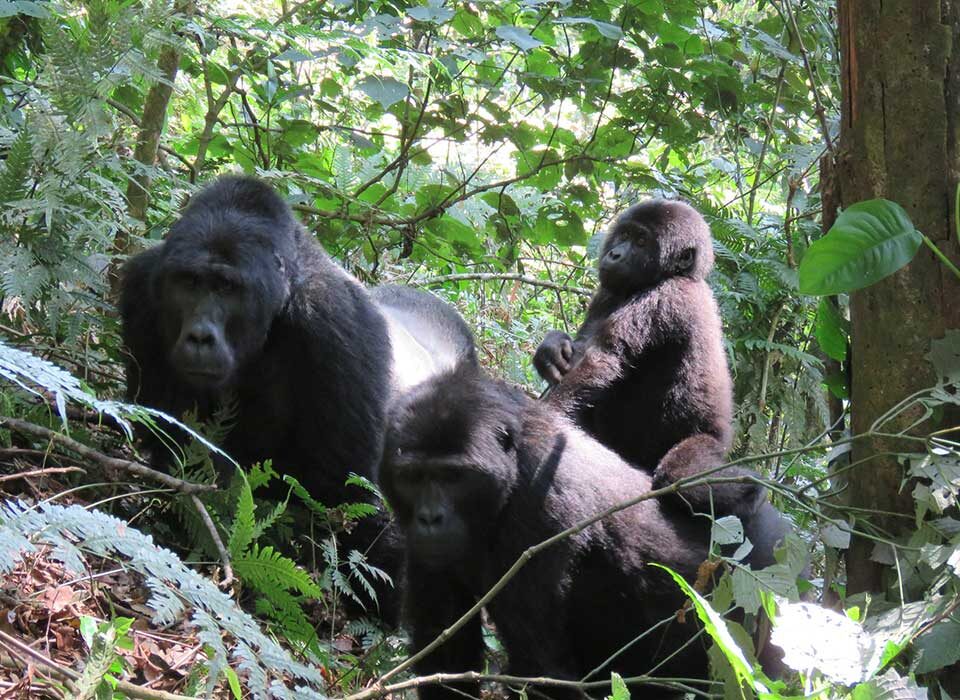
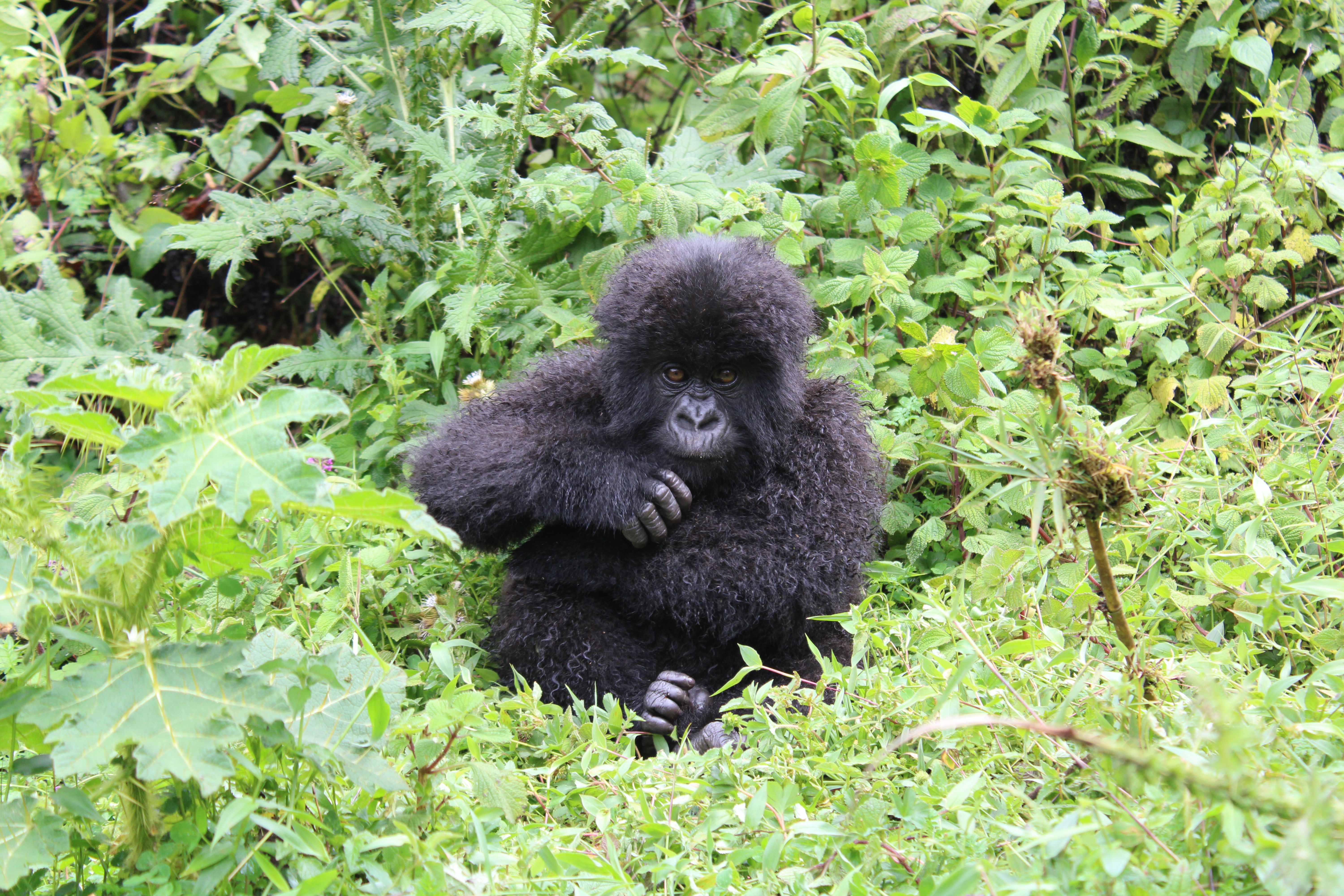
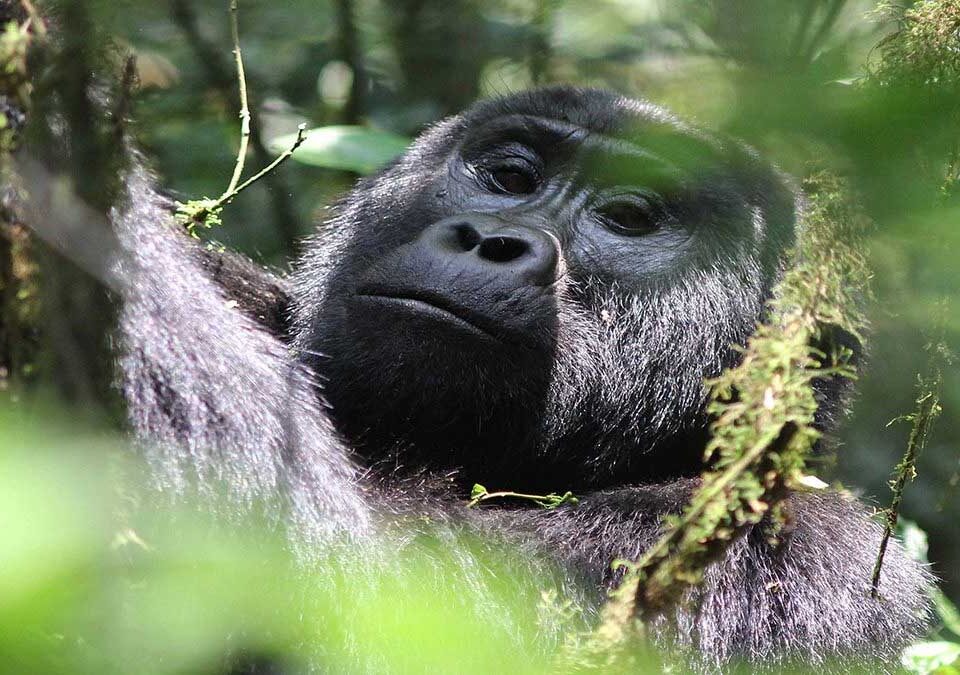
The experience becomes even more special when visitors finally encounter a mountain gorilla family. Watching a silverback protect his family, observing young gorillas playing among the vegetation and seeing mothers caring for their infants creates an unforgettable connection with nature. Visitors are allowed a carefully regulated period with the gorillas, making every moment in their presence valuable.
Nkuringo is one of the four main gorilla trekking sectors in Bwindi Impenetrable National Park, alongside Buhoma, Ruhija and Rushaga. Each sector offers different landscapes, accommodation options and trekking conditions. Nkuringo is particularly attractive to adventurous travellers, experienced hikers, photographers, honeymooners and visitors who appreciate spectacular scenery alongside wildlife experiences.
At Exclusive Gorilla Journeys, we help travellers organise memorable gorilla trekking experiences in Nkuringo by arranging permits, accommodation, transportation, professional safari guides and personalised Uganda safari itineraries. Whether you are planning a short gorilla trekking excursion or a longer wildlife holiday, understanding how Nkuringo works will help you prepare for a successful adventure.
This complete guide explains everything you need to know about gorilla trekking in Nkuringo, including its location, gorilla families, trekking difficulty, permits, accommodation, transportation, weather, activities and the best time to visit.
Where Is Nkuringo Located in Bwindi Impenetrable National Park?
Nkuringo is situated along the southern edge of Bwindi Impenetrable National Park in southwestern Uganda, within Kisoro District. It occupies a spectacular mountainous landscape overlooking deep forest valleys and the distant Virunga volcanic mountain range.
Bwindi is a UNESCO World Heritage Site and one of Africa’s most important conservation destinations. Its ancient rainforest supports a remarkable variety of wildlife, including mountain gorillas, chimpanzees, forest elephants, monkeys, birds, butterflies and numerous other forest species.
Nkuringo occupies a high ridge above the forest, giving it a different geographical character from several other trekking areas in Bwindi. The surrounding landscape consists of steep hills, cultivated terraces, forest-covered valleys and mountain viewpoints. On clear days, visitors can enjoy magnificent views towards the Virunga Volcanoes in the neighbouring countries of Rwanda and the Democratic Republic of Congo.
The sector’s elevated position contributes to its cooler temperatures, especially during early mornings and evenings. It also explains why some gorilla treks involve demanding descents into the forest followed by steep climbs back towards the starting area.
Nkuringo is relatively remote compared with some other parts of Bwindi. Its location makes advance planning important, particularly when arranging road transfers, accommodation and gorilla trekking permits.
The nearest major town is Kisoro, which serves as an important access point for travellers visiting southern Bwindi and other attractions in southwestern Uganda.
Why Choose Nkuringo for Gorilla Trekking?
Nkuringo stands out because of its combination of mountain scenery, challenging hiking conditions, rich biodiversity and intimate encounters with mountain gorillas.
One of the strongest reasons to choose Nkuringo is its spectacular scenery. The sector’s elevated ridges provide impressive views across the surrounding countryside, with the Virunga Volcanoes creating a beautiful backdrop on clear days. Travellers who enjoy photography and mountain landscapes often find this setting particularly attractive.
Another reason is the adventurous nature of its trekking routes. Nkuringo’s steep terrain provides a more physically demanding experience than some visitors might encounter in other parts of Bwindi. The journey through the forest involves navigating natural trails, climbing slopes, crossing uneven ground and sometimes moving through thick vegetation.
This makes Nkuringo particularly suitable for travellers who enjoy hiking and want more than an ordinary wildlife excursion.
The sector also provides access to habituated mountain gorilla families. These gorillas have undergone a gradual habituation process, allowing them to tolerate carefully controlled visits by tourists and researchers.
Nkuringo is also a rewarding destination for visitors interested in community-based tourism. The surrounding communities have developed cultural experiences that introduce travellers to local traditions, agricultural activities, food preparation and everyday life.
For visitors seeking a combination of adventure, wildlife and cultural discovery, Nkuringo is an excellent choice.
Understanding the Four Gorilla Trekking Sectors of Bwindi
Bwindi Impenetrable National Park is divided into four main gorilla trekking sectors. These are Buhoma, Ruhija, Rushaga and Nkuringo.
Although all four sectors offer opportunities to see mountain gorillas, their geographical positions and trekking conditions differ.
Buhoma is situated in northern Bwindi and is among the park’s most established tourism areas. It offers a range of accommodation options and access to several habituated gorilla families.
Ruhija is located in eastern Bwindi and is known for its elevated landscape, beautiful forest scenery and opportunities for birdwatching. Its cooler climate and mountainous terrain make it another attractive destination for nature enthusiasts.
Rushaga is located in southern Bwindi and has several habituated gorilla families. It is also particularly important for visitors interested in the Gorilla Habituation Experience, which is conducted in designated locations.
Nkuringo occupies the southwestern part of the park and is known for its dramatic ridge-top setting and demanding trekking routes.
When choosing between these sectors, visitors should consider more than the availability of permits. Accommodation location, road accessibility, physical fitness, preferred scenery and the overall safari itinerary should all influence the decision.
A permit for Nkuringo is associated with trekking in that particular sector. Travellers should therefore organise accommodation and transportation around the correct briefing location rather than assuming that all Bwindi sectors are interchangeable.
Mountain Gorilla Families in Nkuringo
The opportunity to encounter a habituated mountain gorilla family is the main attraction of Nkuringo. The sector has historically been associated with the Nkuringo and Christmas gorilla families, although family composition, movements and tourism arrangements can change over time.
The Nkuringo gorilla family is particularly well known in the history of gorilla conservation in Bwindi. It became one of the established habituated groups in the southern part of the park and has contributed significantly to the development of gorilla tourism in the area.
The family takes its name from the Nkuringo area, where it was first habituated for tourism. Like other mountain gorilla families, its members live within a social structure that includes a dominant silverback, adult females, juveniles and infants.
The silverback plays an important role in protecting the group, maintaining social order and leading movements through the forest. Adult females contribute to the survival of the family through infant care, feeding and other social interactions.
The Christmas gorilla family is another group associated with Nkuringo. It is named after Christmas, a silverback that became an important figure in the history of the family.
Mountain gorilla families are dynamic social groups. Individuals may transfer between families, new infants may be born, and changes in leadership can influence group composition. Consequently, the exact membership and availability of particular families should be confirmed when arranging a trek.
Can Visitors Choose a Gorilla Family in Nkuringo?
Visitors generally cannot independently select a particular gorilla family and expect to be assigned to it. Gorilla family allocation is managed by park authorities on the trekking morning.
Rangers consider factors such as the location of available families, the number of visitors, trekking conditions and the physical abilities of participants when organising groups.
Travellers should communicate any mobility limitations or fitness concerns during the briefing process. This helps the ranger team consider suitable arrangements where possible.
Although visitors may have a preferred family in mind, the final allocation remains subject to park management decisions.
How Gorilla Trekking in Nkuringo Works
Gorilla trekking in Nkuringo follows a carefully organised process managed by Uganda Wildlife Authority. The experience normally begins early in the morning at the designated trekking briefing point, where visitors meet park rangers and other members of the trekking team.
Travellers are expected to arrive before the scheduled briefing time. This allows park staff to verify permits, organise trekking groups and explain the rules that must be followed inside the forest.
During the briefing, visitors receive information about the mountain gorillas, conservation measures, trekking procedures and appropriate behaviour when encountering the animals.
The rangers also assess the general fitness and physical abilities of participants. This information can help them organise groups and consider the most appropriate trekking arrangements.
After the briefing, visitors are assigned to their trekking groups. A group can consist of a maximum of eight tourists visiting one habituated gorilla family, accompanied by the relevant park personnel.
Experienced trackers may already have entered the forest to locate the gorillas. They communicate with the ranger team, helping establish the family’s approximate location before the tourists begin their walk.
The actual trekking journey can involve several hours of hiking through mountainous rainforest. The duration depends on where the gorillas are located, their movements and the terrain that must be covered.
Once the gorillas are found, visitors are guided into an appropriate viewing position. The ranger explains how to behave around the animals and ensures that everyone maintains the required distance.
The standard gorilla trekking experience allows one hour of observation after the group reaches the gorillas. During this time, visitors can watch their behaviour, take photographs without flash and appreciate their natural environment.
After the observation period, the ranger guides the group back towards the starting area.
Although the process sounds straightforward, the experience is physically demanding and requires patience. The gorillas move freely through their natural habitat, meaning that visitors cannot predict exactly where they will be found.
How Difficult Is Gorilla Trekking in Nkuringo?
Nkuringo is widely regarded as one of the more physically demanding gorilla trekking sectors in Bwindi Impenetrable National Park. Its mountainous landscape, steep slopes and forest valleys create challenging hiking conditions.
The difficulty comes mainly from the geographical position of the sector. Some trekking routes begin on elevated ridges before descending into deep forest valleys. Once visitors locate the gorillas, they may have to climb back up the same slopes or follow another challenging route towards the trailhead.
The terrain can include slippery footpaths, exposed tree roots, muddy sections, rocks and thick vegetation. During rainy periods, some routes become particularly difficult because the ground loses traction.
However, the difficulty of a trek is not the same every day. Gorilla families move around the forest in search of food, and their location determines the distance and direction visitors must travel.
Some treks may take only a few hours, while others can extend over much of the morning or afternoon. The Uganda Wildlife Authority indicates that gorilla tracking generally takes approximately two to seven hours, although individual experiences can fall outside this range.
Visitors should not assume that every Nkuringo trek will require the same level of physical effort.
Physical Fitness Requirements
You do not need to be a professional athlete to participate in gorilla trekking in Nkuringo. However, a reasonable level of physical fitness is important.
Visitors should be comfortable walking for extended periods, climbing hills and navigating uneven terrain. The ability to maintain a steady pace is particularly useful when moving through steep forest trails.
Travellers who do not regularly exercise should begin preparing several weeks or months before their safari.
Walking on hills, climbing stairs, taking regular hikes and practising endurance exercises can help improve physical readiness.
It is also important to inform the safari operator and park rangers about any mobility challenges before the trekking day. This allows appropriate arrangements to be considered.
Hiring a Porter in Nkuringo
Hiring a porter is one of the most useful decisions visitors can make when trekking in Nkuringo.
Porters help carry daypacks, water bottles, cameras and other personal belongings. They can also provide physical support when walking along steep or slippery sections of the trail.
Even visitors who consider themselves physically fit can benefit from having a porter because Nkuringo’s terrain can be demanding.
Porter services also create employment opportunities for people living around Bwindi. By hiring a porter, visitors contribute directly to local household incomes and community participation in conservation.
At Exclusive Gorilla Journeys, we encourage our guests to consider using local porters as part of a responsible gorilla trekking experience.
Gorilla Trekking for Older Visitors
Older travellers can also enjoy gorilla trekking in Nkuringo, provided they are physically capable of participating and meet the park’s requirements.
The minimum age for gorilla tracking in Uganda is 15 years.
Senior visitors should discuss their fitness levels with their safari operator before booking. The operator can help assess whether Nkuringo is the most appropriate sector or whether another Bwindi sector may offer more suitable trekking conditions.
Travellers should also consider the availability of additional assistance and the possibility of arranging a sedan chair or other approved support services where necessary.
The most important consideration is selecting an experience that matches the visitor’s physical abilities rather than choosing a sector based only on scenery.
How Much Does a Gorilla Trekking Permit in Nkuringo Cost?
A gorilla trekking permit is compulsory for anyone who wants to visit a habituated mountain gorilla family in Nkuringo.
The permits are issued by Uganda Wildlife Authority, the government body responsible for managing Uganda’s national parks and wildlife conservation activities.
As of November 2026, the standard foreign non-resident gorilla trekking permit costs US$800 per person. A discounted low-season permit costs US$600 for foreign non-residents during April, May and November.
The announced standard permit rates from 1 January 2027 retain the US$800 foreign non-resident price. The discounted low-season arrangement is subject to its applicable conditions.
The applicable rates depend on the visitor’s residence or citizenship category. Foreign residents of East African Community countries, citizens of other African countries and East African Community citizens have different tariff categories.
| Visitor category | Standard permit | Low-season foreign non-resident rate |
|---|---|---|
| Foreign non-resident | US$800 | US$600 |
| Foreign resident | US$700 | US$500 |
| Rest of Africa | US$500 | Not specified in the low-season notice |
| East African citizen | UGX 300,000 | Not specified in the low-season notice |
The low-season rates apply during April, May and November. Importantly, discounted low-season permits cannot be rescheduled under the announced conditions. Visitors should therefore confirm their travel dates carefully before making payment. Uganda Wildlife Authority+1
The permit price is generally the same across Bwindi’s four trekking sectors. Choosing Nkuringo instead of Buhoma or Rushaga does not create a different standard gorilla permit charge.
What Is Included in the Gorilla Trekking Permit?
The standard gorilla trekking permit covers the regulated gorilla tracking activity, including the park guide arrangements, park entrance for the activity day and the applicable community development contribution.
It also provides access to one habituated gorilla family and allows one hour of observation after the group reaches the gorillas.
The permit does not normally cover accommodation, meals, transport to Bwindi, porter services, personal expenses or tips.
Travellers should therefore budget for the complete safari rather than considering the permit as the only expense.
How to Book a Gorilla Trekking Permit for Nkuringo
Booking a permit should be one of the first steps when planning a gorilla trekking safari.
The number of visitors allowed to visit each habituated gorilla family is restricted. This means that permits can become unavailable, particularly during popular travel periods.
The first step is to select your preferred trekking date and confirm that Nkuringo is the sector you want to visit.
The next step is to establish permit availability through Uganda Wildlife Authority or a licensed tour operator working with the authority’s booking arrangements.
Visitors are normally required to provide passport details and the relevant information needed to establish their correct visitor category.
After availability has been confirmed, the permit should be secured according to the applicable payment requirements.
It is advisable to arrange accommodation and transportation around the confirmed permit date. This avoids unnecessary transfers and reduces the possibility of missing the morning briefing.
At Exclusive Gorilla Journeys, we assist travellers with checking permit availability, arranging the correct trekking sector and coordinating accommodation and transportation. This makes it easier to organise the different parts of the safari through one booking arrangement.
Best Time to Visit Nkuringo for Gorilla Trekking
Gorilla trekking in Nkuringo is available throughout the year. Mountain gorillas live in the forest permanently and do not migrate seasonally like some wildlife species in the savannah.
However, weather conditions influence the comfort and difficulty of trekking.
Bwindi experiences relatively wet conditions because of its tropical rainforest environment. Rain can occur even during periods traditionally considered dry, so visitors should always prepare for changing weather.
The main seasons are generally divided into drier and wetter periods.
Visiting Nkuringo During the Dry Season
The relatively drier months are generally June, July, August, September, December, January and February.
These months are popular for gorilla trekking because forest trails are often easier to navigate when there has been less rainfall.
The reduced likelihood of prolonged heavy rain can make climbing and descending the steep Nkuringo slopes more comfortable.
The dry season is particularly attractive to travellers who want to combine gorilla trekking with other outdoor activities, including nature walks, community visits and photography.
However, dry conditions do not guarantee completely dry trails. Bwindi is a rainforest, and its weather can change quickly.
Travellers should book permits early for popular months because demand can be high.
Visiting Nkuringo During the Rainy Season
The main wetter periods generally occur from March to May and during October and November.
During these months, rainfall can make Nkuringo’s hiking trails muddy, slippery and more challenging.
The forest becomes particularly lush, and the surrounding landscape can be beautiful. Visitors may also appreciate the quieter atmosphere associated with some low-season travel periods.
April, May and November are particularly interesting for travellers who qualify for the discounted low-season gorilla trekking permits introduced by Uganda Wildlife Authority.
Foreign non-residents can access the announced US$600 low-season permit rate during these months, subject to availability and the applicable conditions.
The main disadvantage is that rain can affect road accessibility, walking conditions and outdoor activities.
For travellers visiting during the wetter months, a reliable four-wheel-drive vehicle, waterproof clothing and suitable hiking footwear are particularly important.
Which Month Is Best for Gorilla Trekking in Nkuringo?
June, July, August and September are excellent months for visitors who prefer relatively favourable hiking conditions.
January and February are also attractive options, while December can be suitable for travellers planning a festive-season Uganda safari.
April, May and November may appeal to budget-conscious visitors interested in the low-season permit rates.
Ultimately, there is no single month when gorilla trekking is guaranteed to be easier. The location of the gorillas, recent rainfall and daily weather conditions all influence the experience.
How to Get to Nkuringo for Gorilla Trekking
Nkuringo is located in a remote part of southwestern Uganda, so transportation should be arranged carefully.
Visitors can reach the area by road from Kampala or Entebbe, through Kigali in Rwanda, or by domestic flight followed by a road transfer.
The best route depends on the traveller’s starting point, available time, budget and wider safari itinerary.
Travelling to Nkuringo from Kampala or Entebbe
Travelling by road from Kampala or Entebbe is one of the common ways to reach Nkuringo.
The journey passes through southwestern Uganda, with possible routes taking visitors through Masaka, Mbarara, Kabale and Kisoro before continuing towards Nkuringo.
The road journey can take approximately nine to twelve hours or longer depending on traffic, road conditions, weather and the exact starting point.
Travellers should consider breaking the journey with an overnight stay, particularly if they prefer a more relaxed safari experience.
The final section towards Nkuringo involves mountainous terrain and steep roads. A well-maintained four-wheel-drive vehicle is strongly recommended.
During heavy rainfall, some sections can become difficult to navigate. This is another reason why travelling with an experienced safari driver is beneficial.
Travelling to Nkuringo from Kigali
Travelling from Kigali, Rwanda, can be a convenient option for international visitors arriving at Kigali International Airport.
The route generally passes through the Cyanika or Katuna border areas before continuing towards southwestern Uganda.
The Cyanika route is particularly relevant for visitors travelling towards Kisoro and southern Bwindi.
Depending on the border crossing, road conditions and destination, the journey from Kigali can take approximately four to six hours.
Visitors using this route must ensure that they have the appropriate travel documents, visa arrangements and permission to cross the international border.
A safari that begins in Kigali can be an excellent option for travellers who want to combine Rwanda’s attractions with gorilla trekking in Uganda.
Flying to Nkuringo
Travellers who prefer to reduce long road transfers can consider domestic flights from Entebbe to southwestern Uganda.
Flights to Kisoro can significantly reduce the distance travelled by road, although flight schedules, baggage allowances and weather conditions must be considered.
From Kisoro, visitors continue by road to Nkuringo.
Domestic flights do not necessarily eliminate the need for a four-wheel-drive vehicle because the final road transfer remains mountainous.
At Exclusive Gorilla Journeys, we help guests select the most practical transportation arrangement based on their arrival airport, trekking date and accommodation location.
Accommodation in Nkuringo: Where to Stay
Choosing accommodation close to the Nkuringo trekking headquarters is important for a comfortable gorilla trekking experience.
Because the briefing takes place early in the morning, staying in the Nkuringo area reduces the need for a long transfer before the activity.
Accommodation in this area ranges from comfortable safari lodges to smaller guesthouses and community-based accommodation establishments.
Many properties take advantage of Nkuringo’s spectacular elevated location, offering views of the forest, surrounding hills and distant mountains.
Luxury Accommodation in Nkuringo
Luxury travellers can find high-quality accommodation offering spacious rooms, comfortable beds, private bathrooms, restaurant services and personalised hospitality.
Some lodges are positioned along the ridge, allowing guests to enjoy panoramic views of Bwindi and the surrounding countryside.
Luxury accommodation is particularly attractive to honeymooners, private safari travellers and visitors celebrating special occasions.
The best properties provide warm hospitality, quality meals and comfortable spaces where guests can relax after a demanding trek.
Travellers should confirm the exact property location before booking because some accommodation establishments marketed as being in southern Bwindi may be closer to other trekking sectors.
Mid-Range Accommodation in Nkuringo
Mid-range lodges provide a balance between comfort, service and affordability.
They are suitable for travellers who want a comfortable stay without necessarily paying luxury accommodation rates.
Many offer private rooms, ensuite facilities, dining areas, beautiful views and assistance with organising local activities.
For most visitors, a good mid-range lodge close to the briefing point is an excellent choice.
Budget Accommodation in Nkuringo
Budget travellers can also find simpler accommodation options around Nkuringo.
These properties are suitable for visitors who prioritise access to the gorilla trekking area over luxury facilities.
Depending on the establishment, services may include basic private rooms, shared facilities, meals and local hospitality.
When selecting budget accommodation, visitors should confirm whether breakfast is available early enough for the trekking schedule.
How Many Nights Should You Spend in Nkuringo?
Two nights are generally recommended for a comfortable gorilla trekking visit.
Arriving the day before the trek gives visitors enough time to settle into their accommodation, enjoy the surrounding scenery and prepare for the following morning.
The second night allows travellers to recover after the hike before continuing to their next destination.
Visitors with more time can spend three or more nights exploring Nkuringo and the surrounding attractions.
What to Pack for Gorilla Trekking in Nkuringo
Packing appropriate clothing and equipment is essential for a comfortable gorilla trekking experience. Nkuringo’s steep terrain, dense vegetation and unpredictable weather require visitors to prepare for different conditions.
Hiking Boots
Strong, waterproof hiking boots with good ankle support are among the most important items to bring. The trails can be muddy, slippery and uneven, making ordinary trainers unsuitable for many trekking conditions.
Boots should be comfortable and properly broken in before travelling to Uganda. Good grip is particularly important when climbing or descending steep slopes.
Long-Sleeved Shirts and Trousers
Long-sleeved shirts and long trousers help protect the skin against scratches, insects and vegetation.
Lightweight, breathable hiking clothing is recommended because visitors may experience both cool morning temperatures and warmer conditions during the hike.
Neutral colours such as green, brown and khaki are suitable for forest activities.
Waterproof Jacket
Rain can occur at any time in Bwindi. A lightweight waterproof jacket helps protect visitors from sudden showers.
A waterproof cover for backpacks and electronic equipment is also useful.
Gardening Gloves
Gardening gloves can help protect your hands when holding vegetation or navigating sections of the trail.
They are particularly useful when walking through areas where branches, thorny plants and thick undergrowth make movement difficult.
Drinking Water and Snacks
Visitors should carry sufficient drinking water to remain hydrated during the trek.
Energy snacks can also be useful, particularly when trekking takes several hours. Food should be consumed responsibly and all packaging must be carried out of the forest.
Walking Stick
A walking stick can provide additional stability when navigating steep slopes.
Some trekking starting points provide walking sticks, and visitors can also obtain assistance from local porters.
Camera and Binoculars
A camera is useful for capturing memories of the gorilla encounter. Visitors must avoid flash photography because it can disturb the animals.
Binoculars can be helpful for observing birds and other wildlife during the forest walk.
Gorilla Trekking Rules and Regulations in Nkuringo
Gorilla trekking is strictly regulated to protect mountain gorillas and ensure the safety of visitors.
Mountain gorillas share many biological characteristics with humans and are vulnerable to certain human respiratory infections. Even an illness that causes mild symptoms in people can have serious consequences for gorillas.
For this reason, visitors must follow the instructions provided by Uganda Wildlife Authority rangers.
Maintain the Required Distance
Visitors must observe the minimum viewing distance required by park authorities, which is generally 10 metres under the applicable tracking guidelines.
However, gorillas may sometimes approach visitors themselves. In such circumstances, tourists must follow the ranger’s instructions and avoid making sudden movements.
Do Not Touch the Gorillas
Visitors must never attempt to touch, feed or interact physically with mountain gorillas.
Even when a young gorilla approaches, tourists should remain calm and allow the animal to move freely.
Avoid Visiting When Sick
Visitors experiencing symptoms of communicable illness, particularly respiratory infections, should inform the ranger team.
Park authorities may restrict participation where there is a risk of transmitting disease to the gorillas.
Observe the One-Hour Viewing Limit
Standard gorilla trekking permits allow one hour with a habituated gorilla family.
The time restriction helps minimise disturbance and supports the long-term conservation of these endangered animals.
Avoid Flash Photography
Flash photography is not permitted during gorilla encounters.
Visitors should switch off their camera flash before entering the viewing area and follow the ranger’s instructions when taking photographs.
Keep Your Voice Low
Loud conversations, shouting and sudden noises can disturb gorillas.
Visitors should remain quiet, move carefully and avoid behaviour that could make the animals uncomfortable.
Follow Ranger Instructions
The ranger guide is responsible for directing the trekking group and ensuring that visitors follow conservation requirements.
Visitors must follow instructions concerning movement, distance, photography and other safety precautions.
Minimum Age Requirement
The minimum age for gorilla trekking in Uganda is 15 years. Children below this age are not permitted to participate in the standard gorilla tracking activity.
These regulations are essential to protecting mountain gorillas and maintaining a sustainable tourism experience. Uganda Wildlife Authority+1
Other Activities to Enjoy Around Nkuringo
Although gorilla trekking is the main attraction, Nkuringo offers several additional activities that can make a Uganda safari more rewarding.
Spending extra time in the area allows visitors to appreciate its natural beauty, explore local communities and discover more of southwestern Uganda.
Nkuringo Community Walks
Community walks provide opportunities to interact with residents living around Bwindi.
Visitors can learn about traditional agricultural practices, local food preparation, crafts, household activities and the cultural heritage of communities surrounding the park.
These experiences offer a different perspective on conservation by showing how tourism can contribute to local livelihoods.
Travellers can also learn about the relationship between neighbouring communities and Bwindi’s protected forest.
Buhoma to Nkuringo Nature Walk
The forest trail connecting Buhoma and Nkuringo is an interesting option for visitors who enjoy long-distance hiking.
This route crosses sections of Bwindi’s forest landscape and offers opportunities to appreciate the park’s vegetation, birdlife and changing elevations.
The walk is a demanding undertaking and requires advance arrangements with park authorities and appropriate guiding support.
It should not be confused with the ordinary gorilla trekking activity.
Lake Mutanda Excursions
Lake Mutanda is one of the most beautiful lakes in southwestern Uganda.
Located near Kisoro, the lake is surrounded by green hills and offers impressive views of the Virunga Volcanoes.
Visitors can enjoy canoeing, boat excursions, birdwatching and photography.
The peaceful environment provides a welcome contrast to the demanding mountain gorilla trek.
Birdwatching in Bwindi
Bwindi is an important birdwatching destination, supporting numerous forest bird species, including several Albertine Rift endemics.
Birdwatching around Nkuringo can be particularly rewarding for visitors interested in forest ecology and wildlife photography.
Experienced local guides can help identify bird species by their calls, plumage and behaviour.
Batwa Cultural Experiences
The Batwa people have a long historical relationship with the forests of southwestern Uganda.
Cultural experiences introduce visitors to aspects of Batwa heritage, traditional forest knowledge, music, storytelling and historical ways of life.
These visits should be organised through responsible community initiatives that respect local people, cultural ownership and community benefits.
Combining Nkuringo Gorilla Trekking with Other Uganda Safari Destinations
Nkuringo is well positioned for travellers who want to explore more of Uganda beyond mountain gorillas.
Combining gorilla trekking with other destinations creates a more comprehensive safari experience and allows visitors to discover Uganda’s diverse wildlife and landscapes.
Nkuringo and Mgahinga Gorilla National Park
Mgahinga Gorilla National Park is another important mountain gorilla destination in southwestern Uganda.
The park forms part of the larger Virunga conservation landscape and protects mountain gorillas, golden monkeys and other wildlife.
Visitors can combine a Bwindi gorilla trek with golden monkey tracking, volcano hiking and cultural experiences in Mgahinga.
The proximity of the two destinations makes this an attractive option for travellers spending several days in southwestern Uganda.
Nkuringo and Queen Elizabeth National Park
Queen Elizabeth National Park is one of Uganda’s leading savannah wildlife destinations.
Visitors can enjoy game drives to search for elephants, buffaloes, antelopes, lions and other wildlife.
The Kazinga Channel boat cruise is another major attraction, offering opportunities to observe hippos, crocodiles and numerous bird species.
A combination of Nkuringo gorilla trekking and Queen Elizabeth National Park provides an excellent contrast between rainforest wildlife and traditional savannah safari experiences.
Nkuringo and Kibale Forest National Park
Kibale Forest National Park is famous for chimpanzee tracking and its remarkable primate diversity.
Visitors can explore the tropical forest in search of chimpanzees and other primates.
Combining chimpanzee tracking in Kibale with mountain gorilla trekking in Nkuringo creates an excellent primate-focused Uganda safari.
Nkuringo and Lake Bunyonyi
Lake Bunyonyi is another beautiful destination that can be included in a gorilla trekking itinerary.
The lake is surrounded by terraced hills and dotted with numerous small islands.
Visitors can enjoy canoeing, boat rides, relaxation, birdwatching and cultural experiences.
It is an excellent destination for unwinding after the physical demands of gorilla trekking.
Suggested Nkuringo Gorilla Trekking Safari Itineraries
The number of days required for a Nkuringo gorilla safari depends on where you begin your journey and which other destinations you want to explore.
At Exclusive Gorilla Journeys, we recommend selecting an itinerary that provides enough time for transportation, accommodation and the trekking experience.
Two-Day Nkuringo Gorilla Trekking Safari
A two-day safari is suitable for travellers with limited time who are already in southwestern Uganda or can arrange convenient transportation.
On the first day, visitors travel to Nkuringo and check into their accommodation. The afternoon can be spent relaxing and enjoying the surrounding scenery.
On the second day, visitors participate in the morning gorilla trekking experience before beginning their return journey.
Although this itinerary is possible, it can involve long driving hours. Travellers arriving from Kampala should consider a longer itinerary for greater comfort.
Three-Day Nkuringo Gorilla Trekking Safari
A three-day safari provides a more relaxed experience.
On the first day, visitors travel from Kampala, Entebbe or Kigali towards Nkuringo, depending on their arrival arrangements.
On the second day, they participate in gorilla trekking and spend the afternoon relaxing at their lodge.
On the third day, they return to their starting destination or continue to another safari attraction.
This itinerary is ideal for visitors who want to concentrate on mountain gorilla trekking without rushing through the experience.
Four-Day Nkuringo and Mgahinga Safari
A four-day itinerary provides an opportunity to explore more of southwestern Uganda.
The first day involves travelling to Nkuringo and checking into the lodge.
The second day is dedicated to gorilla trekking in Bwindi.
On the third day, visitors explore Mgahinga Gorilla National Park, with activities such as golden monkey tracking or a guided nature experience, depending on availability and preferences.
The fourth day is reserved for the return journey.
Five-Day Nkuringo and Lake Bunyonyi Safari
A five-day itinerary is suitable for travellers who want a balance of adventure and relaxation.
Visitors spend the first day travelling to Nkuringo, followed by gorilla trekking on the second day.
The third day can include community experiences or a journey towards Lake Bunyonyi.
The fourth day is spent enjoying the lake through boat excursions, canoeing and relaxation.
The fifth day is reserved for returning to Kampala or Entebbe.
These itineraries can be adjusted depending on flight schedules, accommodation preferences, available permits and the visitor’s budget.
How Much Does a Complete Nkuringo Gorilla Trekking Safari Cost?
The total cost of a Nkuringo gorilla trekking safari depends on several factors, including permit fees, accommodation category, transportation, number of travellers and length of stay.
The gorilla permit is usually the largest individual activity expense, particularly for international visitors.
However, the overall safari cost also includes other essential services.
Transportation is an important consideration because Nkuringo is relatively remote. Private four-wheel-drive vehicles, professional driver-guides and fuel contribute to the total cost.
Accommodation prices vary depending on whether visitors select luxury lodges, mid-range establishments or budget guesthouses.
Meals, porter services, travel insurance, tips and additional excursions should also be considered.
Travelling as a couple or small group can reduce the per-person transportation cost because vehicle expenses are shared.
A longer safari may have a higher total price but can offer better value when several destinations are combined.
At Exclusive Gorilla Journeys, we prepare safari quotations based on the traveller’s preferred dates, accommodation standards, group size and activities.
We recommend requesting a personalised quotation rather than relying on a fixed price because availability and travel arrangements can influence the final cost.
Responsible Gorilla Tourism and Conservation in Nkuringo
Mountain gorilla conservation is one of the most important reasons why gorilla trekking tourism is carefully regulated in Uganda.
Mountain gorillas were historically threatened by habitat loss, poaching, disease and human-wildlife conflict. Conservation programmes, habitat protection, veterinary intervention and responsible tourism have contributed to their protection.
Bwindi is particularly important because it supports a significant proportion of the world’s remaining mountain gorillas.
Tourism contributes to conservation through permit revenue, employment opportunities, community development and greater economic incentives for protecting natural habitats.
The money generated through gorilla tourism supports park management, ranger operations, wildlife monitoring and community development initiatives.
Local communities also benefit from employment in accommodation establishments, guiding services, transportation, handicrafts and other tourism-related businesses.
Visitors can support responsible tourism by hiring local porters, purchasing locally made products, respecting cultural traditions and following park regulations.
It is equally important to avoid leaving rubbish in the forest, disturbing wildlife or engaging in activities that could damage the environment.
At Exclusive Gorilla Journeys, we believe that responsible gorilla tourism should benefit both wildlife and the communities living around protected areas.
Is Nkuringo Better Than Buhoma, Ruhija and Rushaga?
Choosing the best gorilla trekking sector depends on individual preferences.
Nkuringo is particularly suitable for travellers who appreciate challenging hikes, dramatic mountain scenery and quieter surroundings.
Buhoma is an attractive choice for visitors who want an established tourism area with a variety of accommodation options and access to northern Bwindi.
Ruhija is suitable for travellers interested in high-altitude forest landscapes, birdwatching and gorilla trekking in eastern Bwindi.
Rushaga is attractive because of its range of habituated gorilla families and its importance for the Gorilla Habituation Experience.
There is no universally best sector because all four provide opportunities to encounter endangered mountain gorillas.
The most appropriate choice depends on the visitor’s physical fitness, accommodation preferences, travel route, available permits and wider safari plans.
For travellers who prioritise spectacular ridge-top scenery and adventurous hiking, Nkuringo is an excellent option.
Frequently Asked Questions About Gorilla Trekking in Nkuringo
How Many Gorilla Families Are Available in Nkuringo?
Nkuringo has historically been associated with the Nkuringo and Christmas habituated gorilla families. However, family movements, composition and tourism arrangements can change. Visitors should confirm the currently available families when booking.
How Long Does Gorilla Trekking Take in Nkuringo?
Gorilla trekking can take approximately two to seven hours, although some excursions may be shorter or longer. The duration depends on the location and movements of the gorilla family, forest conditions and trekking route.
Is Nkuringo Gorilla Trekking Difficult?
Yes. Nkuringo is considered a physically demanding trekking sector because of its steep slopes, mountainous landscape and challenging forest trails. Visitors should prepare physically before travelling.
How Much Is a Gorilla Permit in Nkuringo?
As of November 2026, the standard permit for a foreign non-resident costs US$800 per person. A discounted US$600 permit applies to foreign non-residents during April, May and November, subject to availability and the applicable conditions.
Can I See Gorillas in Nkuringo Throughout the Year?
Yes. Mountain gorillas live in Bwindi throughout the year, and trekking activities operate in different seasons. Weather conditions can affect hiking difficulty, but gorilla encounters are possible throughout the year.
Is Nkuringo Suitable for First-Time Gorilla Trekkers?
Yes. First-time visitors can enjoy Nkuringo provided they understand the physical demands and prepare appropriately. Hiring a porter and using suitable hiking equipment can make the experience more comfortable.
What Is the Minimum Age for Gorilla Trekking in Nkuringo?
The minimum age for gorilla trekking in Uganda is 15 years. The requirement applies to all four Bwindi trekking sectors.
Do I Need a Four-Wheel-Drive Vehicle to Reach Nkuringo?
A four-wheel-drive vehicle is strongly recommended because the final access roads involve steep and sometimes challenging terrain. During rainy periods, road conditions can deteriorate significantly.
Can I Combine Nkuringo Gorilla Trekking with Rwanda?
Yes. Visitors can begin their safari in Kigali and cross into Uganda for gorilla trekking in Nkuringo. This is a practical option for international travellers who want to combine destinations in Rwanda and Uganda.
How Many Days Should I Spend in Nkuringo?
Two nights are recommended for most visitors. This allows time to arrive before the trekking day and rest after the experience. Travellers combining Nkuringo with other destinations should consider longer itineraries.
Is Gorilla Habituation Available in Nkuringo?
The Gorilla Habituation Experience is a separate activity with different permit arrangements and is associated with designated locations in Bwindi, particularly Rushaga. Travellers interested in spending more time with gorillas should confirm the current activity locations and availability before booking.
Book Your Nkuringo Gorilla Trekking Safari with Exclusive Gorilla Journeys
Gorilla trekking in Nkuringo offers an extraordinary opportunity to experience mountain gorillas in one of Africa’s most beautiful rainforest environments. Its spectacular mountain scenery, steep hiking trails, rich biodiversity and rewarding wildlife encounters make it a remarkable destination for travellers visiting Uganda.
Whether you are a first-time visitor to Africa, an experienced wildlife enthusiast, a honeymoon couple or an adventurous traveller, Nkuringo offers an unforgettable gorilla trekking experience.
Proper planning is essential to making the most of your visit. Securing the correct gorilla trekking permit, choosing suitable accommodation, arranging reliable transportation and preparing physically will help ensure a comfortable and successful safari.
At Exclusive Gorilla Journeys, we specialise in organising personalised gorilla trekking experiences in Uganda and Rwanda. We help travellers secure gorilla permits, select suitable accommodation, arrange private safari transportation and create itineraries that match their interests and budgets.
Our team can organise a dedicated Nkuringo gorilla trekking safari or combine the experience with other destinations such as Mgahinga Gorilla National Park, Queen Elizabeth National Park, Kibale Forest National Park and Lake Bunyonyi.
We understand that every traveller has different expectations. Whether you prefer a luxury gorilla safari, a mid-range adventure or a budget-friendly experience, we can help you organise a trip that meets your requirements.
Contact Exclusive Gorilla Journeys today to start planning your Nkuringo gorilla trekking safari. Let us help you experience the remarkable mountain gorillas of Bwindi Impenetrable National Park while discovering the natural beauty and cultural richness of southwestern Uganda.