
Best Time to Visit Bwindi Impenetrable National Park
November 4, 2026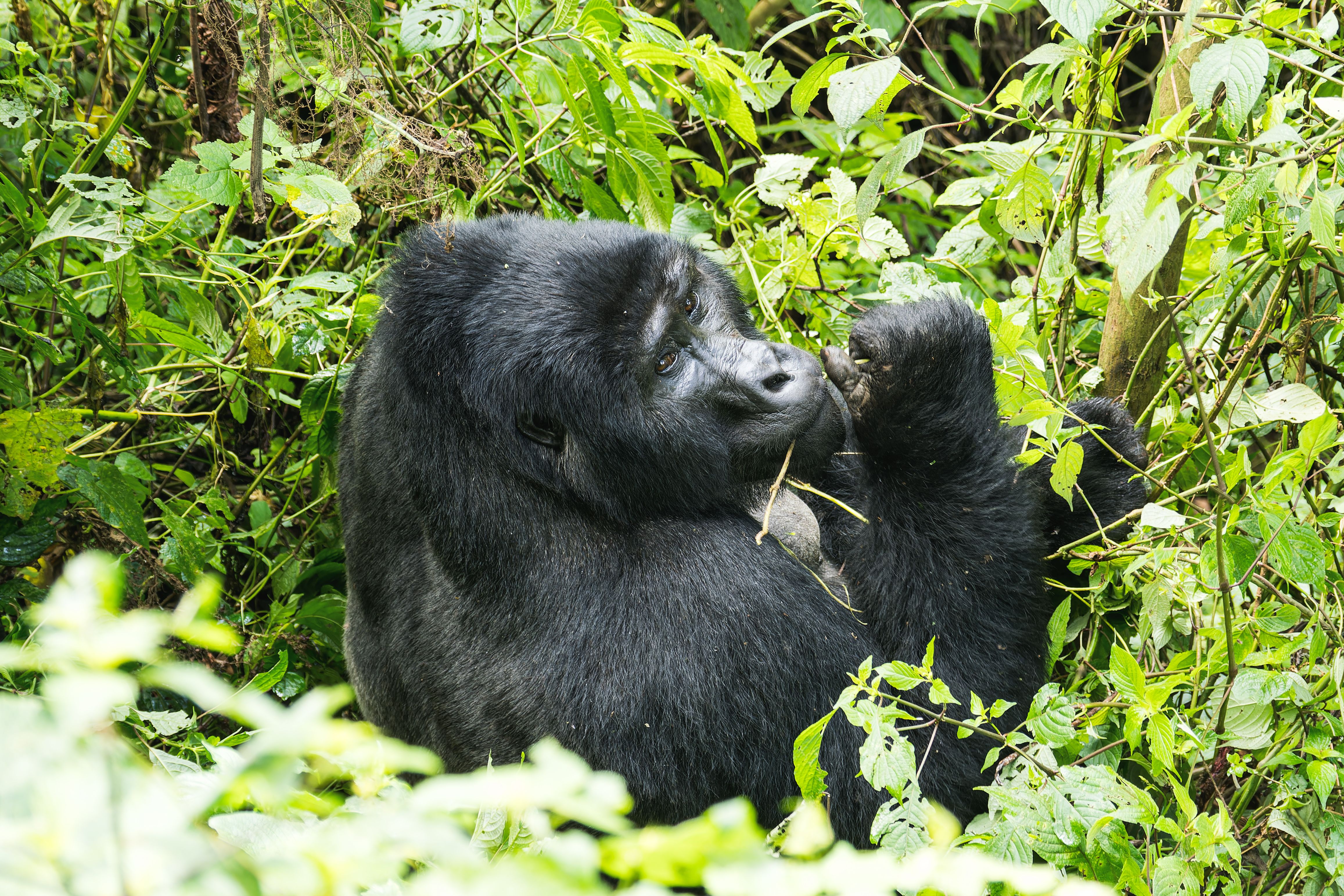
How to Get to Bwindi from Kigali
November 4, 2026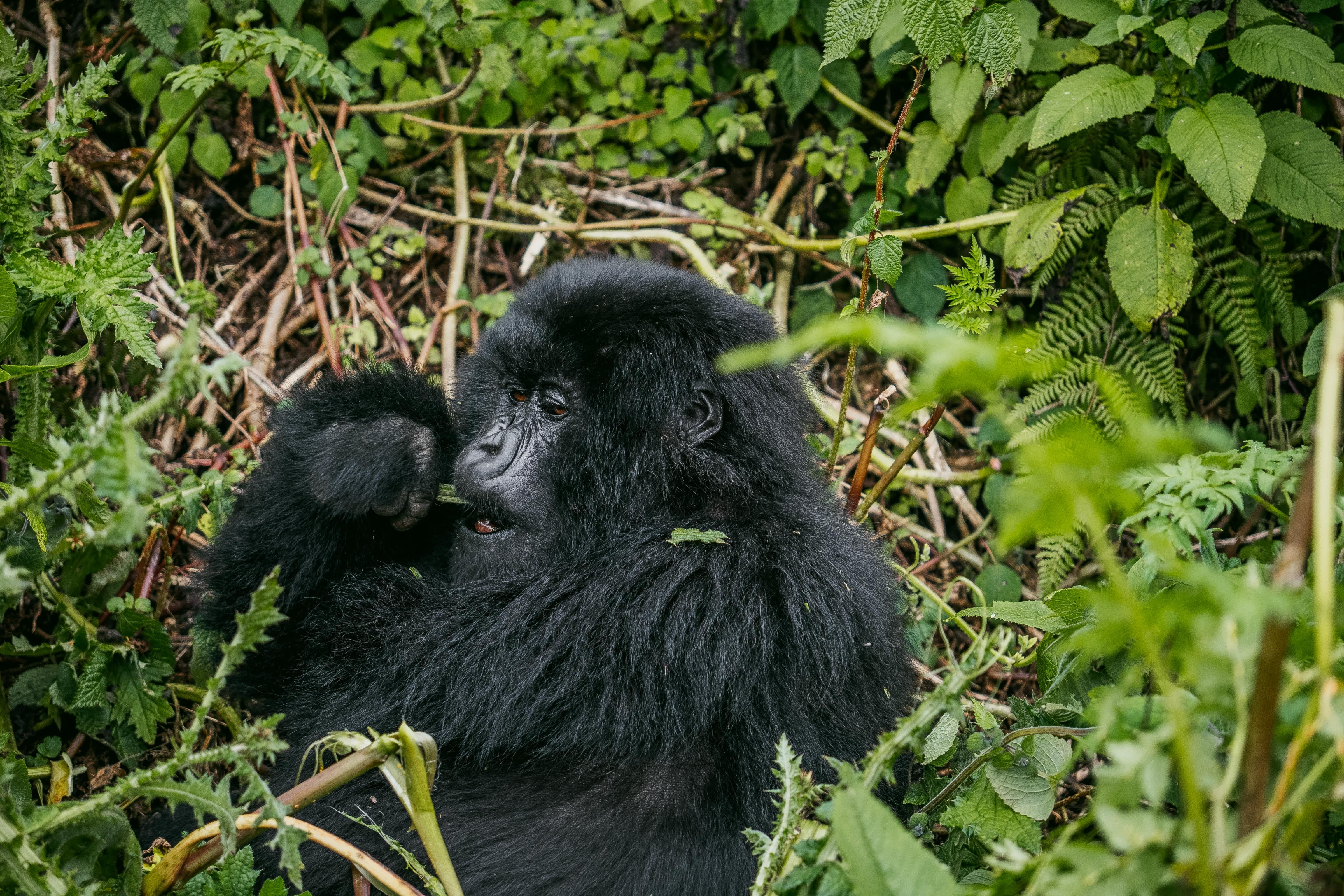
Bwindi Impenetrable National Park is one of Uganda’s most remarkable tourism destinations and a leading destination for mountain gorilla trekking in Africa. Located in southwestern Uganda, this ancient rainforest attracts visitors from across the world who travel to experience mountain gorillas in their natural habitat. The park is also recognised for its extraordinary biodiversity, beautiful mountain scenery, rich birdlife and unique cultural experiences.
For travellers starting their Uganda safari in Kampala, understanding how to get to Bwindi Impenetrable National Park is an important part of planning a successful gorilla trekking holiday. Although the park is accessible by road and domestic flights, the journey requires careful planning because Bwindi is located in a mountainous region with winding roads, steep hills and several different access points.
The distance from Kampala to Bwindi generally ranges between 430 and 520 kilometres, depending on the gorilla trekking sector you intend to visit. Travelling by road usually takes approximately eight to ten hours, although weather conditions, traffic, roadworks and the final approach to your accommodation can extend the journey.
Visitors can reach Bwindi by private safari vehicle, hired 4×4 vehicle, public transport combined with local transfers, or domestic aircraft followed by a road transfer. The most suitable option depends on your budget, available time, accommodation location and the specific gorilla trekking permit you have secured.
At Exclusive Gorilla Journeys, we help travellers organise convenient and well-coordinated journeys to Bwindi, including transport, accommodation, gorilla permits and personalised safari arrangements. Whether you prefer a comfortable road safari through Uganda’s countryside or a quick domestic flight to southwestern Uganda, choosing the right transport option makes your gorilla trekking experience more enjoyable.
This guide explains the different ways to get to Bwindi from Kampala, the main driving routes, distances, estimated travel times, available flights, road conditions, recommended stopovers and practical considerations for planning your journey.
Where Is Bwindi Impenetrable National Park Located?
Bwindi Impenetrable National Park is situated in southwestern Uganda, near the borders with the Democratic Republic of Congo and Rwanda. It occupies part of the Albertine Rift region, an area internationally recognised for its remarkable biological diversity.
The park covers approximately 331 square kilometres of mountainous rainforest, characterised by steep valleys, forest-covered hills, narrow ridges and dense vegetation. Its elevation varies considerably, creating different ecological habitats that support numerous wildlife species.
Bwindi is particularly famous for protecting a substantial population of endangered mountain gorillas. It is one of the few destinations in the world where visitors can participate in guided mountain gorilla trekking and spend a strictly regulated period observing a habituated gorilla family.
The park has four main gorilla trekking sectors: Buhoma, Ruhija, Rushaga and Nkuringo. Each sector has its own trekking headquarters, accommodation facilities, access roads and habituated gorilla families.
Understanding the location of these sectors is essential when travelling from Kampala because the best route depends on which sector appears on your gorilla trekking permit. Travelling to the wrong sector can result in unnecessary driving and complications on the morning of your trek.
Bwindi is not served by one central entrance that provides convenient access to every trekking area. Instead, visitors must travel to the appropriate sector and stay in accommodation that allows them to reach the designated briefing point on time.
How Far Is Bwindi from Kampala?
The distance between Kampala and Bwindi Impenetrable National Park varies according to the final destination within the forest.
For travellers heading to Buhoma, the northern trekking sector, the road distance is approximately 460 to 480 kilometres. Visitors travelling to Ruhija generally cover around 430 to 450 kilometres, while Rushaga and Nkuringo can require approximately 480 to 520 kilometres.
These distances are estimates rather than fixed measurements because the exact route depends on the lodge, road conditions and access point.
The journey from Kampala usually begins along the southwestern highway towards Masaka and Mbarara. From Mbarara, the road branches towards different towns and access routes serving the four sectors.
The first part of the journey is mainly on paved highways, making travelling relatively comfortable. However, the final approach to Bwindi involves mountainous roads that may be narrow, steep, winding or unpaved.
Visitors should therefore plan for a full day of road travel rather than assuming that the journey will take only a few hours.
For a gorilla trekking holiday, it is particularly important to arrive at your lodge at least one day before the scheduled trekking activity. This gives you time to rest, prepare your equipment and attend the briefing the following morning without rushing.
Understanding Bwindi’s Four Gorilla Trekking Sectors Before Travelling
Before choosing your transport arrangements, you should establish which part of Bwindi you will be visiting. The park’s four trekking sectors are spread across a large mountainous landscape, and travelling between them can take several hours.
Travelling to Buhoma Sector
Buhoma is located in the northern part of Bwindi Impenetrable National Park. It is one of the most established gorilla trekking destinations in Uganda and has a good selection of accommodation facilities, including luxury lodges, midrange properties and budget guesthouses.
The most convenient road route from Kampala to Buhoma passes through Masaka, Mbarara, Ntungamo, Rukungiri and Kihihi before continuing towards the park through Butogota.
The distance is approximately 460 to 480 kilometres, and the journey generally takes eight to nine hours under favourable conditions, depending on the precise accommodation location and stops along the way.
The alternative route passes through Masaka, Mbarara, Kabale, Kanungu and Kanyantorogo before reaching Buhoma. This route is longer and involves a considerable stretch of mountainous road.
Travellers staying in Buhoma should confirm that their driver knows the exact location of their lodge because accommodation facilities are distributed around the northern entrance area.
Buhoma is particularly suitable for travellers combining gorilla trekking with visits to Queen Elizabeth National Park, especially the Ishasha sector, which is famous for its tree-climbing lions.
Travelling to Ruhija Sector
Ruhija is situated in the eastern part of Bwindi and is known for its elevated landscapes, forest scenery and excellent birdwatching opportunities.
Travelling from Kampala to Ruhija generally involves driving through Masaka, Mbarara, Ntungamo and Kabale before taking the mountainous road towards the park.
The distance is approximately 430 to 450 kilometres, making Ruhija one of the closer Bwindi sectors to Kampala by road.
Although the distance may appear shorter, the final section is challenging because of steep gradients, winding roads and occasional muddy conditions. A suitable 4×4 safari vehicle is recommended, particularly during rainy periods.
The journey generally takes seven to nine hours, depending on traffic, road conditions and the number of stops.
Visitors should arrange accommodation within the Ruhija area rather than assuming that staying in Buhoma or Kabale will make the morning gorilla trekking briefing convenient. The distance between the sectors can make an early morning transfer difficult.
Ruhija is a good choice for travellers who want to combine mountain gorilla trekking with birdwatching and other forest activities.
Travelling to Rushaga Sector
Rushaga is situated in the southern part of Bwindi and is one of the important destinations for mountain gorilla trekking in Uganda.
It can be reached from Kampala through Masaka, Mbarara and Kabale, followed by a journey through Rubanda towards the southern part of the forest.
The distance from Kampala is approximately 480 to 500 kilometres, depending on the lodge and the route used.
Travellers can generally expect eight to ten hours of road travel, although difficult weather conditions and road diversions may increase the journey time.
Rushaga is particularly popular because it offers both ordinary gorilla trekking and the gorilla habituation experience, subject to permit availability and the applicable regulations.
The sector also has several accommodation options overlooking the beautiful hills and forested valleys of southwestern Uganda.
When travelling to Rushaga, it is important to check the condition of the access roads, especially around Kisoro and Rubuguri. These roads can become challenging during heavy rainfall.
Travelling to Nkuringo Sector
Nkuringo is located in the southwestern part of Bwindi and is recognised for its dramatic mountain scenery and panoramic views towards the Virunga volcanoes.
The journey from Kampala generally follows the Masaka, Mbarara, Ntungamo and Kabale route before continuing towards Kisoro and Nkuringo.
The distance is approximately 500 to 520 kilometres, and the drive normally takes nine to ten hours, depending on the final destination and road conditions.
The final approach involves steep and winding mountainous roads. Travellers should use a reliable 4×4 vehicle with sufficient ground clearance and an experienced driver familiar with the area.
Nkuringo is an excellent destination for visitors seeking a combination of gorilla trekking, beautiful highland scenery and a quieter forest experience.
Because of its location, travellers should pay particular attention to accommodation arrangements and the distance between their lodge and the gorilla trekking briefing point.
Important travel update for Rushaga and Nkuringo: As of November 2026, travellers should make additional arrangements because the River Mucha Bridge on the Kisoro–Bukimbiri road was reported collapsed on 10 October 2026. The direct crossing was declared impassable, and the recommended diversion runs through Kisoro, Karengyere, Nyanamo, Rubuguri, Rushaga and Nkuringo. The alternative murram road was initially estimated to add approximately 30–45 minutes, but its condition can affect actual travel times. Travellers should obtain a fresh road-condition update before departure rather than assume the original route has reopened. Monitor+2
How to Get to Bwindi from Kampala by Road
Travelling by road is the most popular way to get to Bwindi from Kampala. It allows visitors to experience the Ugandan countryside, interact with local communities and enjoy scenic landscapes along the way.
The road journey is also suitable for travellers who want to combine gorilla trekking with other destinations such as Lake Mburo National Park, Lake Bunyonyi, Queen Elizabeth National Park and the cultural attractions of southwestern Uganda.
Most road journeys begin in Kampala and follow the southwestern highway towards Masaka and Mbarara. From there, the route depends on the sector being visited.
The advantage of travelling by road is that you have greater flexibility over departure times, sightseeing stops, accommodation arrangements and the overall safari itinerary.
For international visitors, travelling in a private safari vehicle with a professional driver-guide is particularly convenient because you do not need to navigate unfamiliar roads or organise several separate transfers.
Route One: Kampala – Masaka – Mbarara – Ntungamo – Rukungiri – Kihihi – Buhoma
This is one of the most convenient routes for travellers visiting the Buhoma sector of Bwindi.
The journey starts in Kampala and proceeds towards Masaka along the southwestern highway. From Masaka, you continue towards Mbarara, passing through rural communities, agricultural landscapes and the Equator crossing at Kayabwe.
After Mbarara, the road continues towards Ntungamo, where travellers branch towards Rukungiri. From Rukungiri, you proceed towards Kihihi and eventually reach the Buhoma area through Butogota.
Much of this route is on tarmac roads, making the first part of the journey relatively comfortable. However, the final approach to Buhoma involves slower roads that require careful driving.
The route covers approximately 460 to 480 kilometres, and the estimated journey time is eight to nine hours, although additional time should be allowed for breaks and changing road conditions.
One advantage of this route is that it avoids unnecessary detours towards Kabale when Buhoma is your final destination.
Travellers can enjoy a lunch stop in Mbarara, purchase refreshments and continue towards the forest in the afternoon.
It is advisable to leave Kampala early in the morning to avoid heavy traffic and arrive at your accommodation before nightfall.
Route Two: Kampala – Masaka – Mbarara – Ntungamo – Kabale – Ruhija
This route is suitable for visitors heading to Ruhija, one of Bwindi’s eastern gorilla trekking sectors.
From Kampala, travel towards Masaka and Mbarara before continuing through Ntungamo to Kabale.
Kabale is an important transport and commercial centre in southwestern Uganda. It is surrounded by beautiful highland scenery, terraced agricultural fields and rolling hills.
After reaching Kabale, continue towards Ruhija along a mountainous road that climbs into the forest region.
The final section requires careful driving because of steep slopes, sharp bends and sections of unpaved road.
The total journey generally covers approximately 430 to 450 kilometres and takes around seven to nine hours.
Travellers who want a more relaxed journey can spend a night in Kabale before continuing to Ruhija the following morning, although those with a trekking permit should arrive in the sector the day before their scheduled activity.
Route Three: Kampala – Masaka – Mbarara – Kabale – Rubanda – Rushaga
This is a practical route for travellers heading to Rushaga.
The journey begins along the Kampala–Masaka highway and continues through Mbarara and Kabale.
From Kabale, you proceed towards Rubanda and the southern access area of Bwindi.
The landscape changes considerably as you approach the park. The open agricultural countryside gives way to steep hills, forested valleys and narrow mountain roads.
The route generally covers approximately 480 to 500 kilometres and takes eight to ten hours.
The final journey may take longer during rainy weather because the roads in the mountainous region can become muddy and difficult to navigate.
It is important to check the latest road conditions before departing, particularly because the southern access network has experienced weather-related disruptions.
Travellers should also confirm the precise lodge location because Rushaga accommodation facilities are spread across the surrounding hills.
Route Four: Kampala – Masaka – Mbarara – Kabale – Kisoro – Nkuringo
This route is suitable for travellers visiting Nkuringo.
From Kampala, continue through Masaka, Mbarara and Kabale before heading towards Kisoro.
Kisoro is a beautiful highland town located near the borders of Rwanda and the Democratic Republic of Congo. It provides an important access point for visitors travelling to the southern parts of Bwindi and Mgahinga Gorilla National Park.
From Kisoro, the road continues towards Nkuringo through a mountainous landscape characterised by steep slopes, cultivated hills and spectacular views.
The journey generally covers approximately 500 to 520 kilometres and takes nine to ten hours or longer depending on the road conditions.
Because of the River Mucha Bridge disruption, visitors should confirm the currently approved route with their tour operator and local authorities before using the Kisoro–Nkuringo connection. The recommended diversion through Karengyere, Nyanamo and Rubuguri must be considered when estimating travel time.
Travellers should avoid planning a tight connection between arrival and gorilla trekking, as delays on these roads can affect the following day’s arrangements.
What to Expect During the Road Journey from Kampala to Bwindi
The road trip from Kampala to Bwindi is more than a transfer between two destinations. It provides an opportunity to experience Uganda’s diverse countryside and appreciate the changing landscapes of the country.
The journey begins in the busy urban environment of Kampala, where traffic can be considerable, particularly during morning and evening rush hours.
As you leave the city and travel towards Mpigi and Masaka, the scenery gradually changes into rural settlements, cultivated land, trading centres and open countryside.
The highway passes through several communities where travellers can observe local markets, roadside businesses and everyday activities.
The Equator Crossing at Kayabwe
One of the most interesting attractions along the Kampala-to-Bwindi road journey is the Equator crossing at Kayabwe.
This location is a popular stop for visitors travelling between Kampala and southwestern Uganda.
Travellers can take photographs at the Equator markers, purchase souvenirs and enjoy refreshments at nearby establishments.
It is also an opportunity to learn about the geographical significance of the Equator and its position in relation to the northern and southern hemispheres.
For visitors who enjoy photography and cultural experiences, a short stop here adds interest to the journey.
Passing Through Masaka
Masaka is an important town along the southwestern highway and a convenient location for a short break.
The surrounding area is known for agricultural activities, banana plantations and vibrant local trading centres.
Travellers can stop for refreshments, use available facilities and stretch their legs before continuing towards Mbarara.
Passing Through Mbarara
Mbarara is one of the major urban centres in western Uganda and an important point along the journey to Bwindi.
It provides convenient opportunities for lunch, fuel purchases and other travel necessities.
For visitors travelling directly to Bwindi, Mbarara is a practical place to take a longer break before continuing towards the Kigezi region.
The town also serves as a gateway to other western Uganda attractions, including Lake Mburo National Park.
Exploring the Kigezi Highlands
As you approach Kabale, Kisoro and the surrounding Bwindi region, the landscape becomes increasingly mountainous.
The Kigezi Highlands are famous for their beautiful rolling hills, terraced gardens, valleys and cool temperatures.
The scenery is particularly impressive during clear weather when travellers can see distant mountain ranges and cultivated hillsides.
This section of the journey also introduces visitors to the rural communities surrounding Bwindi, where farming remains an important economic activity.
The changing scenery makes the long drive worthwhile, especially for visitors who enjoy exploring destinations beyond the main tourist attractions.
How to Get to Bwindi from Kampala by Air
Travelling by air is another convenient way to reach Bwindi from Kampala, particularly for visitors with limited time or those who prefer to avoid a long road journey.
Although there is no airport inside Bwindi Impenetrable National Park, visitors can use nearby airstrips and complete the journey to their accommodation by road.
Domestic flights generally depart from Entebbe International Airport or Kajjansi Airfield near Kampala. The main destinations for Bwindi visitors are Kihihi Airstrip and Kisoro Airstrip.
The flight usually takes approximately one to two hours, depending on the departure point, route and intermediate stops. After landing, travellers continue to their lodges in a 4×4 safari vehicle.
Flying can significantly reduce travel time and is particularly useful for visitors planning a short Uganda gorilla trekking safari.
Flying from Kampala to Kihihi Airstrip
Kihihi Airstrip is an important access point for visitors travelling to the northern part of Bwindi, particularly Buhoma.
Travellers can arrange scheduled or charter flights from Entebbe or Kajjansi, subject to the available flight programme.
After landing at Kihihi, visitors continue by road towards their accommodation in Buhoma. The transfer generally takes approximately one to one and a half hours, depending on the lodge location and road conditions.
Kihihi is also convenient for travellers combining gorilla trekking in Buhoma with wildlife experiences in the Ishasha sector of Queen Elizabeth National Park.
When booking your flight, it is important to coordinate your arrival time with your accommodation and safari driver. The vehicle transfer should be arranged in advance so that you are not left organising transport after landing.
Flying from Kampala to Kisoro Airstrip
Kisoro Airstrip is particularly useful for visitors travelling to the southern sectors of Bwindi, including Rushaga and Nkuringo.
It is located near the beautiful Kisoro highlands, surrounded by mountainous landscapes and views towards the Virunga volcanoes.
After landing, visitors continue by road to their accommodation.
The journey from Kisoro to the southern Bwindi sectors generally takes approximately one to two hours, although the exact duration depends on the lodge location, road conditions and any temporary diversions.
For visitors travelling to Rushaga and Nkuringo, it is especially important to confirm the latest road access arrangements before booking a flight. An air transfer does not eliminate the need to consider road disruptions during the final journey to the lodge.
Which Airstrip Should You Choose?
Your gorilla trekking sector should determine which airstrip you use.
Kihihi is generally the most convenient option for Buhoma, while Kisoro is generally preferred for Rushaga and Nkuringo. Ruhija can be accessed through either airstrip, although the appropriate choice depends on the lodge location and transfer arrangements.
The best approach is to secure your gorilla permit first and then coordinate the flight according to the designated trekking sector.
You should also confirm whether the flight is available on your travel date, the baggage allowance, departure time and the transfer arrangements from the airstrip.
Cost of Flying to Bwindi from Kampala
Flying is generally more expensive than travelling by road, but it can save considerable time.
The final price depends on the airline, season, flight availability, departure airport, baggage requirements and whether you are booking a scheduled or charter flight.
As an indicative planning allowance, scheduled domestic flights can cost several hundred US dollars per person for a one-way journey. Charter flights may cost considerably more, particularly when the aircraft is arranged privately.
Visitors should obtain a current quotation before making a booking because flight prices and schedules can change.
At Exclusive Gorilla Journeys, we can help coordinate domestic flights with gorilla permits, accommodation and ground transfers so that all parts of the journey work together.
How to Get to Bwindi from Kampala by Public Transport
Public transport is another possible way to travel from Kampala to Bwindi, particularly for visitors travelling on a limited budget.
However, public transport does not normally provide a direct and convenient connection to every gorilla trekking sector. Visitors may need to use a combination of buses, taxis and private transfers to complete the journey.
Travelling by public transport requires more time, flexibility and familiarity with Uganda’s transport system.
Travelling by Bus from Kampala to Kabale
Visitors heading towards Ruhija, Rushaga or Nkuringo can take a bus from Kampala to Kabale.
Kabale is an important transport centre in southwestern Uganda, with connections to several surrounding towns.
The journey usually takes several hours, depending on the bus operator, traffic and road conditions.
After reaching Kabale, travellers must arrange onward transport to their accommodation in Bwindi.
This may involve hiring a private vehicle or arranging a transfer through a lodge or tour operator.
For visitors travelling to Ruhija, the onward journey is relatively straightforward compared with some of the more remote southern access routes.
Those heading to Rushaga and Nkuringo may need additional transfers through Rubanda or Kisoro, depending on the current road conditions.
Travelling by Bus to Buhoma
Visitors travelling to Buhoma can also use public transport towards southwestern Uganda, connecting through Mbarara, Rukungiri and Kihihi or Butogota.
However, bus services may not operate directly to the gorilla trekking lodges or park headquarters.
You should therefore organise the final transfer before leaving Kampala.
Travelling without confirmed onward transport can create unnecessary delays, especially when arriving late in the afternoon or evening.
Using Private Transfers for the Final Journey
One of the most practical ways to combine public transport with a private safari experience is to use a bus for the longer highway journey and arrange a private 4×4 transfer for the final section.
This allows travellers to reduce some transportation expenses while benefiting from a more reliable connection to their accommodation.
However, visitors should carefully consider the total cost of multiple transfers, waiting time and the inconvenience of carrying luggage between vehicles.
For travellers with a gorilla trekking permit, private transport is generally more convenient because it provides greater control over departure times and arrival arrangements.
Travelling to Bwindi from Kampala by Self-Drive
Self-driving is an option for experienced travellers who enjoy independent road trips and want greater flexibility when exploring Uganda.
Several car rental companies in Kampala offer vehicles suitable for journeys to southwestern Uganda.
However, driving to Bwindi requires more preparation than travelling to ordinary towns because the park is surrounded by mountainous terrain and some access roads are difficult.
Choosing the Right Vehicle
A reliable 4×4 vehicle is strongly recommended for travelling to Bwindi, particularly if your accommodation is located along a remote mountain road.
A standard saloon car may manage much of the paved highway between Kampala and southwestern Uganda, but it is not the ideal vehicle for the final approach to many lodges.
A 4×4 provides better traction, ground clearance and stability when navigating muddy sections, steep gradients and rough roads.
A safari Land Cruiser or another suitable four-wheel-drive vehicle is a good choice for visitors planning to travel independently.
Before departure, inspect the vehicle’s tyres, brakes, lights, suspension and spare tyre. You should also confirm that the rental agreement permits travel to Bwindi and that roadside assistance is available.
Understanding Road Conditions
The highway from Kampala towards Mbarara and Kabale is generally easier to navigate than the final roads leading to Bwindi.
The mountainous sections require slower driving because of sharp corners, steep gradients and changing road surfaces.
During the rainy seasons, some unpaved roads become slippery, and heavy rainfall can cause drainage problems, erosion, flooding and temporary road closures.
Self-driving visitors should avoid rushing through these areas and should not attempt unfamiliar mountain roads at night.
It is also advisable to download offline maps before leaving Kampala because mobile network coverage may become unreliable in some remote areas.
Is Self-Driving Recommended for First-Time Visitors?
Self-driving can be enjoyable for people who are familiar with Ugandan roads and have experience driving in mountainous environments.
However, first-time visitors may find a professional safari driver more convenient.
A driver-guide understands the different park access points, knows the local road network and can adjust the journey when weather conditions or temporary road closures affect the original route.
For visitors whose primary objective is gorilla trekking, using a professional driver can reduce travel stress and allow more time to enjoy the safari.
Best Places to Stop When Travelling from Kampala to Bwindi
Breaking the journey from Kampala to Bwindi can make the experience more comfortable, particularly for visitors who do not want to spend an entire day travelling.
Several destinations along the way offer attractive accommodation, wildlife experiences, cultural attractions and beautiful scenery.
Lake Mburo National Park
Lake Mburo National Park is a convenient stopover for travellers heading towards southwestern Uganda.
It is located in western Uganda, not far from the main highway between Kampala and Mbarara.
The park is known for its zebras, impalas, elands, buffaloes, giraffes and other wildlife species.
Visitors can enjoy game drives, boat trips and nature walks before continuing towards Bwindi.
An overnight stay around Lake Mburo is particularly suitable for travellers who want to combine wildlife viewing with mountain gorilla trekking.
Instead of spending the entire day on the road, visitors can enjoy a safari experience and continue towards Bwindi the following morning.
Lake Bunyonyi
Lake Bunyonyi is one of the most beautiful lakes in southwestern Uganda and an excellent stopover for travellers visiting the southern sectors of Bwindi.
The lake is surrounded by green hills, small islands and beautiful rural landscapes.
It offers a peaceful environment where visitors can relax before or after their gorilla trekking experience.
Accommodation facilities around the lake range from budget guesthouses to luxury lodges.
Activities include canoeing, boat trips, birdwatching and cultural encounters with neighbouring communities.
Lake Bunyonyi is particularly convenient for visitors heading towards Ruhija, Rushaga and Nkuringo, although the exact driving route depends on their accommodation and the current condition of the roads.
Kisoro Town
Kisoro is an attractive stopover for travellers visiting the southern parts of Bwindi.
The town is surrounded by spectacular highland scenery and provides access to several important tourism destinations, including Bwindi and Mgahinga Gorilla National Park.
Visitors can spend a night in Kisoro before continuing to their accommodation near Rushaga or Nkuringo.
This arrangement is particularly useful for those travelling by domestic flight to Kisoro Airstrip or those who prefer to break the long road journey into manageable sections.
However, travellers should not assume that staying in Kisoro guarantees a short transfer to every lodge. Road conditions and temporary diversions can significantly influence travel times.
Kabale Town
Kabale is another useful stopover, especially for travellers heading to Ruhija and the southern sectors of Bwindi.
The town has accommodation facilities, restaurants, fuel stations and other essential services.
Visitors who arrive in Kabale late in the afternoon can spend the night and continue towards Bwindi the following morning, provided they have enough time before their trekking activity.
Kabale is also a convenient base for visiting Lake Bunyonyi and exploring the surrounding highland countryside.
What Is the Best Time to Travel from Kampala to Bwindi?
Bwindi can be visited throughout the year, but the weather and road conditions can influence the experience of travelling there.
Uganda generally experiences two relatively dry periods and two rainy periods. The main dry seasons usually occur from June to September and December to February. The wetter periods are generally March to May and October to November.
Travelling During the Dry Season
The dry season is generally a convenient time to travel from Kampala to Bwindi because roads are less likely to be affected by heavy rainfall.
Although some mountain roads remain rough and winding, driving conditions are often more manageable.
The dry months are also popular for gorilla trekking, meaning visitors should arrange their permits and accommodation well in advance.
Travellers who want to combine gorilla trekking with other safari activities can also benefit from planning their journeys during this period.
Travelling During the Rainy Season
The rainy season brings beautiful green landscapes to southwestern Uganda, but it can make travelling to Bwindi more challenging.
Some unpaved roads become muddy and slippery, while steep mountain sections require additional caution.
Heavy rainfall can also cause flooding, landslides, damaged bridges and temporary road closures.
Visitors travelling during March, April, May, October and November should use a suitable 4×4 vehicle and allow additional time for their journeys.
It is also important to check local road updates before departure because conditions can change quickly.
The rainy season does not mean that gorilla trekking is impossible. Visitors can still enjoy remarkable wildlife experiences, provided they prepare appropriately and use reliable transport.
Should You Travel from Kampala to Bwindi in One Day or Two Days?
The decision to complete the journey in one day or divide it into two days depends on your travel schedule, budget and personal preferences.
Travelling in One Day
Travelling directly from Kampala to Bwindi in one day is possible and is a common arrangement for visitors using private safari vehicles.
However, it requires an early departure, careful planning and a driver familiar with the route.
The journey can take eight to ten hours or longer, depending on the sector, traffic, weather and stops.
Visitors travelling directly should leave Kampala early in the morning, preferably around 6:00 to 7:00 am.
This provides sufficient time for breakfast or lunch stops, fuel purchases and other necessary breaks.
The main advantage of travelling in one day is that you avoid the additional cost of an overnight stop along the way.
However, the disadvantage is that you may arrive tired, particularly if you have an early gorilla trekking briefing the following morning.
Travelling in Two Days
Dividing the journey into two days is an excellent option for travellers who prefer a relaxed safari experience.
You can leave Kampala, explore attractions along the way and spend a night at Lake Mburo, Lake Bunyonyi, Kabale or another convenient location.
The following morning, you continue towards Bwindi with enough time to enjoy the surrounding scenery.
This option is particularly suitable for older travellers, families and visitors who prefer not to spend many consecutive hours in a vehicle.
It also provides an opportunity to experience more of Uganda instead of treating the journey as a simple transfer.
For travellers with a morning gorilla trekking permit, the most important consideration is reaching the correct sector and accommodation before the day of the trek.
Can You Travel from Entebbe to Bwindi Instead of Kampala?
Yes. Visitors arriving at Entebbe International Airport can travel directly to Bwindi without first staying in Kampala.
Entebbe is located near Lake Victoria, approximately 40 to 50 kilometres from central Kampala, depending on the route and starting point.
The road journey from Entebbe to Bwindi generally takes approximately nine to eleven hours, depending on the sector, traffic and road conditions.
Visitors can travel through Kampala and join the southwestern highway towards Masaka and Mbarara.
Alternatively, they can arrange a domestic flight from Entebbe to Kihihi or Kisoro, depending on their trekking sector.
For international travellers arriving on an overnight flight, spending a night in Entebbe before continuing to Bwindi is often a comfortable arrangement.
Those arriving early in the morning may travel directly if their itinerary allows sufficient time.
Exclusive Gorilla Journeys can organise airport pickups, accommodation and transfers to Bwindi, ensuring that international arrivals are coordinated with the rest of the safari.
Can You Get to Bwindi from Kampala Through Queen Elizabeth National Park?
Yes. Travellers can combine a visit to Queen Elizabeth National Park with gorilla trekking in Bwindi.
This is one of the most rewarding ways to organise a Uganda wildlife safari because it combines savannah wildlife viewing with mountain gorilla encounters.
From Kampala, visitors travel towards western Uganda and spend time exploring Queen Elizabeth National Park before continuing to Bwindi.
The park has several attractions, including the Kazinga Channel, Kasenyi Plains, crater lakes and the Ishasha sector.
The Ishasha area is particularly famous for its tree-climbing lions, making it an interesting destination for travellers who want to experience different wildlife habitats during one holiday.
From the Ishasha area, visitors can continue towards Kihihi and Buhoma.
The driving time between Queen Elizabeth National Park and Buhoma varies depending on the starting point, road conditions and the chosen route. It is important to distinguish between the journey from the northern or central sections of Queen Elizabeth National Park and the shorter transfer from Ishasha.
For visitors travelling to Rushaga, Ruhija or Nkuringo, additional driving arrangements may be required.
Combining Queen Elizabeth National Park with Bwindi is particularly suitable for travellers planning a longer Uganda safari rather than a short gorilla trekking excursion.
Important Things to Consider Before Travelling from Kampala to Bwindi
A successful journey to Bwindi requires more than simply selecting a route. Visitors should consider several important details before departure.
Book Your Gorilla Trekking Permit Before Travelling
The gorilla trekking permit determines where and when you will participate in the activity.
Bwindi has four trekking sectors, and your permit is associated with a particular location.
You should therefore arrange your transport and accommodation around the sector indicated on your permit.
Waiting until you reach Kampala or Bwindi to organise a permit can create unnecessary complications, especially during busy tourism periods.
Exclusive Gorilla Journeys can assist with checking permit availability and coordinating your travel arrangements.
Choose Accommodation Near Your Trekking Sector
Your accommodation should be located close enough to the designated trekking headquarters to allow you to attend the morning briefing comfortably.
A lodge in Buhoma may not be convenient for someone holding a permit for Rushaga or Nkuringo.
Although the sectors are all part of Bwindi Impenetrable National Park, the mountainous terrain makes travelling between them time-consuming.
Choosing accommodation based on your permit location helps prevent unnecessary early morning transfers.
Use an Experienced Safari Driver
An experienced safari driver can make a significant difference to your journey.
The roads around Bwindi require knowledge of local conditions, particularly during the rainy season.
A professional driver also understands the best routes, suitable stopover locations and how to respond to temporary road disruptions.
For international visitors, using a driver-guide provides additional convenience because you can enjoy the scenery without worrying about navigation.
Pack for a Long Road Journey
The journey from Kampala to Bwindi can take most of the day, so comfortable clothing and appropriate travel essentials are important.
Carry drinking water, snacks, personal medication, travel documents and any other necessities you may require during the drive.
A light jacket is useful because temperatures generally become cooler as you approach the highlands.
If you are travelling during the rainy season, keeping a waterproof jacket accessible is also advisable.
Confirm the Road Conditions Before Departure
Road conditions in southwestern Uganda can change, particularly after heavy rainfall.
Travellers heading to Rushaga and Nkuringo should pay special attention to the River Mucha Bridge disruption and the condition of the alternative route.
Your safari operator or driver should confirm the latest access arrangements before departure.
This is especially important when your journey is connected to a scheduled domestic flight or an early morning gorilla trekking briefing.
Arrive at the Park Before the Trekking Day
Gorilla trekking involves a morning registration and briefing at the designated park headquarters.
Visitors must have their permits validated before joining the guided activity. The Uganda Wildlife Authority requires trekkers to participate in the official briefing and follow the instructions of the park guides. Uganda Wildlife Authority+1
Arriving in Bwindi the previous day gives you enough time to rest, prepare your trekking equipment and understand the arrangements for the following morning.
It also protects your safari from unexpected delays along the road.
How Exclusive Gorilla Journeys Can Help You Get to Bwindi from Kampala
At Exclusive Gorilla Journeys, we understand that getting to Bwindi is an important part of organising a successful mountain gorilla trekking holiday.
We help travellers arrange convenient transportation from Kampala and Entebbe to all four gorilla trekking sectors of Bwindi Impenetrable National Park.
Whether you prefer travelling by road or flying to a nearby airstrip, our team can coordinate the arrangements according to your travel schedule, budget and preferred accommodation.
Private 4×4 Safari Transportation
We arrange private 4×4 safari vehicles suitable for travelling through Uganda’s mountainous countryside.
Our transport arrangements are designed to provide comfort, flexibility and convenient access to the different gorilla trekking sectors.
Travellers can enjoy the journey with experienced drivers who understand the roads and the different routes leading to Bwindi.
Domestic Flight Arrangements
For visitors who prefer to save time, we can help arrange domestic flights to Kihihi or Kisoro.
We also coordinate airport transfers to ensure that visitors can continue comfortably from the airstrip to their accommodation.
Gorilla Trekking Permits and Accommodation
Transport is only one part of a successful gorilla trekking holiday. We also assist with arranging gorilla permits and suitable accommodation near your designated trekking sector.
Our team helps ensure that your permit, accommodation and transport arrangements are properly coordinated.
Customised Uganda Gorilla Safaris
Visitors who have more time can combine Bwindi with other destinations, including Queen Elizabeth National Park, Lake Mburo National Park, Lake Bunyonyi and Mgahinga Gorilla National Park.
We can organise itineraries that combine wildlife viewing, mountain gorilla trekking, cultural encounters and scenic experiences.
Whether you are planning a one-day transfer to Bwindi or a longer Uganda safari, Exclusive Gorilla Journeys can help you organise a memorable journey.
Frequently Asked Questions About Getting to Bwindi from Kampala
How long does it take to travel from Kampala to Bwindi?
Travelling from Kampala to Bwindi by road generally takes eight to ten hours, depending on the trekking sector, traffic, weather and road conditions. Some journeys may take longer, particularly during the rainy season.
What is the distance between Kampala and Bwindi?
The road distance is approximately 430 to 520 kilometres, depending on whether you are travelling to Buhoma, Ruhija, Rushaga or Nkuringo.
What is the easiest way to get to Bwindi from Kampala?
A private 4×4 safari vehicle is one of the most convenient ways to reach Bwindi. It provides flexibility, comfortable transportation and direct access to your accommodation.
Travelling by domestic aircraft is another convenient option for visitors who want to reduce road travel time.
Can I drive from Kampala to Bwindi in a saloon car?
Although some sections of the journey are on paved roads, a saloon car is not recommended for the entire journey. The final approach to several trekking sectors involves rough, steep and sometimes muddy roads. A 4×4 vehicle is a safer and more practical option.
Can I travel from Kampala to Bwindi by bus?
Yes. You can take public transport from Kampala towards Kabale, Kisoro, Kihihi or other towns serving the region. However, you will need additional local transportation to reach your lodge and trekking headquarters.
Which Bwindi sector is closest to Kampala?
Ruhija is generally among the closest sectors by road, at approximately 430 to 450 kilometres. However, the final mountainous road conditions influence the actual travel time.
Which airstrip should I use for gorilla trekking in Bwindi?
Kihihi Airstrip is generally convenient for Buhoma, while Kisoro Airstrip is preferred for Rushaga and Nkuringo. Ruhija can be accessed from either airstrip, depending on your accommodation and transfer arrangements.
Is it better to fly or drive from Kampala to Bwindi?
Driving is generally more economical and allows visitors to enjoy Uganda’s countryside and stop at attractions along the way.
Flying is more convenient for travellers with limited time because it significantly reduces the long road journey. However, it is generally more expensive and still requires a road transfer from the airstrip.
Can I visit Bwindi and return to Kampala on the same day?
Although travelling to Bwindi and returning to Kampala on the same day is technically possible as a road journey, it is not recommended for a gorilla trekking safari. The driving distance is substantial, and gorilla trekking itself can take several hours.
It is much better to spend at least one night near the park before trekking and arrange sufficient time for your return journey.
Is the road from Kampala to Bwindi safe?
The main highways are commonly used by tourists and other road users. However, mountain roads near Bwindi require careful driving, especially during heavy rainfall.
Travellers should use reliable vehicles, experienced drivers and check road conditions before departure.
Do I need a 4×4 vehicle to reach Bwindi?
A 4×4 vehicle is strongly recommended, especially for reaching the more remote lodges and trekking sectors. It provides better traction and ground clearance on rough and muddy roads.
Can I combine Bwindi with Queen Elizabeth National Park?
Yes. Many visitors combine mountain gorilla trekking in Bwindi with wildlife viewing in Queen Elizabeth National Park. This creates an excellent Uganda safari experience featuring both rainforest and savannah wildlife.
Conclusion: Plan Your Journey from Kampala to Bwindi with Exclusive Gorilla Journeys
Getting to Bwindi from Kampala is an exciting journey through some of Uganda’s most beautiful landscapes. Whether you travel through Masaka and Mbarara, continue via Kabale or take the route through Rukungiri and Kihihi, the journey provides an opportunity to experience the countryside of southwestern Uganda before reaching one of Africa’s most remarkable wildlife destinations.
The best transport option depends on your gorilla trekking sector, budget, available time and personal preferences. Road travel offers flexibility and opportunities for sightseeing, while domestic flights provide a faster connection to the region.
Regardless of the transport option you choose, securing your gorilla trekking permit, selecting accommodation near the correct sector and checking the latest road conditions are essential steps.
At Exclusive Gorilla Journeys, we are committed to helping visitors organise seamless gorilla trekking holidays in Uganda. From private transportation and domestic flights to gorilla permits, accommodation and complete safari packages, we can help you plan every stage of your journey.
Contact Exclusive Gorilla Journeys today to arrange your transfer from Kampala to Bwindi and experience the unforgettable adventure of mountain gorilla trekking in Uganda.