Ultimate Guide to Gorilla Trekking: Bwindi vs Mgahinga
October 12, 2026
Which Bwindi Gorilla Trekking Sector Is Best for First-Time Visitors?
October 12, 2026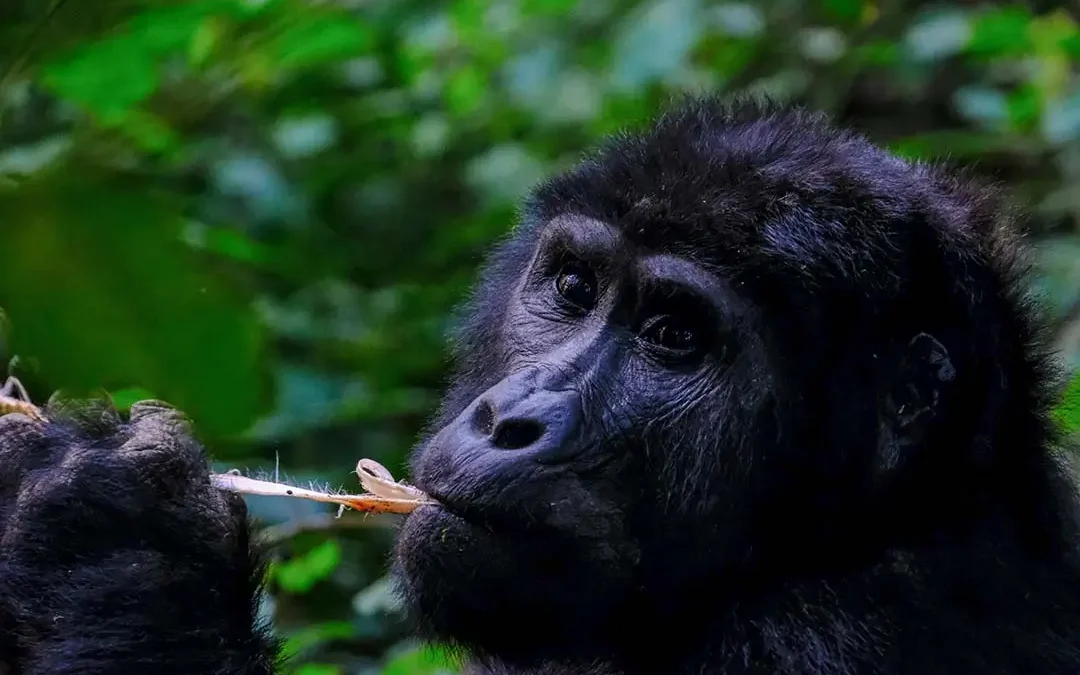
Bwindi Impenetrable National Park is one of Africa’s most remarkable wildlife destinations. It offers travelers the opportunity to encounter endangered mountain gorillas in their natural habitat. Visitors often plan multi-day trips to immerse themselves in its forests and views.
Moreover, located in southwestern Uganda, this ancient rainforest is home to a significant population of mountain gorillas. It attracts visitors who want to experience Bwindi Gorilla Trekking, explore tropical forest landscapes, and discover the region’s biodiversity. The park’s rugged landscapes also support diverse birds, mammals, and plant life.
When planning Bwindi Gorilla Trekking, you must choose the right trekking sector.
Additionally, the park has four main sectors: Buhoma, Ruhija, Rushaga, and Nkuringo.
Each sector differs in geography, trekking conditions, accommodation, and access.
Although all offer gorilla encounters, reaching the starting point, scenery, and logistics vary.
Understanding the differences between Buhoma, Ruhija, Rushaga, and Nkuringo helps travelers select a sector that matches their travel itinerary, accommodation preferences, physical abilities, and budget. It is also essential for anyone booking a gorilla permit because permits are issued for specific sectors and cannot simply be treated as interchangeable across the park.
This comprehensive guide explains the four Bwindi gorilla trekking sectors, their locations, the experiences they offer, how to reach them, where to stay, and which sector may be best for different types of travelers. Whether you are planning your first Uganda gorilla safari, combining gorilla trekking with a wildlife safari in Queen Elizabeth National Park, or considering a longer adventure in southwestern Uganda, this guide will help you make an informed decision.
Understanding Bwindi Impenetrable National Park
Bwindi Impenetrable National Park lies in southwestern Uganda, near the border with the Democratic Republic of the Congo. Its steep hills, deep valleys, thick vegetation, and ancient rainforest create a distinctive environment for mountain gorillas and many other forest-dependent species.
The park is internationally recognized for its conservation importance and is part of a UNESCO World Heritage Site. Its rainforest supports mountain gorillas, chimpanzees, numerous monkey species, forest elephants, and a remarkable diversity of birds, butterflies, and plants.
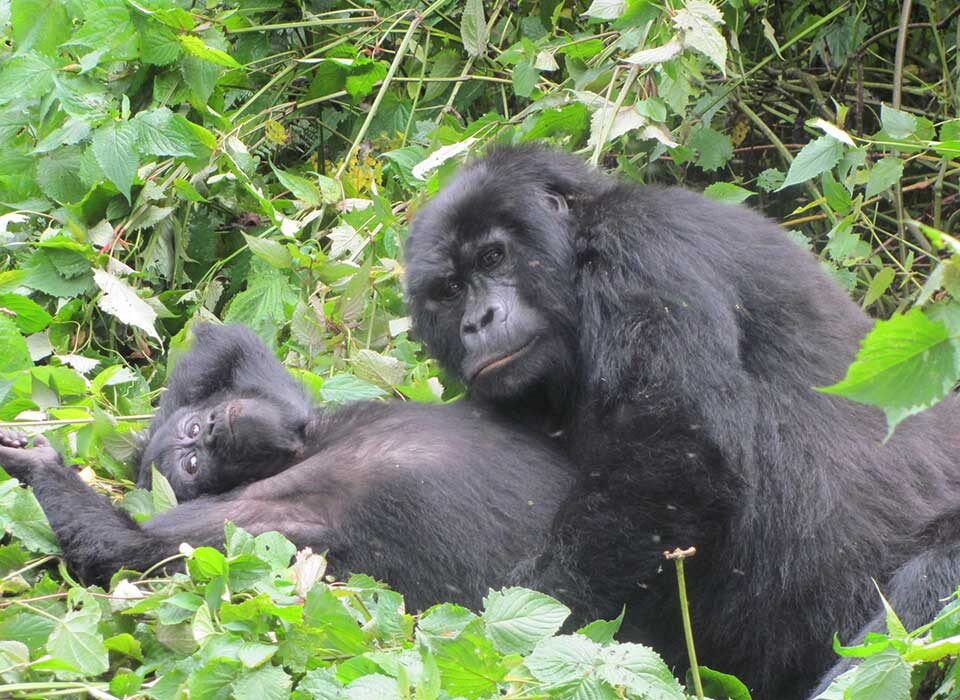
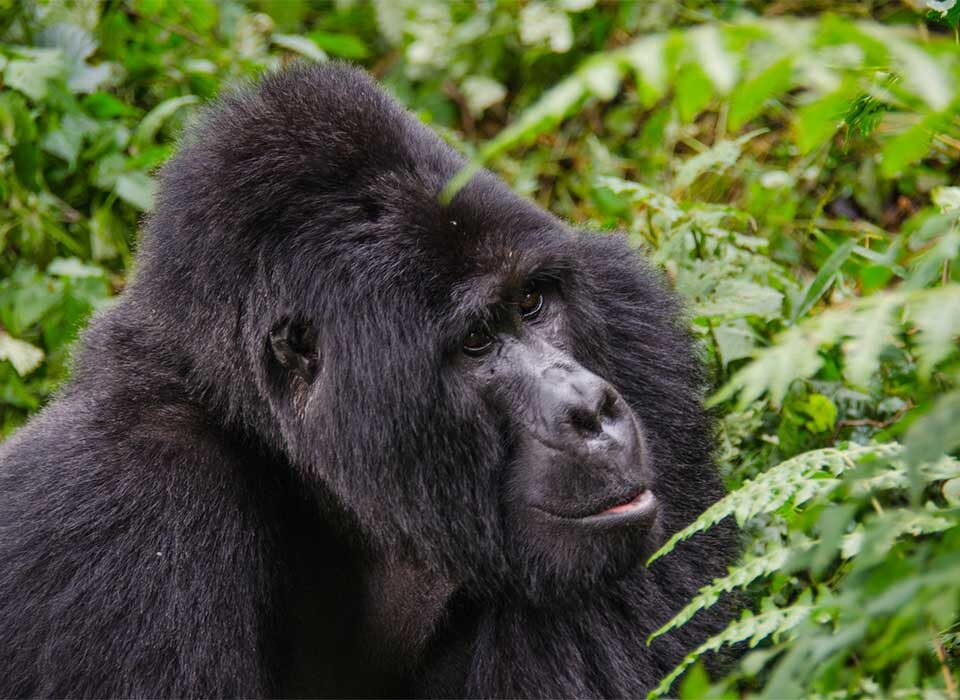
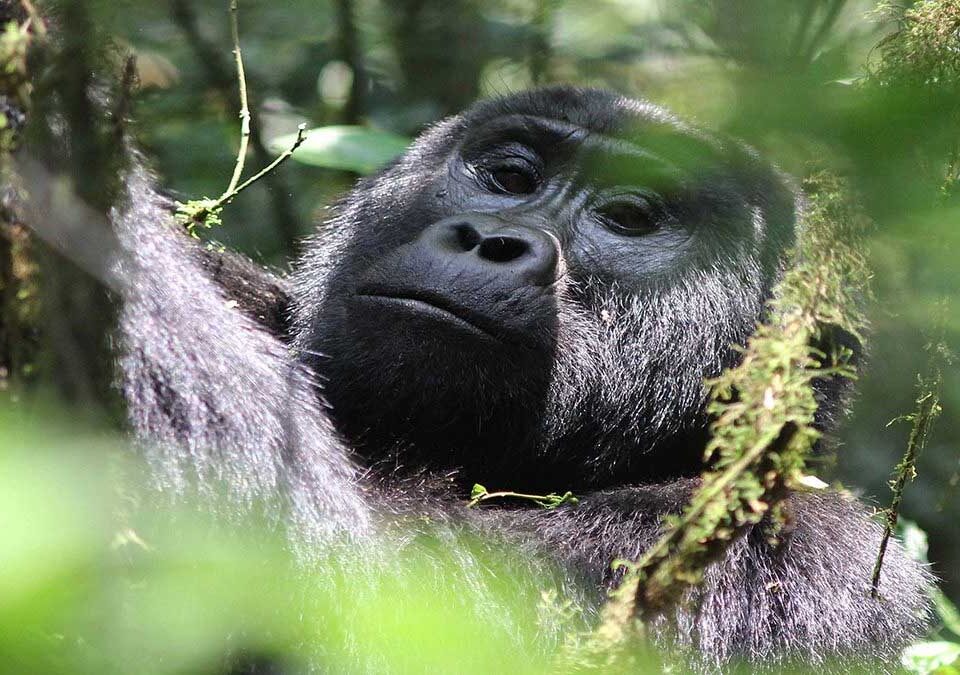
Gorilla trekking is the park’s principal tourism attraction. Visitors join trained guides and trackers who lead them into the forest to locate a habituated gorilla group. Once the group is found, visitors are generally allowed to spend up to one hour observing the gorillas, subject to the applicable wildlife regulations and guidance from park authorities.
The trek itself can vary significantly. Some groups may be found after a relatively short walk, while others require several hours of hiking through steep, muddy, or densely vegetated terrain. The location of a gorilla family on a particular day, rather than the name of the sector alone, largely determines the length and difficulty of the trek.
Bwindi is divided into four principal gorilla trekking sectors: Buhoma in the north, Ruhija in the east, Rushaga in the south, and Nkuringo in the southwestern part of the park. Each has its own visitor reception and trekking arrangements.
The distinction matters because travelers must organize their accommodation, transport, and gorilla permits around the sector where their trek is booked. Choosing a lodge in a different sector without accounting for the distance and road conditions can create unnecessary travel complications, particularly on the morning of the trek.
Buhoma Sector: The Original Gateway to Gorilla Trekking in Bwindi
Buhoma is located in the northern part of Bwindi Impenetrable National Park, in the Kanungu District of southwestern Uganda. It is the historic gateway to gorilla tourism in Bwindi and remains one of the most established bases for travelers visiting the park.
Gorilla tourism in Bwindi began with the habituation of the Mubare gorilla family, which opened the way for visitors to experience mountain gorillas in their natural habitat. Since then, Buhoma has developed into a well-known safari destination with accommodation facilities, local guiding services, community tourism initiatives, and transport connections to other attractions in southwestern Uganda.
What makes Buhoma special?
Buhoma is particularly appealing to travelers who want a well-established tourism environment alongside their gorilla trekking adventure. The village has a variety of accommodation options, ranging from comfortable mid-range lodges to luxury safari properties. This variety makes it possible to plan a visit according to different budgets without sacrificing access to the gorilla trekking experience.
The sector is also a practical choice for travelers combining Bwindi with Queen Elizabeth National Park, particularly the Ishasha sector, which is famous for its tree-climbing lions. Depending on road conditions, the chosen accommodation, and the overall itinerary, visitors can organize a safari that combines wildlife viewing in Queen Elizabeth National Park with gorilla trekking in Bwindi.
Buhoma is also known for its community tourism opportunities. Visitors can explore village life, learn about traditional practices, participate in cultural experiences, and support locally operated tourism initiatives. Nature walks and birdwatching provide additional activities for travelers who want more than a single gorilla trekking excursion.
Gorilla trekking experience in Buhoma
Buhoma offers access to habituated mountain gorilla families, including well-known groups such as Mubare, Habinyanja, and Rushegura. The particular family assigned to a visitor depends on the park’s current arrangements and the permit allocation.
The trekking experience begins with registration and a briefing from park staff. Visitors are then assigned to a gorilla group and accompanied by trained guides and trackers into the forest. The trail may follow established paths before becoming steeper, narrower, or more overgrown as the team approaches the gorillas.
Although Buhoma is often described as one of the more accessible sectors, this should not be interpreted as a guarantee of an easy trek. Mountain gorillas move freely through the forest, and their location changes daily. A family that is relatively close to the starting point one morning may move farther away on another day.
Travelers should therefore prepare for a potentially demanding hike regardless of the sector they select.
Accommodation in Buhoma
Buhoma has a developed range of safari accommodation, including luxury lodges, tented camps, mid-range properties, and budget guesthouses. Some properties offer forest views, private verandas, guided nature experiences, and arrangements for gorilla trekking.
When choosing accommodation, consider the distance between the lodge and the Buhoma trekking headquarters, the availability of meals before an early departure, and whether the property can organize transfers to the briefing point.
Staying near the trekking headquarters reduces the need for an early morning drive and makes the overall experience more convenient.
Who should choose Buhoma?
Buhoma is an excellent option for first-time gorilla trekkers, travelers who value established tourism infrastructure, and visitors combining gorilla trekking with wildlife safaris in Queen Elizabeth National Park.
It is also suitable for birdwatchers, cultural tourism enthusiasts, couples, families traveling with eligible teenagers, and visitors who want a broader range of accommodation choices.
Travelers arriving from other destinations in Uganda should compare the road journey to Buhoma with the location of their other planned activities before making a final decision.
2. Ruhija Sector: Mountain Gorillas, Cooler Weather, and Exceptional Birdwatching
Ruhija is situated in the eastern part of Bwindi Impenetrable National Park. Its highland setting, cool temperatures, mist-covered forest, and diverse birdlife give it a distinctive character compared with the other gorilla trekking sectors.
For travelers who appreciate quiet natural environments and forest scenery, Ruhija offers a rewarding way to experience Bwindi. The surrounding landscape is characterized by steep slopes, thick vegetation, and high-altitude forest habitats that support numerous bird species and other wildlife.
What makes Ruhija different?
Ruhija is particularly attractive to birdwatchers because Bwindi’s eastern forests support a rich variety of Albertine Rift and other forest birds. Visitors interested in combining gorilla trekking with specialized birdwatching can arrange additional excursions with knowledgeable local guides.
The area’s elevation also contributes to cooler conditions, especially in the early morning and evening. Mist may settle over the hills, creating atmospheric forest views and making warm clothing useful during the safari.
Compared with more developed tourism hubs, Ruhija can feel quieter and more closely connected to the surrounding forest landscape. The experience may appeal to visitors who prefer a nature-focused itinerary rather than a schedule centered on larger villages and numerous tourism facilities.
Gorilla trekking in Ruhija
Ruhija offers access to habituated mountain gorilla families, with groups and allocations subject to the current management of the park.
The trek begins with a briefing at the sector’s designated visitor center. Guides explain the rules, provide information about the assigned family, and lead visitors into the forest with support from trackers.
The terrain may include muddy paths, steep inclines, slippery roots, and uneven ground. At higher elevations, the cool air and uphill walking can make the experience physically demanding for visitors who are not accustomed to hiking.
However, the actual difficulty depends on where the gorillas are located on the day of the trek. Some groups may be reached after a shorter walk, while others require a more extensive journey through the forest.
Ruhija’s forest environment is itself part of the experience. Visitors may encounter other wildlife, hear birds calling from the canopy, and observe the intricate vegetation of one of Uganda’s most important rainforest ecosystems.
Birdwatching and additional activities
Ruhija is a strong option for travelers who want to combine gorilla trekking with birdwatching. The wider Bwindi forest is home to many species sought after by bird enthusiasts, including birds associated with the Albertine Rift.
A birdwatching excursion can be arranged before or after the gorilla trek, depending on the length of the safari and the visitor’s interests. Early mornings are particularly rewarding for listening to forest bird calls and searching for species along suitable trails.
Nature walks can also provide opportunities to learn about forest ecology, plant diversity, and the conservation challenges facing protected areas in southwestern Uganda.
Visitors should arrange specialized activities with appropriate guides and confirm which trails and experiences are currently available.
Accommodation in Ruhija
Accommodation in Ruhija includes small lodges, eco-friendly properties, and guesthouses serving gorilla trekkers and birdwatchers. The selection is generally more limited than in some of the larger tourism centers, so advance reservations are advisable during busy travel periods.
When selecting a lodge, prioritize its proximity to the Ruhija briefing point, the quality of its access road, meal arrangements, and the availability of reliable transport.
Because of the cool climate, accommodation with warm bedding and suitable indoor spaces can make the stay more comfortable.
Who should choose Ruhija?
Ruhija is especially suitable for birdwatchers, nature enthusiasts, photographers interested in misty forest scenery, and travelers who prefer a quieter highland environment.
It is also worth considering for visitors building a safari around several destinations in southwestern Uganda, provided the road connections and overnight stops fit the itinerary.
Travelers who are particularly sensitive to cold weather or who prefer extensive accommodation choices should compare Ruhija carefully with Buhoma and Rushaga before booking.
Rushaga Sector: More Gorilla Families and the Gorilla Habituation Experience
Rushaga lies in the southern part of Bwindi Impenetrable National Park and is one of the most important destinations for gorilla trekking in Uganda. It is particularly well known for having numerous habituated gorilla families and for offering the Gorilla Habituation Experience.
For travelers who want to compare standard gorilla trekking with a longer, more immersive encounter, Rushaga deserves particular attention.
Why Rushaga is popular
Rushaga’s relatively high concentration of habituated gorilla families gives it an important role in Bwindi’s gorilla tourism operations. This can provide more permit options than sectors with fewer available groups, although availability always depends on the actual booking situation.
The sector’s southern location also makes it worth considering for travelers approaching Bwindi from Kigali, Rwanda. Depending on the border crossing, immigration procedures, road conditions, and the exact accommodation location, a cross-border road transfer can be a practical alternative to traveling from Entebbe or Kampala.
Travelers using this route must ensure that their itinerary accounts for the applicable visa and entry requirements, border operating arrangements, and sufficient time to reach their accommodation before the trek.
Rushaga’s landscape includes steep hills, deep valleys, and dense rainforest. The forest scenery is impressive, but trekking conditions can be challenging, particularly after rain.
Standard gorilla trekking in Rushaga
Standard gorilla trekking in Rushaga follows the same basic conservation rules as the other Bwindi sectors. Visitors receive a briefing, are assigned to a habituated gorilla family, and enter the forest with trained guides and trackers.
The time required to locate a family varies according to its movements and the terrain. The hike can involve uphill walking, muddy trails, thick vegetation, and uneven ground.
Once the gorillas are located, visitors are generally allowed up to one hour to observe them. This period offers opportunities to watch feeding, grooming, resting, play, and interactions between members of the group.
A standard trek is ideal for visitors who want a meaningful encounter with mountain gorillas without committing to the longer habituation activity.
Gorilla Habituation Experience in Rushaga
One of Rushaga’s greatest distinctions is its role as the location for Uganda’s Gorilla Habituation Experience.
Unlike standard trekking, which visits a fully habituated gorilla family, the habituation experience allows a small number of visitors to accompany researchers, trackers, and conservation personnel as they work with a gorilla group that is still becoming accustomed to human presence.
The experience can provide up to four hours with the gorillas, subject to the applicable permit conditions and field circumstances. Standard gorilla trekking, by comparison, allows up to one hour of observation.
The longer period gives participants more opportunity to understand gorilla behavior, observe social interactions, and learn about the careful process involved in habituating a wild gorilla family. The animals may behave differently from those in fully habituated groups, so visitors must follow their guides’ instructions particularly closely.
The habituation experience is especially appealing to wildlife photographers, primate enthusiasts, conservation-minded travelers, and visitors who want a deeper educational experience.
Because it involves a different permit category, a smaller visitor group, and a longer field excursion, it generally costs more than standard gorilla trekking. Travelers should confirm the current price and availability directly with the relevant booking authority or a reputable tour operator.
Accommodation in Rushaga
Rushaga has accommodation ranging from budget guesthouses and simple safari camps to comfortable mid-range lodges and luxury properties. Some offer panoramic views of the surrounding hills, while others emphasize proximity to the forest and trekking headquarters.
The best property depends on your budget, desired level of comfort, and the exact starting point specified for your trek.
If you are booking the Gorilla Habituation Experience, staying near the designated meeting point is particularly useful because the activity can involve an early start and a longer day in the forest.
Who should choose Rushaga?
Rushaga is particularly suitable for travelers seeking the Gorilla Habituation Experience, visitors who want to compare several trekking permit options, and those organizing a safari through southern Bwindi.
It is also a practical option for some travelers arriving through Kigali and for visitors who want to combine gorilla trekking with Lake Bunyonyi or other destinations in southwestern Uganda.
However, Rushaga should not automatically be considered the easiest sector. Its steep terrain and the location of the assigned gorilla family can make a trek physically demanding. The best choice depends on the traveler’s priorities, fitness, available permits, and overall itinerary.
Nkuringo Sector: Challenging Treks and Spectacular Highland Scenery
Nkuringo is situated on a high ridge in the southwestern part of Bwindi Impenetrable National Park. It is known for dramatic landscapes, sweeping views across forested valleys, and trekking routes that can be physically demanding.
For travelers who enjoy hiking, dramatic scenery, and a more secluded highland atmosphere, Nkuringo offers an appealing alternative to the more established tourism environment of Buhoma.
What makes Nkuringo unique?
One of Nkuringo’s defining features is its elevated position overlooking the surrounding rainforest and parts of the Virunga volcanic landscape. On clear days, the views can extend across the valleys toward the distant volcanic peaks, creating excellent opportunities for landscape photography.
The sector also offers a strong connection to the local community. Cultural walks can introduce visitors to traditional livelihoods, local crafts, and the history of communities living around Bwindi. These experiences provide a useful complement to gorilla trekking, particularly for travelers interested in understanding the relationship between conservation and community development.
Nkuringo is relatively isolated compared with some other safari destinations, so accommodation and transport need careful planning. Its location can be advantageous for travelers building an itinerary around southern Bwindi, Kisoro, or Lake Mutanda.
Gorilla trekking in Nkuringo
Gorilla trekking in Nkuringo can involve steep descents from the ridge into the forest and demanding climbs on the return journey. The terrain, elevation changes, and muddy paths can make the trek challenging even for visitors who regularly exercise.
The Nkuringo gorilla family is historically associated with this sector, and other habituated groups may also be assigned to visitors according to current park arrangements. The specific family available for trekking should be confirmed when booking a permit.
As with the other sectors, the trekking team follows the gorillas’ movements to determine where visitors should enter the forest. The distance traveled and time spent hiking therefore vary from one day to another.
The reward is the opportunity to observe mountain gorillas in their natural habitat while experiencing one of Bwindi’s most striking forest landscapes. Visitors who enjoy physical challenges often appreciate the combination of hiking and wildlife observation.
However, choosing Nkuringo solely because it is described as adventurous is not advisable if you have mobility limitations or are uncomfortable with steep terrain. A tour operator can help discuss the likely demands of the trek and whether an alternative arrangement would be more appropriate.
Accommodation in Nkuringo
Accommodation in Nkuringo includes luxury safari lodges, eco-lodges, smaller guesthouses, and budget-oriented establishments. Some properties are positioned along the ridge to take advantage of the views, while others emphasize proximity to the forest and the trekking headquarters.
For travelers seeking a high-end safari, Nkuringo can provide a scenic setting for a stay that combines comfort with access to the forest. Budget-conscious visitors can also find simpler accommodation, although availability and facilities differ by property.
Booking accommodation close to the correct trekking headquarters is essential. Because Nkuringo and the other sectors are separated by forested terrain and winding roads, a lodge that appears geographically close on a map may require a lengthy drive to reach.
Who should choose Nkuringo?
Nkuringo is particularly suitable for physically active travelers, landscape photographers, nature enthusiasts, and visitors who prefer a quieter safari environment.
It can also be an attractive option for travelers combining gorilla trekking with a visit to Lake Mutanda or other destinations around Kisoro. However, the overall itinerary should account for the demanding trekking conditions and the time required to travel between destinations.
Buhoma vs Ruhija vs Rushaga vs Nkuringo: Which Sector Is Best?
All four sectors provide opportunities to see mountain gorillas in Bwindi Impenetrable National Park, but the best choice depends on what matters most to you.
| Feature | Buhoma | Ruhija | Rushaga | Nkuringo |
|---|---|---|---|---|
| Location | Northern Bwindi | Eastern Bwindi | Southern Bwindi | Southwestern Bwindi |
| Main appeal | Established tourism facilities | Birdwatching and highland forest | Gorilla family options and habituation | Scenic ridges and challenging hikes |
| Trekking conditions | Variable | Variable, with highland terrain | Variable, often steep | Can involve demanding climbs |
| Gorilla habituation experience | Not the standard location | Not the standard location | Available, subject to permits | Not the standard location |
| Additional interests | Community tourism and safari combinations | Birdwatching and nature walks | Southern Uganda itineraries | Hiking and panoramic scenery |
| Best suited to | First-time visitors and varied itineraries | Birdwatchers and nature enthusiasts | Habituation seekers and flexible planners | Active hikers and scenery lovers |
These distinctions are general planning guidelines rather than guarantees. Trekking difficulty, available gorilla families, accommodation quality, and permit availability can change.
Which sector is best for first-time gorilla trekkers?
Buhoma is a strong starting point for first-time visitors because of its established tourism infrastructure and range of accommodation options. It is also convenient for travelers combining gorilla trekking with other wildlife destinations in western Uganda.
Nevertheless, first-time trekkers should not assume that Buhoma always offers an easier hike. The location of the assigned gorilla family and the condition of the trails are more important determinants of the actual trekking experience.
Which sector is best for the Gorilla Habituation Experience?
Rushaga is the sector to consider if your priority is the Gorilla Habituation Experience. This activity offers up to four hours with a gorilla family that is still undergoing habituation, compared with up to one hour for standard trekking.
Because the habituation experience requires a separate permit and has limited availability, travelers should arrange it well in advance.
Which sector is best for birdwatching?
Ruhija is particularly attractive to birdwatchers because of its highland forest habitats and the bird diversity found across the wider Bwindi ecosystem. Buhoma also offers birdwatching opportunities, so travelers who want to prioritize birds should consider the overall itinerary, the species they hope to see, and the availability of specialist guides.
Which sector is best for travelers arriving from Kigali?
Rushaga and Nkuringo are worth considering for travelers approaching southwestern Uganda from Kigali through the appropriate border crossing. The most suitable choice depends on the exact route, immigration arrangements, the location of the accommodation, and the permit available.
Ruhija may also suit some cross-border itineraries, depending on the selected border route. It is important to compare actual road journeys rather than assume that every sector is equally accessible from Kigali.
Which sector is best for luxury travelers?
Luxury accommodation is available around all four sectors, although the selection and location of properties differ. Buhoma has an established lodge scene, while Rushaga and Nkuringo offer options that appeal to travelers seeking forest views and secluded surroundings. Ruhija also has accommodation suited to nature-focused safaris.
Rather than choosing a sector based on luxury alone, match the accommodation to the permit location, transport arrangements, and activities you want to enjoy.
How to Choose the Right Bwindi Gorilla Trekking Sector
Selecting the right sector involves more than comparing landscapes. The most successful gorilla trekking safaris are planned around permit availability, travel logistics, physical preparation, and accommodation.
Book the gorilla permit before confirming the sector-specific itinerary
A gorilla trekking permit determines where your trek begins. It is therefore important to establish the availability of the desired sector before finalizing a lodge reservation or transport arrangement.
If your preferred sector is unavailable on the planned date, ask about alternative dates or sectors before making non-refundable bookings. Permit availability can be particularly competitive during popular travel periods.
Consider your physical fitness
Bwindi’s terrain can be steep, muddy, and slippery, and the trekking duration is unpredictable. The walk may take a few hours or considerably longer, depending on the gorilla family’s location and the conditions in the forest.
Visitors should discuss mobility concerns with their tour operator before booking. A walking stick, appropriate hiking boots, water, and a porter can make the journey more manageable, although no arrangement can guarantee an easy trek.
Match your accommodation to your permit
The four sectors have separate visitor centers, and road travel between them can be time-consuming. Staying near the assigned trekking center reduces the risk of missing the morning briefing and avoids an unnecessarily early departure.
A practical approach is to secure the permit first and then choose accommodation in the appropriate sector.
Decide whether you want standard trekking or habituation
Standard gorilla trekking is suitable for most visitors who want to observe a habituated family in the wild. The Gorilla Habituation Experience is more appropriate for people who want a longer encounter and are prepared for an extended day in the forest.
Since the habituation experience is associated with Rushaga, this decision can determine your sector before you consider other factors.
Best Time to Visit Bwindi for Gorilla Trekking
Gorilla trekking takes place throughout the year, and there is no single season that guarantees a better encounter with mountain gorillas.
The relatively drier periods, commonly around June to August and December to February, are popular for travel because trails and some access roads may be easier to manage. However, Bwindi is a rainforest, so rainfall can occur at any time.
The wetter periods can bring muddier trails and more demanding walking conditions. On the other hand, the forest can be lush and atmospheric, and travelers may find greater flexibility in arranging some aspects of their trip depending on demand.
The most important consideration is to choose a date when you can secure a permit for your preferred sector and arrange accommodation and transport appropriately. Weather conditions and gorilla movements remain unpredictable regardless of the month.
What to Pack for Gorilla Trekking in Bwindi
Preparation makes a substantial difference to the comfort and safety of a gorilla trekking excursion. Visitors should wear sturdy hiking boots with good grip, long trousers, and long-sleeved clothing to help protect against vegetation and insects.
A waterproof jacket is essential because rain can develop quickly in the forest. Gardening-style gloves can be useful when holding vegetation for balance, although visitors should follow their guide’s instructions and avoid damaging plants unnecessarily.
Carry enough drinking water and suitable snacks for a potentially long hike. A small backpack, insect repellent, sun protection for exposed areas, and a camera without flash are also useful. Pack carefully so that you can move comfortably through narrow forest trails.
Hiring a porter can be helpful if you want assistance carrying your bag or navigating difficult sections. Porters also provide an opportunity to support livelihoods in communities around the park.
Visitors who feel unwell, especially with symptoms of a potentially infectious respiratory illness, should inform the relevant authorities or tour operator before trekking. Protecting gorillas from human-transmitted diseases is a major conservation priority.
Gorilla Trekking Rules and Responsible Tourism
Responsible gorilla trekking helps protect the endangered mountain gorillas and the forest habitats on which they depend. Visitors must follow their ranger guides’ instructions throughout the trek and during the encounter.
Standard trekking generally permits a maximum of one hour with a habituated gorilla family, with visitor numbers restricted to reduce disturbance. Visitors must maintain the required distance from the gorillas according to current park rules, avoid flash photography, remain calm, and never attempt to touch or feed the animals.
The minimum age for gorilla trekking in Uganda is generally 15 years. Travelers should confirm the current regulations with the Uganda Wildlife Authority or their authorized tour operator before booking.
Responsible tourism also extends beyond the forest. Choosing locally operated services, hiring porters, respecting community customs, and following designated trails can help ensure that tourism benefits the people who live around Bwindi.
Gorilla permit revenue contributes to the conservation system that protects these animals and their habitat. By following the rules and respecting the wildlife, visitors help support the long-term sustainability of gorilla tourism.
Frequently Asked Questions About Bwindi Gorilla Trekking Sectors
Can I trek gorillas in any sector with the same permit?
No. Your permit is assigned to a specific sector and trekking arrangement. You should plan to report to the visitor center indicated for your trek. If you want to change sectors, confirm whether an alternative permit is available and whether an official change can be arranged before making travel plans.
Are gorillas easier to find in Rushaga because it has more gorilla families?
Not necessarily. A higher number of habituated families can provide more permit options, but it does not guarantee a shorter trek. The location of the assigned family, the terrain, and its movements on the day determine how long it takes to find the gorillas.
Is Nkuringo more difficult than Buhoma?
Nkuringo is well known for demanding trekking routes, including steep descents and climbs. Buhoma can also involve strenuous hiking. The actual difficulty in either sector depends on the assigned gorilla family’s location and the trail conditions.
Can I stay in Buhoma and trek gorillas in Rushaga?
This is generally impractical unless your transport arrangements specifically account for the journey. The sectors are separated by rugged terrain and roads that can take considerable time to navigate. Staying near your assigned sector is the more reliable option.
How long does gorilla trekking take?
The total trek can last several hours, and the time required to locate a gorilla family varies. Once the gorillas are found during a standard trek, visitors are generally allowed up to one hour with them. The Gorilla Habituation Experience in Rushaga offers up to four hours, subject to the applicable rules and conditions.
How far in advance should I book a gorilla permit?
Booking several months ahead is advisable, especially if you have fixed travel dates or want the habituation experience. Popular dates and sectors can become fully booked, so securing the permit early helps you organize the rest of the safari with greater confidence.
Conclusion: Which Bwindi Gorilla Trekking Sector Should You Choose?
Buhoma, Ruhija, Rushaga, and Nkuringo each offer a distinct way to experience mountain gorillas in Bwindi Impenetrable National Park. Buhoma appeals to visitors who value established tourism infrastructure and convenient safari combinations. Ruhija is particularly attractive to birdwatchers and travelers who enjoy highland forest environments. Rushaga is the principal choice for the Gorilla Habituation Experience and offers numerous standard trekking opportunities. Nkuringo is ideal for travelers drawn to dramatic scenery and physically challenging hikes.
There is no universally best sector for every traveler. The right choice depends on your preferred experience, fitness, travel route, available permits, accommodation budget, and the other destinations you want to visit in Uganda.
For the best outcome, secure your gorilla permit before finalizing accommodation, stay close to your assigned trekking headquarters, and allow enough time for road travel. With careful preparation, any of the four sectors can provide a memorable encounter with mountain gorillas and a deeper appreciation of Uganda’s extraordinary natural heritage.