
How to Book Gorilla Permits in Rwanda: Cost & Booking Guide
September 15, 2026
Essential Guide to Bwindi Gorilla Trekking Sectors
October 12, 2026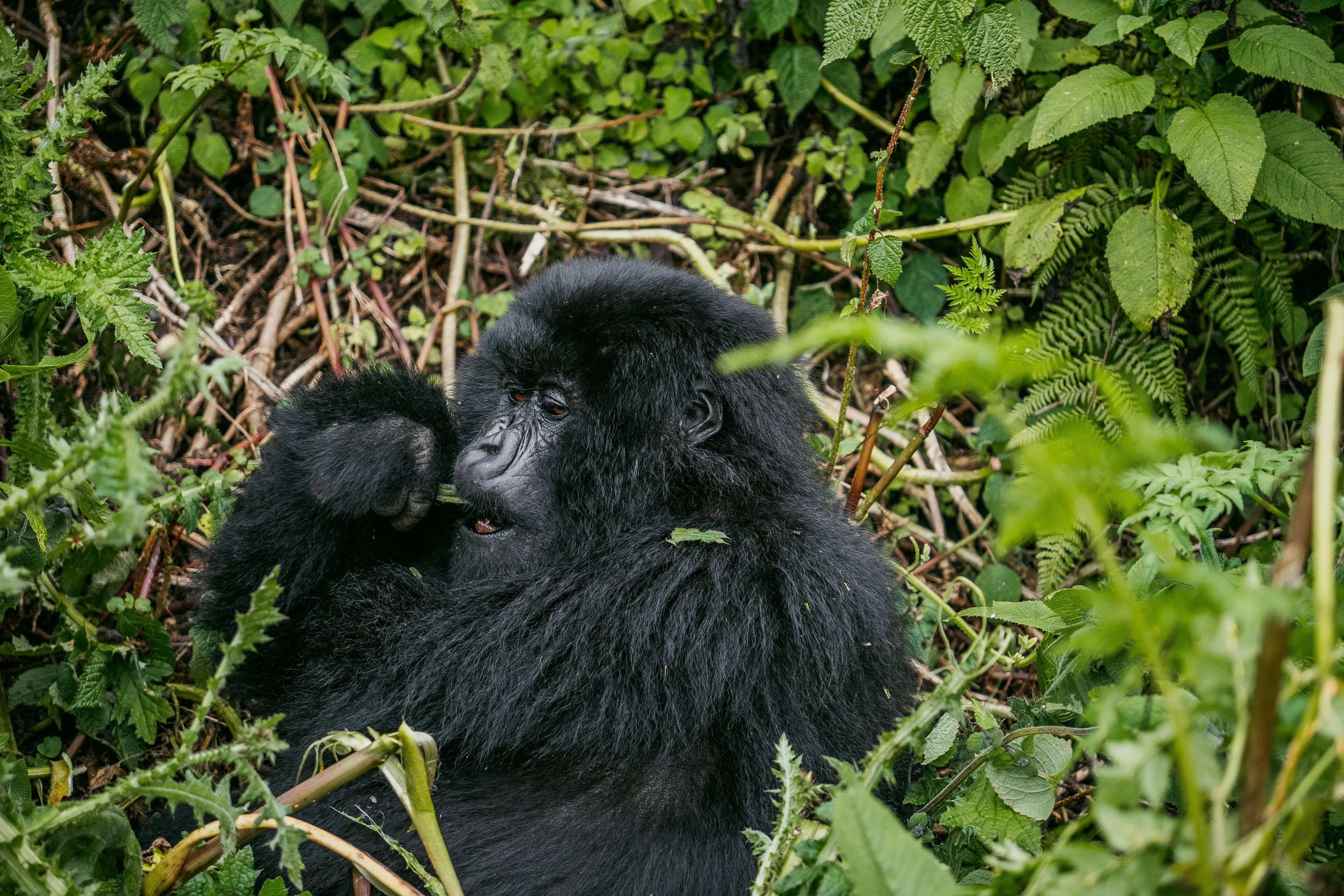
Gorilla trekking in Uganda is one of Africa’s most remarkable wildlife experiences. It offers visitors the chance to encounter endangered mountain gorillas during Gorilla trekking in their natural habitat.
Located in southwestern Uganda, Bwindi Impenetrable National Park and Mgahinga Gorilla National Park are the country’s two destinations. Additionally, they offer guided forest expeditions, extraordinary wildlife encounters, and opportunities to support mountain gorilla conservation.
Choosing between Bwindi and Mgahinga depends on your travel dates, physical fitness, and accommodation preferences.
Additionally, Gorilla trekking options influence your budget and the kind of adventure you want.
The good news is that you do not have to travel outside Uganda to experience world-class Gorilla trekking.
Both parks offer an unforgettable opportunity to observe these intelligent primates.
Additionally, secure a permit and follow the conservation guidelines.
This comprehensive guide compares gorilla trekking in Bwindi and Mgahinga, covering permit costs, accessibility, trekking difficulty, gorilla encounters, accommodation, the best time to visit, and practical booking advice. By the end, you will understand which destination best suits your Uganda gorilla safari and how to plan your trip with confidence.
Understanding Gorilla Trekking in Uganda
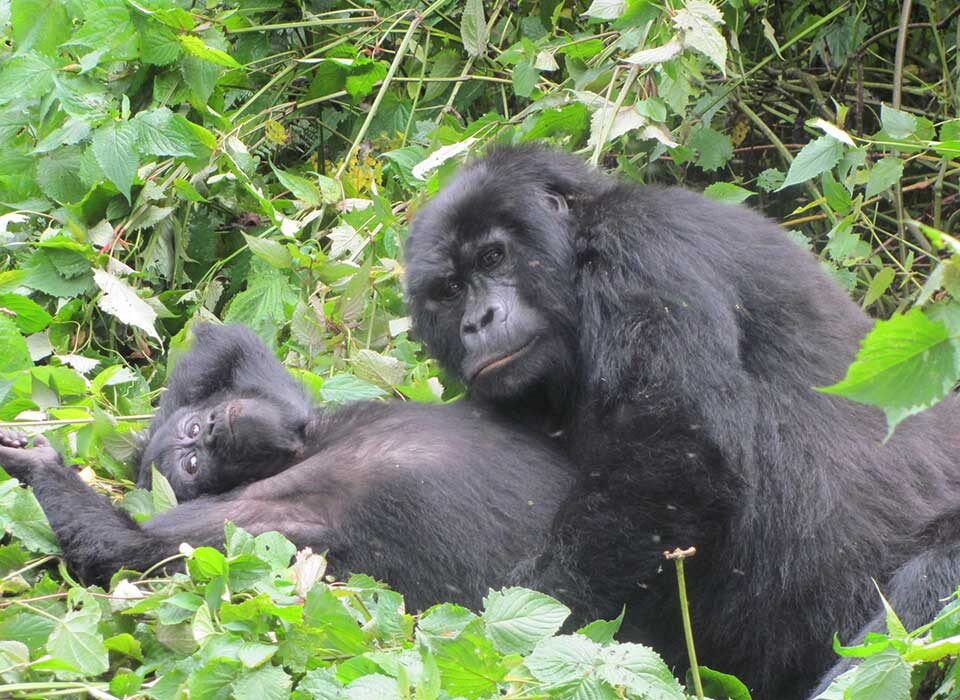
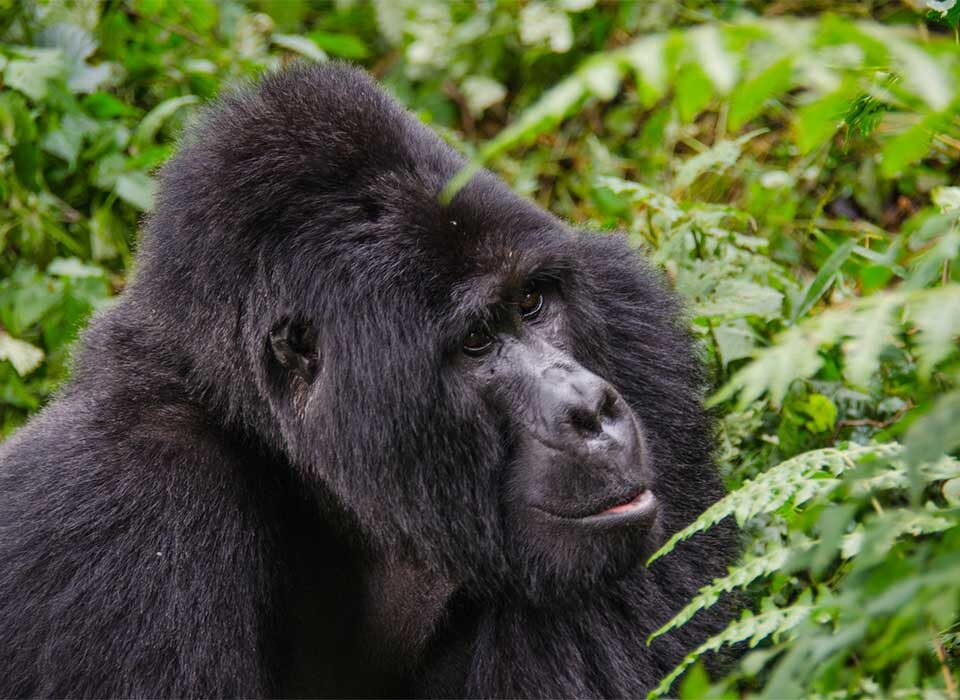
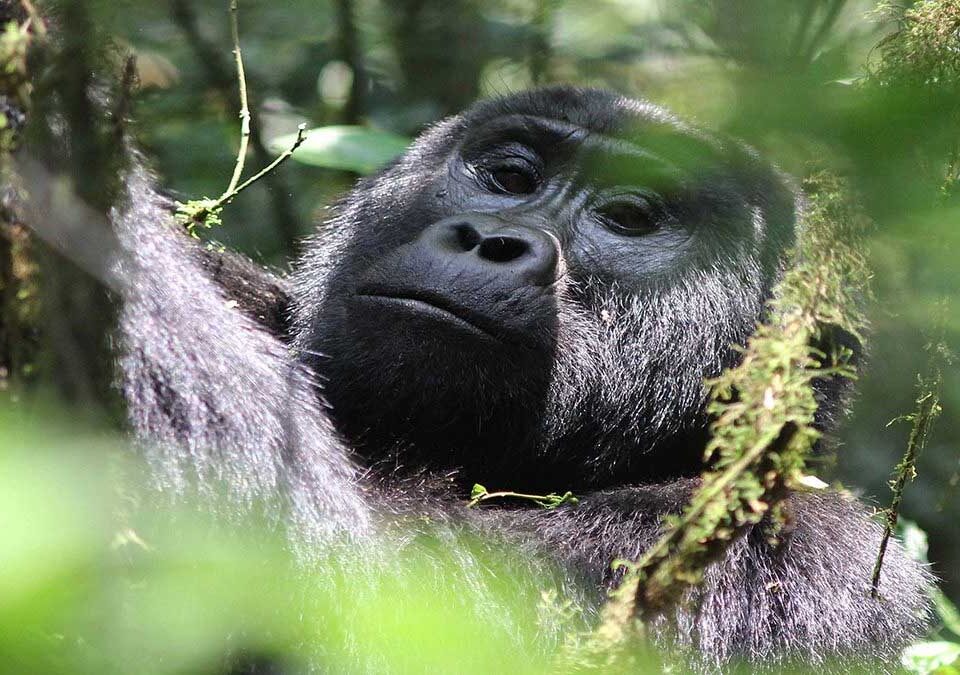
Mountain gorilla trekking involves hiking through a protected forest or mountainous landscape with trained park rangers and trackers to locate a habituated gorilla family. Once the gorillas are found, visitors can observe them at a regulated distance while they feed, groom, rest, play, and interact with other members of their group.
Uganda is particularly important for mountain gorilla conservation because its protected forests support a substantial proportion of the world’s remaining mountain gorillas. Bwindi protects a large population in an ancient forest environment, while Mgahinga protects gorillas within the Ugandan section of the Virunga volcanic mountain range. Both parks are managed by the Uganda Wildlife Authority, which regulates trekking permits, visitor numbers, and gorilla encounters. <escape>[1]</escape> <escape>[2]</escape>
A standard gorilla trekking experience includes a morning briefing, a guided trek, and up to one hour observing the gorillas after the family has been located. The actual hike can take several hours, depending on the location of the gorilla family, the terrain, and the pace of the group. Treks commonly last between two and seven hours, although individual experiences can be shorter or longer. <escape>[1]</escape>
The two destinations therefore share the same central attraction, but the environment in which you encounter the gorillas can make a significant difference to your safari.
Bwindi vs Mgahinga: The Main Differences
Bwindi Impenetrable National Park is the larger and more established gorilla trekking destination, with four main trekking sectors: Buhoma, Ruhija, Rushaga, and Nkuringo. This gives travelers a broader choice of starting points and accommodation areas. The forest is characterized by steep ridges, deep valleys, thick vegetation, and a rich diversity of wildlife.
Mgahinga Gorilla National Park is considerably smaller and forms part of the Virunga landscape, where volcanic mountains, bamboo forests, montane vegetation, and open mountain views create a different atmosphere. Gorilla trekking takes place around the Nyakagezi gorilla family, and the park also offers golden monkey tracking, guided nature walks, and volcano climbing. <escape>[1]</escape> <escape>[3]</escape>
The most important distinction is that Bwindi offers more choice in gorilla trekking sectors, whereas Mgahinga offers a more concentrated experience within a dramatic volcanic landscape. Neither destination guarantees an easier trek, a closer gorilla encounter, or a longer period with the animals. Trekking conditions depend on where the gorillas are located on the day of your visit.
For most travelers booking their first Uganda gorilla safari, Bwindi is an excellent starting point because of its wider choice of trekking areas. For travelers who want gorillas combined with volcanic scenery and golden monkeys, Mgahinga may be the more appealing destination.
Gorilla Trekking in Bwindi Impenetrable National Park
Bwindi Impenetrable National Park lies in southwestern Uganda and is internationally recognized for its mountain gorilla population and exceptionally rich forest biodiversity. Its ancient rainforest contains dense vegetation, steep slopes, streams, and mist-covered hills that create a distinctive environment for wildlife exploration.
The park is divided into four principal gorilla trekking sectors. Each sector has its own trailhead, nearby accommodation, and collection of habituated gorilla families available for tourism. Understanding these sectors is essential when booking because your permit, lodge location, and morning departure point need to correspond.
Buhoma Sector: Established Tourism and Convenient Accommodation
Buhoma is located on the northern edge of Bwindi and is one of Uganda’s best-established gorilla trekking areas. It has a long history of gorilla tourism and offers a variety of accommodation options, from comfortable mid-range lodges to high-end safari properties and more affordable guesthouses.
The area is particularly suitable for travelers who want a well-developed tourism base with access to community activities, guided forest walks, and birdwatching. Its established visitor infrastructure can make it a convenient choice for couples, families with eligible teenage children, and travelers seeking a traditional gorilla safari experience.
The terrain is still forested and hilly, however, and a trek from Buhoma should not automatically be considered easy. The distance to a gorilla family changes from day to day, and trails can become slippery after rainfall.
Buhoma is worth considering if you want a combination of gorilla trekking, comfortable accommodation, and time to explore the communities and natural attractions surrounding northern Bwindi.
Ruhija Sector: High-Elevation Forest and Birdwatching
Ruhija lies in the eastern part of Bwindi and is known for its highland forest environment and birdwatching opportunities. The landscape is cool, misty, and richly vegetated, with steep slopes and trails that can demand sustained physical effort.
This sector is especially attractive to visitors who want to combine gorilla trekking with birdwatching or a wider exploration of the Albertine Rift’s biodiversity. It can also suit travelers planning a route through eastern Bwindi and neighboring parts of southwestern Uganda.
Because of its elevation and rugged terrain, Ruhija may feel challenging for visitors who are not accustomed to hiking at altitude. A moderate level of fitness, proper footwear, and a willingness to walk on uneven ground are important.
Travelers considering Ruhija should select accommodation based on the exact trekking briefing location rather than assuming that every Bwindi lodge is conveniently situated for the same departure point.
Rushaga Sector: Gorilla Trekking and the Habituation Experience
Rushaga, in southern Bwindi, is an important choice for travelers who want standard gorilla trekking or the specialized gorilla habituation experience.
Standard trekking provides up to one hour with a habituated gorilla family. The habituation experience is different: participants accompany researchers, trackers, and habituation personnel as they work with a gorilla group that is still becoming accustomed to human presence. The experience can allow up to four hours with the gorillas under the applicable permit conditions.
This extended activity is particularly attractive to wildlife photographers, primate enthusiasts, conservation-minded travelers, and visitors who want a deeper understanding of gorilla behavior. It is not simply a longer version of ordinary trekking, because the gorillas may respond differently to visitors and the experience involves participating in a specialized conservation activity.
Rushaga is an excellent option for travelers who want to explore the habituation experience, but the permit is more expensive than a standard trek. Availability and the applicable fee should be confirmed before booking. <escape>[3]</escape> <escape>[4]</escape>
Nkuringo Sector: Dramatic Views and Challenging Terrain
Nkuringo lies in southern Bwindi and is known for its mountainous surroundings, panoramic scenery, and rugged trekking environment. The area appeals to travelers who appreciate remote landscapes and are comfortable with demanding outdoor activities.
The surrounding hills provide memorable views across the forest and neighboring highlands. Depending on your itinerary, Nkuringo can also form part of a wider southwestern Uganda journey that includes Lake Mutanda, Kisoro, and Mgahinga.
The terrain can be steep, and the difficulty of a particular trek depends on the gorilla family’s location. Travelers should avoid choosing Nkuringo solely because of its scenery without considering their fitness, travel schedule, and the location of their accommodation.
Nkuringo is particularly appealing to adventurous visitors who want their gorilla trek to form part of a scenic mountain safari rather than a brief stop on a larger itinerary.
Gorilla Trekking in Mgahinga Gorilla National Park
Mgahinga Gorilla National Park lies in Uganda’s southwestern corner, near the borders with Rwanda and the Democratic Republic of the Congo. It protects part of the Virunga volcanic mountain range, creating a landscape that differs noticeably from Bwindi’s dense, extensive rainforest.
The park is characterized by volcanic slopes, montane forest, bamboo vegetation, and striking views of the surrounding mountains. Its compact size does not diminish its conservation importance. Mgahinga provides habitat for mountain gorillas and golden monkeys, alongside other wildlife adapted to the highland environment.
Gorilla trekking in Mgahinga focuses on the Nyakagezi gorilla family. Unlike Bwindi, which has several trekking sectors, Mgahinga has a single established gorilla trekking area. The location and movements of the family can influence the day’s trekking conditions, so permit availability and the operational status of the trekking activity should be confirmed before travel. <escape>[1]</escape> <escape>[3]</escape>
What Makes Mgahinga Special?
The main attraction of Mgahinga is the combination of gorilla trekking with the wider Virunga mountain environment. Visitors can experience the thrill of locating mountain gorillas while also enjoying volcanic scenery and opportunities for other guided outdoor activities.
The park is particularly attractive to travelers who want more than one primate encounter during their safari. Golden monkey tracking is a major attraction, allowing visitors to explore bamboo forest habitats in search of these distinctive, endangered monkeys.
Mgahinga also offers guided climbs of Mount Muhabura, Mount Gahinga, and Mount Sabyinyo, subject to the relevant park arrangements and conditions. These activities provide a different perspective on southwestern Uganda, especially for visitors who enjoy hiking, photography, and mountain landscapes.
Because the park is smaller, it may feel more geographically compact than Bwindi. However, this should not be confused with a guaranteed shorter or easier gorilla trek. The physical demands depend on the gorillas’ location, the elevation, the weather, and the condition of the trails.
Mgahinga is therefore a strong choice for travelers who value a distinctive mountain setting and want to combine gorilla trekking with other wildlife or hiking experiences.
Gorilla Sightings: Is Bwindi Better Than Mgahinga?
One of the most common questions travelers ask is whether they are more likely to see gorillas in Bwindi than in Mgahinga.
Both parks offer guided trekking to habituated mountain gorilla families, and both provide genuine opportunities to observe the animals in their natural environment. A permit does not guarantee a particular photographic moment, the number of gorillas you will see, or how long they will remain in one location. However, trekking is organized around known gorilla families, with trackers and rangers working to locate them.
Bwindi’s main advantage is the choice of multiple trekking sectors and gorilla families. This provides more flexibility when arranging a safari, especially during busy travel periods. It also allows visitors to choose among different forest environments and accommodation areas.
Mgahinga’s appeal lies in the distinctive setting of the Virunga Mountains and the opportunity to experience gorillas within a volcanic landscape. Its smaller number of trekking options means travelers have less choice of sectors, so confirming that trekking is operating and that a suitable permit is available is especially important.
It would be misleading to claim that one park always offers better sightings. Gorilla movements are unpredictable, and the length and difficulty of the hike depend on the circumstances on the day. A long trek can still produce an extraordinary encounter, while a shorter trek can be equally rewarding.
If maximizing scheduling flexibility is your priority, Bwindi is generally the more practical choice. If the volcanic scenery and combination of gorillas with other mountain activities are central to your plans, Mgahinga deserves serious consideration.
Which Park Offers the Easier Gorilla Trek?
The difficulty of gorilla trekking is one of the most important considerations when planning your trip. Both Bwindi and Mgahinga involve walking on natural trails, sometimes through steep, muddy, uneven, or densely vegetated terrain.
Bwindi’s landscape includes deep valleys, ridges, and thick forest. Some treks involve steep ascents and descents, while others may require extended walking before the gorillas are located. Conditions vary between sectors and between different gorilla families.
Mgahinga’s volcanic terrain can also be physically demanding. Trails may climb or descend steep mountain slopes, and elevation can make the hike feel harder than expected. Bamboo vegetation and open sections of the landscape create a different trekking environment from Bwindi’s denser rainforest, but they do not guarantee an easier walk.
For either park, your fitness level matters more than general claims that one destination is easy. If you can comfortably walk for several hours, manage uneven ground, and cope with moderate hills, you may be better prepared for the experience. Regular walking, stair climbing, and hill training before your safari can help.
Visitors with concerns about their mobility should discuss their needs with their tour operator before purchasing a permit. Porter services may be available to assist with daypacks and difficult sections, although they cannot remove every physical challenge.
Ultimately, the easiest trek is determined by the particular gorilla family’s location and the conditions on your trekking day, not simply by the name of the park.
Bwindi vs Mgahinga: Gorilla Trekking Permit Costs
The cost of a gorilla safari is an important factor when deciding between Bwindi and Mgahinga. Both parks operate under Uganda’s gorilla conservation and permit system, so choosing Mgahinga instead of Bwindi does not automatically reduce the cost of the gorilla trekking permit.
For international visitors who are not residents of East Africa, the standard gorilla trekking permit has been priced at US$800 per person, with discounted permits introduced for eligible low-season dates in April, May, and November 2026. The discounted rate is US$600 for foreign non-residents, subject to availability and the applicable booking conditions. Other visitor categories have different rates, so your nationality and residency documentation should be checked before payment. Confirm the current rate directly through the Uganda Wildlife Authority or a licensed tour operator before committing to your trip. <escape>[5]</escape>
The standard permit covers the regulated gorilla trekking activity, including the guided experience and one hour with the gorillas once they have been located. Accommodation, transport, meals, porter services, travel insurance, and optional activities should be budgeted for separately unless they are included in your safari package.
Bwindi may offer a wider choice of accommodation styles across its four sectors, allowing travelers to compare luxury lodges, mid-range properties, and budget accommodation. Mgahinga also has accommodation options around the park, including properties near Ntebeko and in the wider Kisoro and Lake Mutanda areas.
The total price of your safari will depend on the number of nights, the type of vehicle, the distance traveled, accommodation standards, and whether you add other activities. A lower-priced lodge may reduce your overall expenditure, but staying far from your trekking briefing point could increase travel time and transport costs.
For the most accurate comparison, request a quotation that separates the permit, accommodation, transport, meals, and optional activities. This makes it easier to identify the actual difference between trekking in Bwindi and Mgahinga rather than comparing headline prices alone.
Getting to Bwindi and Mgahinga
Accessibility is another major consideration when planning a gorilla trekking safari in southwestern Uganda. Both parks are reached by road from Uganda’s main tourism routes, and domestic flights can reduce the time spent traveling overland.
Bwindi is spread across a substantial area, so the best route depends on your chosen trekking sector. Buhoma, Ruhija, Rushaga, and Nkuringo are not interchangeable starting points. A lodge located in one sector may be inconvenient for a permit booked in another.
Travelers approaching from Kampala or Entebbe generally need a substantial road journey, often with an overnight stop or additional sightseeing along the way. The route can be combined with destinations such as Lake Mburo National Park, Queen Elizabeth National Park, or other attractions in western Uganda, depending on the itinerary.
Mgahinga is reached through the Kisoro area, making Kisoro an important base for arranging transfers, accommodation, and activities. The park’s Ntebeko Visitor Center serves as the principal starting point for gorilla trekking and several other activities. Road journeys from Kampala or Entebbe are long, so an overnight stay near the park is advisable. <escape>[3]</escape>
Domestic flights to suitable airstrips in southwestern Uganda may be available depending on the season and operator. Travelers considering flying should confirm the destination airstrip, transfer arrangements, luggage restrictions, and the timing of their trekking briefing.
If your itinerary includes other national parks, Bwindi may fit naturally into a wider western Uganda circuit. Mgahinga may be more convenient for a safari centered on Kisoro, the Virunga Mountains, and activities near the Rwanda border.
The best destination is therefore not necessarily the one that looks closest on a map. It is the one that fits your complete route, accommodation, and travel schedule.
Accommodation: Where Should You Stay?
Accommodation can shape your gorilla trekking experience as much as the park itself. Because trekking usually starts with an early morning briefing, choosing a suitable lodge near your assigned sector or park entrance is an important practical decision.
Accommodation Around Bwindi
Bwindi offers accommodation across its four main sectors, with properties ranging from simple guesthouses to luxury forest lodges. Buhoma has an established tourism infrastructure, while Rushaga and Nkuringo offer access to southern trekking areas. Ruhija appeals to travelers interested in its highland forest environment and birdwatching.
Luxury travelers can choose lodges with private rooms, views of the surrounding hills, attentive service, and comfortable dining areas. Mid-range travelers can find properties that balance comfort with cost, while budget travelers may prefer guesthouses and smaller lodges.
The most important consideration is location. Confirm the exact gorilla trekking briefing point associated with your permit and choose accommodation that allows you to arrive on time without a long early-morning transfer.
Accommodation Around Mgahinga
Accommodation for Mgahinga trekking is available near the park, around Ntebeko, in Kisoro town, and in the wider Lake Mutanda area. The best choice depends on whether you prioritize proximity to the trekking starting point, access to restaurants and town services, or scenic surroundings.
Staying close to the park entrance can simplify your morning arrangements. Kisoro offers a wider town base for travelers who want to combine gorilla trekking with other regional activities, while Lake Mutanda appeals to visitors seeking lakeside scenery and a more relaxed atmosphere.
Before making a reservation, confirm the transfer time to the park entrance, whether meals are included, and whether the property can accommodate an early departure. These details are especially important when the trekking permit is fixed to a particular date.
Best Time to Visit Bwindi and Mgahinga for Gorilla Trekking
Gorilla trekking is available throughout the year in both Bwindi and Mgahinga, but weather conditions influence the difficulty of the hike and the overall safari experience.
The relatively drier periods, generally June to September and December to February, are popular with travelers because forest trails may be firmer and conditions can be more comfortable for walking. These periods also attract substantial demand, meaning permits and desirable accommodation can become difficult to secure on short notice.
The wetter periods, particularly March to May and parts of October and November, can bring muddy trails, slippery slopes, and heavy rainfall. However, the forest becomes lush and green, and travelers may find better availability for accommodation and certain safari services.
For eligible foreign visitors, April, May, and November 2026 also have discounted gorilla permit rates under the announced low-season arrangement. The conditions attached to these permits should be checked carefully before booking, particularly if your travel dates may change. <escape>[5]</escape>
Neither park becomes unsuitable for gorilla trekking simply because it is raining. Treks continue under varying conditions, and the gorillas remain in their natural habitat. Good rain protection, sturdy footwear, and flexible expectations are essential.
If you prefer relatively firm trails and have fixed travel dates during the popular dry seasons, book well in advance. If your schedule is flexible and you want to explore a lower-cost safari, consider the wetter months after confirming permit availability and the relevant rate.
Other Activities: Which Park Offers More?
The attractions surrounding a gorilla trekking destination can make a significant difference to the value of your trip. If you have several days in southwestern Uganda, choosing a park with activities that complement your interests can turn a single wildlife encounter into a more varied safari.
Activities in Bwindi
Bwindi is an excellent destination for travelers interested in forest biodiversity, birdwatching, guided nature walks, and community-based tourism. Its four sectors provide different starting points for exploring the surrounding landscape.
Visitors can arrange guided forest walks, explore local communities, and learn about the relationship between conservation and the livelihoods of people living near the protected area. Community visits should be arranged respectfully, with attention to local customs and the wishes of participating communities.
Birdwatching is another important attraction, particularly for visitors interested in the Albertine Rift’s distinctive birdlife. A longer stay can allow time to explore the forest beyond the gorilla trek rather than making the entire journey depend on one activity.
Travelers who want more time observing gorillas may also consider the habituation experience in Rushaga, subject to availability and the applicable permit requirements.
Activities in Mgahinga
Mgahinga stands out for the variety of activities available within a relatively compact volcanic landscape. Golden monkey tracking is one of its main attractions, providing an opportunity to encounter another endangered primate in its natural habitat.
Volcano climbing is another major reason to visit. Mount Gahinga, Mount Muhabura, and Mount Sabyinyo offer challenging hiking opportunities, although the difficulty and conditions vary. Climbs require proper preparation, suitable equipment, and arrangements with park personnel.
The park also offers guided nature walks and opportunities to explore the surrounding highland environment. Its volcanic backdrop makes it particularly appealing to photographers and travelers who enjoy mountain scenery.
If your ideal safari combines mountain gorillas, golden monkeys, and a volcano hike, Mgahinga may offer the more cohesive experience. If you prefer a broad choice of gorilla trekking sectors, forest walks, and accommodation areas, Bwindi may suit you better.
Gorilla Conservation and Responsible Tourism
Mountain gorilla trekking is not simply a wildlife excursion; it is also a carefully managed conservation activity. The rules governing visitor access are designed to reduce disturbance, protect gorilla health, and ensure that tourism remains compatible with the animals’ long-term survival.
Gorillas are susceptible to certain human respiratory infections, which makes responsible visitor behavior essential. Anyone who is unwell should follow the instructions of park authorities and disclose relevant symptoms before the trek. Visitors must comply with all current health and safety requirements, maintain the required distance, and avoid touching the animals.
The standard minimum age for gorilla trekking in Uganda is 15 years. Visitors must follow their guide’s instructions throughout the expedition and remain with their assigned group. The normal observation period is limited to one hour, and the rules may be enforced strictly to protect the gorillas and their habitat. <escape>[6]</escape>
Conservation also depends on the relationship between protected areas and neighboring communities. Responsible tourism can contribute to conservation management and support local employment through guiding, accommodation, transport, and community enterprises.
When booking your safari, choose a reputable operator that communicates permit conditions clearly, provides realistic information about trekking difficulty, and treats local communities and wildlife respectfully. Responsible travel includes following photography instructions, avoiding litter, and not pressuring guides to ignore conservation rules for a better photograph.
Both Bwindi and Mgahinga are valuable conservation destinations. The most responsible choice is the one that allows you to enjoy the experience while respecting the regulations that protect the mountain gorillas.
What to Pack for Gorilla Trekking
Preparing for a gorilla trek involves more than packing ordinary safari clothing. Both parks contain steep and sometimes muddy trails, and the weather can change quickly. The right equipment helps you remain comfortable and reduces the risk of slipping or becoming soaked during the hike.
Wear sturdy hiking boots with good grip and ankle support. Long trousers and long-sleeved clothing help protect your skin from vegetation and insects. Carry a waterproof jacket, and consider gaiters or other protective clothing if you expect particularly muddy conditions.
A small daypack is useful for drinking water, snacks permitted under park rules, personal medication, and essential belongings. Gloves can help protect your hands when holding vegetation for balance, but you should follow your guide’s instructions and avoid damaging plants.
A camera with a secure strap can help you capture the experience, but photography should never take priority over safety or wildlife regulations. Carry spare batteries or a power bank if appropriate, and protect electronic equipment against rain.
You should also bring your passport or other required identification, permit confirmation, and any documents needed to verify your visitor category. Confirm the precise documentation requirements with your operator before departure.
Porters may be available to assist with bags and difficult sections of the trek. Hiring a porter can make the walk more manageable and provide income to local workers. Even with assistance, you should prepare for several hours of walking and follow the ranger’s guidance throughout the expedition.
How to Book a Gorilla Trekking Safari in Bwindi or Mgahinga
The most important step in planning your gorilla safari is securing the correct permit for your preferred date and trekking destination. Gorilla permits are limited because each habituated family can receive only a regulated number of visitors per day.
Start by deciding when you want to travel and whether Bwindi or Mgahinga better fits your interests. If you choose Bwindi, identify your preferred sector before selecting accommodation. If you choose Mgahinga, confirm the availability of gorilla trekking and the relevant arrangements for the Nyakagezi family.
Next, check permit availability and the current price for your visitor category. International visitors should confirm whether they need to book through a licensed tour operator. Ensure that the permit is valid for the correct date and park, and obtain clear confirmation of the booking and payment arrangements.
Once the permit is confirmed, arrange accommodation near the relevant briefing point and organize transport from your arrival location. Your itinerary should allow enough time to reach the park without rushing, particularly if you are traveling overland from Kampala or Entebbe.
A well-planned safari usually includes an overnight stay near the trekking area before the activity. This reduces the risk of arriving late and allows you to begin the day rested. If you intend to visit both parks, allow sufficient time for transfers and check permit availability for each trekking date.
Finally, ask for a complete quotation that explains what is included and what remains payable separately. A reliable operator should clearly distinguish the permit cost from accommodation, transport, meals, and optional activities. This helps you compare safari packages accurately and avoid unexpected expenses.
Should You Visit Both Bwindi and Mgahinga?
Visiting both parks can be rewarding if you have enough time and want to experience two different mountain gorilla environments. Bwindi offers a large forest landscape with multiple trekking sectors, while Mgahinga provides a volcanic setting with additional opportunities for golden monkey tracking and mountain hiking.
However, visiting both parks is not necessary to enjoy an excellent gorilla safari. If you have only two or three days available for southwestern Uganda, concentrating on one park may allow you to spend less time transferring between destinations and more time enjoying the experience.
A longer itinerary can accommodate both parks, particularly if you want to compare their landscapes or combine gorilla trekking with golden monkeys and volcano climbing. Bear in mind that each gorilla trek requires its own permit, and two treks will increase your overall safari budget.
If your primary goal is to see mountain gorillas, choose the park that best fits your permit availability, travel dates, accommodation, and preferred route. If your objective is a broader primate and mountain adventure, visiting both may justify the additional time and expense.
Bwindi vs Mgahinga: Which Should You Choose?
Choosing between Bwindi Impenetrable National Park and Mgahinga Gorilla National Park comes down to the kind of safari you want to experience.
Bwindi is generally the stronger choice for travelers who want a wide selection of gorilla trekking sectors, a variety of accommodation options, and flexibility when arranging their itinerary. Its extensive forest environment and opportunities for birdwatching, nature walks, community visits, and gorilla habituation make it particularly attractive for longer stays.
Mgahinga is an excellent choice for visitors who want mountain gorilla trekking in a volcanic landscape. Its combination of gorillas, golden monkeys, mountain hiking, and scenic highlands creates a distinctive safari experience that can appeal to adventurous travelers and photographers.
Neither park can guarantee a shorter trek or a better encounter. Both require preparation, respect for conservation rules, and realistic expectations about the physical demands of walking through wild terrain.
If you are booking your first gorilla safari and want the greatest choice of trekking areas, start by exploring Bwindi. If your priorities include the Virunga volcanoes, golden monkey tracking, and a compact mountain destination, give Mgahinga serious consideration.
Most importantly, book your permit before finalizing the rest of your arrangements. A carefully planned itinerary, suitable accommodation, reliable transport, and a clear understanding of the trekking conditions will help you make the most of your time in southwestern Uganda.
Plan Your Uganda Gorilla Trekking Safari
Whether you choose Bwindi or Mgahinga, gorilla trekking offers an exceptional opportunity to experience one of the world’s most remarkable primates in its natural habitat. The right destination depends on your interests, schedule, budget, and preferred style of adventure.
If you need help choosing between the two parks, organizing gorilla permits, selecting accommodation, or arranging private transfers, consider working with a knowledgeable Uganda safari operator who can tailor the itinerary to your requirements.
For travelers who want a more comprehensive southwestern Uganda experience, a customized safari can combine gorilla trekking with golden monkey tracking, scenic lakes, cultural experiences, and other wildlife destinations. With the right planning, your journey can become much more than a single morning in the forest: it can be a memorable exploration of Uganda’s extraordinary landscapes and conservation heritage.