
White Rhinos Return to Kidepo Valley National Park After 43 Years
September 15, 2026
Uganda Safari Cost Breakdown: Prices, Packages & Budget Guide
September 15, 2026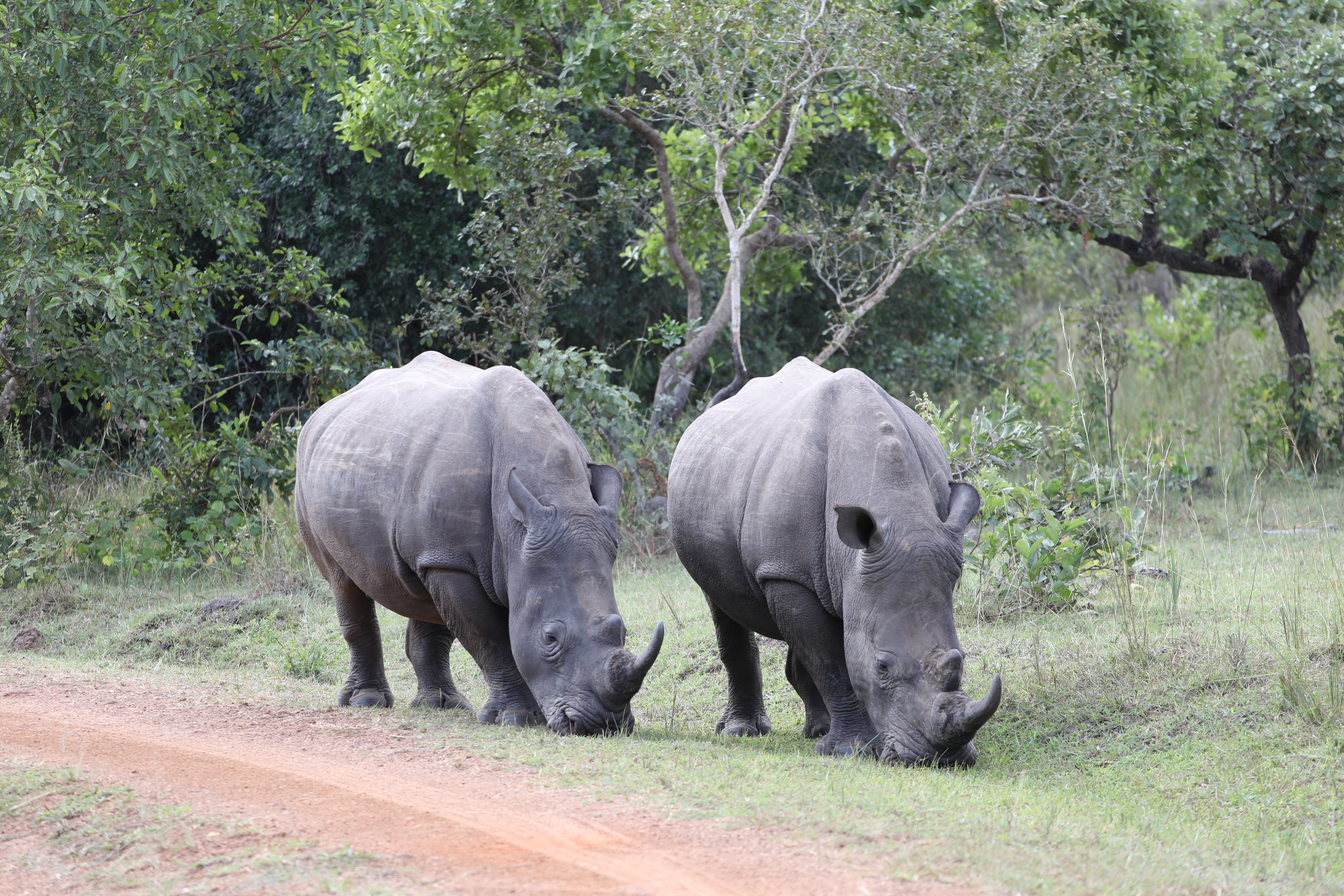
Uganda has taken another major step in wildlife conservation with the reintroduction of four southern white rhinos to Ajai Wildlife Reserve in the West Nile region.
In January 2026, the Uganda Wildlife Authority (UWA) successfully translocated four southern white rhinos from Ziwa Rhino Sanctuary in Nakasongola District to Ajai Wildlife Reserve. The historic move forms part of a wider plan to restore rhinos to Uganda’s protected areas and rebuild populations of a species that once roamed freely across northern Uganda.
The first phase is part of an ambitious programme expected to eventually introduce 20 southern white rhinos to Ajai Wildlife Reserve, subject to the success of the initial translocation and the animals’ adaptation to their new environment.
A Historic Return to Ajai Wildlife Reserve
Ajai Wildlife Reserve has a special place in Uganda’s rhino conservation history. Located in northwestern Uganda, near the White Nile and approximately 40 kilometres east of Arua, the reserve was historically associated with white rhinos.
However, poaching, insecurity, and habitat pressures caused rhinos to disappear from the reserve decades ago. Their return in 2026 marks an important moment in restoring Ajai’s wildlife heritage.
The reintroduction is not simply about bringing back a famous animal. It is part of a broader effort to restore biodiversity, strengthen protected-area management, and ensure that Uganda’s wildlife resources remain available for future generations.
Where Did the Rhinos Come From?
The four rhinos were translocated from Ziwa Rhino Sanctuary, Uganda’s pioneering rhino conservation facility in Nakasongola.
Ziwa has played a central role in rebuilding Uganda’s southern white rhino population since the species was reintroduced to the country. The sanctuary provides a protected environment where rhinos can breed and where conservation teams can develop experience in animal care, monitoring, and management.
The transfer to Ajai demonstrates how successful conservation breeding programmes can support the restoration of wildlife in suitable natural habitats.
Why Is Ajai Wildlife Reserve Important for Rhino Conservation?
Ajai Wildlife Reserve offers a landscape of wooded savannah, grasslands, and seasonally flooded wetlands. Its ecological setting makes it a valuable area for wildlife conservation in the West Nile region.
The reserve’s history is particularly significant because it was once home to white rhinos. Reintroducing them therefore represents an effort to reconnect the landscape with its former wildlife identity.
The programme also supports several important conservation objectives:
Restoring Historical Wildlife Populations
The return of rhinos helps restore a species that was once part of the region’s natural ecosystem.
Expanding Rhino Conservation Beyond Ziwa
By introducing rhinos into a protected reserve, Uganda can diversify the locations where the species is managed and conserved.
Strengthening Wildlife Protection
The reintroduction encourages investment in security, monitoring, veterinary services, and habitat management within Ajai Wildlife Reserve.
Supporting Conservation-Led Tourism
The presence of rhinos could increase interest in Ajai as a wildlife destination, while creating opportunities for tourism development that benefits surrounding communities.
What Are Southern White Rhinos?
The animals introduced to Ajai are southern white rhinos (Ceratotherium simum simum), one of the world’s largest land mammals.
Despite their name, white rhinos are generally grey rather than white. Their name is commonly linked to a historical misunderstanding of the Afrikaans word wyd, meaning “wide,” referring to the animal’s broad mouth.
Southern white rhinos are primarily grazers. Their wide mouths are adapted for feeding on grasses, making open savannah and grassland habitats especially important to their survival.
They are also among the most recognisable animals associated with African wildlife conservation, making their return to Ajai an important symbol of Uganda’s conservation progress.
How Many Rhinos Will Be Introduced to Ajai?
The initial translocation involved four southern white rhinos. The wider programme is expected to involve a total of 20 rhinos, with the remaining animals to be considered after the first group has successfully acclimatised and the necessary conservation conditions are met.
This phased approach allows wildlife authorities and conservation partners to assess the animals’ health, behaviour, habitat use, and adaptation before expanding the population.
Such careful planning is essential because successful wildlife translocation involves more than transporting animals. It requires long-term monitoring, habitat protection, veterinary support, and effective security.
What Does the Rhino Reintroduction Mean for Uganda?
The Ajai rhino translocation is part of Uganda’s broader effort to restore and protect its wildlife heritage.
Uganda is already recognised for its diverse wildlife destinations, including Murchison Falls National Park, Queen Elizabeth National Park, Kidepo Valley National Park, and Bwindi Impenetrable National Park. The return of rhinos to Ajai adds another important conservation story to the country’s tourism offering.
It also demonstrates the value of partnerships between government agencies, conservation organisations, wildlife professionals, and local communities.
For Uganda, successful rhino conservation can contribute to:
- Greater biodiversity protection.
- Stronger wildlife research and monitoring.
- Increased conservation awareness.
- New opportunities for responsible tourism.
- Community benefits linked to protected-area development.
- The long-term recovery of threatened wildlife populations.
Ajai Wildlife Reserve and the Future of Tourism
Ajai Wildlife Reserve has the potential to become an important wildlife tourism destination in northwestern Uganda.
The reserve’s natural landscape, proximity to Arua, and historical connection to rhino conservation provide a strong foundation for future tourism development. As conservation infrastructure and visitor facilities improve, Ajai could attract travellers interested in wildlife, nature, photography, and conservation experiences.
However, the immediate priority remains the successful establishment and protection of the rhinos. Tourism development must be carefully managed to ensure that visitor activities do not compromise animal welfare or conservation goals.
The rhinos’ presence may eventually become a major attraction, but their long-term survival must remain at the centre of the programme.
Conservation Challenges Ahead
Reintroducing rhinos is a major achievement, but maintaining a healthy population requires sustained commitment.
Some of the key priorities for Ajai Wildlife Reserve include:
- Preventing poaching and illegal wildlife activities.
- Providing adequate habitat and food resources.
- Monitoring the rhinos’ health and movements.
- Maintaining veterinary and emergency response capacity.
- Supporting trained wildlife rangers.
- Engaging surrounding communities in conservation.
- Ensuring long-term funding for wildlife protection.
Rhinos remain vulnerable to poaching because of the illegal demand for their horns. Effective security and continuous monitoring will therefore be essential to the success of the Ajai reintroduction programme.
A New Chapter for Uganda’s Wildlife Heritage
The arrival of four southern white rhinos at Ajai Wildlife Reserve is a significant milestone for Uganda. It represents the return of an iconic species to a landscape with a long history of rhino conservation.
As the programme progresses, the hope is that Ajai will become a secure home for a growing rhino population and an example of how conservation can restore wildlife while supporting sustainable tourism.
The reintroduction is more than a translocation—it is a commitment to protecting Uganda’s natural heritage and ensuring that future generations can experience the country’s extraordinary wildlife.
Conclusion
The translocation of four southern white rhinos from Ziwa Rhino Sanctuary to Ajai Wildlife Reserve marks an important new chapter in Uganda’s conservation story. With plans to eventually introduce up to 20 rhinos, the initiative could help restore the reserve’s historical wildlife identity and strengthen conservation in the West Nile region.
Through continued protection, scientific monitoring, and community involvement, Ajai Wildlife Reserve has the potential to become an important centre for rhino conservation and a promising destination for responsible wildlife tourism.