
Gorilla Trekking Photography Guide
July 4, 2026
How Much Does Gorilla Trekking Cost in Uganda?
July 4, 2026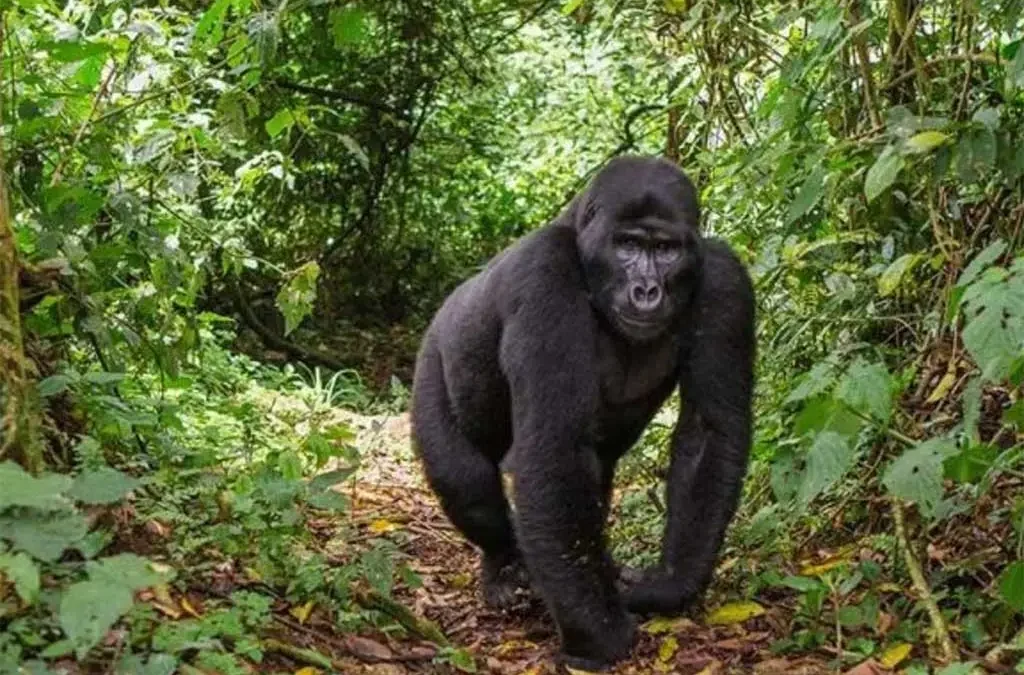
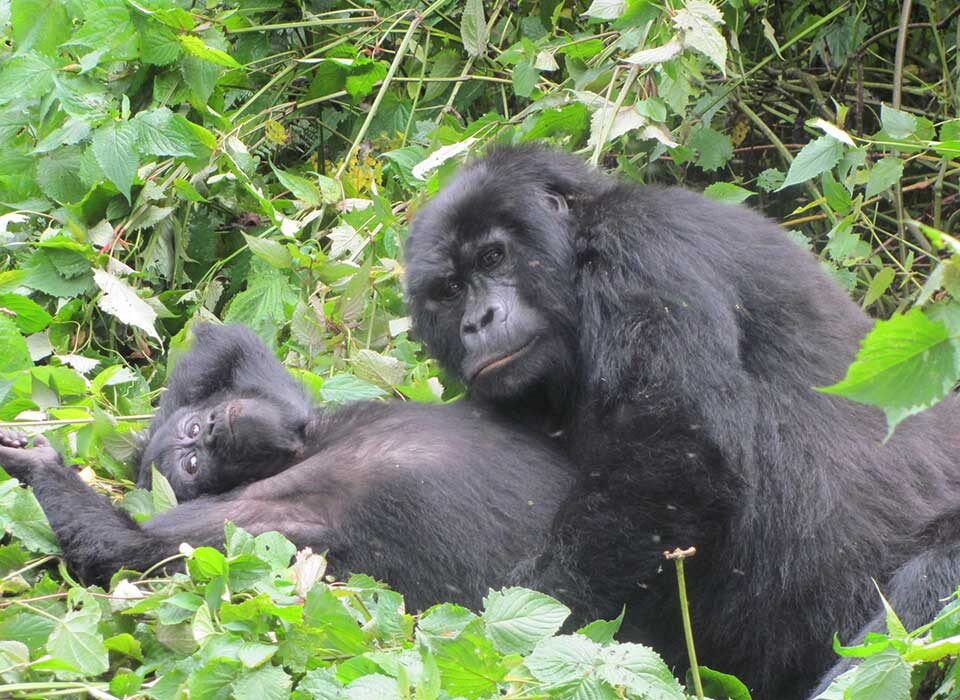
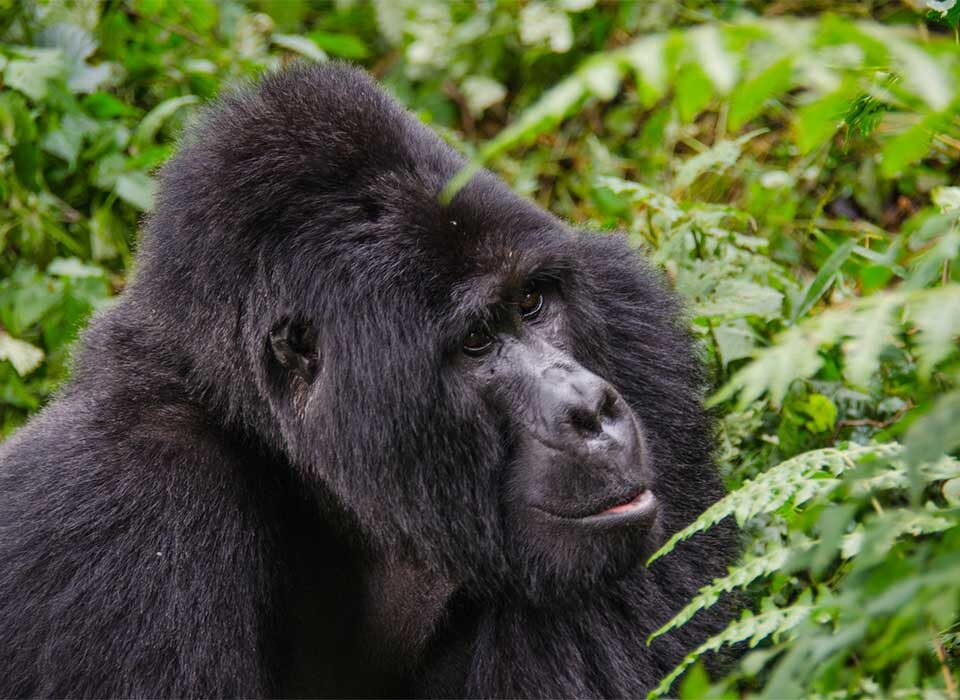
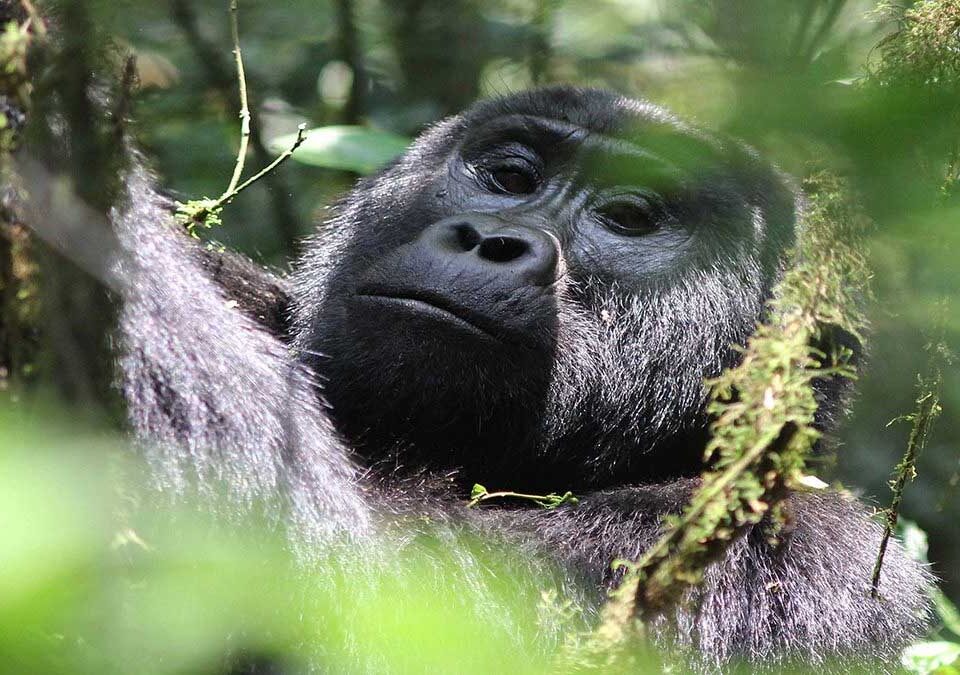
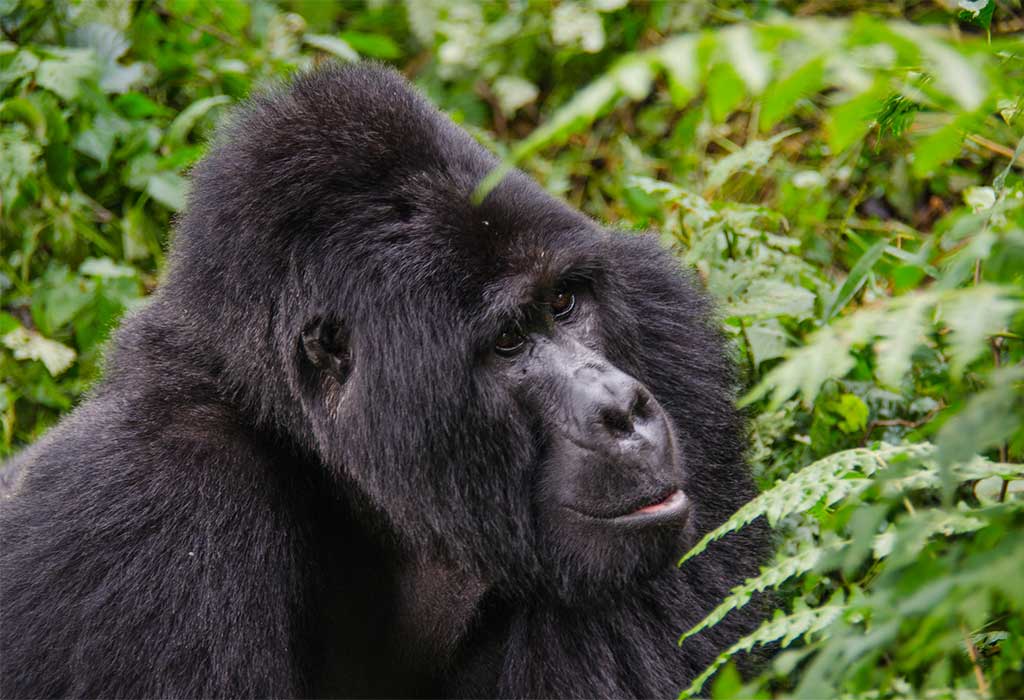
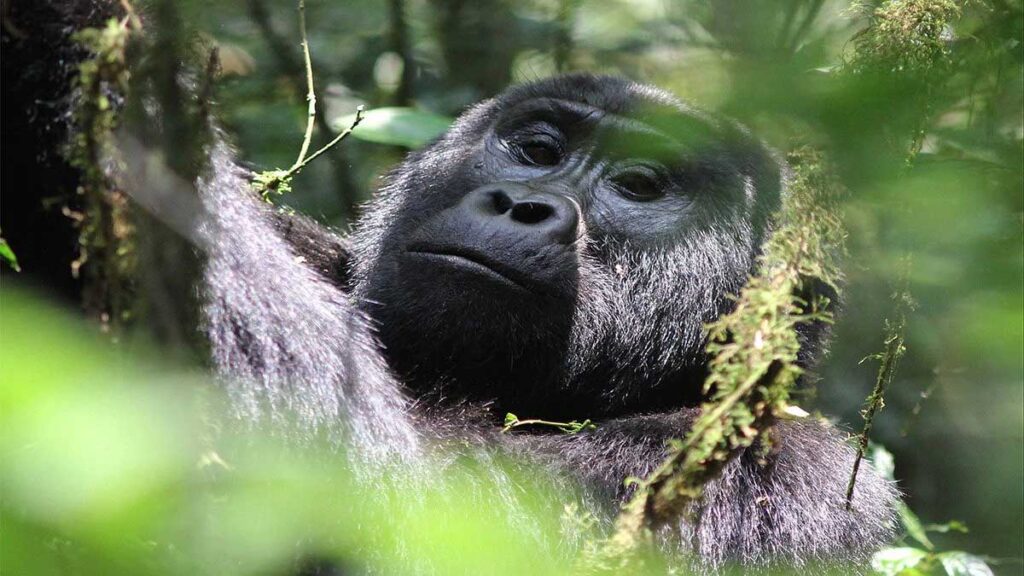
Gorilla trekking in Uganda is one of the most sought-after wildlife experiences in Africa. Every year, thousands of travelers head to Bwindi Impenetrable National Park and Mgahinga Gorilla National Park to spend a rare hour with endangered mountain gorillas in their natural habitat.
However, despite how well-organized the experience is, many first-time visitors still arrive with the wrong expectations, incomplete preparation, or avoidable mistakes that can affect their overall experience.
This guide covers the most important gorilla trekking Uganda tips, including frequently asked questions and common mistakes travelers make before and during their trek. Whether you’re planning your first safari or refining your itinerary, this breakdown will help you prepare properly and avoid costly errors.
Frequently Asked Questions About Gorilla Trekking in Uganda
How difficult is gorilla trekking in Uganda?
The difficulty of gorilla trekking varies depending on the location of the gorilla family you are assigned to.
Some treks are relatively short and take 1–2 hours, while others can take 5–7 hours or more through steep, muddy forest terrain.
Bwindi Impenetrable National Park is particularly known for its dense vegetation and hilly landscape, which can make trekking physically demanding.
However, gorilla trekking is not a technical climb. Most people with moderate fitness levels can complete it successfully with proper pacing and guidance from park rangers.
What is included in a gorilla trekking permit?
A standard Uganda gorilla trekking permit includes:
- Entry into the national park
- Professional ranger guides
- Gorilla tracking services
- Security escorts where necessary
- One hour with a habituated gorilla family
- Conservation and community support fees
The permit does NOT include accommodation, transport, meals, porter services, or gratuities.
Understanding this is one of the most important gorilla trekking Uganda tips for budgeting correctly.
How early should I book a gorilla permit?
It is strongly recommended to book your permit at least 3 to 6 months in advance.
During peak travel seasons (June–September and December–February), permits can sell out quickly due to limited daily availability.
Last-minute bookings are possible but often limit your flexibility in choosing trekking sectors or dates.
What is the minimum age for gorilla trekking?
The minimum age for gorilla trekking in Uganda is 15 years.
This rule is strictly enforced to ensure both visitor safety and gorilla protection.
What happens if it rains during the trek?
Gorilla trekking takes place in rainforest environments, so rain is common throughout the year.
Treks continue even in wet conditions.
Rangers may adjust the route for safety, but cancellations due to rain are extremely rare.
Proper rain gear is essential for comfort and safety.
Can I touch the gorillas?
No. Touching gorillas is strictly prohibited.
Even though gorillas may come very close, visitors must maintain a safe distance of at least 7 meters whenever possible.
This rule protects both humans and gorillas from disease transmission and stress.
How long do you spend with the gorillas?
Visitors are allowed exactly one hour with the gorilla family once they are located.
This time is strictly regulated to minimize disturbance to the animals.
Is gorilla trekking safe?
Yes. Gorilla trekking is considered very safe when conducted under the supervision of Uganda Wildlife Authority rangers.
Gorilla families are habituated and accustomed to human presence, and serious incidents are extremely rare.
Following ranger instructions is key to maintaining safety.
Do I need to be very fit?
You do not need to be an athlete, but a reasonable level of fitness is important.
The trek involves hiking through uneven terrain, steep slopes, and dense vegetation.
Hiring a porter and pacing yourself properly makes the experience much easier.
Common Mistakes Travelers Make During Gorilla Trekking
1. Underestimating the Physical Challenge
One of the most common mistakes is assuming gorilla trekking is a simple walk in the forest.
In reality, the terrain can be steep, muddy, and physically demanding.
Some travelers struggle because they:
- Do not train or prepare physically
- Wear unsuitable footwear
- Fail to pace themselves
Gorilla trekking Uganda tips:
Prepare with light cardio exercise, hiking practice, and proper boots before your trip.
2. Not Hiring a Porter
Many visitors skip hiring a porter to save money, only to regret it during the trek.
Porters help by:
- Carrying backpacks
- Providing stability on steep slopes
- Assisting in muddy sections
- Reducing physical strain
Hiring a porter is affordable and directly supports local communities.
3. Wearing the Wrong Clothing
Improper clothing is a major cause of discomfort during gorilla trekking.
Common mistakes include:
- Wearing shorts
- Using open shoes or sandals
- Wearing bright colors
- Choosing non-waterproof clothing
Gorilla trekking Uganda tips:
Wear long trousers, long-sleeved shirts, waterproof jackets, and sturdy hiking boots in neutral colors.
4. Bringing Too Much Gear
Some travelers overpack camera equipment or personal items.
This makes trekking harder, especially in steep terrain.
Carrying heavy bags increases fatigue and slows movement.
Gorilla trekking Uganda tips:
Pack light. Only bring essentials such as water, a camera, rain gear, snacks, and personal medication.
5. Ignoring Ranger Instructions
Rangers are highly experienced professionals who understand gorilla behavior.
Ignoring instructions can:
- Put visitors at risk
- Disturb gorilla families
- Delay the trekking group
Always listen carefully and follow directions immediately.
6. Forgetting Rain Protection
Many travelers underestimate how wet the forest can be.
Sudden rain showers are common even during dry seasons.
Without proper rain gear, trekkers may become cold, uncomfortable, and distracted.
Gorilla trekking Uganda tips:
Always carry a lightweight waterproof jacket and cover your backpack.
7. Using Flash Photography
Flash photography is strictly prohibited during gorilla trekking.
It can:
- Disturb gorillas
- Trigger stress responses
- Interfere with natural behavior
Some beginners forget to disable flash settings before the trek begins.
8. Not Staying Hydrated
Long hikes in humid conditions can quickly lead to dehydration.
Some travelers forget to drink water regularly or fail to carry enough fluids.
Gorilla trekking Uganda tips:
Carry at least 1.5–2 liters of water and drink consistently throughout the trek.
9. Expecting Guaranteed Easy Gorilla Sightings
Gorilla trekking involves hiking through natural rainforest habitats.
There is no fixed location where gorillas are found each day.
Some visitors mistakenly expect short, easy walks and become frustrated when treks take longer.
Patience is essential.
10. Not Booking Accommodation Near the Park
Staying far from the park headquarters can lead to:
- Early morning stress
- Long transfer times
- Increased transport costs
Gorilla trekking Uganda tips:
Choose accommodation close to Bwindi or Mgahinga to reduce travel time before the trek.
11. Skipping Travel Insurance
Some travelers ignore insurance, assuming nothing will go wrong.
However, unexpected situations such as illness, flight delays, or lost luggage can occur.
Comprehensive travel insurance is strongly recommended for all visitors.
12. Not Bringing Enough Cash for Tips and Extras
Many small expenses are paid in cash, including:
- Porter fees
- Guide tips
- Souvenirs
- Snacks and drinks
Failing to carry enough cash can be inconvenient in remote areas.
13. Rushing the Experience
Gorilla trekking is often a once-in-a-lifetime experience.
Some travelers spend too much time focusing on photography and forget to simply observe.
Taking time to appreciate the moment enhances the experience significantly.
Essential Gorilla Trekking Uganda Tips for a Better Experience
To ensure a smooth and enjoyable trek:
- Book permits early
- Train lightly before your trip
- Pack appropriate gear
- Hire a porter
- Follow ranger instructions
- Stay hydrated
- Respect gorilla distance rules
- Keep expectations realistic
These simple steps can transform your safari experience.
Final Thoughts
Gorilla trekking in Uganda is one of the most rewarding wildlife experiences in the world, but preparation is key. Understanding common mistakes and following practical gorilla trekking Uganda tips helps ensure a safe, comfortable, and unforgettable adventure.
By planning properly, respecting conservation rules, and approaching the trek with patience and awareness, you increase your chances of enjoying a seamless encounter with mountain gorillas in their natural habitat.
For many travelers, this experience becomes the highlight of their African safari—and with the right preparation, it can be for you too.