
Gorilla Trekking in Uganda on a Budget
July 4, 2026
Uganda Gorilla Trekking Permit Price Changes in 2026
July 4, 2026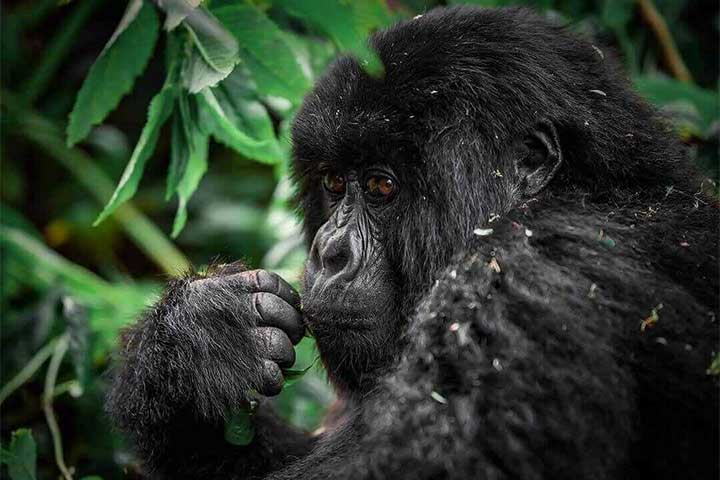
Gorilla trekking in Uganda is often described as one of the most extraordinary wildlife experiences on Earth. Imagine hiking through the ancient rainforests of Bwindi Impenetrable National Park or Mgahinga Gorilla National Park before coming face-to-face with a family of endangered mountain gorillas in their natural habitat.
While the experience is incredibly rewarding, many travelers understandably have questions about safety. Is gorilla trekking dangerous? What happens if a gorilla charges? Do you need travel insurance? How physically demanding is the trek?
The good news is that gorilla trekking in Uganda is considered one of Africa’s safest wildlife activities when conducted under the supervision of trained park rangers and according to established conservation guidelines.
This guide covers everything you need to know about gorilla trekking Uganda safety, including travel insurance recommendations, health precautions, trekking regulations, wildlife safety practices, and practical tips to help ensure a safe and memorable experience.
Is Gorilla Trekking in Uganda Safe?
One of the most common concerns among first-time visitors is whether gorilla trekking is dangerous.
The simple answer is yes, gorilla trekking is generally very safe.
Uganda has developed one of the world’s most successful gorilla tourism programs. Every trek is carefully managed by experienced Uganda Wildlife Authority rangers, trackers, and conservation teams who monitor gorilla families daily.
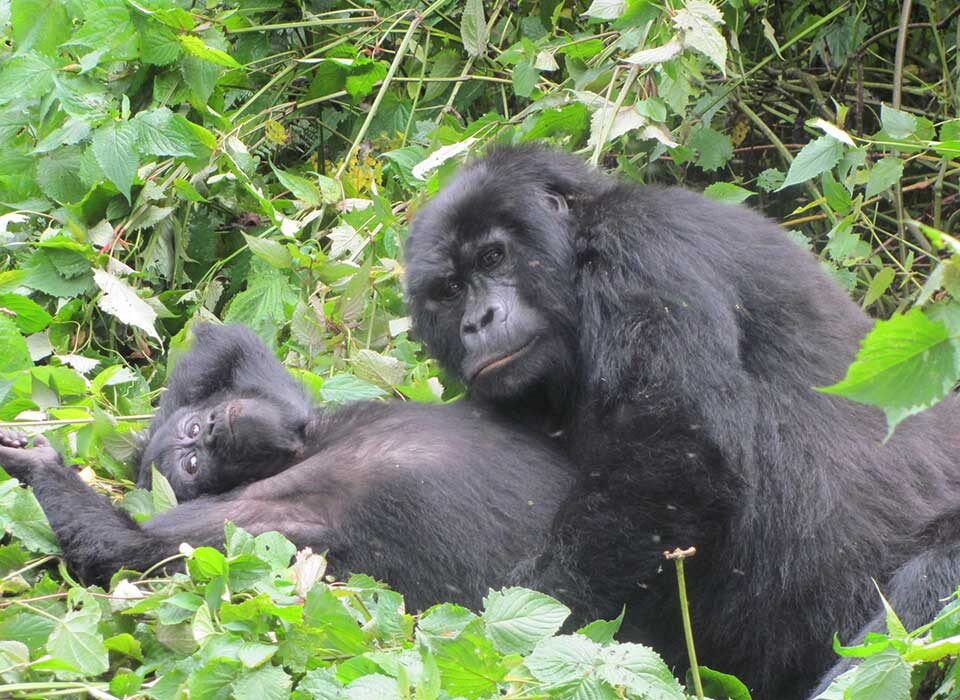
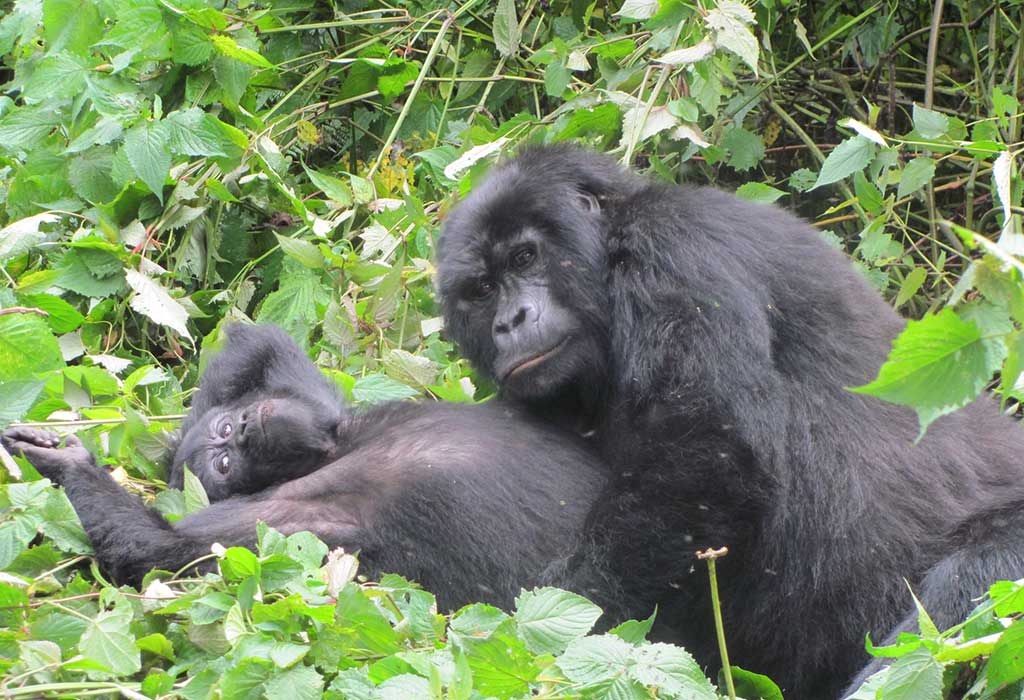
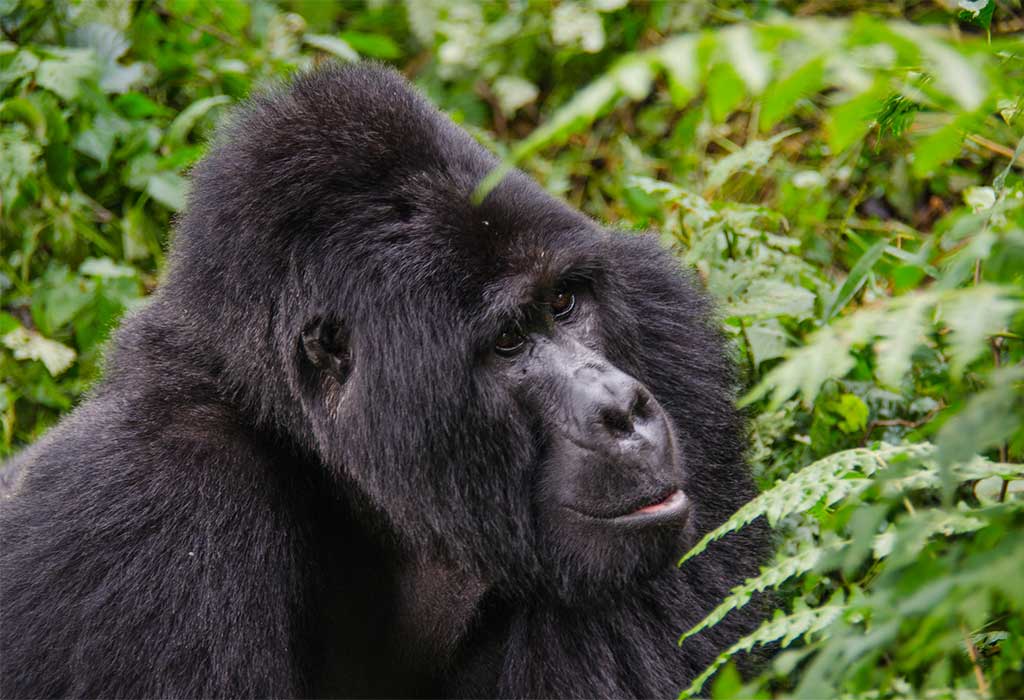
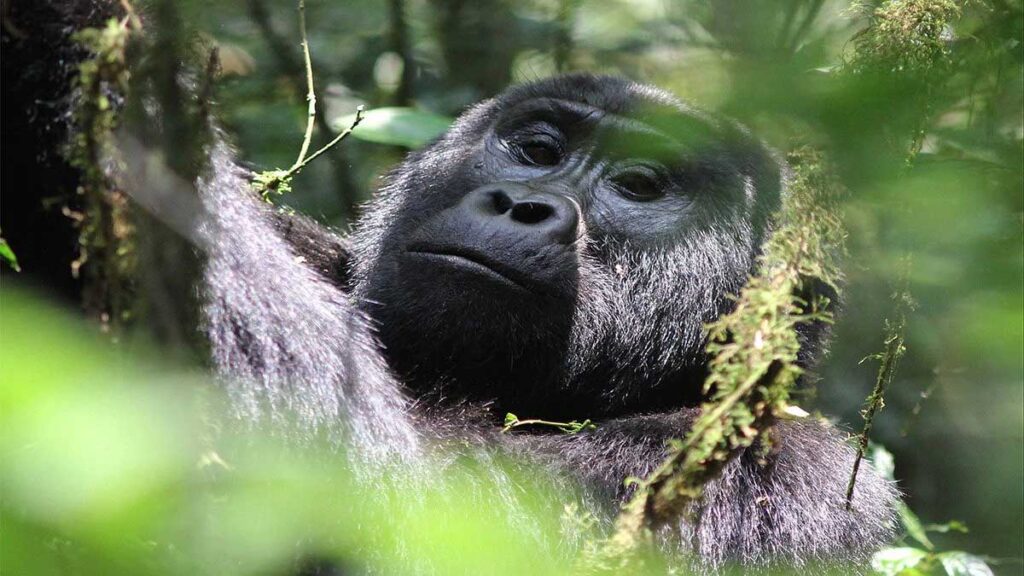
Mountain gorillas that tourists visit are habituated, meaning they have become accustomed to the presence of humans over several years of controlled interaction. This greatly reduces the likelihood of aggressive behavior.
In fact, thousands of tourists safely participate in gorilla trekking every year.
However, safety depends on following ranger instructions and respecting wildlife regulations at all times.
Why Mountain Gorillas Are Usually Not Aggressive
Many travelers worry about being close to animals that can weigh over 400 pounds.
Although mountain gorillas are incredibly powerful, they are naturally gentle and peaceful animals.
Gorillas spend most of their day:
- Feeding
- Resting
- Grooming
- Caring for young
- Socializing
They generally avoid conflict and are far more interested in continuing their daily activities than interacting with visitors.
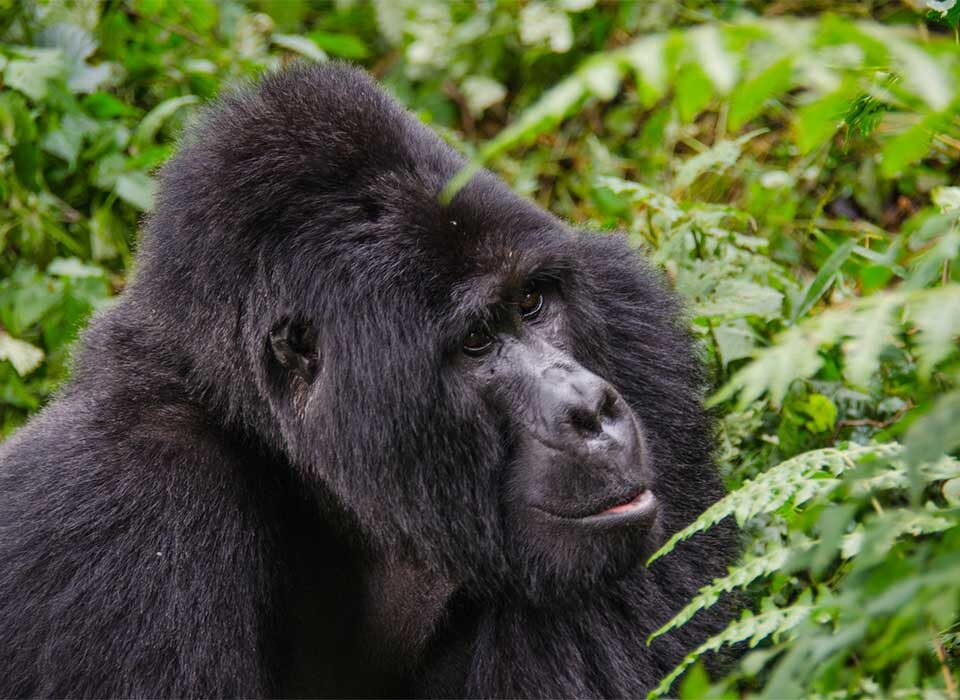
The silverback, which is the dominant male in a gorilla family, is responsible for protecting the group. While silverbacks can display intimidating behaviors when threatened, actual attacks on tourists are extremely rare.
Most so-called “charges” are bluff displays intended to communicate dominance rather than cause harm.
The Role of Rangers in Gorilla Trekking Safety
Every gorilla trek is led by professional rangers who play a critical role in visitor safety.
Before the trek begins, guides provide a detailed safety briefing covering:
- Gorilla behavior
- Trekking procedures
- Emergency protocols
- Photography guidelines
- Health requirements
Throughout the trek, rangers remain in constant communication with trackers who monitor gorilla locations.
Many trekking groups are also accompanied by armed rangers. Their primary role is not to protect against gorillas but rather to provide security in the forest and respond to any unexpected wildlife encounters.
This professional supervision is one reason gorilla trekking maintains an excellent safety record.
Essential Gorilla Trekking Rules for Safety
Following gorilla trekking regulations is one of the most important ways to ensure your safety and protect the gorillas.
Maintain a Safe Distance
Visitors are instructed to remain approximately seven meters away from the gorillas whenever possible.
This rule helps:
- Reduce disease transmission
- Minimize stress on the gorillas
- Prevent accidental interactions
In reality, curious gorillas occasionally approach visitors themselves. If this happens, remain calm and allow the ranger to guide the situation.
Never Touch a Gorilla
Even if a gorilla comes close, visitors must never attempt to touch it.
Physical contact can:
- Transmit human diseases
- Cause stress to the animals
- Trigger defensive behavior
The safest approach is to remain still and allow the gorilla to move freely.
Stay Quiet
Loud noises can disturb gorilla families.
Visitors should:
- Speak softly
- Avoid sudden movements
- Follow ranger instructions immediately
Maintaining a calm environment benefits both visitors and wildlife.
Do Not Use Flash Photography
Flash photography can startle gorillas.
Always disable your camera flash before the trek begins.
Modern cameras perform well in low-light forest conditions without flash.
Avoid Direct Eye Contact with Silverbacks
In gorilla society, prolonged direct eye contact can sometimes be interpreted as a challenge.
While brief eye contact is normal, visitors should avoid staring aggressively at gorillas, particularly dominant silverbacks.
What Happens if a Gorilla Charges?
One of the most frequently asked questions about gorilla trekking Uganda safety concerns gorilla charges.
While genuine attacks are extremely uncommon, gorillas may occasionally perform bluff charges.
These displays can include:
- Chest beating
- Loud vocalizations
- Running toward visitors
- Throwing vegetation
If this occurs:
Stay Calm
Do not panic or run.
Running can escalate the situation.
Follow Ranger Instructions
Your guide will assess the situation and provide clear instructions.
Avoid Sudden Movements
Remain still and avoid making threatening gestures.
Most bluff charges end within seconds and do not involve physical contact.
Health Risks During Gorilla Trekking
Health concerns are often a greater safety consideration than wildlife encounters.
The primary risks involve physical exertion, weather conditions, and disease prevention.
Physical Fitness Requirements
Gorilla trekking can be physically demanding.
Treks may involve:
- Steep hills
- Muddy trails
- Dense vegetation
- High humidity
- Several hours of hiking
While you do not need to be an athlete, basic fitness improves safety and enjoyment.
Travelers with mobility concerns should discuss options with their tour operator before booking.
Dehydration Prevention
The rainforest environment can be hot and humid.
Always carry sufficient drinking water and stay hydrated throughout the trek.
Signs of dehydration include:
- Dizziness
- Fatigue
- Headaches
- Muscle cramps
Regular hydration helps maintain energy levels during the hike.
Insect Protection
Uganda’s forests contain mosquitoes and other insects.
Protect yourself by:
- Wearing long sleeves
- Wearing long trousers
- Using insect repellent
- Choosing neutral-colored clothing
Proper protection reduces the risk of insect bites and associated illnesses.
Why Travel Insurance Is Essential
One of the most overlooked aspects of gorilla trekking preparation is travel insurance.
While gorilla trekking is generally safe, insurance provides financial protection against unexpected situations.
Medical Emergencies
Travel insurance can help cover:
- Hospital treatment
- Emergency medical care
- Evacuation services
Medical emergencies can be costly, especially in remote areas.
Trip Cancellations
Travel plans sometimes change unexpectedly.
Insurance may cover:
- Illness before departure
- Family emergencies
- Flight cancellations
- Travel disruptions
This protection can help recover non-refundable safari expenses.
Lost or Delayed Luggage
Many travelers carry expensive gear such as:
- Cameras
- Lenses
- Binoculars
- Hiking equipment
Insurance may provide compensation if luggage is lost, damaged, or delayed.
Emergency Evacuation Coverage
Because gorilla trekking occurs in remote regions, evacuation coverage is highly recommended.
A quality policy should include:
- Medical evacuation
- Emergency transportation
- Repatriation coverage
These benefits can be invaluable during unforeseen situations.
What Should Gorilla Trekking Insurance Cover?
When choosing travel insurance for a Uganda safari, look for policies that include:
Adventure Activity Coverage
Some standard travel insurance plans exclude trekking activities.
Confirm that your policy specifically covers hiking and wildlife tourism activities.
Medical Expenses
Coverage should include:
- Emergency treatment
- Hospitalization
- Specialist care
Emergency Evacuation
This is particularly important for remote destinations such as Bwindi and Mgahinga.
Trip Interruption Coverage
Protection against unexpected disruptions can save significant money if travel plans change suddenly.
Safety Tips for First-Time Gorilla Trekkers
Wear Proper Hiking Boots
The trails can be muddy and slippery.
Waterproof hiking boots provide:
- Better traction
- Ankle support
- Increased comfort
Proper footwear reduces the risk of falls.
Hire a Porter
Hiring a porter is one of the best safety investments available.
Porters assist by:
- Carrying backpacks
- Helping on steep slopes
- Providing stability during difficult sections
Many travelers underestimate how helpful porters can be.
Pack Appropriate Clothing
Recommended clothing includes:
- Long-sleeved shirts
- Waterproof jacket
- Long hiking trousers
- Gardening gloves
These items protect against vegetation, insects, and changing weather.
Listen to Your Guide
Rangers understand gorilla behavior better than anyone else.
Always follow their instructions promptly and respectfully.
Their experience is your greatest safety resource.
Gorilla Trekking Safety for Families and Older Travelers
Many people assume gorilla trekking is only suitable for young, athletic adventurers.
In reality, travelers of various ages successfully complete gorilla treks every year.
Older visitors can improve safety and comfort by:
- Choosing shorter trekking sectors
- Hiring porters
- Using walking sticks
- Selecting accommodations near park headquarters
Tour operators can often request gorilla families that require shorter hikes when availability allows.
Is Uganda Safe for Gorilla Trekking Tourists?
Uganda has become one of Africa’s leading wildlife tourism destinations.
Popular gorilla trekking regions receive significant tourism infrastructure and security support.
The Uganda Wildlife Authority works closely with conservation organizations and local communities to maintain a safe environment for visitors.
As with travel anywhere, common-sense precautions should be followed, but gorilla trekking areas are generally regarded as safe for international tourists.
Frequently Asked Questions
Can gorillas attack humans?
Attacks are extremely rare. Habituated gorillas are accustomed to human presence and generally avoid conflict.
What happens if it rains?
Gorilla trekking continues in most weather conditions. Rain jackets and waterproof gear are strongly recommended.
Is gorilla trekking safe for solo travelers?
Yes. Solo travelers join guided groups led by experienced rangers and trackers.
Can children go gorilla trekking?
Participants must generally be at least 15 years old.
Is travel insurance mandatory?
While not always legally required, comprehensive travel insurance is strongly recommended for all gorilla trekking visitors.
Conclusion
When proper guidelines are followed, gorilla trekking Uganda safety standards are exceptionally high. The combination of habituated gorilla families, professional ranger supervision, strict conservation regulations, and comprehensive safety protocols makes gorilla trekking one of Africa’s safest wildlife experiences.
Travelers can further enhance their safety by purchasing suitable travel insurance, preparing physically for the trek, packing appropriate gear, and carefully following ranger instructions throughout the experience.
Ultimately, the risks associated with gorilla trekking are relatively low, while the rewards are extraordinary. With proper preparation and awareness, visitors can focus on enjoying one of the most remarkable wildlife encounters on Earth—standing just meters away from a family of endangered mountain gorillas in the misty forests of Uganda.