
How Gorilla Tourism Supports Conservation and Local Communities
July 26, 2025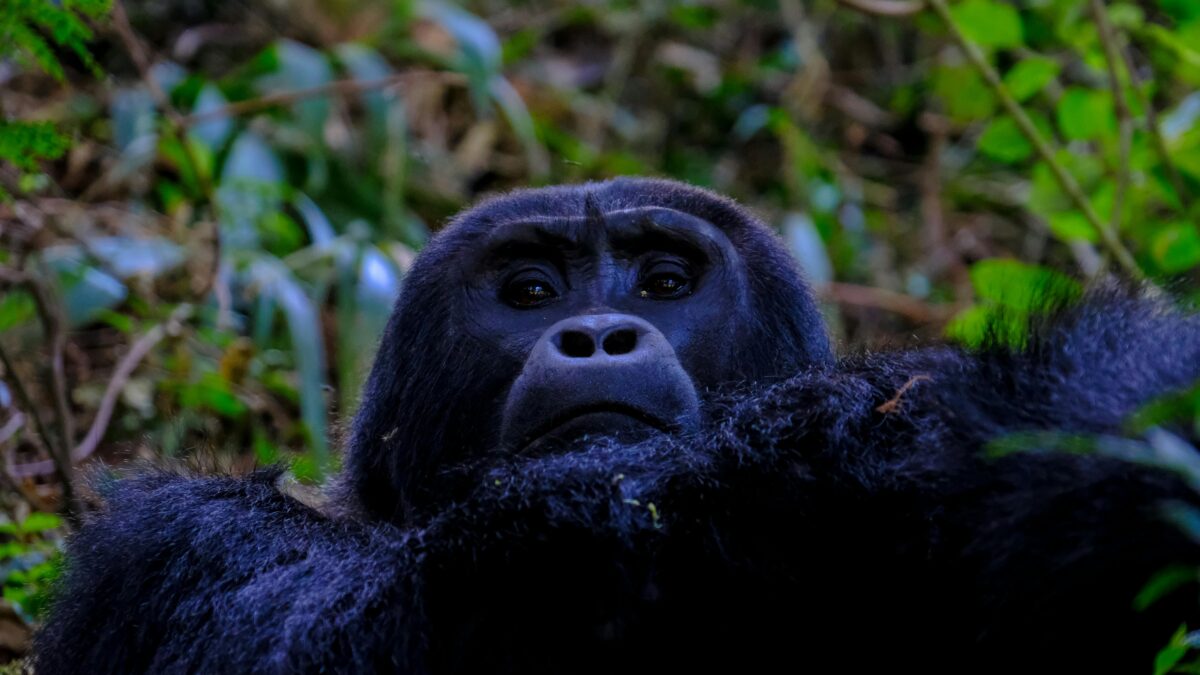
Experiencing the majesty of mountain gorillas in the wild is a dream for many travelers. Uganda, known as the Pearl of Africa, offers some of the best opportunities to witness these gentle giants in their natural habitat. Planning a trip, however, requires understanding the costs, permits, accommodation, and other essentials to ensure a smooth and memorable experience. This 2026 guide explores the full cost of gorilla trekking in Uganda, including insider tips, permit pricing, and travel advice.
Where to Go Gorilla Trekking in Uganda
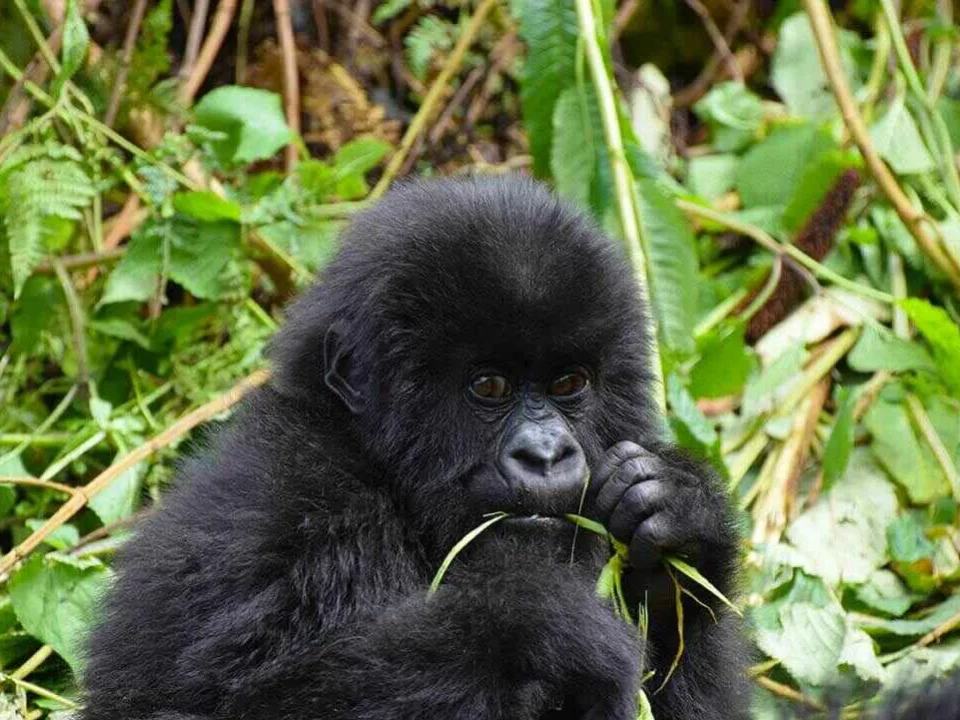
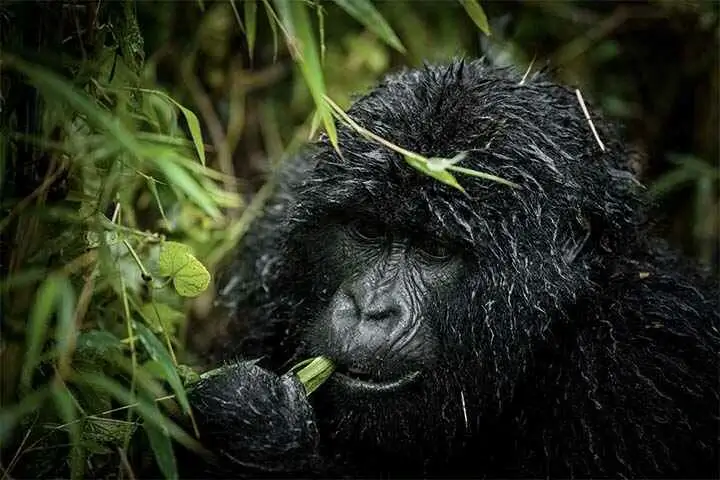
Uganda is home to more than half of the world’s remaining mountain gorillas, with the majority residing in Bwindi Impenetrable National Park and Mgahinga Gorilla National Park. Bwindi, the larger of the two, is divided into several sectors, including Buhoma, Rushaga, Nkuringo, and Ruhija. Each sector is home to different habituated gorilla families, allowing trekkers to choose an area based on availability and experience. Bwindi offers the most extensive trekking options and accommodations, while Mgahinga provides a quieter, more exclusive experience with fewer tourists.
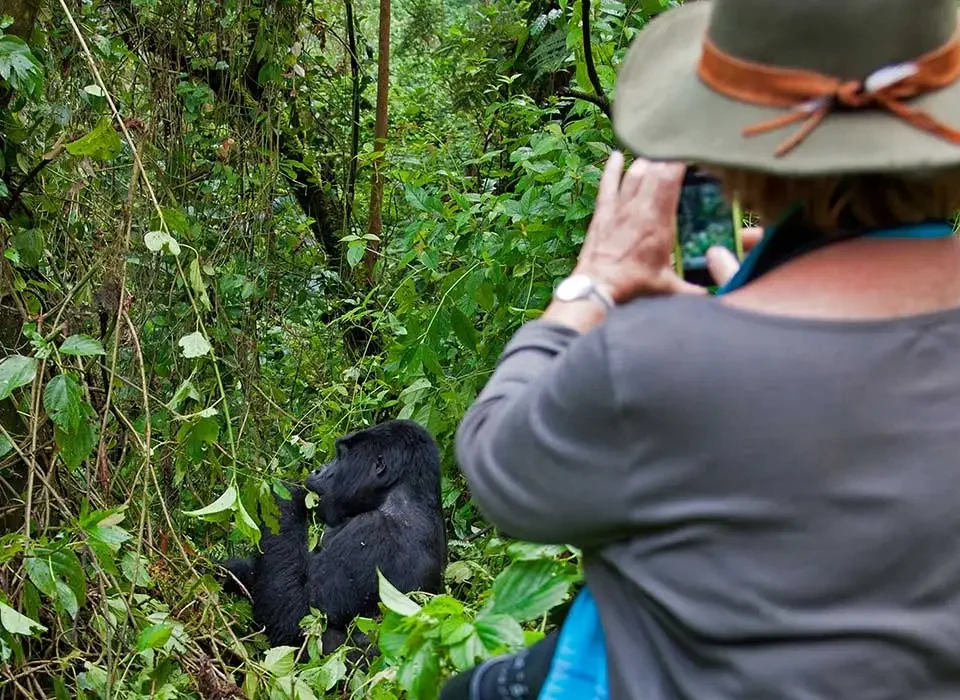
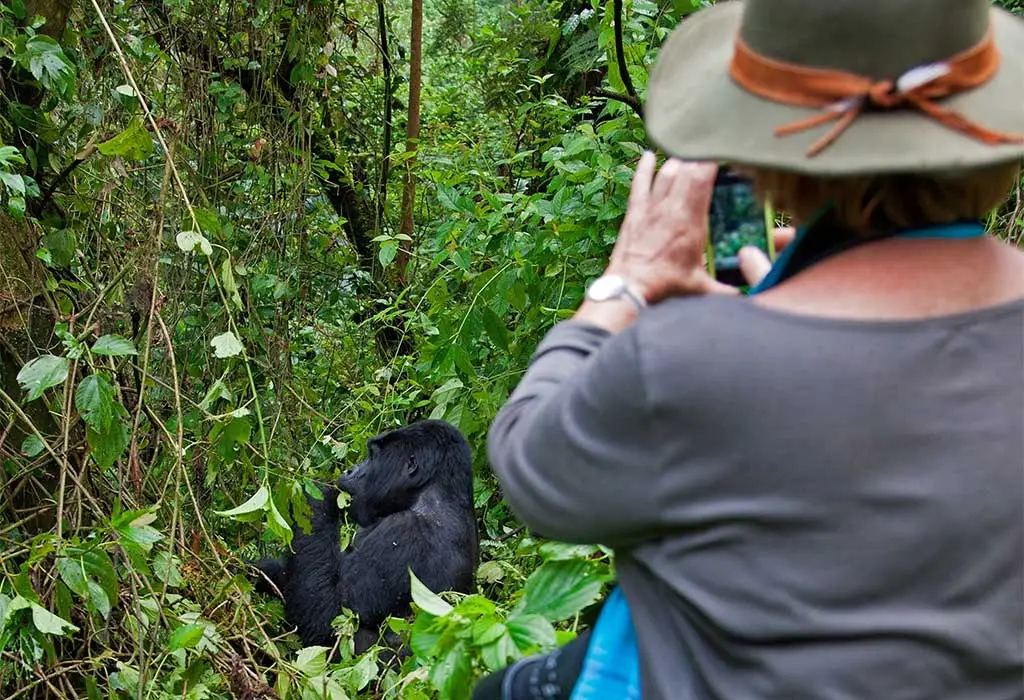
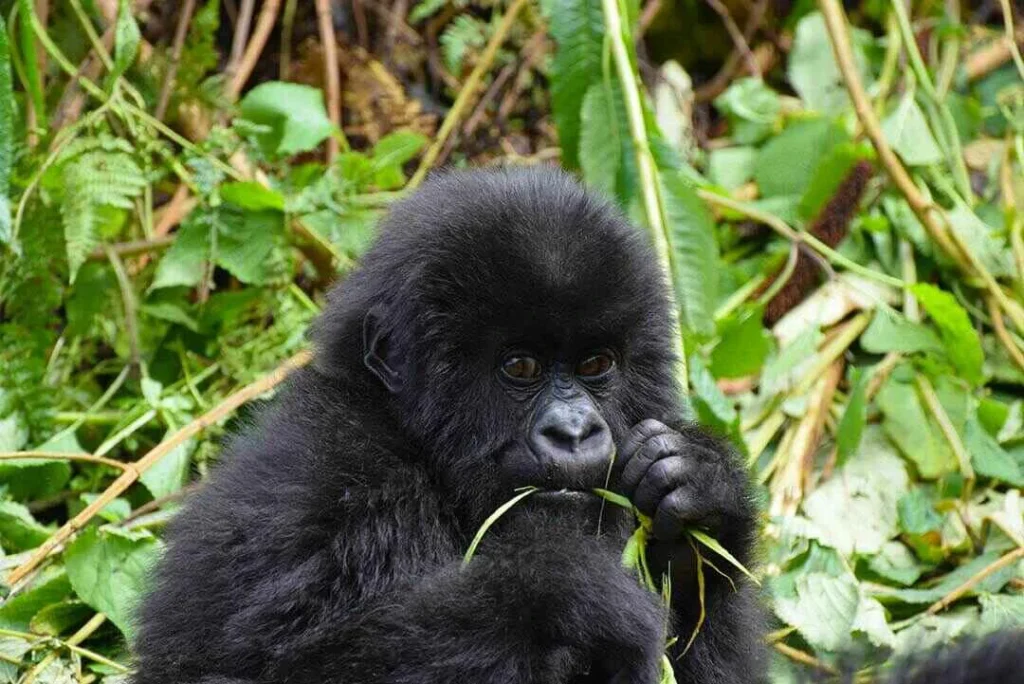
Gorilla trekking in Uganda involves hiking through dense rainforest guided by trained rangers who ensure safety and maximize the chances of spotting gorillas. The one-hour encounter with a gorilla family is the highlight of the trip and is considered a once-in-a-lifetime wildlife experience.
Gorilla Trekking Permit Prices in 2026
The gorilla trekking permit is the most significant expense for visitors, and it is mandatory for all trekkers. Uganda Wildlife Authority manages the permits, and they must be booked well in advance due to high demand.
For foreign non-residents, the cost of a gorilla permit in 2026 is $800 per person. Foreign residents pay a slightly lower rate of $700 per person, while travelers from the rest of Africa are charged $500 per person. East African citizens enjoy the most affordable rate at UGX 300,000.
In addition to standard permits, Uganda offers a premium gorilla habituation experience, which costs $1,500 per person. This experience allows travelers to spend up to four hours with a semi-habituated gorilla family and is ideal for photographers or those seeking a more immersive experience. Unlike standard treks, habituation experiences are only available in Bwindi.
What the Gorilla Permit Includes
Many travelers assume the permit only grants access to the park, but it covers much more. The cost of a gorilla permit includes park entry fees, the services of a trained ranger guide, one hour with the gorilla family, security during trekking, and contributions to conservation efforts. The permit is non-refundable and guarantees your encounter with a habituated gorilla family, assuming you follow the rules and guidelines.
Total Gorilla Trekking Costs in Uganda
The total cost of a gorilla trekking trip in Uganda depends heavily on your travel style, duration, and accommodation preferences. For a budget traveler, a three-day trip including a permit, transport, and basic lodging typically costs between $1,200 and $1,500 per person. Mid-range travelers who prefer private transport and comfortable lodges should expect to spend between $1,800 and $2,500. Luxury travelers, opting for high-end lodges and fly-in transfers, can spend $3,000 to over $6,000 for a three-day experience.
Transport Costs Explained
Getting to the gorilla parks from major cities such as Kampala or Entebbe involves either road or air travel. By road, it takes roughly eight to ten hours to reach Bwindi. Private 4×4 vehicles with drivers are popular for comfort and convenience, with prices ranging from $100 to $250 per day depending on whether the vehicle is shared or exclusive. For those short on time, domestic flights to Kisoro or Kihihi airstrips cost between $300 and $600 one way. Flying reduces travel time significantly but increases the overall cost of the trip.
Accommodation Options and Costs
Accommodation near the gorilla parks varies widely, from budget guesthouses to luxury lodges. Budget travelers can find simple guesthouses for $30 to $90 per night, offering basic amenities and proximity to trekking starting points. Mid-range lodges offer more comfort and range between $100 and $300 per night, often including meals and guided activities. Luxury eco-lodges and resorts with private forest views can cost $400 to over $1,500 per night and include premium services such as private guides, gourmet meals, and spa facilities. The choice of accommodation significantly impacts the overall cost of the trek.
Bwindi vs Mgahinga: Cost and Experience Comparison
Bwindi and Mgahinga differ not just in size but also in experience and cost. Bwindi is larger and offers access to more than 20 habituated gorilla families, as well as a wide range of accommodation options and trekking sectors. Mgahinga is smaller, with fewer tourists and only one habituated gorilla family, making it a more exclusive experience. Both parks charge the same standard permit price of $800, but Bwindi offers greater flexibility and variety, while Mgahinga provides a serene and private trekking experience.
Cheapest Ways to Experience Gorilla Trekking
Travelers seeking a more affordable experience can plan strategically. Trekking in the low season (March to May and October to November) allows for lower accommodation prices and fewer tourists. Staying in budget lodges, sharing transport with other trekkers, and booking through local operators can further reduce costs. Choosing sectors like Rushaga in Bwindi, where lodging is generally cheaper, also helps minimize expenses. With careful planning, it is possible to complete a gorilla trekking adventure in Uganda for around $1,200 total.
Best Time to Go Gorilla Trekking
The best time for gorilla trekking in Uganda balances cost, weather, and trail conditions. The dry season, from June to September and December to February, offers easier hiking, better wildlife visibility, and optimal photography conditions. The wet season, from March to May and October to November, offers lower accommodation prices and fewer tourists but involves muddy trails and more challenging trekking conditions. Choosing your travel period depends on whether you prioritize cost savings or trekking comfort.
How to Book Gorilla Permits
Booking gorilla permits is essential to guarantee your trekking experience. Travelers should first select their preferred travel dates and contact a licensed tour operator or the Uganda Wildlife Authority to check availability. Payment, which may be full or partially in advance, confirms your booking, and a permit is issued upon confirmation. Permits sell out months ahead, particularly in the peak dry season, so early booking is strongly recommended.
Gorilla Trekking Rules and Requirements
Gorilla trekking in Uganda is strictly regulated to protect both visitors and the gorillas. Trekkers must be at least 15 years old, and only eight people are allowed to visit a single gorilla family per day. A minimum distance of seven meters must be maintained, and flash photography is prohibited. Trekking while ill is also not permitted, as human illness can transmit diseases to gorillas. Following these rules ensures a safe and respectful encounter with these endangered animals.
Essential Packing List for Gorilla Trekking
Proper preparation enhances your trekking experience. Essential items include sturdy hiking boots, long-sleeved clothing to protect against insects and thorns, a rain jacket, gloves, and at least two liters of water. Light snacks are useful for energy during the hike, and a camera is recommended for capturing memories—though flash photography must be avoided. Packing appropriately ensures comfort and safety during the trek.
Additional Costs to Consider
Beyond the permit and accommodation, travelers should budget for other costs. A Uganda visa costs approximately $50, and travel insurance ranges from $50 to $150 depending on coverage. Hiring porters can cost $15 to $20, and tipping guides and lodge staff is customary, ranging from $10 to $50. Optional experiences such as the Batwa cultural visit (~$80) or Golden Monkey trekking ($100–$150) can enrich your itinerary. Visiting nearby attractions like Lake Bunyonyi offers additional adventure and relaxation opportunities.
Uganda vs Rwanda Gorilla Trekking Cost
When comparing gorilla trekking in Uganda and Rwanda, Uganda offers far better value. While a Uganda permit costs $800, a Rwanda gorilla permit is priced at $1,500, almost double the cost. Uganda’s lower prices combined with high-quality trekking experiences make it an attractive destination for cost-conscious travelers seeking a once-in-a-lifetime encounter with mountain gorillas.
Is Gorilla Trekking Worth the Cost?
The value of gorilla trekking extends beyond the monetary cost. Permit fees directly support the conservation of endangered gorillas, anti-poaching initiatives, and local communities. Trekkers can expect a 95% or higher success rate in locating gorillas. The experience provides an unparalleled opportunity to witness wildlife conservation in action, making the expense worthwhile for any wildlife enthusiast.
Sample Three-Day Gorilla Trekking Itinerary
A typical mid-range three-day itinerary starts with travel from Kampala to Bwindi, followed by a full day of gorilla trekking. After the trek, travelers return to Kampala or Entebbe. Accommodation is usually arranged in nearby lodges or guesthouses, and local guides handle transportation and logistics. The total cost for this mid-range package typically falls between $1,800 and $2,200, including permits, lodging, transport, and meals.
Pro Tips to Save Money
Saving money on a gorilla trekking trip requires strategy. Early booking of permits can avoid last-minute premiums, while traveling in groups allows for cost sharing on transport and accommodation. Utilizing local operators rather than international tour companies often reduces prices without sacrificing quality. Combining gorilla trekking with other safaris or wildlife experiences increases value, especially for those on a mid-range budget.
Frequently Asked Questions
How difficult is gorilla trekking? Trekking difficulty ranges from moderate to challenging depending on terrain and gorilla location, but trained guides ensure safety and pacing.
Can I see gorillas without a permit? No. Uganda requires a valid permit for all gorilla treks.
What happens if I don’t find gorillas? The success rate is extremely high, and permits include ranger guidance to maximize the chance of encounters.
Final Thoughts
Gorilla trekking in Uganda in 2026 offers an unforgettable wildlife experience, with permit costs at $800 and total trip budgets ranging from $1,200 to $6,000+ depending on your travel style. With careful planning, travelers can balance comfort, adventure, and cost. Beyond the personal experience, every trek supports conservation and local communities, making it a meaningful journey as well as an incredible adventure.