
Uganda vs Rwanda Gorilla Trekking
June 1, 2026
Gorilla Trekking in Uganda on a Budget
July 4, 2026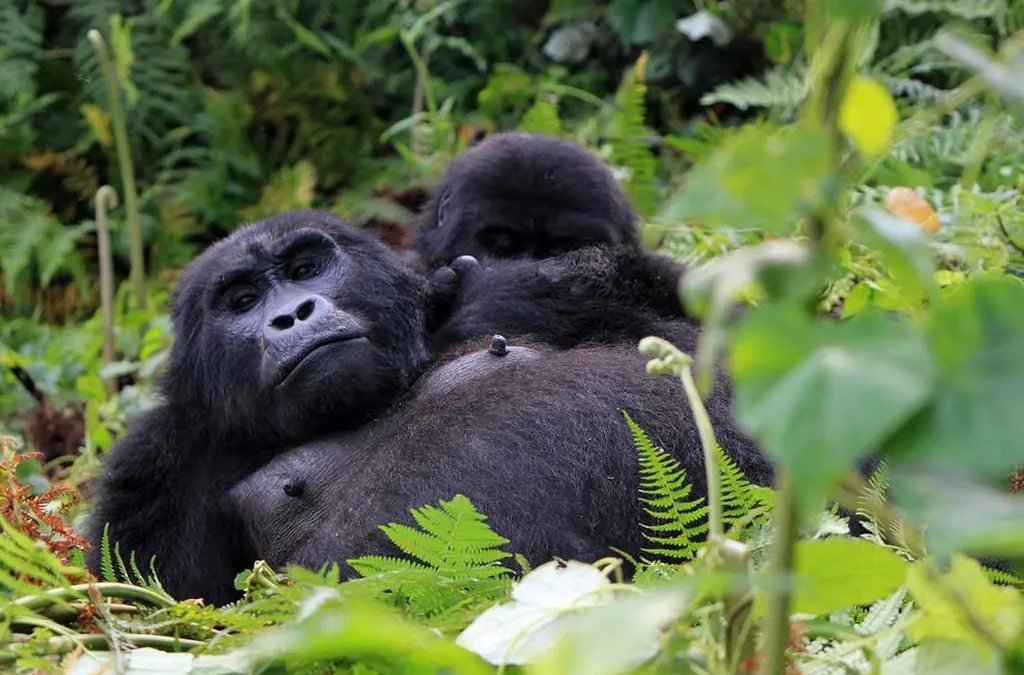
For many travelers, gorilla trekking ranks among the most desired wildlife experiences in the world. Standing face-to-face with a family of endangered mountain gorillas in their natural rainforest habitat is a truly unforgettable encounter. However, one common misconception prevents many people from pursuing this dream: the belief that gorilla trekking is only for luxury travelers with large budgets.
While gorilla trekking is undeniably a premium wildlife activity due to conservation costs and limited permit availability, there are numerous ways to make the experience more affordable. With proper planning, smart travel decisions, and a clear understanding of where to save money, travelers can enjoy an incredible gorilla safari without spending a fortune.
Uganda has become the preferred destination for budget-conscious gorilla trekkers because it offers lower permit costs than neighboring Rwanda, a wide range of accommodation options, and flexible transportation choices. Whether you are a backpacker, solo traveler, student, couple, or family looking to reduce safari expenses, Uganda provides opportunities to experience mountain gorillas at a more accessible cost.
This comprehensive guide explores the best strategies for cheap gorilla trekking Uganda, helping travelers maximize value while still enjoying one of Africa’s most remarkable wildlife adventures.
Why Uganda Is the Most Affordable Gorilla Trekking Destination
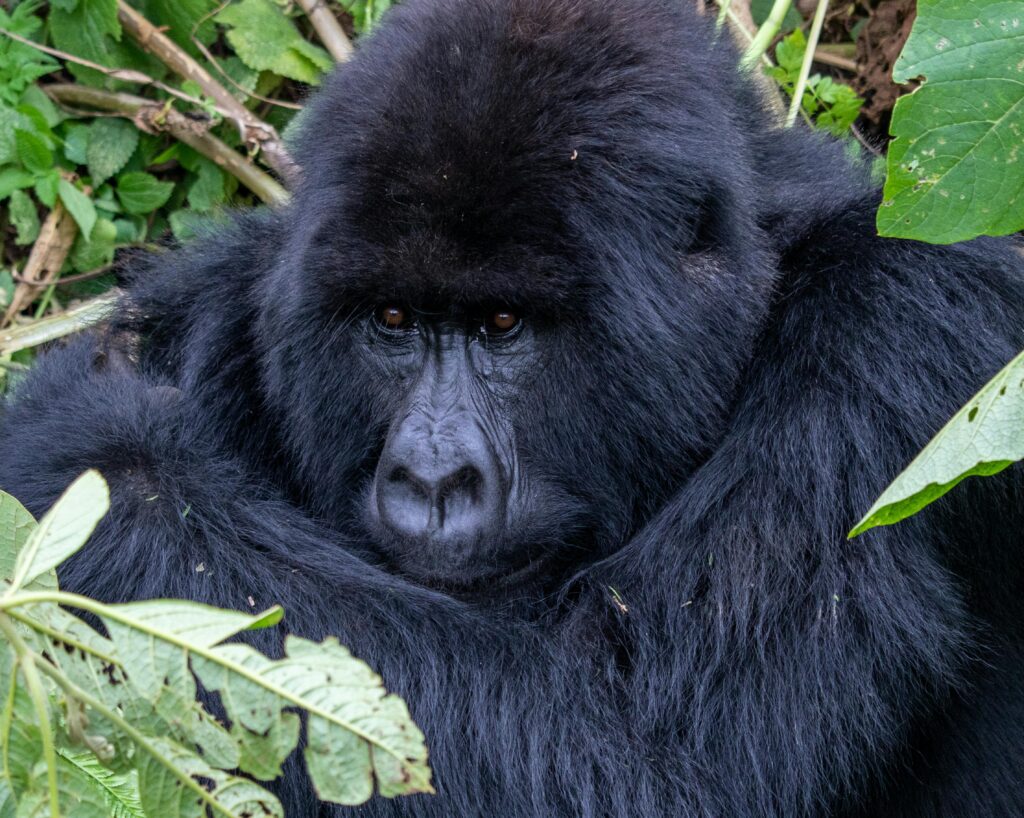
Uganda is home to nearly half of the world’s remaining mountain gorilla population and offers trekking opportunities in both Bwindi Impenetrable National Park and Mgahinga Gorilla National Park.
Compared to neighboring Rwanda, Uganda’s gorilla permits are significantly more affordable, making it the top choice for travelers seeking value for money.
Beyond permit costs, Uganda offers a broader range of budget accommodations, group tours, and transportation options. This flexibility allows travelers to tailor their safari according to their financial situation.
For those looking to experience mountain gorillas without the premium pricing associated with luxury safaris, Uganda consistently delivers the best overall value.
Understanding the Major Costs of Gorilla Trekking
Before exploring money-saving strategies, it is important to understand where most gorilla trekking expenses originate.
The largest costs generally include:
Gorilla permits
Transportation
Accommodation
Meals
Guide services
Travel insurance
Additional safari activities
Once travelers understand these components, it becomes easier to identify opportunities for savings without compromising the overall experience.
Book Your Gorilla Permit Early
One of the smartest ways to manage costs is to secure your gorilla permit well in advance.
Although permit prices are fixed, booking early provides greater flexibility when choosing travel dates, accommodations, and transportation arrangements.
Last-minute bookings often force travelers into more expensive lodging options or premium transport services because affordable alternatives have already sold out.
Early planning increases access to budget-friendly choices and helps avoid costly travel adjustments.
It also allows sufficient time to compare tour operators and identify the best value packages.
Travel During the Low Season
Timing can significantly affect the overall cost of a gorilla safari.
Uganda experiences two primary tourism peaks:
June to September
December to February
During these months, accommodations near gorilla trekking destinations often increase prices due to high demand.
Traveling during the rainy or shoulder seasons can reduce expenses considerably.
The lower seasons generally occur between:
March and May
October and November
Although rainfall may be more frequent, gorilla trekking continues throughout the year.
The forests become lush and beautiful, visitor numbers decrease, and many lodges offer attractive discounts.
For budget travelers, low-season travel can result in substantial savings.
Choose Budget-Friendly Accommodation
Accommodation often represents the second-largest expense after permits.
Fortunately, Uganda offers a wide variety of lodging options near gorilla trekking destinations.
Budget Lodges
Budget lodges provide clean rooms, basic amenities, and convenient access to trekking headquarters.
Many include breakfast and offer affordable meal options.
While they may not provide luxury services, they often deliver excellent value for travelers focused on the gorilla experience itself.
Guesthouses and Community Lodges
Community-owned guesthouses frequently offer some of the lowest accommodation rates available.
Choosing these properties not only reduces costs but also supports local economies and conservation initiatives.
Many budget travelers discover that these accommodations provide authentic cultural experiences that luxury lodges cannot replicate.
Join a Group Safari
Private gorilla safaris offer flexibility but typically cost more.
Joining a group safari allows travelers to share expenses across multiple participants.
Group tours commonly reduce costs associated with:
Vehicle hire
Fuel
Driver services
Guide fees
Accommodation arrangements
Airport transfers
Many reputable tour operators offer scheduled group departures specifically designed for budget-conscious travelers.
Sharing transportation expenses alone can produce significant savings.
Consider Road Transfers Instead of Domestic Flights
Domestic flights to southwestern Uganda provide convenience but often add several hundred dollars to a safari budget.
Travelers seeking cheap gorilla trekking Uganda experiences can save money by choosing road transportation.
Although the journey from Entebbe or Kampala to Bwindi takes longer, it offers several advantages.
Travelers enjoy scenic countryside views, opportunities to visit local communities, and the chance to experience Uganda beyond the gorilla parks.
Many budget travelers find that road safaris provide richer cultural experiences while substantially reducing transportation costs.
Select the Most Accessible Trekking Sector
Bwindi Impenetrable National Park contains four primary trekking sectors:
Buhoma
Rushaga
Ruhija
Nkuringo
Accommodation and transportation costs can vary slightly between these sectors.
Some sectors offer a greater concentration of budget lodges and more affordable access routes.
Working with an experienced tour operator can help identify sectors that align with both budget and logistical preferences.
The goal is not necessarily to choose the cheapest sector but rather the one that provides the best overall value.
Travel with Friends or Family
Traveling with companions is one of the easiest ways to lower costs.
Shared expenses may include:
Vehicle hire
Fuel
Accommodation
Guide services
Airport transfers
Meals
Many lodges also offer family rooms or shared cottages that reduce per-person accommodation costs.
Even small groups can achieve substantial savings compared to solo travelers.
Hire a Local Tour Operator
Many international travel agencies add significant markups to gorilla safari packages.
Booking directly through reputable Ugandan tour operators often results in more competitive pricing.
Local operators possess extensive knowledge of accommodation options, transportation logistics, and permit availability.
They can frequently recommend cost-effective solutions that international agencies may overlook.
Working directly with local companies also ensures a greater proportion of tourism revenue remains within Uganda.
Focus on Gorilla Trekking as the Main Activity
Uganda offers numerous safari experiences beyond gorilla trekking.
While activities such as chimpanzee tracking, game drives, boat safaris, and cultural tours are worthwhile, they also increase overall trip costs.
Travelers operating under tight budgets may choose to focus primarily on gorilla trekking.
By limiting additional activities, visitors can allocate more resources toward permits and essential travel expenses.
This approach allows travelers to experience mountain gorillas without significantly expanding their budget.
Compare Safari Packages Carefully
Not all gorilla trekking packages offer the same value.
Some advertised “cheap” packages exclude important services that travelers eventually need to purchase separately.
Before booking, it is essential to verify whether a package includes:
Gorilla permit
Accommodation
Transportation
Meals
Guide services
Airport transfers
Park fees
Comparing complete package inclusions often reveals that a slightly higher upfront price provides better overall value.
Transparency is more important than selecting the lowest advertised figure.
Use Shared Public Transportation Where Practical
Independent travelers occasionally reduce costs by combining public transportation with locally arranged transfers.
Buses and shared taxis connect major Ugandan towns and can significantly lower transportation expenses.
However, travelers should carefully evaluate convenience, comfort, and reliability before choosing this option.
For some visitors, the savings justify the additional travel complexity.
Others may prefer the convenience of organized transport despite the higher cost.
Avoid Last-Minute Bookings
Last-minute travel planning frequently leads to higher costs.
Affordable accommodations may already be fully booked.
Budget tour packages may no longer be available.
Permit availability may become limited.
As a result, travelers often find themselves paying premium rates for services they could have secured more affordably with advance planning.
Booking several months ahead remains one of the most effective cost-saving strategies.
Pack Properly to Avoid Extra Expenses
Unexpected purchases can quickly increase safari costs.
Packing essential trekking gear before departure helps avoid inflated prices in tourist areas.
Important items include:
Waterproof hiking boots
Rain jacket
Long-sleeved clothing
Insect repellent
Reusable water bottle
Daypack
Gardening gloves
Sunscreen
Being well-prepared reduces the need for last-minute purchases and improves trekking comfort.
Choose Mid-Range Value Instead of Extreme Budgeting
While saving money is important, focusing exclusively on the cheapest option can sometimes reduce overall enjoyment.
For example, selecting slightly better accommodation may improve rest and recovery before trekking.
Similarly, hiring a porter may appear to be an optional expense, but many visitors find it greatly enhances the trekking experience.
The most successful budget safaris often focus on maximizing value rather than minimizing every cost.
Strategic spending can improve comfort without dramatically increasing the overall budget.
Beware of Hidden Costs
Some travelers focus solely on permit prices and overlook additional expenses.
Common hidden costs include:
Travel insurance
Visa fees
Tips and gratuities
Airport transfers
Beverages
Laundry services
Currency exchange fees
Optional activities
Building these expenses into your budget from the beginning helps avoid unpleasant surprises later.
A realistic budget is often more useful than an optimistic one.
Budget Gorilla Trekking Itinerary Example
A typical budget gorilla trekking itinerary may include:
Arrival in Entebbe
Road transfer to Bwindi
One night in budget accommodation
Gorilla trekking experience
Return transfer to Kampala or Entebbe
This type of itinerary minimizes accommodation costs while focusing resources on the primary goal of seeing mountain gorillas.
Travelers with additional time can extend their stay and explore other attractions as their budget allows.
Is Cheap Gorilla Trekking Worth It?
Many travelers worry that a lower-cost safari might result in a lower-quality experience.
In reality, every visitor receives the same gorilla encounter regardless of accommodation category or transportation method.
Whether staying in a luxury lodge or a budget guesthouse, all trekkers spend one hour with a habituated gorilla family under the guidance of Uganda Wildlife Authority rangers.
The magic of the experience remains the same.
The difference lies primarily in travel comfort and additional services rather than the gorilla encounter itself.
For many travelers, budget gorilla trekking offers exceptional value.
Why Gorilla Trekking Is Still a Premium Experience
Even when using every available cost-saving strategy, gorilla trekking remains a significant investment.
Permit fees support conservation, anti-poaching programs, habitat protection, community development, and wildlife management.
The limited number of permits issued each day helps protect mountain gorillas while maintaining a high-quality visitor experience.
Rather than viewing permit costs as an expense alone, many travelers consider them a direct contribution to one of the world’s most successful conservation stories.
Conclusion
Experiencing mountain gorillas does not have to be reserved exclusively for luxury travelers. With careful planning, strategic budgeting, and smart travel decisions, cheap gorilla trekking Uganda is entirely achievable.
By booking permits early, traveling during lower seasons, choosing budget-friendly accommodations, joining group safaris, using road transportation, and working with local tour operators, travelers can significantly reduce costs while still enjoying one of Africa’s most extraordinary wildlife experiences.
The encounter with mountain gorillas remains the same regardless of budget level. Whether traveling on a backpacker’s budget or enjoying a premium safari, the moment you stand in the rainforest and observe a gorilla family in the wild is truly priceless.
For travelers seeking the most affordable path to this once-in-a-lifetime adventure, Uganda continues to offer the best combination of accessibility, value, and unforgettable wildlife experiences.