
The Ultimate Uganda Gorilla Safari Combo Guide
June 1, 2026
Gorilla Trekking Uganda with Kids, Age Limits, Rules and Family Travel Guide
June 1, 2026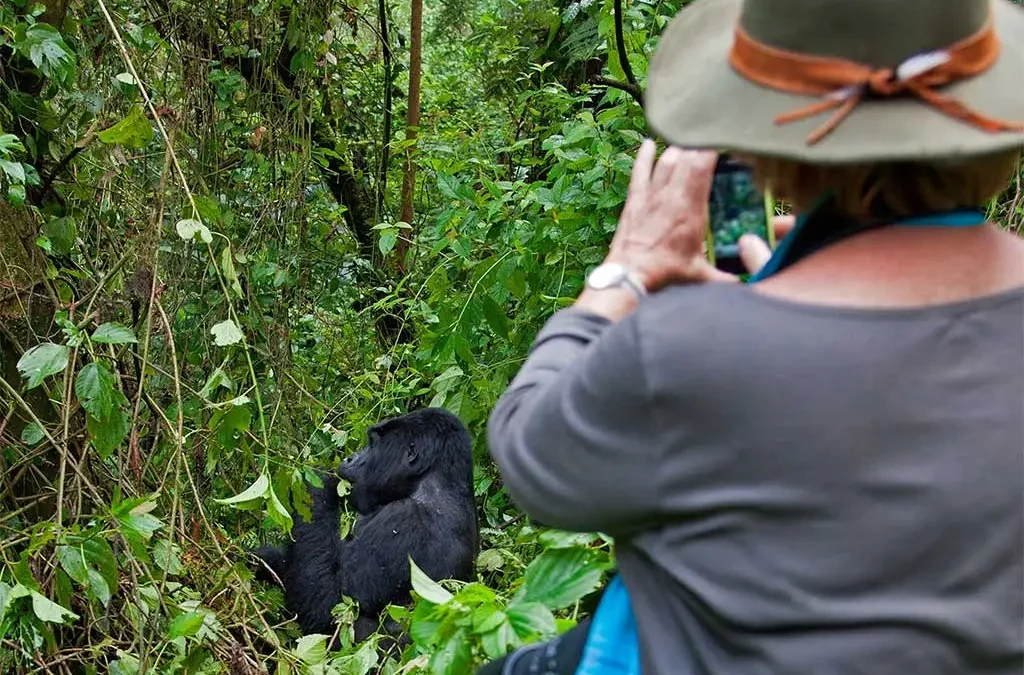
For many wildlife enthusiasts, seeing mountain gorillas in their natural habitat is the ultimate African safari experience. Traditional gorilla trekking in Uganda allows visitors to spend one hour observing a habituated gorilla family after locating them in the dense rainforest. While this encounter is extraordinary, some travelers seek a deeper and more immersive experience with these gentle giants. That is where the gorilla habituation experience in Uganda experience comes in.
Available exclusively in Uganda, the Gorilla Habituation Experience offers visitors the rare opportunity to spend up to four hours with a semi-habituated mountain gorilla family while accompanying researchers, trackers, conservationists, and Uganda Wildlife Authority rangers. Unlike standard gorilla trekking, which focuses on observing gorillas that are already accustomed to human presence, habituation allows travelers to witness the fascinating process of preparing wild gorillas for future tourism and research.
For photographers, wildlife enthusiasts, conservation supporters, and travelers seeking a more exclusive primate encounter, gorilla habituation in Uganda is often considered one of Africa’s most rewarding wildlife experiences.
This comprehensive guide explains everything you need to know about the Gorilla Habituation Experience in Uganda, including what it involves, where it takes place, permit costs, physical requirements, conservation benefits, and why many travelers consider it superior to traditional gorilla trekking.
What Is Gorilla Habituation?
Gorilla habituation is the gradual process through which wild mountain gorillas become accustomed to the presence of humans without changing their natural behavior.
Mountain gorillas are naturally cautious and often fearful of humans. Before a gorilla family can be safely visited by tourists, researchers and wildlife experts spend several years carefully introducing human presence to the group.
The process can take anywhere from two to five years, depending on the temperament of the gorilla family and environmental factors.
During habituation, conservation teams follow the gorillas daily, observing their behavior while gradually reducing their fear of humans. The objective is not to tame the gorillas but to help them tolerate human observation while continuing to behave naturally.
The Gorilla Habituation Experience allows visitors to participate in this ongoing process alongside the professionals who work with the gorillas every day.
Why Gorilla Habituation Is Different from Gorilla Trekking
Many travelers confuse gorilla trekking with gorilla habituation, but the two experiences are significantly different.
Standard Gorilla Trekking
Traditional gorilla trekking involves tracking a fully habituated gorilla family in Bwindi Impenetrable National Park or Mgahinga Gorilla National Park.
Once the gorillas are located, visitors are allowed one hour in their presence before returning to the park headquarters.
The experience is carefully regulated to minimize stress on the gorillas while allowing visitors to enjoy meaningful wildlife encounters.
Gorilla Habituation Experience
The gorilla habituation Uganda experience provides considerably more time with the gorillas.
Instead of spending only one hour with a gorilla family, visitors can remain with the group for up to four hours.
Participants accompany researchers, trackers, scientists, and Uganda Wildlife Authority staff as they monitor gorilla behavior and continue the habituation process.
This creates a much deeper understanding of mountain gorilla social structures, communication, feeding habits, family dynamics, and conservation efforts.
Where Does Gorilla Habituation Take Place?
The Gorilla Habituation Experience is currently conducted exclusively in the southern region of Bwindi Impenetrable National Park.
Specifically, the activity is based in the Rushaga sector, one of the most popular gorilla trekking regions in Uganda.
Rushaga is located in the southern part of Bwindi and is renowned for its high concentration of mountain gorilla families.
Unlike standard gorilla trekking, which takes place in multiple sectors throughout the park, habituation permits are limited to specific gorilla groups undergoing the habituation process.
This exclusivity makes the experience particularly attractive to travelers seeking something beyond a traditional gorilla trek.
Why Uganda Is the Only Place Offering Gorilla Habituation
Uganda remains the only country where tourists can participate in a structured mountain gorilla habituation experience.
While neighboring countries such as Rwanda and the Democratic Republic of Congo offer gorilla trekking, Uganda has pioneered this specialized conservation tourism activity.
The country’s strong conservation framework and successful mountain gorilla management programs have allowed authorities to safely integrate visitors into the habituation process.
This unique opportunity has helped position Uganda as one of Africa’s premier primate tourism destinations.
For travelers interested in wildlife conservation, gorilla habituation Uganda offers a perspective unavailable anywhere else in the world.
What Happens During the Gorilla Habituation Experience?
The adventure begins very early in the morning at the Uganda Wildlife Authority briefing center.
Participants receive a detailed briefing regarding gorilla behavior, safety protocols, conservation guidelines, and trekking expectations.
Unlike standard gorilla trekking groups that may include up to eight visitors, habituation groups are limited to just four participants.
This smaller group size creates a more intimate and exclusive experience.
After the briefing, visitors join trackers and researchers who begin searching for the gorilla family.
The trek through Bwindi’s dense rainforest can take several hours depending on the gorillas’ location.
Once the gorillas are found, participants spend up to four hours observing and learning about the family.
Researchers explain individual gorilla personalities, social hierarchies, communication methods, feeding patterns, and interactions among family members.
Because visitors spend significantly more time with the gorillas, they often witness a wider range of behaviors than during standard trekking.
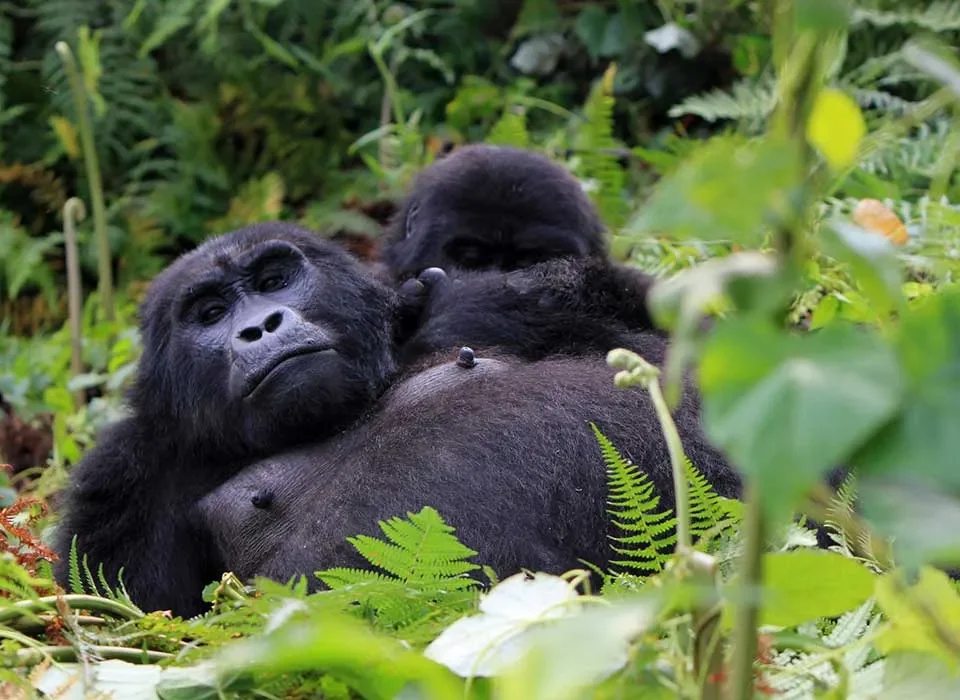
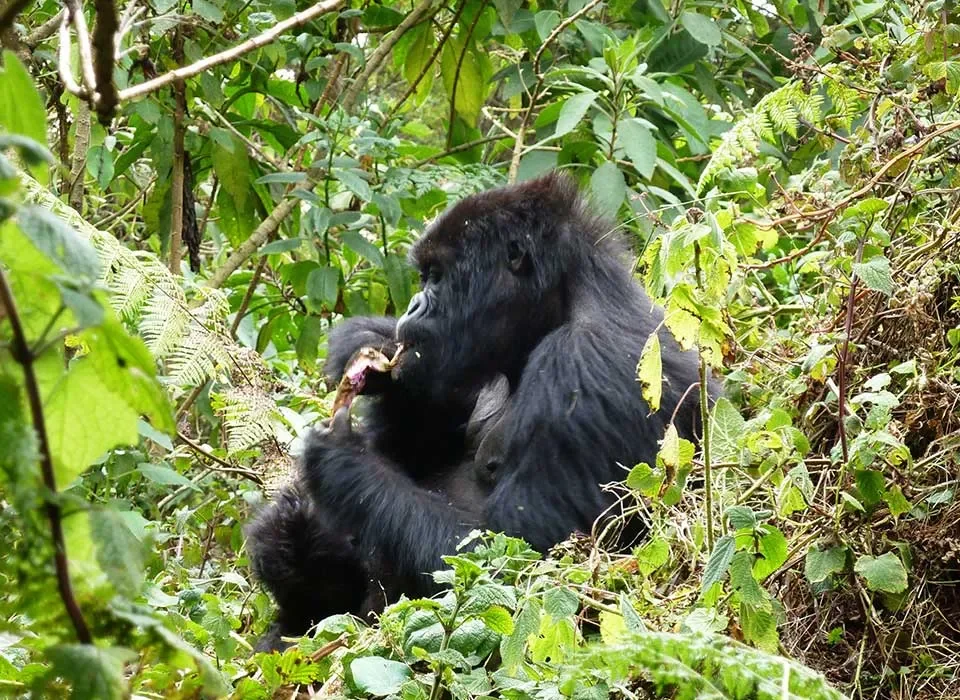
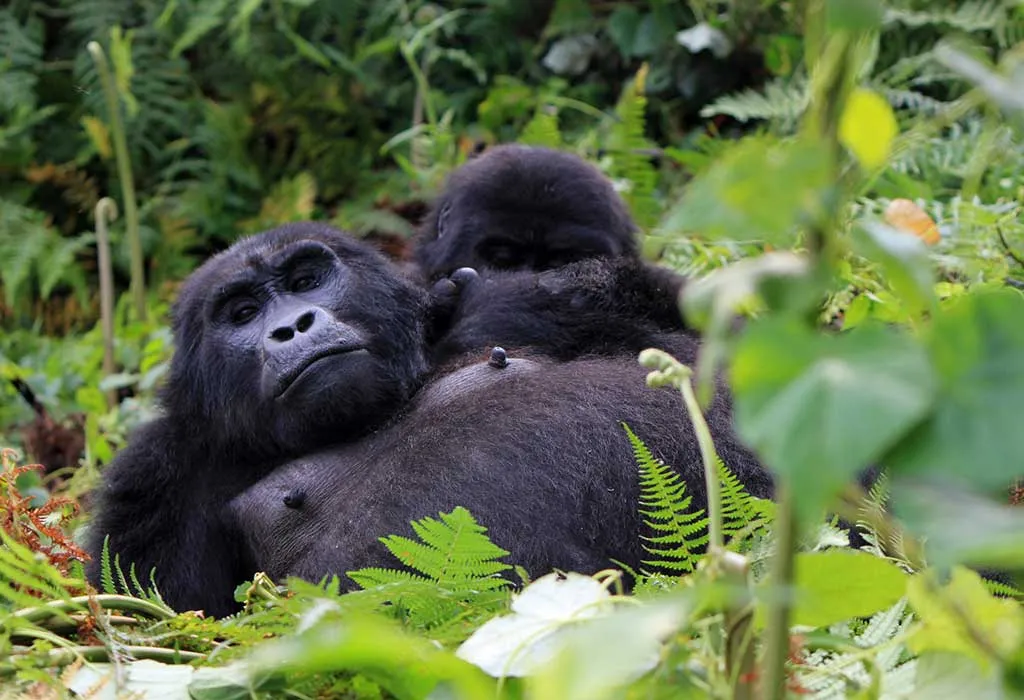
Young gorillas may be seen playing, mothers caring for infants, silverbacks displaying dominance, and families moving through the forest in search of food.
The extended observation period creates a truly immersive wildlife experience.
The Benefits of Spending Four Hours with Gorillas
The greatest advantage of the Gorilla Habituation Experience is the additional time spent with the gorillas.
Many travelers who complete standard gorilla trekking often feel that one hour passes remarkably quickly.
Four hours provides a completely different perspective.
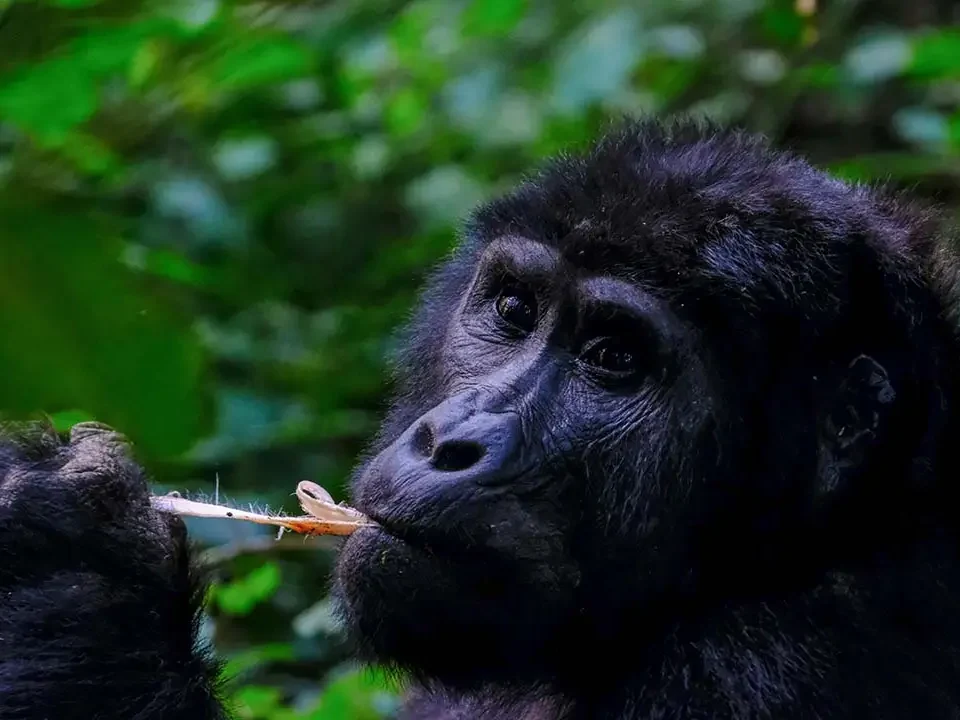
Visitors can observe subtle changes in behavior, social interactions, feeding routines, and family dynamics that may not be apparent during shorter encounters.
Photographers particularly appreciate the additional time because it allows them to capture a wider variety of images under different lighting conditions.
Wildlife enthusiasts gain a deeper appreciation for mountain gorilla ecology and conservation.
Researchers and conservationists often consider habituation one of the most educational wildlife experiences available anywhere in Africa.
Gorilla Habituation Permit Costs
The gorilla habituation Uganda permit is more expensive than a standard gorilla trekking permit.
The higher price reflects the exclusivity of the experience, smaller group sizes, longer interaction times, and conservation contributions.
Although permit prices may change periodically, visitors should expect habituation permits to cost significantly more than regular gorilla trekking permits.
Because only a few permits are available each day, demand often exceeds supply during peak travel seasons.
Travelers are strongly encouraged to book permits several months in advance, particularly if visiting between June and September or December and February.
Early planning increases the likelihood of securing preferred travel dates.
Who Should Consider Gorilla Habituation?
The Gorilla Habituation Experience is ideal for travelers seeking a deeper and more meaningful wildlife encounter.
Wildlife Photographers
Photographers benefit enormously from the extended time spent with the gorillas.
The additional hours provide opportunities to capture behavioral moments that are often missed during standard trekking.
Photographers can experiment with different angles, compositions, and lighting conditions while documenting gorilla life in remarkable detail.
Conservation Enthusiasts
Travelers interested in wildlife conservation gain valuable insights into the efforts required to protect mountain gorillas.
Observing researchers and rangers at work creates a greater appreciation for the challenges and successes of gorilla conservation.
Repeat Gorilla Trekkers
Many visitors who have already completed traditional gorilla trekking choose habituation for a more advanced and immersive experience.
The opportunity to spend four hours with a gorilla family offers a completely different perspective.
Luxury Safari Travelers
Many luxury gorilla safari Uganda itineraries now include habituation experiences as premium wildlife activities.
The exclusivity and educational value align perfectly with high-end safari experiences.
Physical Fitness Requirements
Gorilla habituation is generally more demanding than standard gorilla trekking.
Because the gorilla families undergoing habituation may roam deeper into the forest, trekking distances can be longer and more challenging.
Participants should be prepared for:
Steep terrain
Dense vegetation
Mud and slippery trails
Variable weather conditions
Long walking distances
A reasonable level of physical fitness is recommended.
Hiring a porter is highly advisable, as porters assist with carrying bags and provide support on difficult sections of the trail.
Many visitors find that hiring a porter significantly enhances their trekking experience while also supporting local communities.
What to Pack for Gorilla Habituation
Proper preparation contributes significantly to a successful experience.
Essential items include sturdy waterproof hiking boots, long-sleeved shirts, long trousers, rain gear, gardening gloves for gripping vegetation, insect repellent, sunscreen, snacks, and plenty of drinking water.
A good camera with extra batteries and memory cards is highly recommended.
Because Bwindi’s weather can change rapidly, dressing in layers is often the best approach.
Neutral-colored clothing helps visitors blend into the natural environment while avoiding unnecessary attention from wildlife.
Conservation Impact of Gorilla Habituation
One of the most important aspects of gorilla habituation Uganda is its contribution to conservation.
Revenue generated from permits directly supports gorilla protection initiatives, anti-poaching programs, research projects, ranger salaries, and community development efforts.
Tourism has become one of the most effective tools for mountain gorilla conservation.
By creating economic incentives to protect gorillas and their habitat, tourism helps ensure the long-term survival of this endangered species.
The Gorilla Habituation Experience also provides valuable data for researchers studying gorilla behavior and ecology.
Visitors contribute directly to these conservation efforts simply by participating.
Best Time for Gorilla Habituation in Uganda
The Gorilla Habituation Experience is available throughout the year.
However, many travelers prefer visiting during Uganda’s dry seasons.
The main dry periods occur between June and September and between December and February.
During these months, trails are generally easier to navigate and weather conditions are more predictable.
The rainy seasons offer different advantages.
The forest becomes lush and vibrant, photography conditions can be spectacular, and visitor numbers are often lower.
Regardless of the season, mountain gorillas remain active year-round.
Combining Gorilla Habituation with Other Safari Activities
Many visitors combine gorilla habituation with additional wildlife experiences.
Popular safari combinations include:
Chimpanzee tracking in Kibale Forest
Wildlife safaris in Queen Elizabeth National Park
Game drives in Murchison Falls National Park
Birdwatching expeditions
Cultural tours
Lake Bunyonyi excursions
A well-planned Uganda gorilla safari itinerary can include both rainforest adventures and traditional African wildlife experiences.
This combination creates one of the most diverse safari holidays available on the continent.
Common Misconceptions About Gorilla Habituation
Some travelers mistakenly believe habituation involves training or domesticating gorillas.
This is not the case.
The process simply allows gorillas to become comfortable with human observation while maintaining completely natural behaviors.
Another misconception is that habituation guarantees closer encounters.
While extended observation time increases opportunities for memorable interactions, all encounters remain dependent on the gorillas’ natural movements and behavior.
The welfare of the gorillas always takes priority over visitor expectations.
Is Gorilla Habituation Worth It?
For many travelers, the answer is a resounding yes.
The opportunity to spend four hours with mountain gorillas while learning directly from researchers and conservation professionals is unlike any other wildlife experience in Africa.
Although the permits cost more than traditional gorilla trekking, many visitors feel the additional time, exclusivity, educational value, and conservation impact justify the investment.
For photographers, wildlife enthusiasts, conservation supporters, and travelers seeking a once-in-a-lifetime primate encounter, gorilla habituation often becomes the highlight of an entire African safari.
Conclusion
The Gorilla Habituation Experience offers one of the most extraordinary wildlife encounters available anywhere in the world. Exclusive to Uganda, this immersive adventure allows visitors to spend four unforgettable hours with mountain gorillas while participating in the ongoing conservation process that helps protect one of Earth’s most endangered species.
Unlike traditional gorilla trekking, gorilla habituation Uganda provides deeper insights into gorilla behavior, family dynamics, and conservation efforts. The small group sizes, extended observation periods, and direct interaction with researchers create a richer and more meaningful experience.
Whether you are a photographer, wildlife enthusiast, conservation advocate, or simply a traveler seeking an unforgettable African adventure, the Gorilla Habituation Experience delivers a rare opportunity to connect with mountain gorillas in a way that few people ever will.
For those looking beyond standard gorilla trekking, gorilla habituation stands as one of Uganda’s most remarkable and rewarding safari experiences.